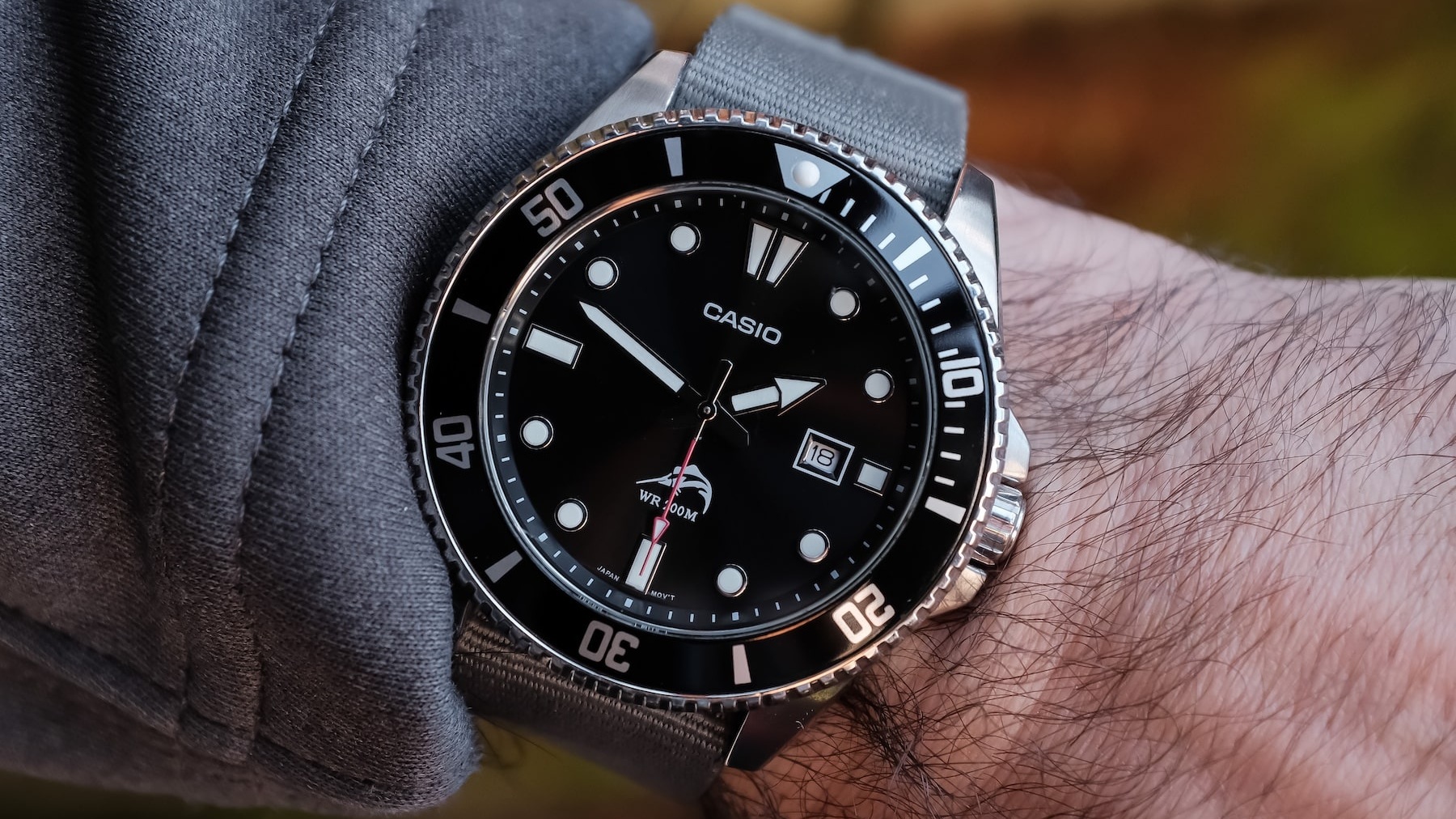
Casio was founded in 1946 by Tadao Kashio in Tokyo, initially producing a ring-mounted cigarette holder that allowed smokers to use their hands freely. From this utilitarian beginning, Kashio and his brothers pivoted toward electronics, developing Japan's first compact all-electronic calculator in 1957. The calculator business financed Casio's move into watches in the 1970s, and the company brought its engineering culture - cheap, reliable, functional, innovative - directly to the wristwatch market.
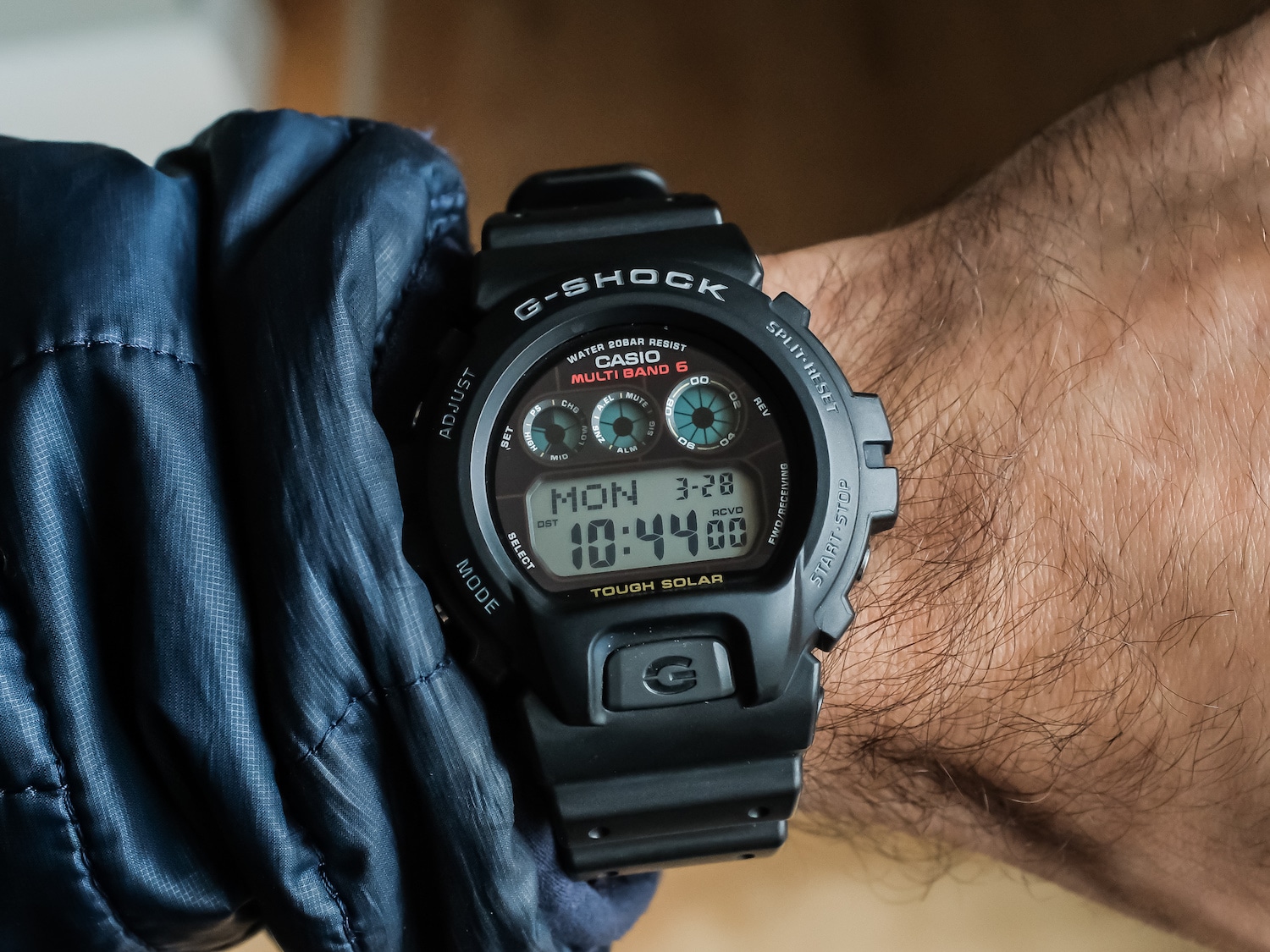
The pivotal moment came in 1983 when engineer Kikuo Ibe created the DW-5000C G-Shock after committing to build a watch that could survive a ten-metre drop, ten-bar water pressure, and ten years of battery life - a challenge he called the "Triple Ten." After 200 failed prototypes, the hollow structure filled with urethane that protected the module from shock was finally cracked by dropping a prototype module from a toilet window. The G-Shock became the world's most popular sports watch, selling over 100 million units, and remains in continuous production as both an affordable tool watch and a high-end collector item.
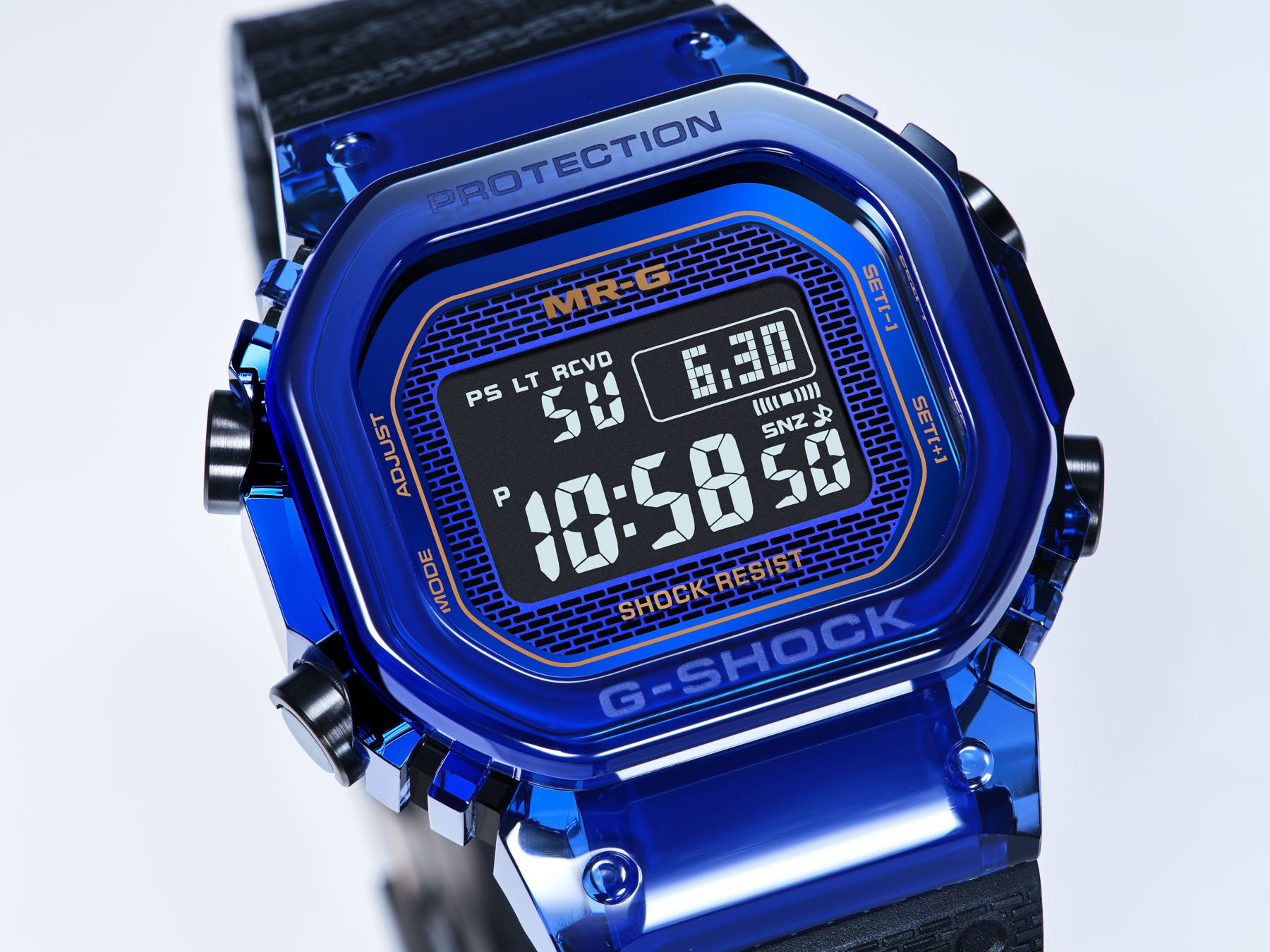
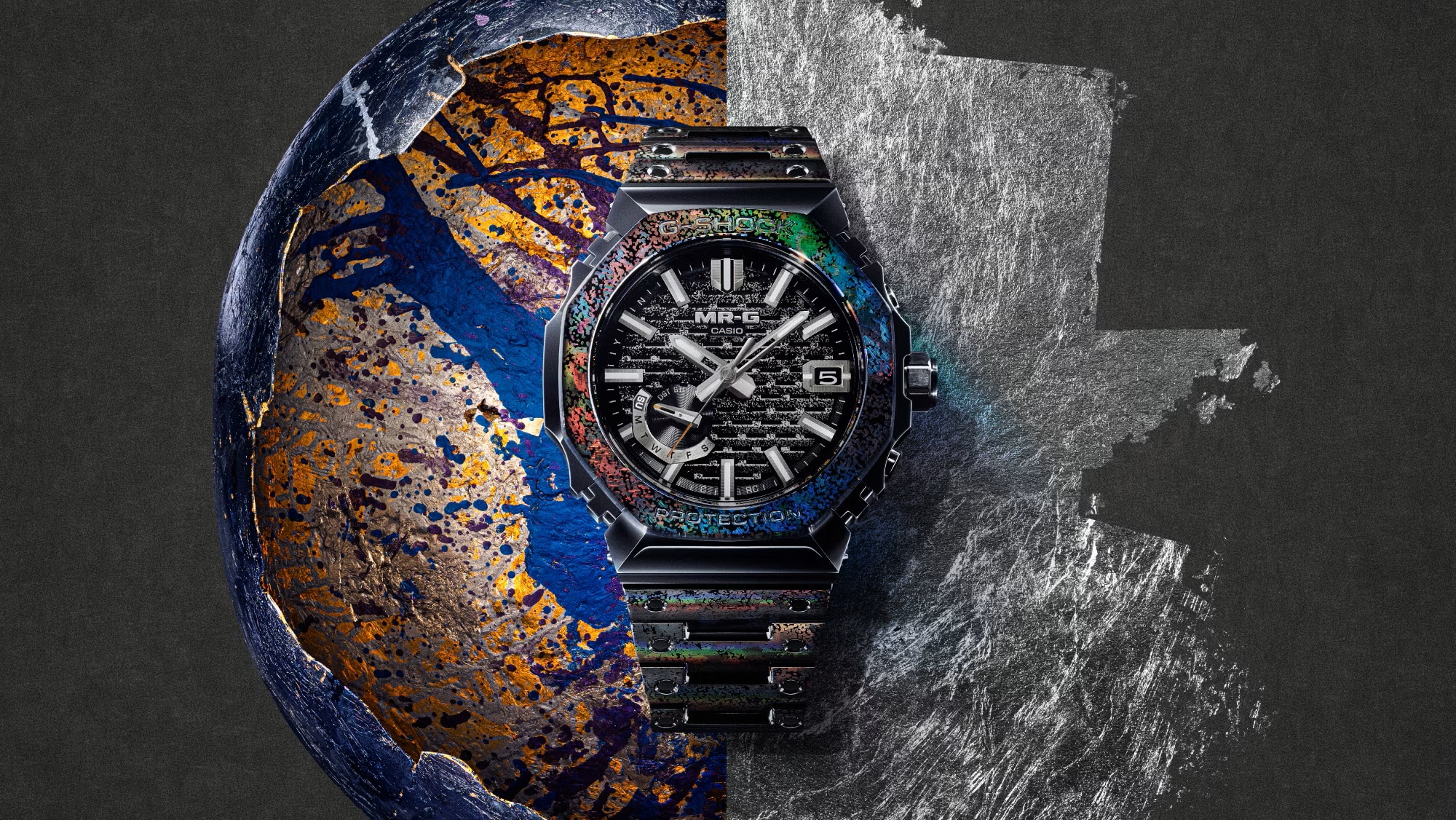
Beyond G-Shock, Casio's catalogue spans the vintage-inspired A168 and W86 models that have achieved cult status among collectors for their retro aesthetics, through to the Edifice sport-solar line and the Pro Trek trekking watches with triple-sensor technology. The full-metal GMW-B5000, released in 2019, brought G-Shock to collector-grade territory with a stainless steel case and solar Bluetooth connectivity - proof that Casio can pivot between mass-market and premium without losing its identity.