Eugène Blum and his wife Alice Levy founded Ebel in La Chaux-de-Fonds in 1911 - the brand name is an acronym formed from Eugène Blum Et Levy. Through the inter-war period Ebel built a reputation as a refined Swiss watchmaker producing dress and complication watches in small to medium volumes, supplying movements and finished watches under multiple labels alongside its own brand. The motto L'architecte du temps ('The Architect of Time') was adopted in the brand's modern era as a statement of design discipline.
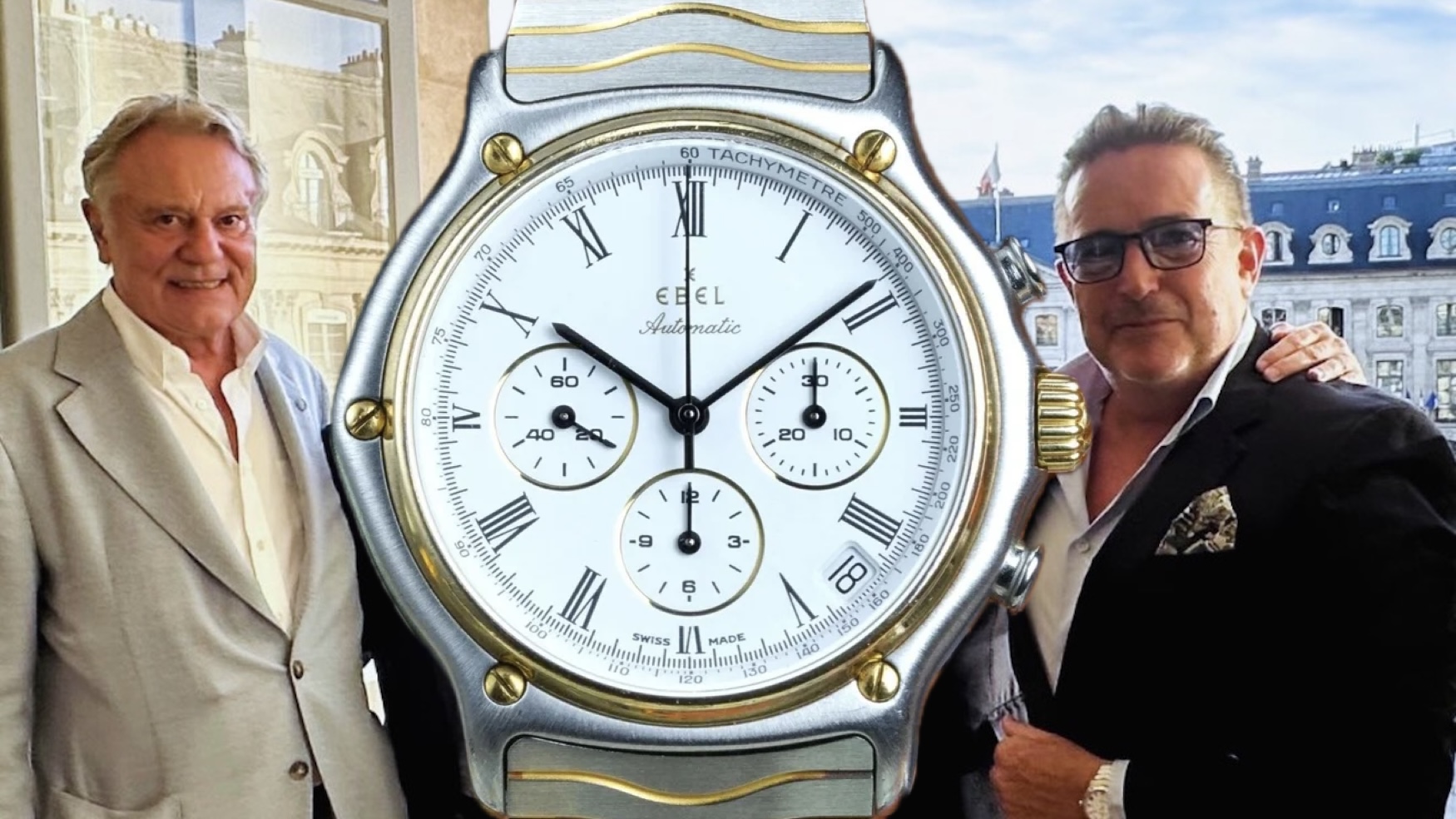
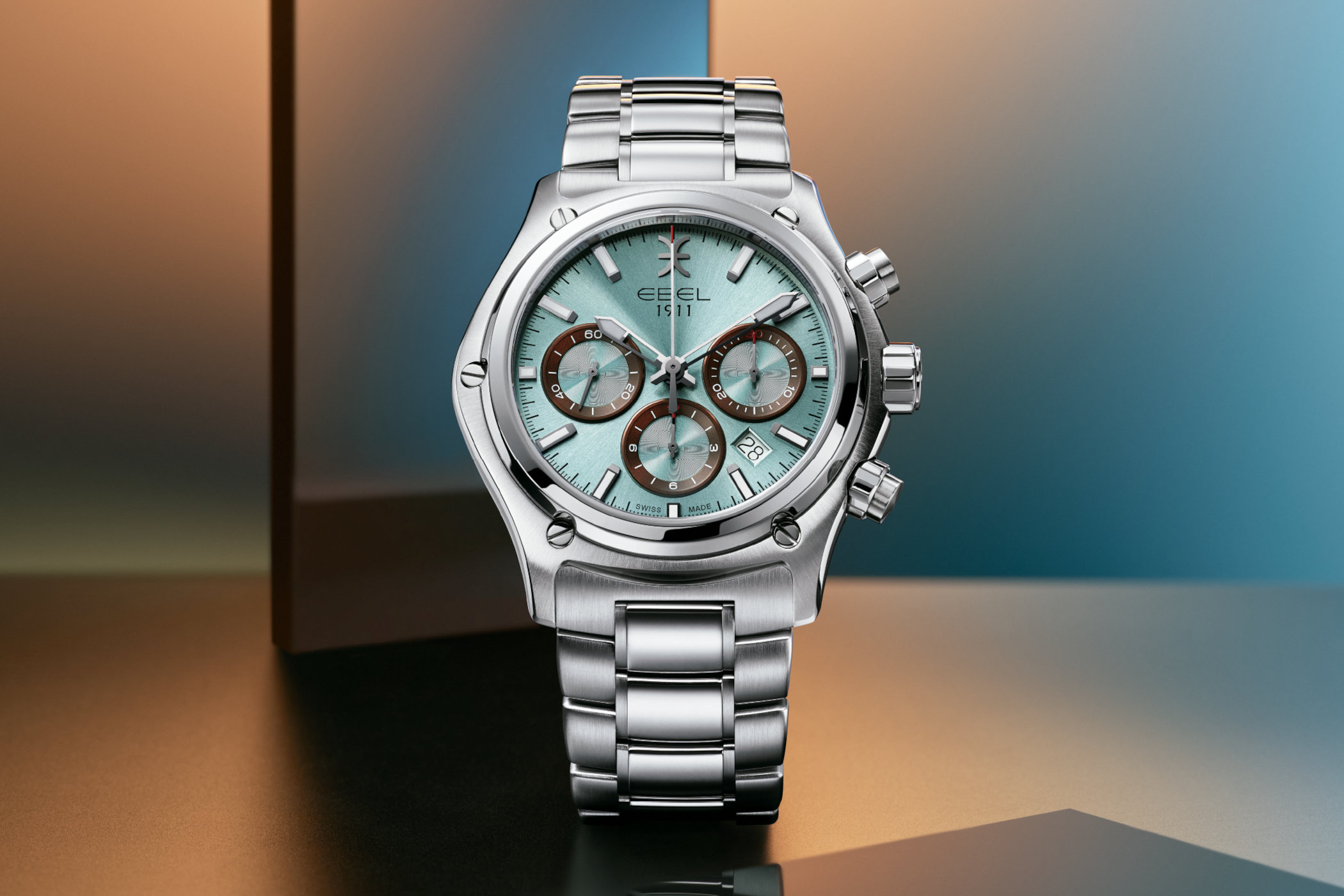
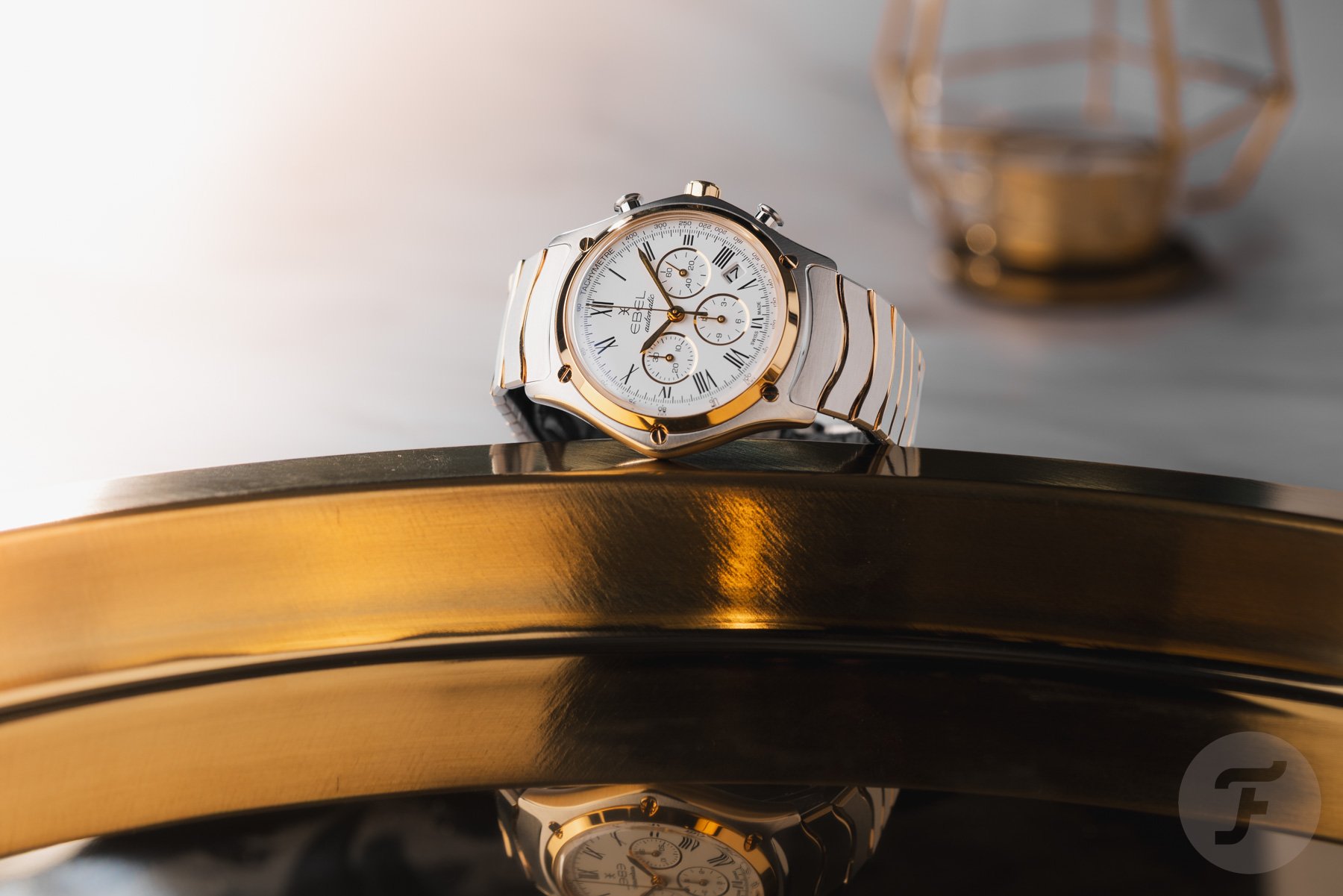
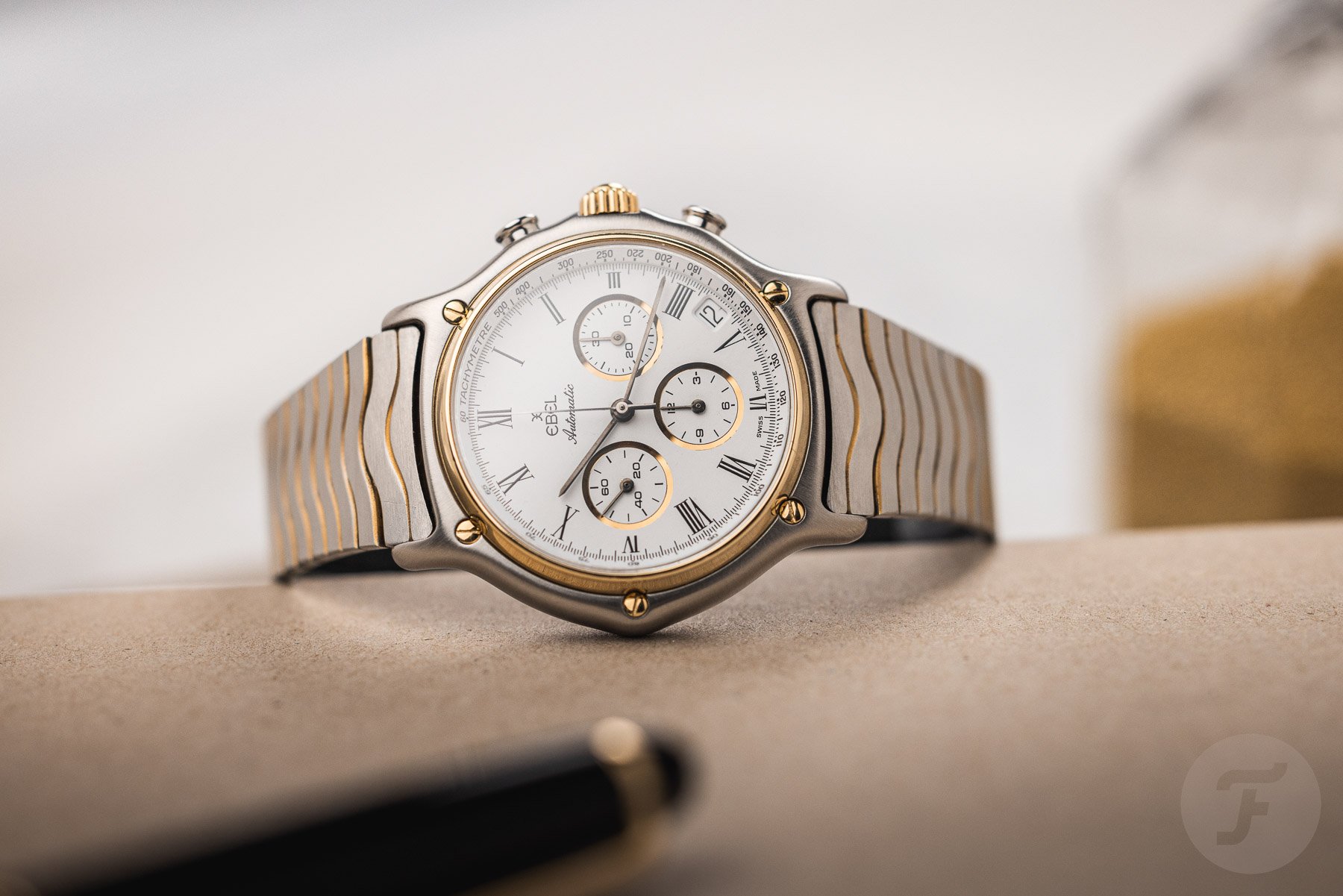
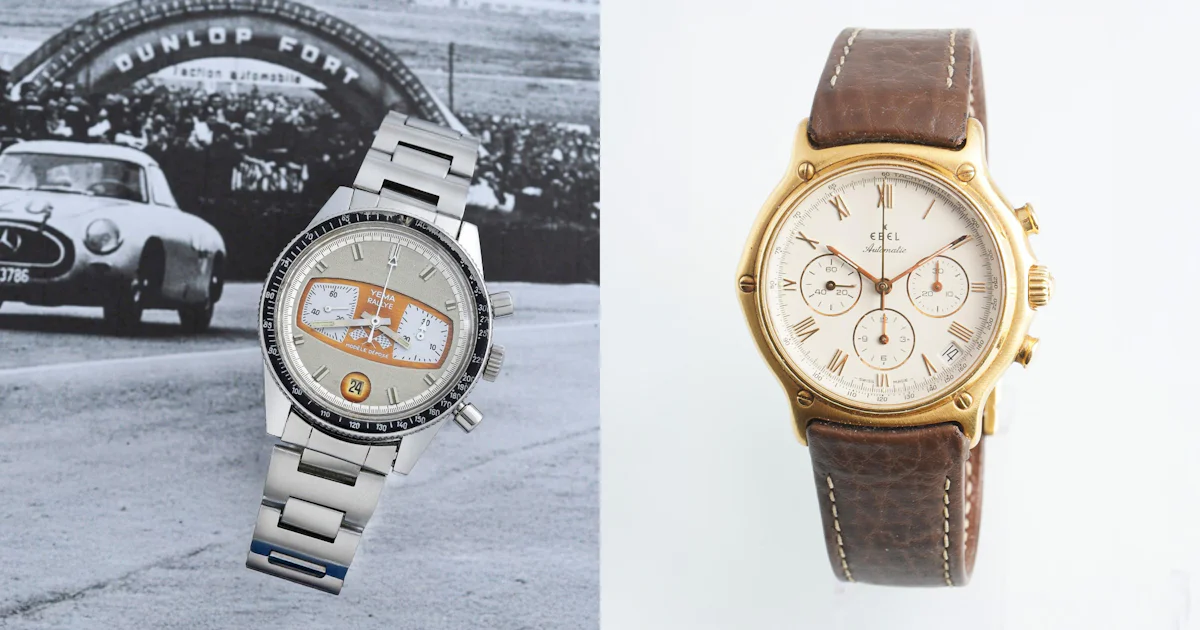
Ebel's commercial peak came in the 1970s and 1980s with the launch of the Sport Classic in 1977: a 38mm integrated-bracelet sport watch with a distinctive wave-link bracelet (5 wavy links forming a flexible band), round case with screwed bezel, and a clean dial. The Sport Classic became one of the defining luxury sports watches of the 1980s, worn by architects, designers, financiers, and high-design taste-makers across Europe and the US. In the same era Ebel produced the El Primero-based 1911 Chronograph using Zenith calibres, building a reputation as a serious mid-luxe Swiss watchmaker.
Through the late 1990s and 2000s Ebel passed through several ownership transitions: LVMH acquired the brand in 1999, sold it to Movado Group in 2004, where it operates today as one of the Movado Group's premium Swiss brands alongside Concord and the parent Movado. The modern catalogue centres on the relaunched Sport Classic, the 1911 collection (chronograph and three-hand variants), the Wave dress collection, and various special editions. Production is in La Chaux-de-Fonds; movements are largely Sellita-based with selected ETA and chronograph variants.