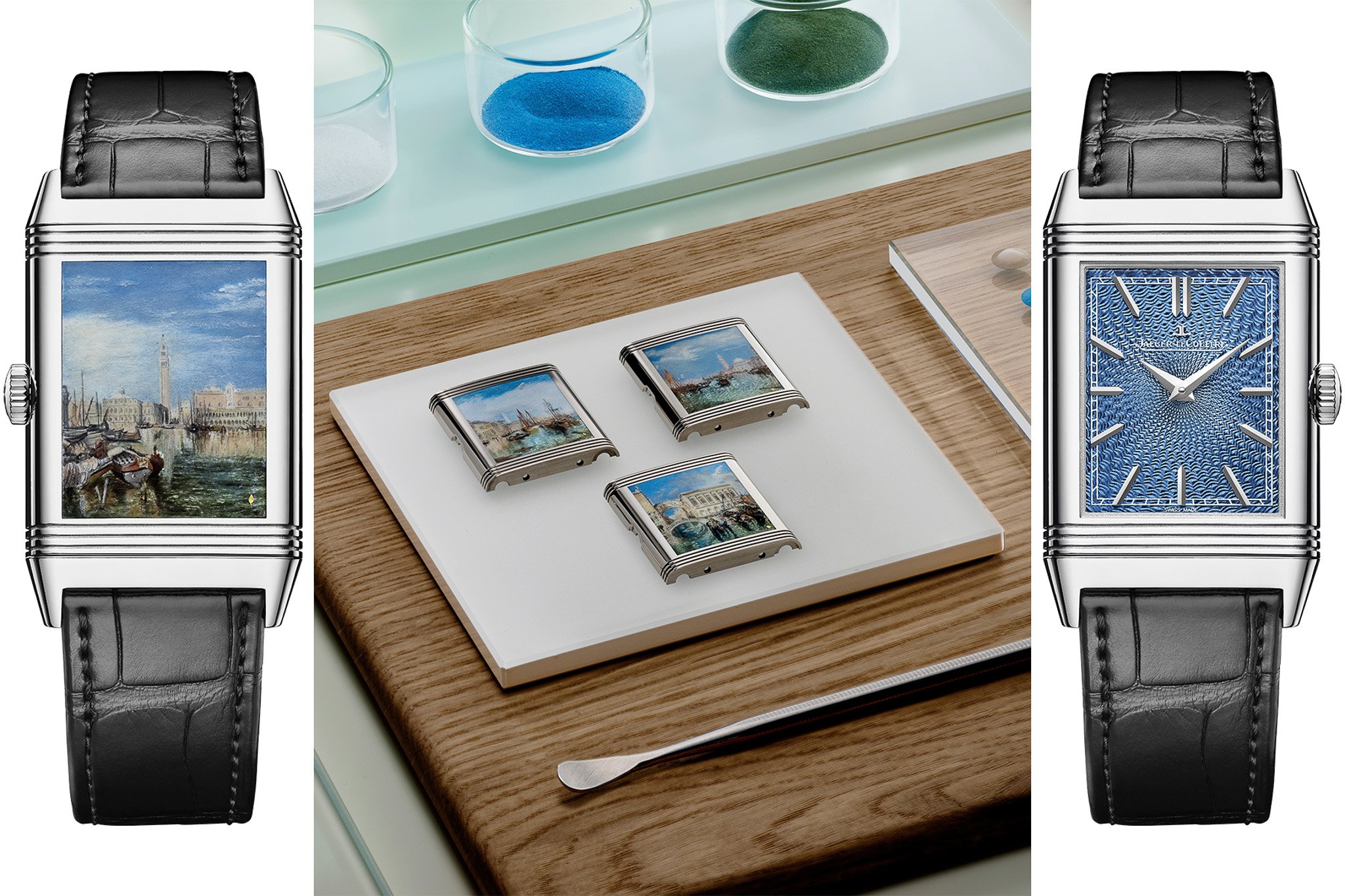
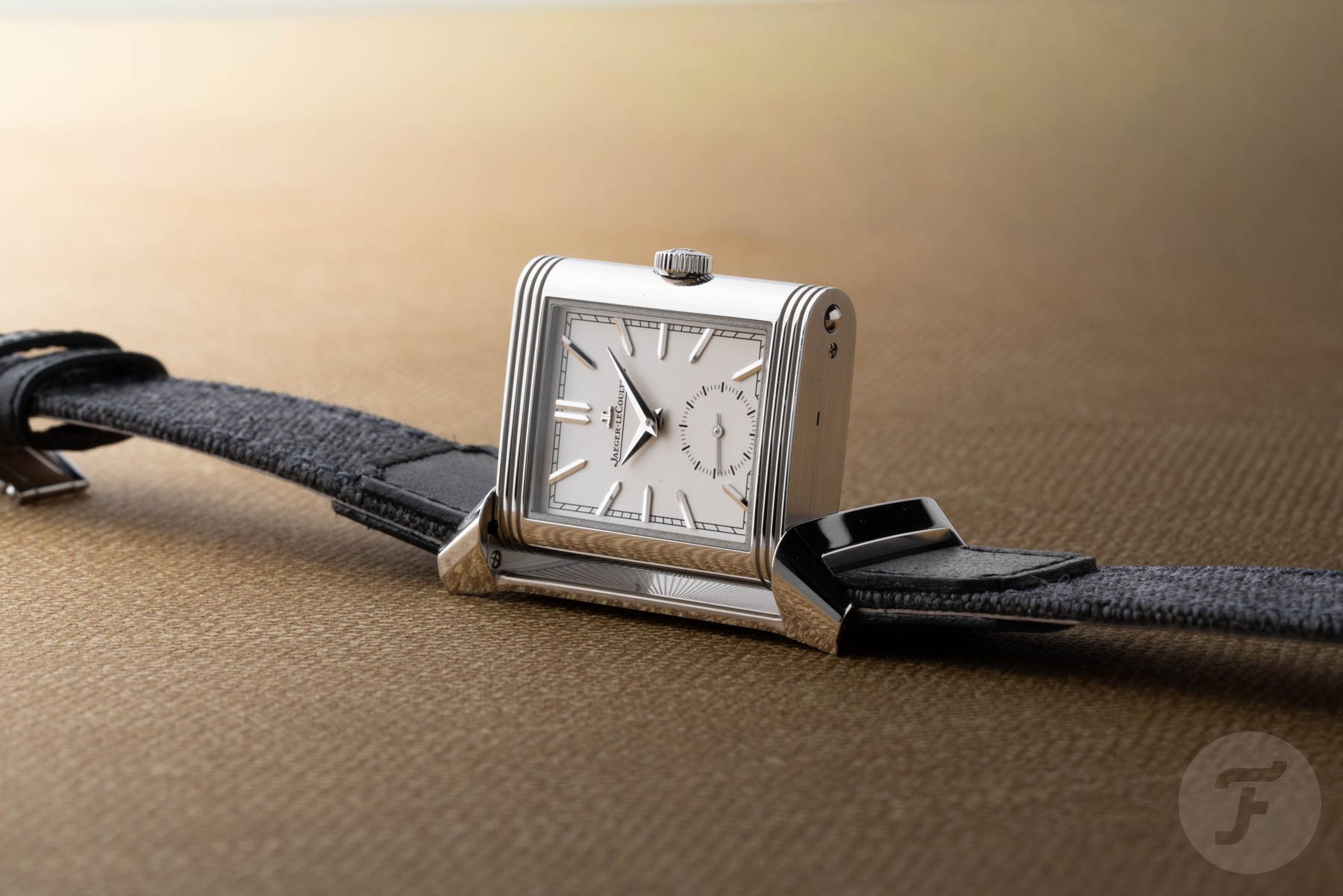
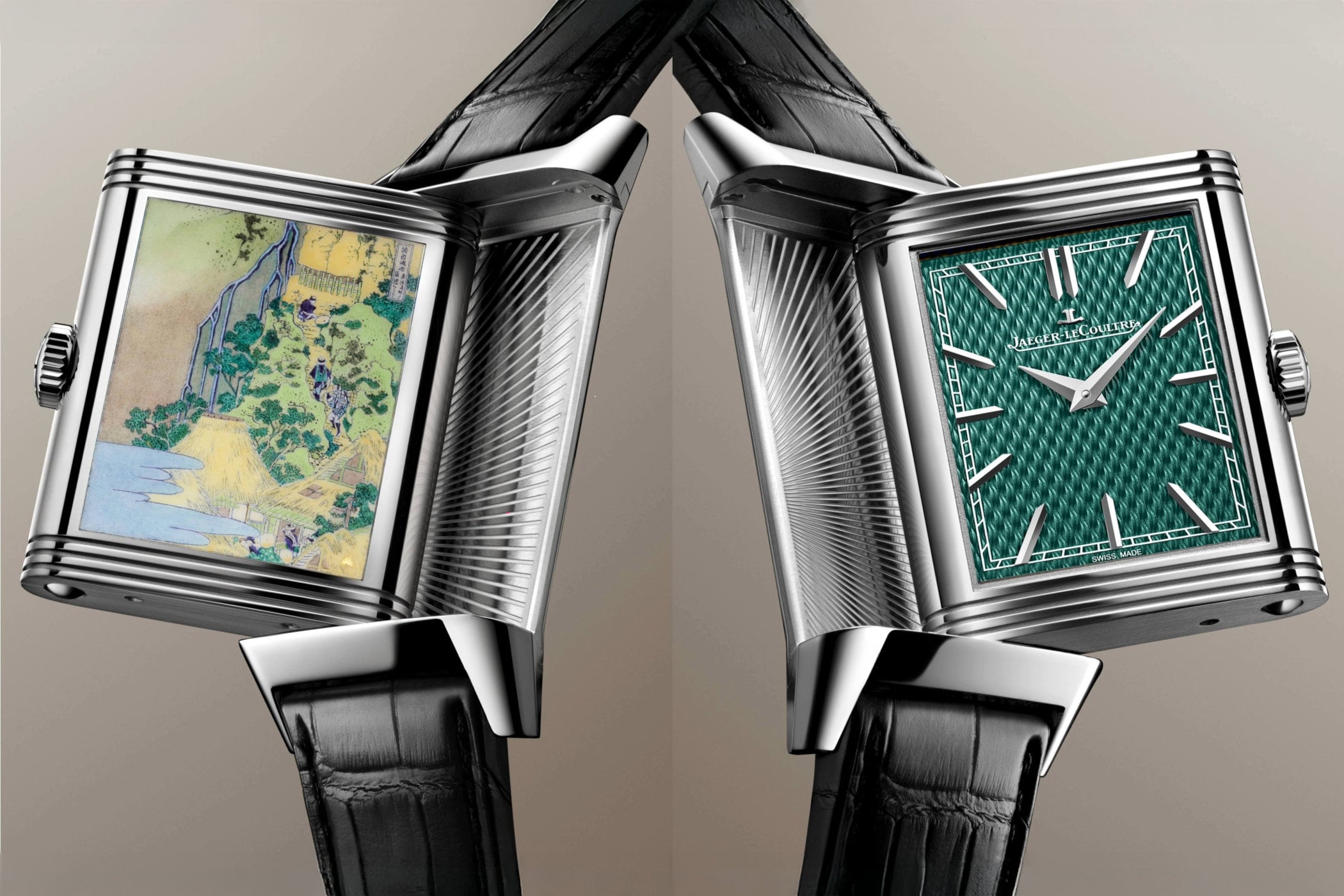
The Reverso was born in 1931 from a specific engineering problem. British cavalry officers posted to India had complained to Swiss businessman César de Trey, a watch importer and polo enthusiast, that their wristwatches kept shattering during matches - a polo mallet to the wrist was enough to destroy a quartz-crystal, let alone a fragile glass or enamel dial. De Trey commissioned engineer René-Alfred Chauvot to design a solution. Chauvot filed French patent 712,868 on 4 March 1931 for "a watch capable of sliding on its support and completely swivelling back on itself" - a rectangular case mounted on a brass carriage that allowed the watch head to flip 180 degrees, presenting the solid case back to incoming danger. Production began later that year under the Reverso name (Latin for "I turn around").
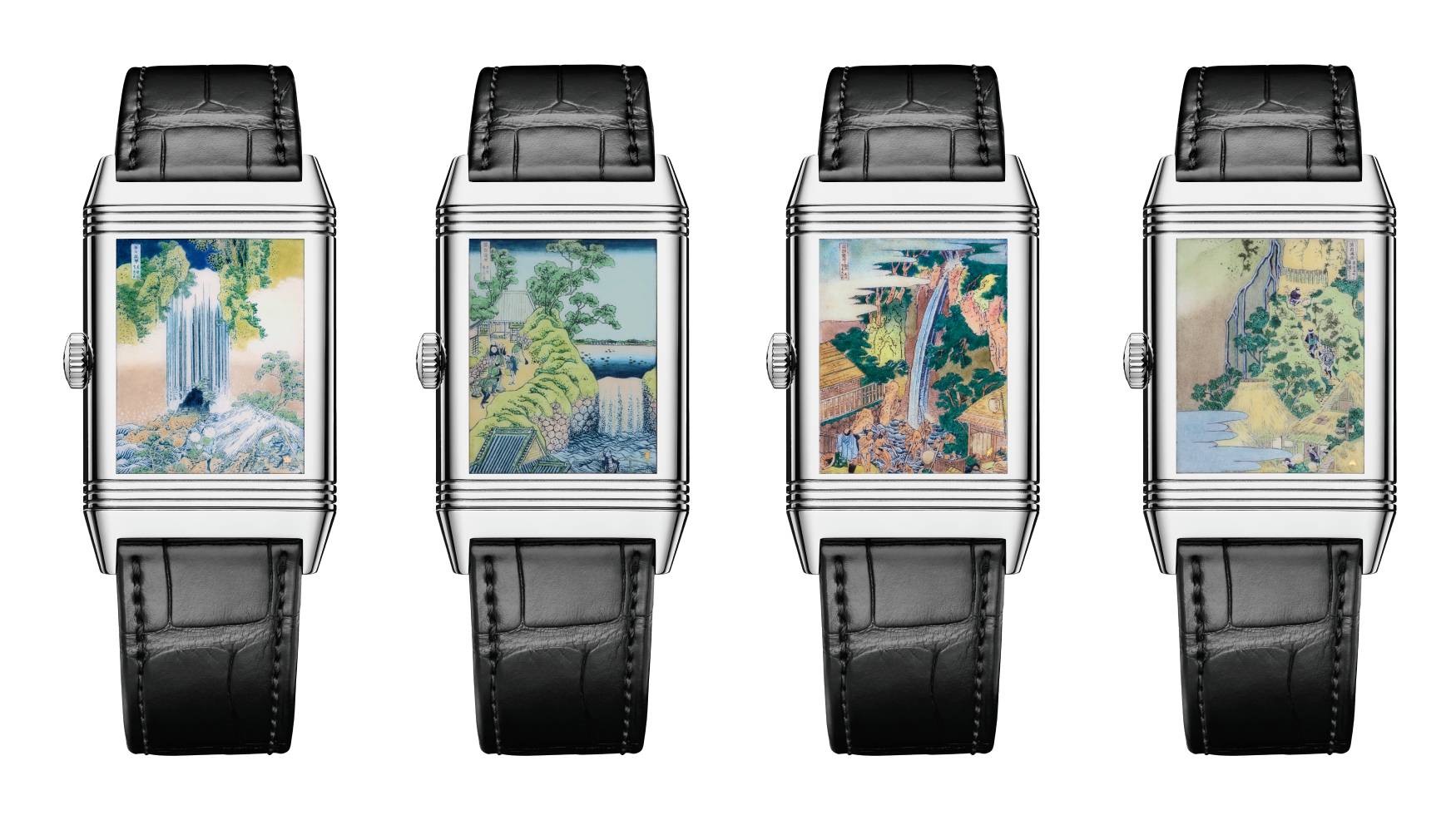
Jaeger-LeCoultre licensed the Chauvot patent immediately and has made every Reverso since. The Art Deco case - rectangular, with three horizontal gadroons above and below the dial - became one of the most recognisable Art Deco industrial designs of the 20th century, standing alongside the Chrysler Building and Cassandre's posters as an instantly legible emblem of the period. Early Reversos had simple time-only movements and solid metal case backs that owners routinely had engraved or enamelled: regimental crests, family coats of arms, personal insignia, even tiny lacquered scenes. Jaeger-LeCoultre still operates a bespoke engraving atelier for Reverso case backs today.
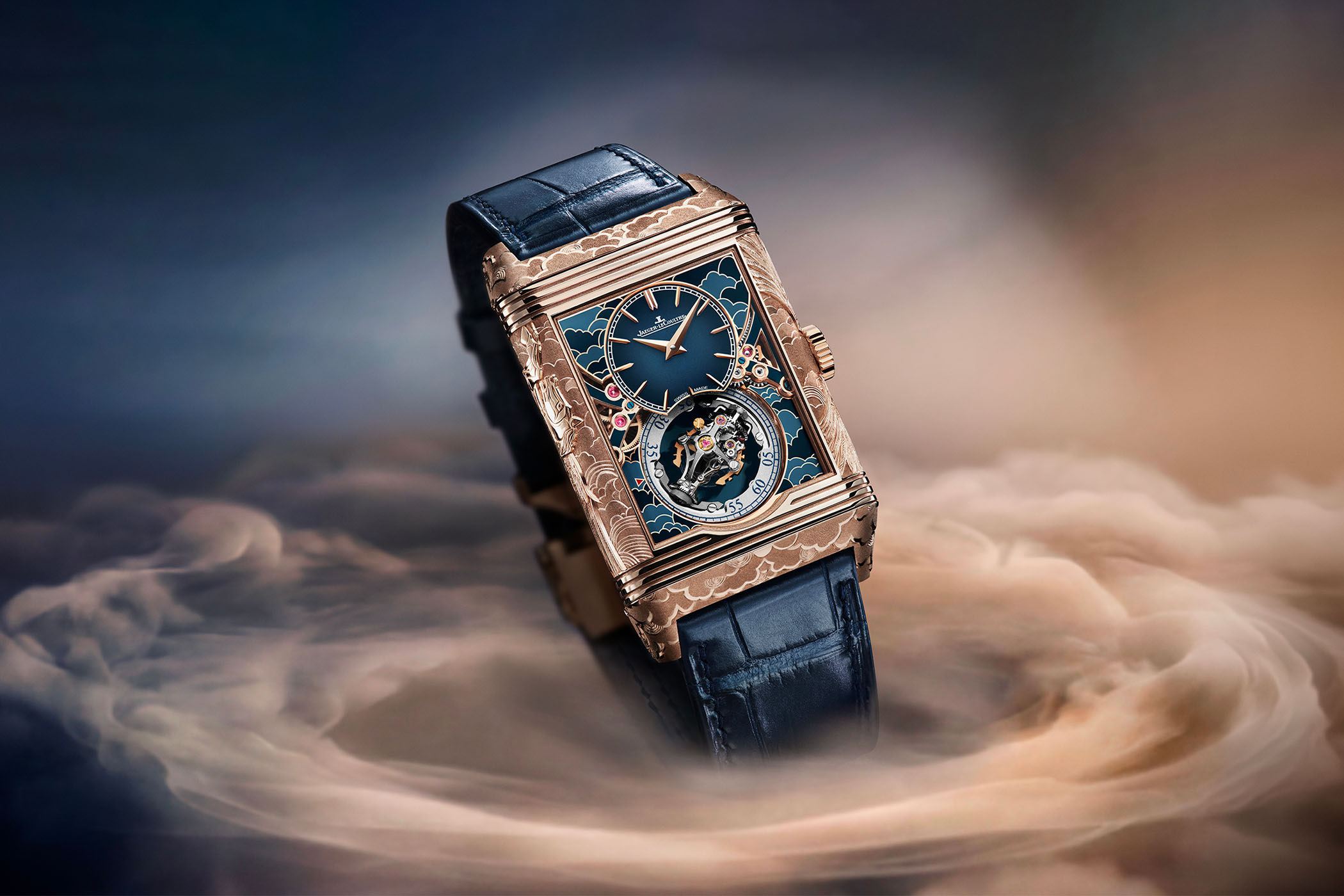
The Reverso faltered after WWII as round automatic watches displaced rectangular hand-wounds, and the line was quietly discontinued in the 1970s. It was relaunched in 1991 with the Reverso Soixantième (60th Anniversary) - 500 pieces in pink gold - which revealed the technical possibilities the swivelling case offered. Through the 1990s and 2000s, JLC's complication department transformed the Reverso into one of the most architecturally ambitious platforms in watchmaking: tourbillons, perpetual calendars, minute repeaters, rattrapante chronographs, and most famously the Duoface (1994) - two independent dials on either side of the case driven by a single movement.
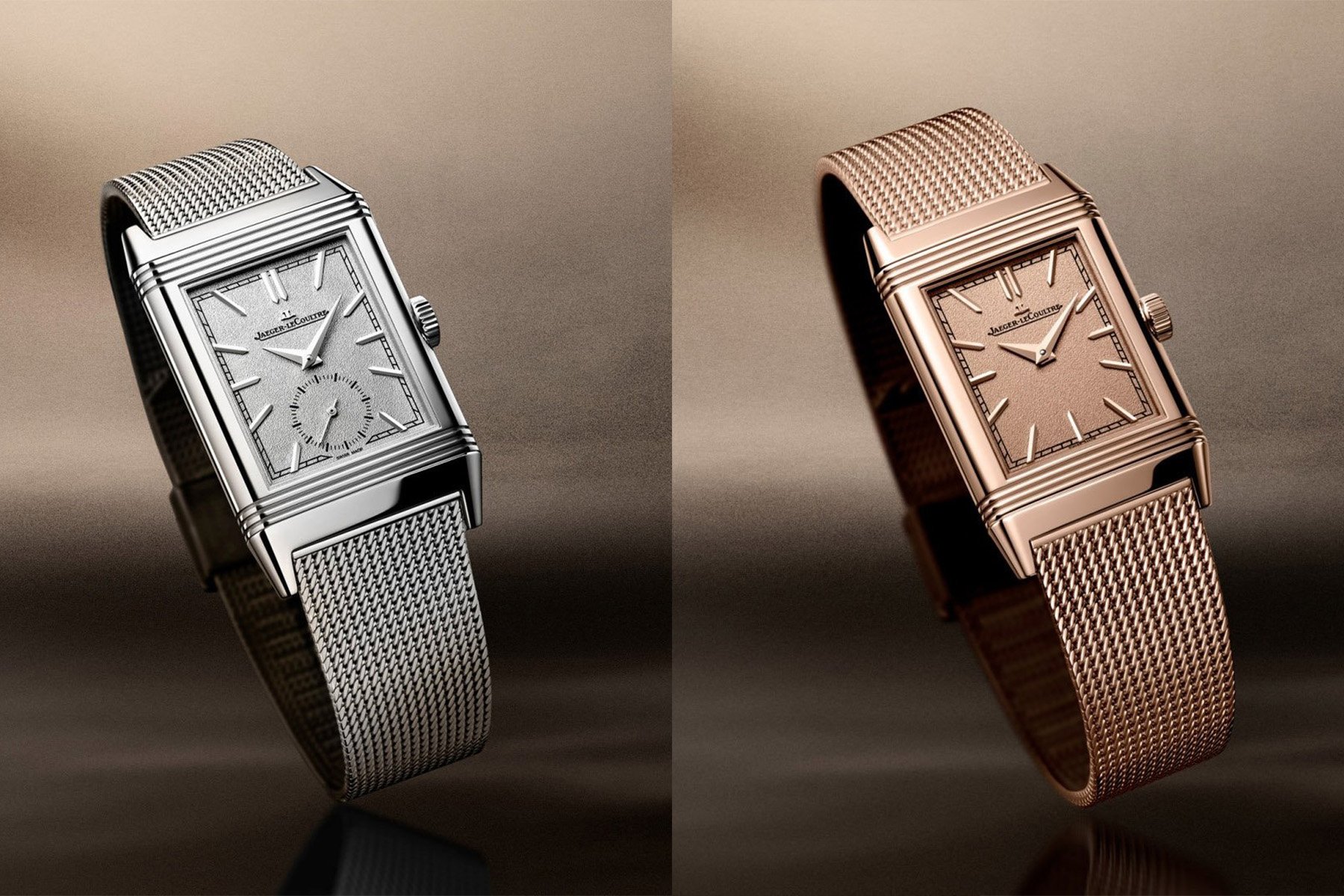
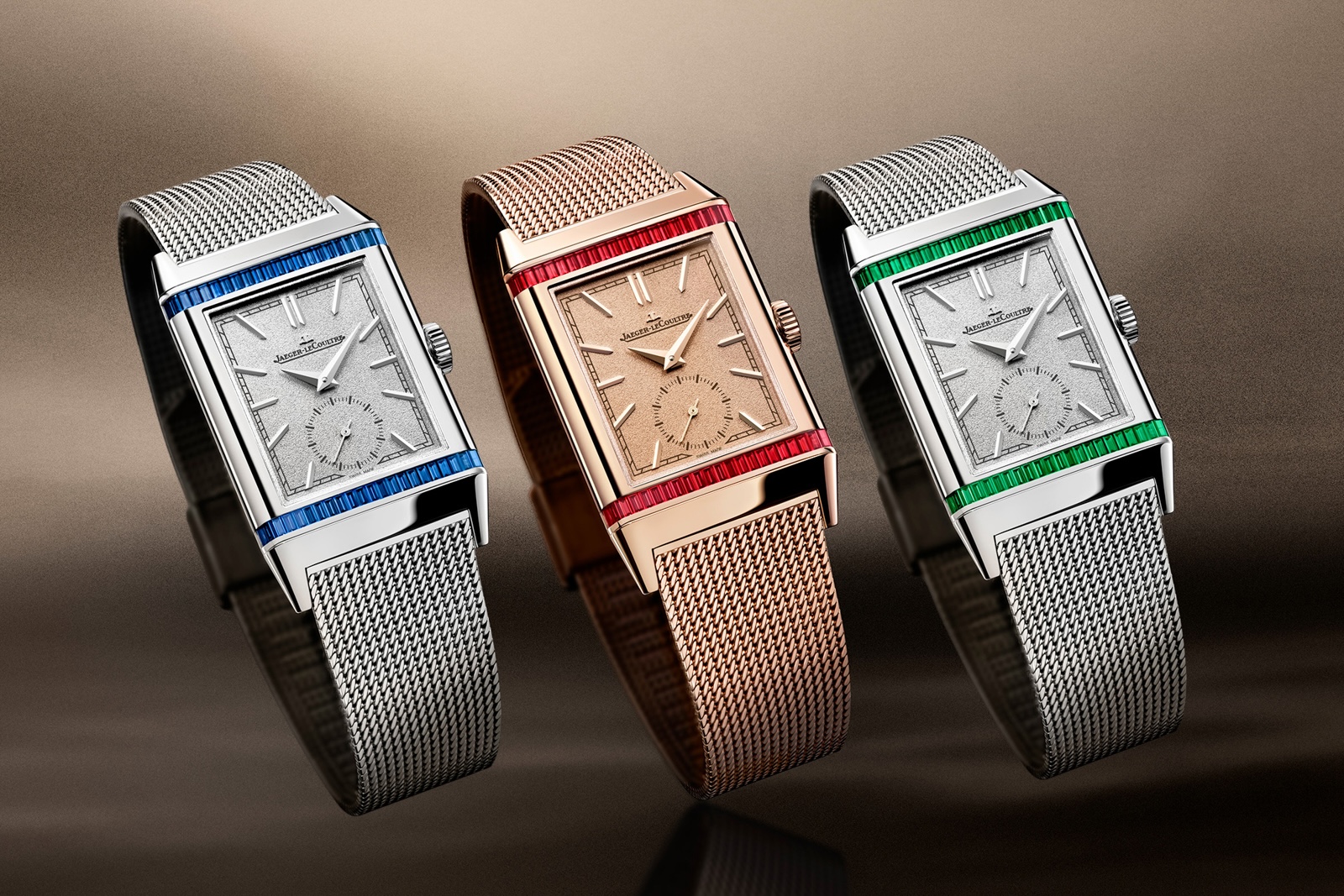
Today the Reverso family spans simple hand-wound three-handers (Reverso Classic Monoface), dual-time Duofaces (Reverso Classic Duoface), fully skeletonised Tributes, the complicated Reverso Tribute Calendar, and the ultra-haute Reverso Hybris Mechanica family including a Gyrotourbillon and a Minute Repeater to Westminster chime. 2021 marked the 90th anniversary with the Reverso Hybris Mechanica Calibre 185 - four case faces displaying 11 complications driven by a single 735-part movement. Current retail ranges from ~$9,500 (steel Classic Small) to $1.4M+ (Hybris Mechanica Calibre 185). The Reverso remains the largest active canvas for personalisation in luxury watchmaking.



Comments
No comments yet, be the first to weigh in.