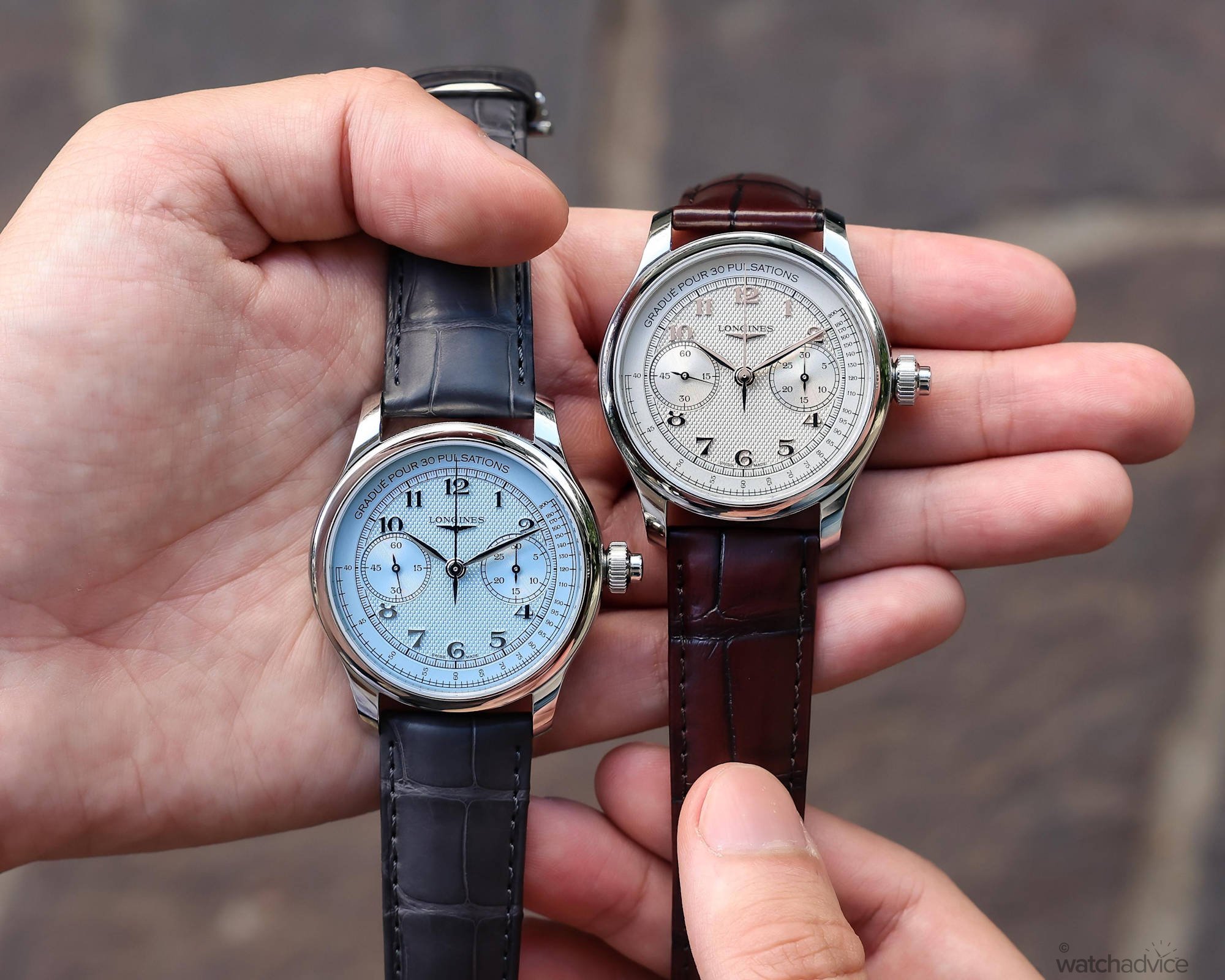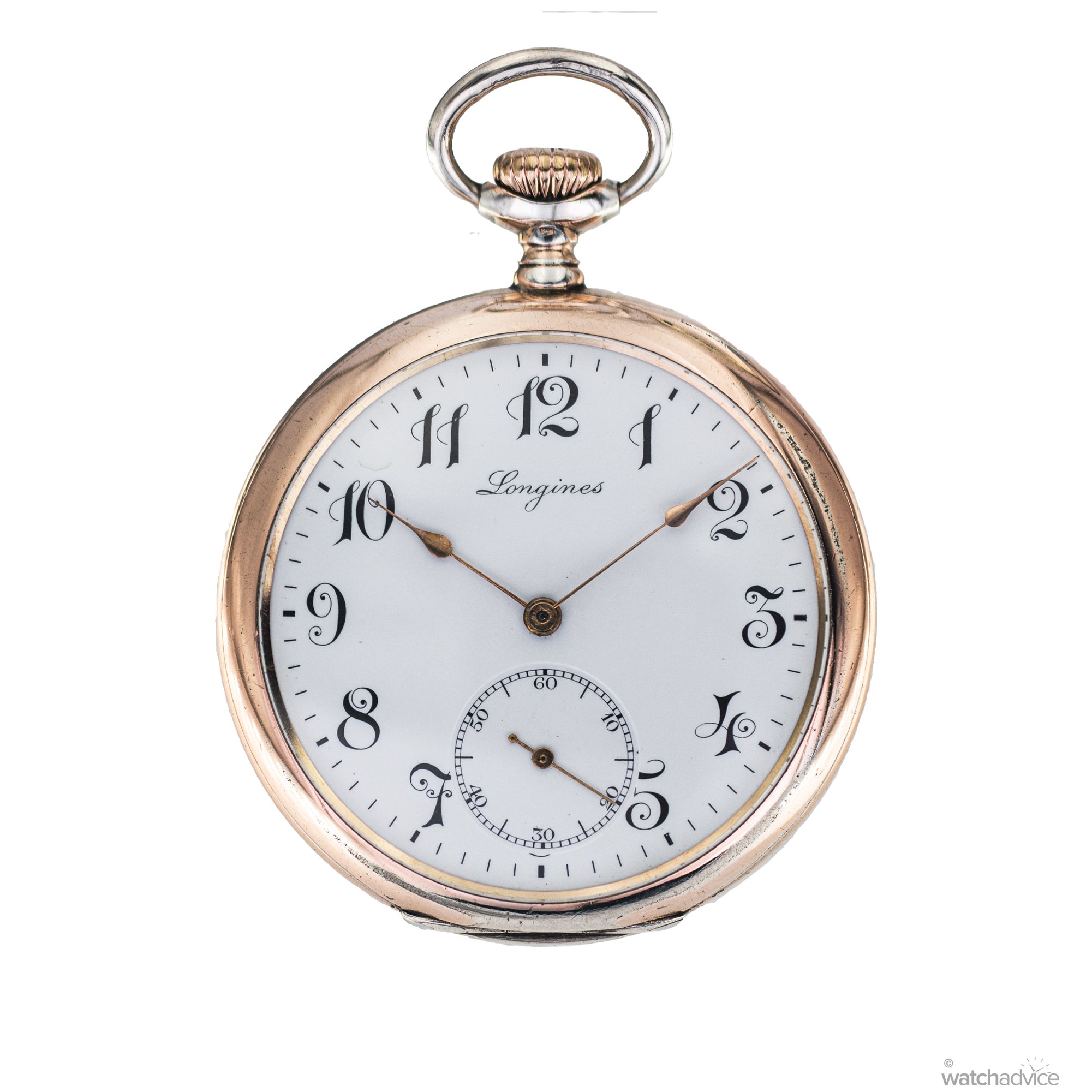
Longines was founded in 1832 by Auguste Agassiz in Saint-Imier, in the Swiss Jura - a village so thoroughly devoted to watchmaking that the name itself derives from "les longines," meaning "the long meadows" where the original factory was built. The brand holds the distinction of owning the world's oldest active trademark in watchmaking, registered in 1889 - a winged hourglass that has appeared on every Longines dial ever since. Few brands can claim such uninterrupted identity.
Longines built its 19th and early 20th century reputation on precision timekeeping for science and sport. The brand supplied chronographs to polar expeditions, astronomical observatories, and aviation pioneers. In 1927, Longines timed Charles Lindbergh's transatlantic crossing; in 1932, it developed the first electronic timekeeping equipment for the Los Angeles Olympics. This heritage - precise, reliable, technical - runs through every collection today. The brand has been the official timekeeper for the Alpine Ski World Cup and equestrian events, and continues to supply stopwatches to world championships across a range of sports.
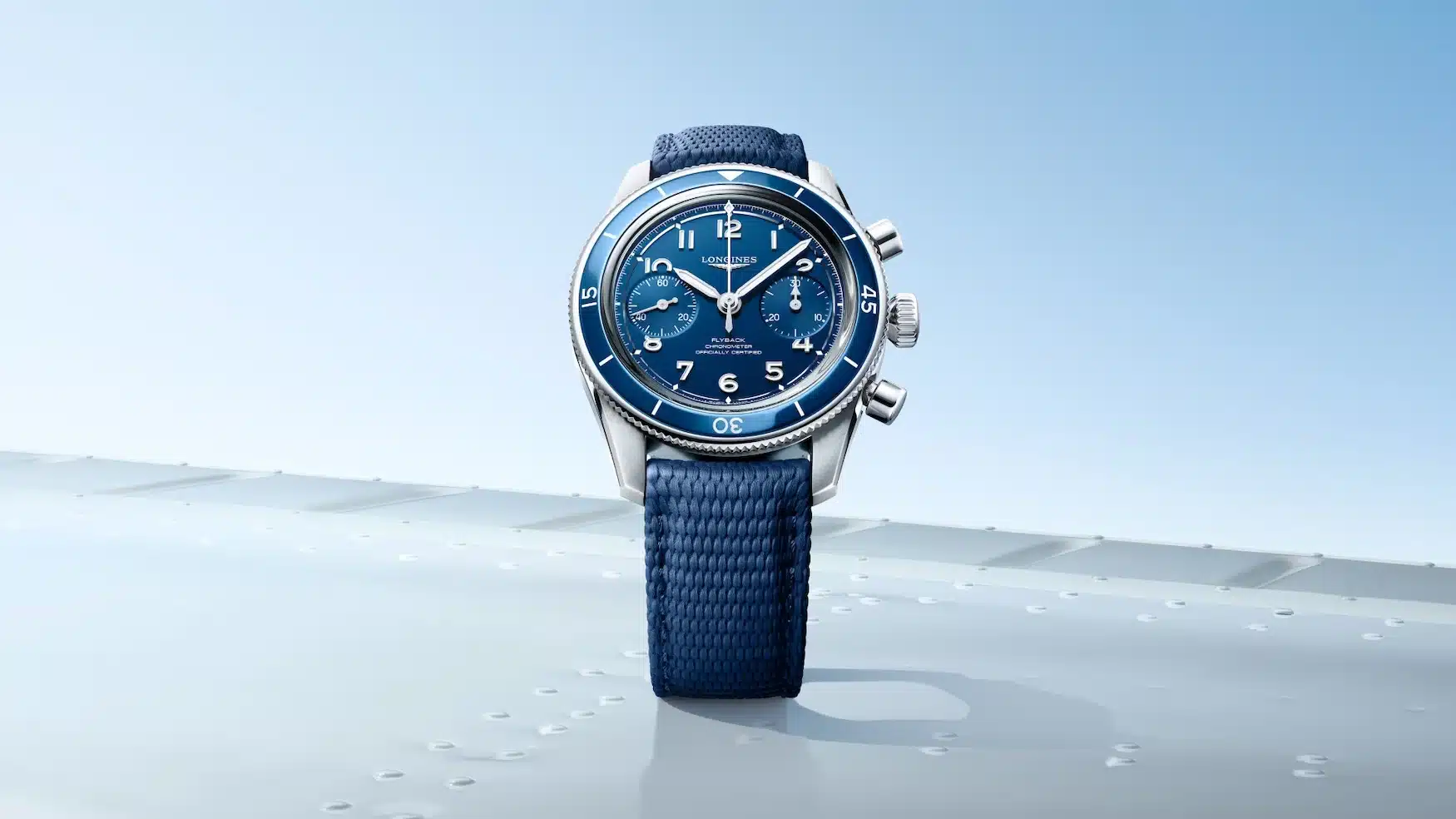
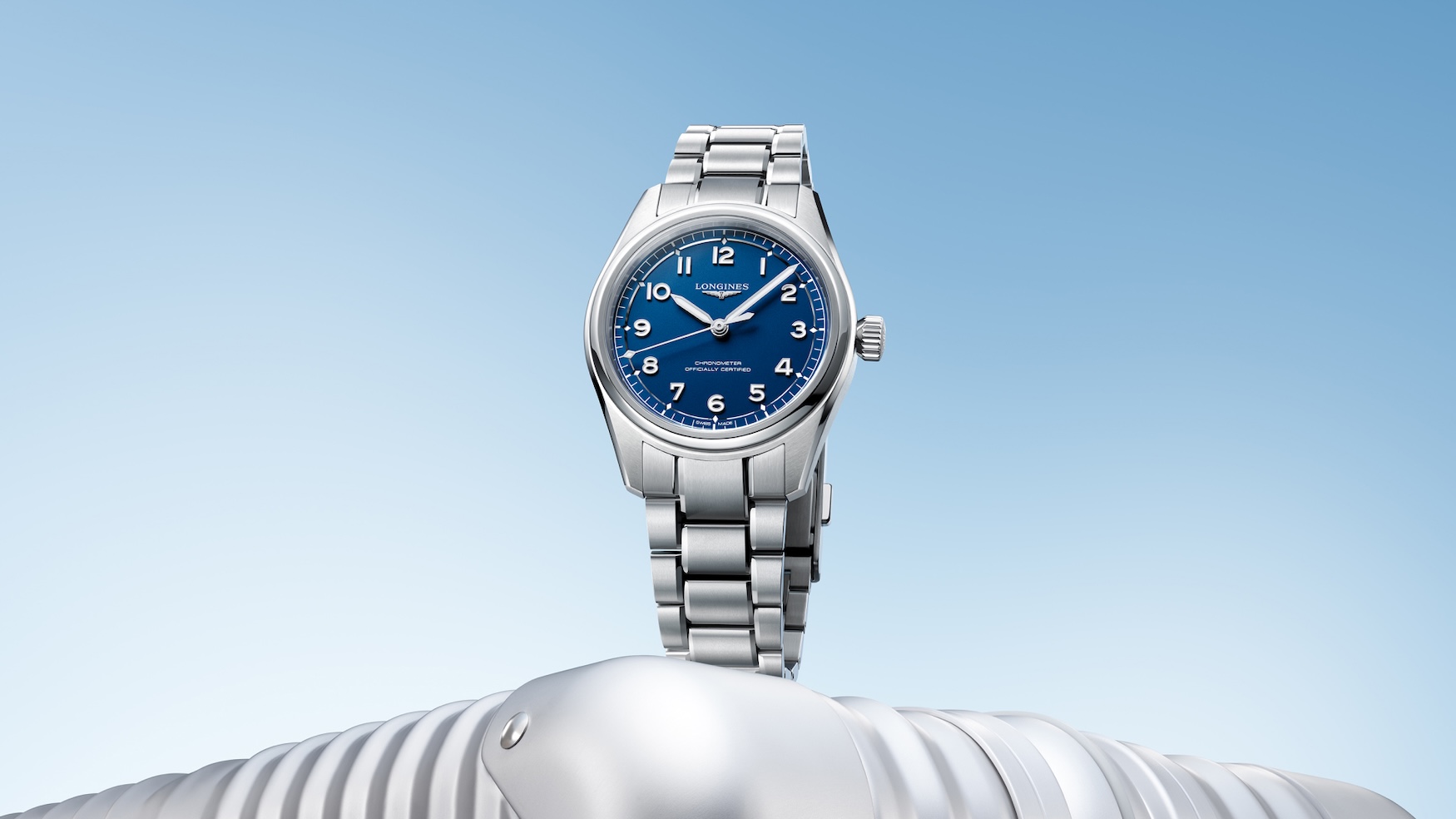
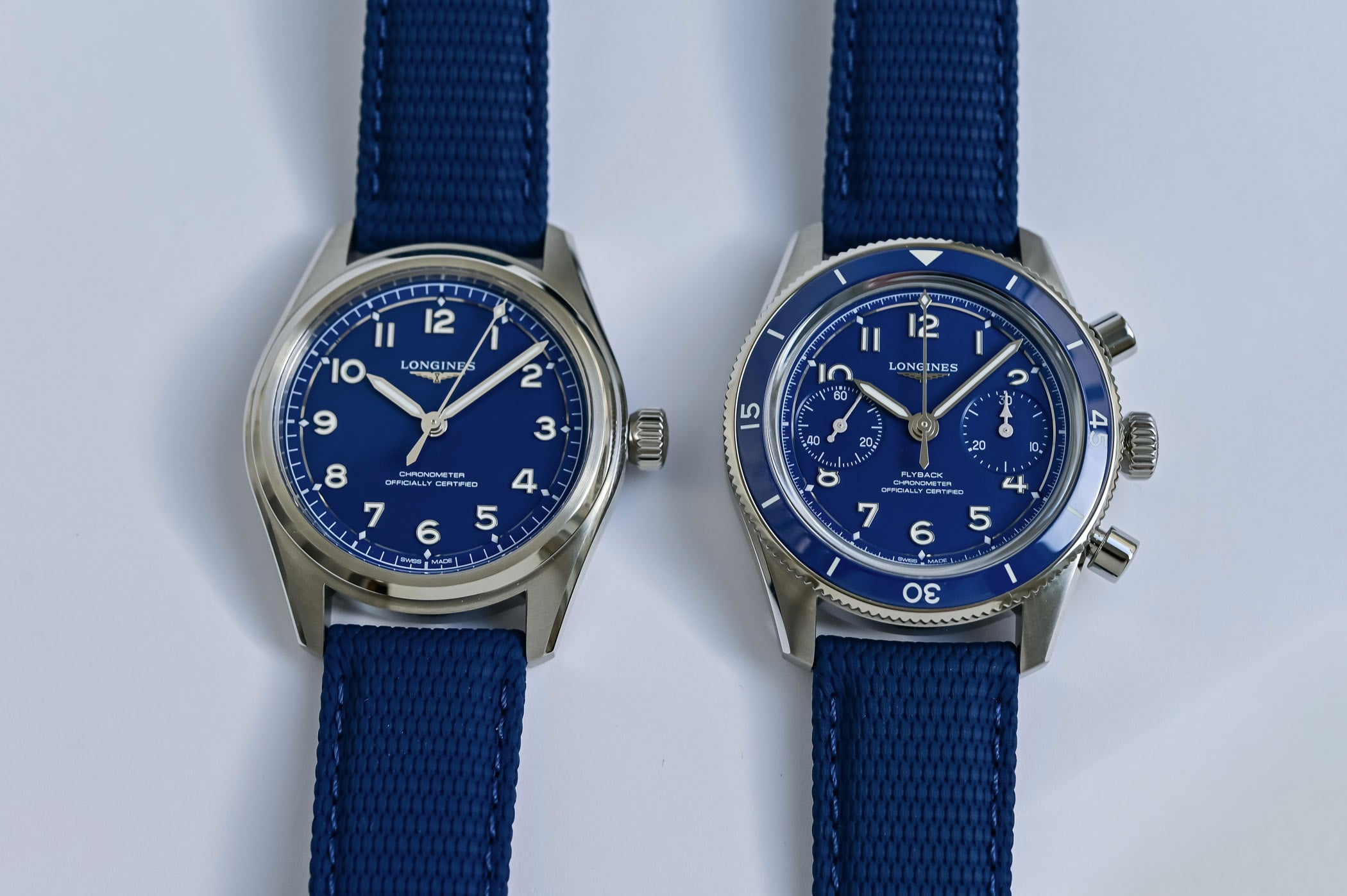
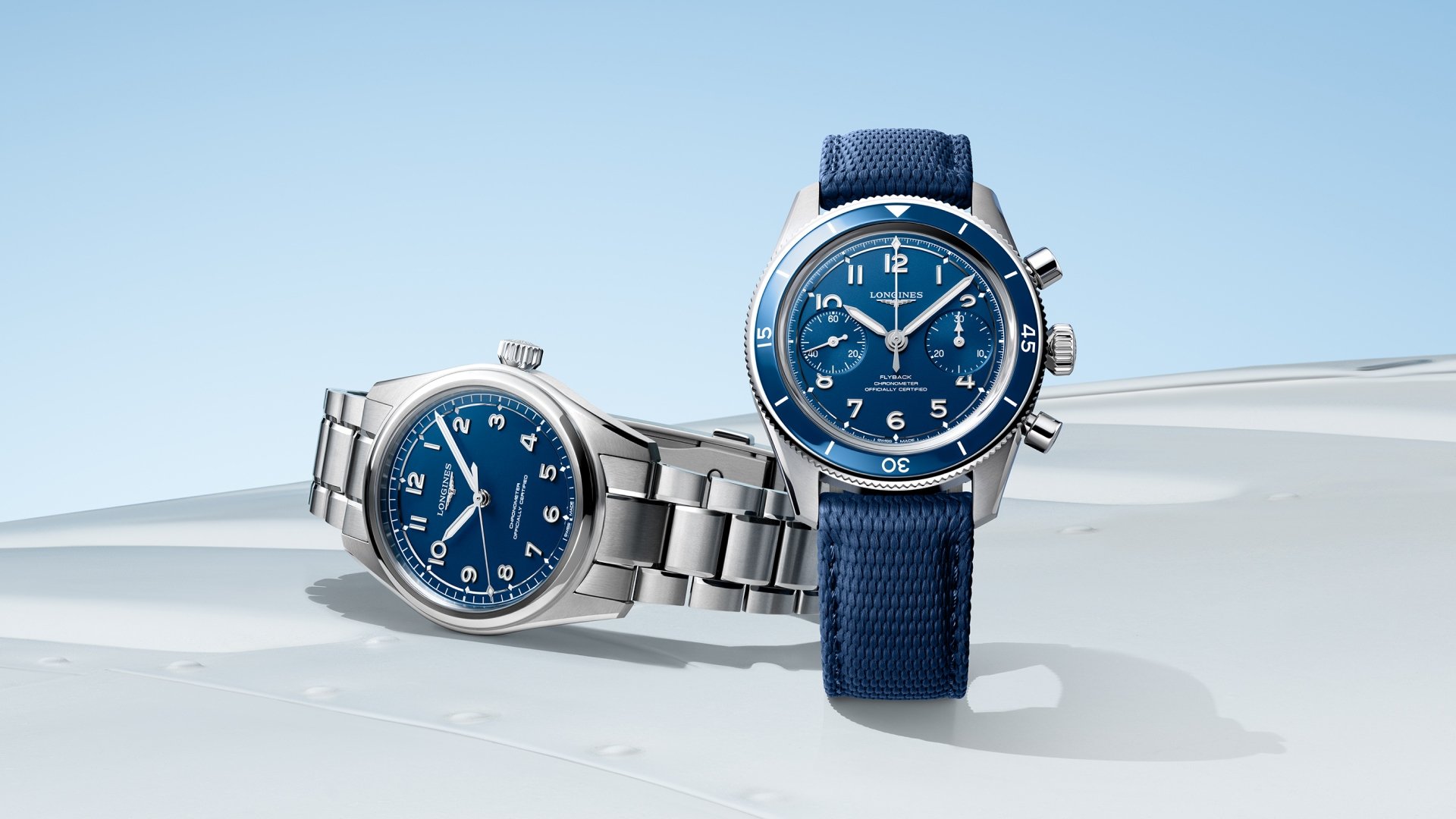
The modern Longines catalogue spans dress, sport, and field watches at price points that consistently offer more value than the Swatch Group positioning suggests. The Master Collection moonphase automatic at ~$1,500, the Conquest V.H.P. with ±5 seconds per year quartz accuracy, and the Spirit pilot's collection balance elegance and function in a way that makes Longines one of the watch enthusiast community's most frequently recommended brands in the $500–$2,000 tier.