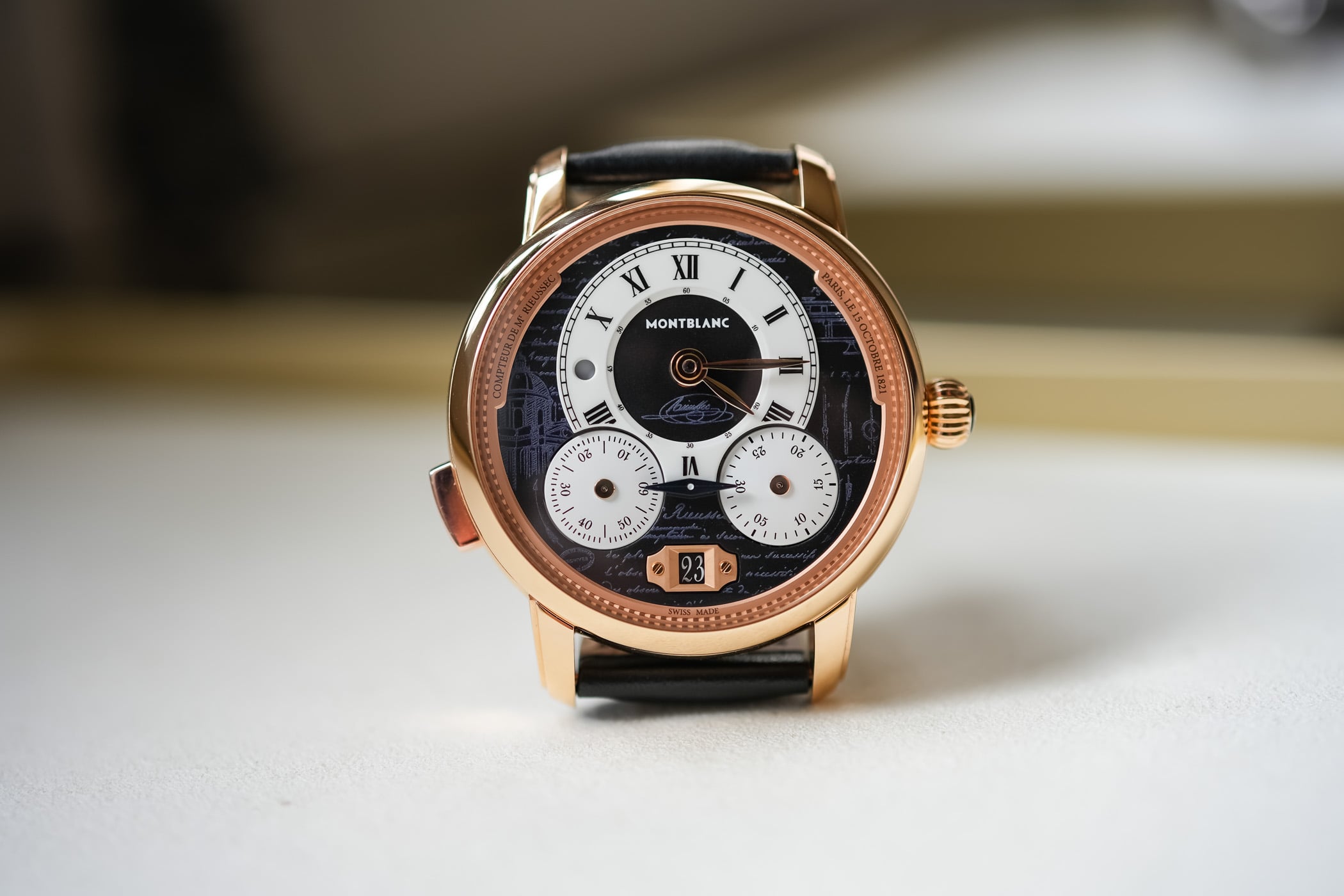
Montblanc was founded in Hamburg in 1906 as a manufacturer of premium fountain pens, most famously the Meisterstück (Masterpiece) introduced in 1924. Watchmaking arrived only in 1997, with the establishment of Montblanc Montre S.A. in Le Locle, Switzerland - positioning the brand within its parent company Richemont's luxury watch division. For the first decade, Montblanc watches used off-the-shelf Swiss automatic movements in traditional round cases, producing steady commercial lines without strong enthusiast traction.
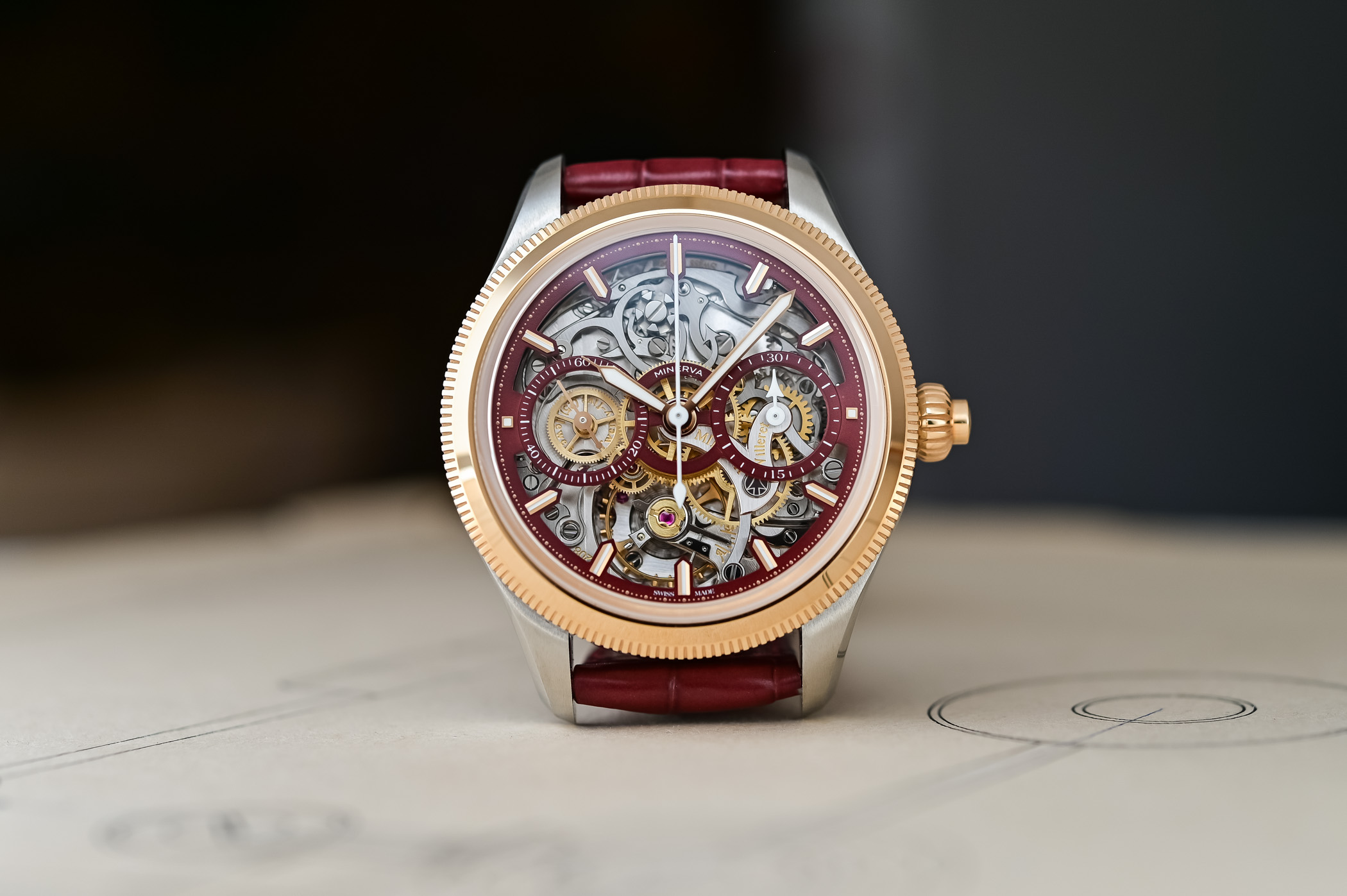
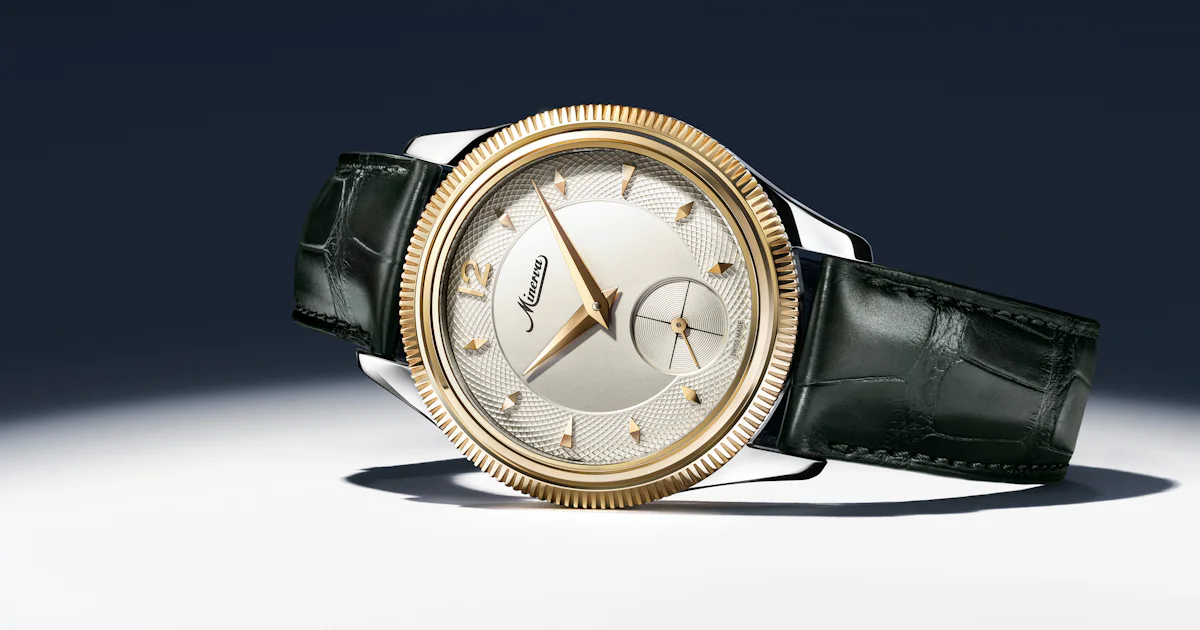
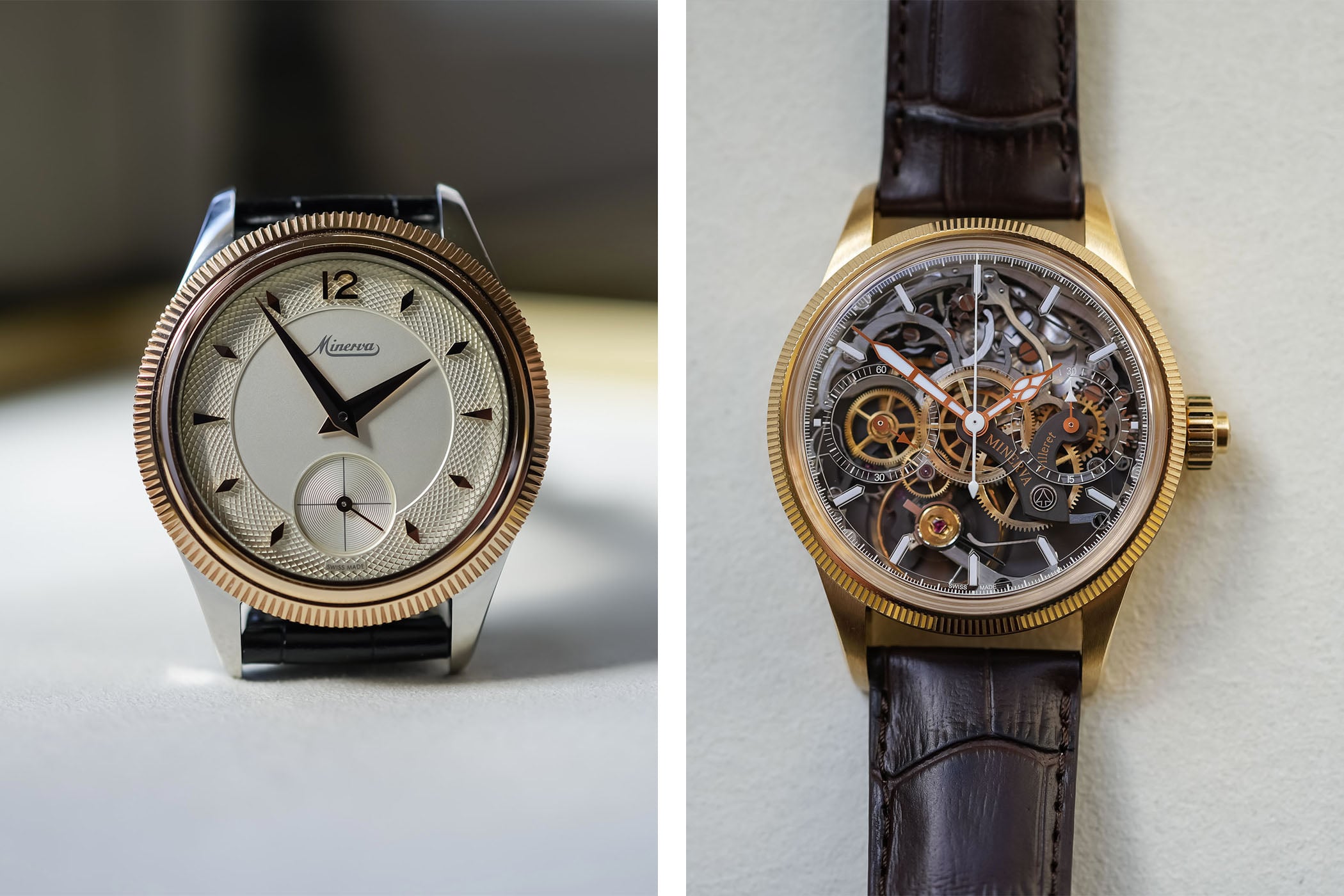
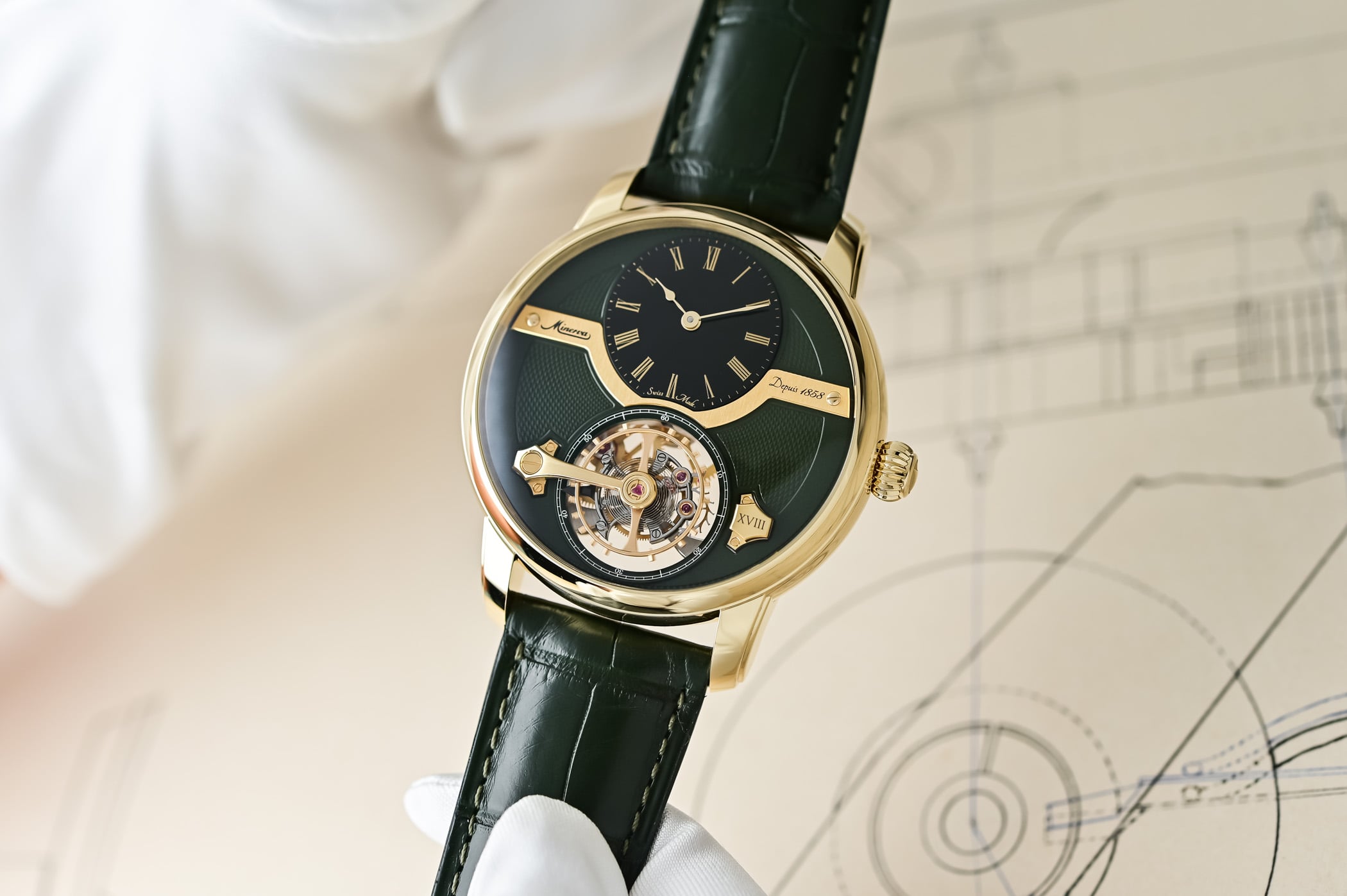
The decisive moment came in 2007 when Montblanc acquired Minerva, the storied Villeret manufacture with roots to 1858. Minerva had built its reputation through the early 20th century as a specialist in monopusher and split-seconds chronographs, supplying high-precision movements to other Swiss houses and producing distinctive aviation chronographs for military clients. The Villeret atelier - small, artisanal, focused on hand-finished complications - gave Montblanc instant horological credibility. The 1858 collection, launched in 2015, draws directly on the Minerva archive, reviving vintage-military-pilot aesthetics with in-house Minerva-derived movements including the 16.29 monopusher chronograph and 13.21 split-seconds.
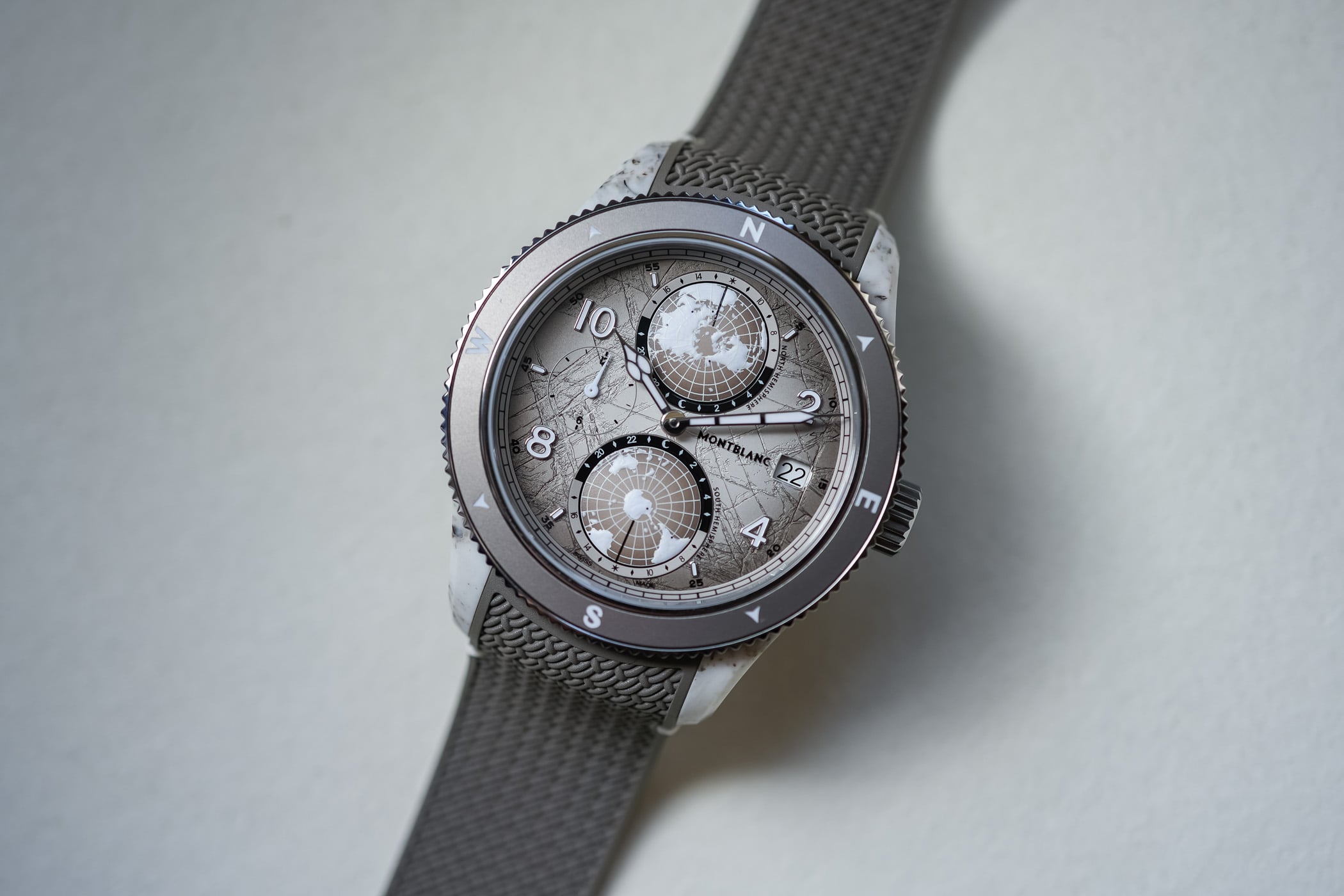
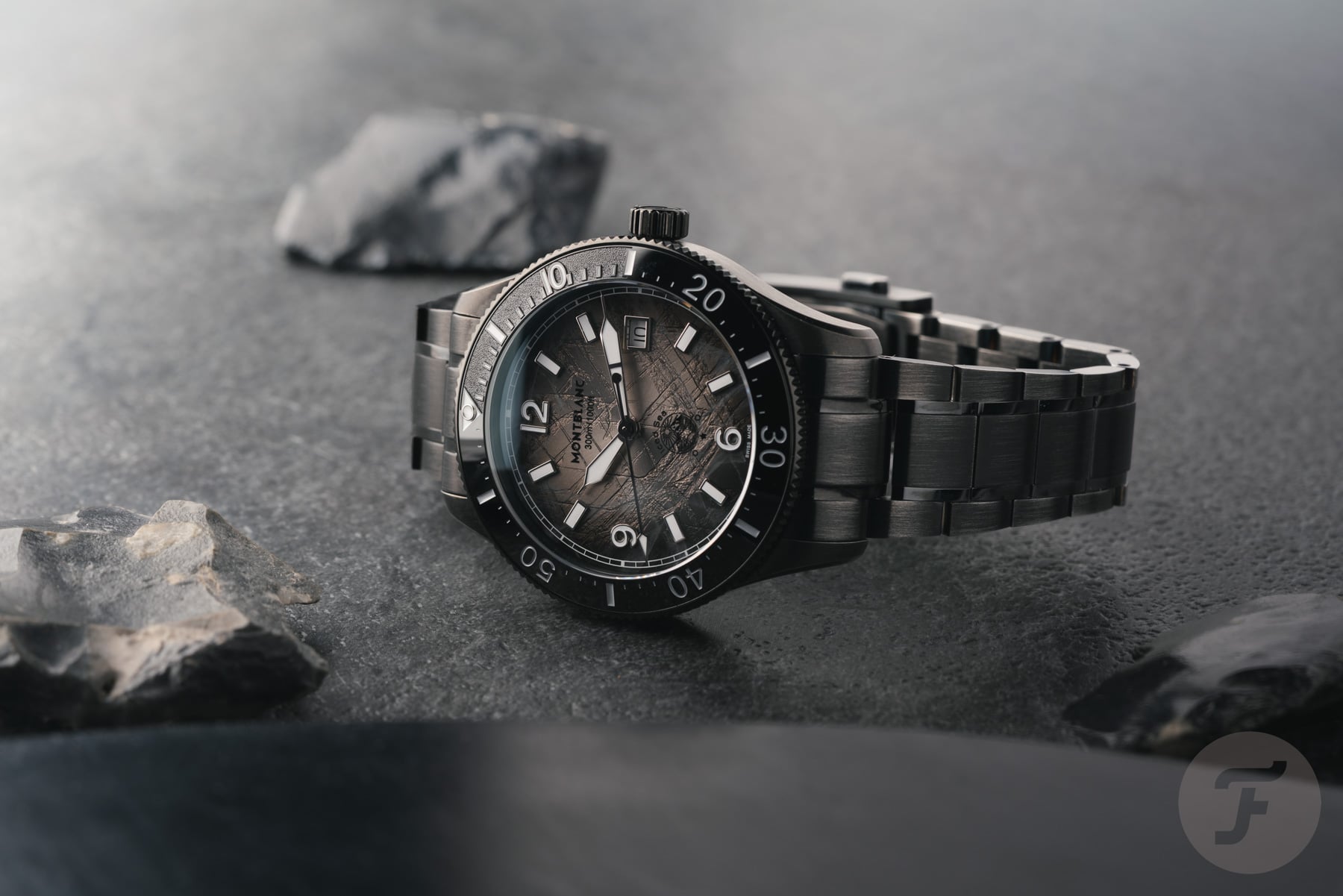
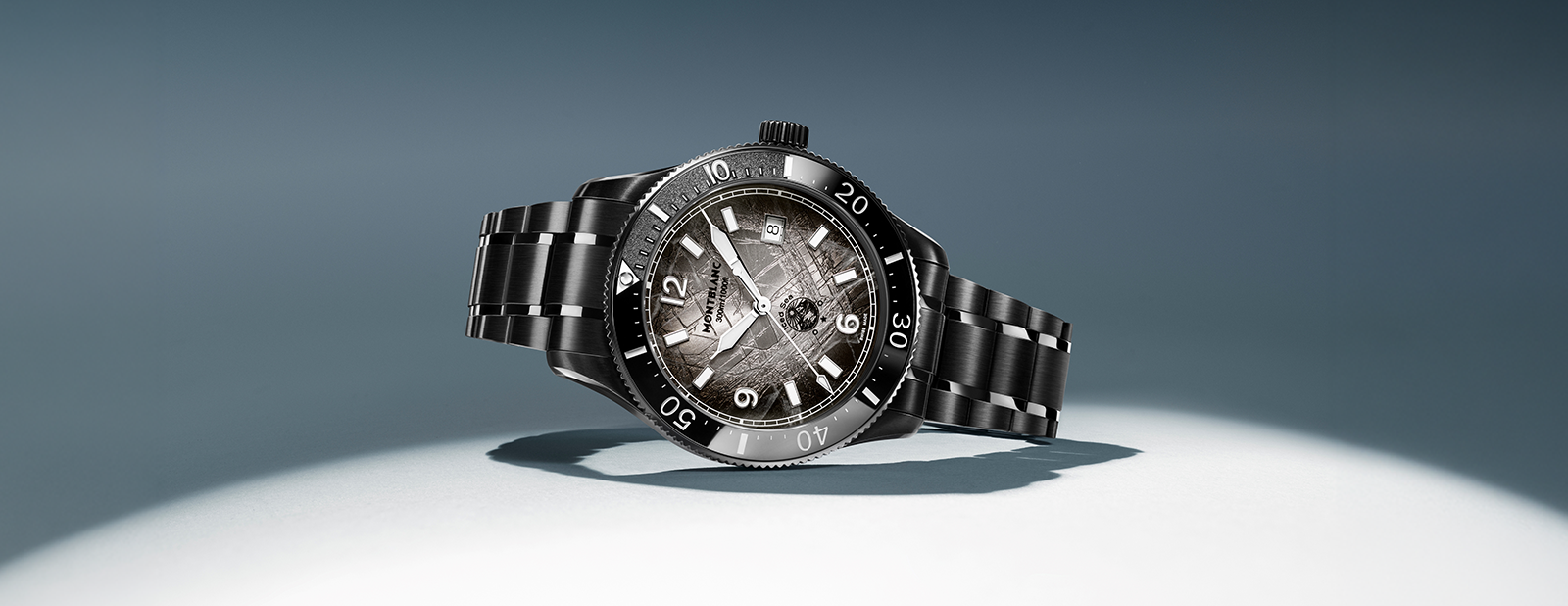
Today Montblanc occupies a unique two-tier structure: Le Locle produces the mid-priced (CHF 3,000-8,000) Star Legacy, Heritage, Boheme, and TimeWalker lines with Sellita-based or in-house Cal. MB 24.xx automatic movements. Villeret produces the limited-edition, haute-horlogerie 1858 Geosphere, Monopusher Chronograph, Split-Seconds Chronograph, and Cosmos watches with hand-finished Minerva-architecture movements priced CHF 35,000-300,000+. Under CEO Nicolas Baretzki and later leadership, Montblanc has moved decisively from 'pen brand that also makes watches' to a legitimate independent-minded Swiss manufacture with two distinct production identities.