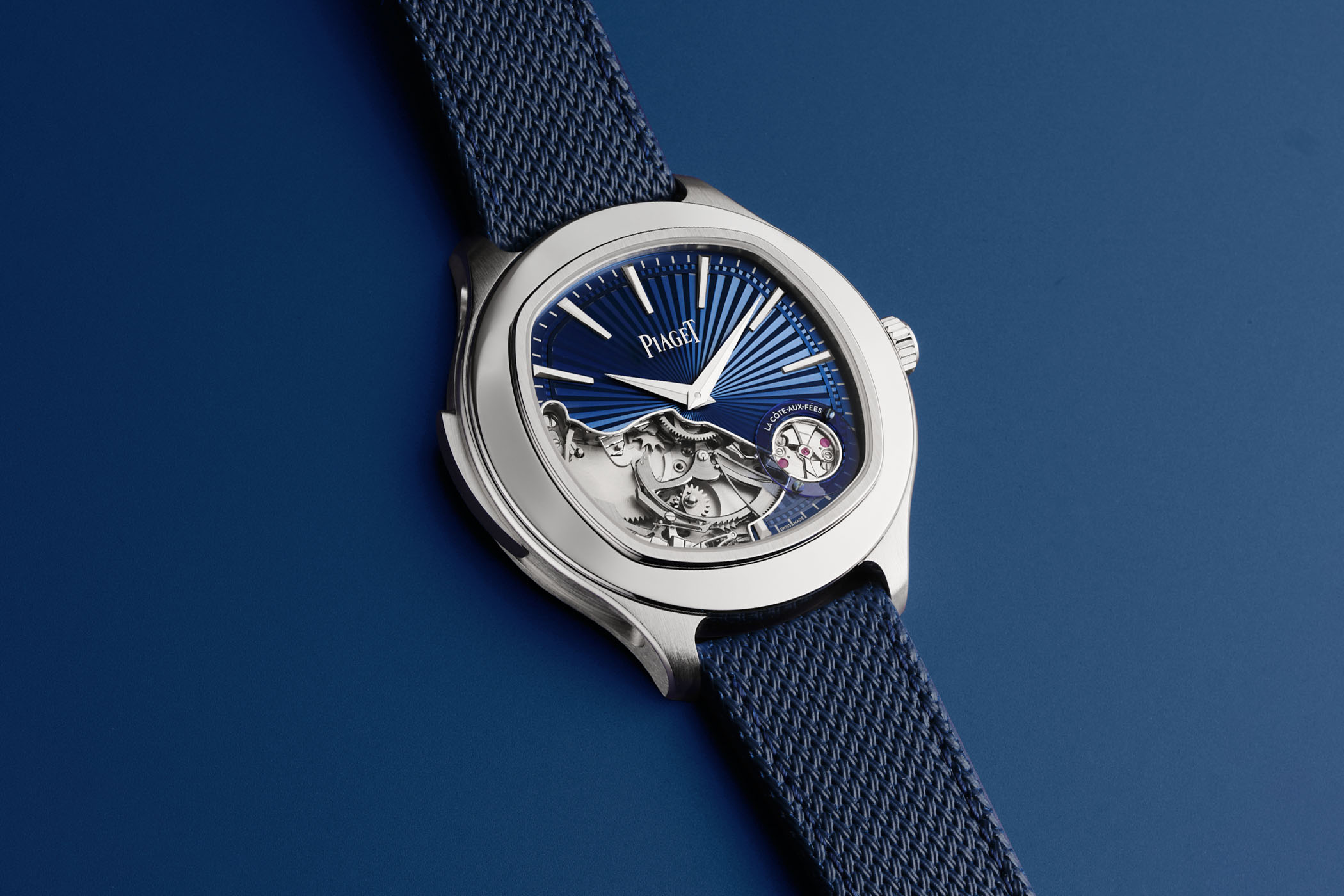
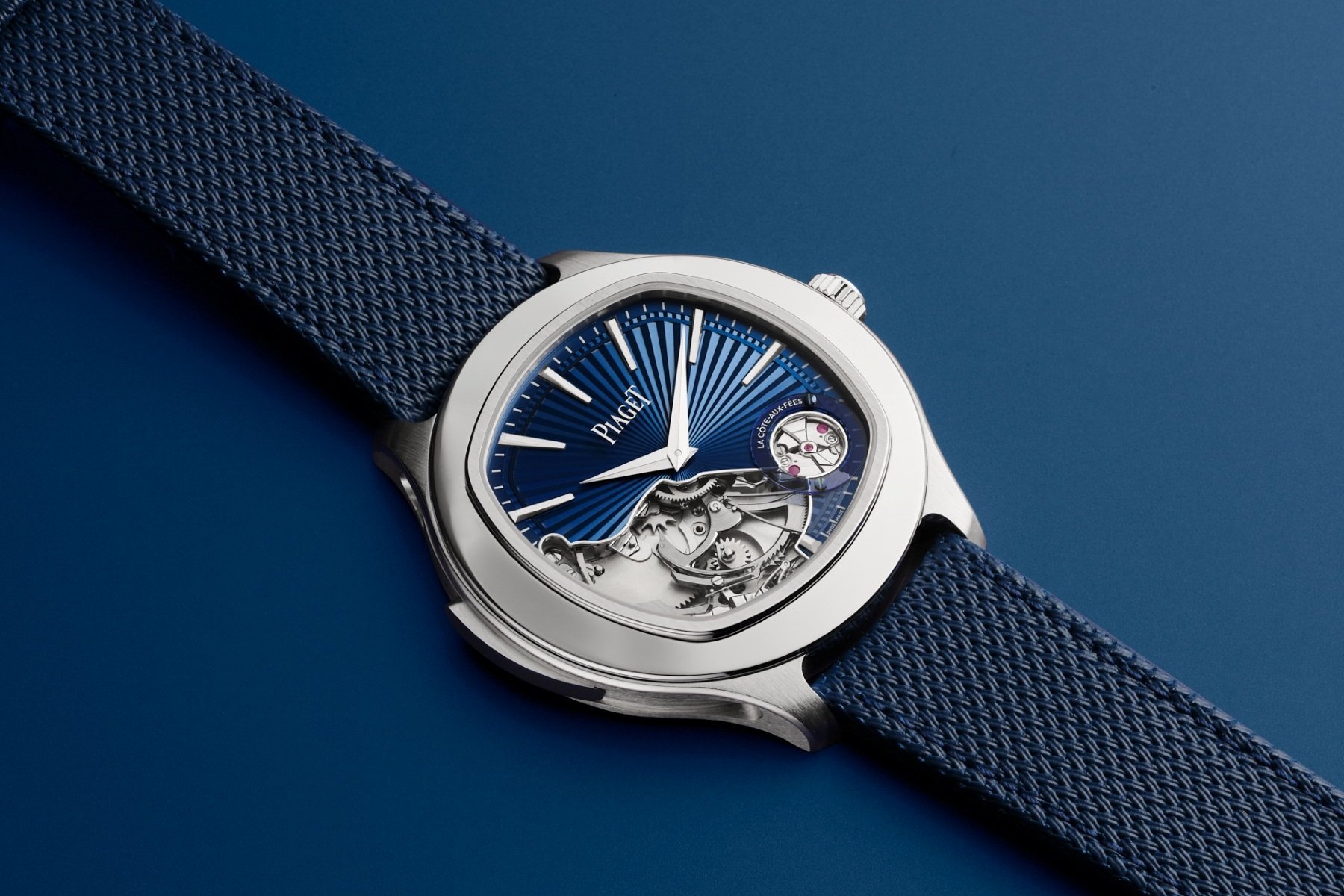
Georges-Edouard Piaget founded his watchmaking workshop in La Cote-aux-Fees in 1874, initially producing movements and complete watches for other Swiss firms. Under his grandson Gerald Piaget the company registered the Piaget name as a brand in 1943 and began selling complete watches under its own signature. Through the 1950s and 1960s Piaget built two distinct reputations - one for ultra-thin mechanical watchmaking and a second for ornate goldsmithing and gem-setting in the manner of a traditional jeweller.
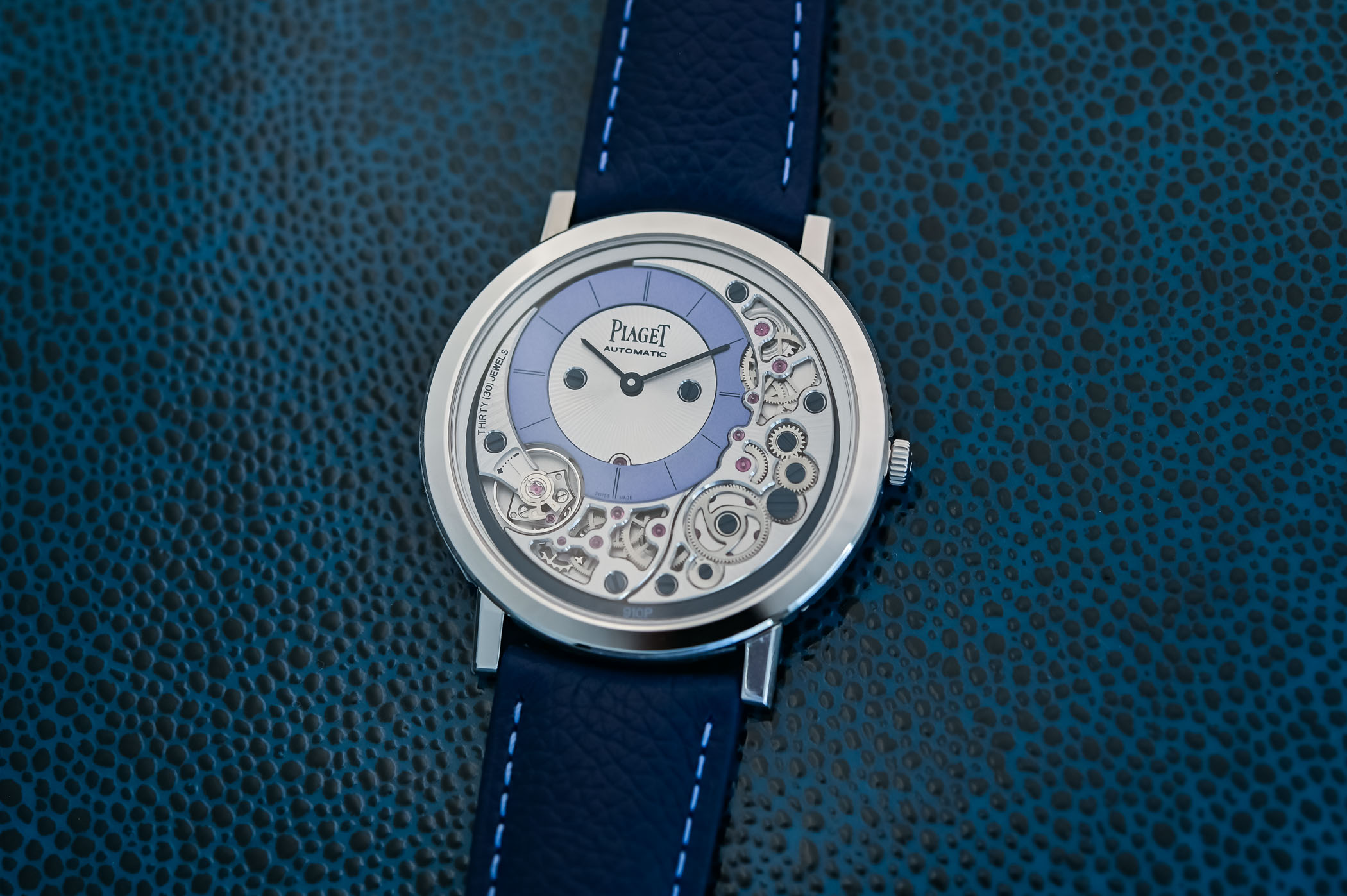
The ultra-thin programme defined the brand's technical identity. The Calibre 9P (1957, 2.0mm thick hand-wound) and the Calibre 12P (1960, 2.3mm thick automatic with an off-centre micro-rotor) established Piaget as the world benchmark for thin calibres, a position it held continuously for six decades. The Altiplano collection, launched as a modern line in 1998, carried this identity forward, culminating in the 2014 Altiplano 900P (3.65mm case with integrated movement and case) and the 2018 Altiplano Ultimate Concept - a 2.00mm total case thickness production watch that currently holds the world record for thinnest mechanical watch.
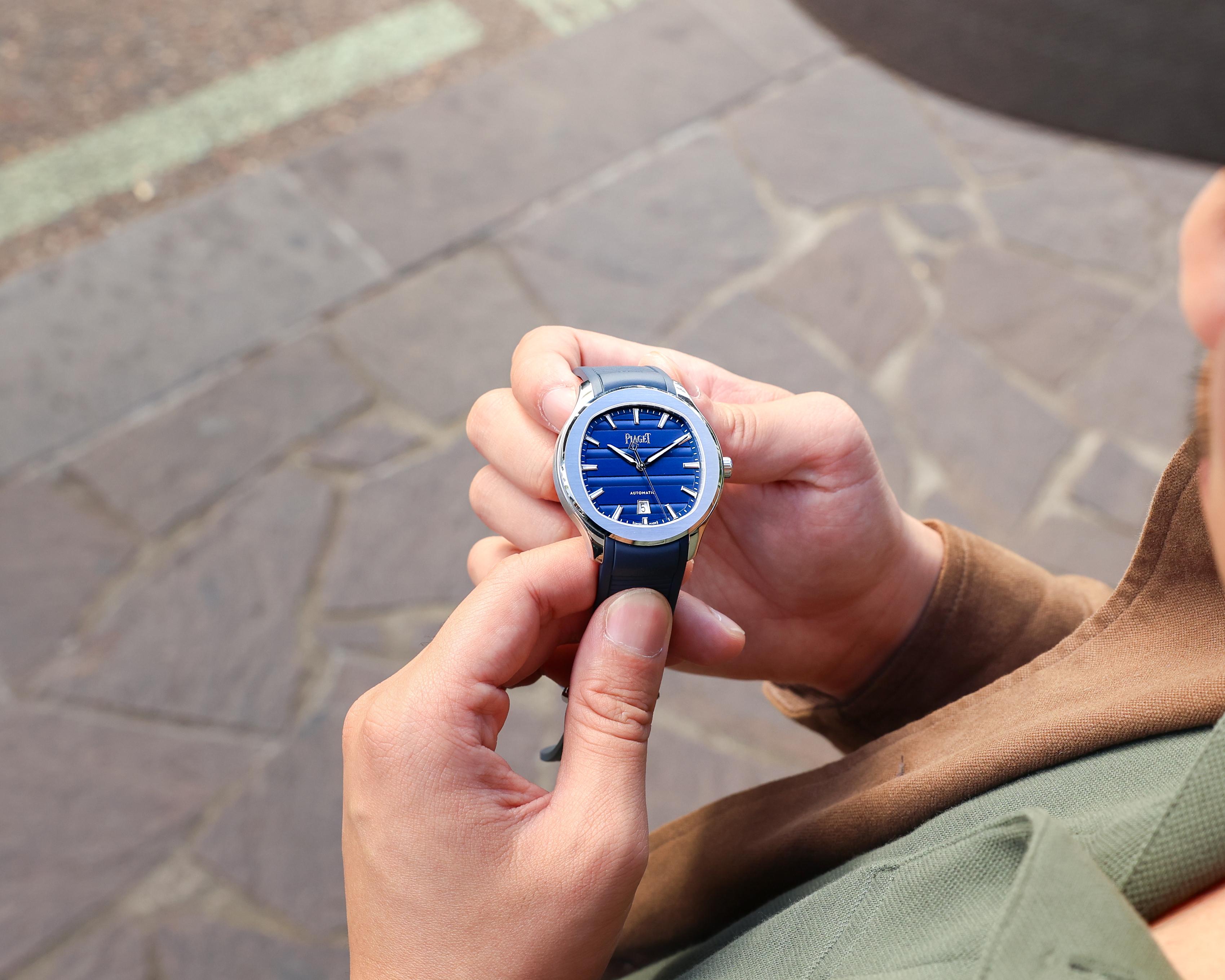
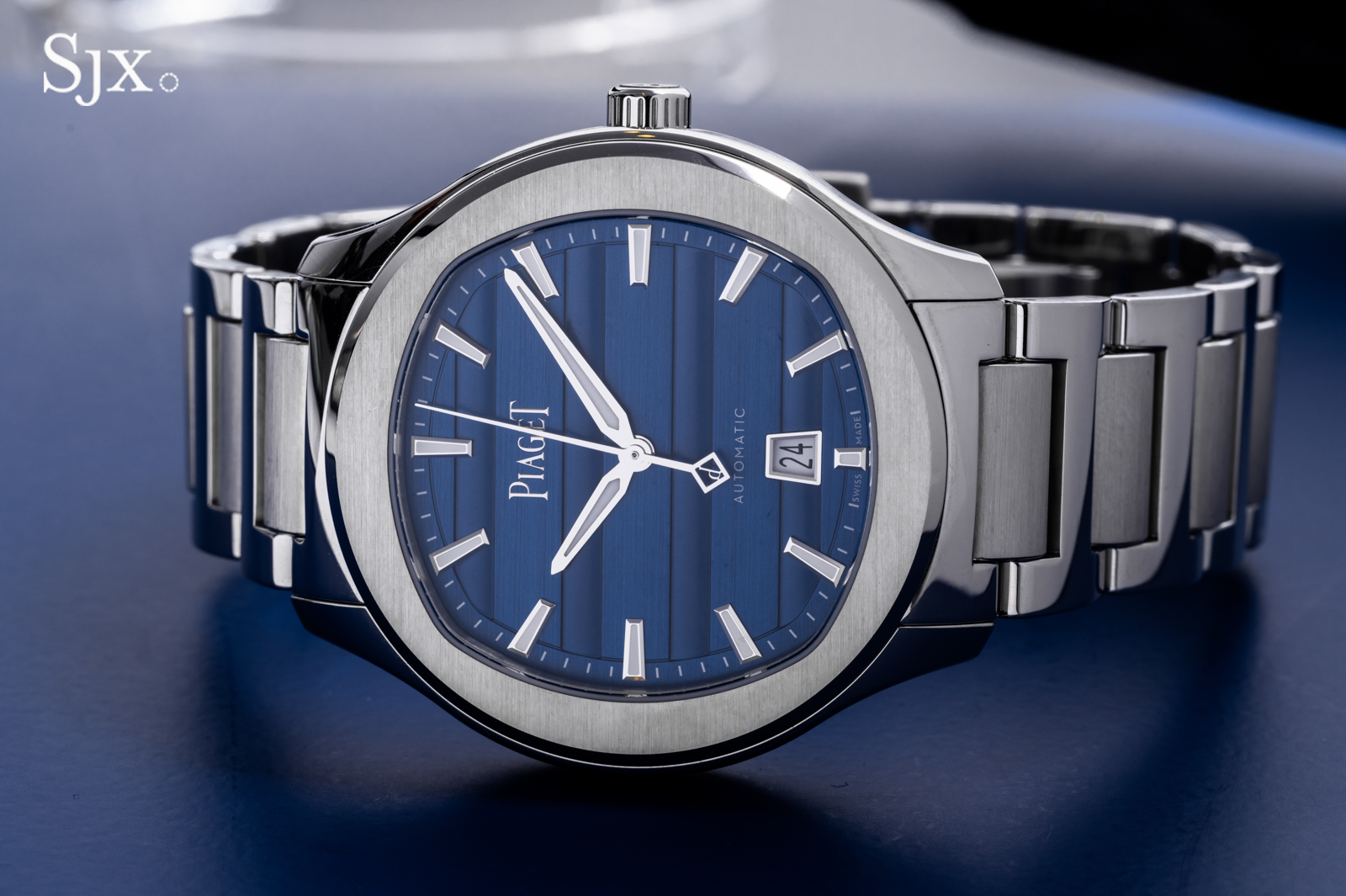
Piaget's jewellery and decorative identity developed alongside. The 1969 Polo collection (with its signature gadroon-ribbed bracelet-and-case design) became the brand's highest-profile sporty-dress line, while the cushion-cased Emperador and ornate cuff and bracelet watches served the jewellery customer. Richemont acquired Piaget in 1988 as part of the original Vendome Group formation, and today Piaget operates as a hybrid brand inside the group - a serious ultra-thin manufacture that also produces some of the Swiss industry's most ornate jewellery watches.