The Schlup brothers founded Schlup and Co in the Swiss town of Lengnau in 1917, initially producing watch movements for other brands. Through the inter-war period Schlup built a reputation as a reliable ebauche supplier before launching its own branded watches after the Second World War. In 1957 the firm adopted the name Rado for its complete watch line, choosing a short, pronounceable brand name that worked in multiple export markets.
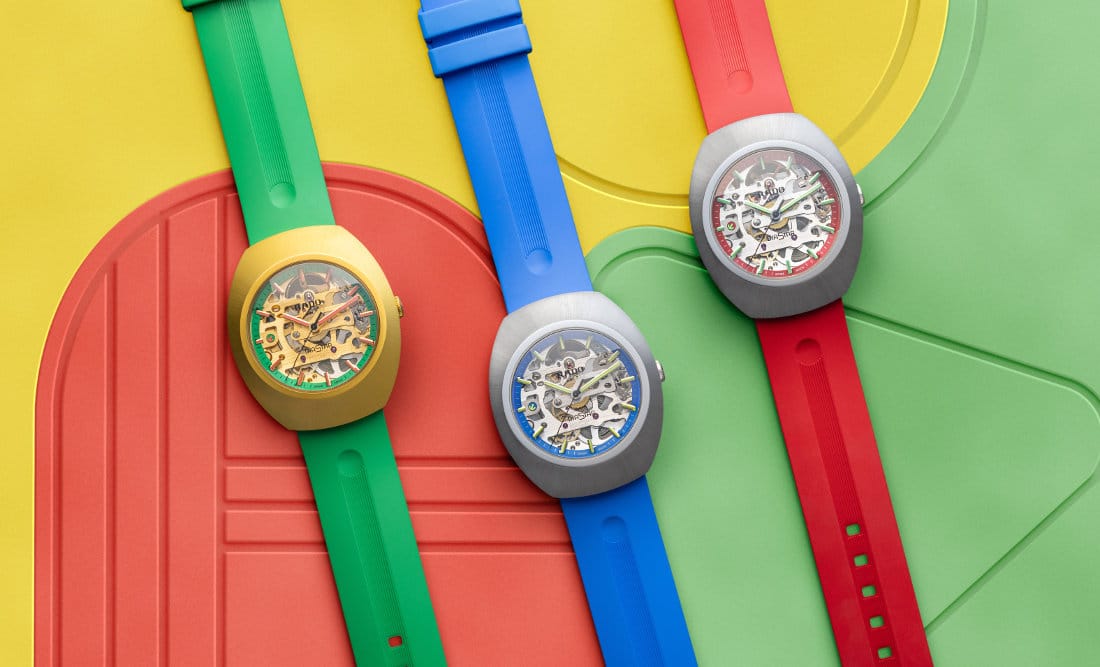
In 1962 Rado introduced the DiaStar, the world's first scratch-resistant watch. The oval case was made from sintered tungsten carbide (marketed as 'hardmetal'), a ceramic-bonded material far harder than steel that resisted everyday scratching in a way no conventional watch case could match. The DiaStar established Rado's long-running positioning as the materials-science specialist within the broader Swiss watch industry - a specialist identity that set it apart from its sister brands at Swatch Group.
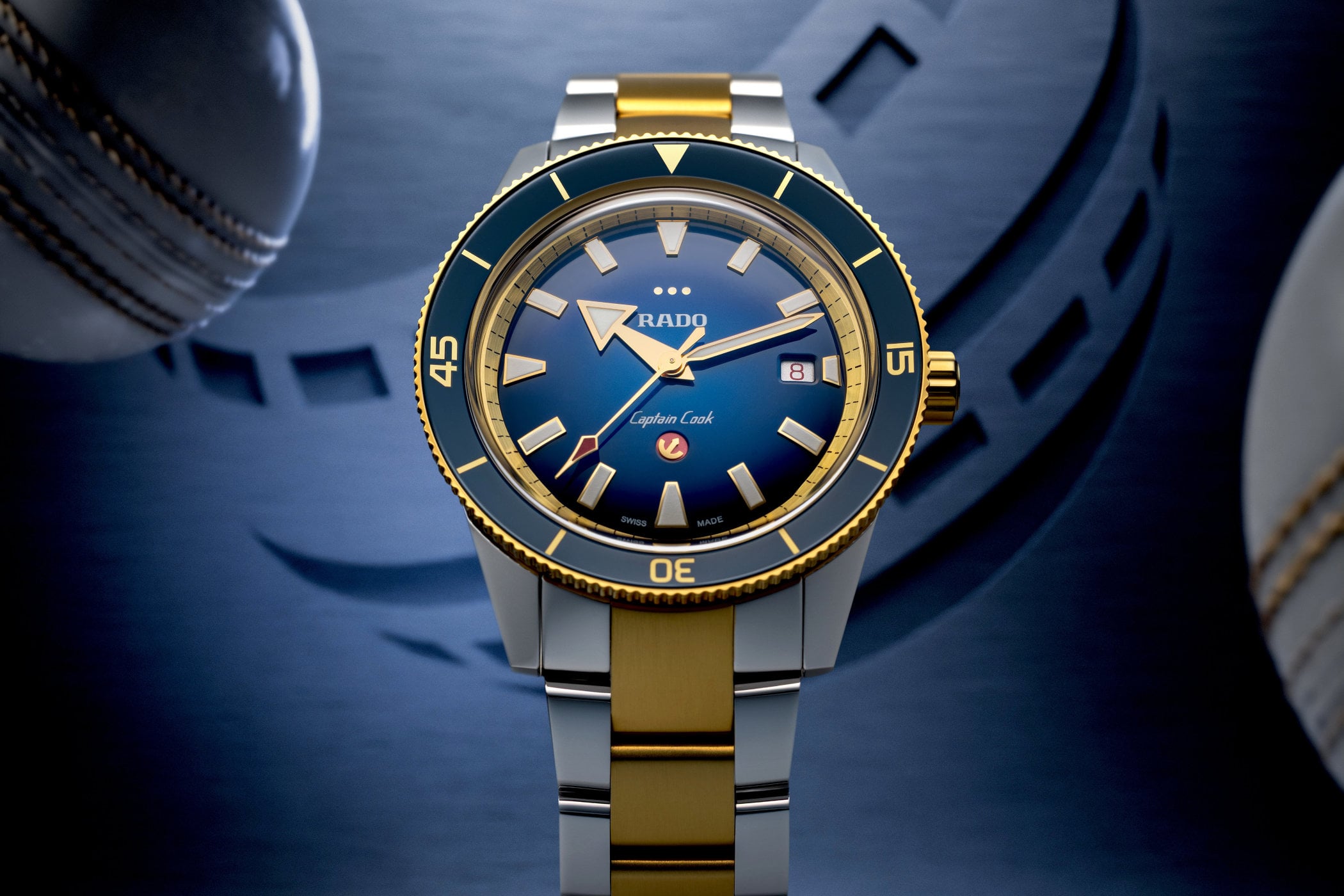
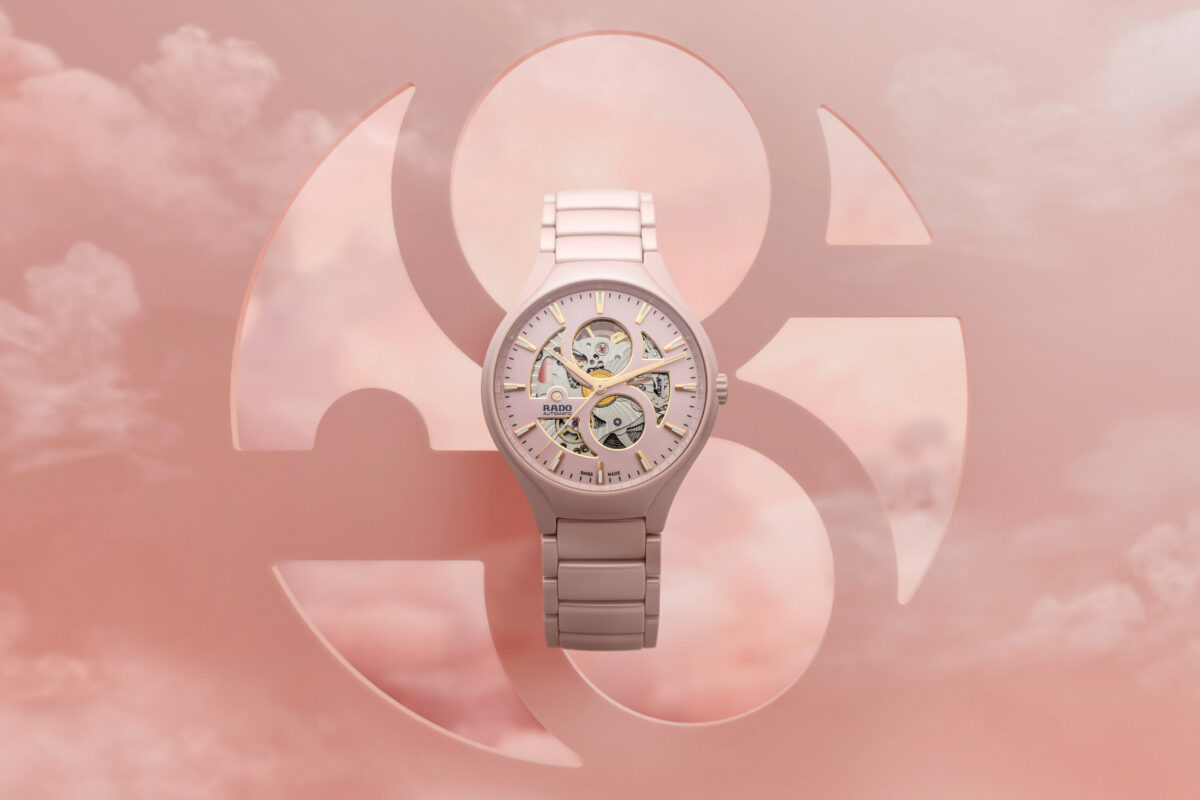
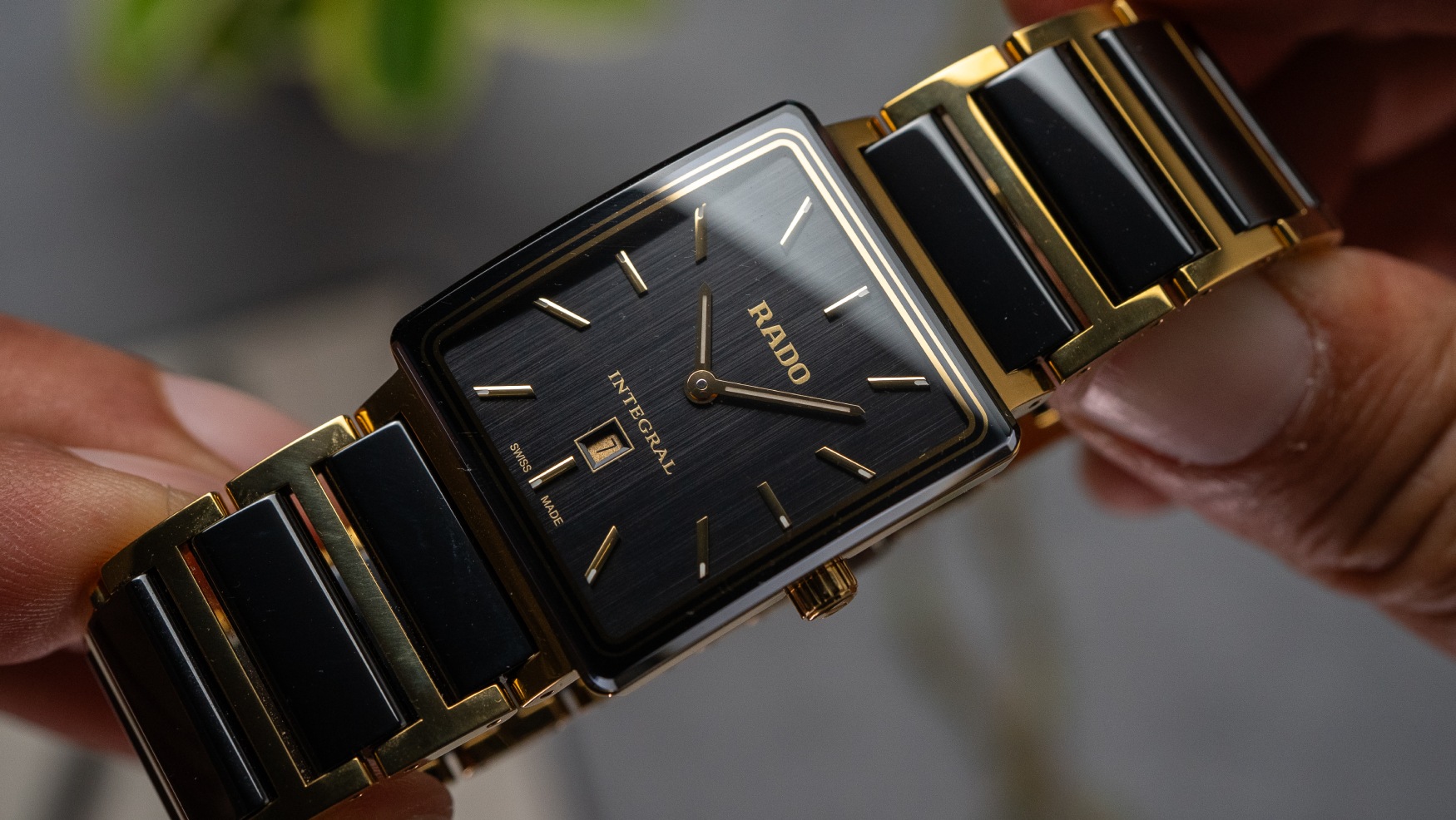
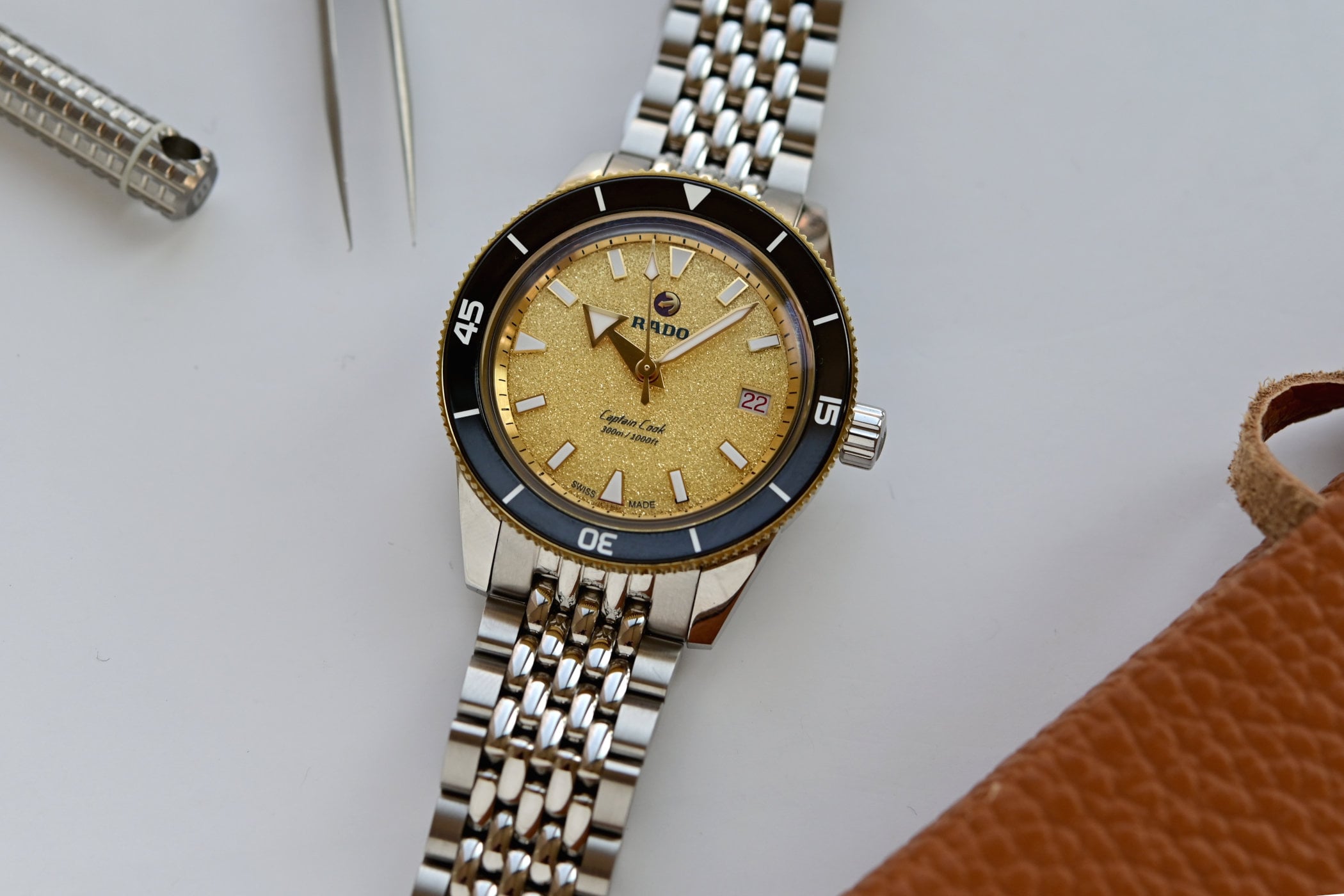
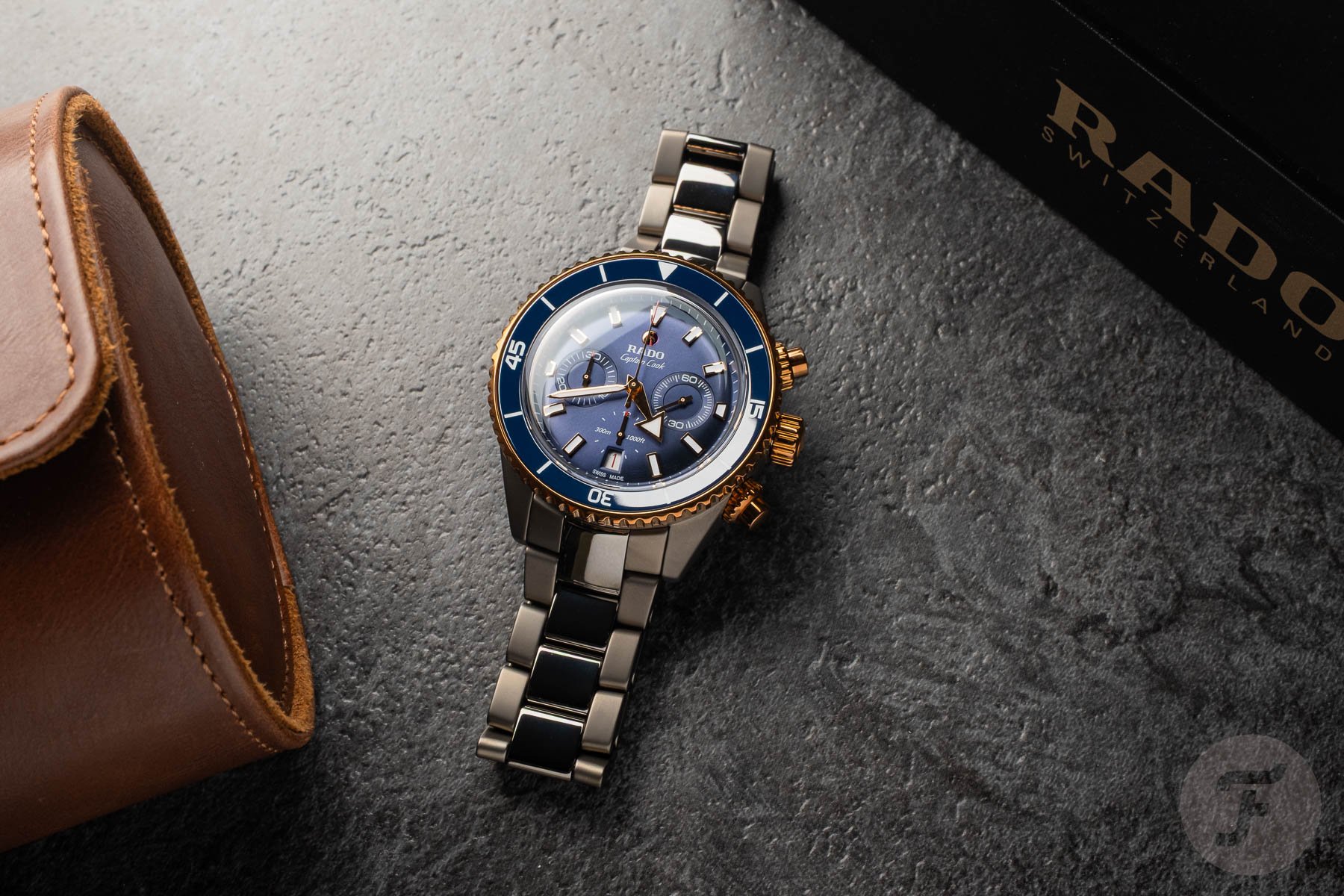
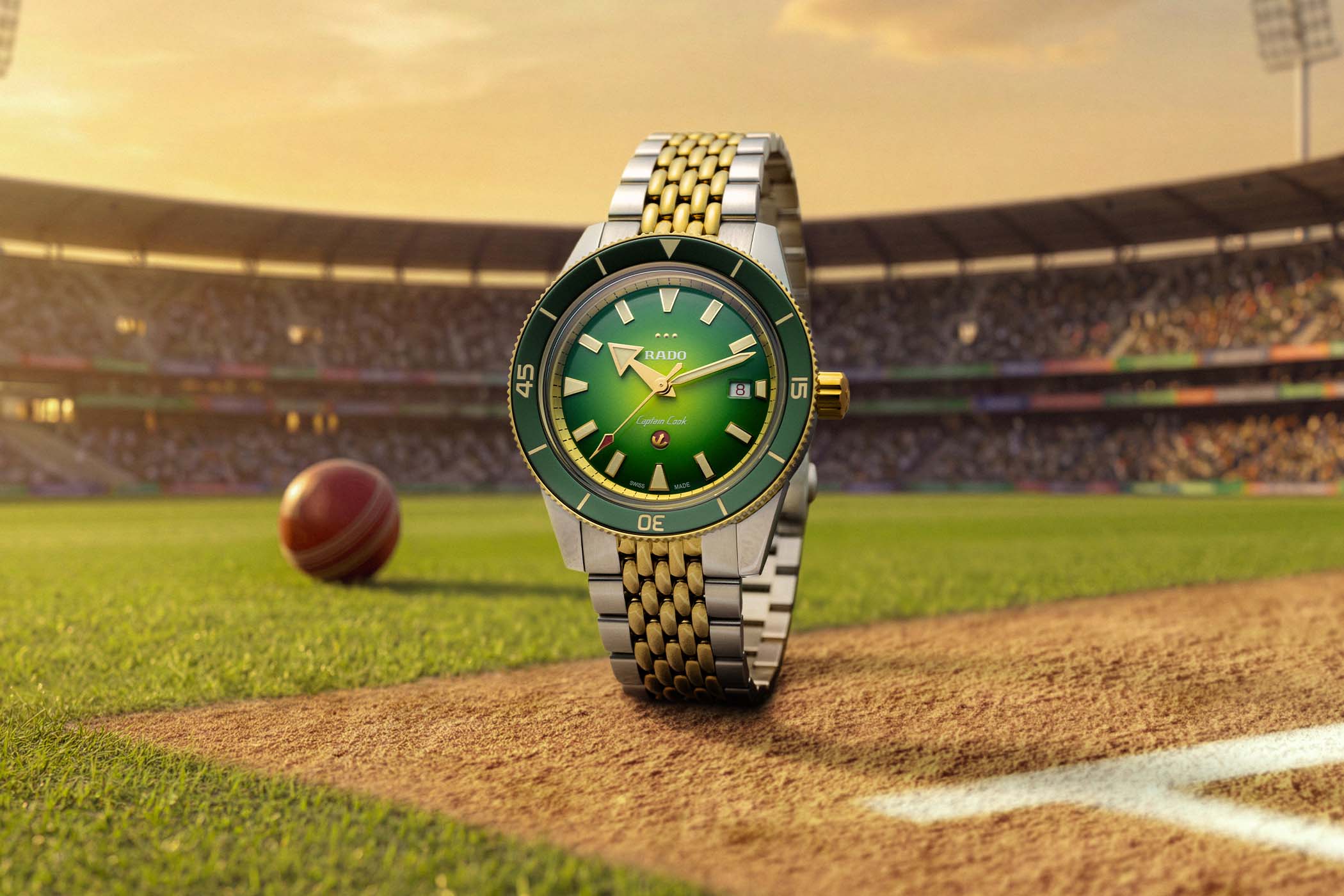
From 1986 Rado added high-tech ceramic to its materials portfolio with the Integral collection, using zirconium-oxide injection-moulded and sintered cases that offered both scratch resistance and light weight. The Ceramica (1990), True (2002), HyperChrome (2012), and relaunched Captain Cook (2017) lines all build on this ceramic platform. Today Rado operates as a Swatch Group brand focused on design-led ceramic watches, with the Captain Cook vintage-revival dive watch serving as the most successful recent collection and generating broad critical attention beyond Rado's traditional design-enthusiast customer base.