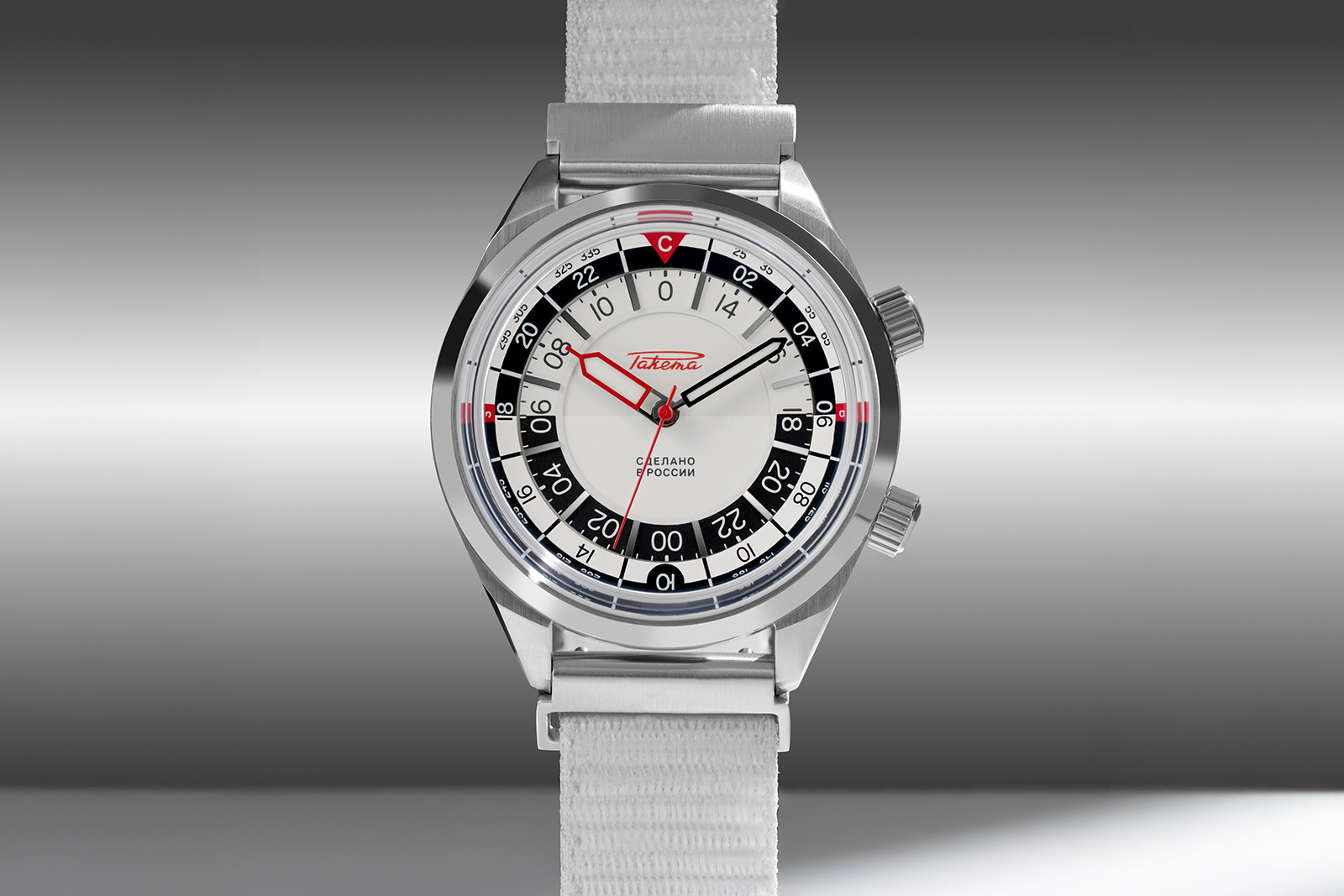
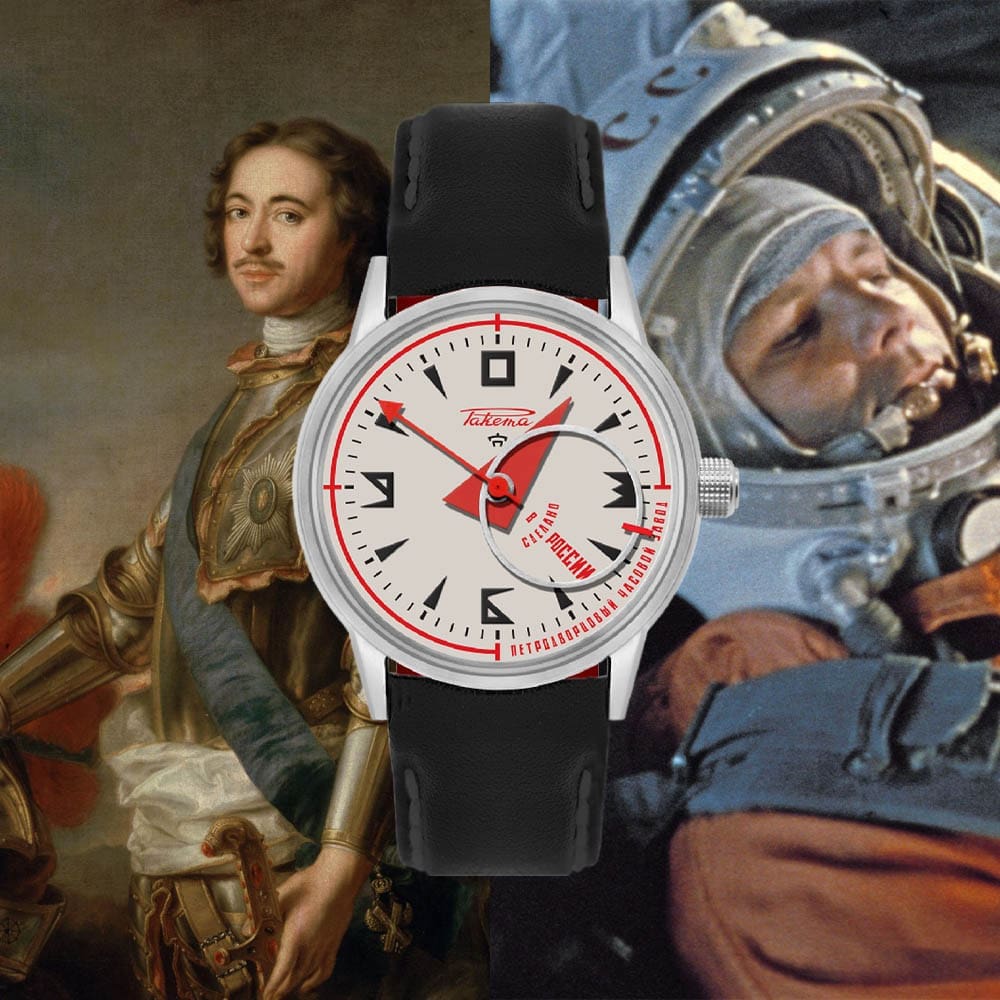
The Petrodvorets Watch Factory was founded near St. Petersburg in 1721 by Peter the Great as Russia's first horological workshop, originally to produce decorative stones and timepieces for the Tsar's court. The facility evolved through the 19th century into Russia's primary watchmaking centre and was nationalised by the Soviet state after the 1917 revolution. The brand name Raketa (Russian for 'rocket') was adopted in 1961 to commemorate Yuri Gagarin's first manned spaceflight - the new brand identity for the Petrodvorets factory's wristwatch line.
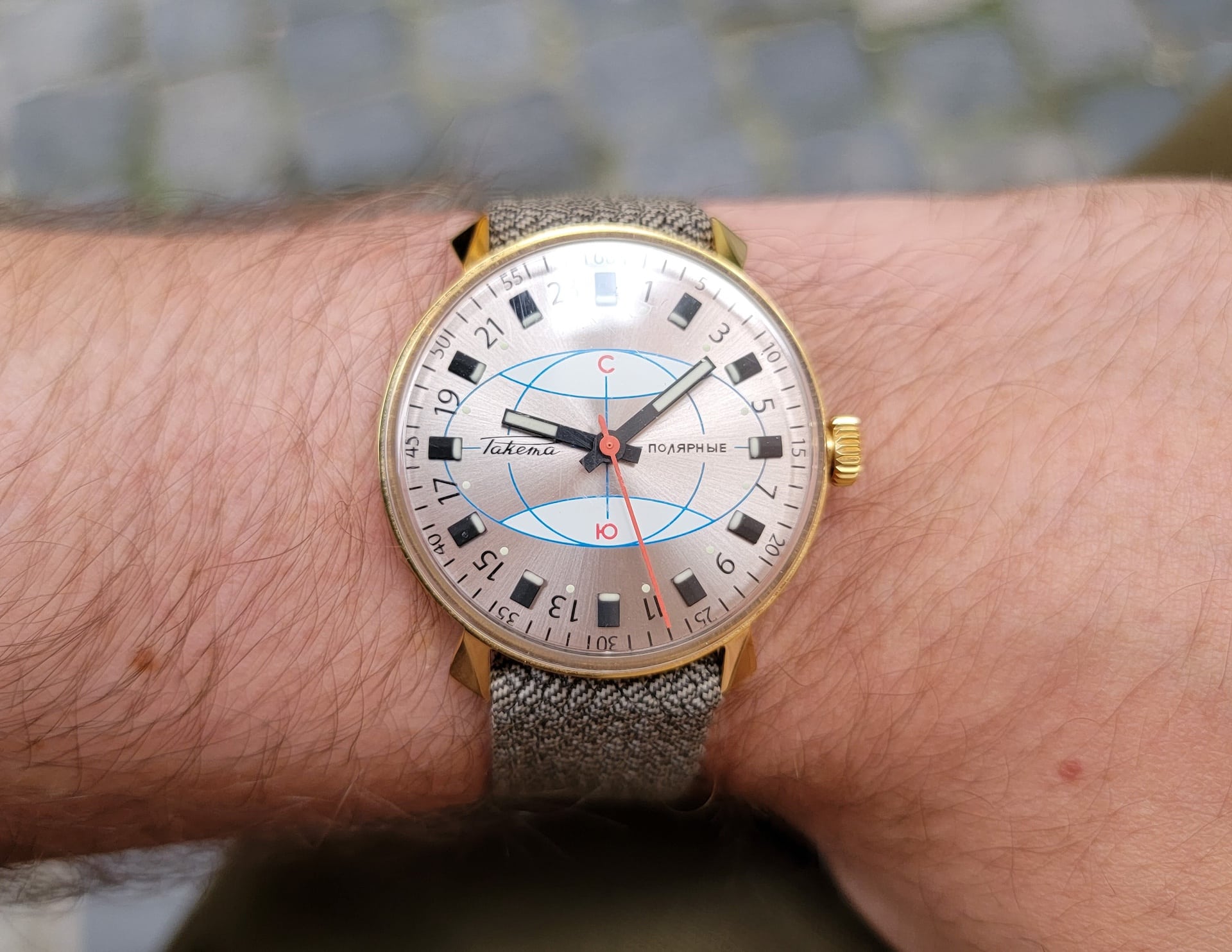
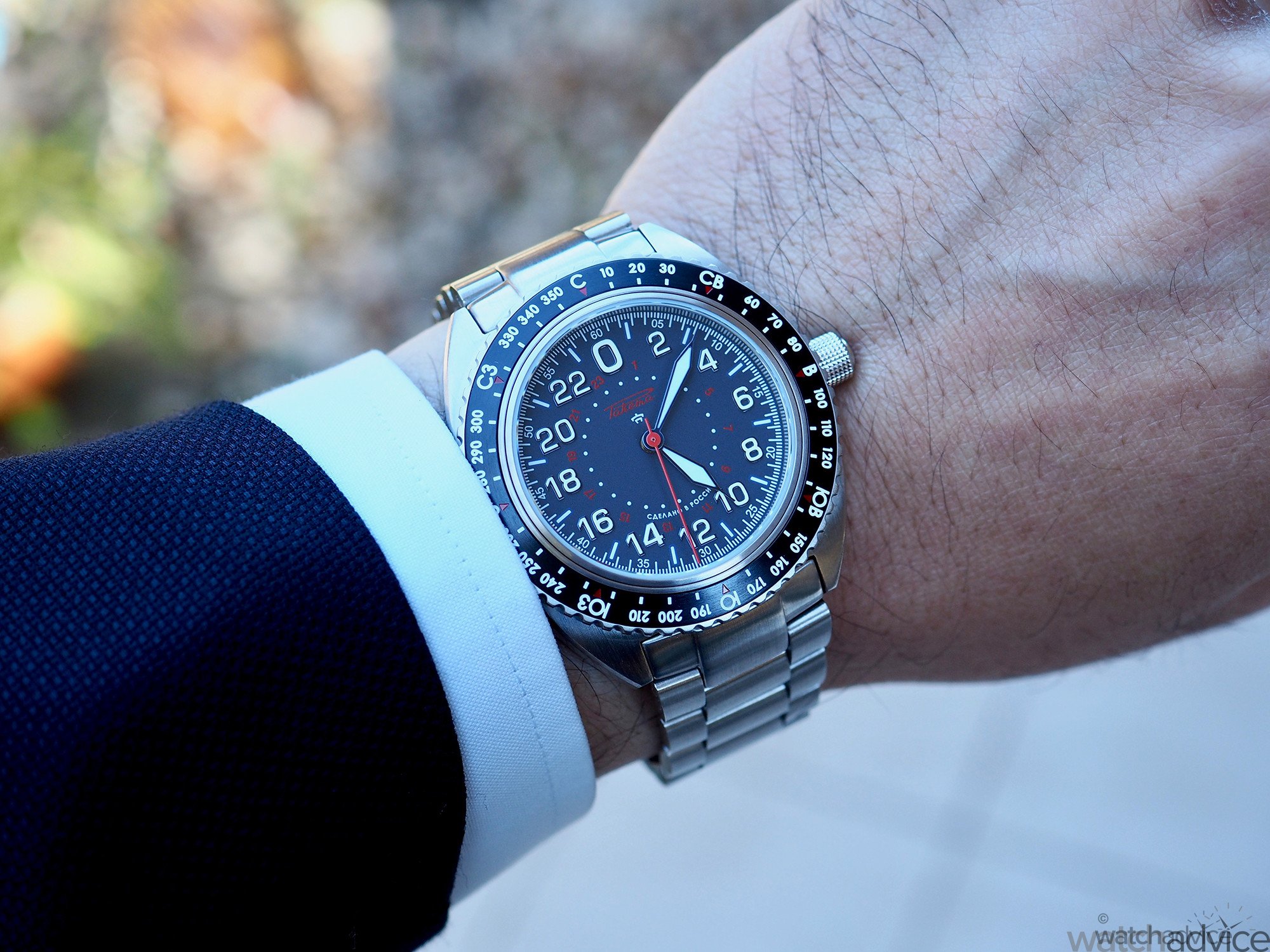
Through the Soviet era Raketa produced enormous volumes (estimated peak production over 5 million watches per year) of standard Russian wristwatches sold across the USSR and exported to Eastern bloc and developing markets. Specific notable references include the Big Zero (a wristwatch with a large '0' at 12 instead of '12', allegedly sourced for cosmonauts to read in poor lighting), the Polar 24-hour watch (a 24-hour dial wristwatch issued to Soviet polar expedition personnel where the perpetual day/night of polar latitudes made conventional 12-hour reading meaningless), and various automatic references using the 2628 Avtomat caliber.
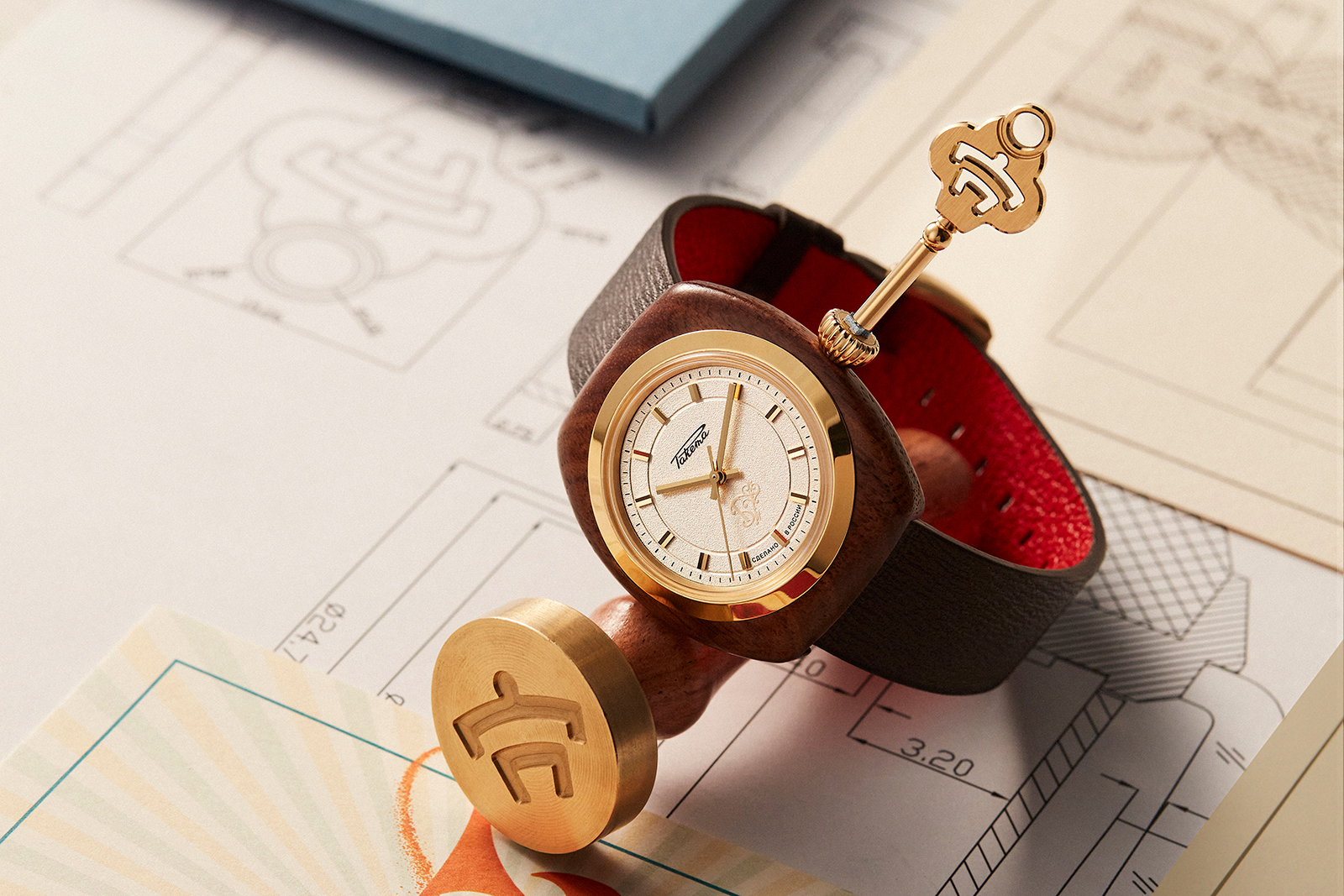
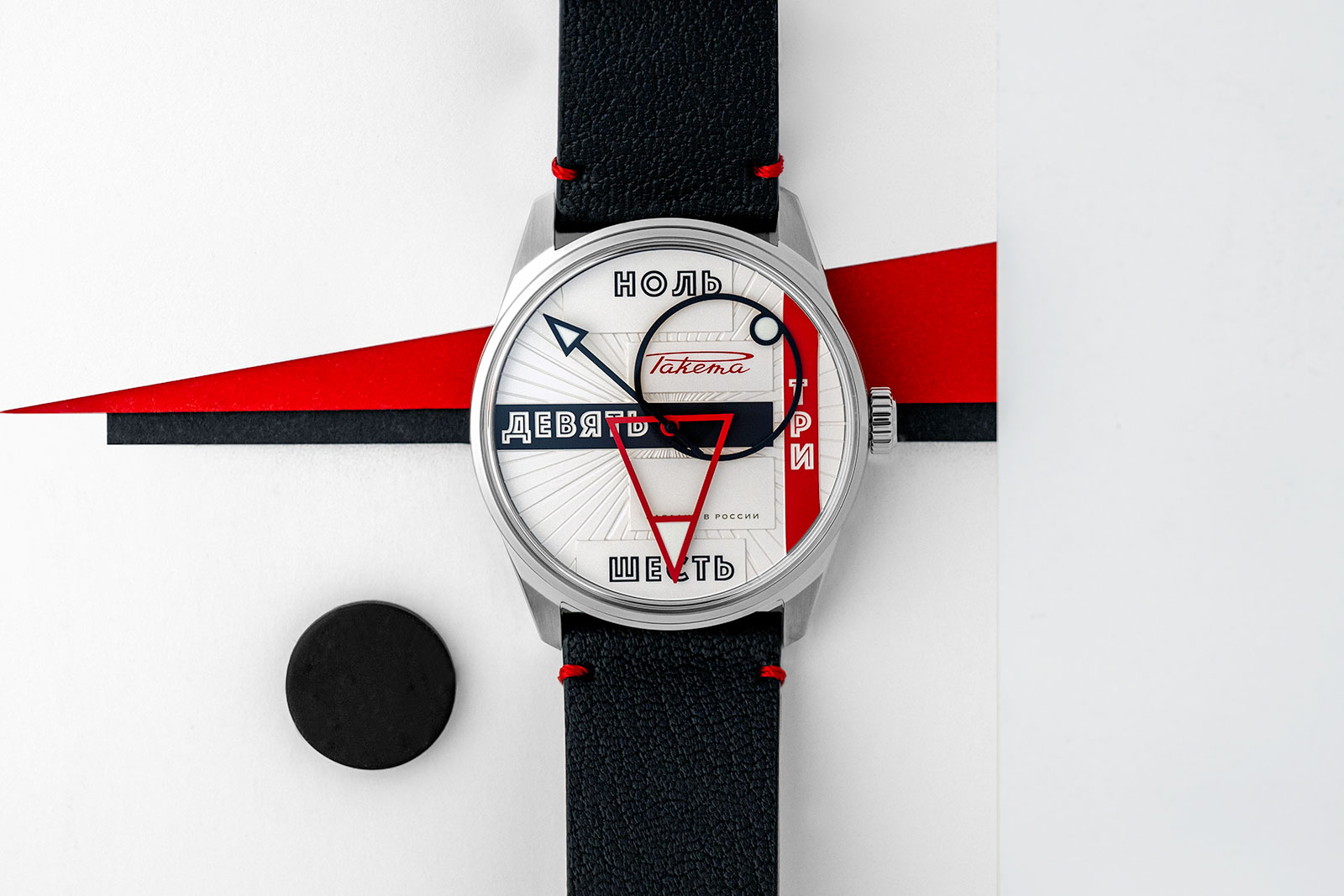
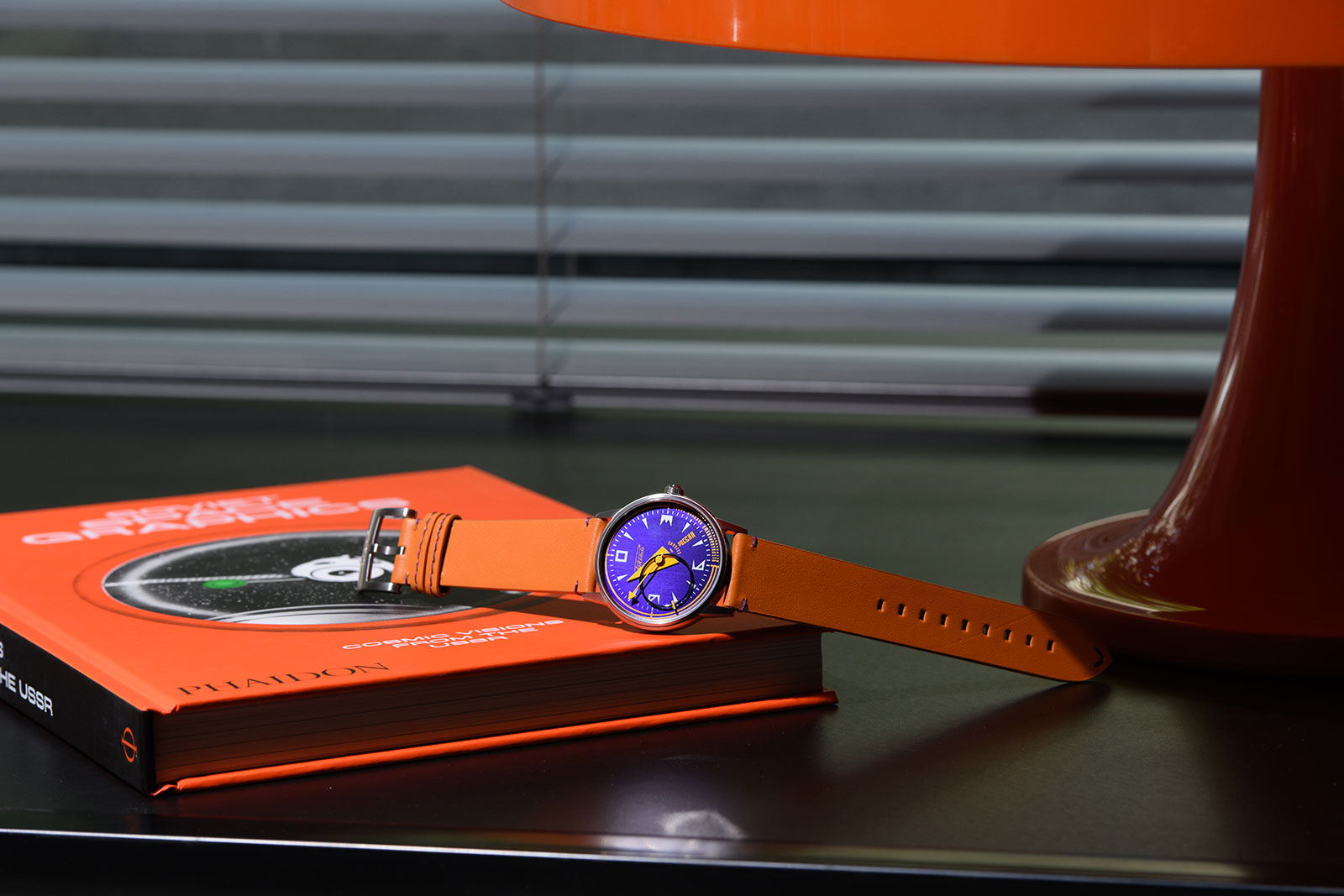
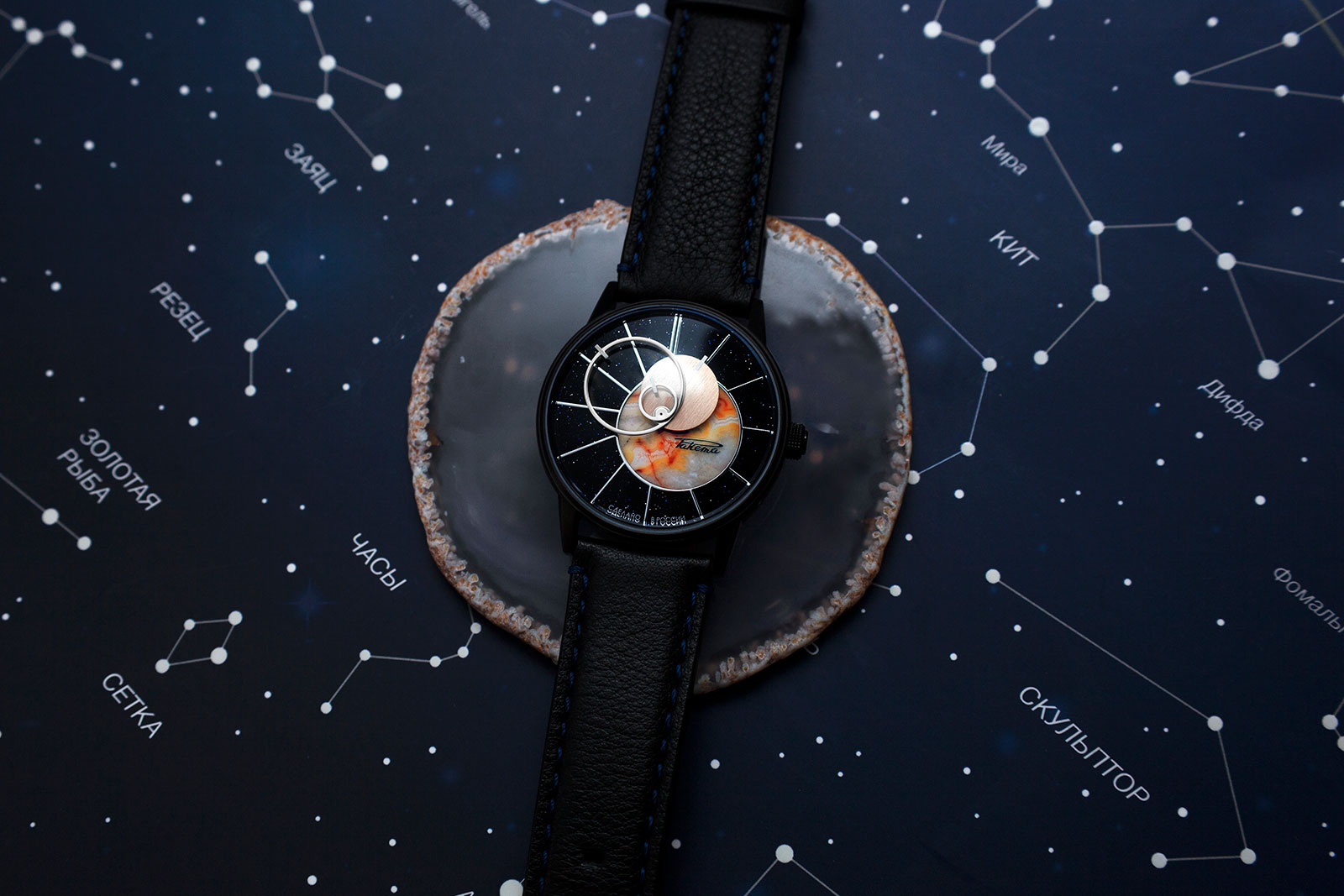
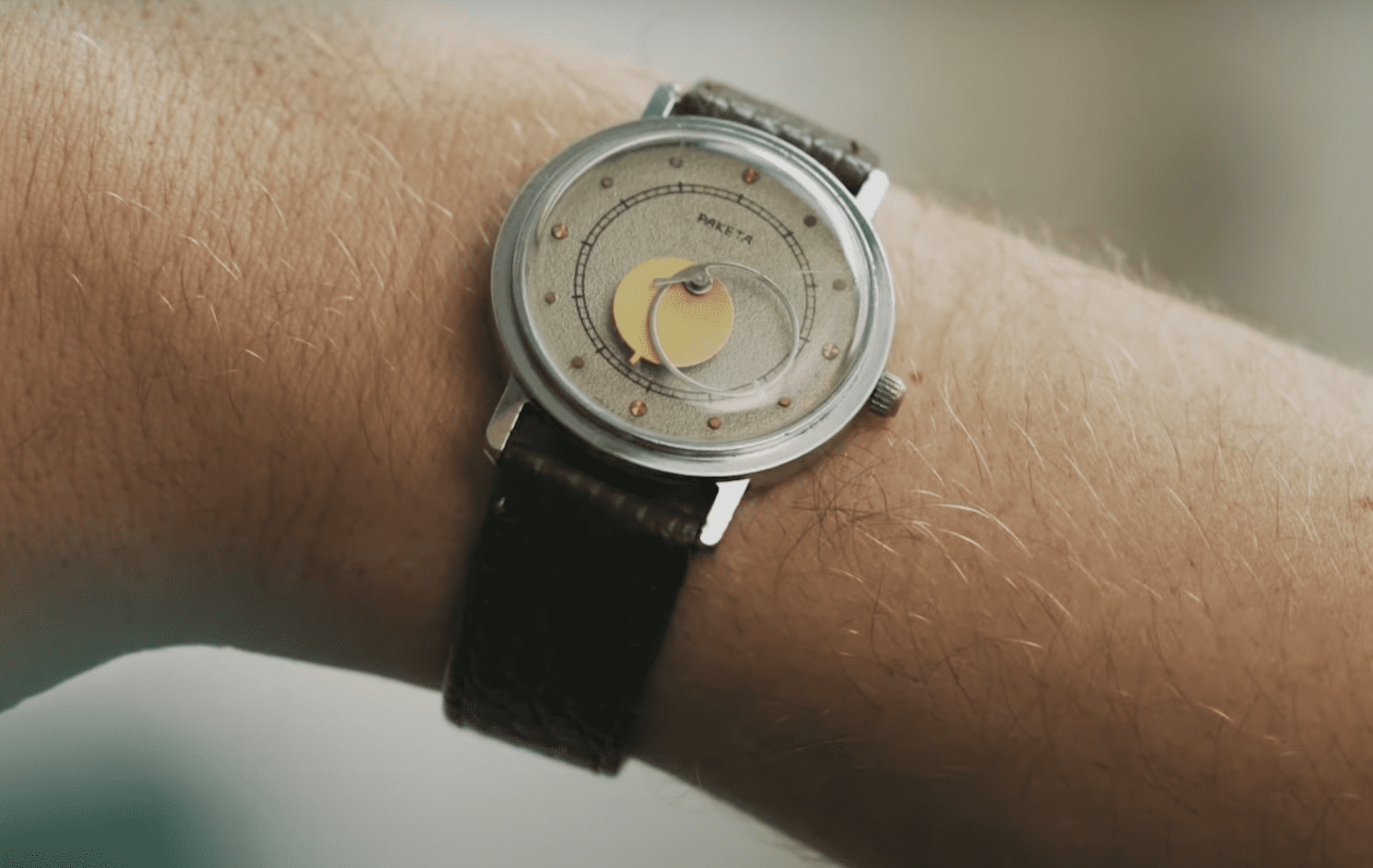
The post-Soviet collapse damaged Raketa severely; the Petrodvorets factory shrank and the brand nearly disappeared through the 1990s and 2000s. In 2010 French designer Jacques von Polier took control of the brand and began a serious revival programme: relaunching the factory as a modern Swiss-style manufacture (with in-house movement production restored), reissuing iconic Soviet-era references (Big Zero, Polar 24-hour, Cosmonaut chronograph), and producing new collaborative editions. Today Raketa operates from the original Petrodvorets facility producing in-house movements and Swiss-influenced refined cases at modern enthusiast prices, with Vladimir Putin and various Russian cultural figures wearing the watches publicly. Annual production is in the low thousands of pieces.



Comments
No comments yet, be the first to weigh in.