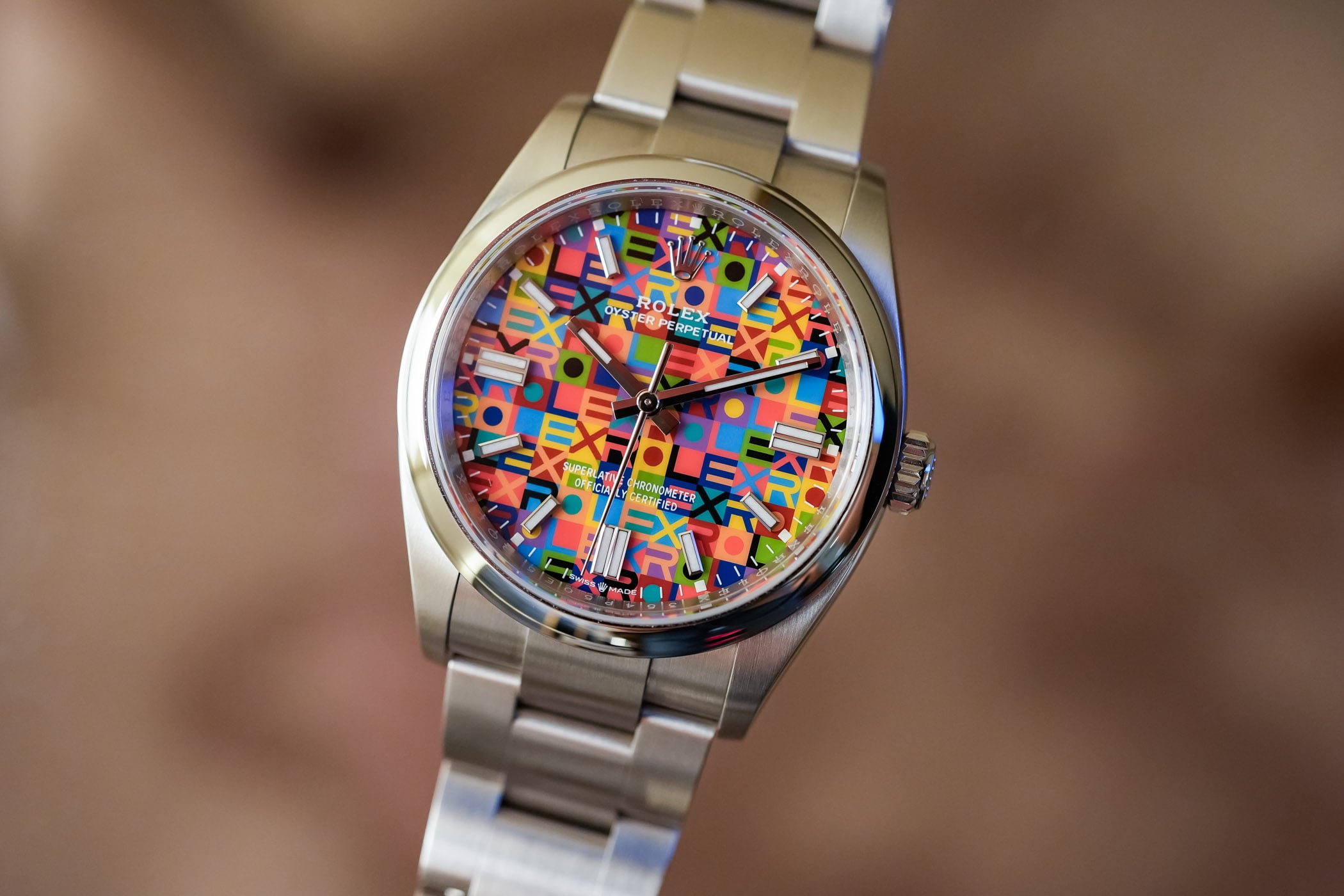
The Oyster Perpetual is the line that created the Rolex sport-watch category. The story begins in 1926 when Hans Wilsdorf patented the Oyster case, a hermetically-sealed waterproof case with a screw-down crown and screw-down caseback. To prove it, Rolex commissioned Mercedes Gleitze to swim the English Channel in 1927 wearing one; the watch survived 10 hours of cold water and emerged still keeping accurate time.
In 1931 Rolex patented the Perpetual rotor, the world's first commercially viable self-winding mechanism using a free-rotating semi-circular rotor (patent CH 130649). Combined, the Oyster case and Perpetual rotor became the foundation of every modern Rolex. The first watch to carry both technologies was the Oyster Perpetual, launched 1933, and every subsequent Rolex sport reference is a derivative: Datejust adds a date window, Submariner adds a dive bezel, GMT-Master adds a 24-hour bezel.
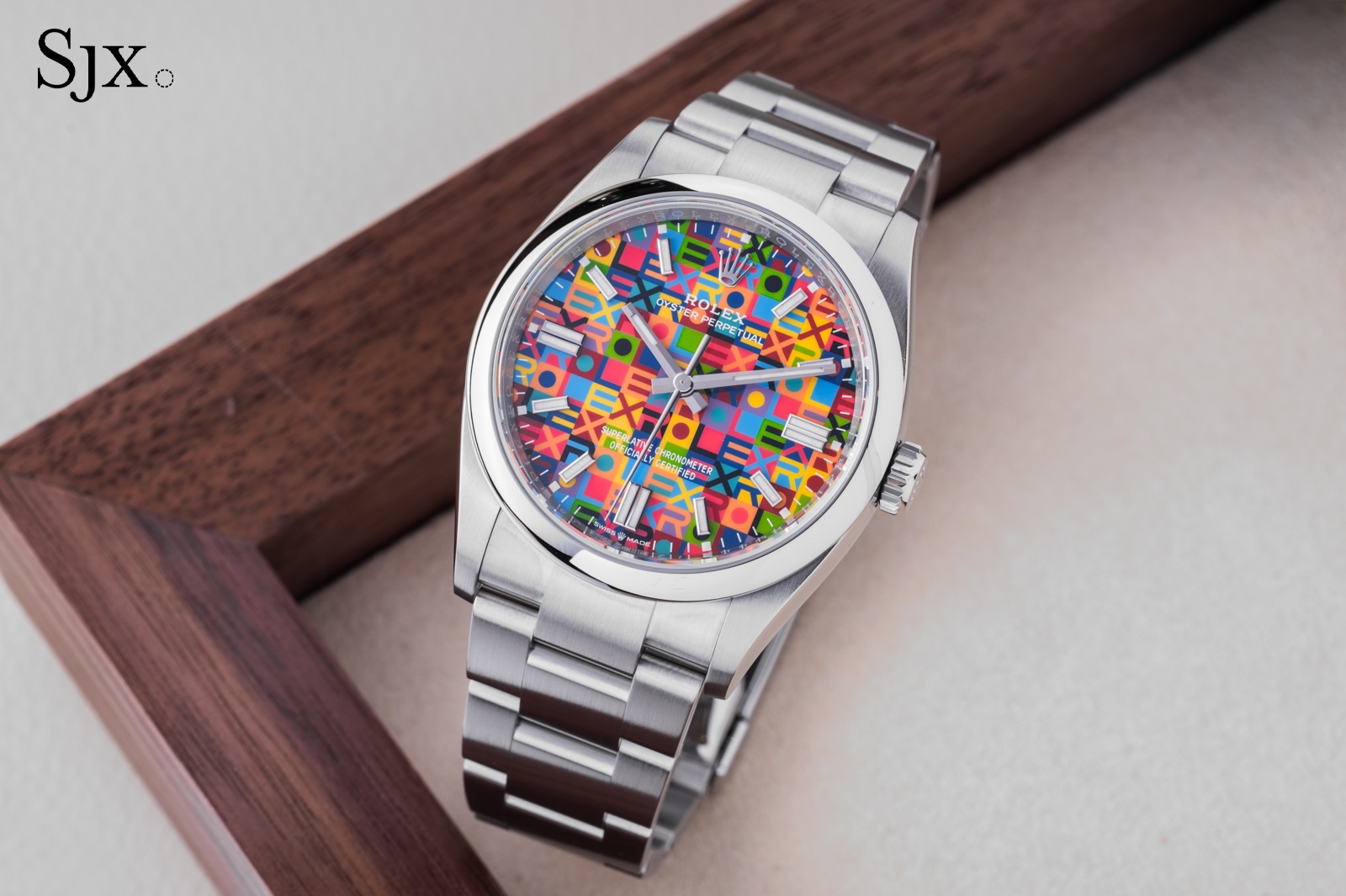
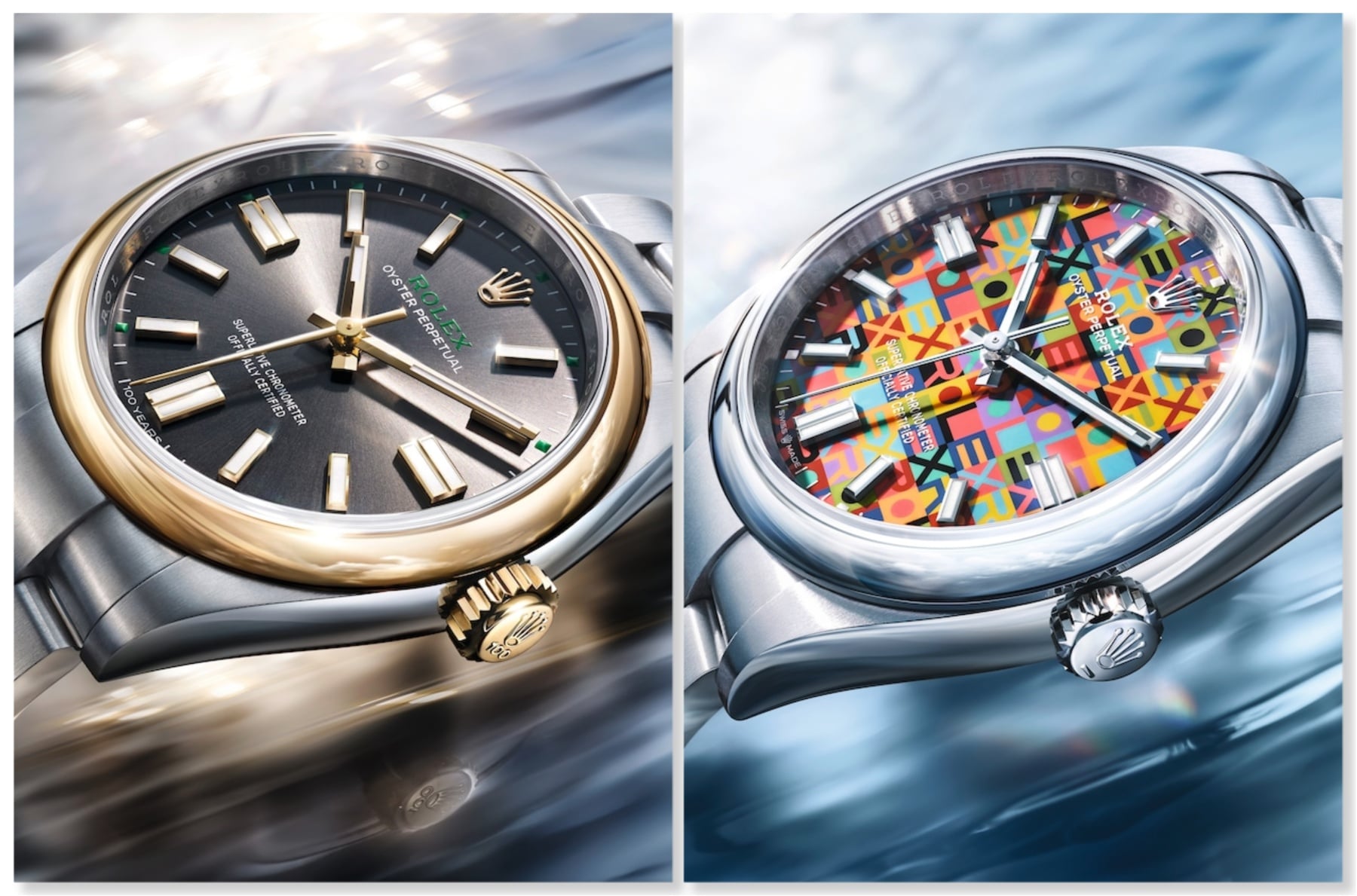
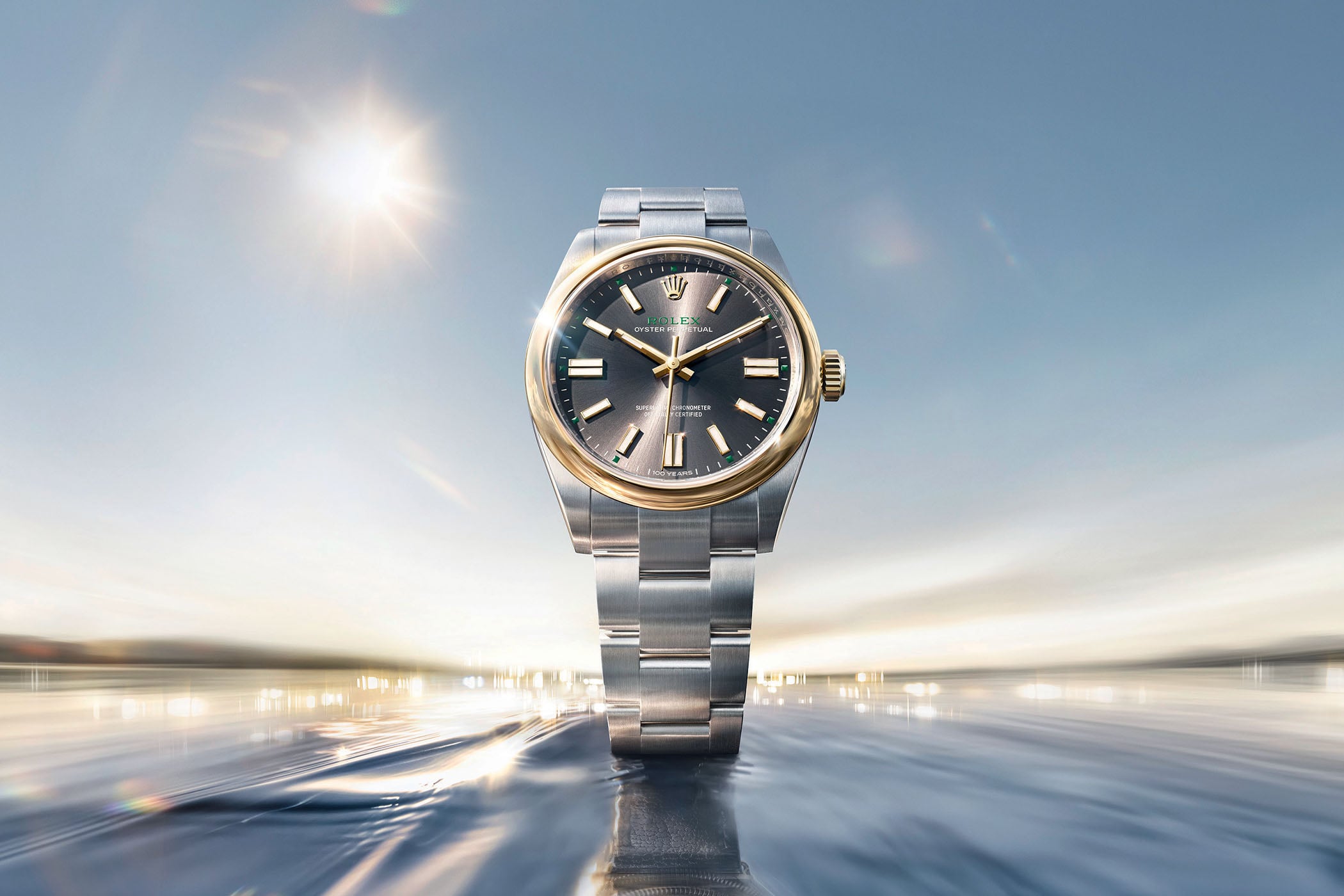
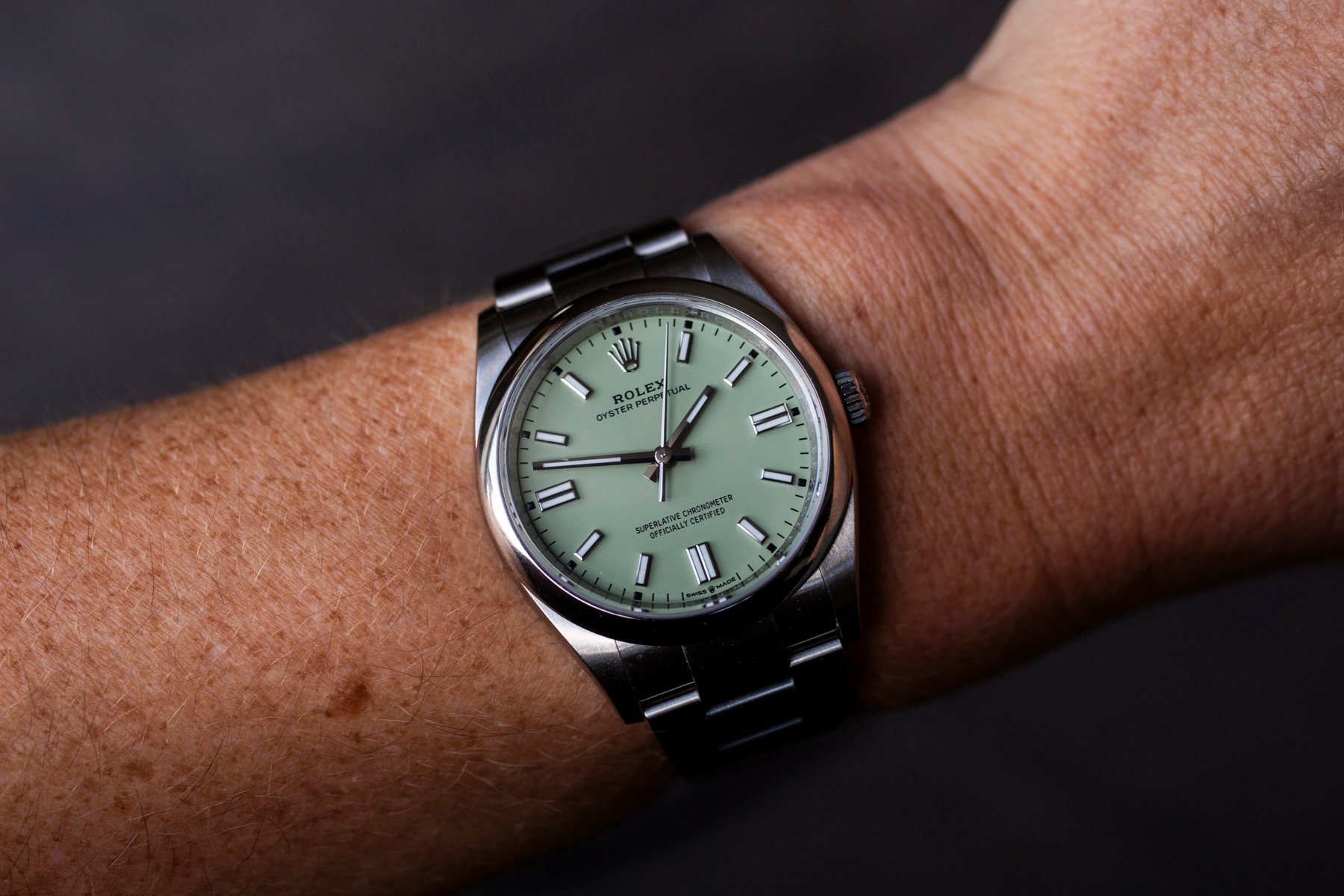
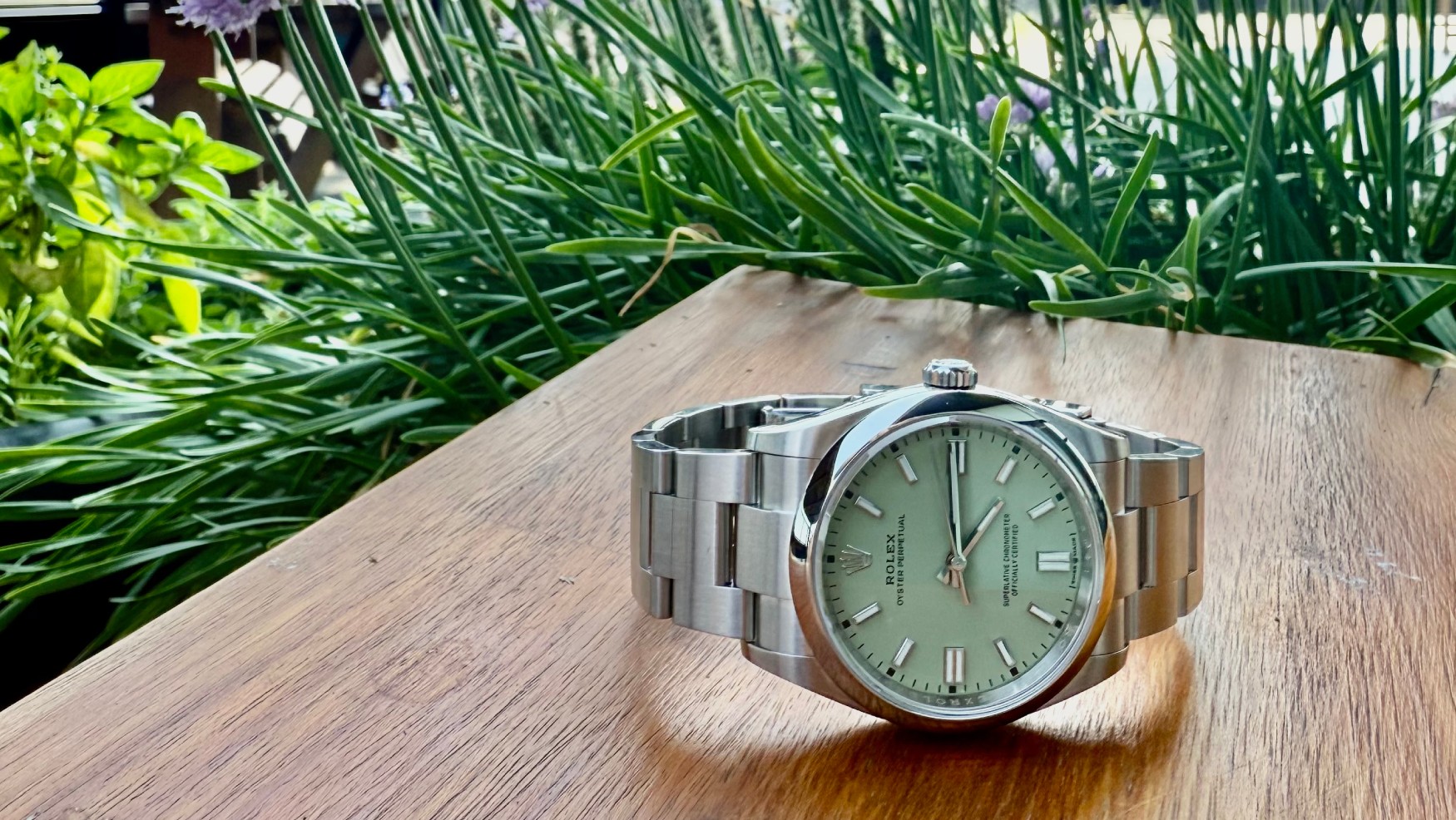
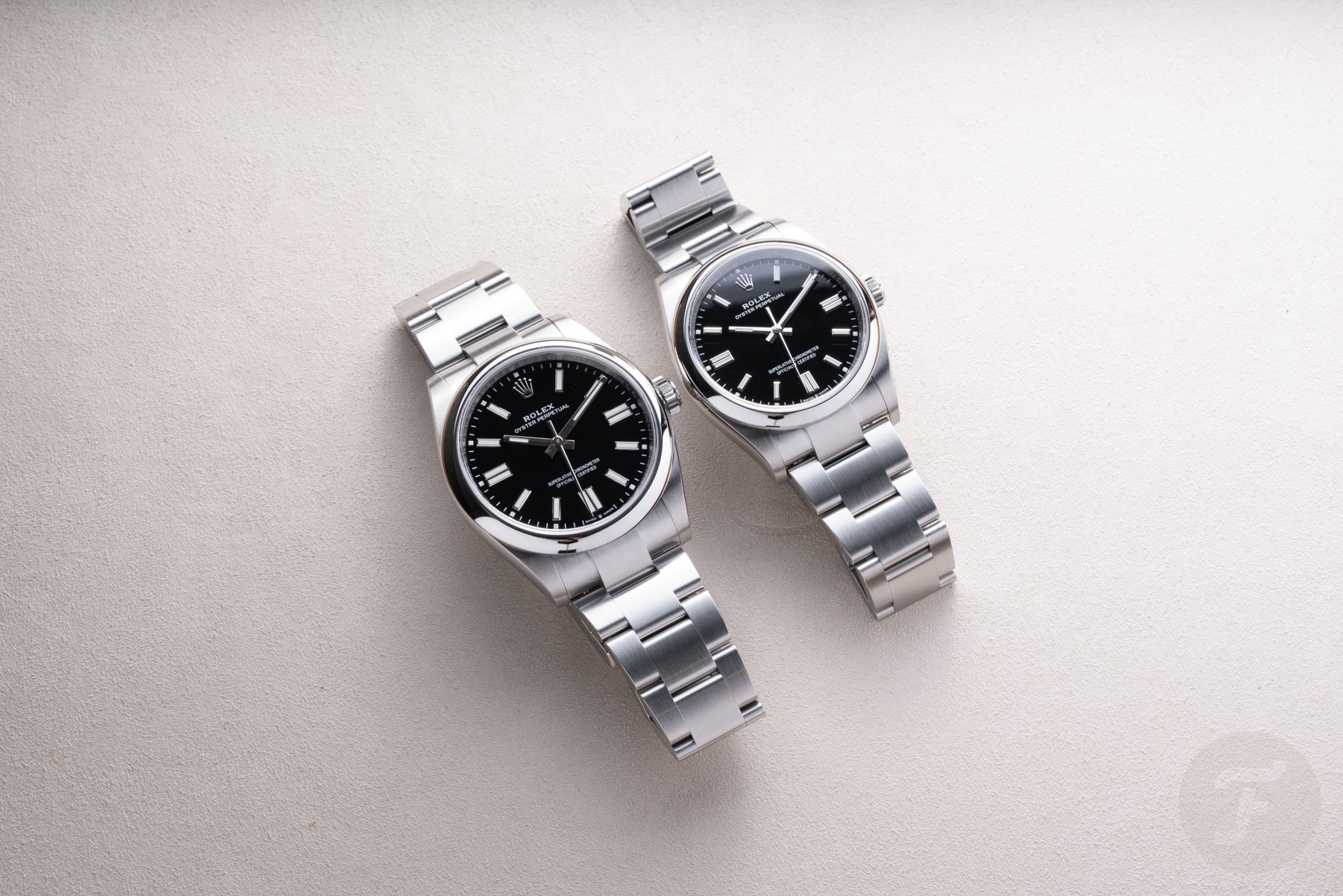
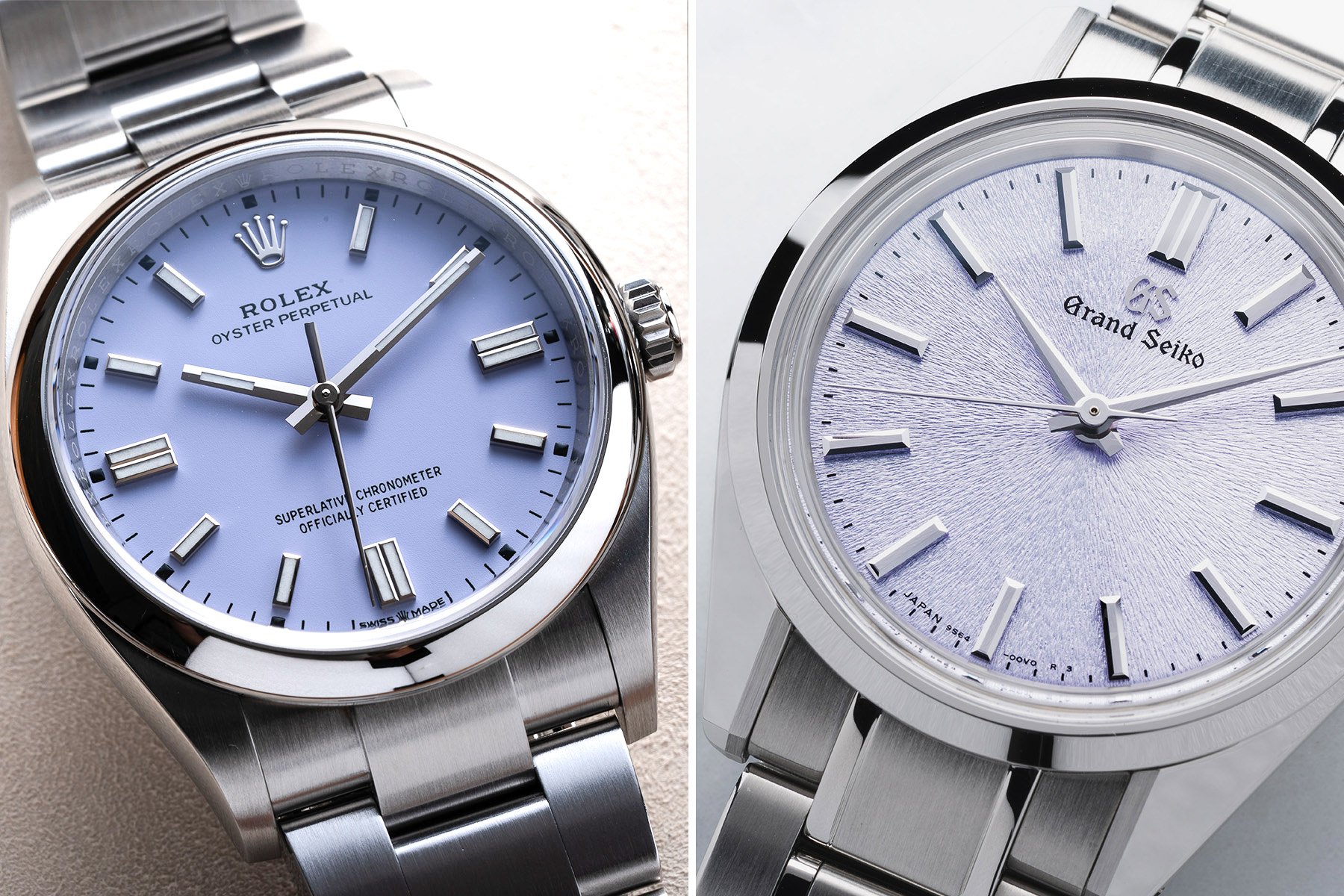
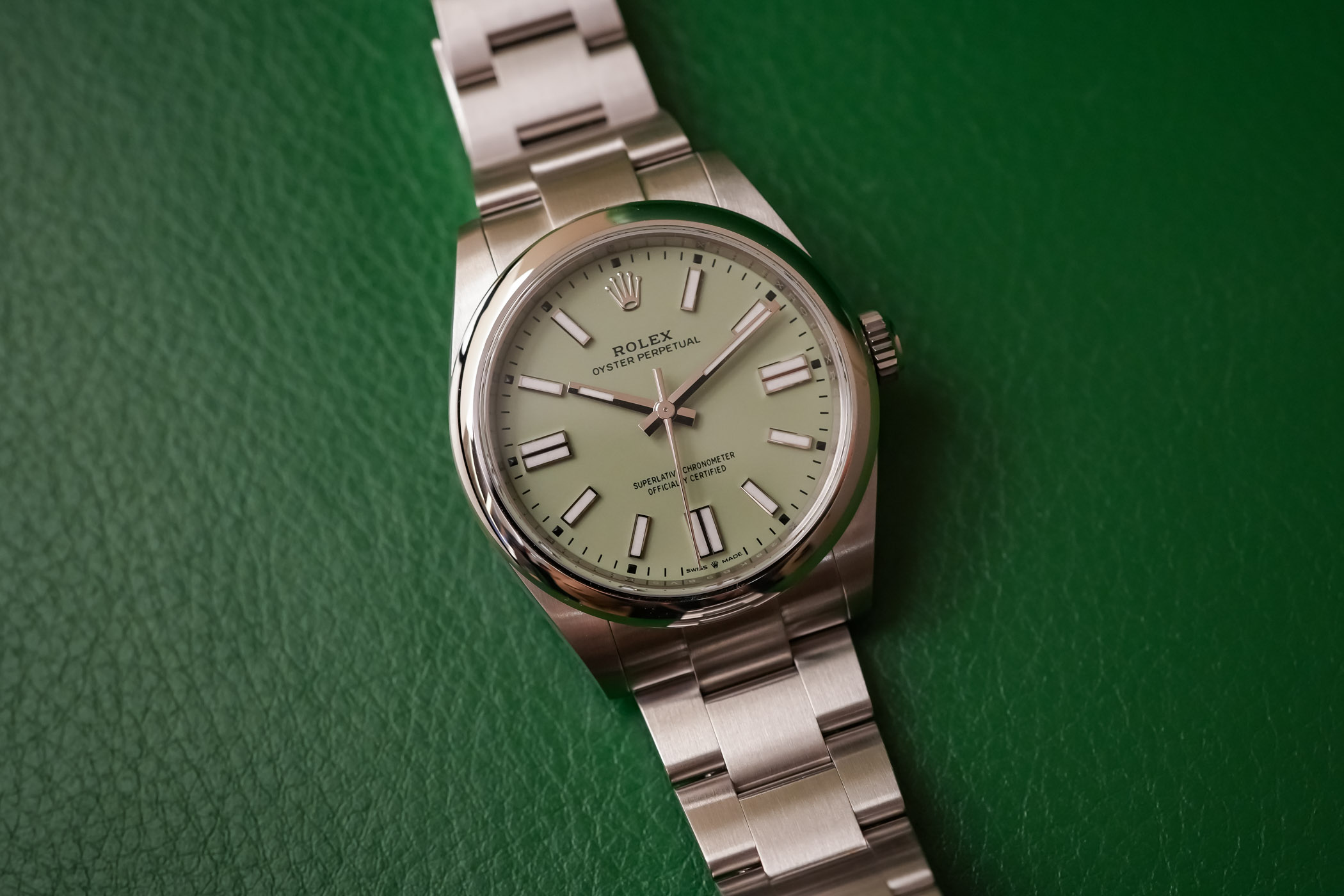
The modern Rolex Oyster Perpetual is positioned as the entry-tier sport reference. Time only, no date, smooth bezel, applied indices. Available in 28mm, 31mm, 36mm, and 41mm cases. The 2020 dial-colour refresh introduced the candy-coloured dials (turquoise, yellow, coral, pink, green) that became the most-distinctive Rolex dial collection in current production and made the OP 36 a cult collector reference. The 2025 100th-anniversary release included a special celebratory OP 36 with a unique commemorative dial.
Current references run the Cal. 3230 (36mm/41mm men's) and Cal. 2232 (28mm/31mm women's), both Superlative Chronometer rated. 70-hour power reserve, Chronergy escapement, Parachrom blue hairspring. Retail spans ~€5,800 (OP 36) to ~€6,400 (OP 41). Allocation is the lightest in the Rolex sport-watch range; for first-Rolex buyers who don't want the Submariner or GMT waitlist, the OP is the answer.



Comments
No comments yet, be the first to weigh in.