 Deployant
New Video: Brief introduction to Rudis Sylva in Les Bois
We visited Rudis Sylva, in a small village known as Les Bois in the Swiss Jura. And discover the fascinating history of the brand and the village.
4,970 articles · 18 videos found · page 103 of 167
Deployant
We visited Rudis Sylva, in a small village known as Les Bois in the Swiss Jura. And discover the fascinating history of the brand and the village.
 Monochrome
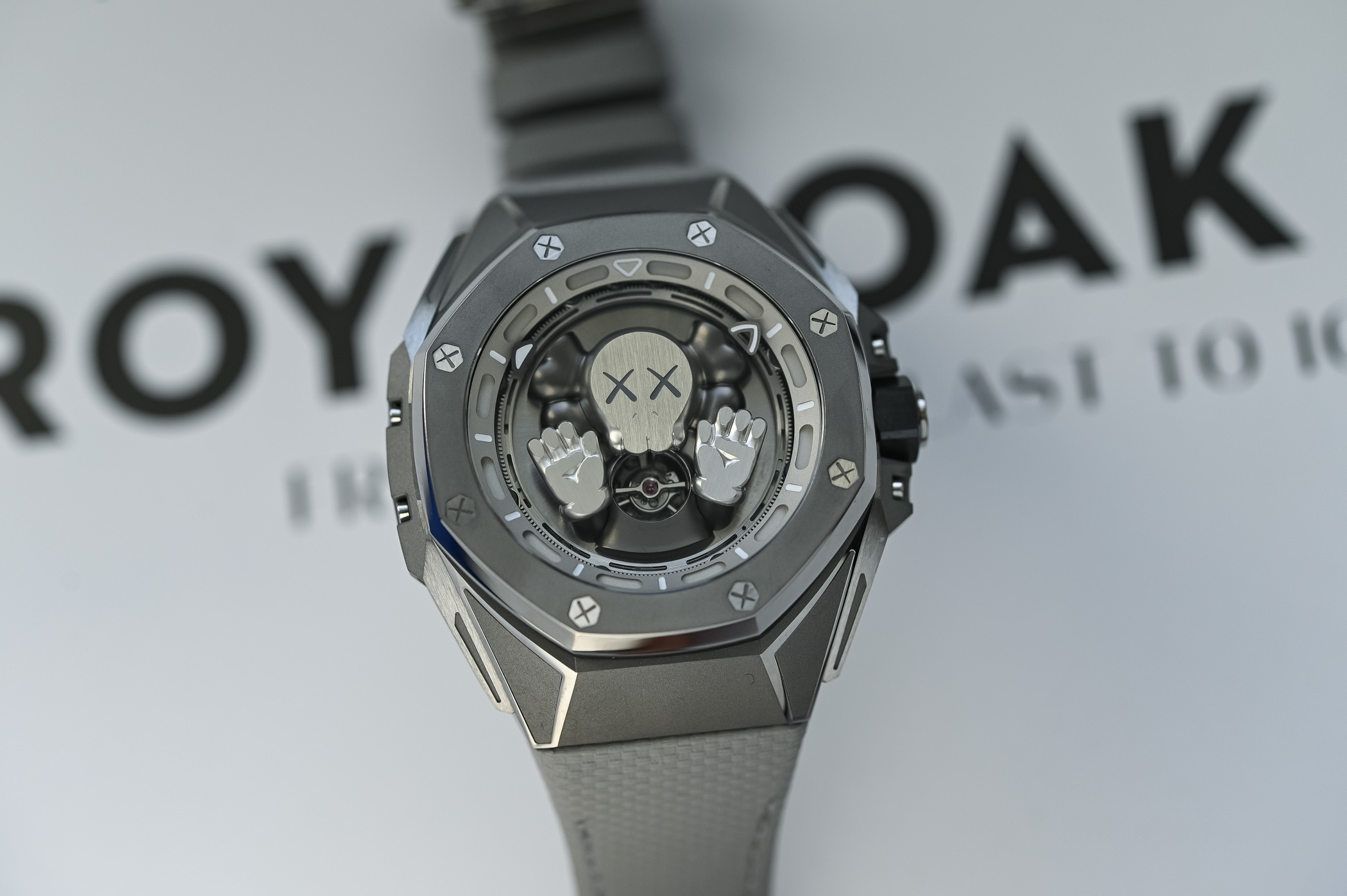
Among Switzerland’s elite Haute Horlogerie brands, Audemars Piguet often stands out for doing things differently and exploring different territories. In particular, the brand is not shy to connect watchmaking to a broader culture as we have seen with recent collabs with Marvel (Spiderman, Black Panther) or with the cool Travis Scott x AP Royal Oak […]
 Monochrome
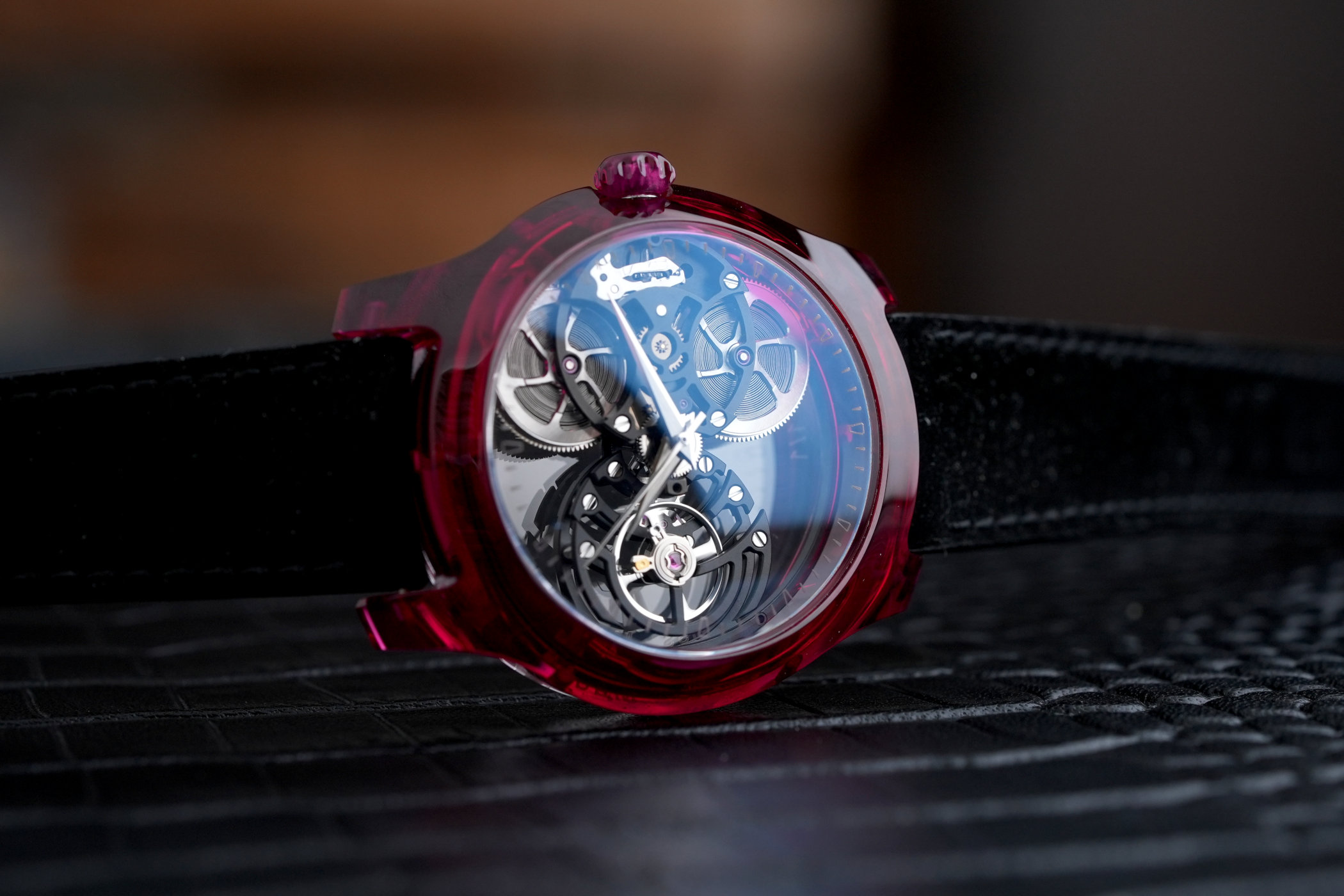
With ArtyA, the brand’s founder Yvan Arpa has formed a unique vision of watchmaking characterized by great creativity and bold designs. Over the past months though, the brand has focused on the production of more restrained, less polarizing skeleton movements, often housed in transparent sapphire crystal cases, forming the Purity collection. Today, we are taking a […]
 Monochrome
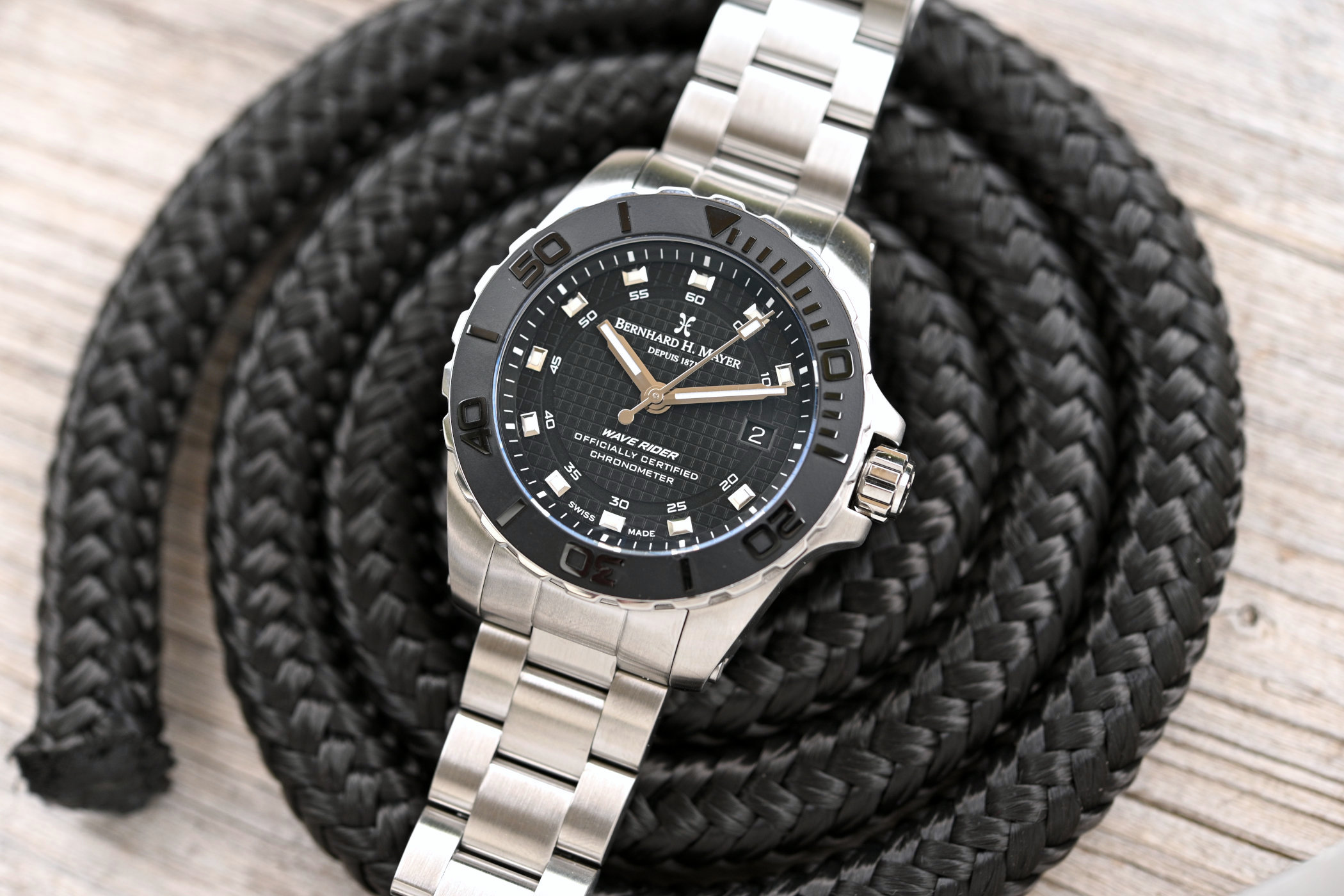
Having celebrated its 150th anniversary a few years ago, Bernhard H. Mayer is a watchmaking brand with numismatic roots in Germany. With the 4th generation of the family at the helm, the company is now headquartered in Biel Switzerland. The brand’s most recent novelty, the Wave Rider is a well-specced, robust diver with a twist. […]
 Monochrome
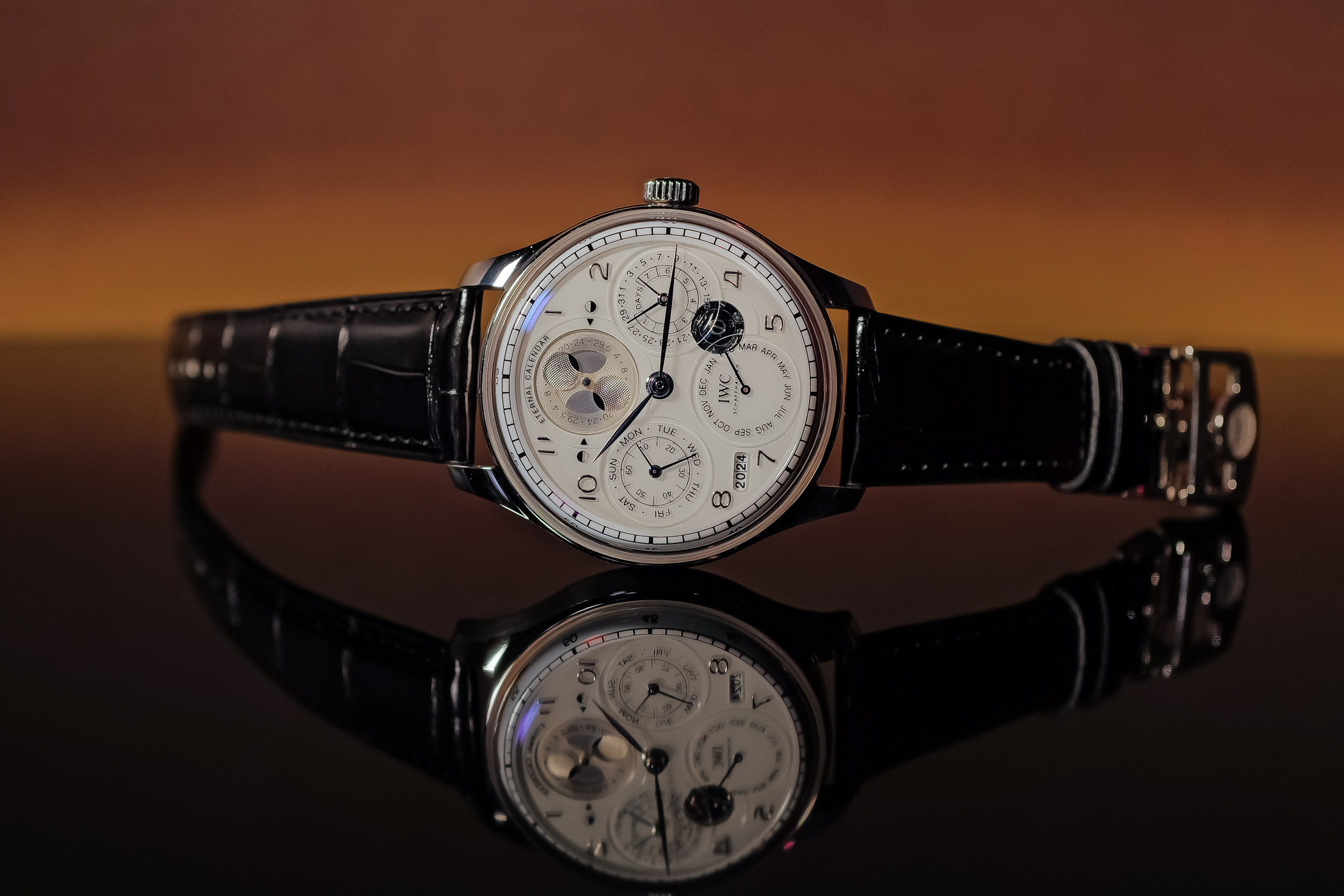
The 2024 edition of the Grand Prix d’Horlogerie de Genève has just unveiled the grand winner of this year’s awards ceremony! Often regarded as the Oscars of Watchmaking, the GPHG stands for a celebration of all things surrounding mechanical watchmaking. A specially selected jury, which included our founder and editor-in-chief Frank Geelen, has narrowed down […]
 Two Broke Watch Snobs
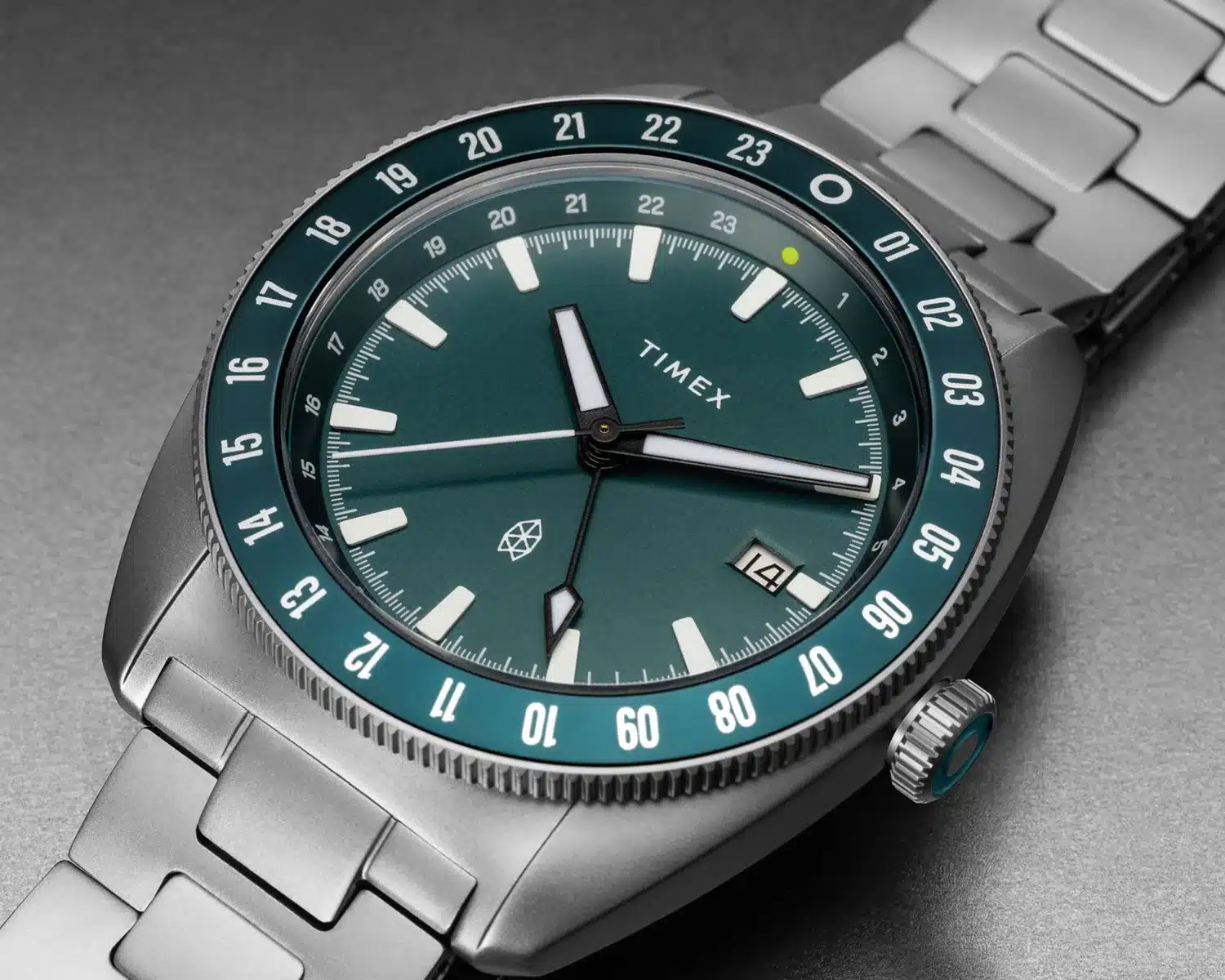
Recently, Timex joined forces with The James Brand to release what many consider a game-changer in the world of affordable GMTs: a titanium-cased automatic GMT that married the utility-focused aesthetic of The James Brand with Timex's watchmaking expertise.
 Monochrome
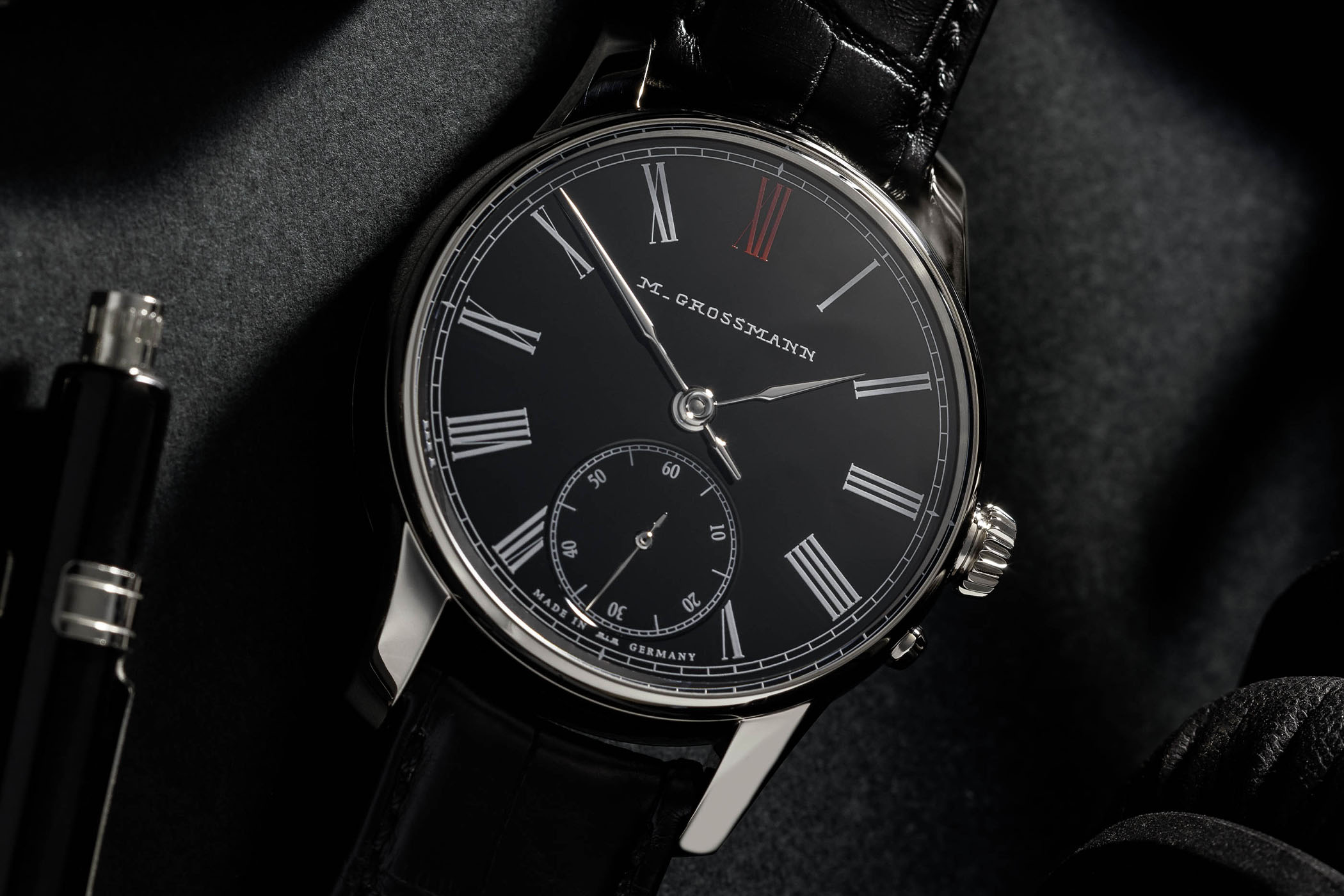
Moritz Grossmann (1826-1855) was one of the founding fathers of Glashütte’s proud watchmaking tradition. However, his death in 1855 marked the extinction of the brand that was acquired by watchmaker Christine Hutter in 2008. Having forged its own identity with 16 in-house calibres and a commitment to Schönstes deutsches Handwerk (the most beautiful German craftsmanship), […]
 Monochrome
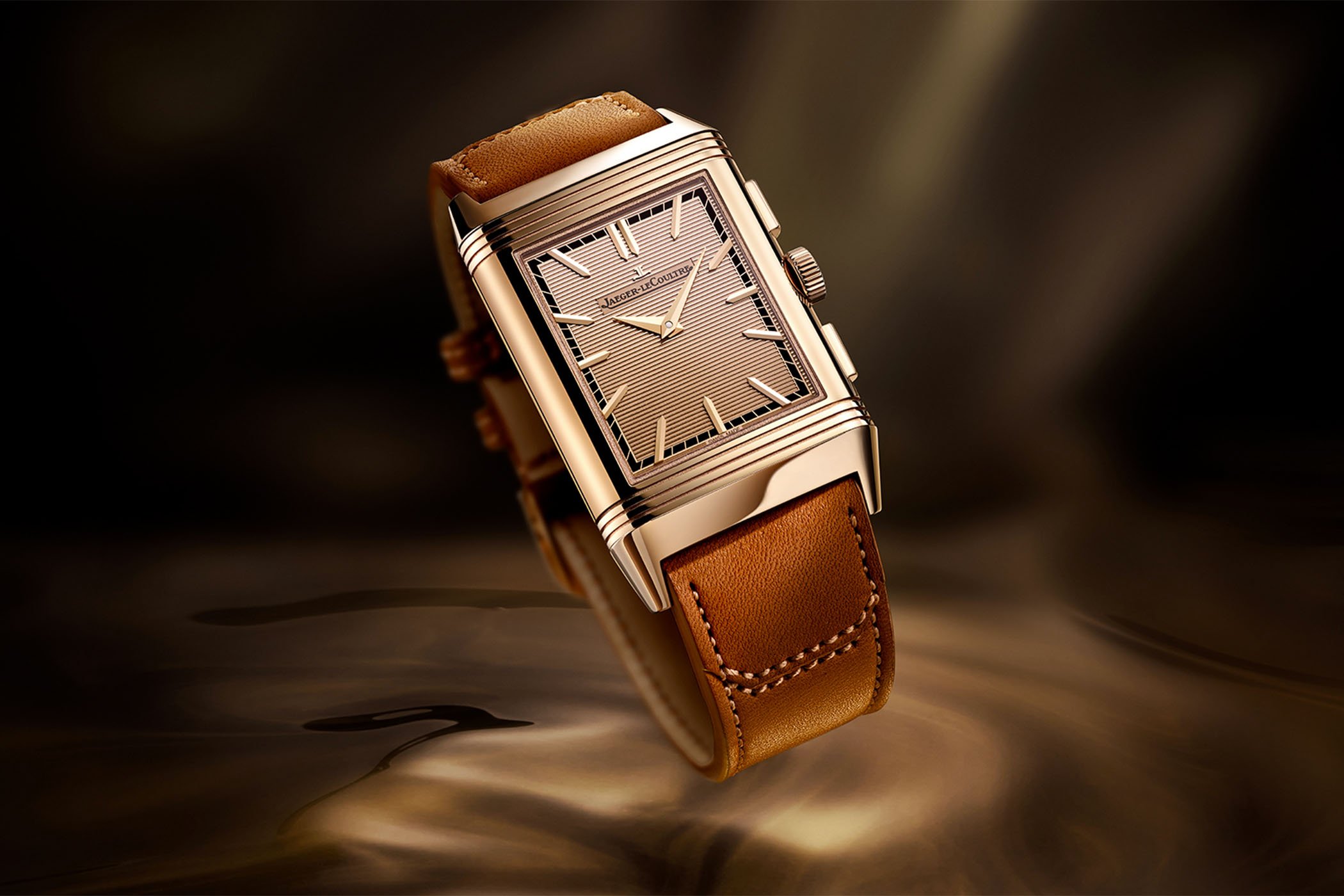
The classic Reverso Chronograph, a watch initially presented in 1996, is a piece of great historical importance. It was the first manually wound integrated chronograph to be developed in the post-quartz era, marking the return to classic watchmaking. Last year, Jaeger-LeCoultre presented the Reverso Tribute Chronograph, a Duoface model looking back at this 1990s classic, […]
 Worn & Wound
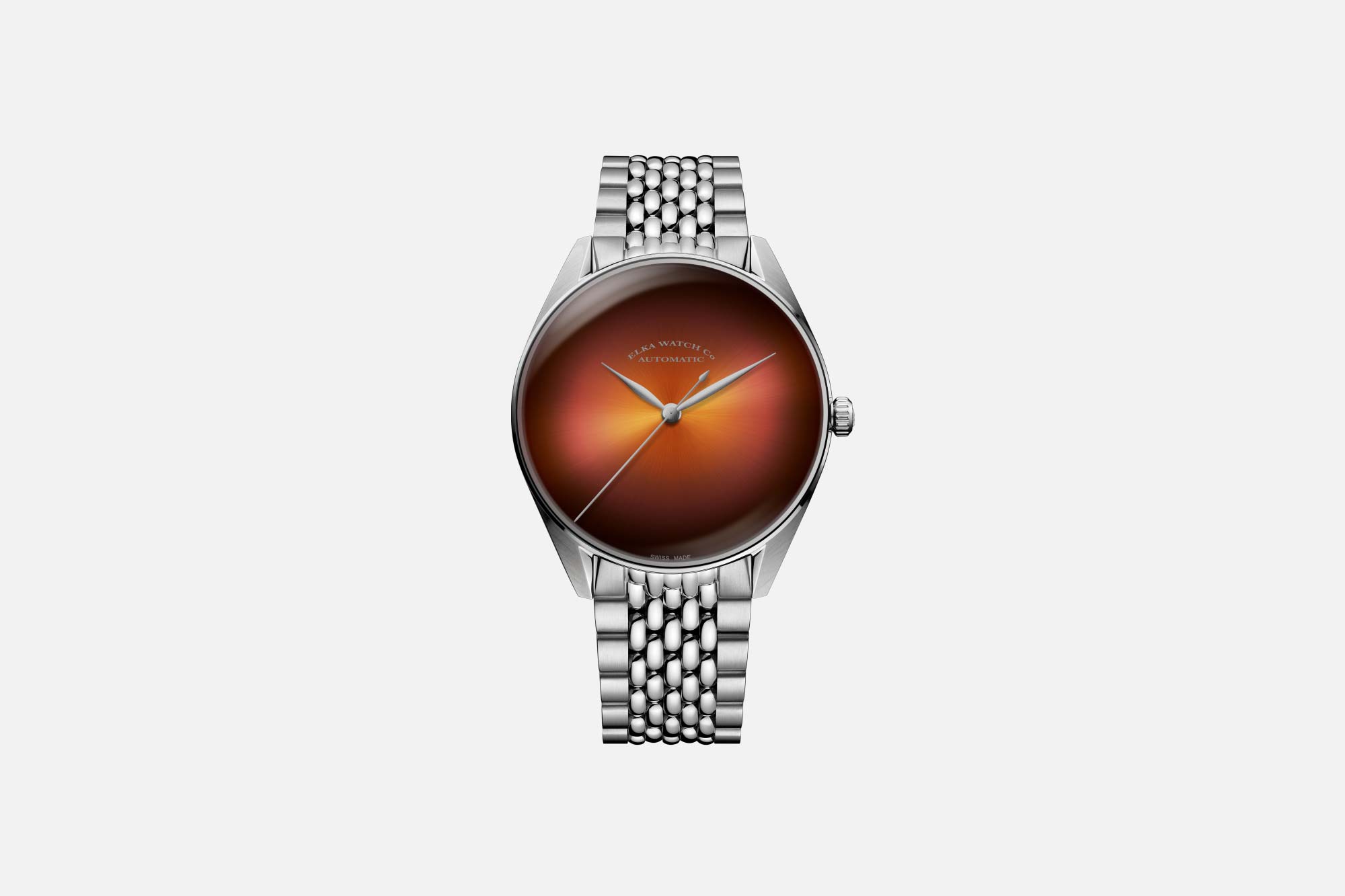
Just hearing the brand Elka brings back nostalgic memories of my trip to Neuchatel back in 2019, a picture perfect Swiss town bordering a very large lake. It’s often known as the “land of watchmakers” and hosts the headquarters for some of the most renowned Swiss watch brands, including Elka Watches. Elka has launched a watch and whiskey collaboration with the limited release of 25 S series watches, each to be paired with their own unique bottle of golden hued Single Malt Whiskey. Many watch collectors, including myself, take pleasure in the opportunity to enjoy an evening dram of fine Scotch or Bourbon while gazing into the dials of our most prized watches. Oftentimes you can find us comparing notes from the liquor that complement the vibe of the watch, or even superficial aesthetic cues such as the color of the whiskey matching various earthy colors found on the watch – such is the case with this limited pairing from Elka. The Whiskey that comes with this new limited edition watch from Elka is not a Scotch, nor a Bourbon – but rather a single malt by the name of Loch Lat that has been distilled in Neuchatel and aged in Cognac casks. Whiskey that has not been distilled in Scotland lawfully cannot bear the official name of a Scotch (the same goes for Bourbon which needs to be made within the USA) and that’s the case here with this Swiss single malt not bearing either label. This new S series release from Elka is very elegant and dressy in appearance, but ...
 SJX Watches
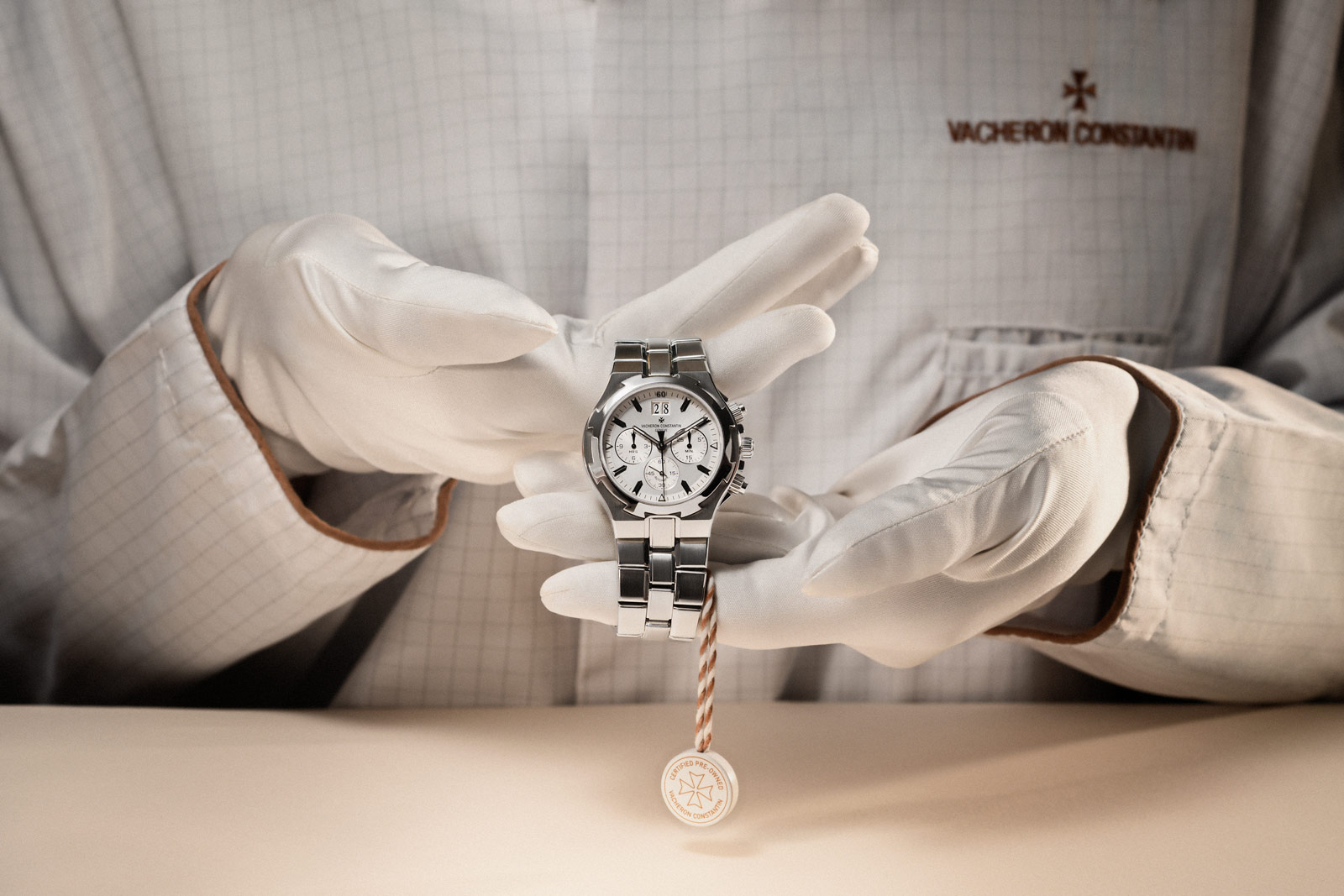
Vacheron Constantin (VC) has just announced its Certified Pre-Owned (CPO) programme. Focused on recent VC timepieces, the CPO offerings will all be certified and serviced by the brand, and accompanied by a two-year warranty. The CPO programme will also allow clients to trade-in their VC timepieces for a new model. The CPO programme is making its debut with Watchfinder, the pre-owned watch merchant owned by VC’s parent company, the Swiss luxury group Richemont. In time to come, it will progressively be rolled out at VC boutiques, third-party retailers, and even auction houses. Each CPO watch will be accompanied by a two-year international warranty, a “Digital Passport”, and an VC guarantee letter. Watches sold through the CPO programme will be delivered in a VC pouch with a VC seal tag. Strictly speaking, CPO programme isn’t the first time VC is offering pre-owned watches. For several years, select boutiques have carried watches from Les Collectionneurs, vintage VC watches restored and certified by the manufacture. Practically all of the Les Collectionneurs watches are over 40 years old. On the other hand, the CPO programme is distinct as it covers more recent timepieces, including current models.
 Monochrome
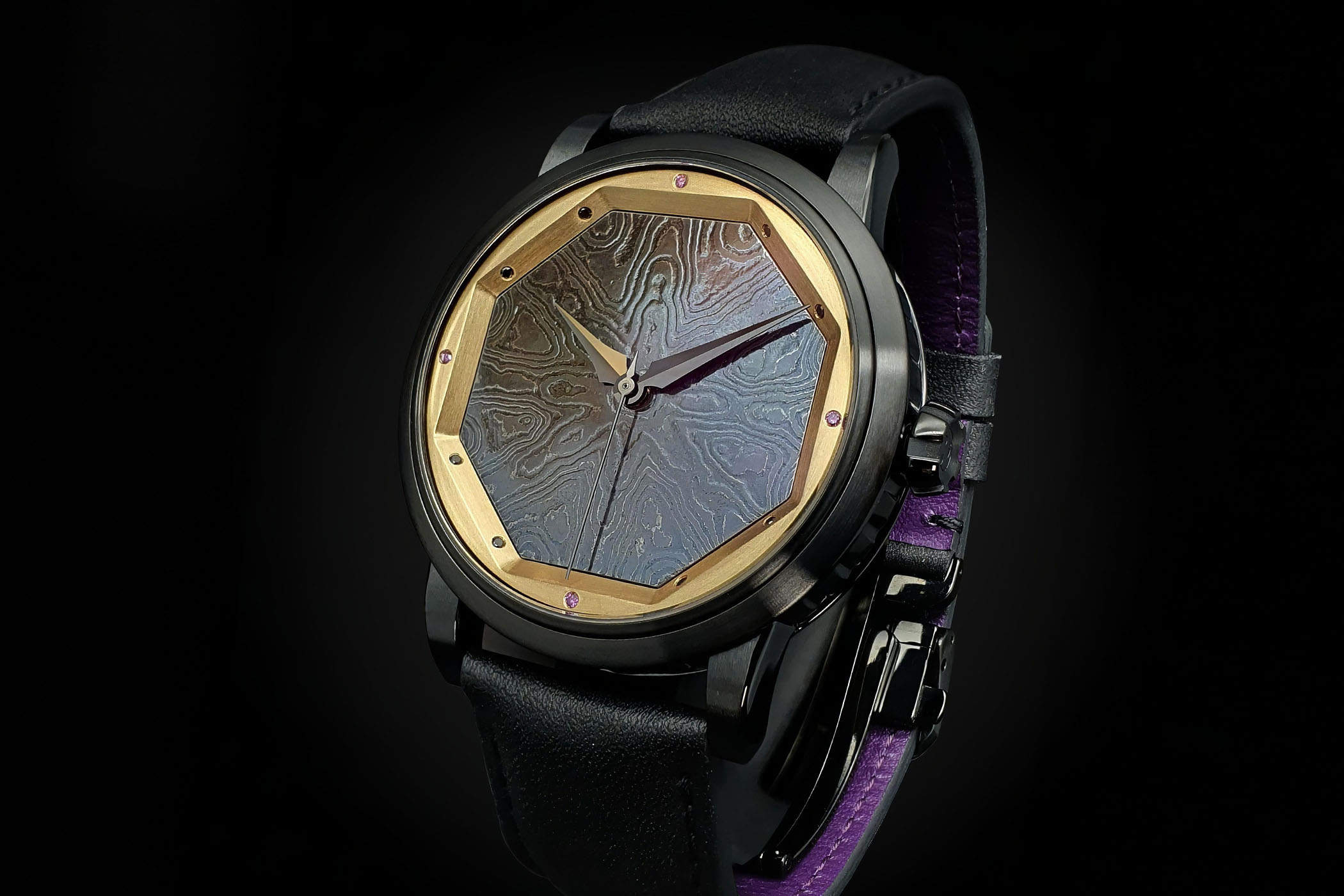
With Patrik Sjögren, the Master Watchmaker at the helm and Conny Persson, the Bladesmith producing the intricate hand-forged Damascus steel, the Swedish watchmaking brand GoS continues to amaze. Infusing Scandinavian folklore, nature themes and traditional crafts into their creations, GoS watches are distinguished by their intricate patterns and story-telling details. The new GoS timepiece is […]
 Deployant
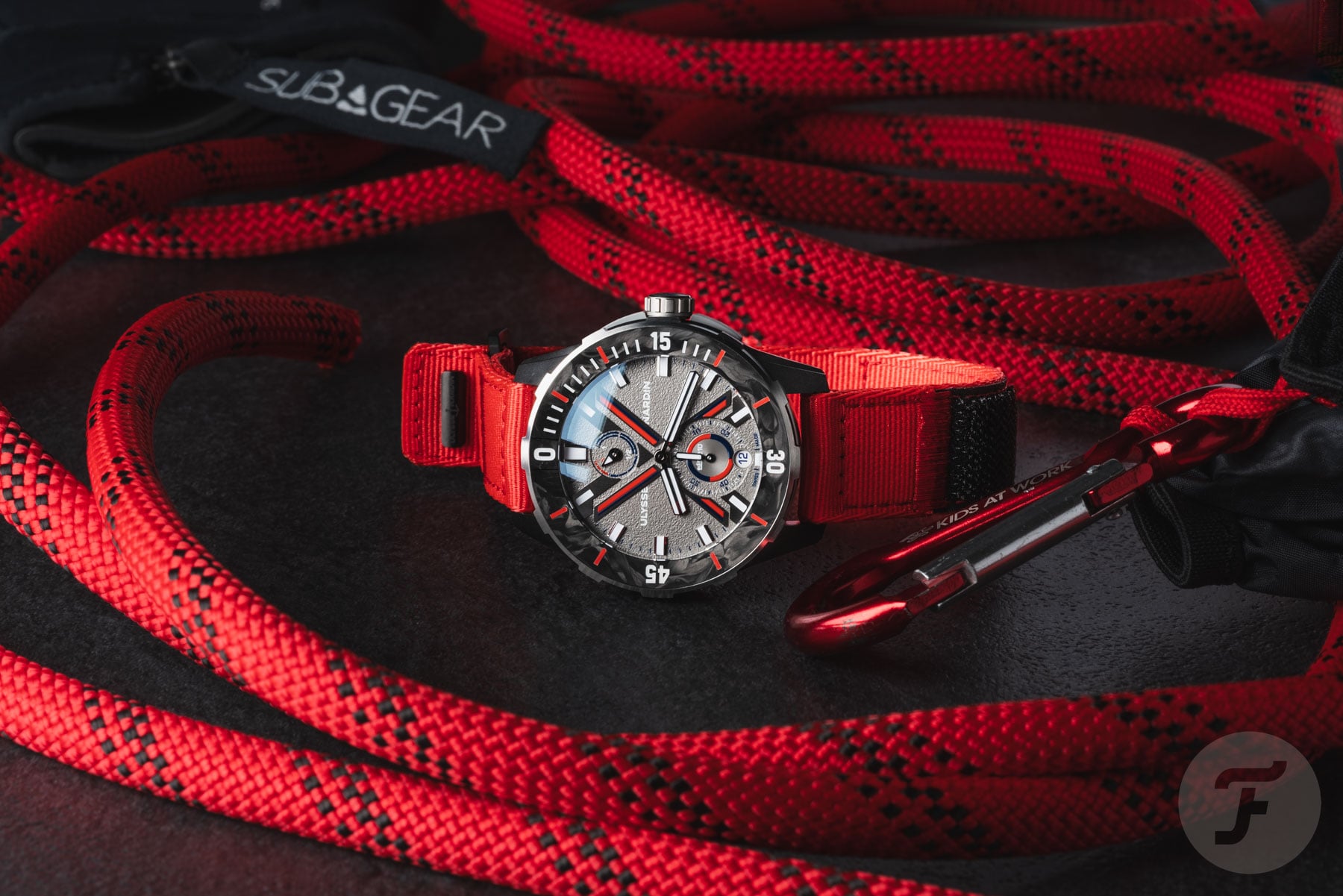
The Ulysse Nardin Diver Net Vendée Globe is a limited-edition timepiece designed to commemorate the Vendée Globe, a grueling solo sailing race around the world. The independant Swiss watch maison, that built its name supplying accurate, reliable marine chronometers to the world’s navies in the 19th century, will serve as an Official Partner and the Official Timekeeper of the Vendée Globe, the World’s largest solo, non-stop, unassisted round the-world sailing race.
 Fratello
The new Ulysse Nardin Diver Net Vendée Globe celebrates one of the most taxing sailing races. It’s also the most sustainable watch yet from the Swiss brand. Let’s take a closer look at this sporty and colorful diver. Ulysse Nardin is no stranger to supporting lengthy, challenging races. The Gumball 3000 comes to mind in […] Visit Introducing: The Ulysse Nardin Diver Net Vendée Globe to read the full article.
 Monochrome
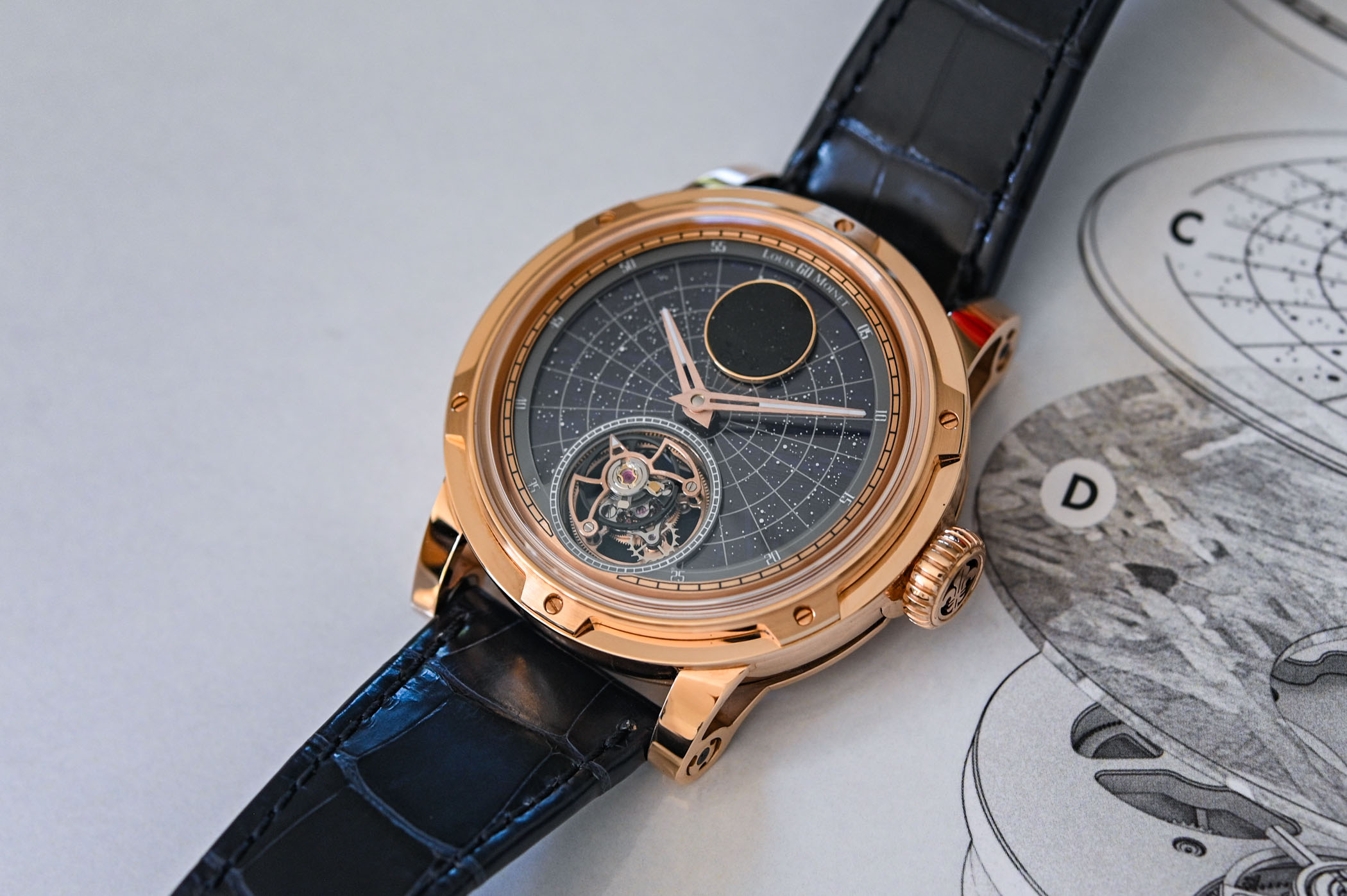
Every timepiece crafted by Jean-Marie Schaller and his watchmaking team at Louis Moinet promises one sure thing – it will captivate, invite a closer look, and often spark curiosity about the stories behind it. The latest creation, the Starman, exemplifies this spirit; it is a luxurious, quintessentially Louis Moinet piece made with fragments from two […]
 Worn & Wound
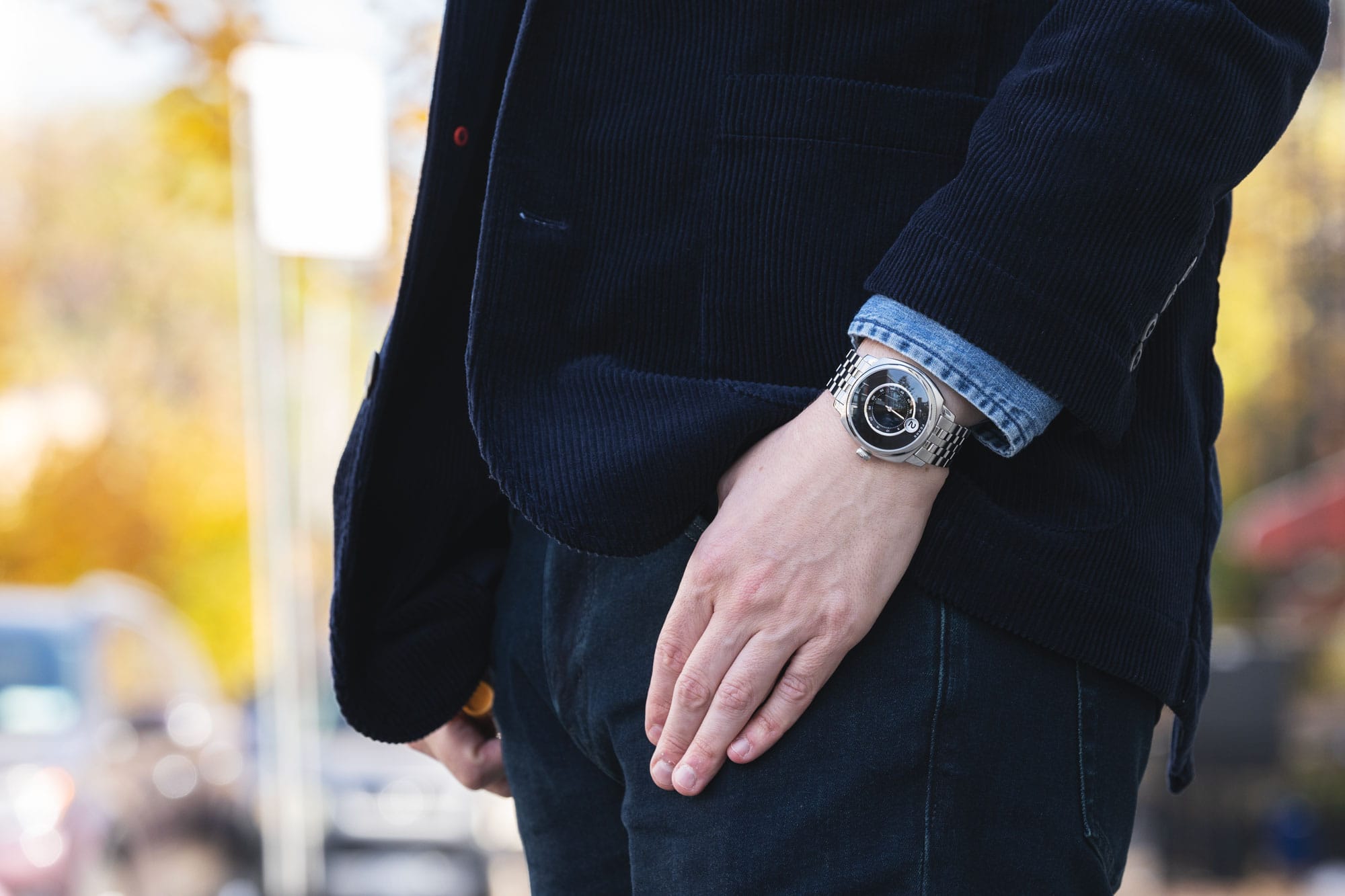
The jump hour is a nearly criminally underrepresented type of watch. These semi-digital mechanical devices simplify time telling through more complex movements, a perfect example of watchmaking’s inherent and lovable absurdity. Their unique displays create different layout challenges, leading to unique and fantastic designs, from the sci-fi Space One to the extravagant A. Lange & Söhne Zeitwerk. As such, a new jump hour is always cause for celebration and temptation. However, the challenge for brands that want to enter the jumping game is a lack of readily available movements and modules. So, what’s a brand to do? For Fears, this is where the power of collaboration comes into play. By teaming up with the industrious Christopher Ward, who developed their in-house jump hour module, the JJ001, back in 2010-11, Fears could access an already proven but exclusive solution. In 2023, they debuted their jump hour as the highly limited Alliance 1 for members of the Alliance of British Watch and Clock Makers, and in 2024, their follow-up mainline version, the Fears Brunswick 40.5 Jump Hour, which we reported on here. I’m all for watches that provide different and uncommon experiences, whether it be the smooth glide and accuracy of a Spring Drive, the hourly dinging of the Bel Canto, the central minute counter of a Lemania 5100, or the decentralized displays of a regulator. Jump hours stand out even among that crowd by fundamentally changing how time is read. Though most akin t...
 Hodinkee
From the mechanical watchmaking center of Studio Shizukuishi to the Seiko Museum back in Ginza, Tokyo, we finish our tour of Grand Seiko in Japan.
 SJX Watches
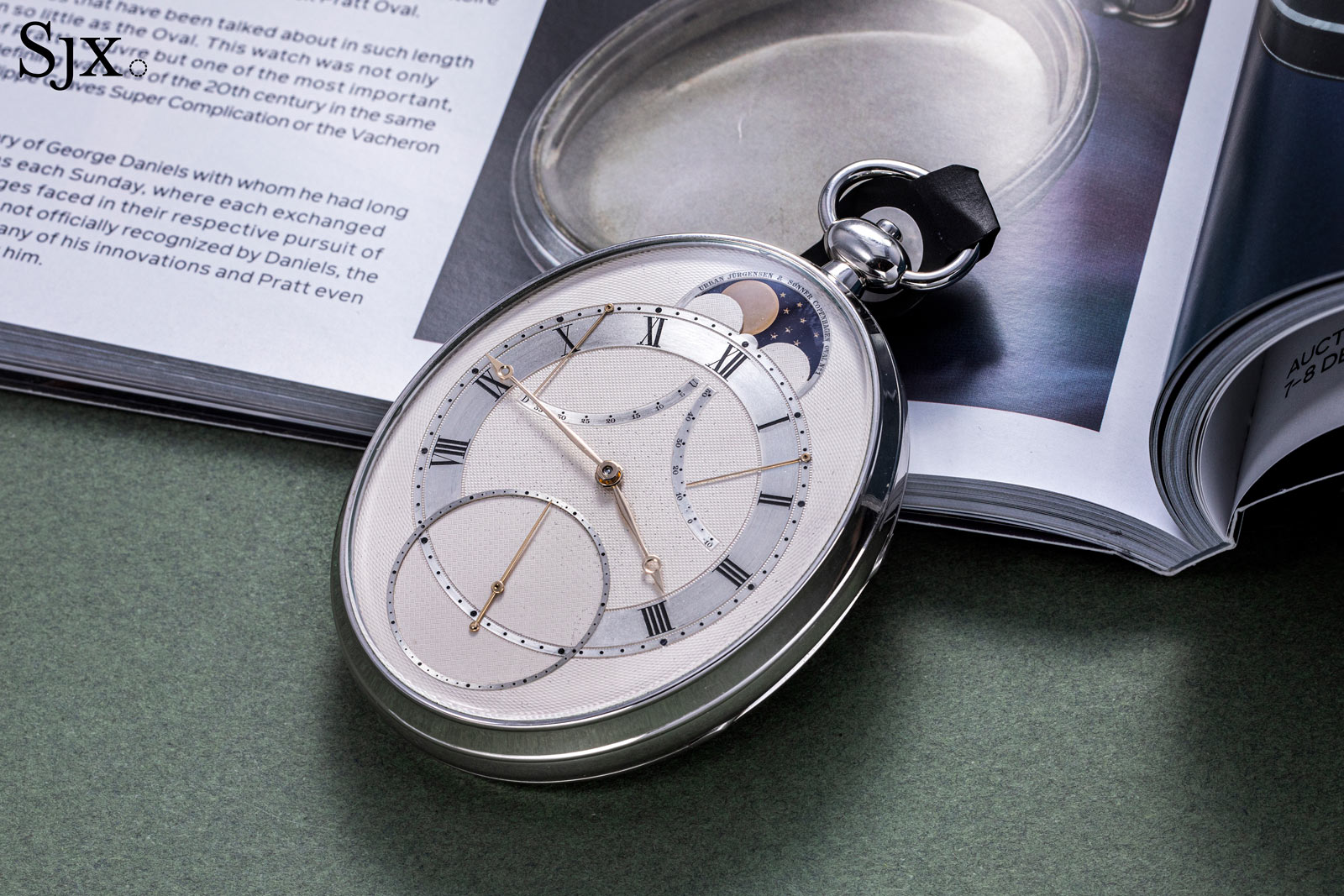
A storied example of artisanal independent watchmaking, The Oval was the masterpiece by Derek Pratt (1938-2009), perhaps the greatest unknown watchmaker. Pratt began work on the Oval in 1982 as his magnum opus, the ultimate realisation of his aesthetic and technical vision. While his work for Urban Jürgensen is perhaps his best known, Pratt was an independent watchmaker with a diverse repertoire, including working with George Daniels on the co-axial escapement. Amongst his creations was a replica of John Harrison’s H4 marine chronometer. These projects, as well as the fact that the Oval was mostly hand made, meant the pocket watch took some two decades to complete. Although it’s a sizeable watch, the Oval is finely detailed, reflecting the high level of Pratt’s craft and the years he invested in creating the watch from scratch. Beyond its artisanal execution, the Oval also stands out for its technical achievement. Besides a detent escapement, the Oval also contains a horological first – a constant force mechanism integrated within the tourbillon – along with a thermometer, power reserve display, and moon phase on the dial. We took an in-depth look at the Oval in 2021, thanks to its current owner, Dr Helmut Crott. But now as the Oval heads to the auction block at Phillips, it’s worth one last look before it disappears into a collection. A two-decade odyssey A contemporary and friend of George Daniels (1926-2011), Pratt was one of the most talented horologists o...
 Time+Tide
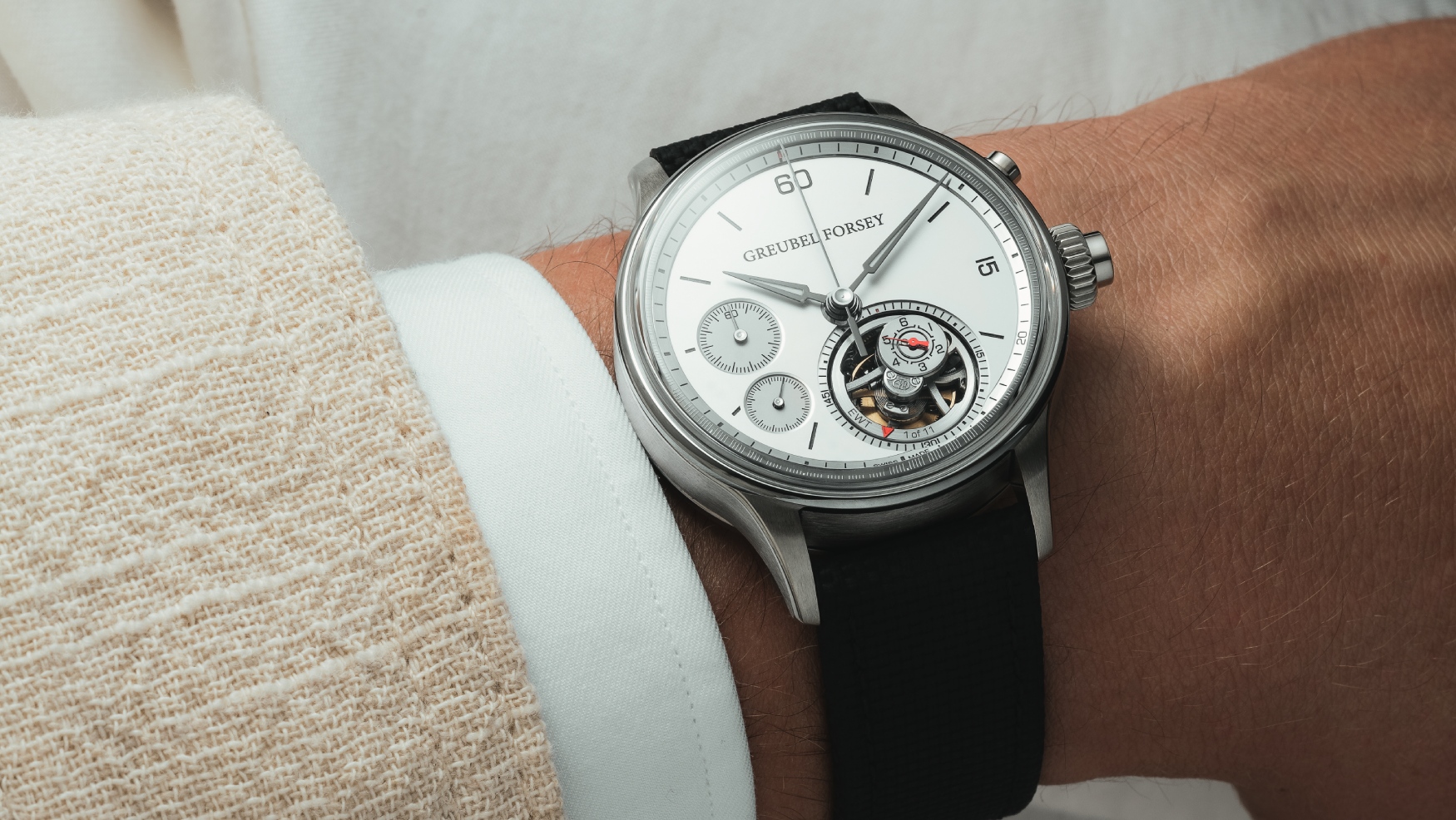
There is a lot to get your head around with this new release from Greubel Forsey, but it's clear the watchmaking is on another level. The post Greubel Forsey flexes its horological muscles with a host of firsts in its new Nano Foudroyante EWT appeared first on Time+Tide Watches.
 Monochrome
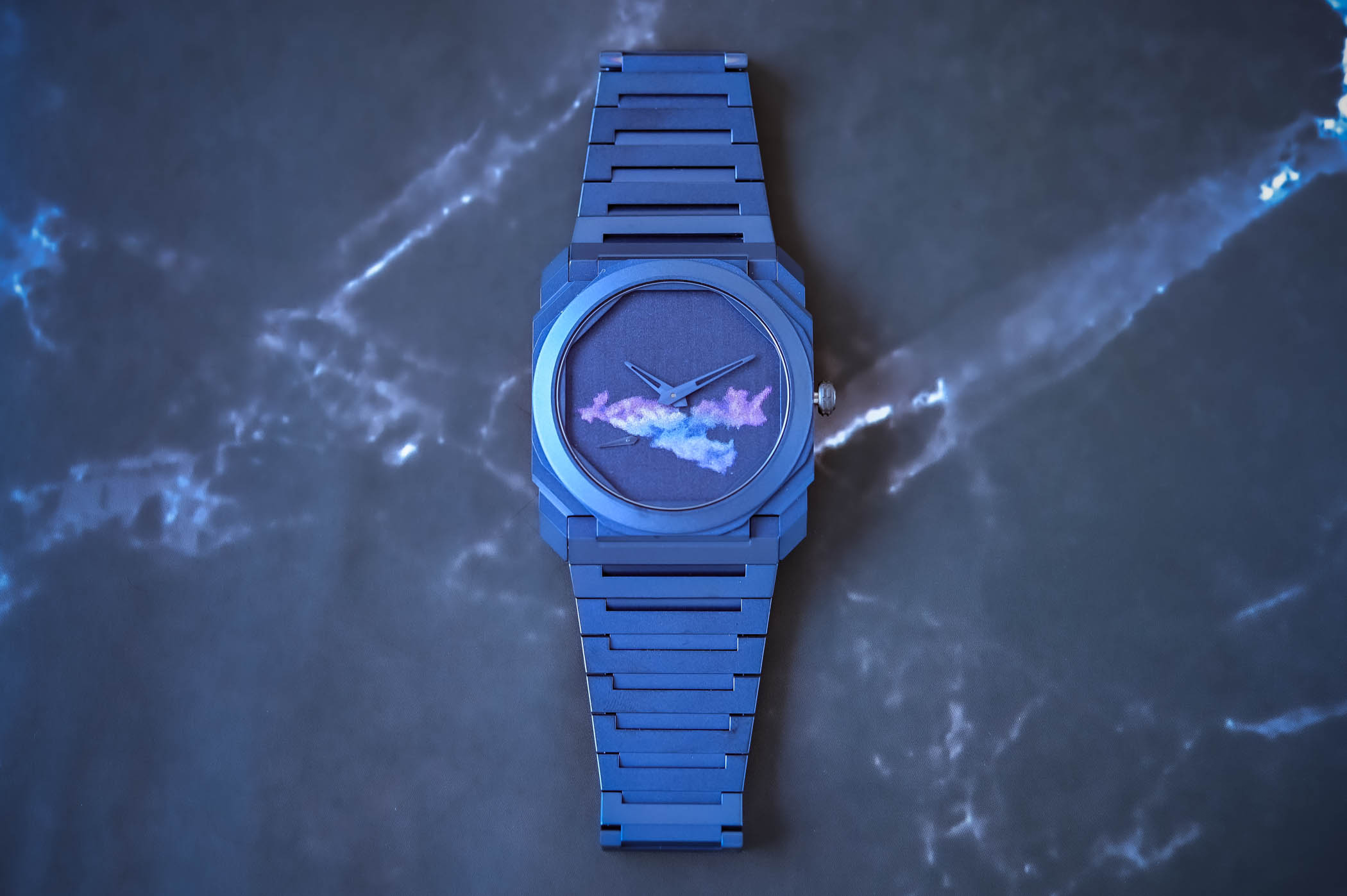
Ten years ago, Bulgari’s launch of the Octo Finissimo Tourbillon spearheaded the Italian brand’s march across the watchmaking landscape, razing records in the battle for ultra-thin movements/watches. Currently the holder of nine world records, the Octo Finissimo’s incredible mechanical feats are matched by the formidable geometry of its case, securing it a seat in the […]
 Worn & Wound
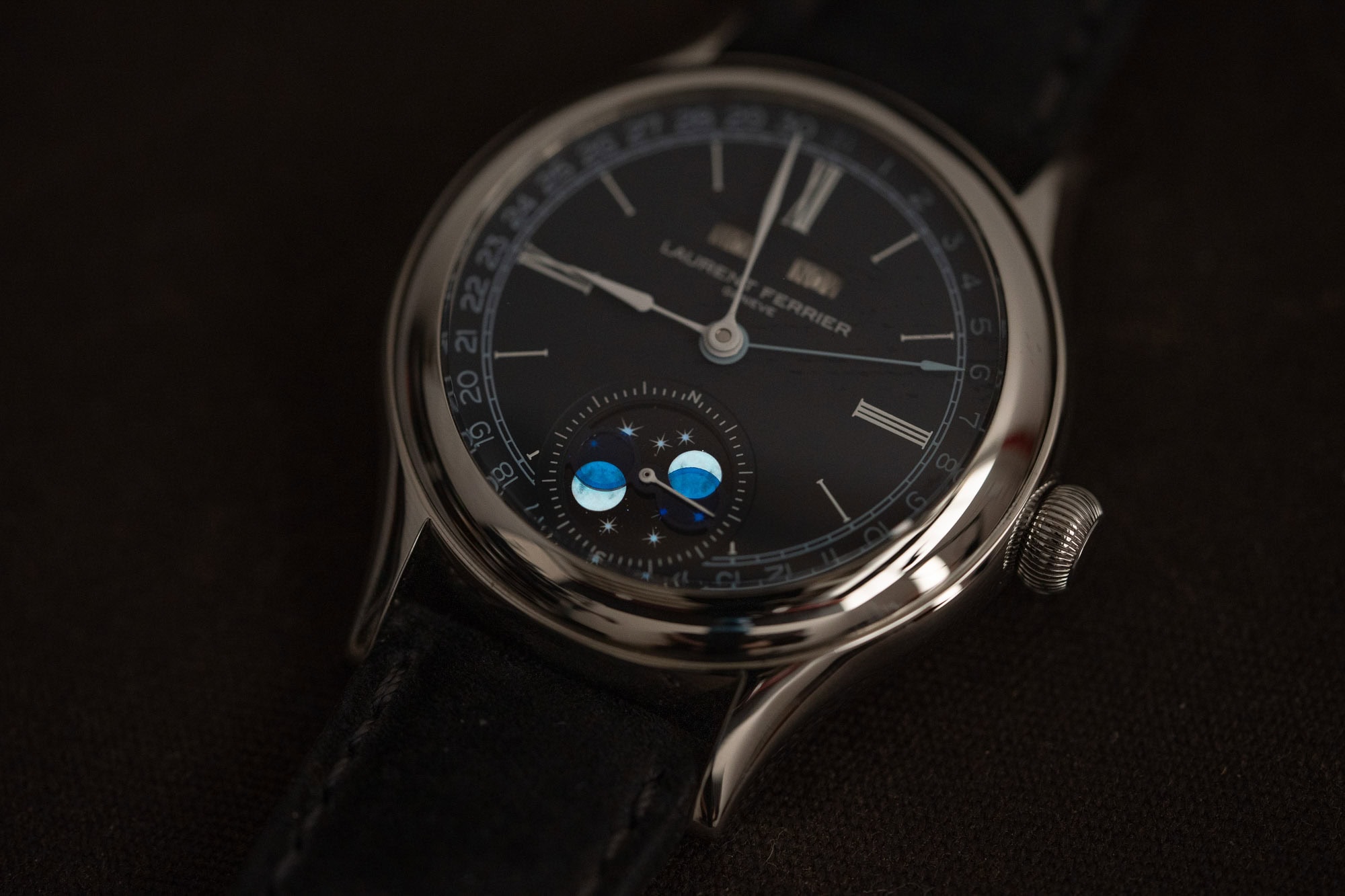
We live in a very good time for independent watchmaking. I know that may sound like an oddly specific metric by which to judge the world, but it’s true. There was a time, not so long ago, when an enthusiast watch collector looking for a highly complicated watch would have struggled to find what they were looking for outside the worlds of Patek Philippe or Audemars Piguet. Perhaps the occasional Blancpain or Breguet might make a splash, but in the wake of the quartz crisis, the contracted watch industry focused on what it did best for the sake of its own survival, and we should all be grateful for that. Thankfully, in 2024, those days are gone, or at least mitigated. Since the mid-‘90s, the rise of independents has been one of the watch industry’s key narrative arcs, and, now, collectors looking to patronize the sort of small, unique, highly technical brands lost to them in the ‘70s and ‘80s are truly spoiled for choice. It is out of this transition that Laurent Ferrier has emerged not only as one of the watch world’s preeminent names but as a perfect encapsulation of how the industry has evolved over the last few decades. And there is no better watch to summarize that point than Laurent Ferrier’s new Classic Moon, introduced at Watches and Wonders earlier this year. But before getting to that watch, it’s worth spending a little bit of time thinking about Laurent Ferrier (the person, not the brand). Now, I’m not going to give you a complete accounting of t...
 SJX Watches
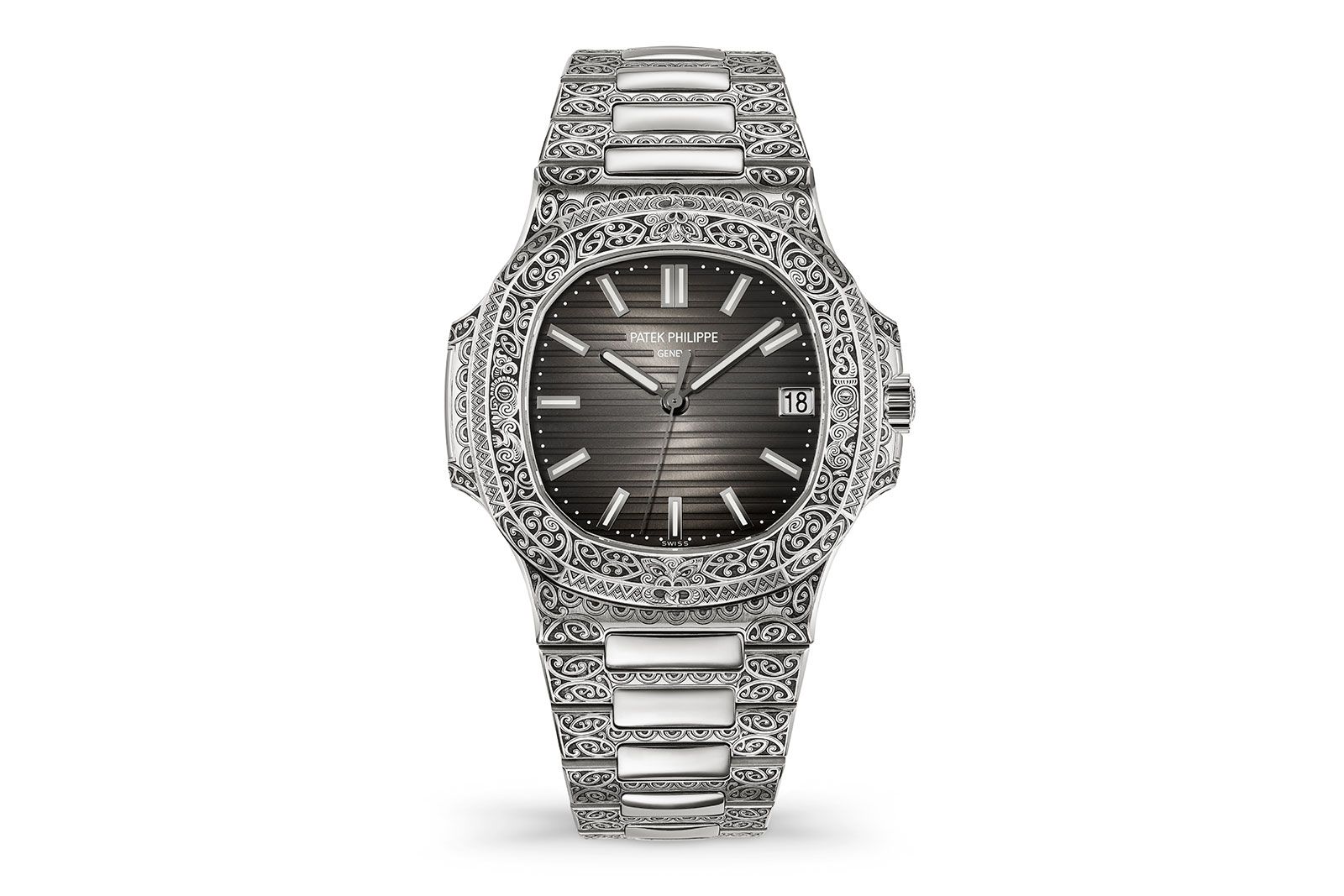
Continuing its annual tradition, Patek Philippe has just revealed its unique creation to benefit Children Action, the Nautilus Ref. 5711/1500A. Slated to be sold at auction with all proceeds going to the Geneva charity, the Nautilus Ref. 5711/1500A is entirely stainless steel and entirely engraved. The engraved Nautilus is the latest one-off wristwatch Patek Philippe has created for the charity founded by Swiss financier Bernard Sabrier that helps disadvantaged children. Past watches include the Calatrava Pilot Travel Time ref. 5524T in titanium and last year’s ref. 5270T in titanium with a green dial that sold for almost CHF10 million. The case, bezel, bracelet, and case back are hand engraved with a “Maori-inspired” motif that’s matched with a dark grey dial. While aftermarket engraving has been applied to various Nautilus models in the past, this is the first factory-original specimen decorated in this manner. Patek Philippe’s catalogue does include several complicated models decorated with engraving, most famously the Sky Moon Tourbillon ref. 6002, but they all complicated and in precious metal. This is the first and only Nautilus (or sports watch of any sort) with an engraved case, and also the only steel model with engraving. The watch is accompanied by a pair of matching cufflinks in engraved steel, which are equally unique as Patek Philippe ordinarily only sells gold cufflinks. The matching cufflinks ref. 205.9057A-010 The Nautilus Ref. 5711/1500A will be...
 SJX Watches
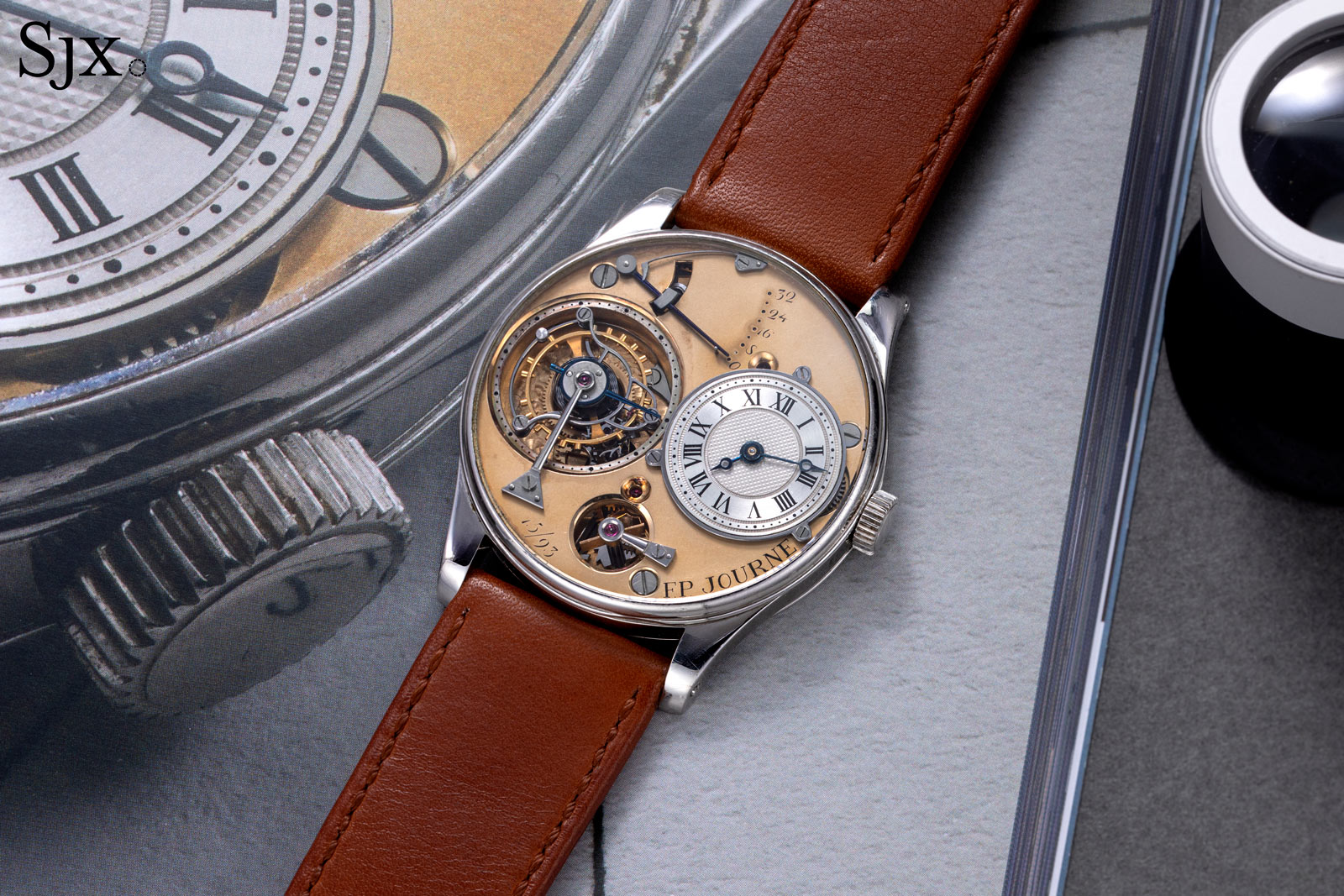
One of the most significant examples of contemporary watchmaking, the F.P. Journe Tourbillon à Remontoir d’Egalité “15/93” will soon go on the block at Phillips. Consigned by the estate of the original owner – meaning it’s a one-owner watch for over three decades – the “15/93” prototype carries within it the magic of independent watchmaking to a degree that rivals the landmark timepieces like the George Daniels Space Traveller’s Watch. The history of this tourbillon is well known: it is the second wristwatch made by François-Paul Journe, and the first one he sold. In early 1992 he sold it to a Parisian collector for a price that in hindsight is profoundly ridiculous, but was probably an extraordinary price to pay for a watch like this at the time. The gentleman who bought it owned it for some 32 years and clearly wore it often. There is no doubt he understood what the watch represented, even years ago before it was valuable, because he retained all of the original documentation that came with the watch, including copies of the technical plans. To the late original owner of this watch: you have my respect and admiration. “Prototype” Although I describe this as a prototype, it more accurately one specimen of a small series of hand-made watches. This series formed the template for the later Tourbillon à Remontoir d’Egalité that was produced on a larger scale, albeit only numbering in the dozens, initially by hand and then with more industrial met...
 SJX Watches
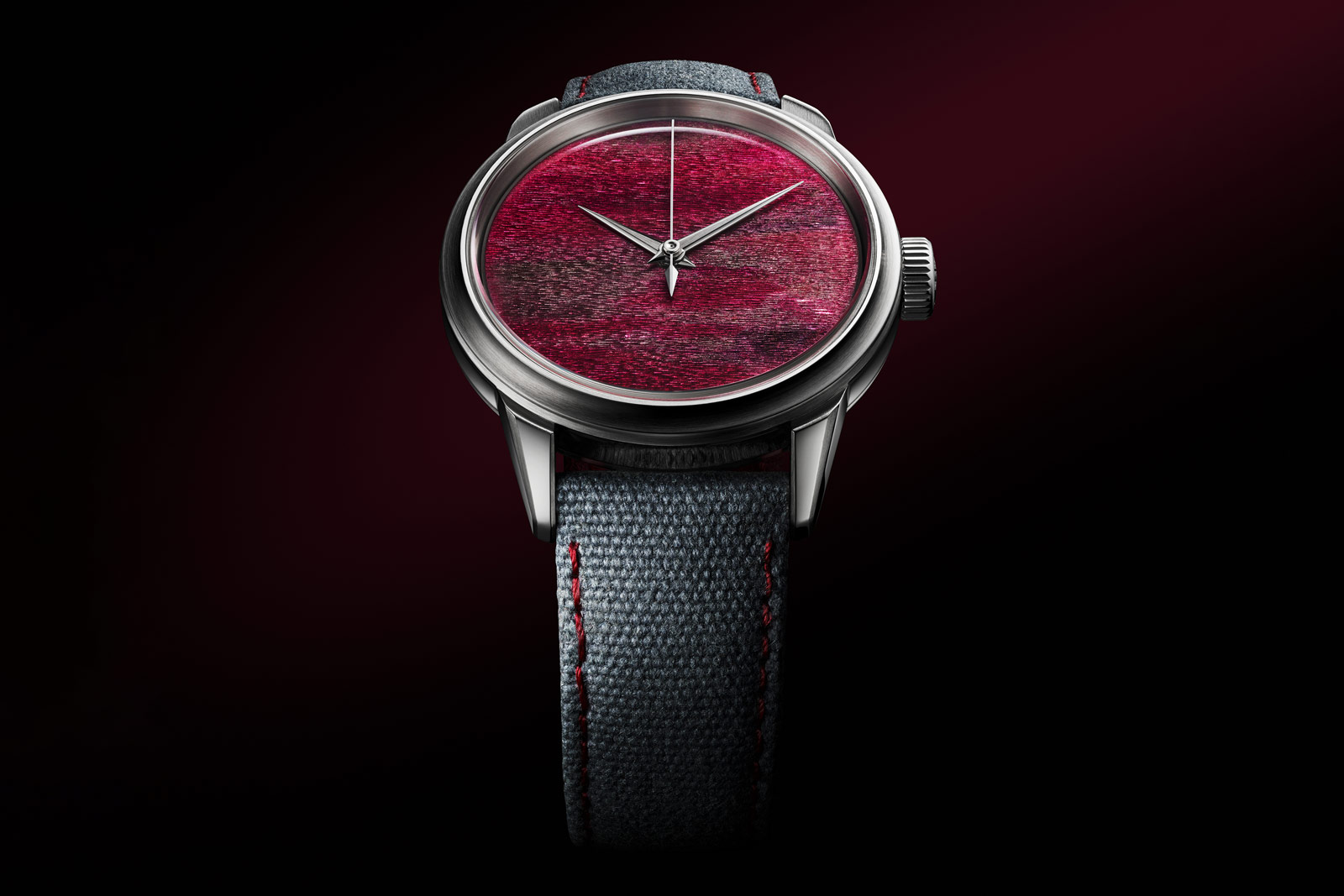
Although it’s been less than two years since its founding, Biver has already launched its second model, the Automatique. Using that as the base, the brand created the Automatique “Echoes of this Moment”, a unique piece crafted in collaboration with a Swiss artist for TimeForArt, a charity auction taking place in November to benefit the Swiss Institute, a nonprofit focused on contemporary art education. Initial thoughts The standard Automatique is undeniably a finely executed watch, especially the micro-rotor automatic calibre within. Although the aesthetics of the regular-production model aren’t perfectly cohesive, the exquisite quality of the movement and attention to detail make it one of the most interesting new time-only creations from an independent. This unique piece improves the aesthetics of the Automatique because it simplifies the design. The standard version has an elaborately finished dial that combines too many elements – faceted indices, brushed sectors, an engraved seconds track, and sharp polished hands. In contrast, the unique Automatique keeps the look simple, while still having a complex, artisanal dial decoration. Here the handmade dial – that’s both engraved and enamelled – can be admired for what it is, with no distractions. An artful dial The New York-based Swiss Institute was set up to promote contemporary art through events and exhibitions. Now in its second edition, TimeForArt was conceived to benefit the non-profit. Biver is one o...
 Monochrome
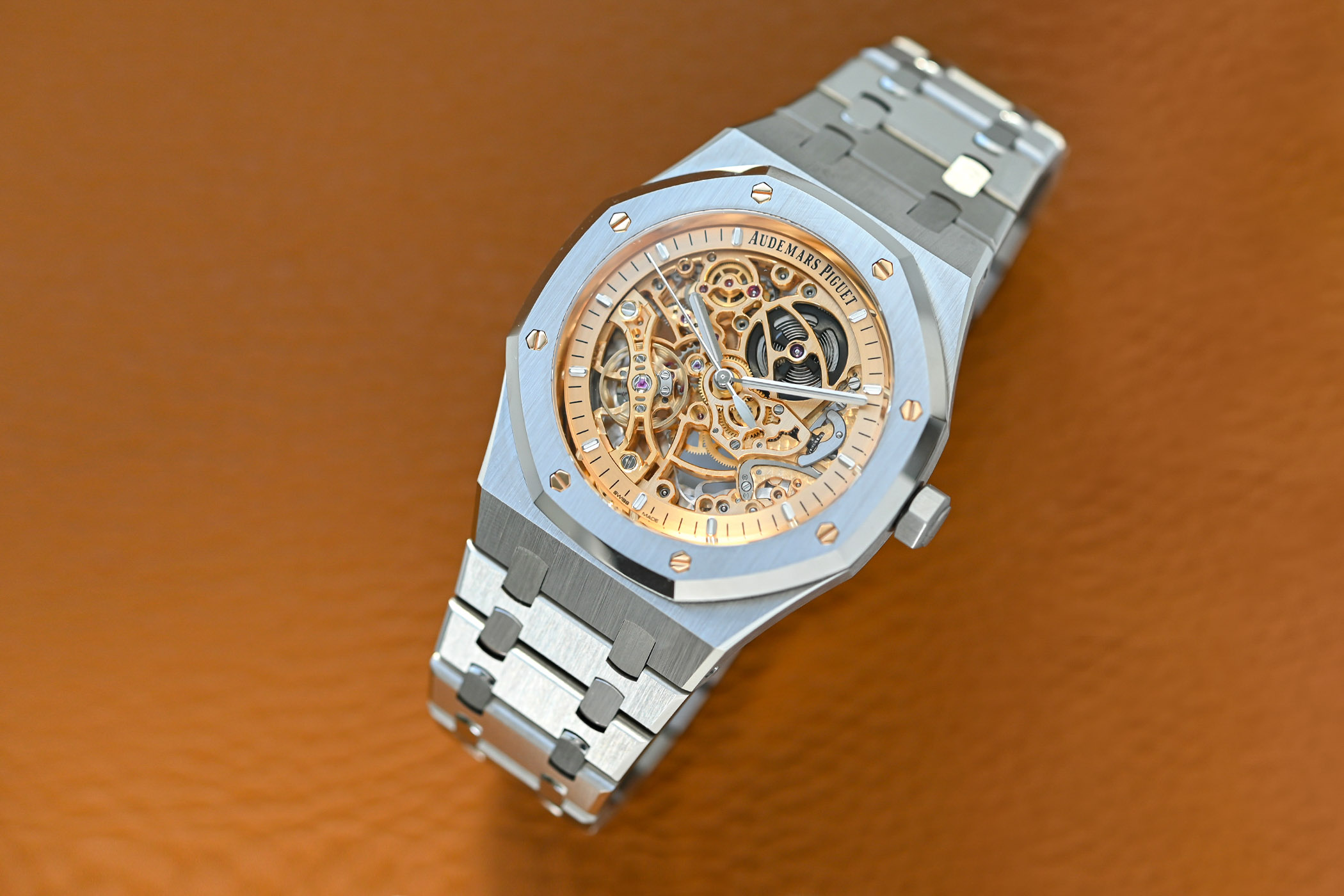
Lovers of complex mechanical watchmaking can rejoice with this week’s Buying Guide selection, as all of the watches on show come with openworked dials and movements. Not content with the most classical styles of skeletonization, we’ve opted for a range of contemporary and bold watches instead. On top of that, they reveal their most intricate […]
 Time+Tide
Citizen marks the 100th anniversary of the first Citizen-branded watch with a luxe and very Japanese timepiece.The post Citizen celebrates its 100th anniversary with a particularly elevated ‘The Citizen’ limited edition appeared first on Time+Tide Watches.
 Fratello
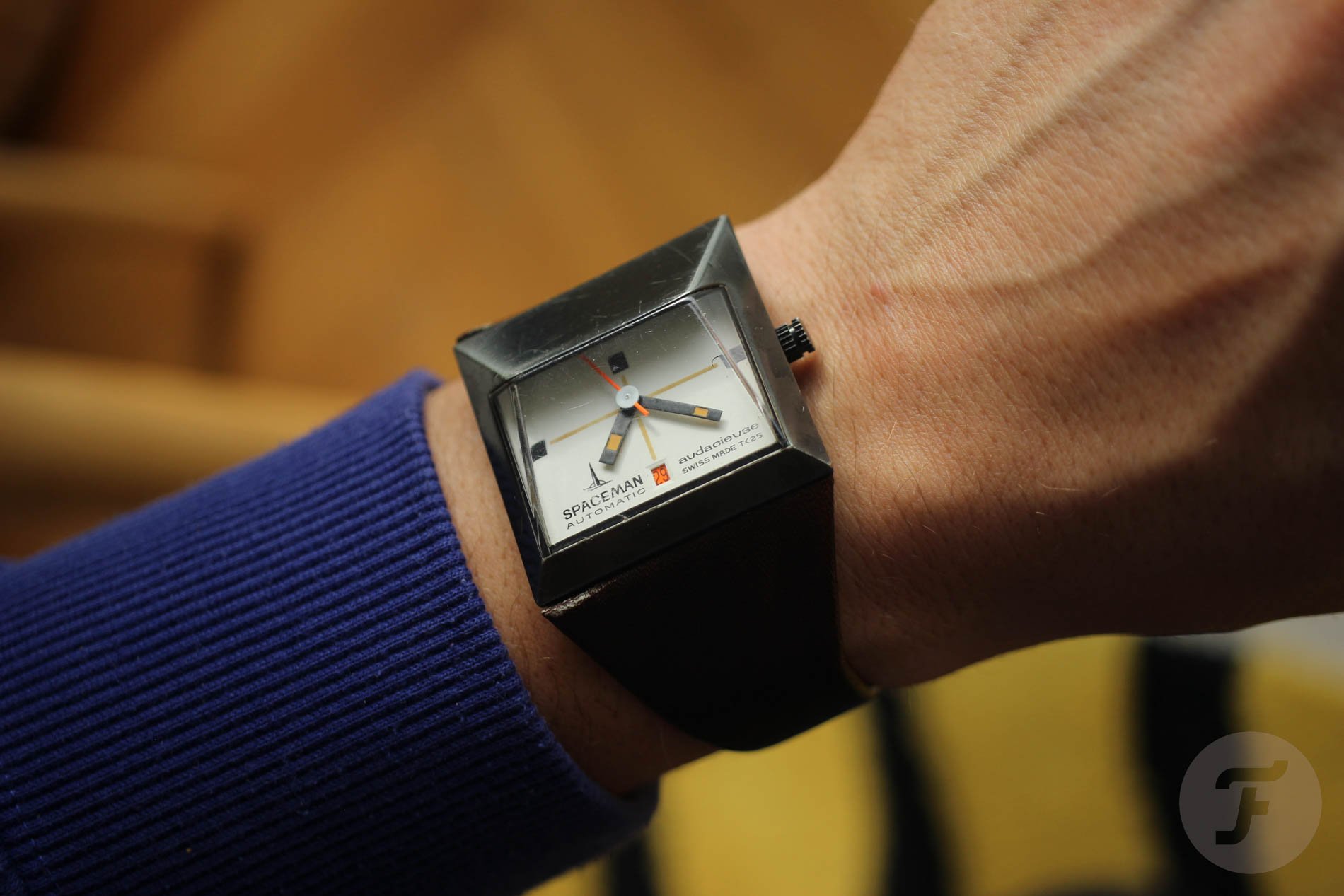
It’s safe to say that 1969 was a strong year on all fronts, including for the watch industry. If the Moon landing is not enough, think of the first automatic chronograph conquering wrists or quartz watches waving their hands to them with a sneer of the coming revolution. That was the general context when Swiss […] Visit #TBT André Le Marquand’s Timeless Spaceman Audacieuse to read the full article.
 Worn & Wound
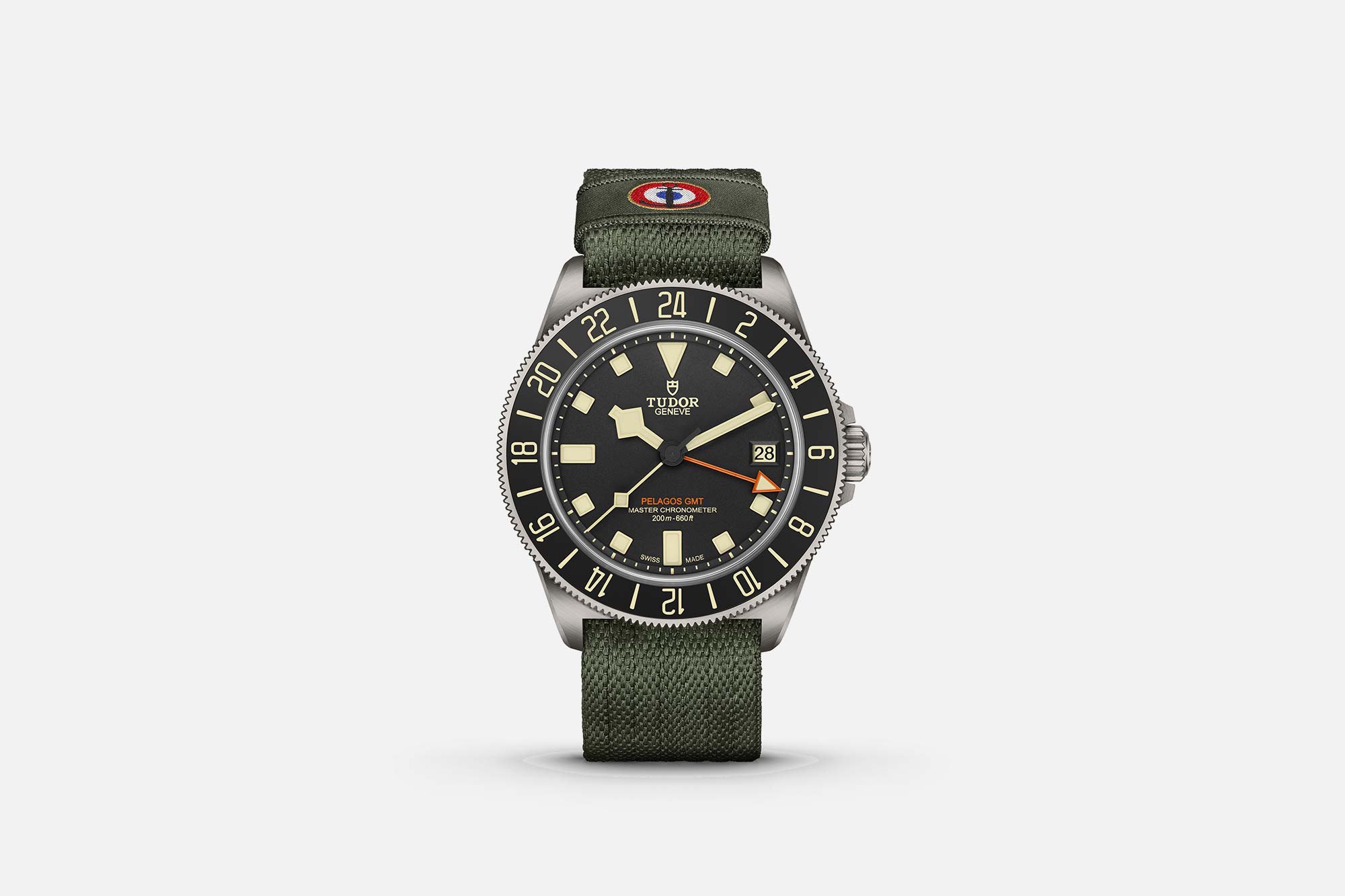
Sooner or later, you just knew it was going to happen. For as long as there’s been a Pelagos, and as long as there’s been a Tudor GMT movement, and as long as there’s been a human impulse to speculate, there’s been a call for the Swiss brand to release a Pelagos with the ability to track multiple time zones. It just makes sense for the brand’s most tool-forward dive watch: GMTs are what the people want and it’s an undeniably useful feature. And so, like an infinite number of chimpanzees at an infinite number of typewriters are certain to eventually produce the works of Shakespeare, now Tudor has finally issued a diver with all the features their loyal fans have been asking for. Titanium case: check. GMT movement with chronometer certification: check. Rotating 24 hour bezel: check. Spring bars: hey, no one has it all. The all new Pelagos FXD GMT “Zulu Time” might feel like an inevitability on the one hand, but on the other it still has a fascinating mix of little quirks that are capable of surprising even the most loyal Tudor fans (and speculators). Like the very first Pelagos FXD, this one is presented under a partnership with the French military. Specifically, the Zulu Time has been developed with the needs of the Aéronautique Navale (French Naval Aviation) in mind, and according to the brand the watch has been designed for the “adverse real-world conditions” faced by their personnel. For the original FXD, that meant a bi-directional bezel set up in...
 Quill & Pad
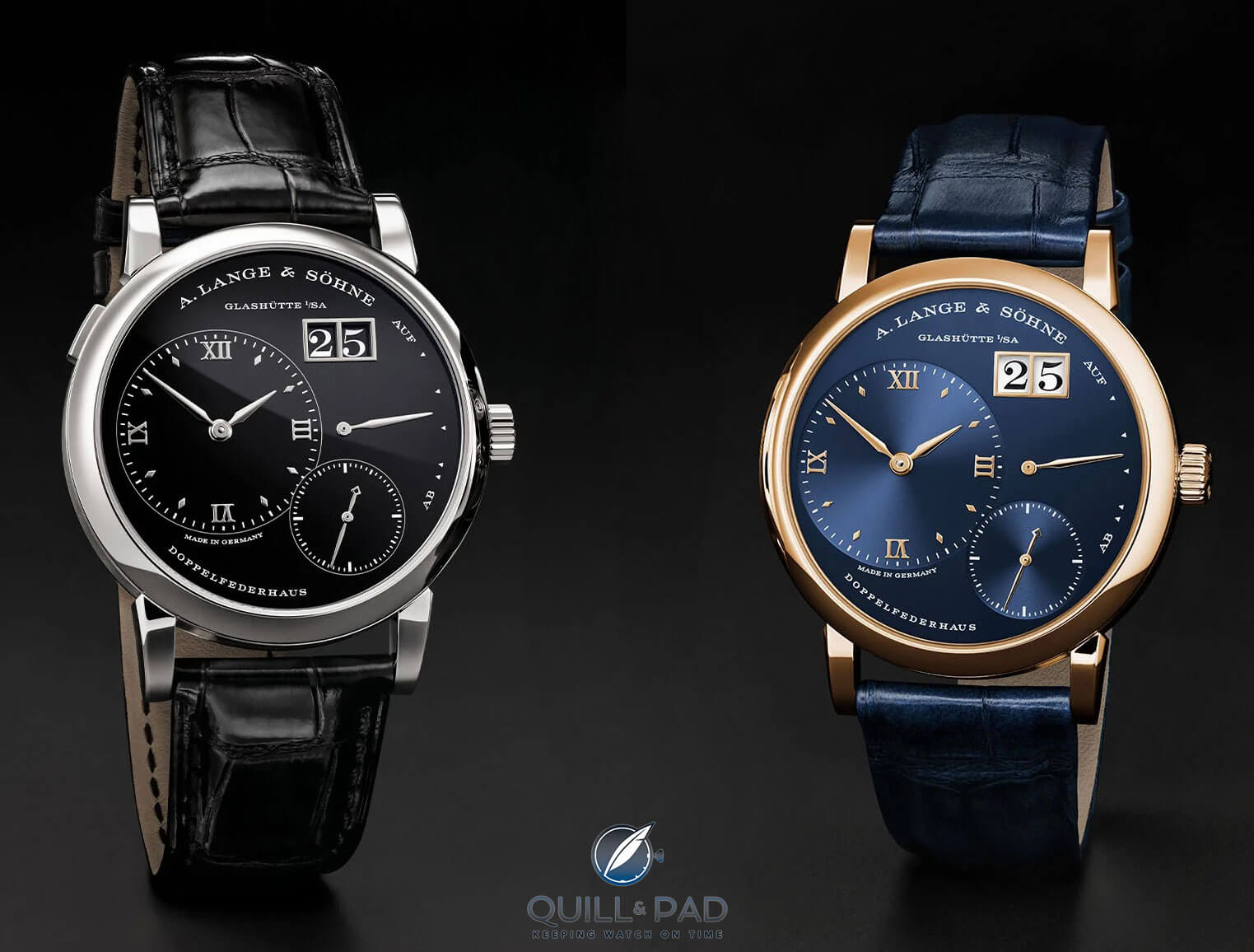
A. Lange & Söhne celebrates the birthday of a legendary watch, the watchmaking flagship of our time: the Lange 1 collection featuring outsize date, asymmetrical dial, and an outstandingly finished mechanical movement is now extended with four new limited edition models.
 SJX Watches
Porter, a Japanese cult brand famous for its functional nylon bags, has lent its signature colours to Zenith to create the Pilot Central Automatic Porter and the Pilot Big Date Flyback Chronograph Porter. The new Pilot duo retain the familiar aviation-inspired design, but in green with orange accents, including for the first time a case in khaki green ceramic. Both models are delivered with two straps: a conventional Cordura-effect rubber strap and a green nylon strap made by Porter. Initial thoughts While the Pilot Porter isn’t an iconic classic like Zenith’s El Primero, it is a unique take on the traditional aviator’s watch that is different but still functional, not unlike Porter bags that are popular for their no-frills quality. The green and orange livery is appealing and avoids the usual pilot’s watch look, but remains entirely legible and utilitarian. Priced at US$11,300 for the time-only variant and US$15,500 for the chronograph, the Pilot Porter is priced comparably to the equivalent regular-production Pilot models. Though both are more expensive than Zenith’s offerings in steel, they are priced reasonably enough considering the material and movement, as well as the competition. Khaki green Porter is the most famous label owned by Yoshida & Co., a Japanese maker of luggage and bags. Usually in dark-coloured nylon with contrast-colour lining, Porter bags are multi-pocketed and useful (and also quite pricey for nylon bags). The Pilot Porter models adopt th...
 Worn & Wound
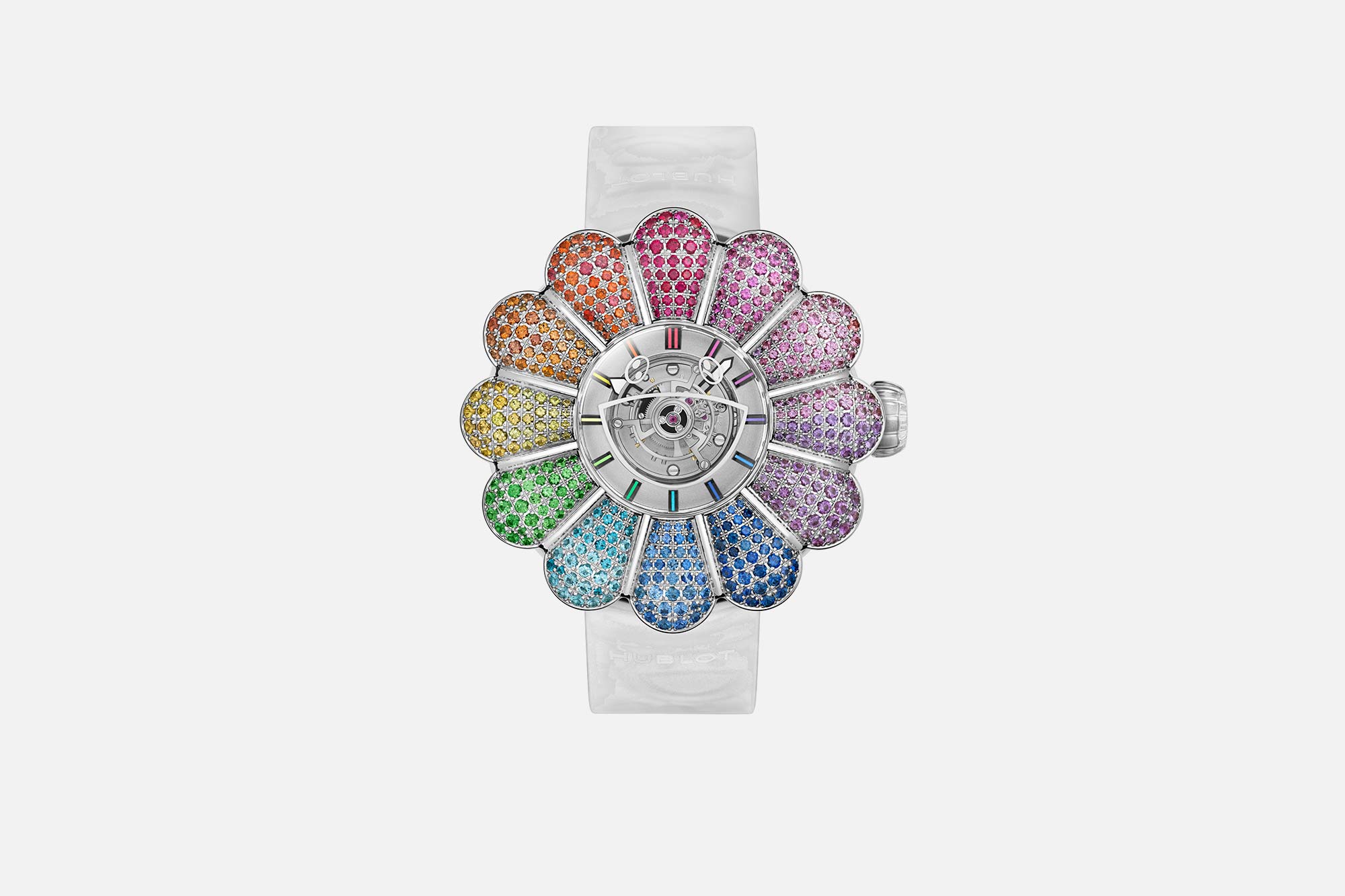
There is always something so intriguing to me about a collaboration when the brands really just go for it. But, I guess if one of the collaborators is Takashi Murakami, it’s sort of hard not to. For those uninitiated, Murakami is a contemporary Japanese artist whose work is at once psychedelic and joyful – but leans just a tad into the grotesque. But even if you don’t know the name, you’re undoubtedly familiar with the artist’s work. Murakami has collaborated with a wide range of celebrities, from Marc Jacobs to Kanye West (long before his anti semitic rants, for the record) to Pharrell Williams. And now, Murakami adds yet another collaboration with Hublot. The MP-15 Takashi Murakami Tourbillon Sapphire Rainbow is really one of those watches that makes you pause. It will, undoubtedly, have its naysayers who might prefer a more conservative style; but there’s something incredibly charming about this one for me. On the one hand, there is a level of craftsmanship that’s evident even from the photos; but it’s also an element of playfulness that intrigues me – especially when we’re talking about a watch that’s in the *ahem* $374,000 price range. You may remember that Murakami and Hublot have previously collaborated in the past, most notably on the Classic Fusion model with a decidedly Murakami lean. But that was just putting Murakami’s art within the context of Hublot. In 2023, they had released an MP-15 that showed the floral design but in a skeletal ca...
Question, suggestion, or just want to say hi? Drop a note.