Baltic Introduces the Aquascaphe MK2 in Two Case Sizes and Four Dial Variants
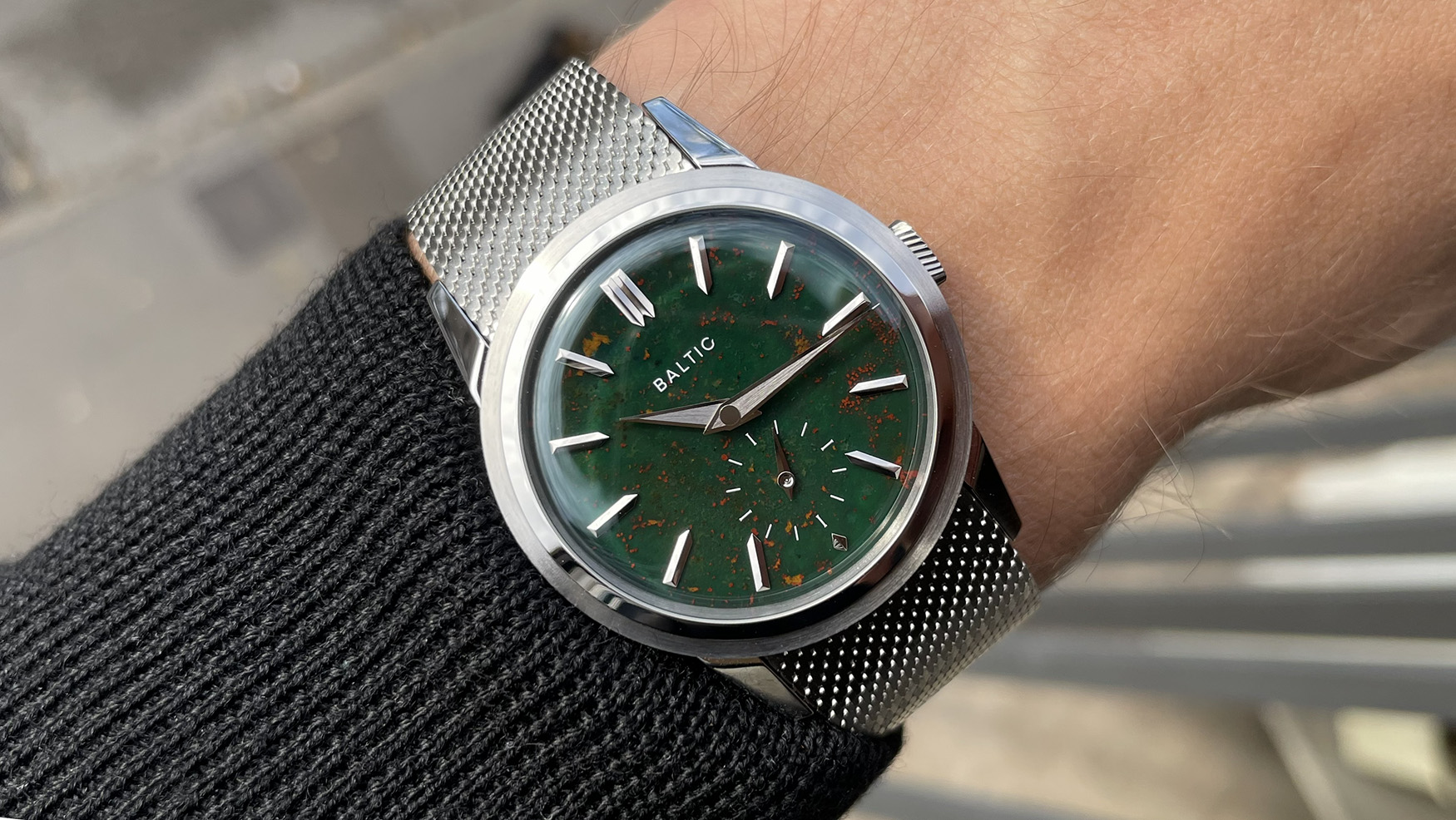
The Aquascaphe has been a staple in Baltic’s lineup since 2018, when they introduced their first vintage inspired diver to quite a bit of fanfare. This was still the early days of the vintage inspired, microbrand boom, and Baltic had a front row seat to the incredible growth in the enthusiast watch community that would occur over the next several years. There have been a variety of Aquascaphes released in the interim (a variety of dial configurations, a GMT version, a titanium release, and so forth) but the new watch announced today is specifically being pitched as a “MK 2” release, or a new generation for the venerable vintage inspired diver. Iterating, much less innovating, on a watch like this is tricky business. The whole premise of vintage inspired designs is that they kind of got things right 50-70 years ago. But Baltic, as always, has made a handful of subtle updates that move the lineup forward in predictable but satisfying ways. The headline here is that all four dial variants (the colors are Blue, Green, Warm Silver and Grey) that are part of this release will be available in two case sizes, 39.5mm and 37mm. This is really smart on Baltic’s part. The original Aquascaphe released all those years ago came in at 39mm, so here we have one in essentially the same size, along with one that’s a little smaller and playing into the current trend of true vintage inspired case sizes. You can see the difference in case sizes in our photos – the green is 37mm an...
 Time+Tide