 Time+Tide
Breaking a sweat in Bangkok with Mido
Jamie joined Mido in Thailand's bustling capital this week for the launch of the new Multifort TV Chronograph.The post Breaking a sweat in Bangkok with Mido appeared first on Time+Tide Watches.
43,716 articles · 274 videos found · page 1134 of 1467
Time+Tide
Jamie joined Mido in Thailand's bustling capital this week for the launch of the new Multifort TV Chronograph.The post Breaking a sweat in Bangkok with Mido appeared first on Time+Tide Watches.
 Monochrome
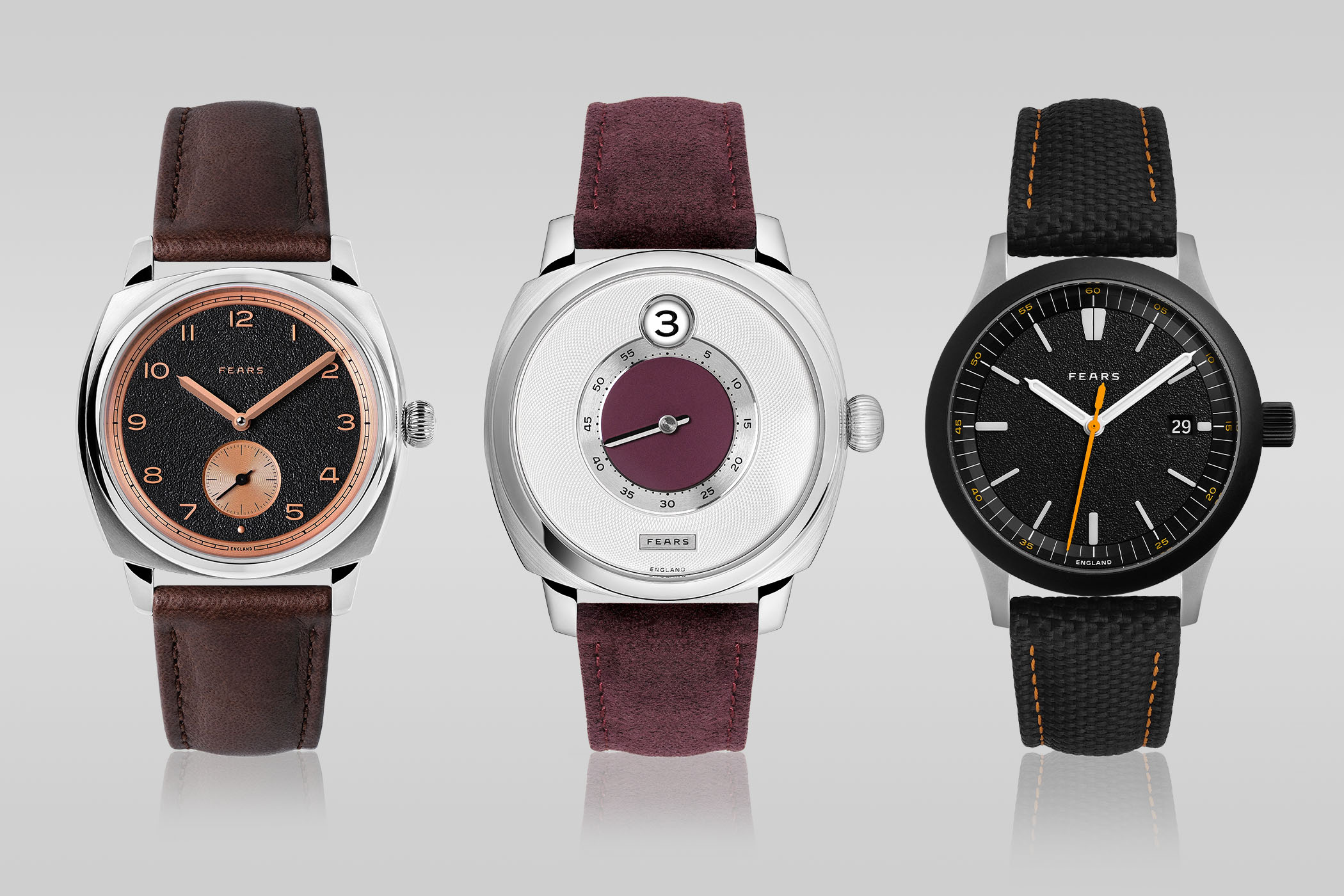
A British watch brand founded in Bristol in 1846, which later went bust in 1976, Fears was resuscitated by a sixth-generation Fear in 2016, making it one of the oldest family-run companies in Britain. Proud of its origins, which can be traced within its own classically-designed collections or through UK-based collaborations, the brand strongly emphasises […]
 SJX Watches
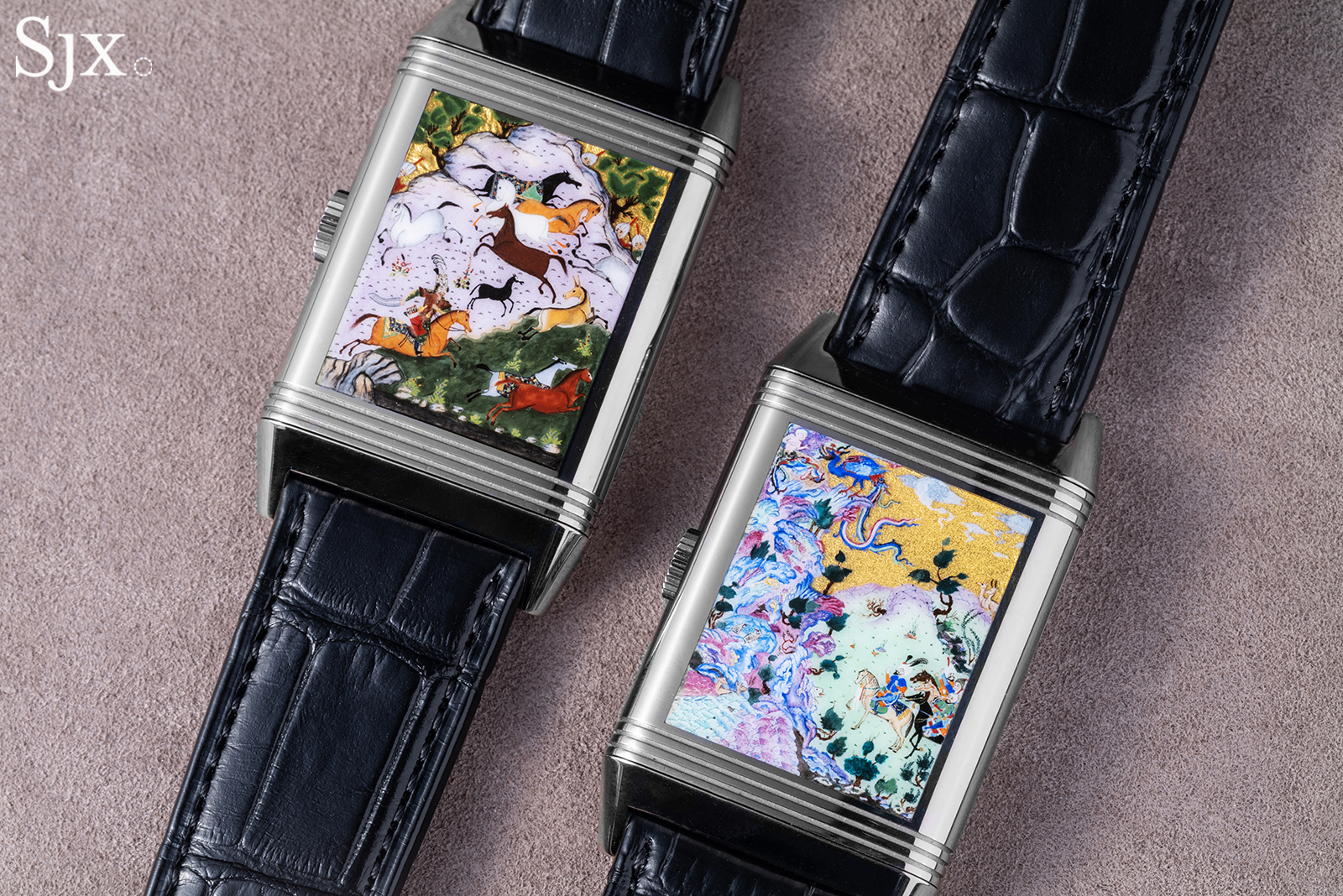
With a swivelling case and unadorned back, the Jaeger-LeCoultre Reverso has long served as a canvas for miniature enamelling (or double-faced complications). The Reverso Tribute Enamel “Shahnameh” is a fine example of the art, which is almost synonymous with Jaeger-LeCoultre (JLC), one of the first brands to set up an in-house enamel workshop. Originally invented as a watch for polo players – the reversible case is meant to protect the crystal – the Reverso goes back to the historical origins of the game with this set. The quartet is inspired by scenes from Shahnameh, an epic poem written one thousand years ago that recounts the origins of the Persian Empire, and also depicts the ancient game invented by Persians that is today known as polo. Specifically, the four watches reproduce illustrations from the Shahnameh commissioned by Shah Tahmasp, the second ruler of the Safavid dynasty, in the early 16th century. The four piece set comprised of (from left) ‘Siyavush Plays Polo before Afrasiyab’; ‘Faridun Tests His Sons’; ‘Saam Comes to Mount Alburz’; and ‘Rustam Pursues Akvan’. Image – Jaeger-LeCoultre Initial thoughts JLC has long reproduced historical art on the Reverso – including Monet’s Venice series of paintings last year – but the artwork was often Western or East Asian, perhaps reflecting the watchmaker’s biggest markets. The “Shahnameh” set, on the other hand, reproduces scenes from a piece of art that might be less well known in...
 Two Broke Watch Snobs
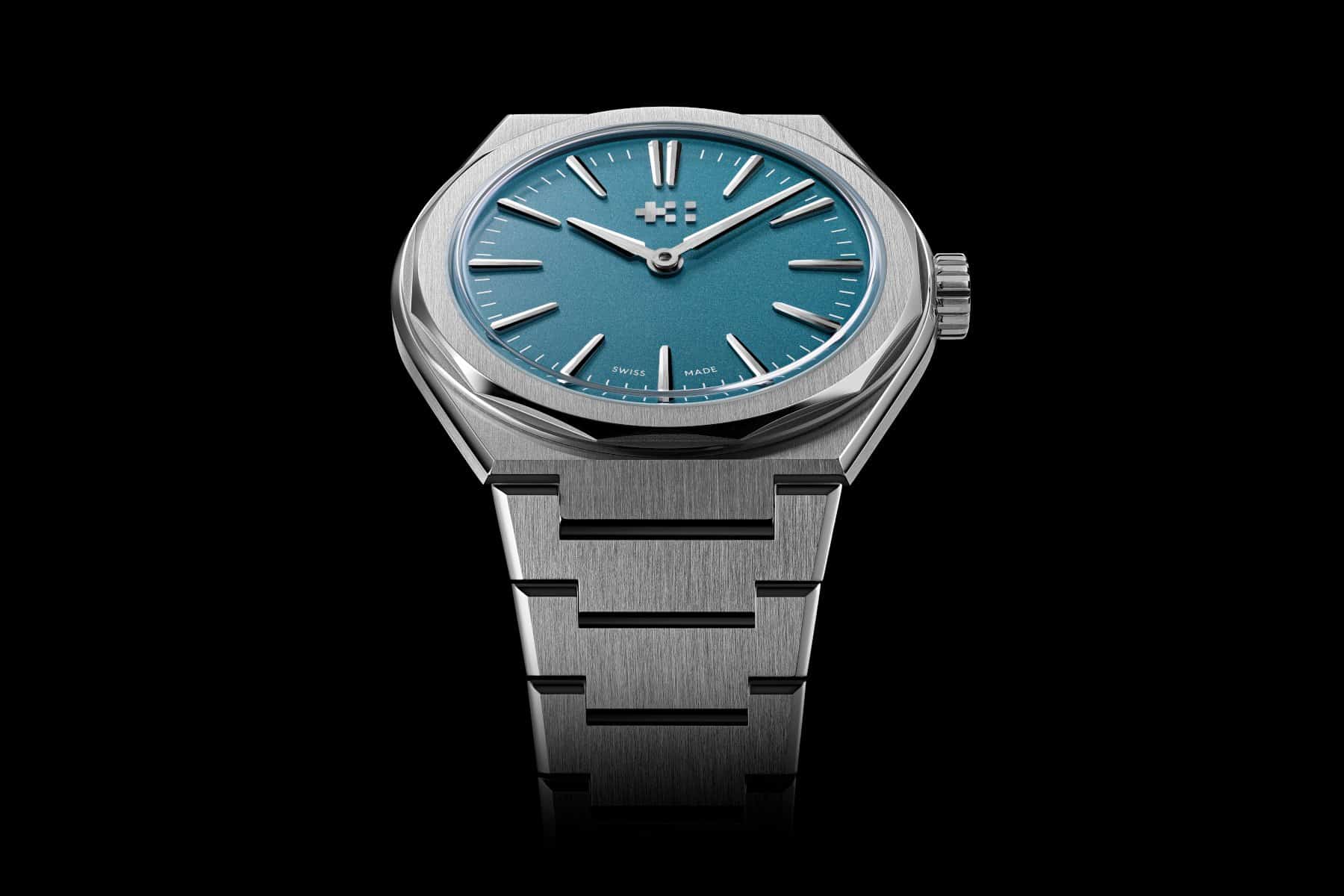
Discover the Christopher Ward Twelve 660, an ultra-thin 6.6mm sports watch featuring refined finishing and minimalist design
 Time+Tide
If you've been struggling to get your kids interested in the world of horology and watches, this book might just be the answer.The post About Time: a new way for kids to discover watchmaking appeared first on Time+Tide Watches.
 SJX Watches
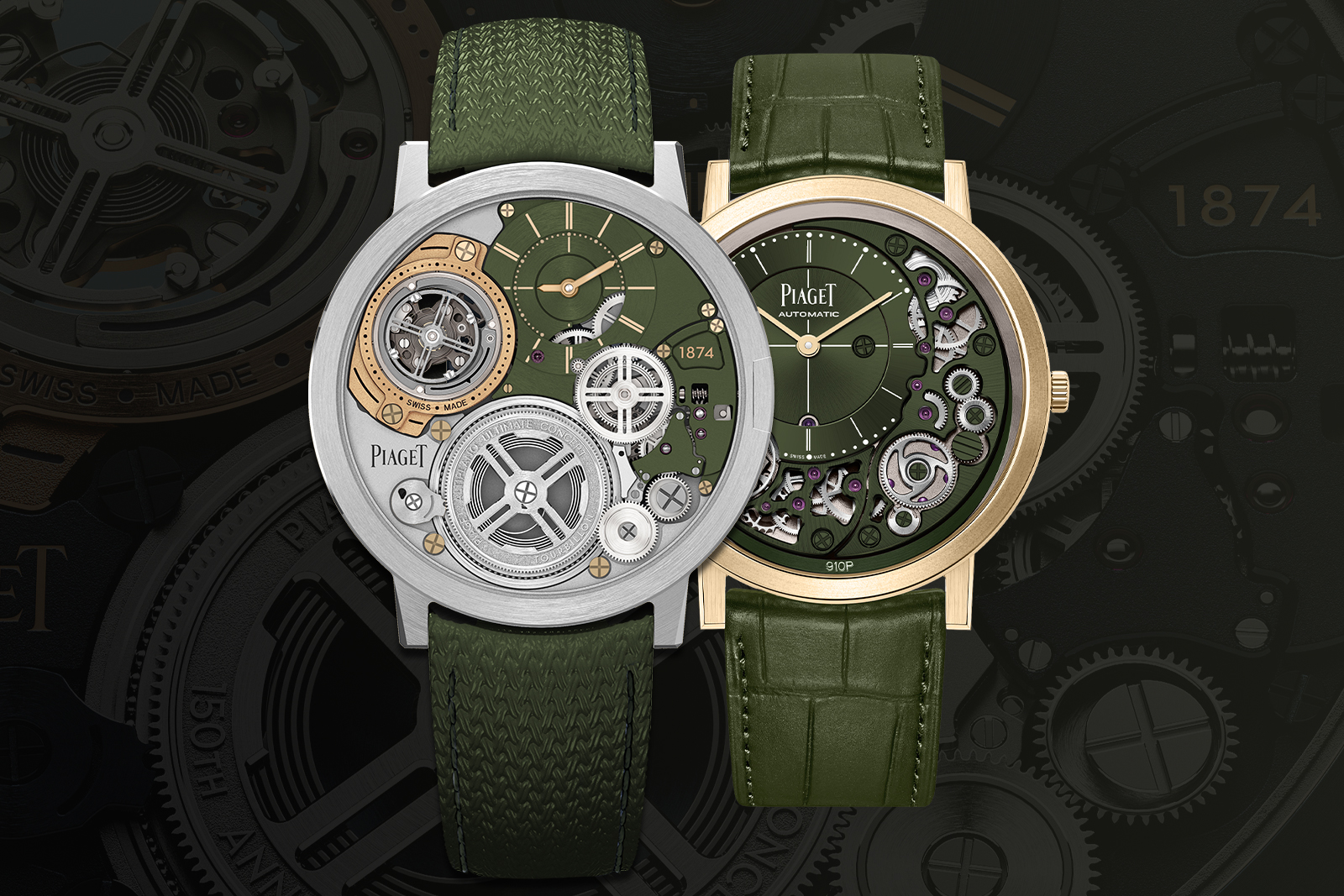
The Piaget Altiplano Ultimate Concept Tourbillon was the world’s thinnest tourbillon wristwatch at launch last year. Though it’s no longer the record holder, the Altiplano Ultimate Concept (AUC) Tourbillon remains as interesting and gossamer as ever – and more wearable than its ultra-thin rivals. Now the AUC Tourbillon returns in khaki green and gold livery, but Piaget understands it is not easy being green and will tailor the AUC Tourbillon to taste with its customisation program. The new AUC Tourbillon makes its debut with the matching Altiplano 910P Khaki Green that’s dressed in a darker shade of the colour, while being more affordable by multiples. Initial Thoughts Until a few months ago, the AUC Tourbillon was the thinnest tourbillon ever. While Octo Finissimo Ultra Tourbillon from Bulgari may have edged it out by 0.15 mm earlier this year, that’s probably a distinction without a difference as the two are equally ethereal in person. The AUC Tourbillon is incredibly interesting in technical terms, and the movement hides little from view. Even the balance is flying, without an upper bridge and instead supported by ball-bearings. And the watch looks and feels like a watch, and not a credit card or bangle. Yet, and this is important, it remains durable enough to actually wear on an everyday basis, historically not always the case with extraordinarily flat watches, and even marginally water resistant. To me, the AUC Tourbillon joining Piaget’s Infinitely Person...
 Teddy Baldassarre
As it stands, Tissot remains one of the most cost-effective and dynamic points of entry into the wild world of Swiss watches. Last week, we took a deep dive into the history of Tissot, charting its journey from its beginnings all the way back in 1853 to how the brand has adapted to the watchmaking landscape of today. We are gathered here today to plunge even more granularly into the contemporary Tissot catalog with, you guessed it, the Gentleman collection, which is among the brand’s top contenders for a one-and-done watch collection, if such a thing truly exists. Though we’ve already taken on the subject of the Tissot Gentleman in various roundups and a couple of our videos, we, surprisingly, haven’t dedicated a standalone review to the subject. So buckle up, because all that’s about to change moving forward. Tissot Gentleman History While I’ve already alluded to our more sweeping article on Tissot’s over-century-long legacy, it’s always necessary to chart some hot historical plot points first, so we can have a more holistic view of how the brand has arrived at the Gentleman as we know it today. The story begins in 1853 in Le Locle, Switzerland (one of the historical hearts of Swiss watchmaking), with father-son duo Charles-Félicien Tissot and Charles-Émile Tissot, who turned their home into a humble watch factory. At its start, the Tissot workshop began as a comptoir d’etablissage, combining the father’s skill as a gold case fitter with his son's ...
 Teddy Baldassarre
Watches differ widely not only in their designs, materials, and functions but also in their ability to resist the detrimental effects of water and moisture. Some watch enthusiasts, especially those who wear their timepieces for diving, know exactly what they're looking for in terms of waterproofing, but many others might be unsure exactly how safe it is to wear their watch in the swimming pool or even to wash the car. What do watches' water-resistance ratings like 5 ATM or 10 ATM mean in the real world, and how exactly do industry terms like "bars" and "atmospheres" help you determine how waterproof your watch is? Here we address some commonly asked questions about water resistance in watches and break down what the most common depth ratings mean in practical terms. What was the first water-resistant watch? Since the invention of the wristwatch, watchmakers have been coming up with solutions to address an inconvenient reality: namely, that water and tiny mechanical parts, such as those inside a watch movement, simply do not mix. The technical challenge of making a portable timepiece that could withstand exposure to water became even more prominent in the mid-20th Century, with the rise of diving as a tactical and eventually also a recreational pursuit. The first innovator to seriously take up the gauntlet was Rolex founder Hans Wilsdorf, who developed the now-famous Oyster case in 1926. Its groundbreaking design combined a threaded, hermetically sealed caseback and a cro...
 Time+Tide
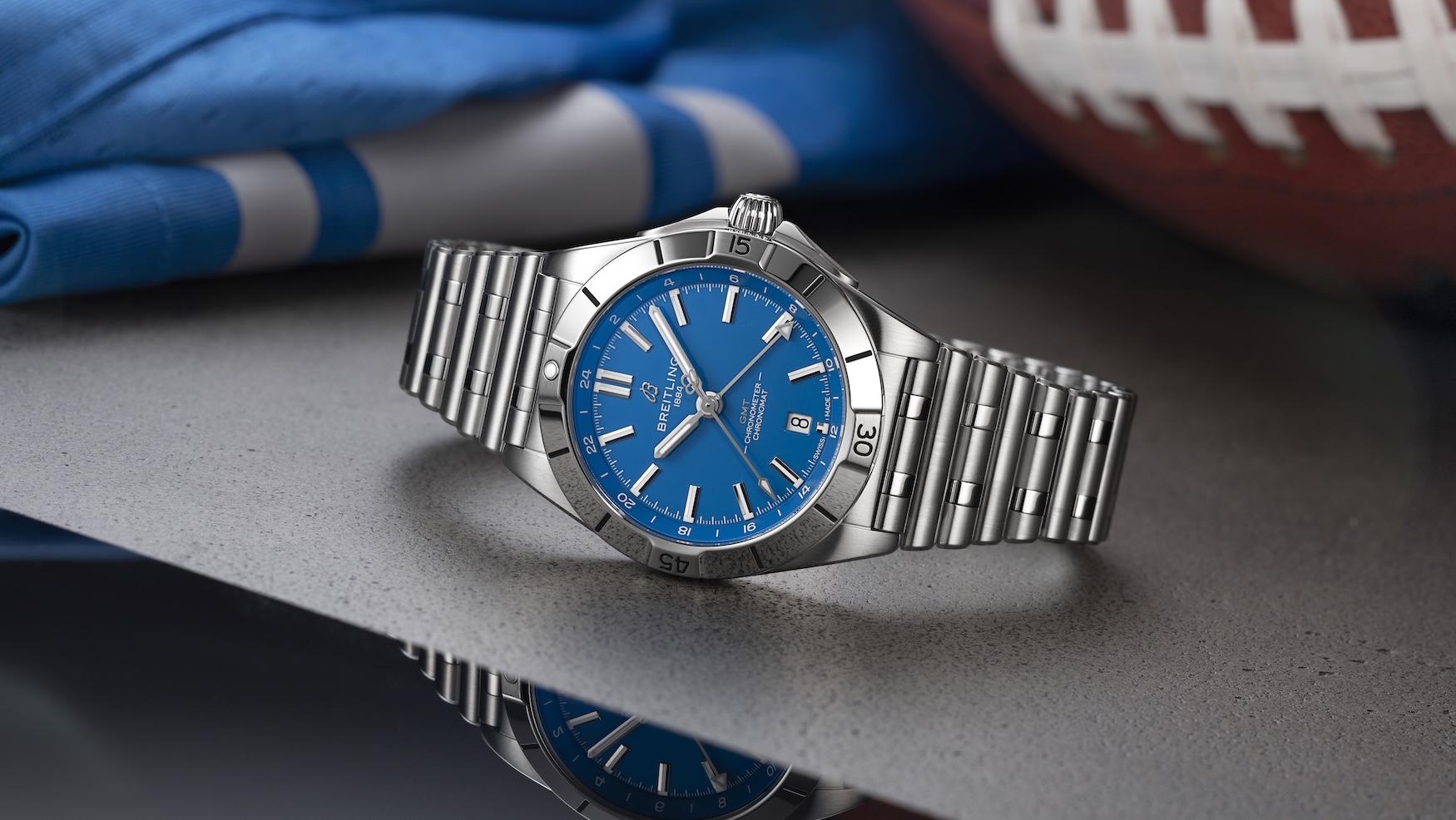
Celebrating being the first-ever "Official Timepiece Partner" of the NFL, Breitling is back with Chronomat GMT and Endurance Pro NFL Editions.The post Breitling celebrates its groundbreaking NFL partnership with new team-inspired collections appeared first on Time+Tide Watches.
 Deployant
Bell & Ross takes its maiden flight with Rafale Solo Display. Introducing their latest collaboration piece, the BR-03 Chrono Rafale Solo Display.
 Teddy Baldassarre
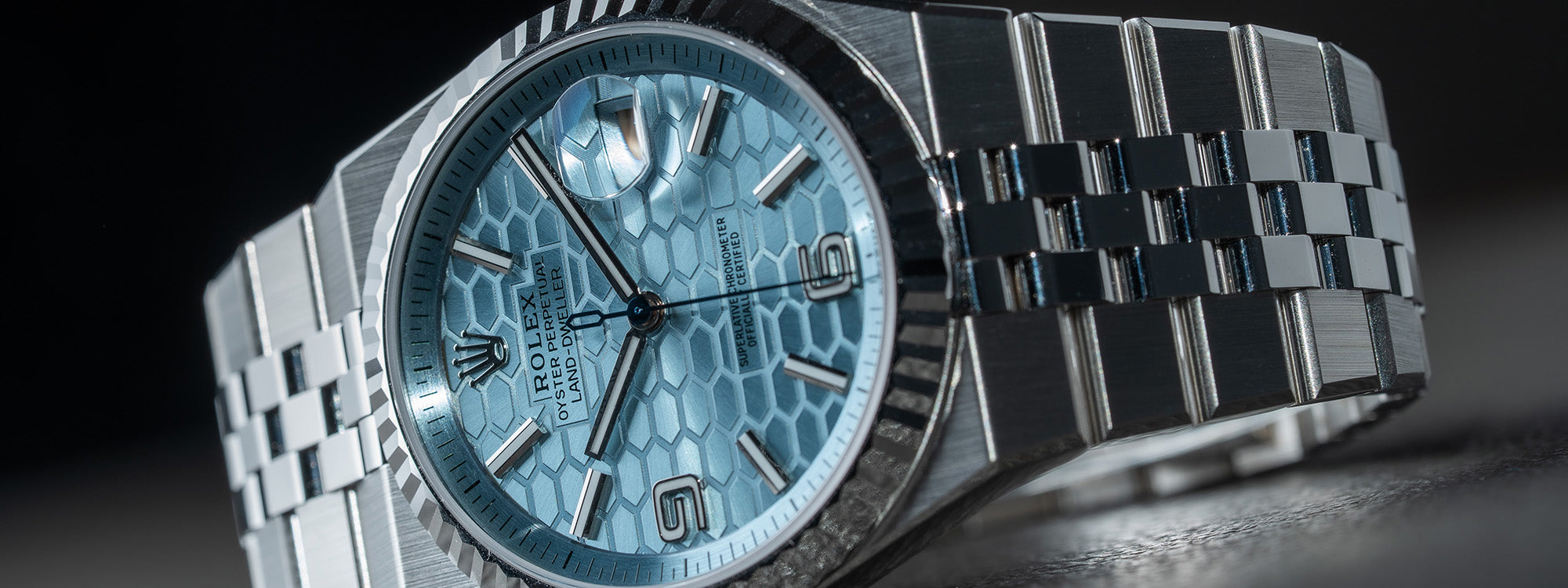
Rolex has made many lasting contributions to the world of watchmaking since its foundation in 1905, not the least of which has been an array of massively popular and widely emulated bracelet designs. Here we take a close look at every type of Rolex bracelet, what makes it special, and which Rolex watches, if any, are using them today. Rolex Oyster Bracelet Rolex’s iconic Oyster bracelet is the template from which many other three-link bracelet styles have been drawn. Its name comes from its association with the Oyster case - introduced by Rolex founder Hans Wilsdorf in 1926, and the most water-resistant watch case that had been made up to that point - and for which the original version of this bracelet served as an extension. Oyster bracelets are recognizable for their wide center links bordered by thinner end-links. Rolex patented the design in 1947 and fitted one on a watch in 1948. In the early versions, the links were riveted; these were phased out in favor of a “folding” style in 1967, which eventually gave way to the modern, solid-link style in 1975. Oyster bracelets come equipped with the accompanying Oysterlock clasp, a triple-deployant metal clasp with a safety-lock mechanism. Three-link bracelets like the Oyster and its various descendants are particularly popular on sports watches and dive watches, and this bracelet appears, as you’d expect on most of Rolex’s most popular “professional” models, including the Submariner, GMT-Master II, Explorer,...
 SJX Watches
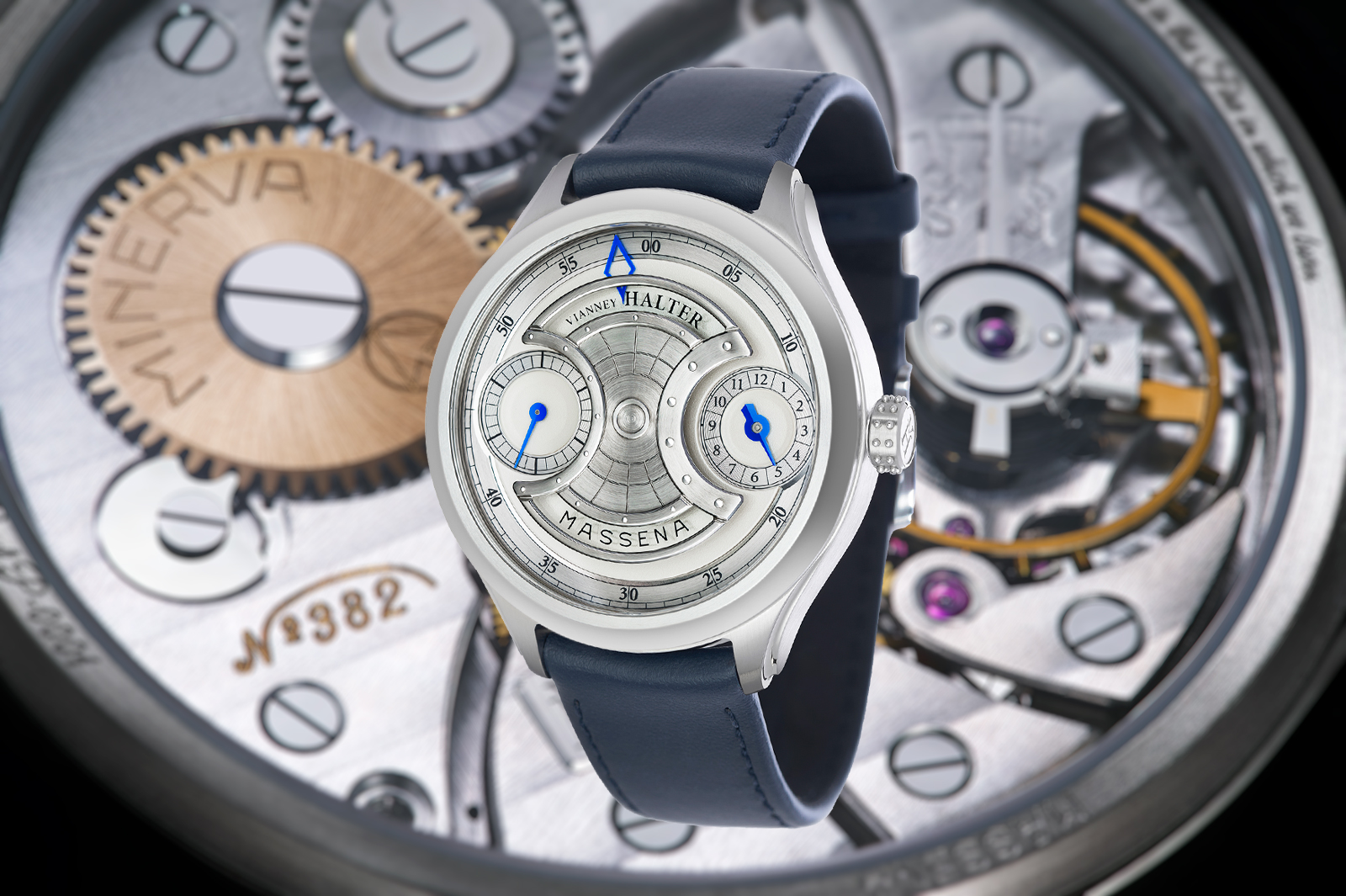
Massena Lab’s latest collaboration is a steampunk regulator wristwatch created together with Vianney Halter. Blending the best of both their respective styles, the Old Soul is an unusual yet appealing proposition for collectors looking to get a sampling of the independent watchmaker’s best known works. The Old Soul displays the time regulator-style, with the hours, minutes, and seconds on separate registers. But it indicates the minutes with a clever trick: a “floating” minute pointer on a clear sapphire disc. Inside is a vintage Minerva movement that’s been dressed up for the occasion but still recognisable as an early-20th century calibre. Initial thoughts The Old Soul a continuation of the collection that began with the Old School made together with Luca Soprana. If Massena Lab founder William Rohr’s aesthetic sensibilities prevailed with the earlier watch, it is Mr Halter’s signature style that dominates the Old Soul. The Old Soul is unquestionably quirky - both as a whole and in the details. The watch looks like a regulator, but lacks the traditional vertical sub-dial arrangement. It also lacks a central minute hand, featuring instead a “floating” diamond-shaped pointer. The “floating” hand is a nifty optical illusion but it’s a straightforward concept that replaces the hand with a clear disc. Inside the piece ticks an equally unexpected movement, a “new old stock” Minerva cal. 17.22. According to Massena Lab, it was the discovery of a fo...
 Deployant
Introducing Old Soul, an interesting collaboration from Massena Lab with Vianney Halter, masterfully blending the legendary aesthetics of both.
 Quill & Pad
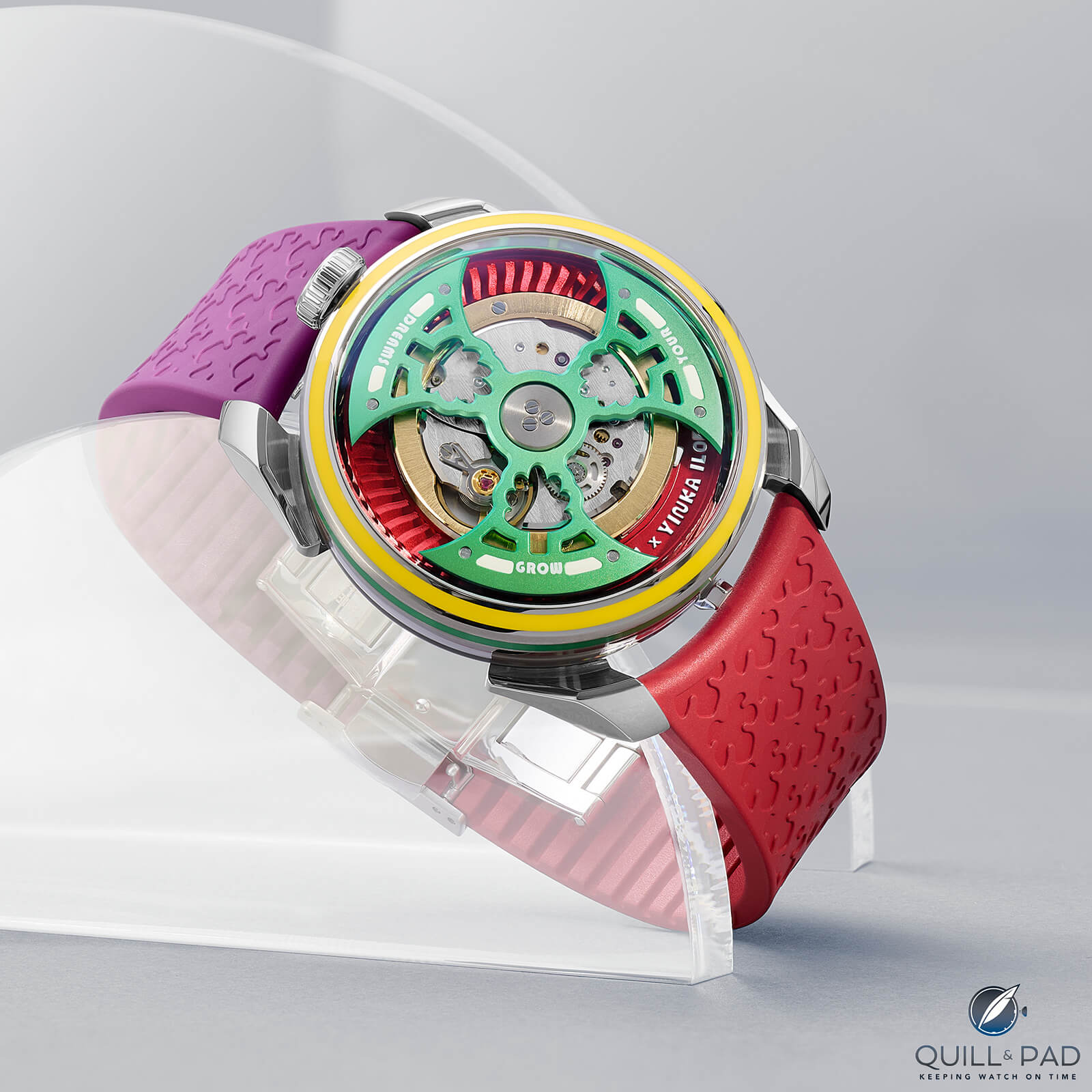
Color has always been a very important part of the M.A.D.Editions collection, but these new models by British-Nigerian artist/designer Yinka Ilori take color to a whole new level. These watches may have been inspired by nature, but rarely does nature look this vibrant . . . or this crazy!
 Hodinkee
The fan-favorite M.A.D.1S returns in a collaboration with a London-based, British-Nigerian multi-disciplinary artist and designer for a colorful new take on last year's slim release.
 Time+Tide
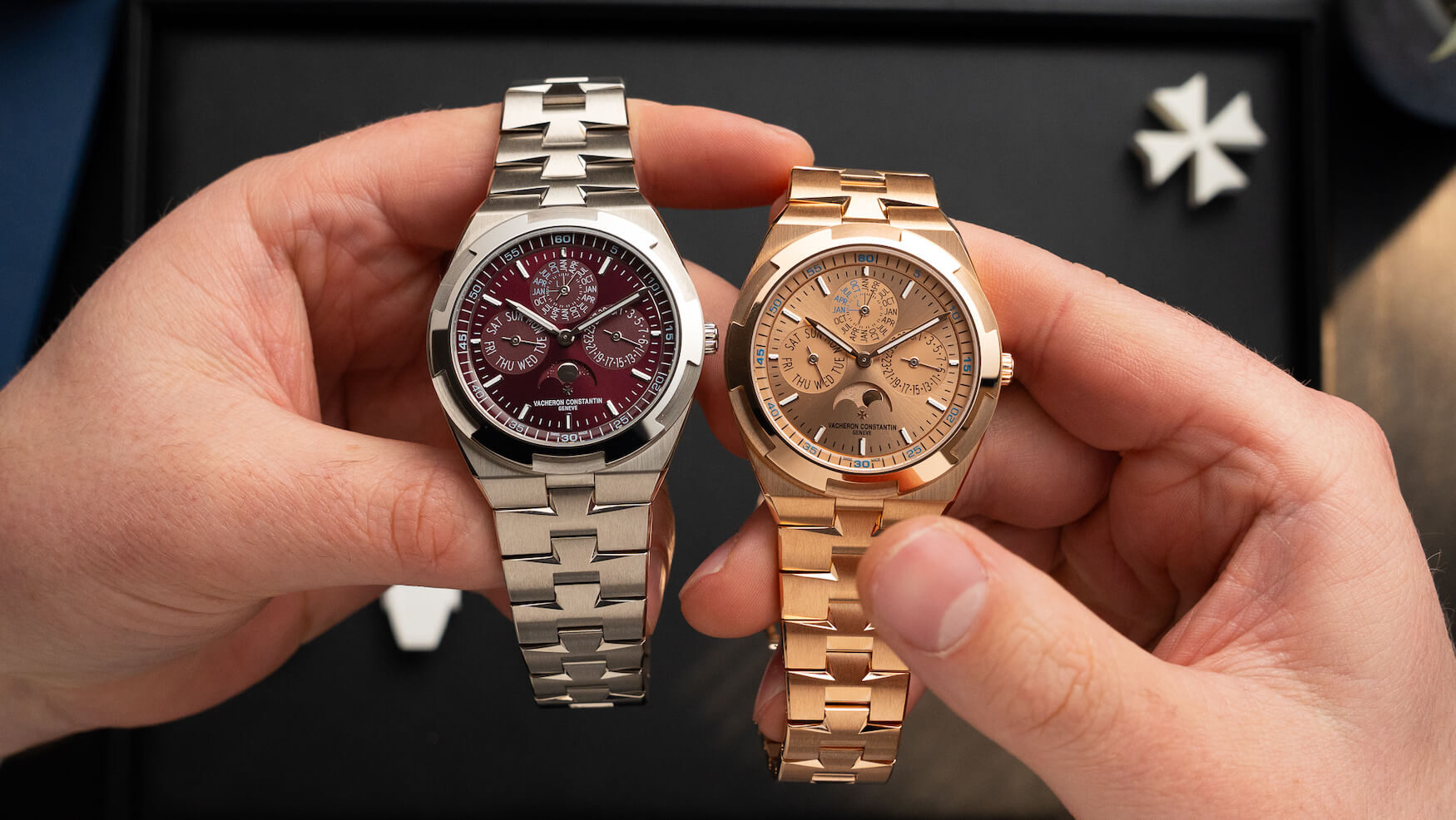
Two new grails courtesy of the Holy Trinity brand, Vacheron Constantin.The post Vacheron Constantin debuts new Overseas Perpetual Calendar Ultra-Thin configurations appeared first on Time+Tide Watches.
 Deployant
Jaquet Droz releases the Tourbillon Skelet Red Gold with a metiérs d'art dial featuring the Catrina Skull, an incarnation of the Mexican Day of the Dead.
 Time+Tide
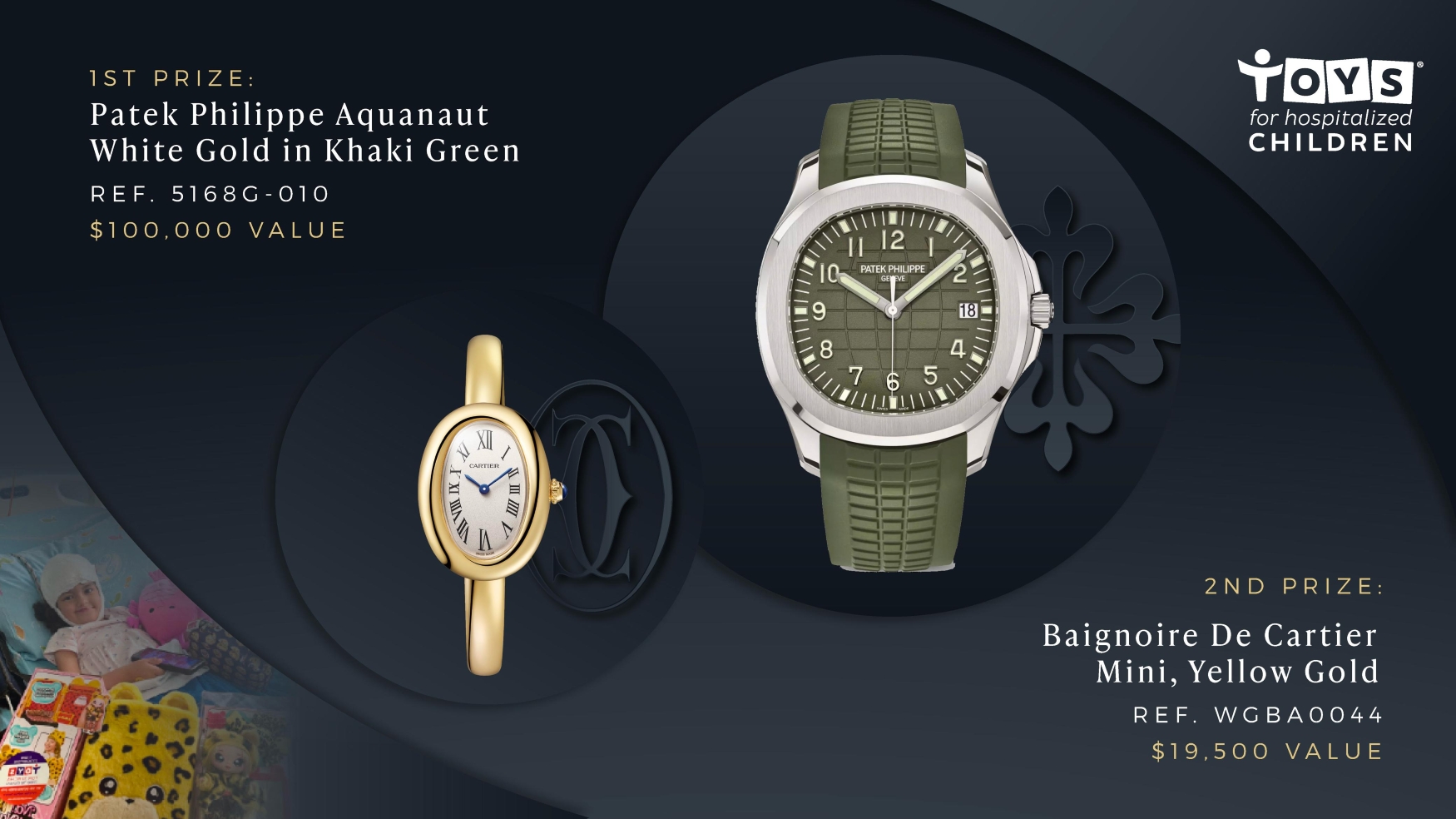
Toys for Hospitalized Children is holding its 2025 charity luxury watch raffle, with a Patek and Cartier up for grabs.The post Win a Patek Philippe Aquanaut (or Cartier Baignoire) while supporting hospitalized kids! appeared first on Time+Tide Watches.
 Fratello
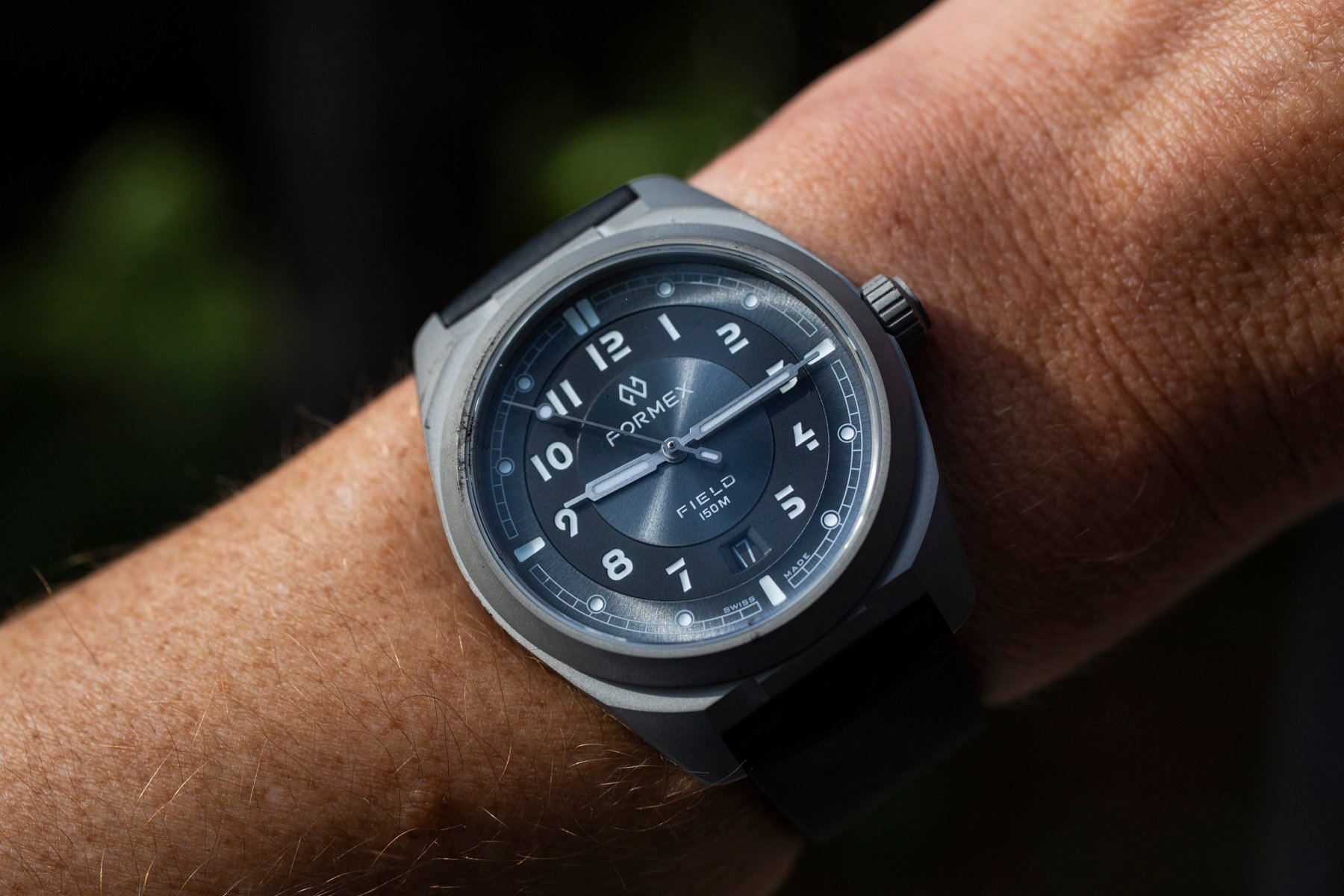
Arabic numerals are often recognized as one of the easiest means to read the time at a glance. For centuries, Roman numerals were the fashionable standard for time-telling. These days, Arabic numerals, alongside markers, are now considered more of a “standard” means of telling the time. This is particularly relevant in the digital age, when […] Visit A Return To Elegant Simplicity: Five Watch Options With Arabic Numerals to read the full article.
 Time+Tide
Episode 4 of A Matter of Time explores the distinctions between a good watch, a great watch, and a grail watch.The post A Matter of Time Episode 04: What makes a watch GOOD, GREAT, or GRAIL? appeared first on Time+Tide Watches.
 Time+Tide
Franck Muller and Japanese streetwear brand #FR2 add some summer colour to their second fun-filled collaboration.The post Franck Muller joins forces with #FR2 for another cheeky collab appeared first on Time+Tide Watches.
 Fratello
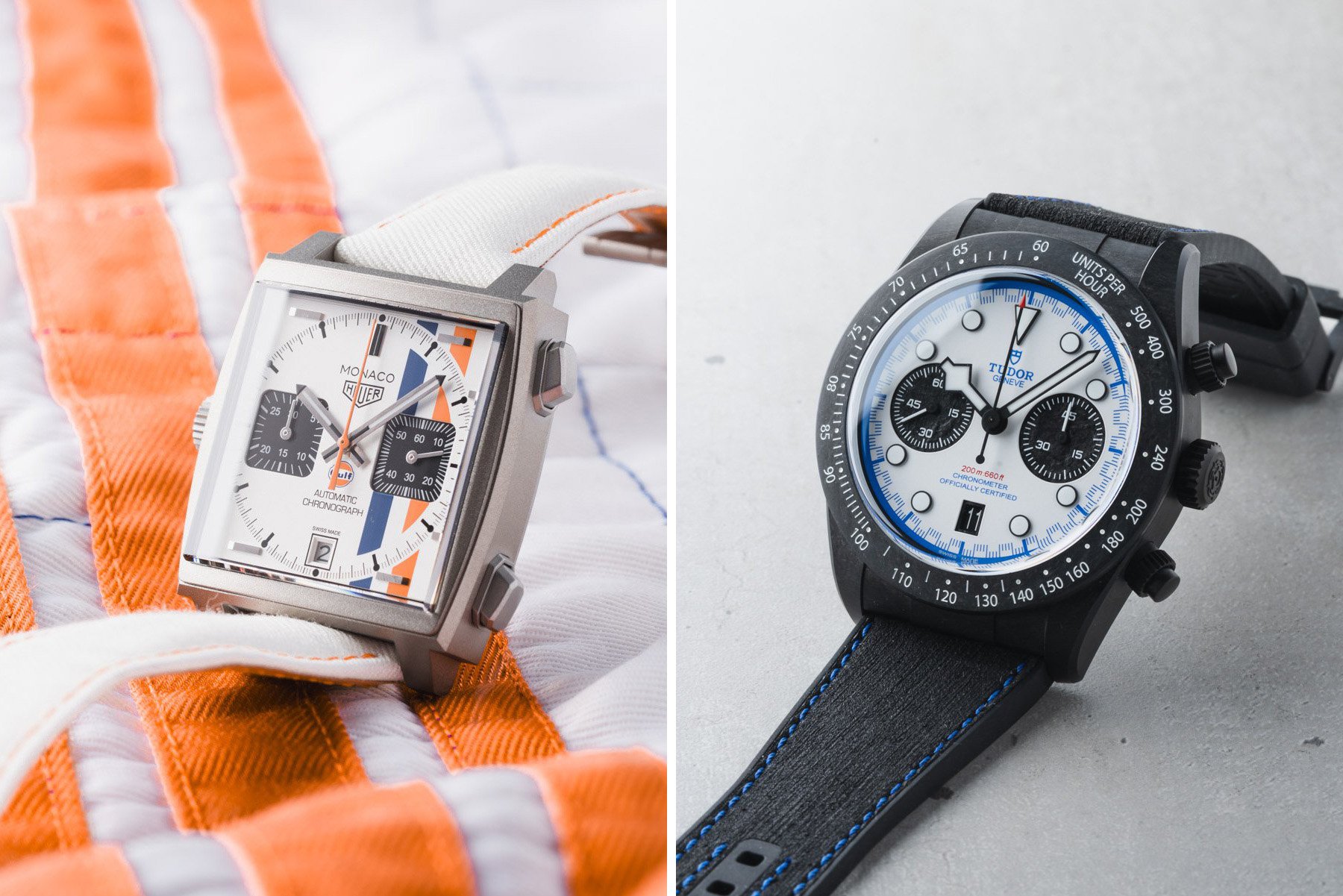
It’s Sunday morning, so fire up the engines and prepare for a nice weekend drive. The question is, what is the racing chronograph of choice for today? Two suggestions go head to head in this week’s Sunday Morning Showdown. Mike’s pick is the classic-looking TAG Heuer Monaco Chronograph × Gulf in titanium. This lightweight version […] Visit Sunday Morning Showdown: TAG Heuer Monaco Chronograph × Gulf Vs. Tudor Black Bay Chrono “Carbon 25” to read the full article.
 Time+Tide
DateNights, Desert Kings and Billions of Oysters... We unveiled our first dress watch this week, but it wasn't the only collab that dropped.The post New releases from Doxa, Maurice Lacroix, Time+Tide x Dennison and more appeared first on Time+Tide Watches.
 Quill & Pad
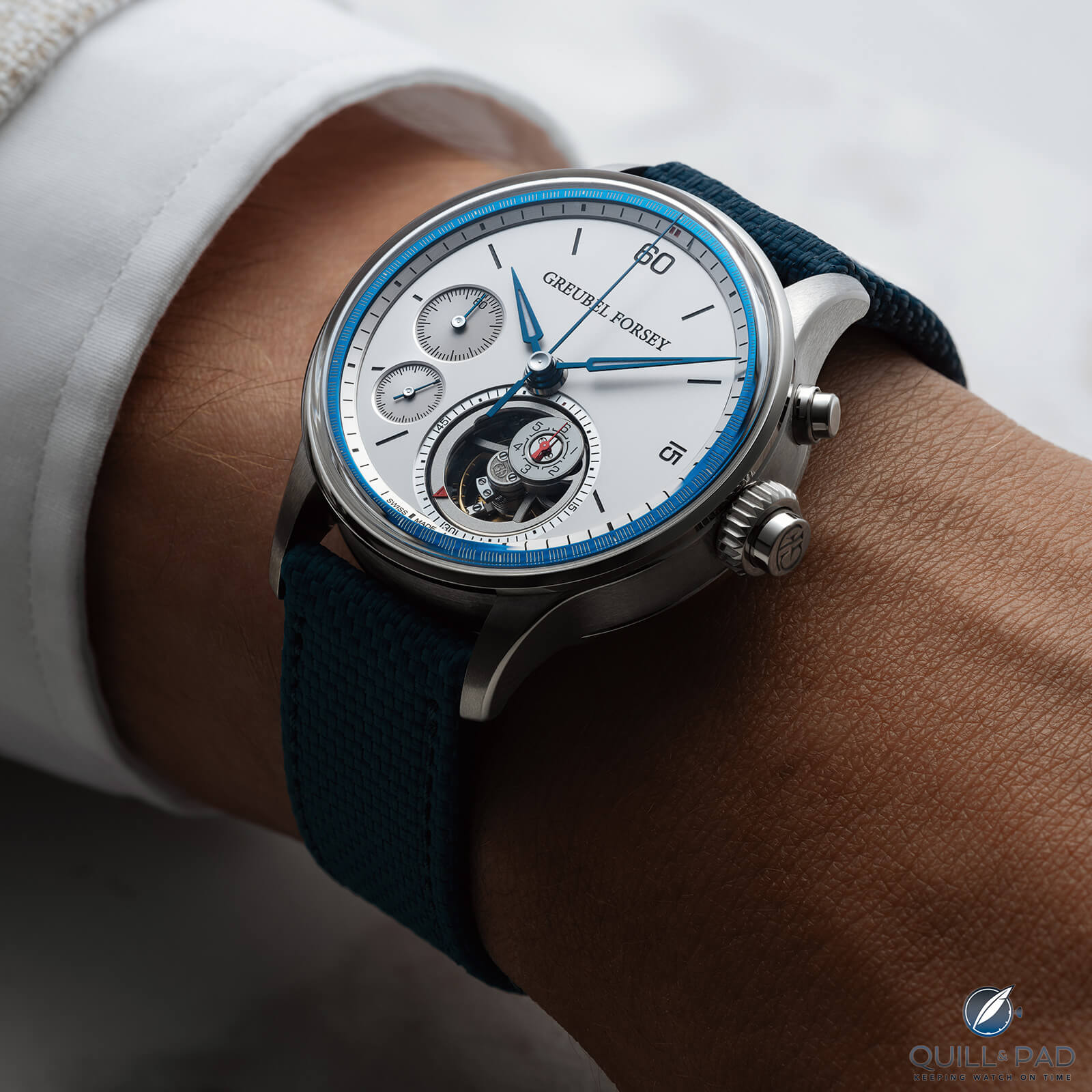
Foudroyante, which is French for lightning bolt), chronographs have always been very rare because in measuring fractions of a second by driving a hand that rotates every second uses a lot of energy. With the Nano Foudroyante: Greubel Forsey has solved the inherent drawbacks in foudroyante chronographs by using nanotechnology to reduce power consumption by an incredible 1,800 times!
 Hodinkee
The second annual Watch Week Aspen brought 16 brands and over 200 attendees together to share in the passion for watchmaking amidst the beautiful backdrop of Aspen, Colorado.
 Deployant
Bovet adds to their first ever integrated bracelet collection - the Récital 12 with two new models fitted with stone dials.
 Fratello
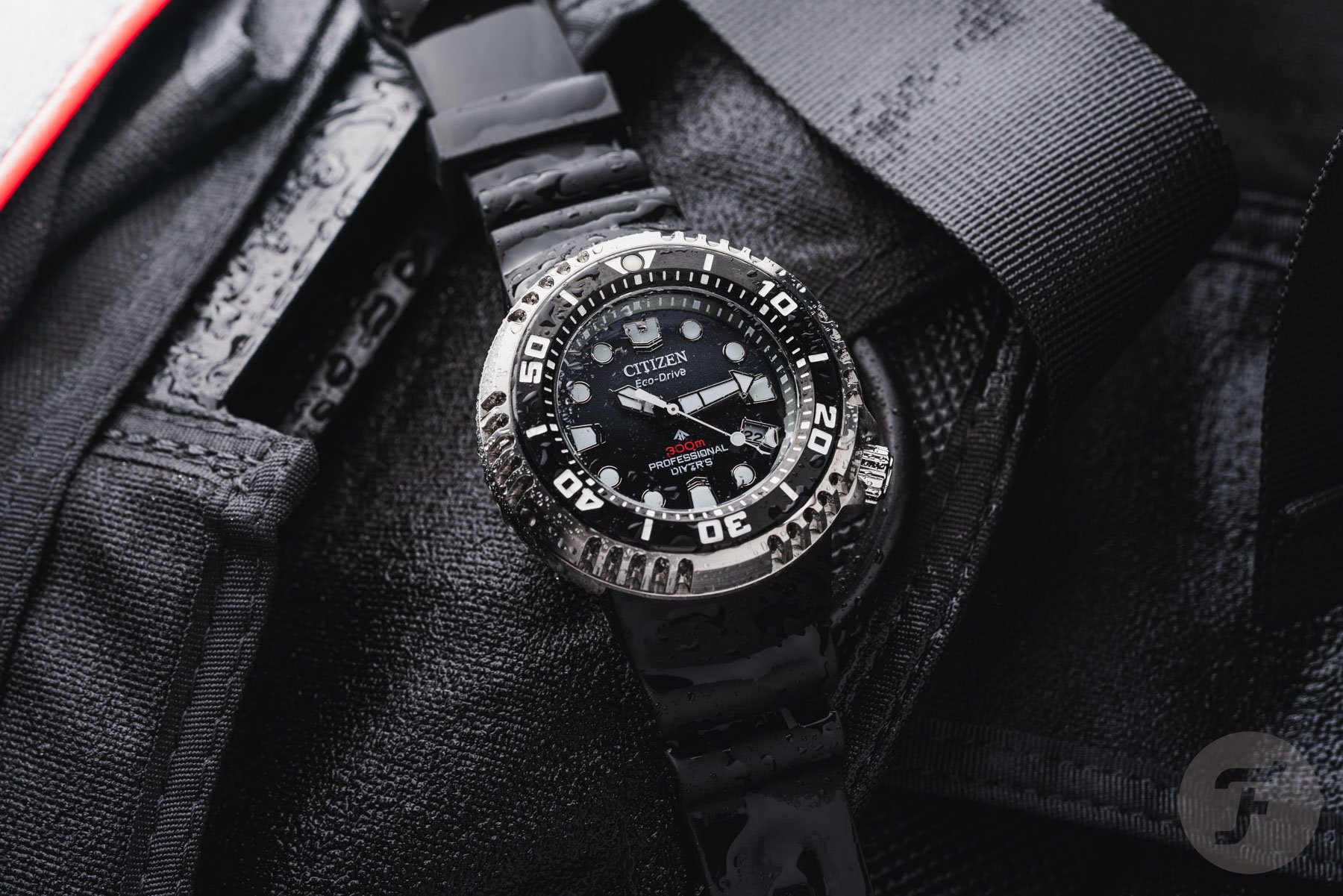
Another Friday, another list! This week, we’re finishing our trilogy of lists focusing on affordable watches under €500. We started the series two weeks ago with our five favorite watches from big brands. Last week, we looked at our five favorites from small brands. This week, we’ll end the series with our five favorite affordable […] Visit Fratello’s Top 5 Favorite Quartz Watches Under €500 to read the full article.
 SJX Watches
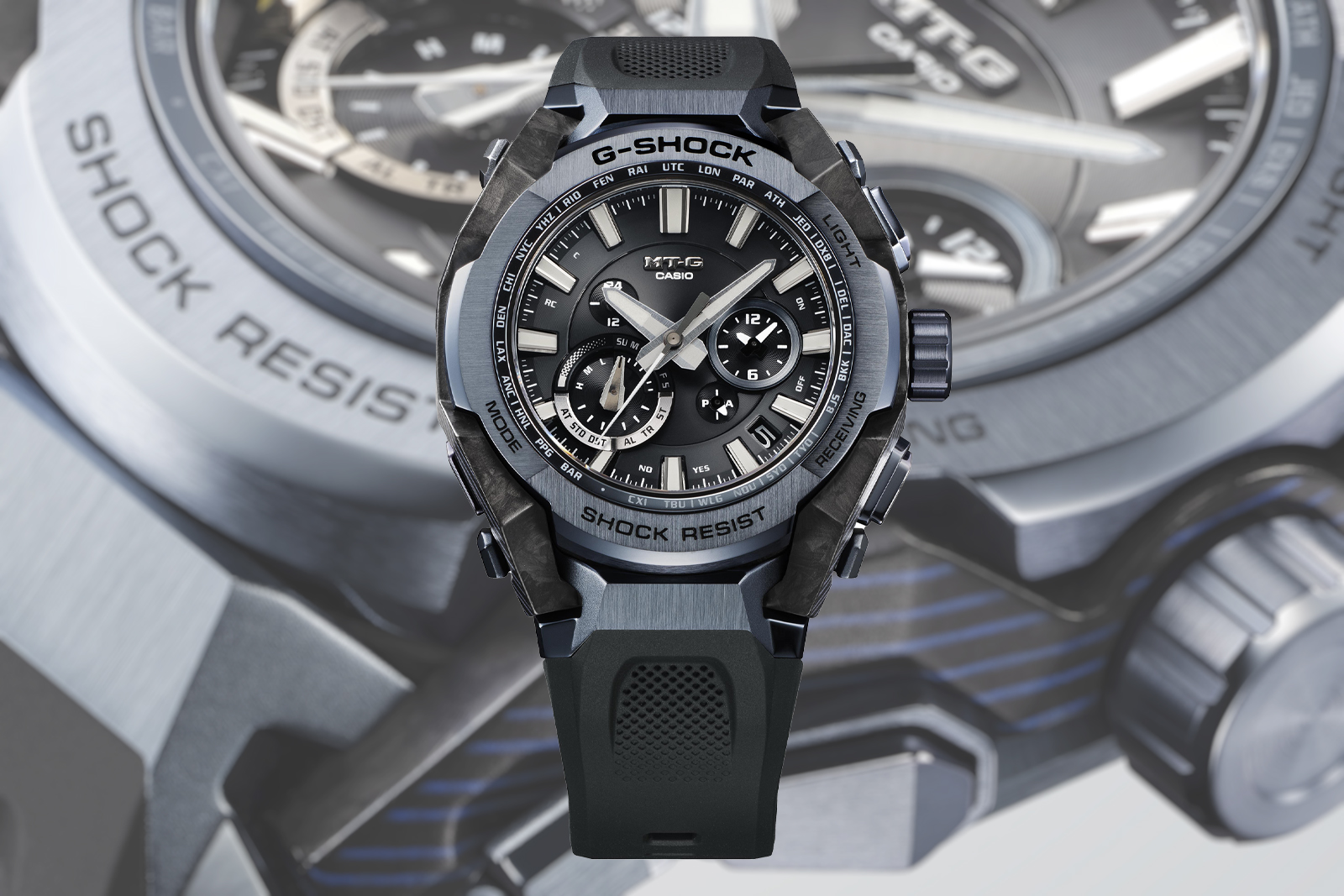
Casio’ latest addition to its famous, shock-resistant sports watch is the G-Shock MT-G MTG-B4000 that was designed with the aid of artificial intelligence (AI). According to Casio, the new MT-G’s design was refined by AI using factors like shock resistance and machinability, resulting in an sleeker profile that departs from the chunky and flat style of the typical G-Shock. As part of the higher-end MT-G line that combines metal with resin, the solar-powered MTG-B4000 has a stainless steel inner case along with an outer case in carbon composite. More notably, the bezel has been polished with the Sallaz flat polishing technique that’s also known as Zaratsu and more often applied to premium mechanical watches by other Japanese watchmakers. The new MT-G is made in Japan like all high-end G-Shock models Initial thoughts Casio’s first attempt at an AI-designed G-Shock was the G-D001 Dream Project #2 in solid, 18k gold made to mark the 40th anniversary of the G-Shock. It was a one-off, unlike the limited edition vintage remake that was also in 18k gold. While the Dream Project #2 was impressive in its form and heft, the open-worked design was a little weird. It looks both sci-fi and fantasy, but with the wrong proportions of each. The new MT-G, on the other hand, looks more conventional and appealing. It still looks like a G-Shock, but different enough to be distinct. In fact, AI has argued improved the MT-G style, evolving it from the robot-like form of before to somethi...
 Teddy Baldassarre
For many watch collectors, acquiring one's first tourbillon watch is a Holy Grail, a rite of passage into the upper echelons of horological connoisseurship. If you're new to the watch appreciation game, however, you may be wondering what all the fuss is about. What is so special about tourbillon watches, anyway, and what makes them so desirable to so many while still being so prohibitively expensive for most? The short answer is that a tourbillon is, in this day and age, less of a necessity and more of a badge of historical high-watchmaking excellence. For a more detailed explanation, read on. The First Tourbillons and Early Innovations The inventor of the tourbillon is a name that is likely familiar to watch connoisseurs. Abraham-Louis Breguet (1747-1823), a native of Switzerland who plied his trade as a watchmaker in Paris, was one of horology’s most significant historical figures, among whose many innovations was the first self-winding movement, the first repeater movement with a gong, one of the earliest constant-force escapements, and the device that he famously patented in 1801, the so-called tourbillon escapement. While the tourbillon is today considered by many to be a complication, like a chronograph or calendar mechanism, its original purpose was a fully practical one, to compensate for the ill effects of gravity on the movement of a pocket watch and thus improve its long-term accuracy. Remember, in Breguet’s time, watches were not worn on wrists, where ...
 Worn & Wound
I have a confession to make: I (politely) turn down 90% of press junkets offered to me. So, when Casio reached out to me earlier this year with the opportunity to visit their Yamagata factory and the Tokyo headquarters, I was not too sure. I thought about it for three days on how this would be different from any other watch factory visit, and how I would narrate my visit without the usual “Maison’s” PR team influencing my writing. There were two reasons I accepted Casio’s invitation. First, Casio is unlike any other watch company, so it will make for an interesting visit and observations. And second, Casio culture is different from other watch companies, including their PR and marketing folks. They are transparent about everything; they allowed me to ask the tough questions and did not influence my story. I will touch on both points further in this article. The original G-SHOCK There were three journalists on this trip including me, so it was a small group for this visit. We visited Casio’s Yamagata factory the first day, their museum in Tokyo the following day, and on the final day we visited the headquarters to meet and interview executives overseeing the watch division. All three visits were so different from each other – the first was so technical, the second was all about design and history, and the final visit was about strategy. For our visit to the Yamagata factory, we woke up early to take the Shinkansen (bullet train) to Higashine city, in Yamagata ...
Question, suggestion, or just want to say hi? Drop a note.