 Deployant
New and reviewed: MB&F; LM Thunderdome
MB&F; collaborates with Eric Coudray and Kari Voutilainen to produce a triple axis tourbillon watch. Design by Eric Giroud. The Legacy Machine Thunderdome.
40,835 articles · 5,434 videos found · page 1430 of 1543
Deployant
MB&F; collaborates with Eric Coudray and Kari Voutilainen to produce a triple axis tourbillon watch. Design by Eric Giroud. The Legacy Machine Thunderdome.
 SJX Watches
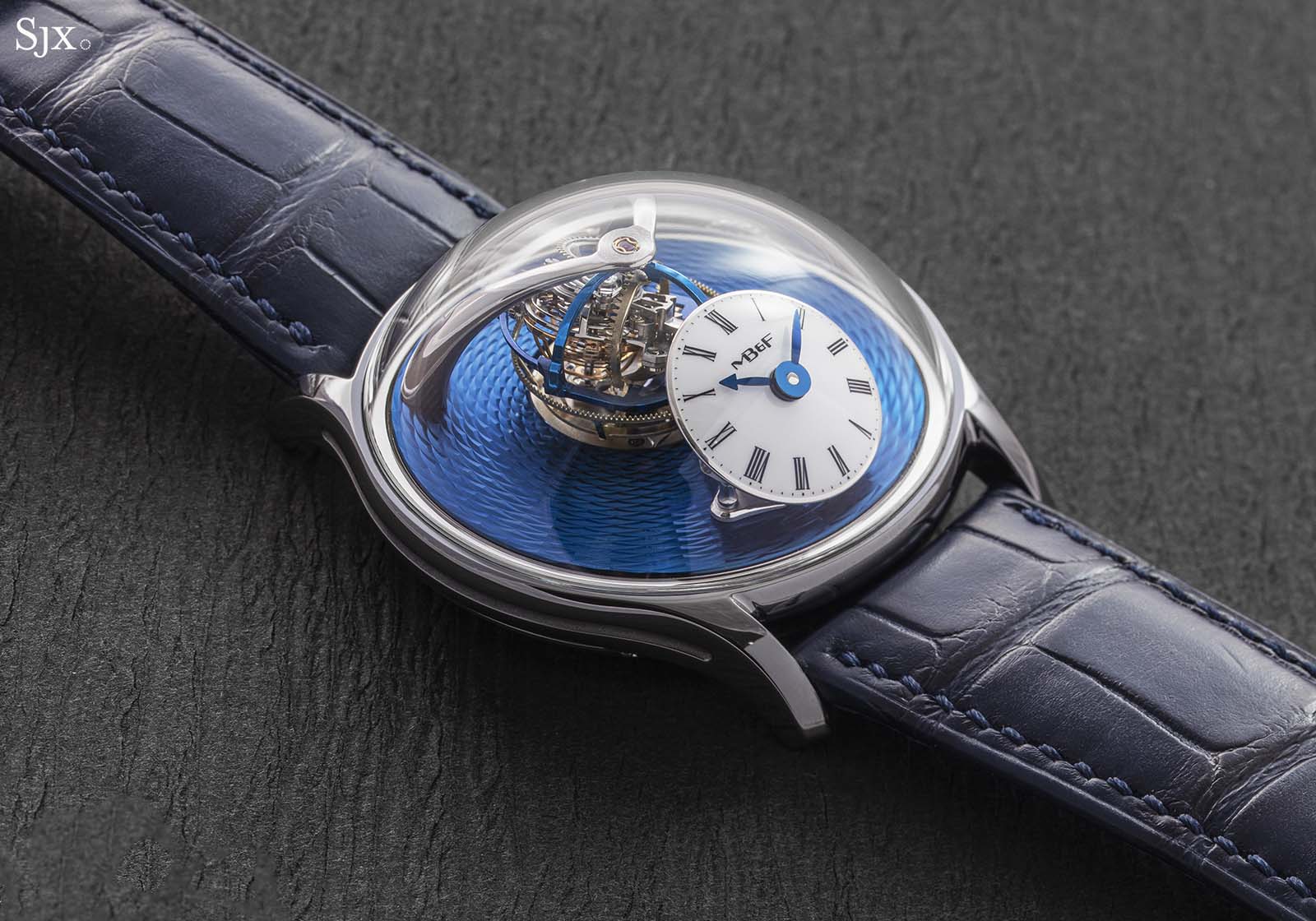
The flying tourbillon wristwatch for women – the Legacy Machine FlyingT – that MB&F; launched last year foreshadowed its latest watch – the Legacy Machine Thunderdome, boasting the fastest ever triple-axis tourbillon developed by independent watchmaker Eric Coudray. No doubt multi-axis tourbillons are hardly new, especially after Jaeger-LeCoultre unveiled its first Gyrotourbillon in 2005 – which was also developed by Mr Coudray – but the LM Thunderdome takes the concept further by every metric, primarily by building on past ideas to achieve higher cage velocities than ever before. Most intriguingly, the Thunderdome movement incorporates a tourbillon lever escapement first devised by Albert H. Potter – a talented American watchmaker who worked in Geneva in the late 19th century – as well as an unusual multi-axis tourbillon that utilises a carrousel for its outermost cage, christened the TriAx. The ingenious construction of the tourbillon is thanks to Mr Coudray, who now runs complications workshop TEC Ebauches and is best known for the numerous exotic tourbillon movements he has developed. After his two-decades at Jaeger-LeCoultre where he became the resident technical genius, Mr Coudray worked for several brands of varying levels of credibility, including at Cabestan where he perfected its vertical tourbillon, and more recently at Cecil Purnell, where he created the Spherion tri-axial tourbillon, which has a similar construction to the Thunderdome. Besides...
 SJX Watches
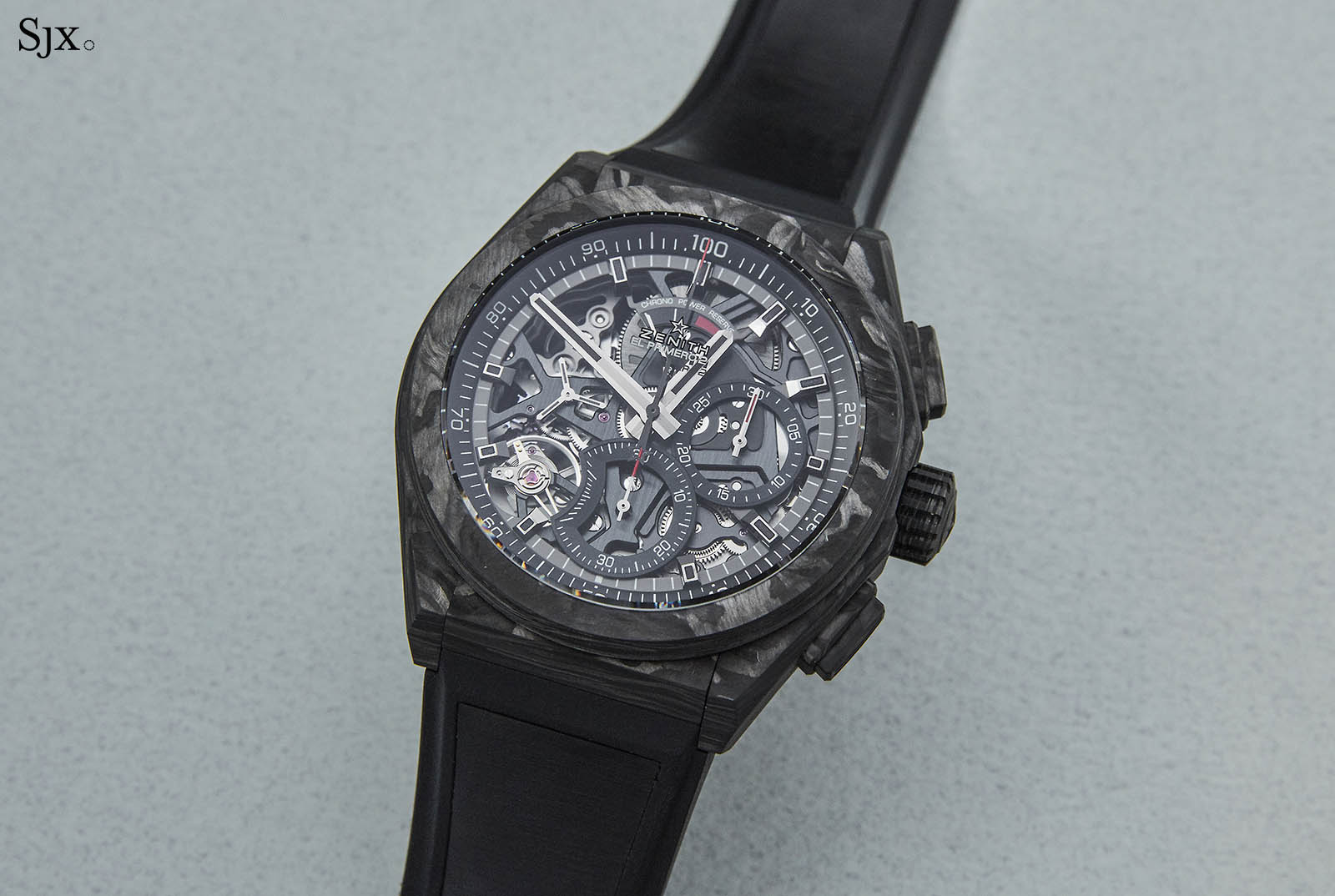
Zenith’s streak of high-tech watches – including this year’s Defy Inventor and El Primero Double Tourbillon – began in 2017, when it unveiled the El Primero Defy 21. The watch is a chronograph with a dual-train construction that accommodates a high-frequency chronograph with a resolution of 1/100th of a second and a lightning seconds hand that whizzes round the dial once a second. Originally offered only in ceramic, titanium or gold, the high-frequency chronograph is available in a featherweight carbon composite case – arguably best suited to its styling and complication – with the launch of the El Primero Defy 21 Carbon. A familiar style The unusual movement of the Defy 21 is inspired by the similar constructed movement in the TAG Heuer Mikrograph, one of many high-frequency chronographs devised by Guy Sémon, the resident technical guru at TAG Heuer, a sister company of Zenith. Notably, the Mikrograph and the Defy 21 are the only serially produced, 1/100th of a second chronographs on the market today. Due to the movement’s dual-train architecture – essentially two independent movements on one base plate – the case is a large 44mm in diameter and 14.4mm high. But being carbon composite, it manages to remain lightweight despite the size. At the same time, the predominantly black colour scheme across the case and dial also makes the watch look smaller than it is, especially compared with versions of the Defy 21 in gold or titanium. Visually, the case i...
 SJX Watches
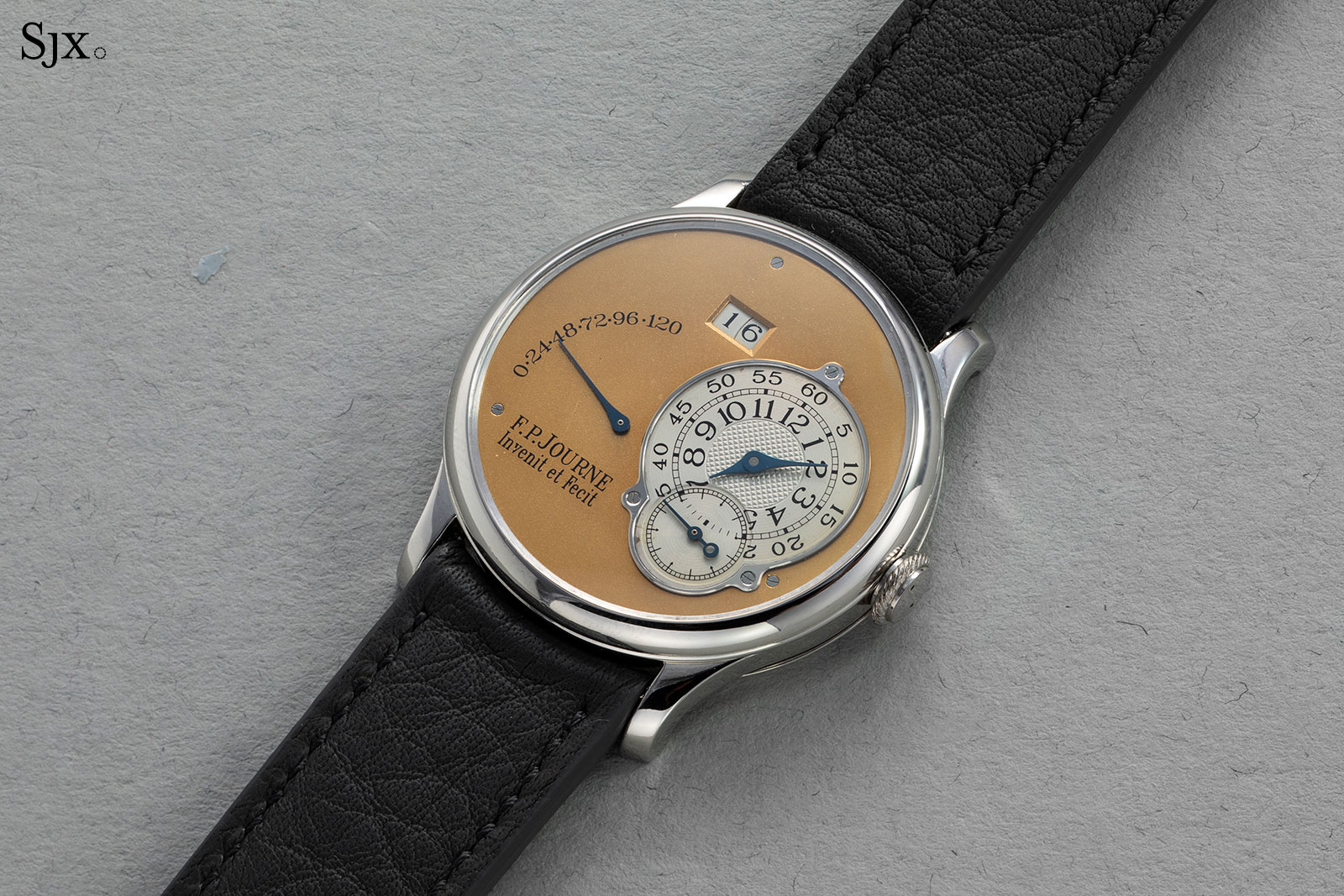
As has become tradition, a good part of Phillips’ upcoming New York watch auction is a memorabilia sale of sorts, including watches owned by Marlon Brando, golfer Jack Nicklaus, and astronaut John Glenn, as well as the Urwerk worn by Robert Downey Jr. while playing Iron Man in Avengers: Endgame. The auction also includes a piece of historical horological memorabilia: an F.P. Journe Octa Réserve de Marche prototype. The prototype is largely identical to the later, serially produced version of the watch – the case is platinum and the dial, yellow gold – but is marked as a prototype on the case back, and also bears the various traits unique to early watches made by Francois-Paul Journe. The cal. 1300 Launched in 2002 and discontinued in 2014, the Octa Réserve de Marche was the brand’s first entry-level wristwatch, powered by an automatic movement, the cal. 1300. Originally conceived to have an eight-day power reserve – hence “Octa” – the movement instead has a power reserve of 120 hours, or about five days. Reputedly constructed with a gear train borrowed from a robust and well-known hand-wind movement plus an extra-large mainspring, the cal. 1300 was the base calibre for the entire Octa line. Although a variety of complications were added on top, ranging from the Octa Chronograph to the annual calendar of the Octa Calendrier, all versions of the movement had identical height of 5.7mm regardless of function. The slimness and smart construction did come at th...
 Two Broke Watch Snobs
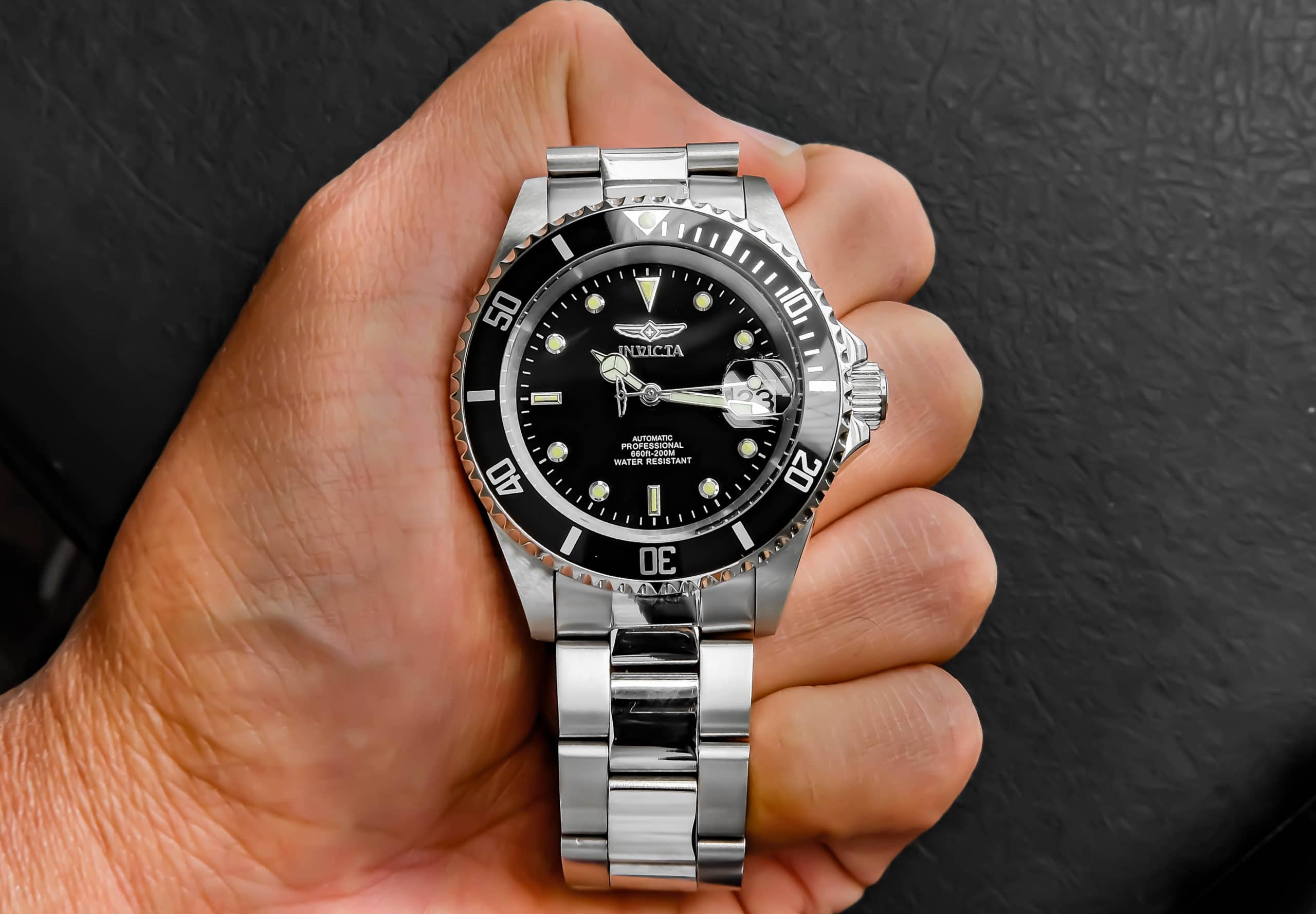
It’s Cyber Monday and the guys are here to share some of the coolest deals they’ve stumbled upon this holiday season. Be sure to tune in and share deals you’ve discovered on Instagram and the TBWS Facebook group.
 SJX Watches
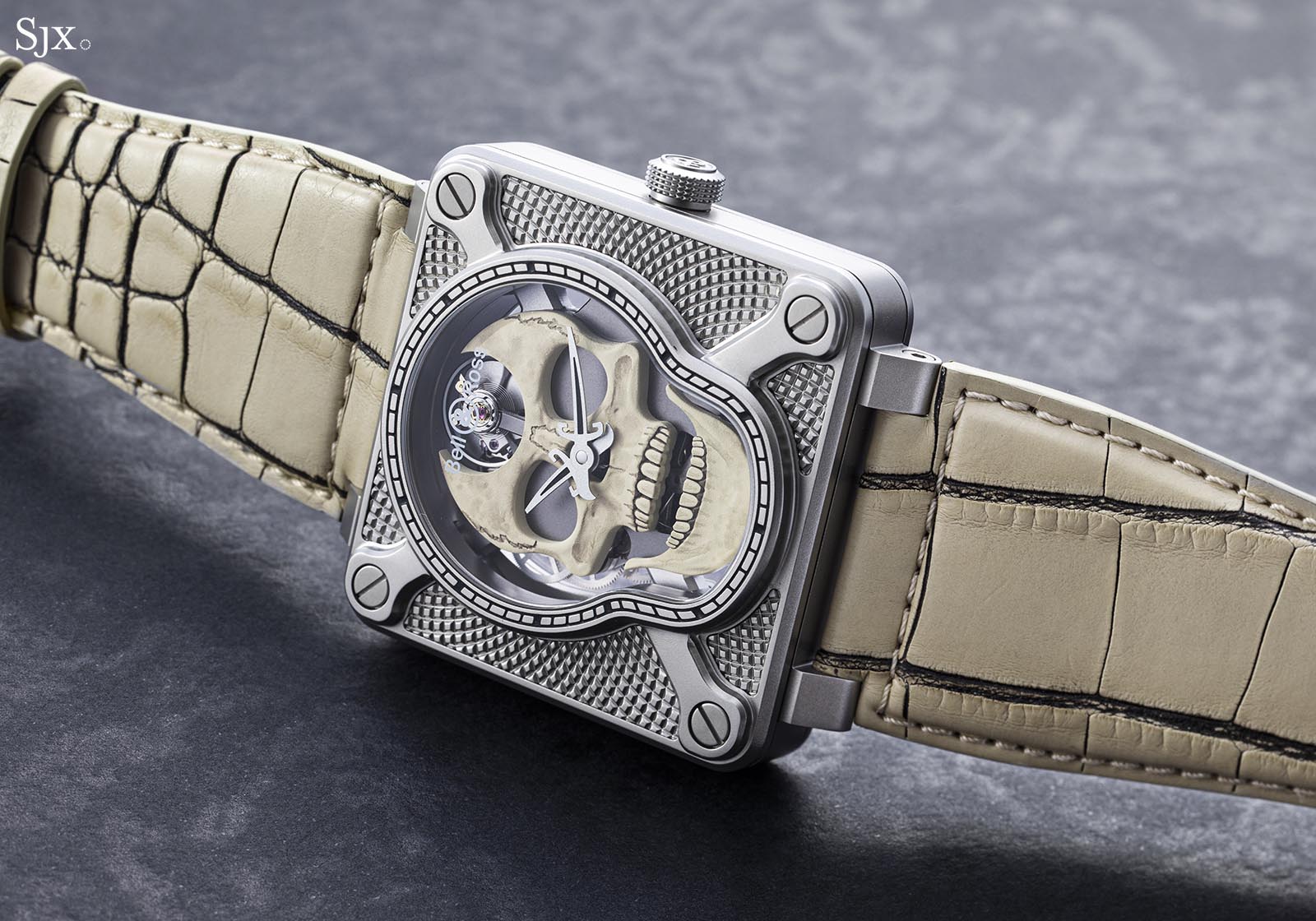
While skull watches are very much today’s fad, Bell & Ross’ use of the Jolly Roger started a decade ago with the BR 01 Skull, with its square watch case being a perfect frame for a bony visage. The brand’s skull watches have proliferated since then, but the evolution had been purely cosmetic, until last year when the brand unveiled a watch as elaborate mechanically as it is aesthetically – the BR 01 Laughing Skull, powered by a proprietary movement with a simple automaton of a skull that opens and closes it jaw. And this year, B&R; has introduced the BR 01 Laughing Skull White, with the skull finished in a bone-like lacquer. Distinctive face Like all BR-01 watches, the case is 46mm wide, but it is a tad thicker than the static skull watches at 13.5mm high, but that’s a functional requirement, a result of the automaton on the movement. In short, it is a large watch, but that’s exactly the point. The case is sandblasted steel and is decorated with stamped hobnails on the top surface and case back, giving it a pronounced, distinctive character. And it is worth noting the unusual finish of the skull would work quite well with a case in bronze, a material that B&R; has used liberally in the past and will probably continue to. The dial features a photo-realistic appliqué skull that’s been stamped out of brass, and then painted matte off-white with shading to create shadow and depth. The result is striking – at a distance, the skull is seemingly projecting out o...
 SJX Watches
In early June 2019, American mountaineer Cory Richards embarked on his third attempt at scaling Mount Everest – after successfully reaching the summit twice before, including once without oxygen – but had to give up halfway due to dangerous weather. In fact, the year’s climbing season was one of the deadliest in recent years, with 11 climbers dead or missing. Prior to his valiant but unsuccessful attempt at Everest, Mr Richards worked with Vacheron Constantin to develop a watch for the occasion. He wanted something light, robust and able to track two time zones. Mr Richards at Everest base camp wearing the Overseas Dual Time prototype. Photo – Vacheron Constantin/Keith Ladzinski The beefed-up Overseas The result was the one-off Overseas Dual-Time prototype that looks a great deal more aggressive than the average Overseas. In fact, the designers at Vacheron Constantin managed to boost its presence and sportiness without bulking it up too much; the diameter remains the same. Mr Richards wore the watch up Everest, and now Vacheron Constantin has donated it to charity. Exactly as it was when Mr Richards left Mount Everest, with scratches on the case and fraying on the strap, the prototype will be sold at Phillips’ upcoming New York watch auction, with all proceeds going to the National Geographic Society. Though identical in size to the standard Overseas Dual Time – the case is 41mm in diameter – this prototype has a bulked-up case, primarily with the addition...
 SJX Watches
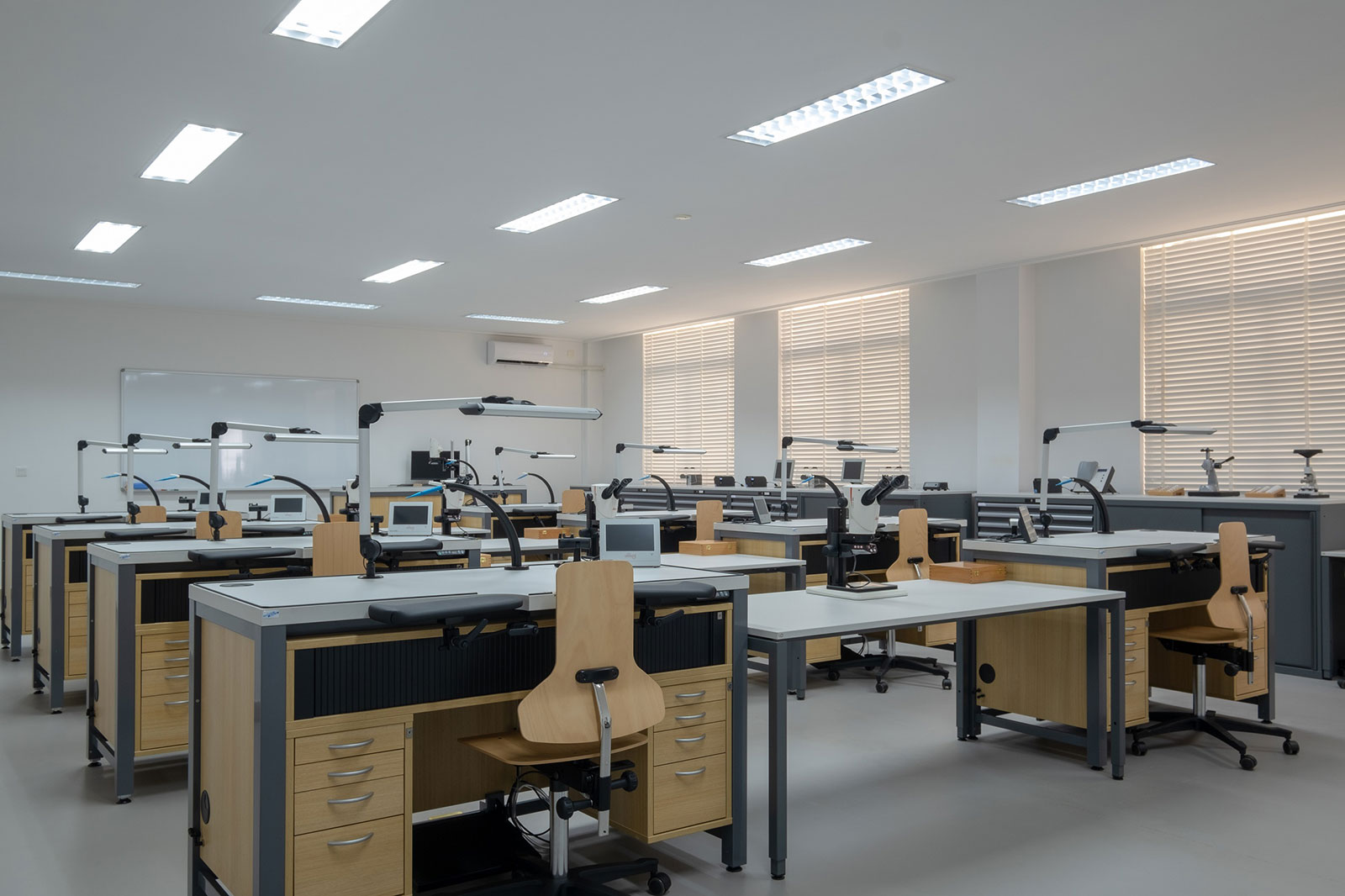
One of Asia’s quickest growing economies, Cambodia remains a relatively small market for mechanical watches, but now boasts its own watchmaking school – led by a pair of former WOSTEP instructors – which will begin operations in mid 2020. Supported by a local real estate conglomerate, the Prince Horology Vocational Training Center will offer a full-time, two-year course in watchmaking. Totalling some 3,400 hours of training, the watchmaking course will be comprehensive and modelled on the education offered by Swiss watchmaking schools. Designed by a team that includes a former director of WOSTEP, Switzerland’s leading watchmaking school, the course includes watchmaking history and culture, toolmaking and maintenance, repair and servicing of both mechanical and quartz watches, as well as some parts production. Filled with brand new equipment, the school is ready for its first students Located in the Chrouy Changvar district of central Phnom Penh, the country’s capital, the Prince Horology Vocational Training Center recently opened its premises, which are fully equipped with brand new benches and tools, giving students the opportunity to learn both watch repair as well as movement part production and finishing. The school’s leadership team includes Jessica Thakur, formerly an instructor at Richemont’s American watchmaking school in Texas and then at WOSTEP, as well as Maarten Pieters, who was the director of WOSTEP from 2002 to 2018. Prior to that, Mr Pieters ...
 Hodinkee
The incredible story of SEALAB aquanaut Bob Barth and his amazing mission-worn Rolex Submariner.
 Deployant
Our top six picks of watches announced at the Dubai Watch Week. From Greubel Forsey, Armin Strom, Ressence, Cha. Frodsham, H. Moser and Genus.
 Deployant
Grand Seiko has long been the benchmark of a 'value' timepiece. Decades before the proliferation of micro-brands, the Seiko Grand Seiko brand could well be held in the status that many try to get a pie of today. It had the right amount of hand-made, the right amount of mechanical superiority, the right amount of manufacturer pedigree and 'had' the right price.
 Quill & Pad
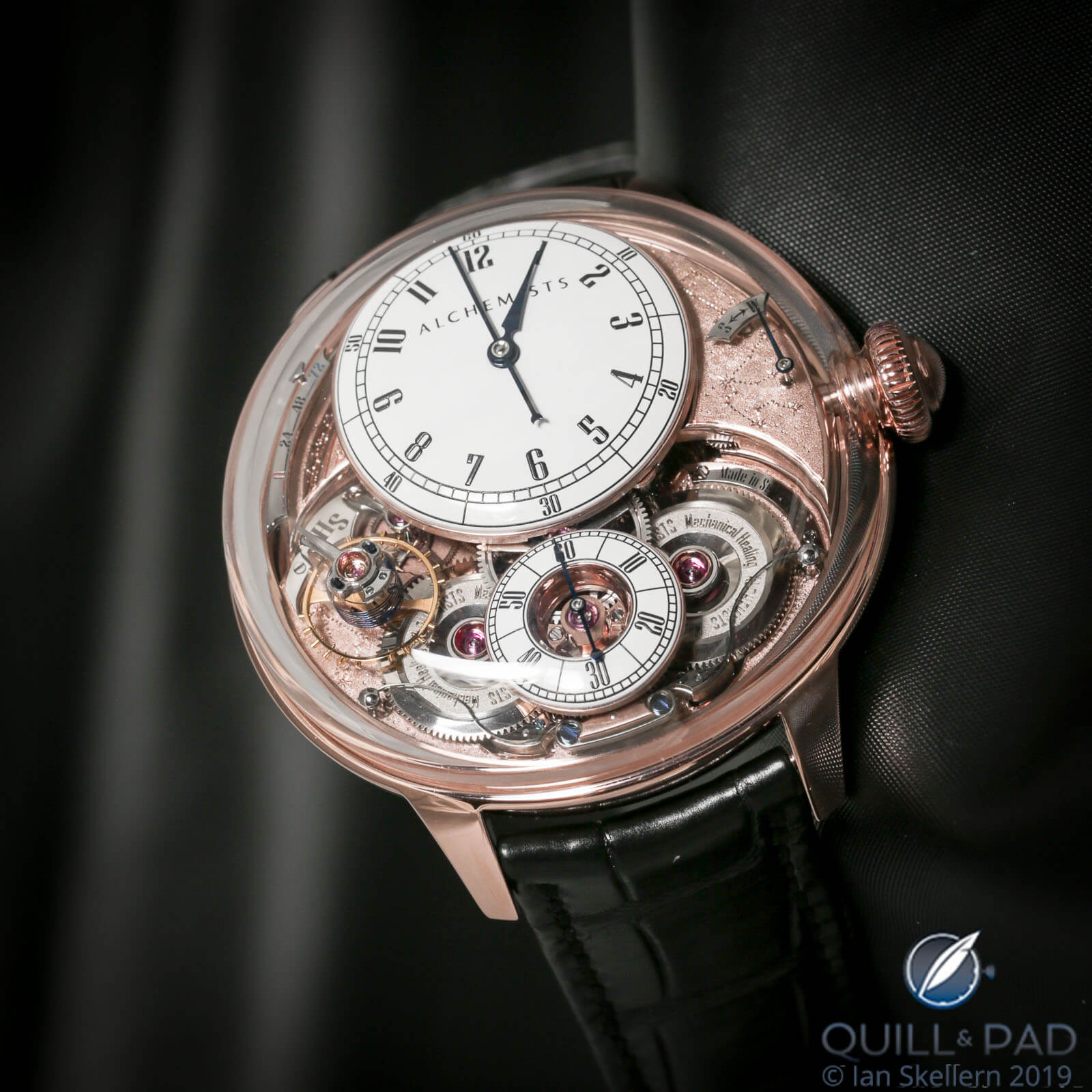
Alchemists Cu29 launched at Baselworld 2019 with a watch boasting some incredible details and a unique case material, but also pushing some questionable claims. Joshua Munchow digs into the new watch to find the truth of the matter.
 Deployant
We spent 3 weeks with the Fujifilm GFX 50R with 2 lenses - the 45mm and the 120mm Macro as our daily camera. And give you our views on the system.
 Revolution
Between strangulation by political correctness and blanket conformity of our age, the Q Timex Falcon Eye is a gasp of air from a more laidback decade.
 Time+Tide
Rado’s Captain Cook Automatic dive watch collection is downright impressive for anyone in the market for a fit-for-purpose dive watch on a budget. What’s more, it’s got a great amount of heritage - Rado has actually used the Captain Cook moniker since 1962. But these modern iterations aren’t resting on the laurels of their forefathers, they’re … ContinuedThe post Which Rado Captain Cook Automatic is right for you? appeared first on Time+Tide Watches.
 Revolution
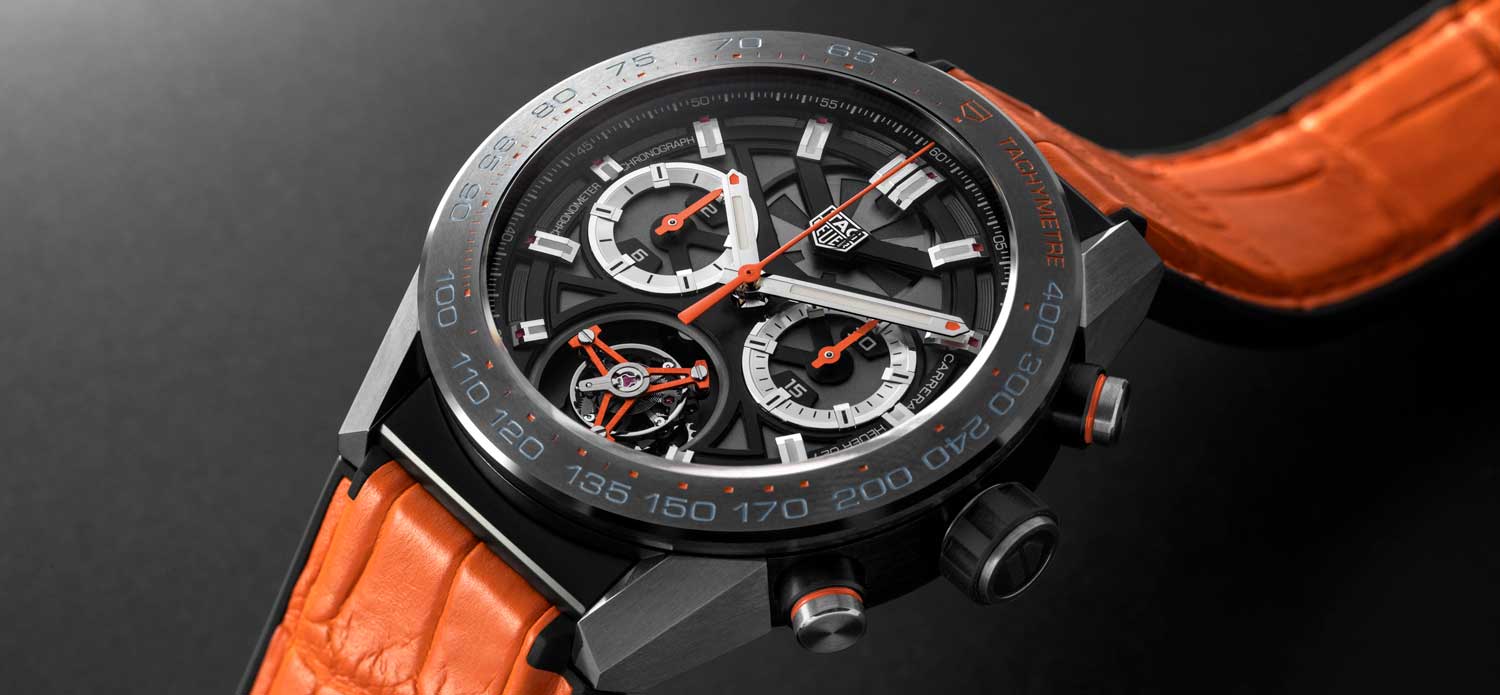
Cortina and Carrera make a catchy combo; we also like the racy orange highlights on the TAG Heuer Carrera H02T Cortina Edition
 Deployant
We caught up with Hind Seddiqi, Director General of the show and Chief Marketing & Communications Officer of Ahmed Seddiqi & Sons at Dubai Watch Week.
 Time+Tide
Science is very boring. For most people at least, and Michael Biercuk, who works as a quantum physicist, is far from most people. In fact, the phrase “Only boring people get bored” goes a long way to explaining why (if you follow the syllogism) Michael is deeply interested in a highly technical area that causes … ContinuedThe post Why did Dubai Watch Week invite a quantum physicist to speak? appeared first on Time+Tide Watches.
 Hodinkee
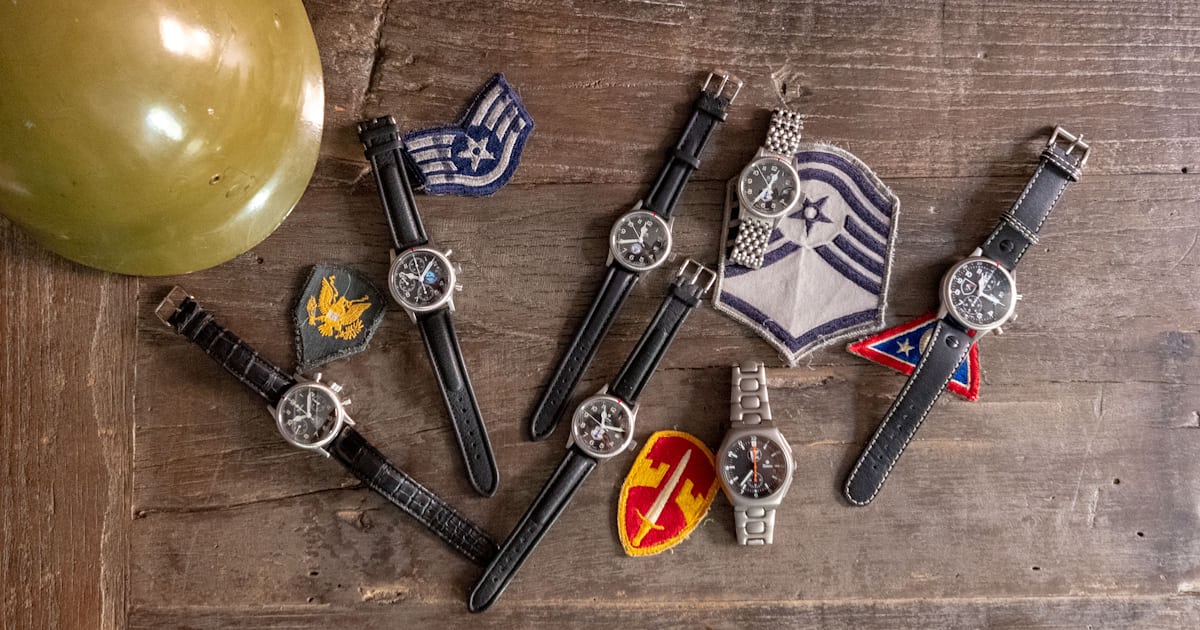
Few people have seen these watches beyond the soldiers, sailors, and airmen that received them.
 Deployant
Press Release: the new Tulloch T-01 First Edition. A watch collaboration between Shane Tulloch, Eric Giroud and Kari Voutilainen's Comblémine.
 Time+Tide
From vintage to modern, Robert De Niro has worn some interesting watches on screen.The post Watches of note worn by Robert De Niro in films appeared first on Time+Tide Watches.
 Revolution
A blizzard in Texas? That would be the Grand Seiko x Timeless collaboration, the SBGE249 Spring Drive GMT.
 SJX Watches
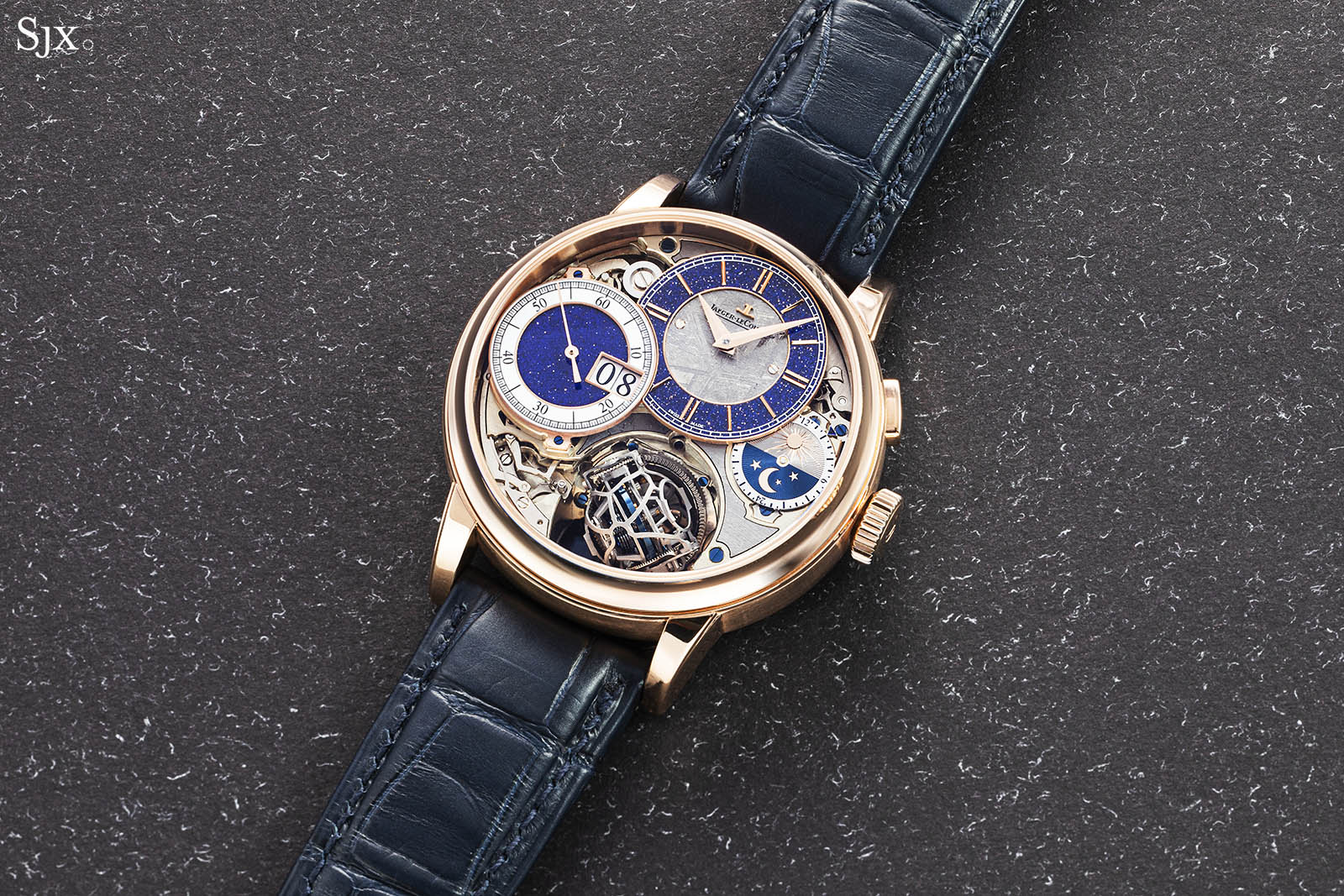
The Jaeger-LeCoultre Gyrotourbillon 3 Meteorite is a highly technical yet decorative grand complication panelled in meteorite and aventurine. But it also evokes watchmaking of the early 2000s in its mechanical grandeur. Exotic tourbillons started to proliferate at the turn of the millennium, and soon the offerings were numerous, ranging from orbital to inclined to multi-axis. Today such tourbillons are commonplace, but in the early 2000s they were radical and cutting edge. While the orbital tourbillon was nothing more than a visual spectacle, the inclined and multi-axis tourbillons were attempts to adapt Breguet’s invention for the wrist, in other words they made chronometric sense, at least on paper. One of the earliest and most significant multi-axis tourbillons was the Jaeger-LeCoultre Gyrotourbillon of 2005. While it wasn’t the first multi-axis tourbillon in a wristwatch – that honour goes to Thomas Prescher – the Gyrotourbillon was distinguished by its elaborate, three-dimensional cage of lightweight aluminium, made possible only with the aid of modern technology. The original Gyrotourbillon of 2005, which also incorporated a perpetual calendar with equation of time With the leap year and power reserve displays on the back The Gyrotourbillon was arguably the complication that defined Jaeger-LeCoultre as an haute horlogerie brand rather than a movement maker for other marques. Since its launch the Gyrotourbillon evolved into several iterations, including thi...
 Hodinkee
A look at the watch world through 60 insightful illustrations.
 Quill & Pad
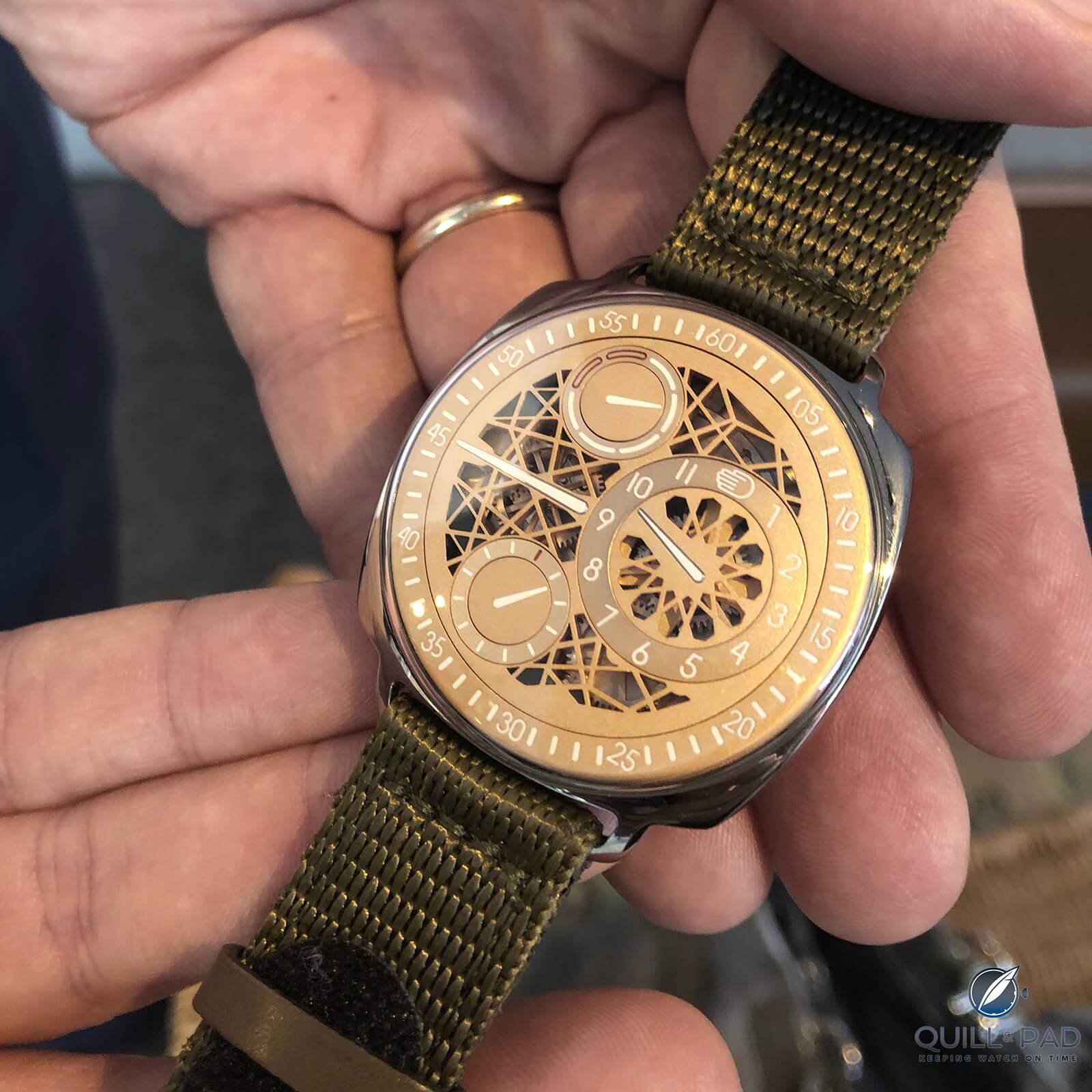
In honor of the fourth edition of Dubai Watch Week 2019, several watch brands have issued limited edition timepieces. So without further ado, here we highlight four of the colorful limited editions seen at DWW 2019.
 WatchAdvice
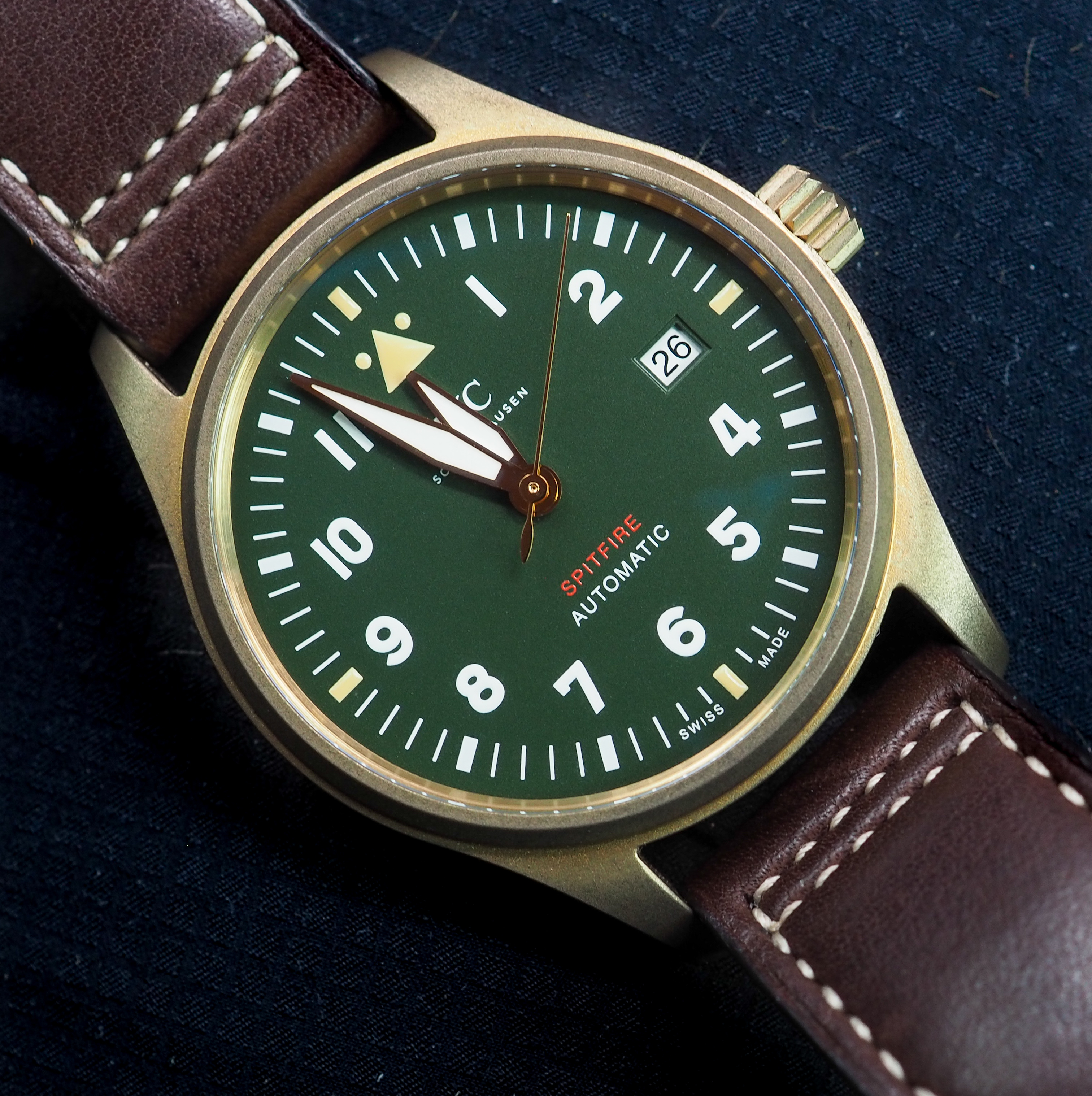
Released earlier this year at SIHH 2019, IWC’s latest collection of Spitfire pilots watches all feature for the first – time in-house manufactured calibres. With seven new references ranging from simple time-only functions, all the way to perpetual calendars, 2019 marked a significant year for the brand. Today, we’re taking a look at the IWC Pilot’s Watch Automatic Spitfire, in bronze. Just a glance at the IWC Pilot’s Watch Automatic Spitfire, and there’s no mistaking this bronze watches heritage, which draws inspiration from the original IWC Mark 11- a definitive Pilot’s watch, with legitimate military provenance. First Impressions If you’re on the hunt for a unique take on the iconic Pilot’s watch and want an in-house movement with impressive power-reserve, look no further. The IWC Pilot’s Watch Automatic Spitfire is a robust and well-proportioned take on the quintessential military classic. The Case The sandblasted bronze case serves up an interesting texture, and attractive take on bronze. The case is warm with a golden sheen, especially under sunlight, where it becomes quick playful with the light. As you might expect, the bronze case is designed to patina over time, and develop a distinctive look reflecting the owner’s wear pattern. The press piece provided was well worn, having already developed its own unique patina. And being bronze, after just a few weeks of wear, you’ll begin to notice the uniqueness and individuality present itself. The ...
 Deployant
We take a close look at the Jaquet Droz Lady 8 Petite Mother-of-Pearl in this in-depth review and reveals its charms with our Ladies View column.
 Time+Tide
In a city as affluent as Dubai, it isn’t a surprise to see some pretty wild watches come out to play at the city’s own Dubai Watch Week. While there are some of the usual suspects to be seen, such as Rolex and Patek Philippe, Dubai also showed its sophisticated side with some less common … ContinuedThe post WATCHSPOTTING: At Dubai Watch Week 2019 appeared first on Time+Tide Watches.
 SJX Watches
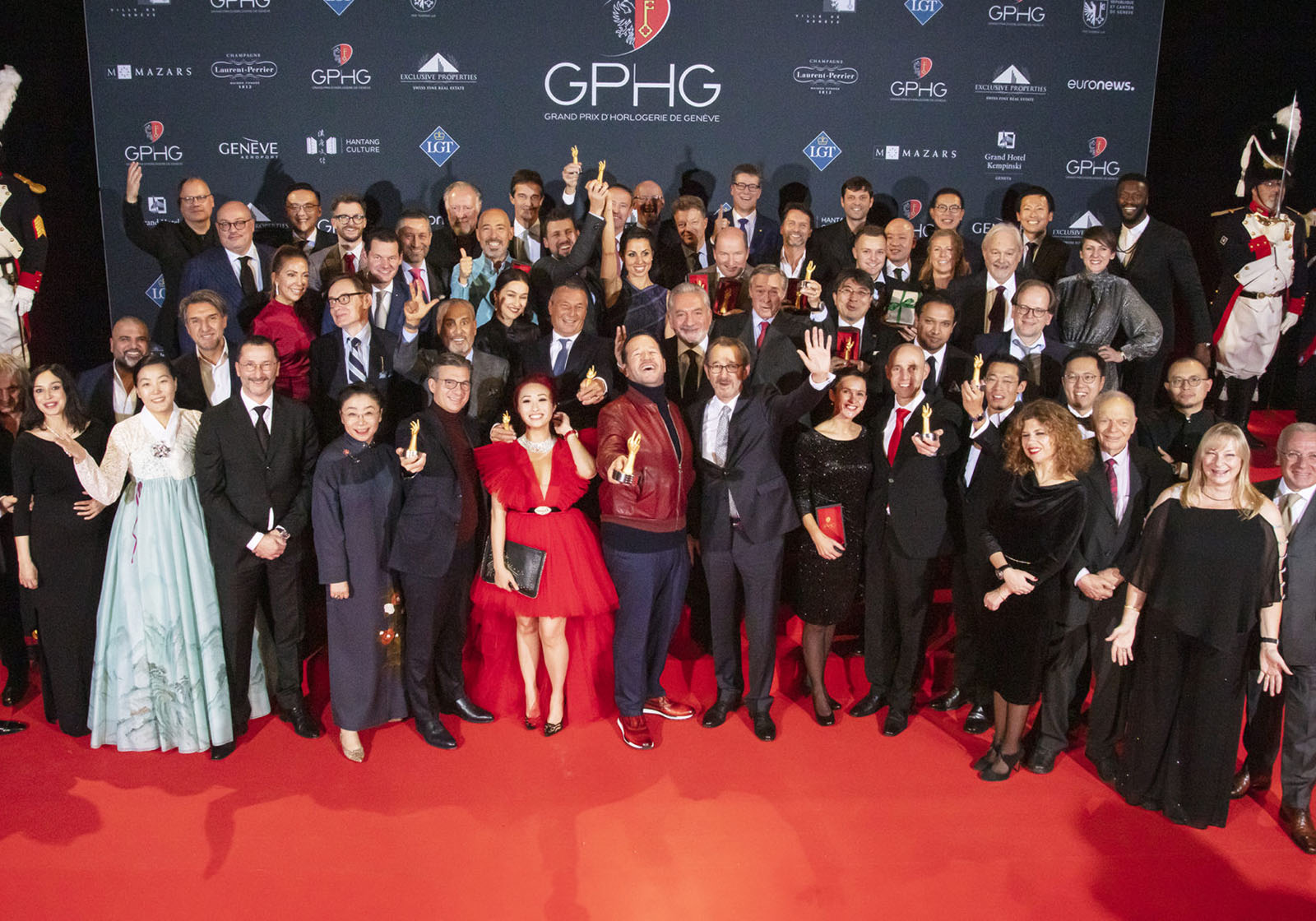
As the Grand Prix d’Horlogerie de Genève (GPHG) is gearing up for its 20th anniversary next year – and a week after the 2019 winners were announced – the foundation that administers the industry awards has announced the Academy. This adds an additional layer of nominations and votes to the awards to better encompass a wider swathe of the watch business. Slated to be several hundred strong – 300 was the number mooted – the Academy will be composed of individuals from across the watch industry, from brands to the media to retailers. The large size of the Academy and its diversity is to ensure the GPHG awards represent the industry’s views as much as possible. The GPHG trophy takes the form of a gilded hand The Academy will be able to nominate watches for the awards – in past years only brands could propose their own watches – as well as vote in the earlier shortlisting process. The final vote and physical evaluation of the shortlisted candidates will then be undertaken by a 30-member jury meeting in Geneva, which is similar to the voting process today. The first members of the Academy will be announced in early 2020. Subsequently, new members can join the Academy when nominated by existing members.
 Revolution
Ball Watch Company releases a tough dive chronometer to mark the 15th anniversary of its Engineer Hydrocarbon collection.
Question, suggestion, or just want to say hi? Drop a note.