Insight: The Overcoil Hairspring, From Breguet to Phillips
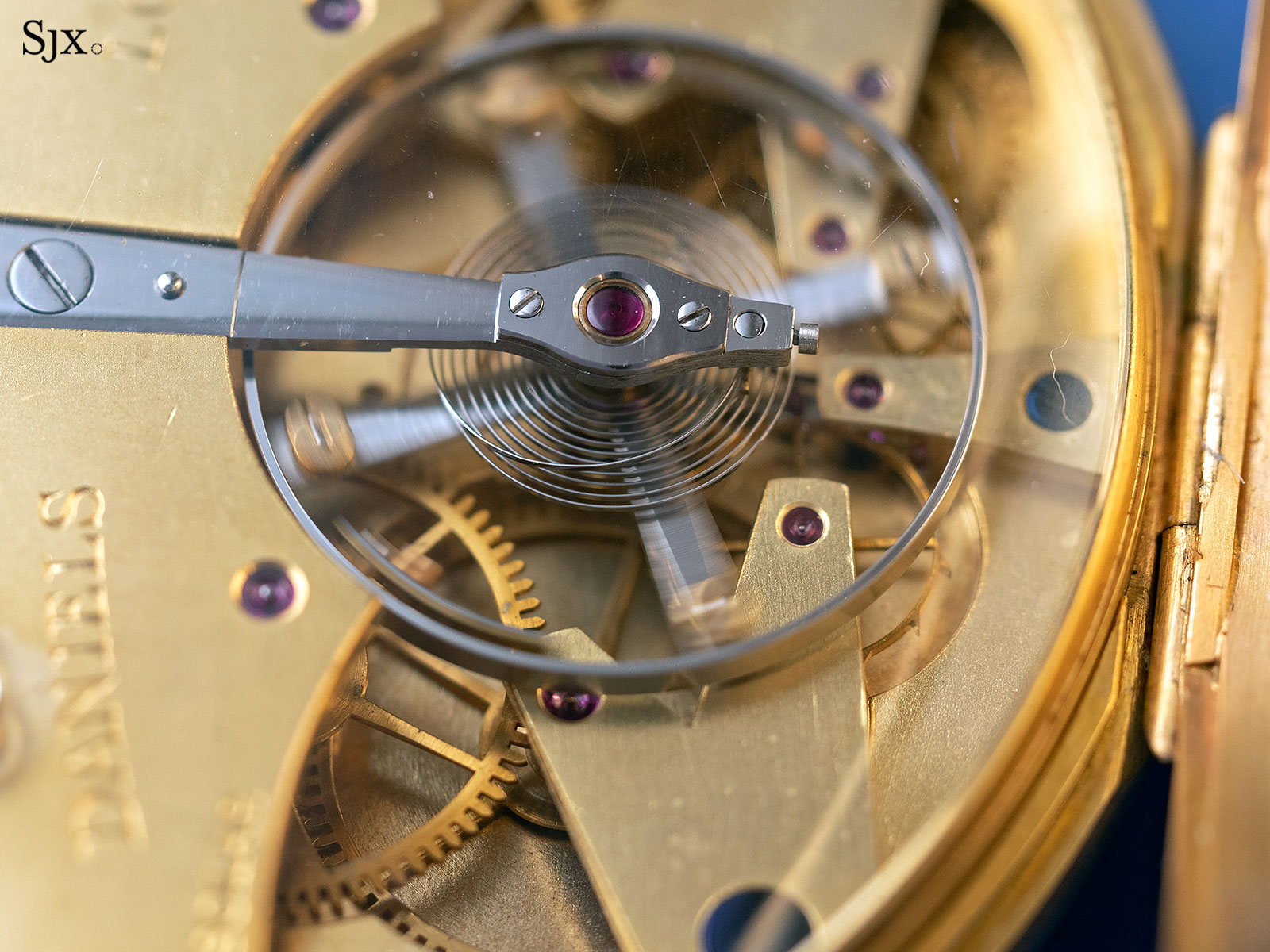
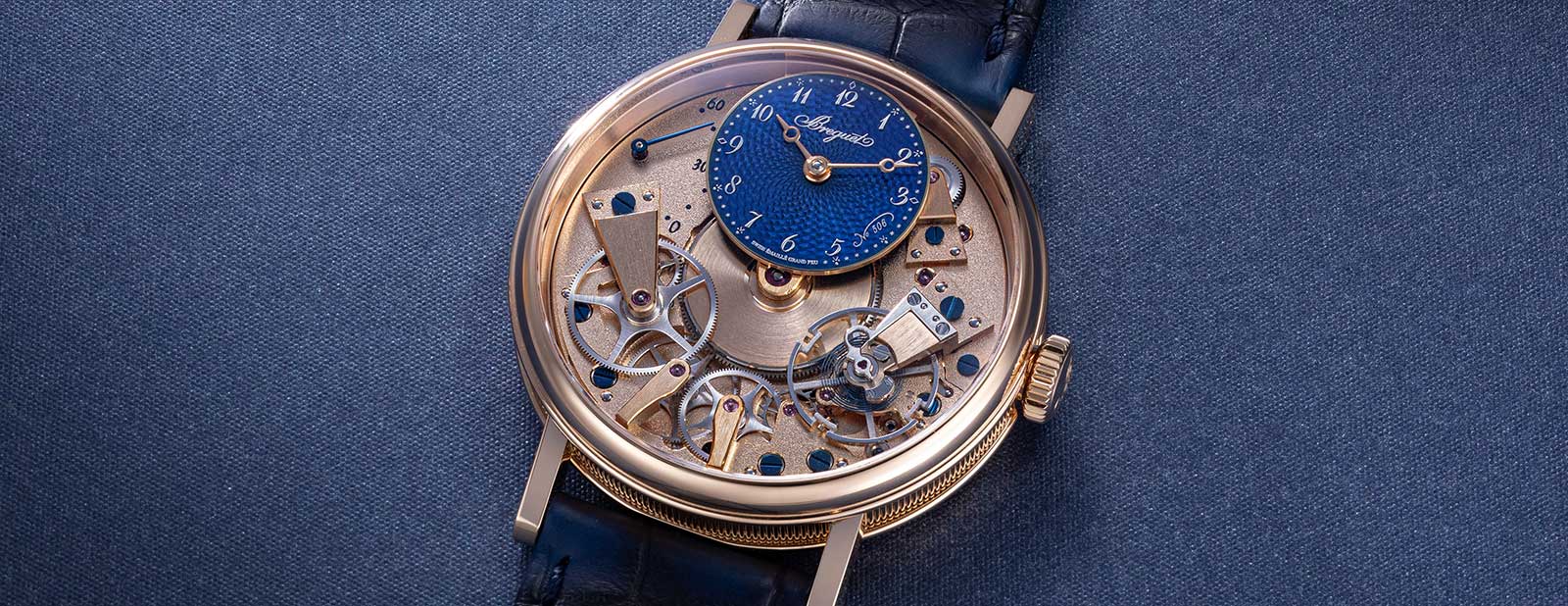
While the invention of the spiral hairspring by Christiaan Huygens in 1675 kickstarted a revolution in terms of portable precision timekeeping, the concept was far from fully developed. It was arguably only with the later invention of the overcoil hairspring that the ideal oscillator in portable watches emerged. For many years horologists - theoreticians and artisans alike - worked to perfect the balance-hairspring assembly to optimise its performance, notably in terms of isochronism. True isochronism became a sort of holy grail for watchmakers all around the world, who all sought to ameliorate the inherent quirks of the sprung oscillator. The recent Breguet Soucription features an overcoil hairspring of non-magnetic Nivachron alloy The need for end curves The quest for isochronism was a true challenge for horologists. Isochronism is the ability of the balance-hairspring assembly the have the same period of oscillation for small and large amplitudes alike. In other words, the balance oscillation takes the same period of time regardless of the degree travelled. This is very important, since a balance usually swings with high amplitude with a fully wound mainspring and then runs at progressively smaller amplitude as the barrel unwinds. As a timepiece is required to keep good time regardless of its winding state, an oscillator whose period is independent from its amplitude is needed. (Another solution to this is to optimise the energy delivery from the mainspring with a...
 Monochrome