Hands-On: IWC Big Pilot’s Watch 43 Spitfire in Titanium
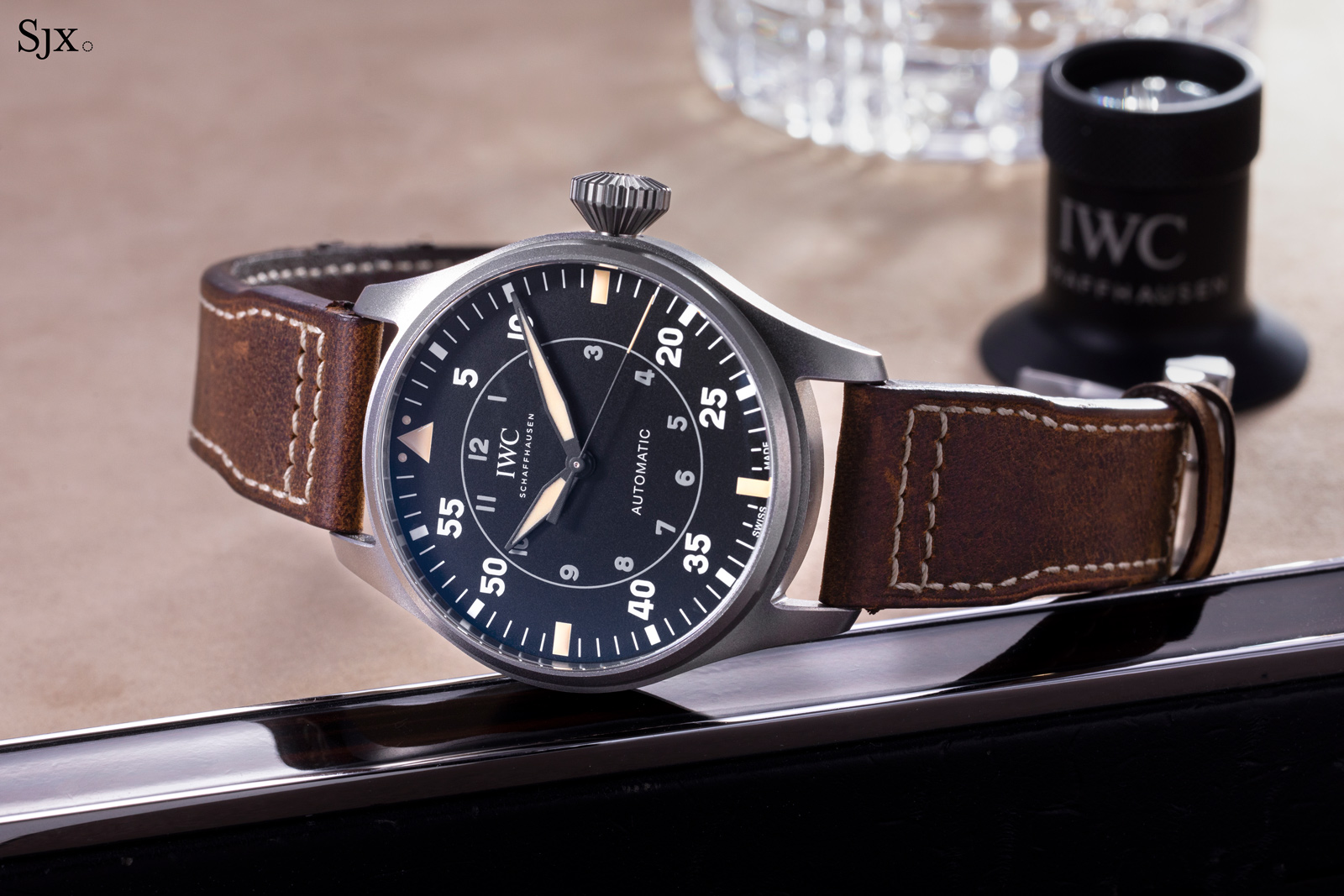
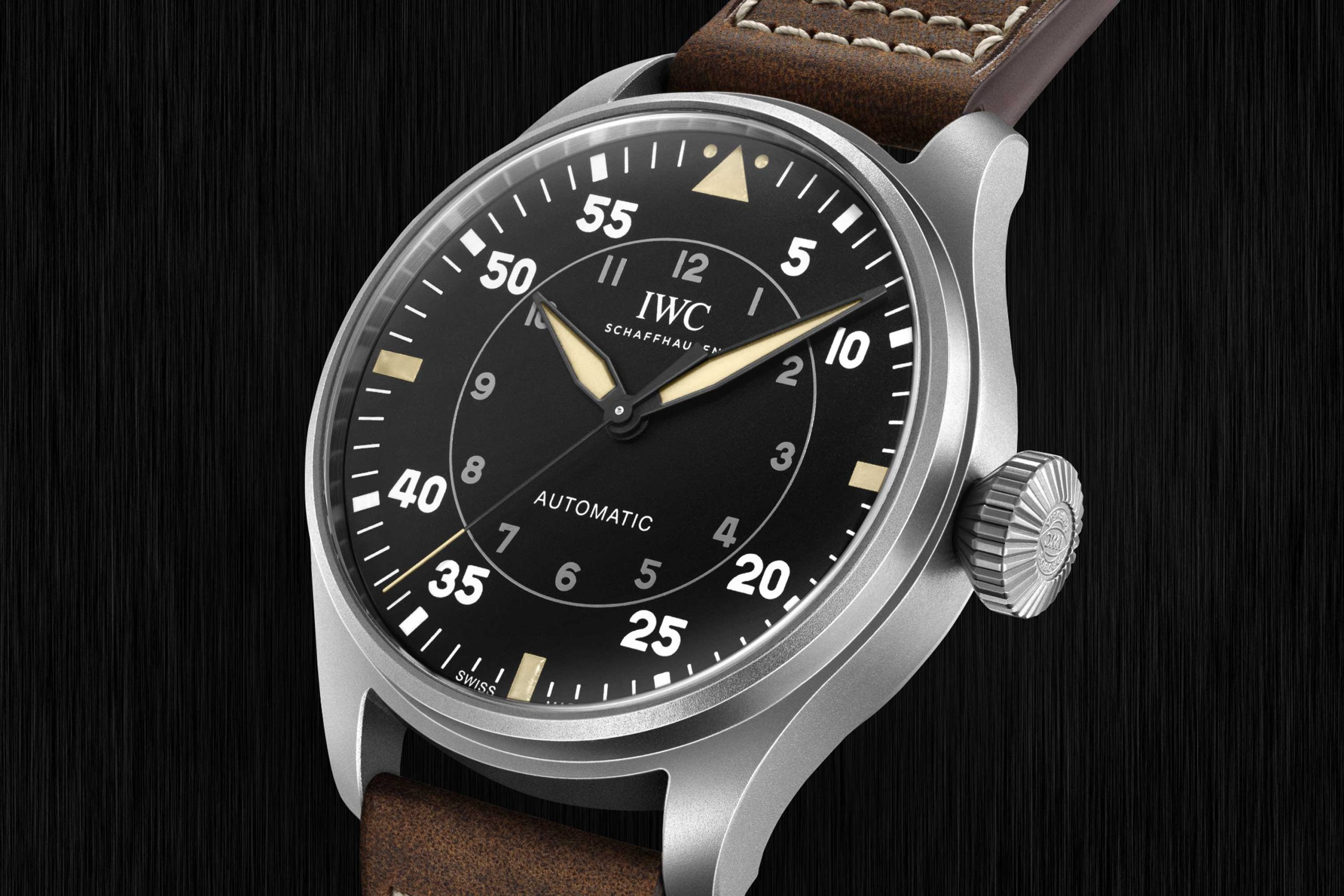
Just last year, IWC debuted its smallest Big Pilot’s Watch to date. Smaller, but not small, the latest Big Pilot is 43 mm, leaving it very much large and legible, but more wearable. The brand quickly followed up with the Big Pilot’s Watch 43 Spitfire, which shares the same proportions but in new styles and materials. Two variants are available: titanium or bronze, but the standout is definitely the model in the lightweight metal. Initial thoughts The original Big Pilot’s Watch 43 is intrinsically appealing, being large enough to be an oversized aviator’s instrument, but small enough to sit relatively comfortable on wrist. That contrasts with the original Big Pilot, which is 46.5 mm in diameter. With the original version selling well, the addition of the Spitfire editions is natural. The aesthetic of Spitfire editions is clearly different from the that of the standard model in steel, which is good news for enthusiasts who want something more interesting. History fanatics, however, might frown at the dial design. Of the two Spitfire versions, the one in titanium stands out for its unusual, historically-inspired dial (though it’s not exactly historically accurate since IWC didn’t produce a B-uhr with such a dial; more on that below). And it also has an atypical case finish that mimics a worn, vintage case. On the other hand, the bronze version is identical to the steel model save for the bronze case and green dial – in fact it sticks to the same formula applied...
 Time+Tide