 Time+Tide
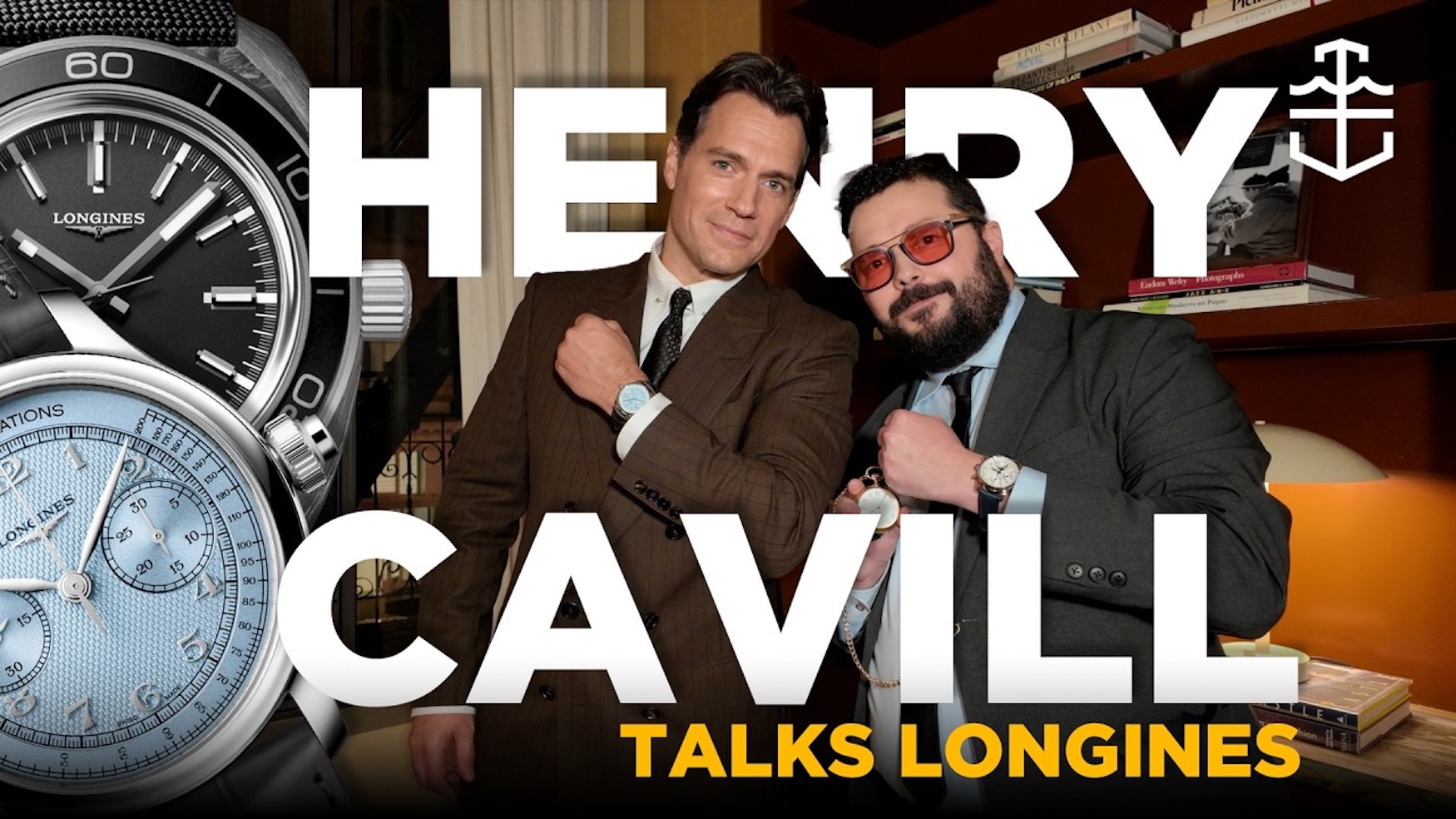
Henry Cavill on Longines, his ultimate 3-watch collection, and clean versus busy dials
Henry Cavill tells us his favourite Longines watches, his philosophy on wearing watches, clean versus busy dials, and more.
22,390 articles · 212 videos found · page 19 of 754
Time+Tide
Henry Cavill tells us his favourite Longines watches, his philosophy on wearing watches, clean versus busy dials, and more.
 WristBuzz
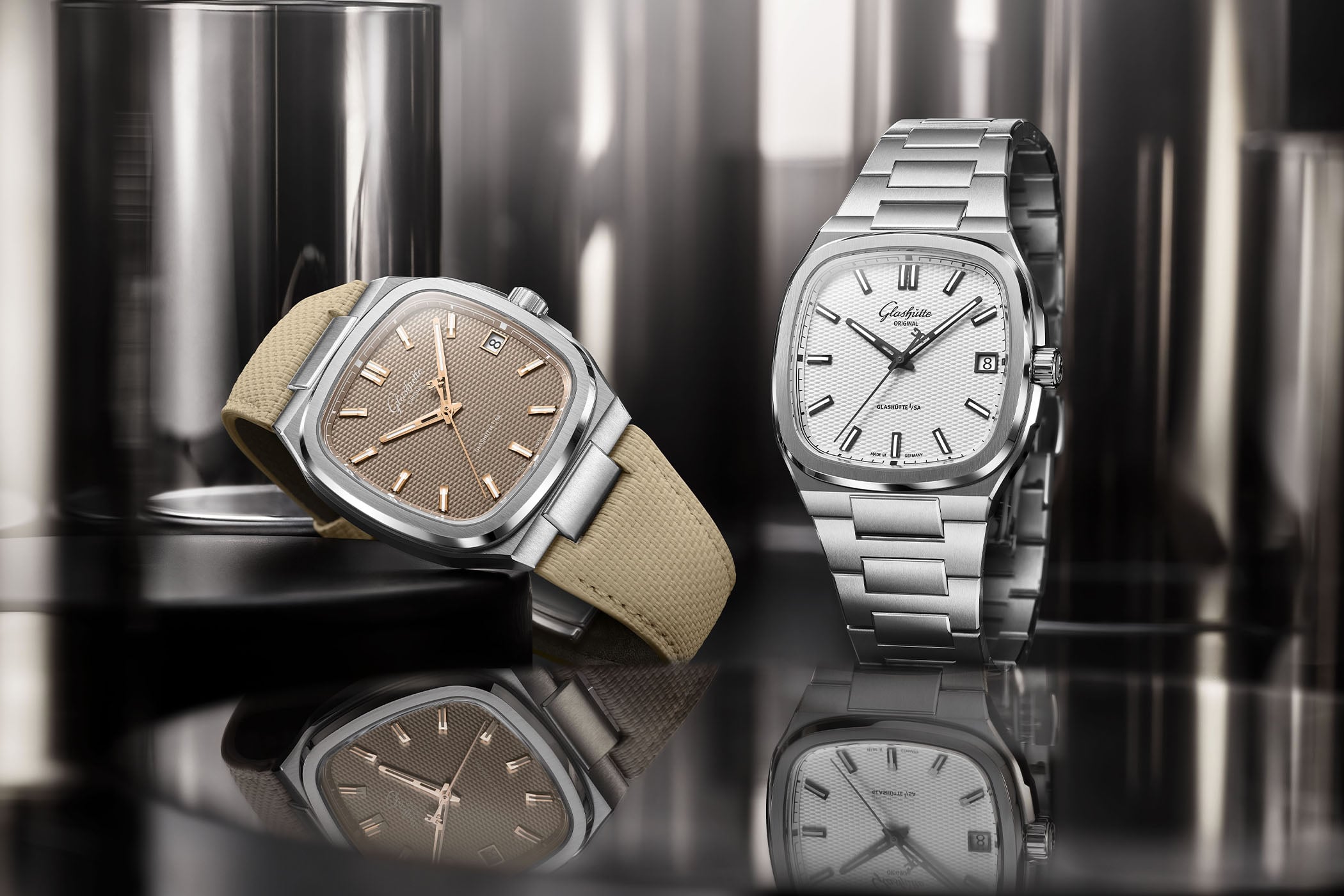
The new 70s Collection strips away the chronograph and doubles down on what made the original era great
 WristBuzz
Benrus isn't just reissuing old hits this time. The Type 3X is something genuinely new, and it has some serious input behind it.
 Hodinkee
If you've never collected Rolex Bubblebacks before, you should probably forget nearly everything you know about vintage watches. At least, that's what it feels like you should do when you start wading into the space. Things like reference numbers are much less valuable to remember than movements, case designs, printing details, and a general ability to just remember everything you've seen to get a sense of feel for what is right and what isn't. And trust me, a lot isn't. You could spend decades looking at these watches, but "Bubble Back" by Masahiro Endo, the owner of vintage retailer Private Eyes in Tokyo, is a great reference to jump-start your understanding of an iconic (and currently underappreciated) model. I mentioned this in last week's review of John Nagayama's "96," but the only watch I'd be more afraid to deep-dive into than the Patek ref. 96 is the Rolex "Bubbleback." It's not even an official model, but a nickname for Rolex watches made from 1933 to the mid-1950s with a domed, "bubble-like" caseback. So when you open Endo-san's book, you'll probably immediately be struck by the fact that none of the examples (except the later ref. 6062 and ref. 8171) have reference numbers. According to collectors, that's not the most useful thing for understanding the Bubbleback. Basically, every other detail matters more. We've previously published a story about the bubbleback with a lot of thoughts and tips for understanding these models, courtesy of Ken Jacobs and Justin Gr...
 WristBuzz
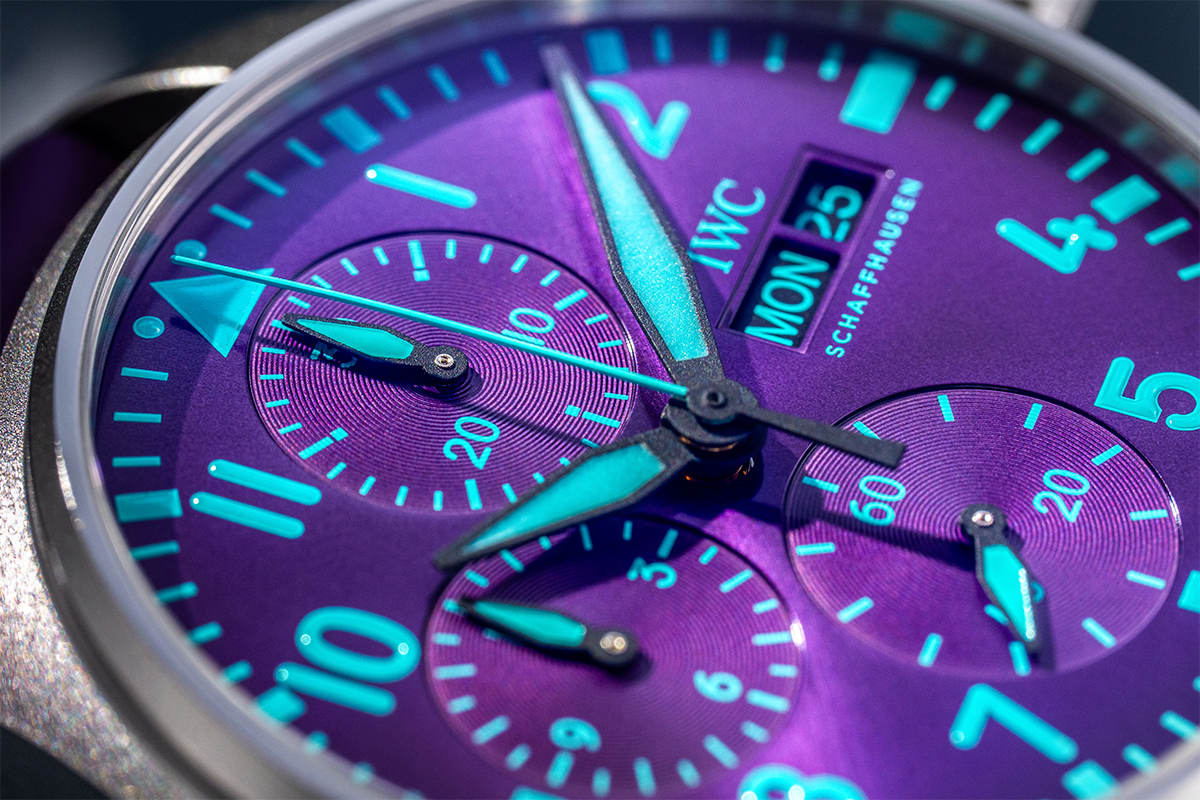
IWC drops a bold purple-dialed Pilot chronograph timed to the Singapore Grand Prix, and it's one of the more striking F1 collabs we've seen from Schaffhausen in a while.
 Video
Hands on with Nomos Club Campus 36mm and 38mm
 WatchAdvice
I take IWC’s latest Le Petit Prince chronographs for a hands-on review to discover how two materials completely transform the same design. What We Love Eye-catching white ceramic case and deep-blue dial contrast Ceramic model is lightweight and comfortable to wear, despite its substantial dimensions Two distinct personalities across ceramic and steel What We Don’t Full white ceramic edition lacks everyday versatility Both models are still relatively thick on the wrist 46 hour power reserve is modest by modern watchmaking standards. Overall Rating: 8.6 / 10 Value For Money: 8.7/10 Design: 8.5/10 Wearability: 8.7/10 Build Quality: 8.5/10 To mark 20 years of its collaboration with the heirs of Antoine de Saint-Exupéry, IWC expands its Le Petit Prince lineup with new Pilot’s Watch Chronograph editions in stainless steel and white ceramic. This was one of IWC’s main themes for Watches & Wonders 2026, with a wide range of models carrying the signature Le Petit Prince design. There are few collections as closely connected to IWC’s modern identity as the Pilot’s Watch, which carries a design inspired by the functional appearance of cockpit instrumentation. The Pilot’s Watch Chronograph then combines this aviation-inspired design with one of IWC’s best-known mechanical strengths in watchmaking: chronographs. IWC Schaffhausen’s connection to the story of Le Petit Prince began in 2006, when the Swiss watchmaker started collaborating with the descendants of Fren...
 Two Broke Watch Snobs
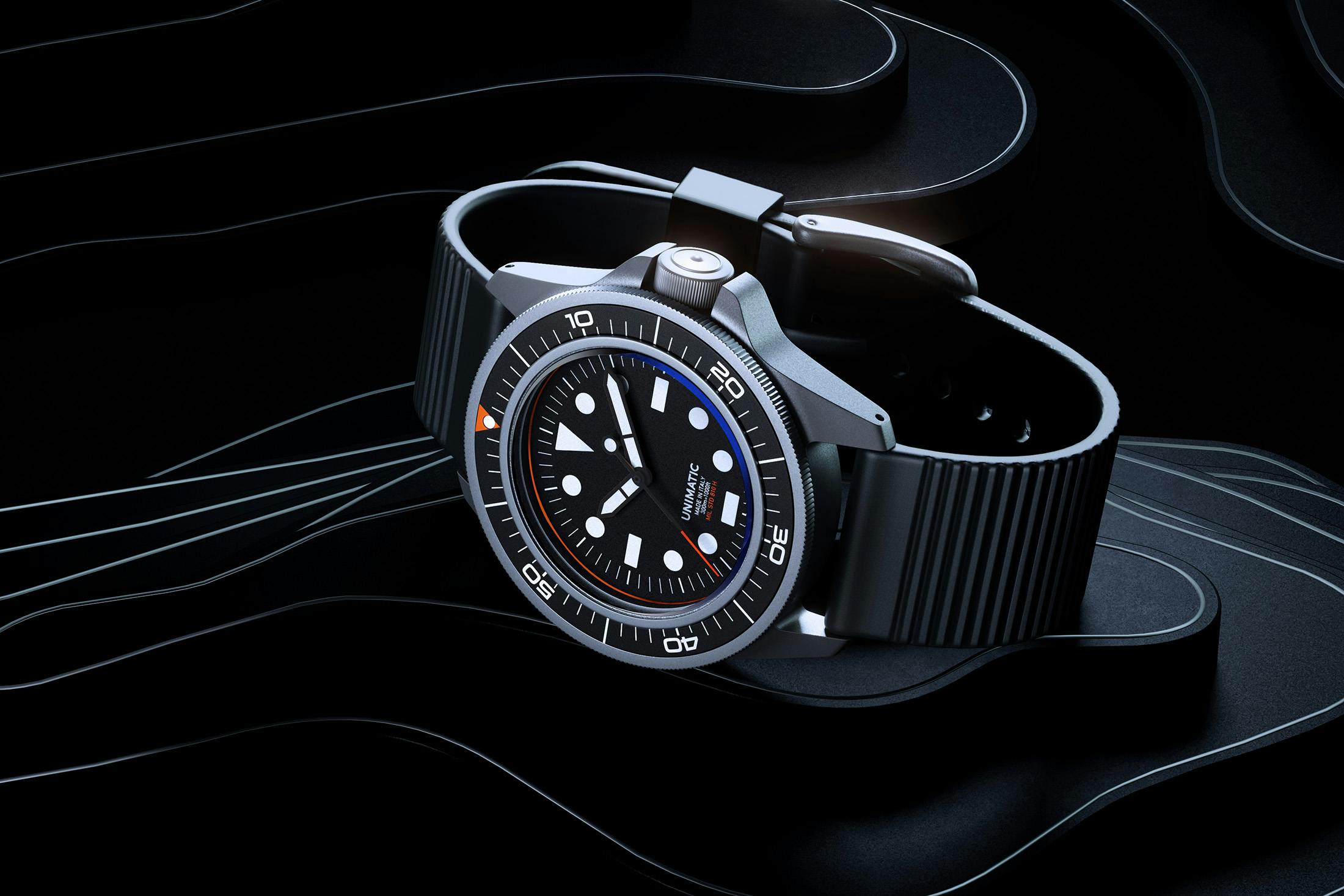
The Unimatic Modello Uno UT1-PD brings a 300m rating, MIL-STD-810H durability, and a shock-housed Seiko VH31 movement to a 250-piece run.
 WristBuzz
40.5mm integrated steel case, H-link bracelet, exposed bolts, blue textured dial. Timex has picked three of the loudest Genta-era design tells and put them all on one €209 quartz. Here is whether it works.
 Two Broke Watch Snobs
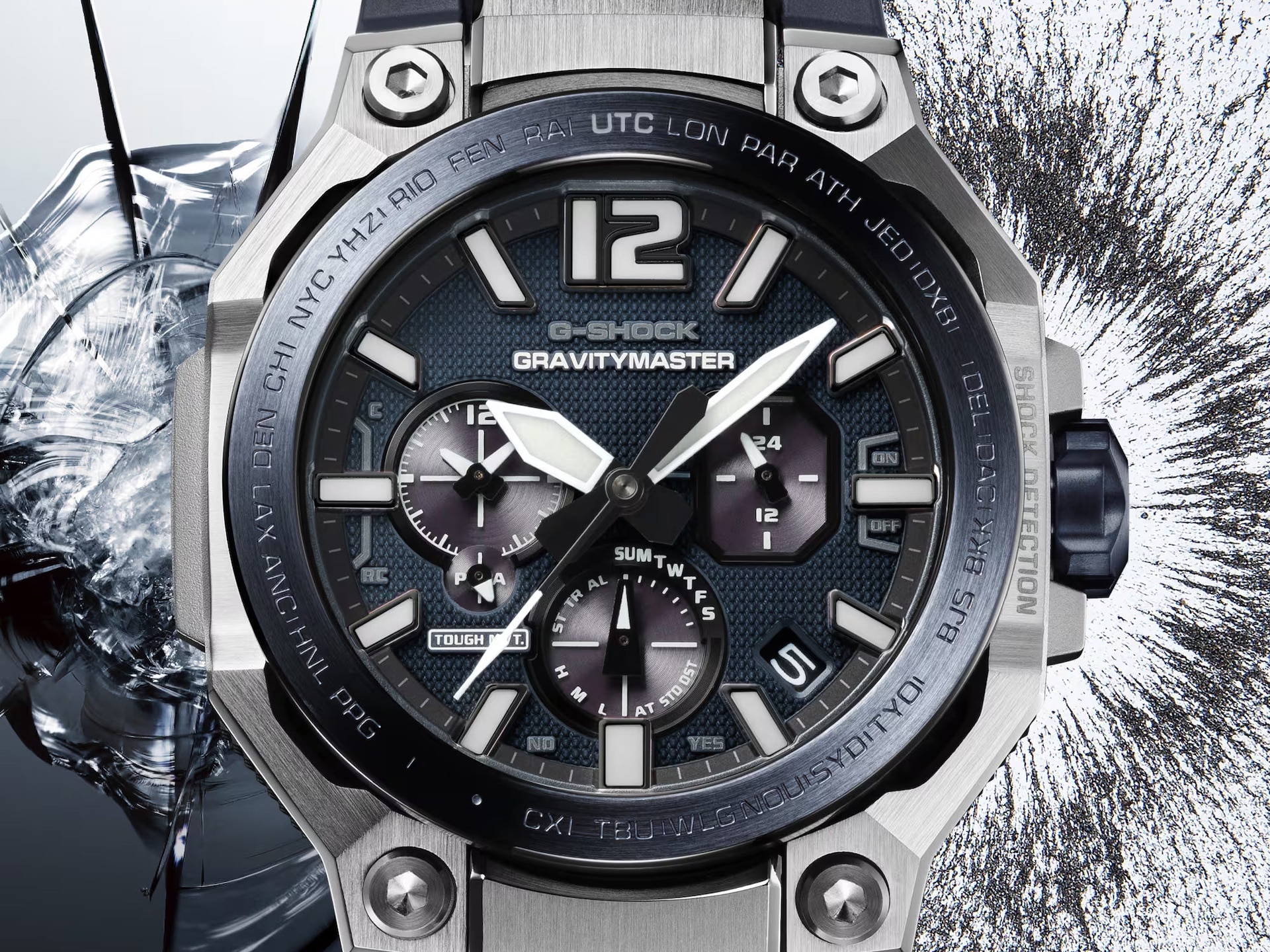
The Casio G-Shock GRAVITYMASTER GWR-B3000 adds shock detection that re-aligns its hands after impacts. A look at the new Tough Movement, specs, and pricing.
 Hodinkee
Just last week, we published a Reference Points video on the Patek Philippe split-seconds wristwatch. The complication itself—a.k.a. the rattrapante—is incredibly important in the brand's history, forming the backbone for some of its greatest and most coveted watches of all time. However, you can't talk about the history of the split without understanding Patek's pocket watches. It's a story that eventually led to one of the brand's most meaningful relationships with a supplier that helped it grow into a powerhouse, a relationship that would last over a century. Instead of going deep in the weeds on pocket watches in our main Reference Points, we're spinning it off into this secondary article—an addendum of sorts—for those who want a bit more background. The story won't be exhaustive; Patek continued to make split-second pocket watches long after they began making the same complication in wristwatch form, and some such watches deserve (and have had) their own standalone stories. There are also many different versions because Patek, at the time, didn't make things in batches the way they would starting in the 1930s. You could probably write 20,000 words on these pocket watches, but rather than go that deep, here's an overview of Patek's split-seconds pocket watches, with a focus on Victorin Piguet's movements. Understanding Patek's History of Split-Seconds Pocket Watches (1878 to 1970s) and the Importance of Victorin Piguet If you read the first part of our story, y...
 Video
Huge thanks to Subdial for loaning both the black and silver dial IWC Ingenieur, check the best pre-owned watches here:
 WristBuzz
No crown, no hands, an oil-filled dial and a founder from industrial design. Ressence started in Antwerp in 2010 and just released its first fully in-house calibre. here is the whole story.
 Two Broke Watch Snobs
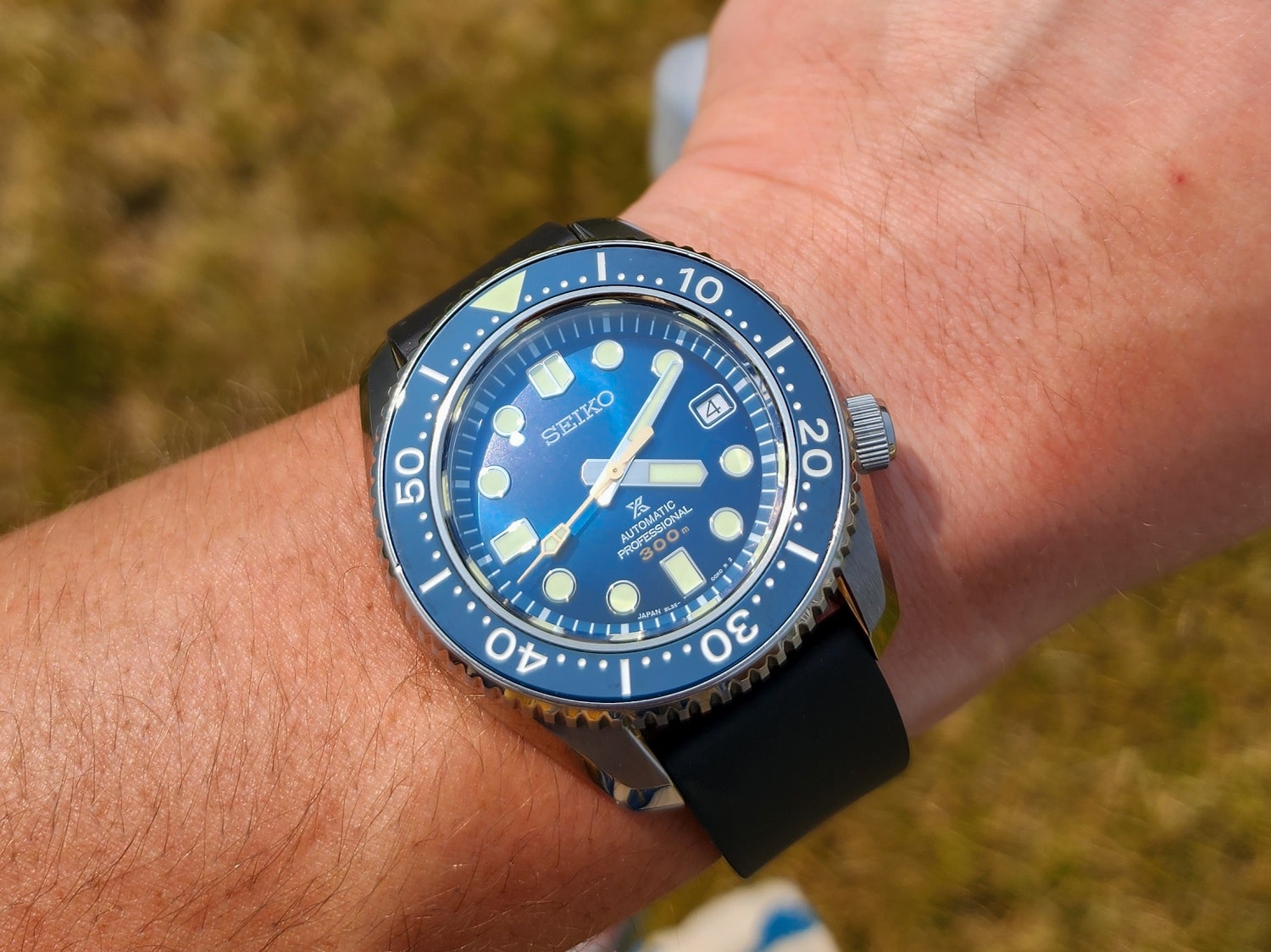
From affordable everyday divers to serious tool watches, these are the Seiko models that stood out most during a decade of hands-on reviews.
 WristBuzz
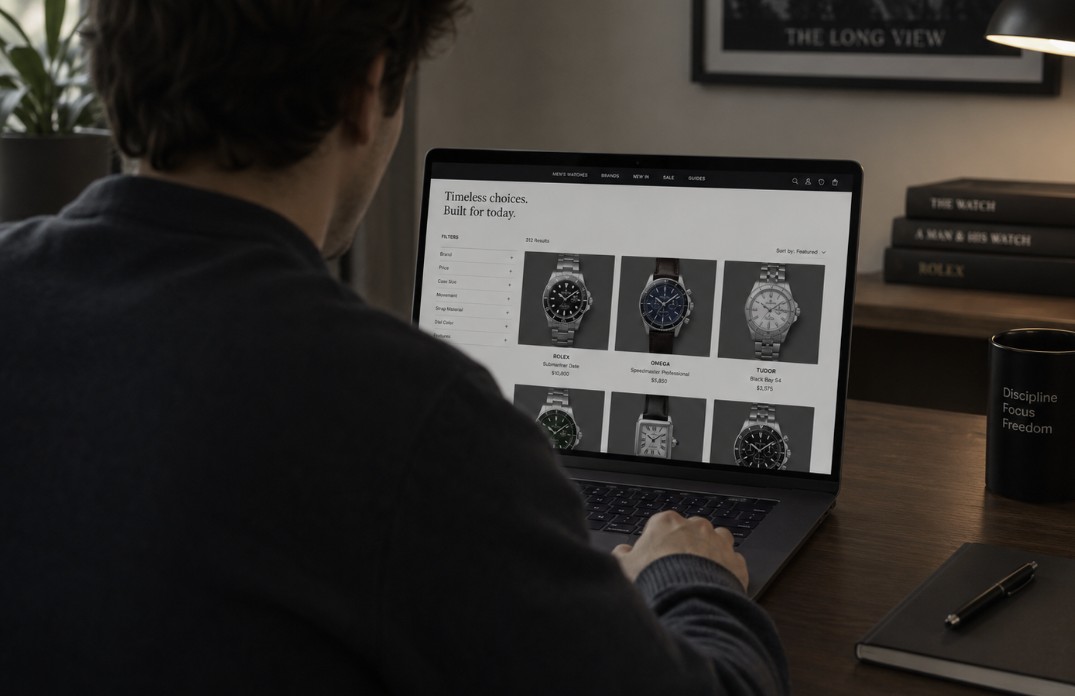
The three-week search, the forum deep-dive, the caliber compare tabs, the fantasy of it on your wrist. then the parcel arrives, and by Friday it is just a thing in a box. a confession, a little neuroscience, and a topic for the office drinks.
 WristBuzz
It is July, my wrist has grown two millimetres since Tuesday, and my clasp is not ready. a serious question, delivered with love: why is on-the-fly micro-adjust still a Rolex + tudor + Omega perk instead of an industry standard?
 WristBuzz
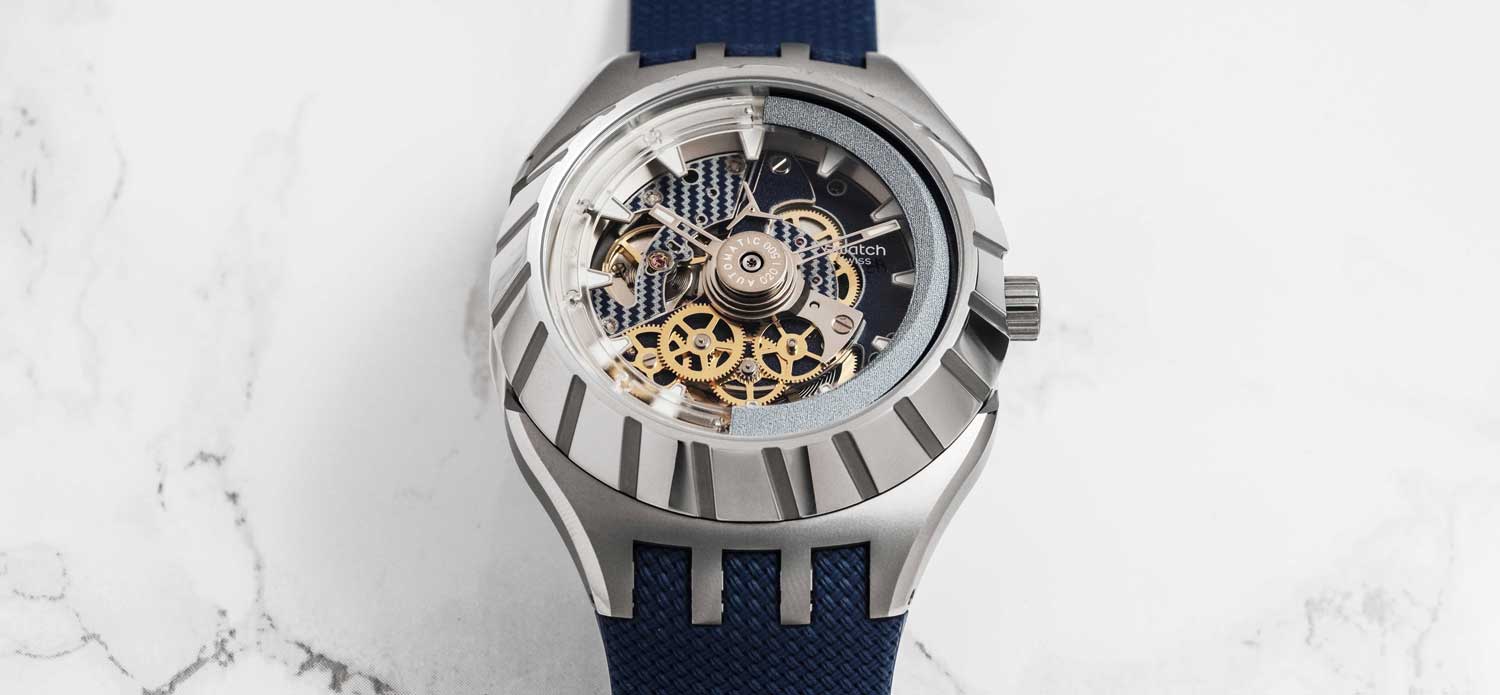
From Nivachron to besançon, from ISO 6425 to the quartz crisis. a working glossary built for people who read spec sheets for fun and want the concrete answer, not the marketing line.
 Video
On this channel, we review watches that are available for purchase on TeddyBaldassarre.com
 Two Broke Watch Snobs
Topper and Doxa unveil the SUB T.Graph II 'Great White,' a 100-piece limited edition with a fully lumed no-date dial, navy lacquer accents, and a shark caseback.
 Teddy Baldassarre
Follow along with this guide for specs on the best Tissot watches, as determined by our audience.
 Two Broke Watch Snobs
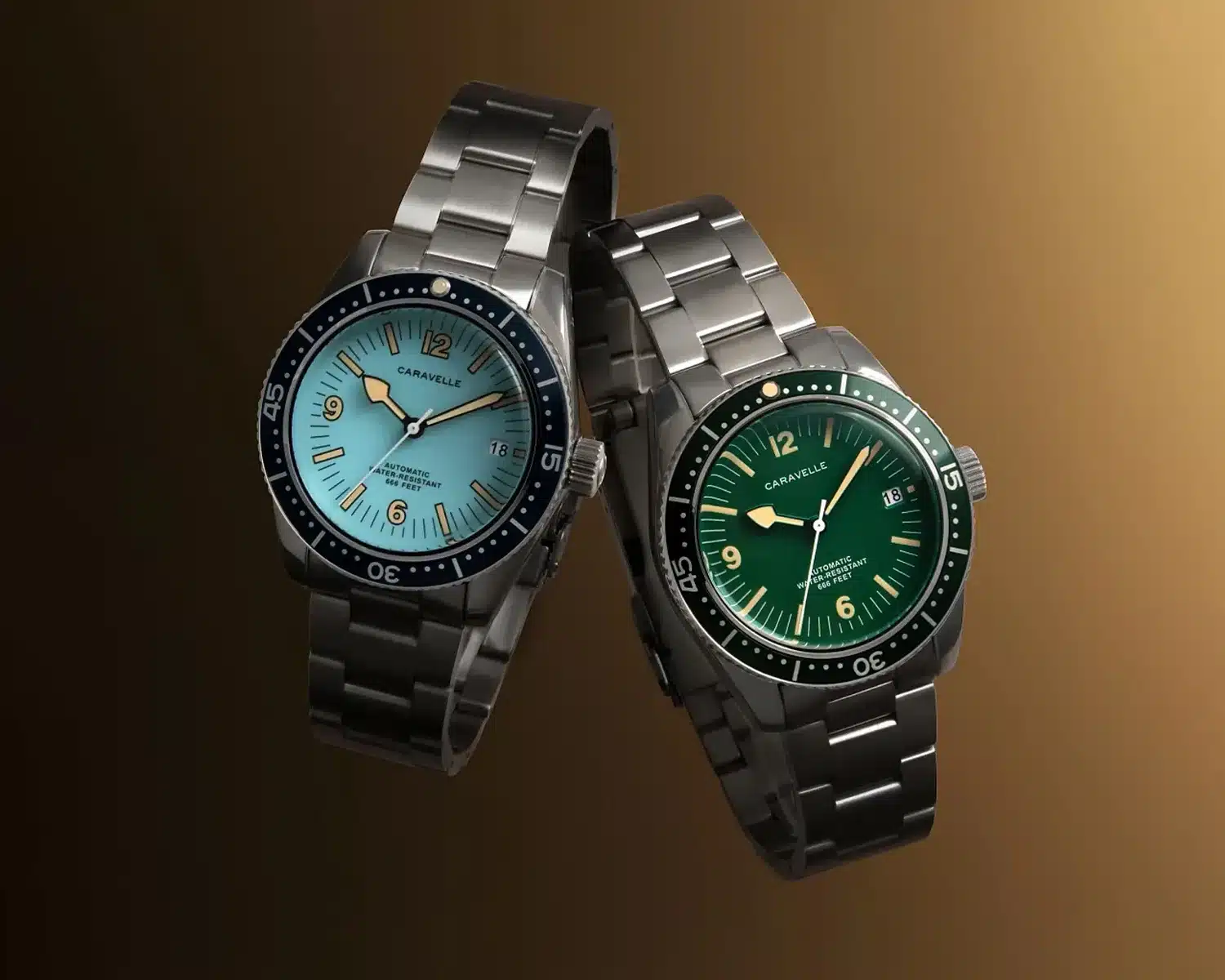
Bulova doubles the Caravelle Sea Hunter lineup with four new dial colors for 2026, starting at $375. Here's what changed and what stayed the same.
 WristBuzz
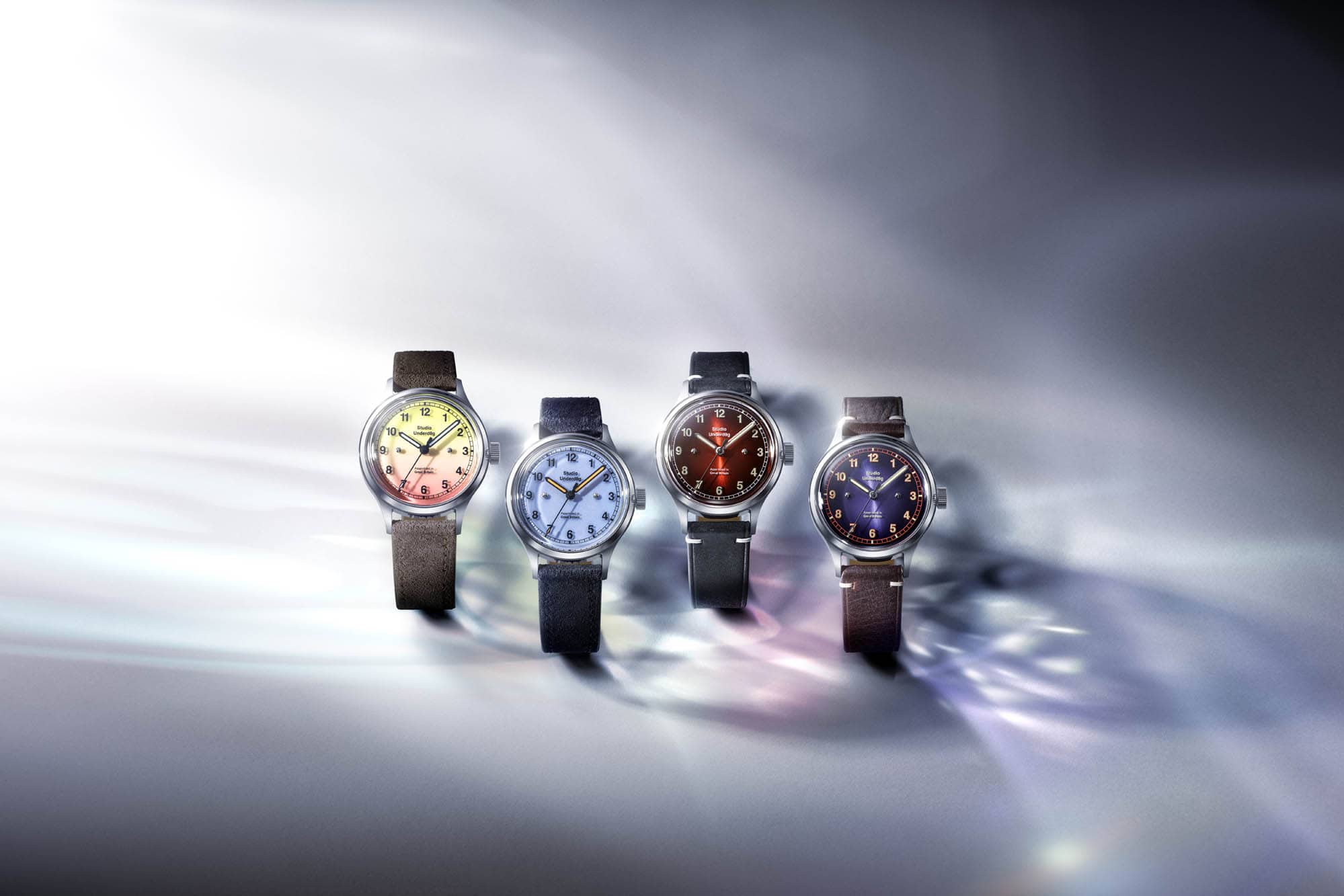
More colors, a reshaped case, and a movement upgrade, the 02Series Gen 2 fixes almost everything the original left on the table
 Two Broke Watch Snobs
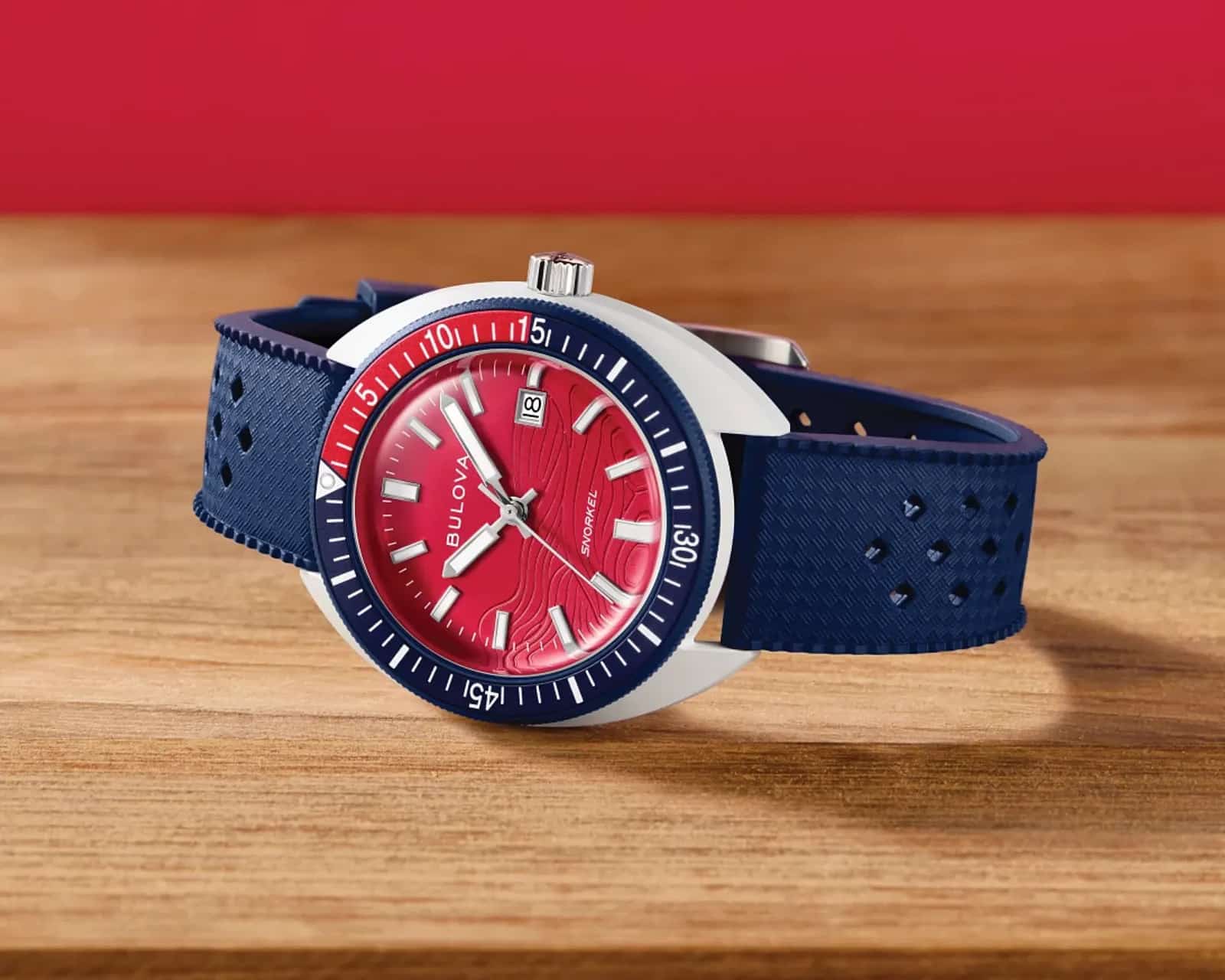
The Bulova Sail4th Snorkel pairs a patriotic design with the Snorkel's hybrid ceramic case for the Sail4th 250 tall ships event.
 Video
 Two Broke Watch Snobs
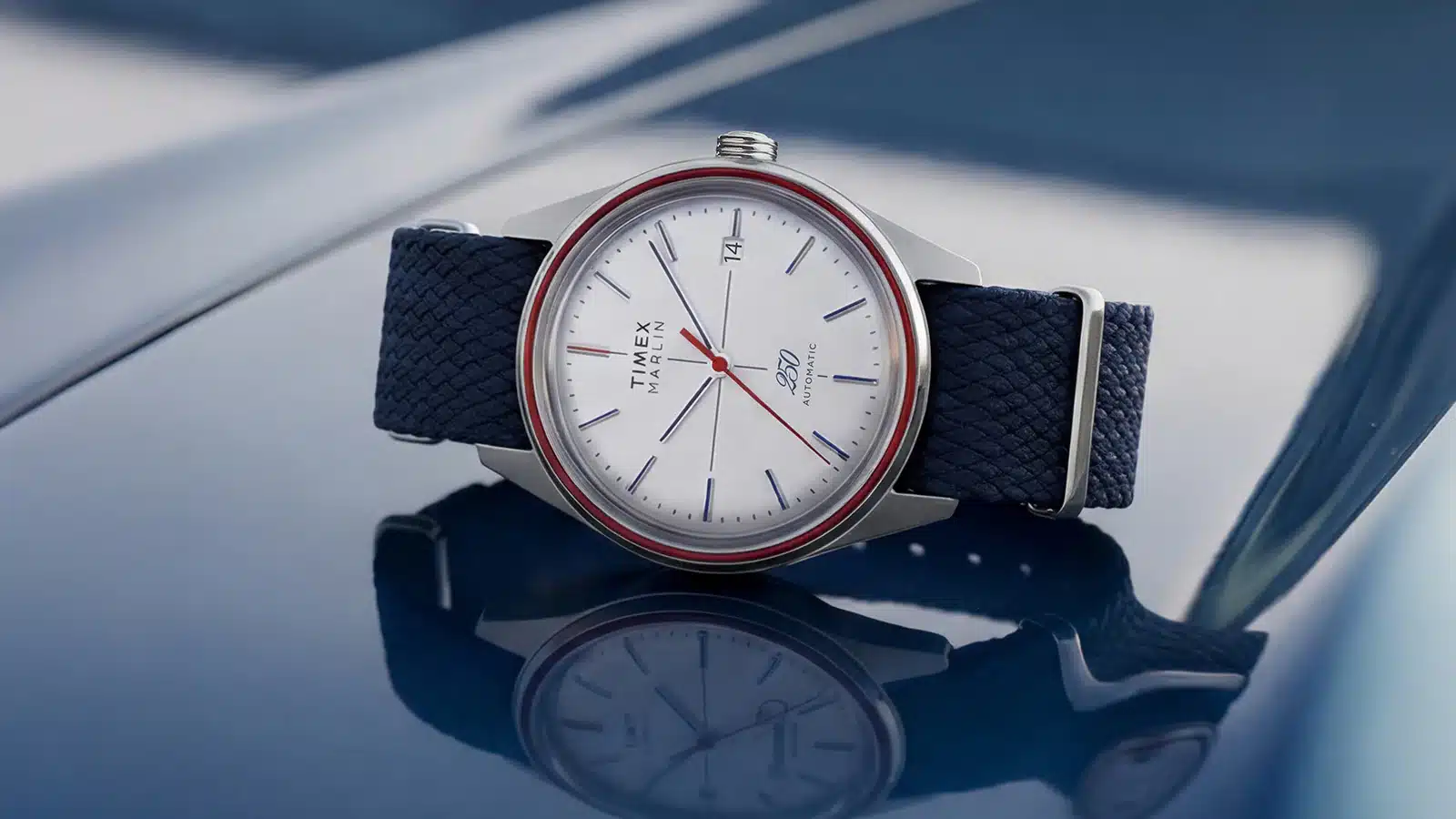
The Timex Marlin Jet Automatic America 250 is a 38mm limited edition of 500 pieces, with red-white-blue styling, a domed crystal, and an exhibition caseback.
 Monochrome
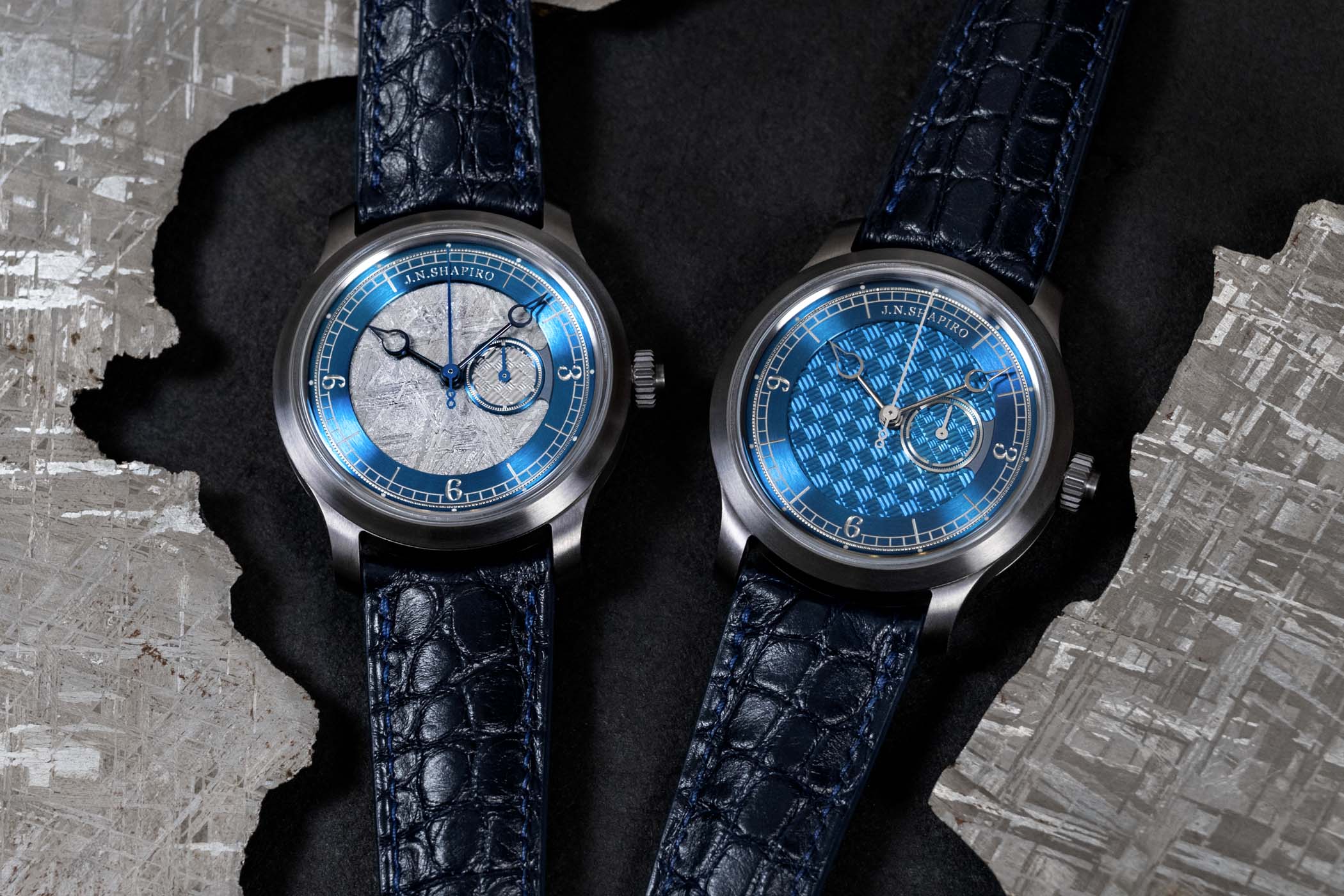
In just a few years, J.N. Shapiro, initially a niche American independent focused on exceptional guilloché dials, has become one of the most ambitious names in contemporary American watchmaking. Founder Josh Shapiro’s Resurgence project demonstrated that high-end mechanical horology can once again be produced in the United States, and the Infinity Series has allowed him […]
 WristBuzz
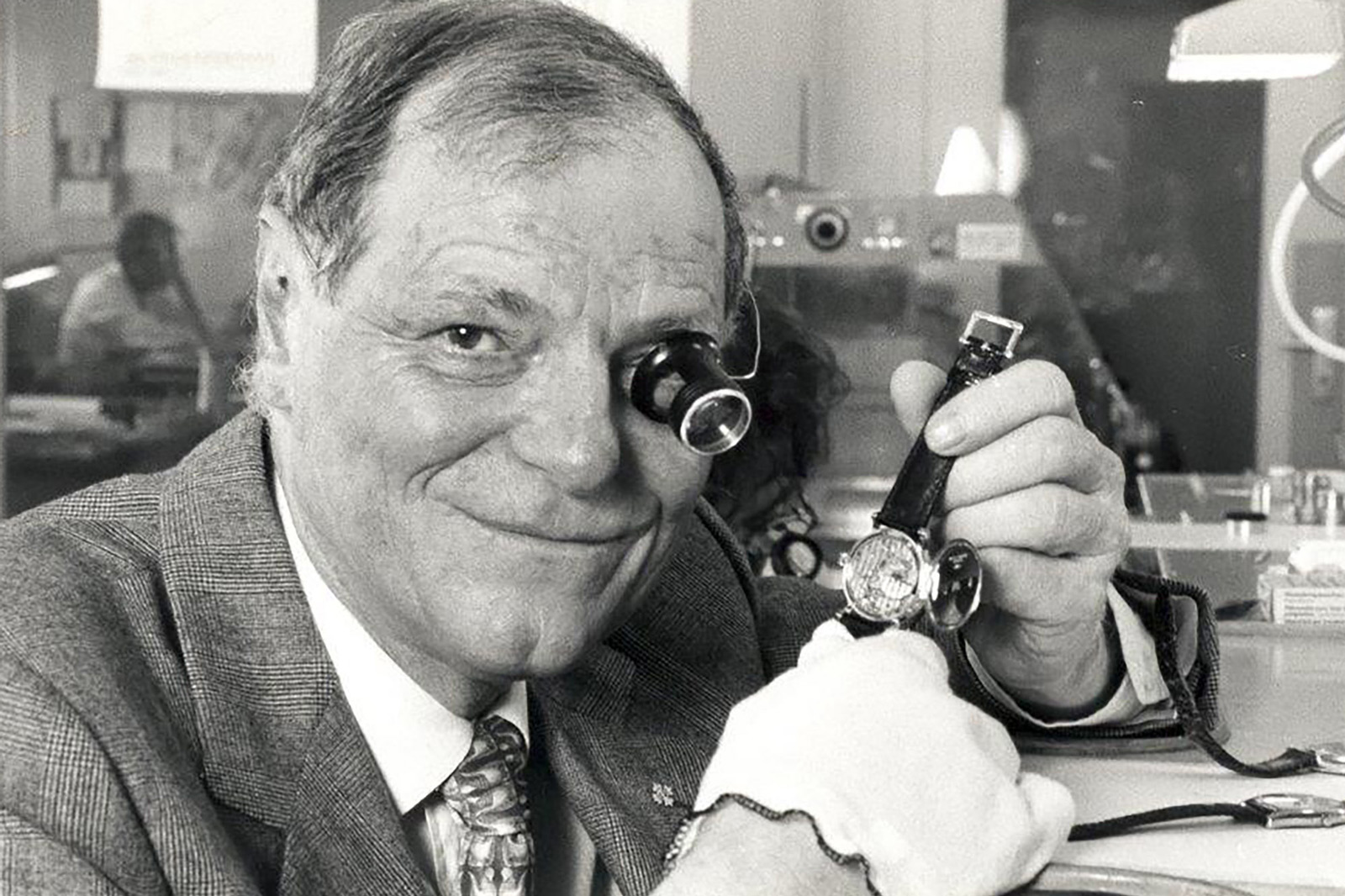
The honorary president who kept the family independent, survived the quartz crisis, and built a generational legacy
 WristBuzz
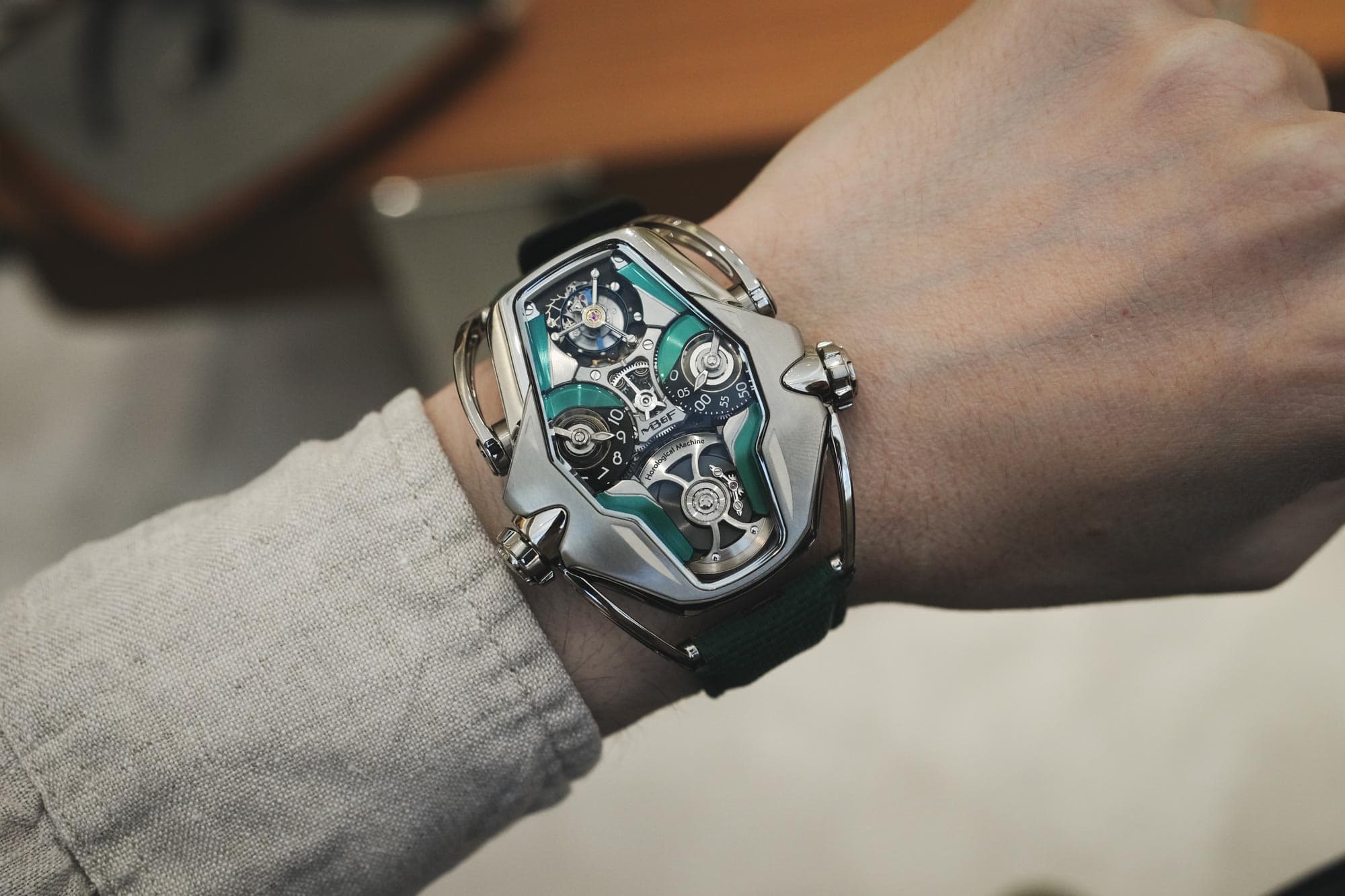
MB&F;'s twelfth Horological Machine is a flying-tourbillon wristwatch that docks inside a 15 kg, nearly 400 mm tall transforming robot companion, and only 36 will ever exist
 WristBuzz
Geneva's family-run value brand finally enters the sporty-chic bracket, and it's worth paying attention to
 Video
The New Oceanstar from Mido is making a good case as the best $1000 diver, but it has a Willard to go through.
Question, suggestion, or just want to say hi? Drop a note.