 Revolution
Results for Pellaton Winding
256 articles · 1 video found · page 2 of 9
Revolution
 Hodinkee
Introducing: Richard Mille's Manual Winding Tourbillon 17-02 Goes Titanium
A case swap from ceramic to titanium gives the new release a more classic "throwback" Richard Mille vibe.
 Monochrome
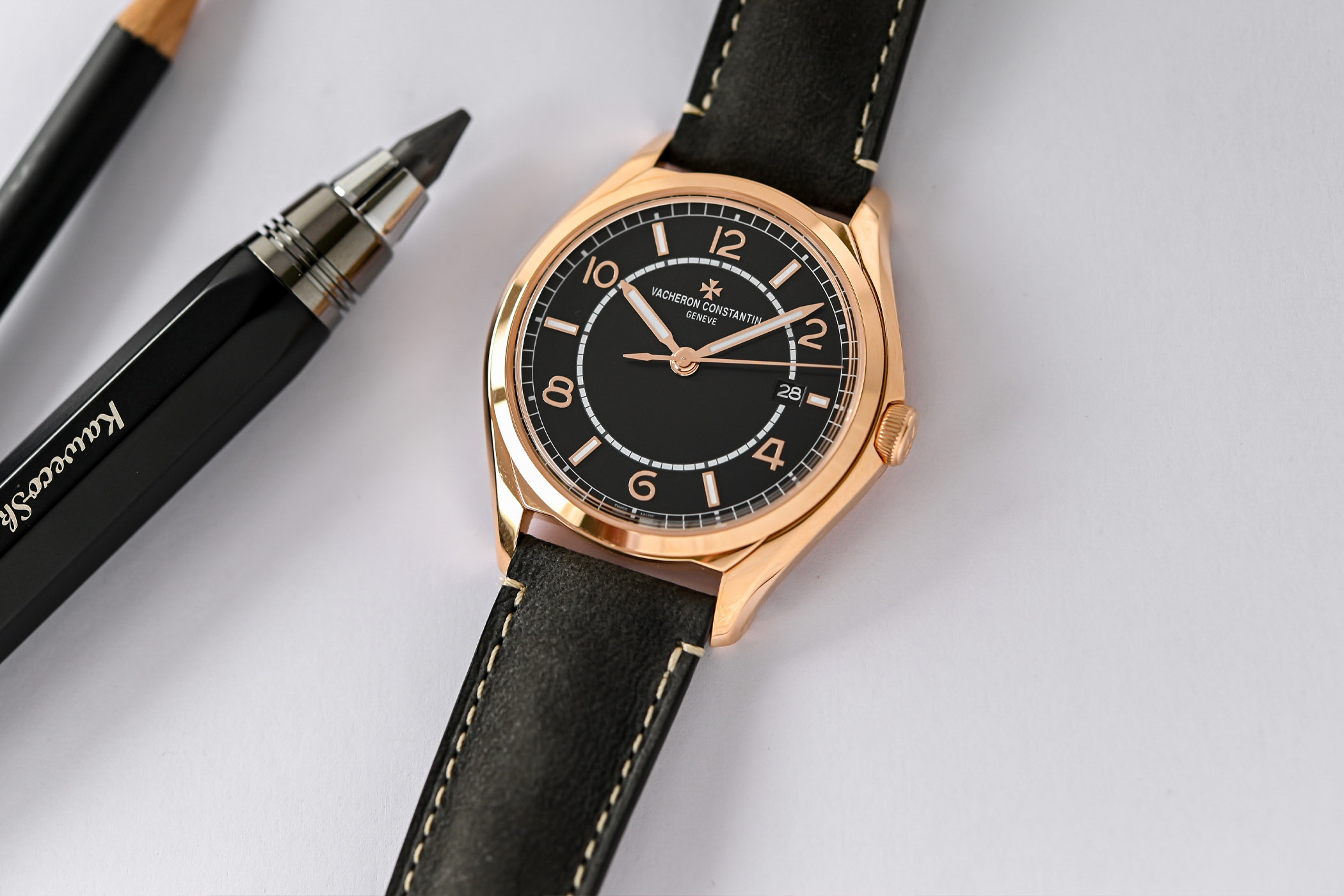
First Look - The New & Elegant Black-Gold Vacheron Constantin Fiftysix Self-Winding
To attract and cultivate a new generation of watch enthusiasts who are still young but may develop a passion for collecting fine mechanical timepieces, Vacheron Constantin launched a new entry-level collection in 2018. Inspired by the design of the Reference 6073 introduced by the brand in 1956, the collection was aptly named Fiftysix, capturing the […]
 Monochrome
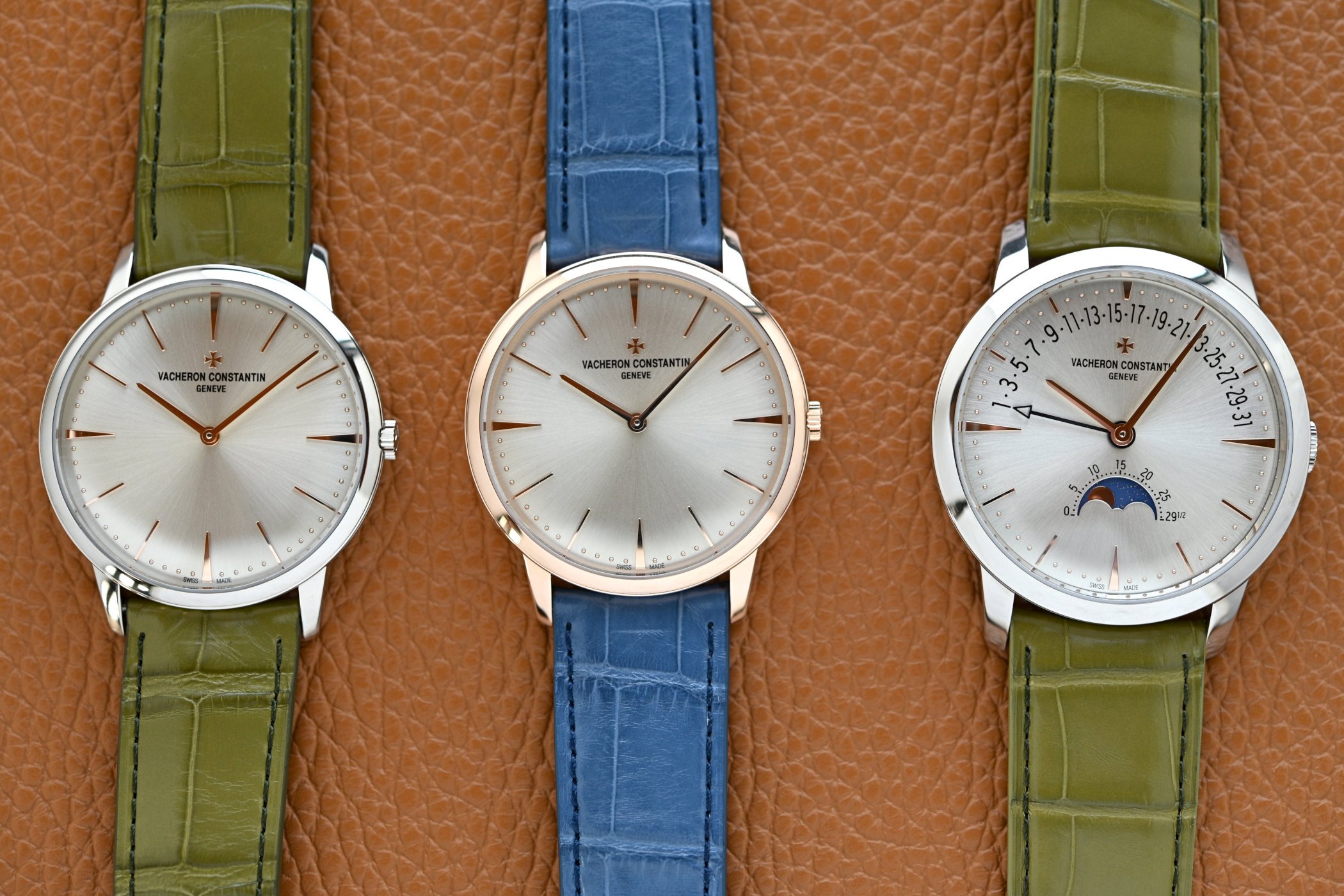
Introducing - The New Dial Colour of the Vacheron Constantin Patrimony Manual-Winding and Moon Phase Retrograde Date
As the world’s oldest watch manufacturer in continuous production since 1755, Vacheron Constantin can be proud of its distinguished heritage. With a rich archive at its disposition, the brand can dip into over two and a half centuries for inspiration. The Patrimony collection made its debut in 2004 and turned its gaze back to the […]
 Hodinkee
Hands-On: Audemars Piguet's Royal Oak Self-Winding Flying Tourbillon Openworked In Sand Gold Has One Neat Trick That Everyone Loves
Who ever said beige has to be bland?
 Hodinkee
Entry Level: The Vacheron Constantin Fiftysix Self-Winding
Classic styling ensures versatility that won't rock the boat.
 WatchAdvice
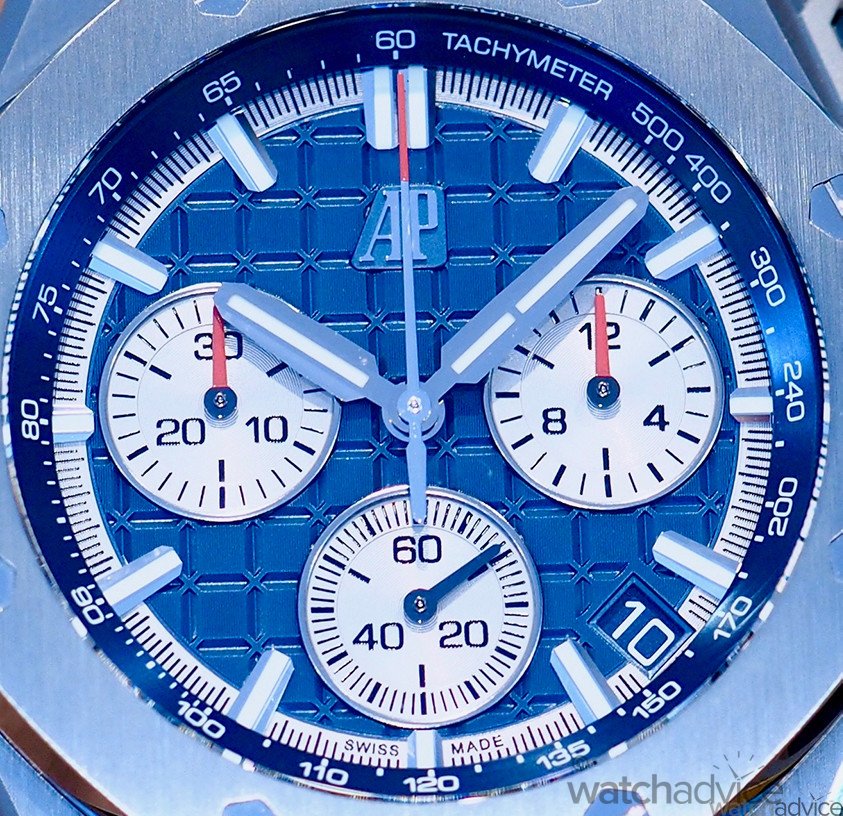
Hands-on with the Audemars Piguet Royal Oak Offshore self-winding Chronograph
First up, let me get something off my chest. I have never been a fan of the movement used in the AP Royal Oak Offshore. As much as I like the style of the watch, I’ve always felt the movement isn’t up to scratch, especially for the price. Of course, not many people will care about this, but one look at how deep-set the date is, and you know clearly that it is a modular construction (module by Dubois-Deprez). And really, at $50k a pop, is it really too much to ask for an integrated chronograph movement? I’m sure there are many out there who will argue that this is part of the charm. It’s what makes the Royal Oak Offshore different. But I have a feeling given how hyped the watches are, people are only too happy to buy one when one is available, and straight away, blinders come on, and the denial begins. Especially when the layout is exactly the same as the ubiquitous ETA 7750 chronographs (12-9-6 sub-dials). Again, nothing wrong with the ETA 7750. In fact, it is one of my favourite entry-level, workhorse movements, but even this one is integrated… Fine. Call me a chronograph snob if you like. As we all know, this hobby is highly personal and highly subjective. I just prefer my chronographs to be integrated. (Although I’m not fussy regarding whether it’s a vertical or horizontal clutch, and whether or not the engagement is controlled by a column-wheel or a cam/lever assembly – I’m sure there are people out there who swears by one form over another…) This...
 Hodinkee
Introducing: The Vacheron Constantin Overseas Self-Winding In Full Pink Gold
An extra-precious extension for the core of the Overseas line.
 Hodinkee
Introducing: The Vacheron Constantin FiftySix Self-Winding With Sepia-Brown-Toned Dial And Matching Calfskin Strap
Warm and soft like a cozy sweater.
![Introducing the Audemars Piguet [Re]master01 Self-Winding Flyback Chronograph](https://revolutionwatch.com/wp-content/uploads/2020/03/01-AP-Remaster-banner-image.jpg) Revolution
Revolution
Introducing the Audemars Piguet [Re]master01 Self-Winding Flyback Chronograph
Audemars Piguet remasters its past with this incredible new take on one of its rarest chronographs from 1943.
 Quill & Pad
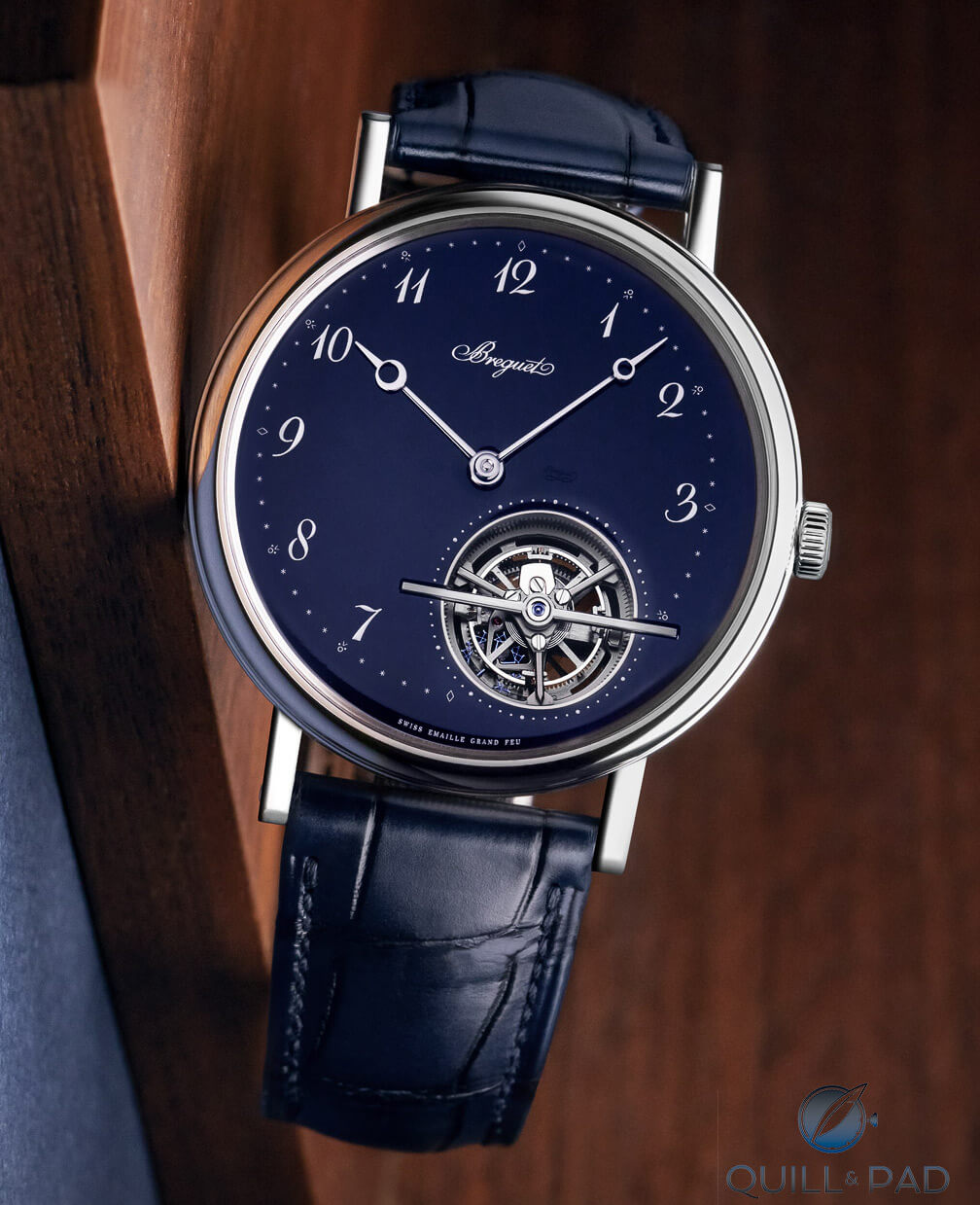
Breguet Classique Extra-Thin Self-Winding Tourbillon Reference 5367: The Power Of Blue
What makes an enamel dial so magical? That is the question Martin Green asked himself when presented with the new version of the Classique Tourbillon Extra-Plat Automatique with a blue oven-fired enamel dial that Breguet recently launched. You may enjoy the answer he came up with.
 Monochrome
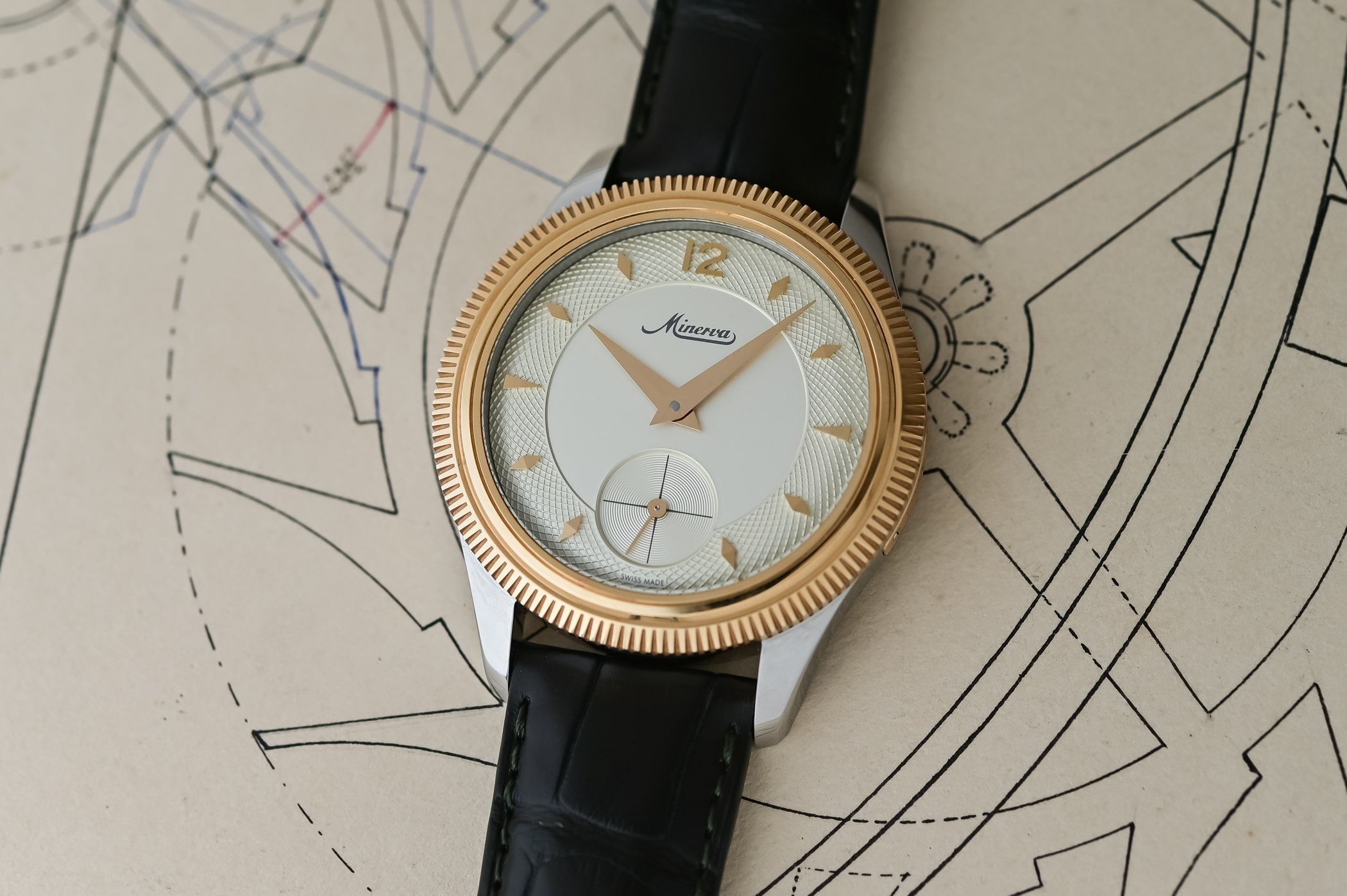
Hands-on - Minerva The Unveiled Crownless, Rethinking One of Watchmaking’s Simplest Controls
The crown is one of those watch components we rarely think much about. It has been there for well over a century, mainly performing two essential tasks: winding the movement and setting the time. We now have all sorts of crowns, including hidden crowns and even retractable crowns, yet very few have questioned whether any […]
 SJX Watches
Insight: Bidirectional versus Unidirectional Winding
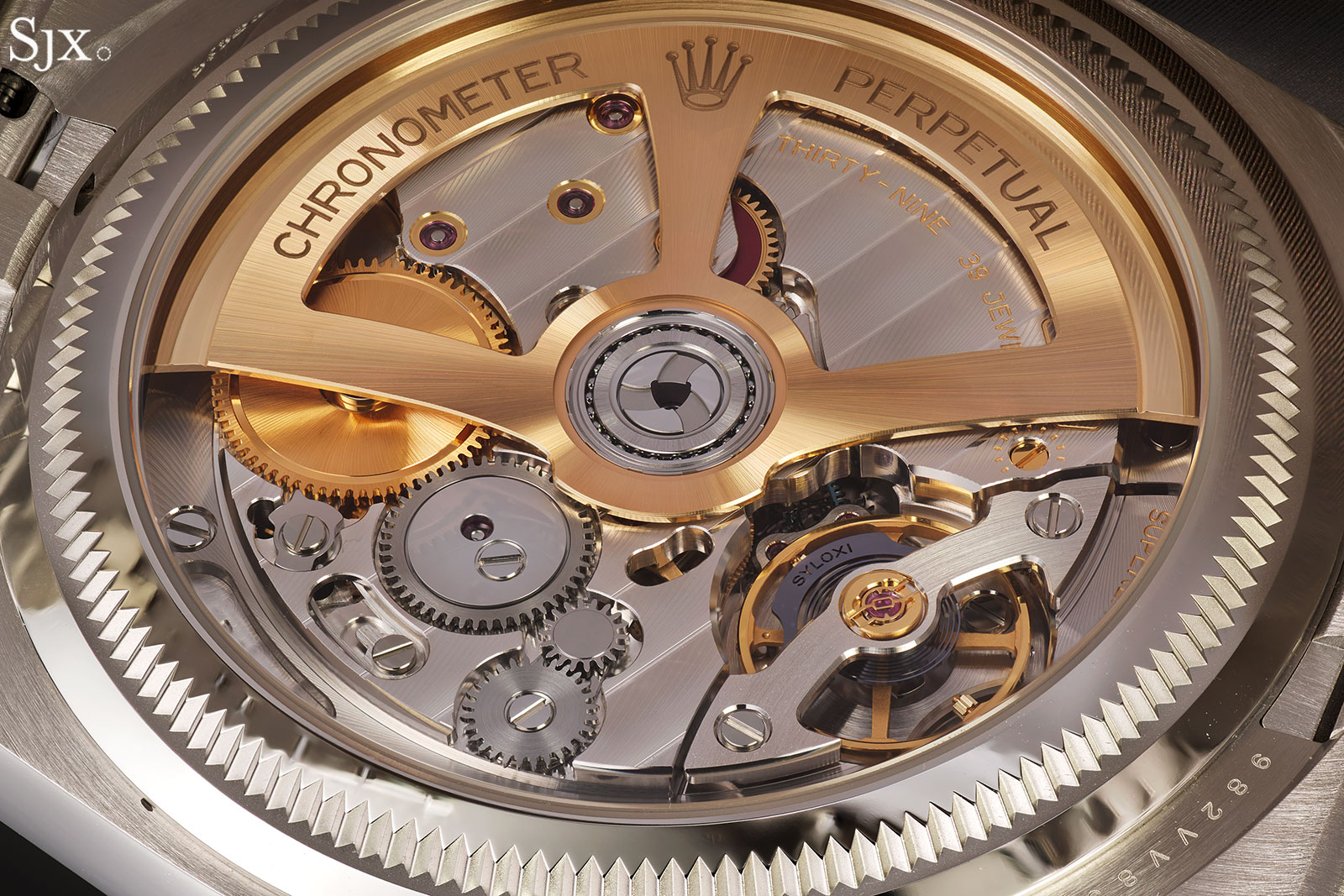
One of the quieter debates still ongoing in the horological world revolves around the difference in winding efficiency between unidirectional and bidirectional winding mechanisms. There are two schools of thought on the subject: some watchmakers remain convinced that a bidirectional winding mechanism is the clear winner in terms of efficiency, while a second group claims there are no real performance gains over simpler unidirectional winding mechanisms. Harvesting energy The basic idea behind automatic watches is to harvest energy from the wearer’s natural arm movements to wind the mainspring. The rotor is an unbalanced mass (its axis of rotation doesn’t coincide with its center of mass) that is subject to both gravity and the inertial forces exerted by the wearer. As the watch moves through different positions, the rotor spins in unpredictable bursts, generating substantial kinetic energy. A winding mechanism then turns the fast revolutions of the rotor into slower but more torque-heavy turns that wind the mainspring. Common transmission ratios cited by horological textbooks range between 1:110 and 1:180 — meaning that the barrel click wheel only makes one turn for every 110 to 180 turns of the rotor. In short, the winding mechanism transforms the erratic kinetic energy of the rotor into potential elastic energy, stored inside the mainspring’s coils. A short history Much like any sub-genre of horology, the history of automatic winding is lengthy and nuanced. This ...
 Monochrome
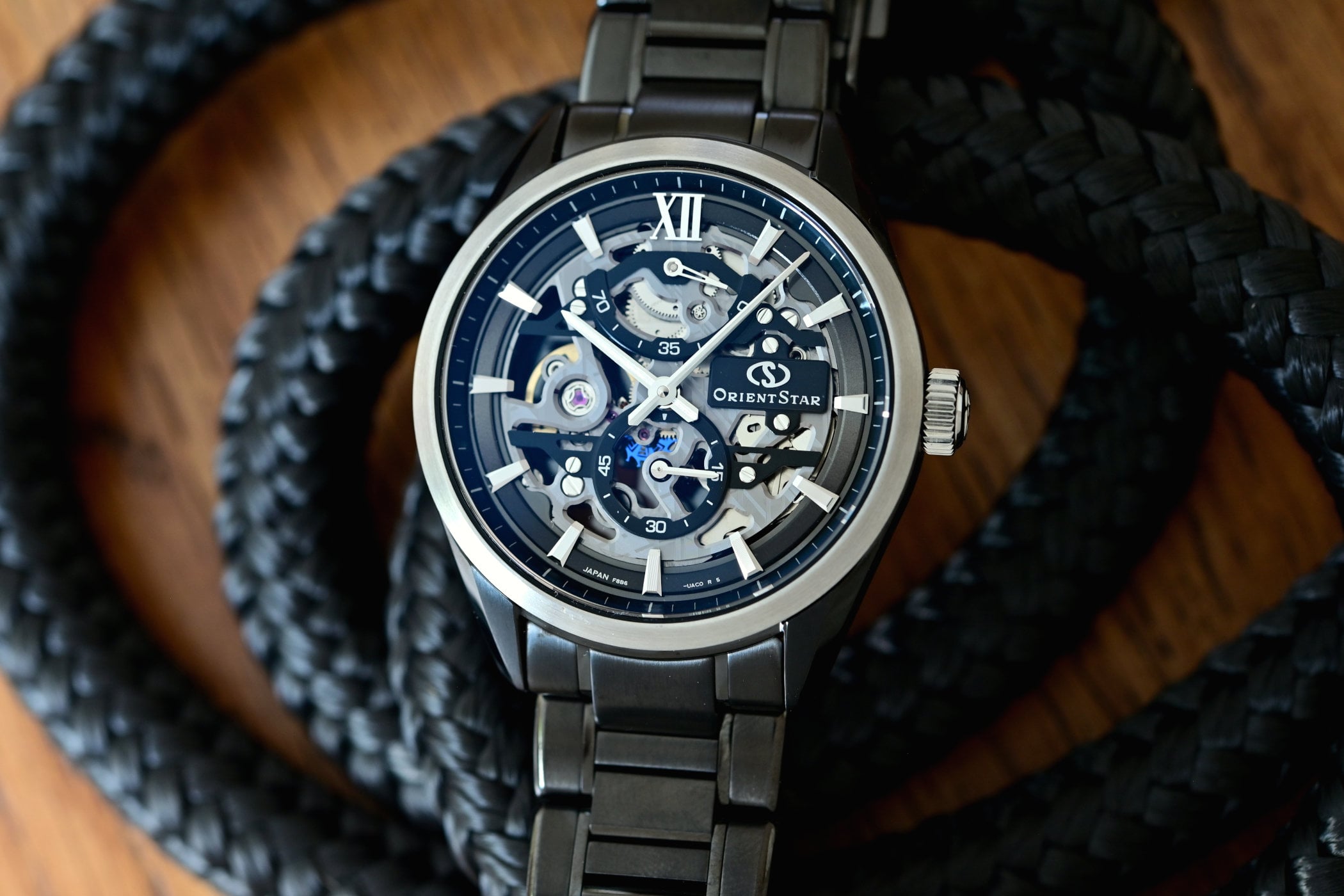
First Look - The Orient Star M34 F8 Skeleton Hand Winding, a Dark, Compact Openworked Watch
Skeleton watches are clearly a big part of Orient Star. Between the sporty Avant-Garde Skeleton, the more refined Orient Star Skeleton in the brand’s Contemporary Collection, and now this new Orient Star M34 F8 Skeleton Hand Winding created for the brand’s 75th anniversary, the Japanese brand has built a broad range of openworked watches over […]
 Fratello
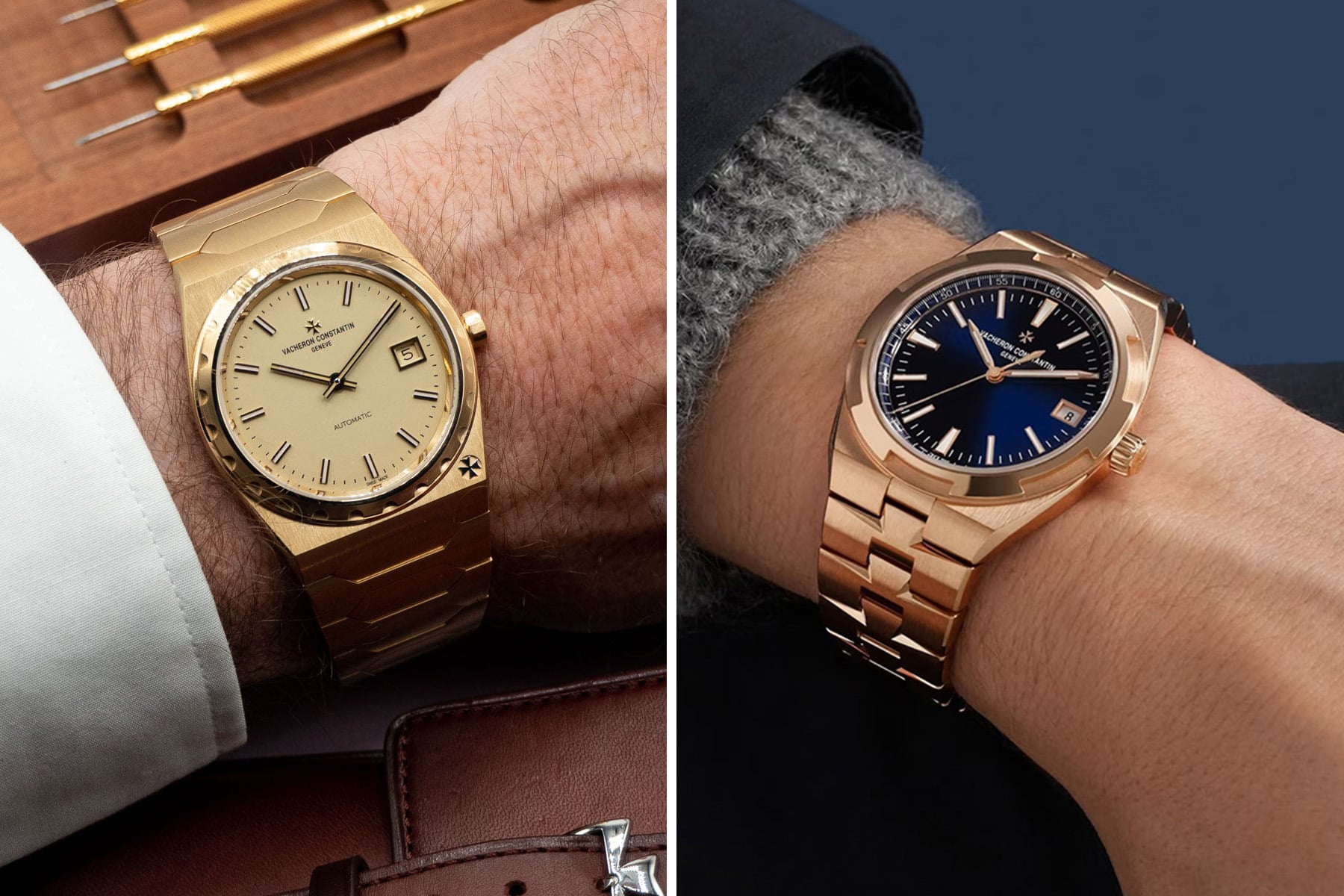
Sunday Morning Showdown: Vacheron Constantin Historiques 222 Vs. Overseas Self-Winding
It’s Sunday morning, so it’s time to sit down with a cup of coffee for another Sunday Morning Showdown. This week, Mike and Jorg go head-to-head with two gold Vacheron Constantin watches. Jorg’s pick is the yellow gold Historiques 222, which came out in 2024 and garnered much praise for reviving the brand’s 1977 classic. […] Visit Sunday Morning Showdown: Vacheron Constantin Historiques 222 Vs. Overseas Self-Winding to read the full article.
 Fratello
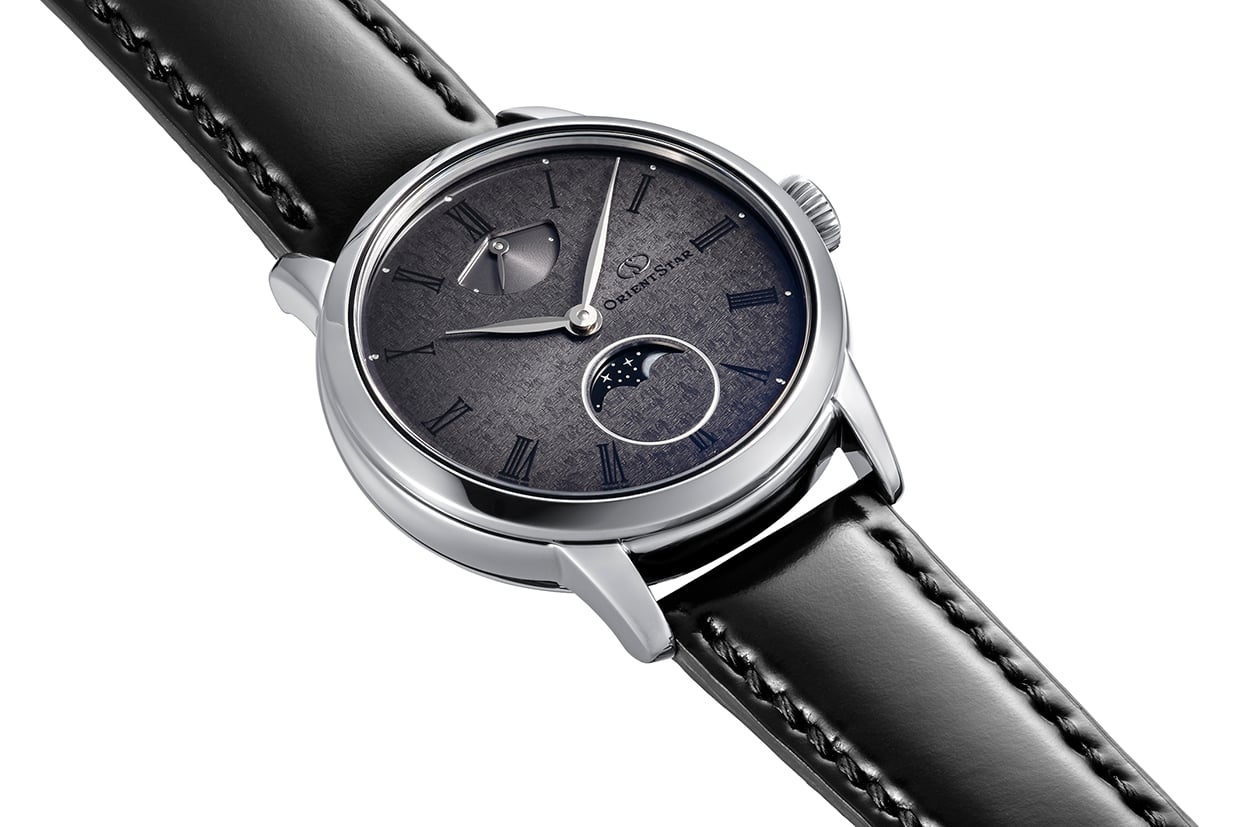
Introducing: The Orient Star M45 F8 Mechanical Moon Phase Hand Winding
Orient Star unveils a duo of classy timepieces that reflect the graceful passage of time. Compared with recent Orient Star designs, the M45 F8 pares it back to pure functionality and traditional layouts. The Roman numerals add a sense of dignity, and the moonphase complication connects our world to the cosmos. A white-dial variant joins […] Visit Introducing: The Orient Star M45 F8 Mechanical Moon Phase Hand Winding to read the full article.
 Time+Tide
The Keris MECA01 and Winding PUSH allow watch lovers to immerse themselves in horological mechanisms
You know those supersized watch movements you sometimes see at brand boutiques? Wish you could buy one? Well, now you can, thanks to Swiss firm Keris.The post The Keris MECA01 and Winding PUSH allow watch lovers to immerse themselves in horological mechanisms appeared first on Time+Tide Watches.
 Fratello
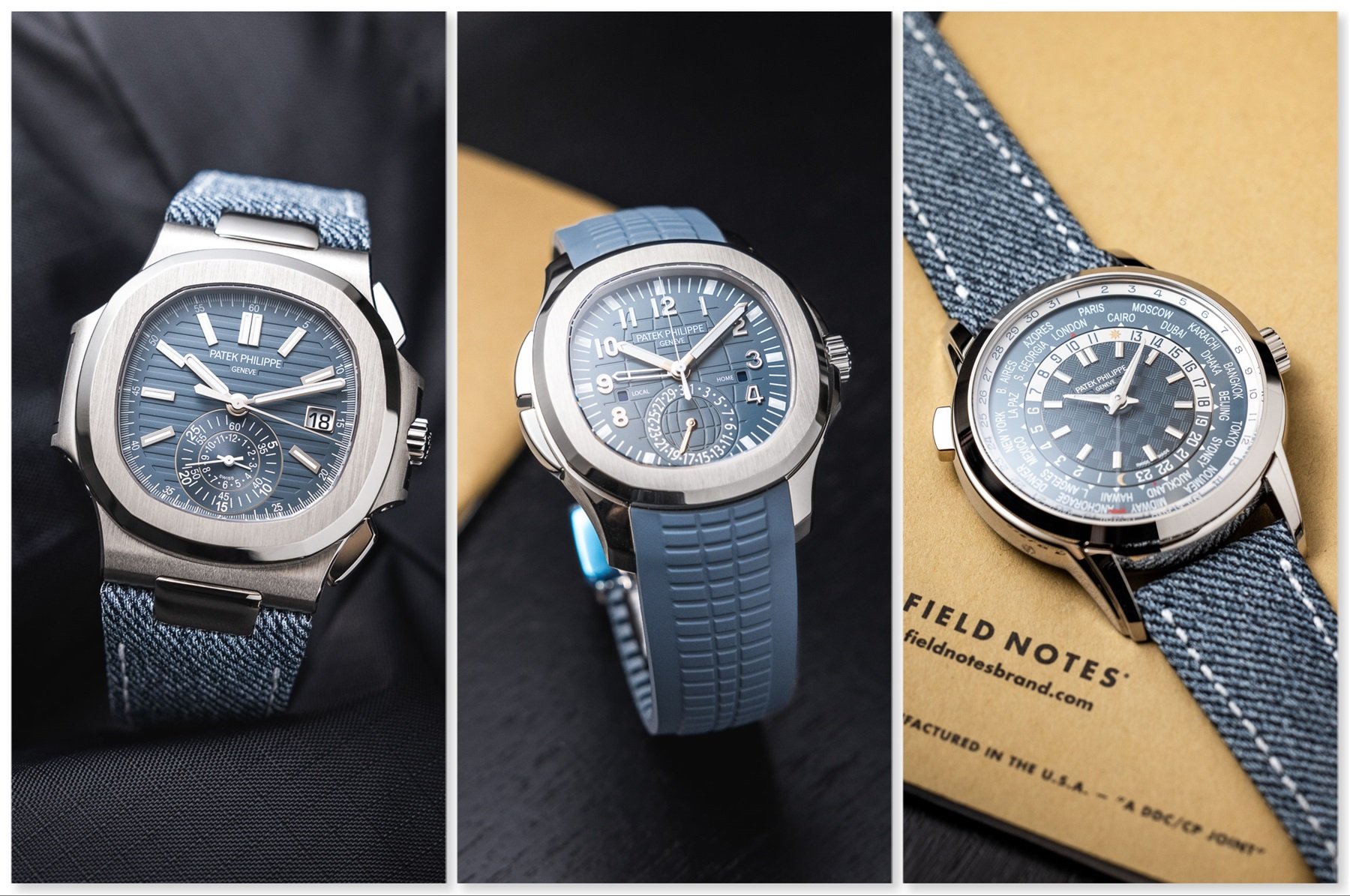
Slipping On The Double-Denim Patek Philippe Duo World Time Date 5330G And Nautilus Self-Winding Chronograph 5980/60G
You’ve seen the press pics, and you’ve read the comments. Now it’s time to slip on and try out the double-denim Patek Philippe duo - the World Time Date 5330G and Nautilus Self-Winding Chronograph 5980/60G. I had to find out how these somewhat controversially styled watches felt and wore in reality. While I was at […] Visit Slipping On The Double-Denim Patek Philippe Duo World Time Date 5330G And Nautilus Self-Winding Chronograph 5980/60G to read the full article.
 Time+Tide
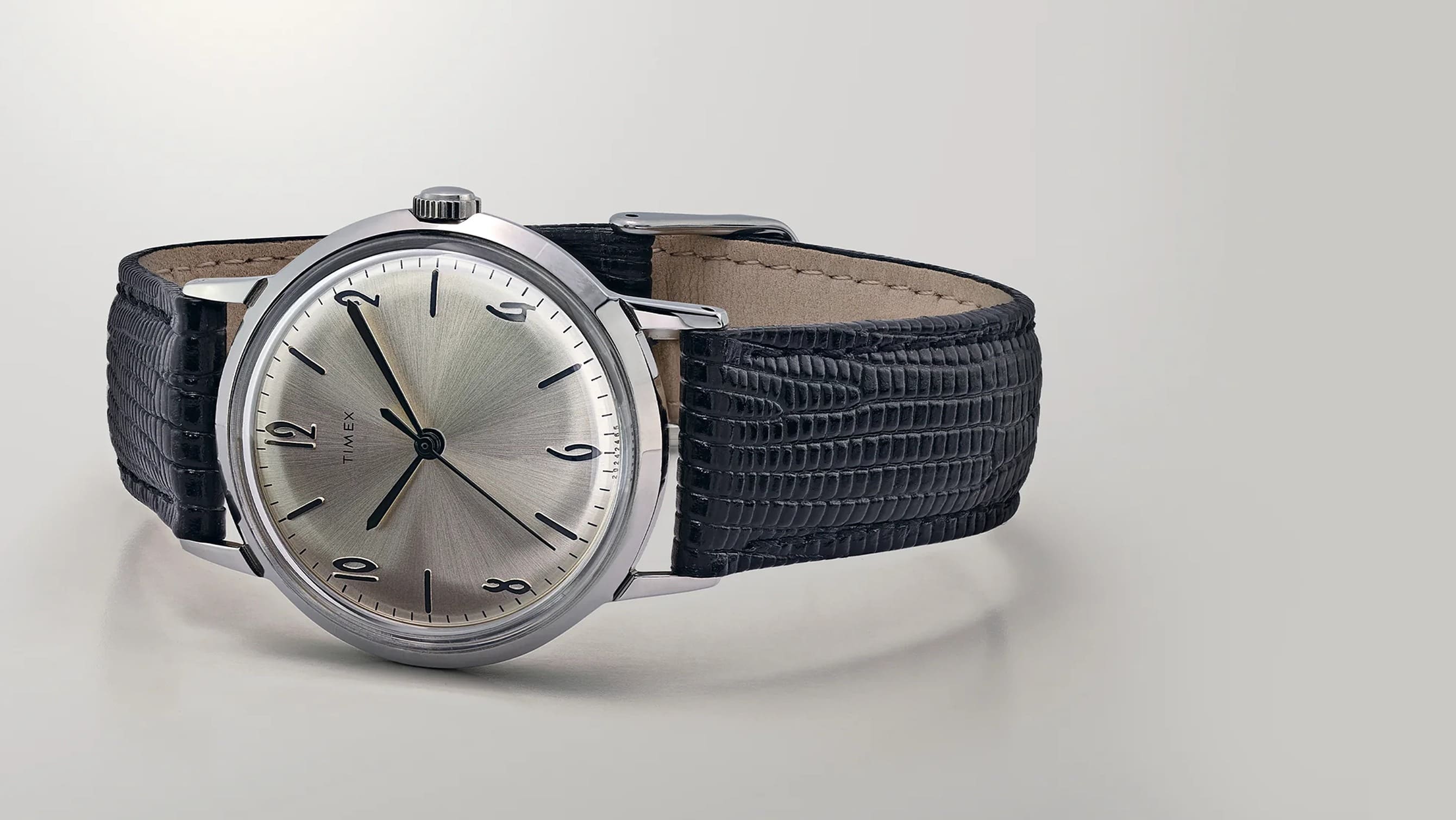
Why I think the Timex Marlin is the perfect entry-level manual-winding watch
There are few manual winding watches for under $500. Thankfully, Timex has you covered.The post Why I think the Timex Marlin is the perfect entry-level manual-winding watch appeared first on Time+Tide Watches.
 Monochrome
Buying Guide - Seven Appealing Watches, Each With a Different Winding System
When it comes to mechanical watchmaking, it’s common practice to split it down to the middle and group together manual winding watches on one end, and automatic ones on the other. But, as we will showcase in this Buying Guide, there’s a whole range of systems developed to provide energy to a watch. Sure, manual […]
 Quill & Pad
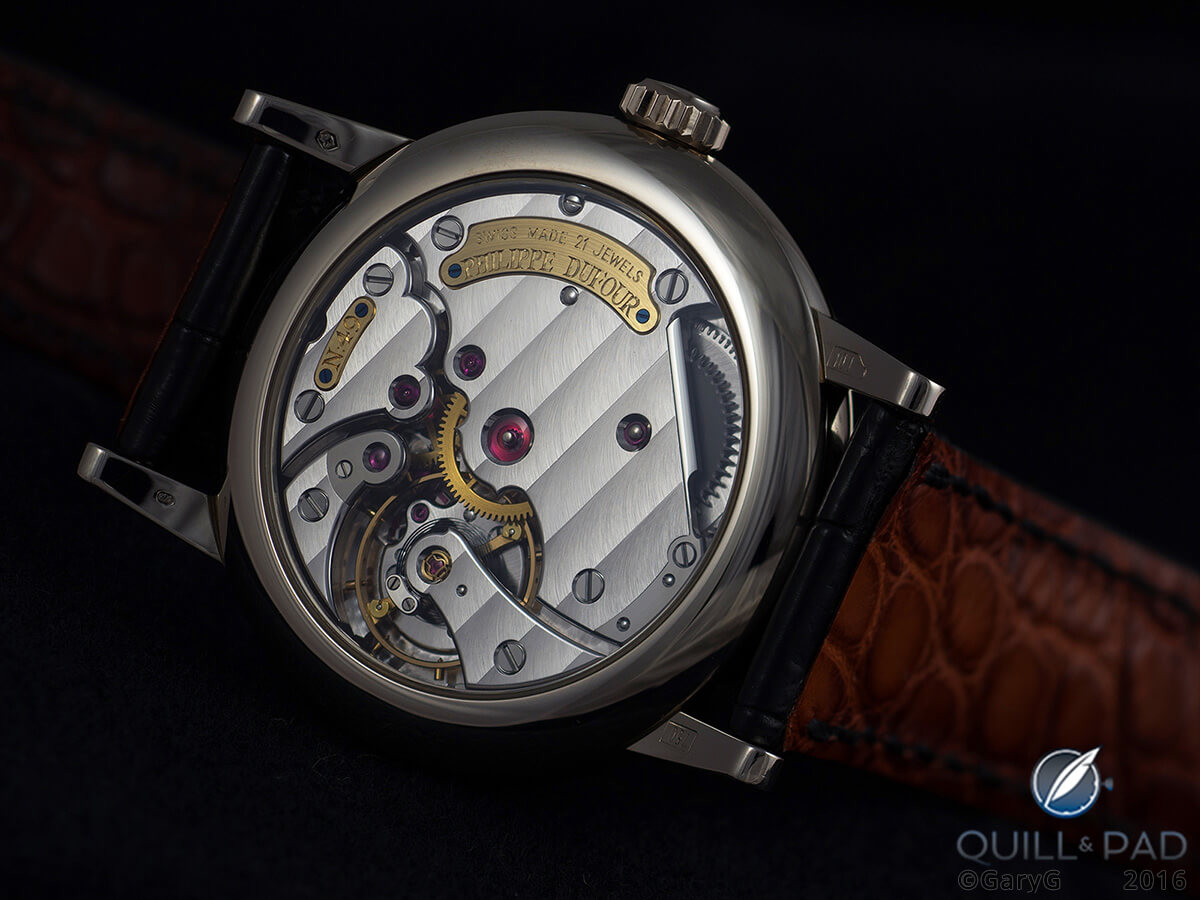
Here’s Why: Manual Winding Watches are for Horological Connoisseurs - Reprise
Joshua Munchow explains why he thinks manual winding watches are for horological connoisseurs and why more complexity isn’t necessarily better in some cases.
 Deployant
Six brilliant manual-winding watches below S$10,000
For many watch enthusiasts, there is just something poetic and romantic about manual-winding watches. Perhaps these watches are in its most rudimentary form in terms of how it is powered, or maybe it lies in the simple fact that manual-winding movements allow us to have an intimate and tactile relationship with our timepieces. For thisRead More
 Time+Tide
FRIDAY WIND DOWN: Winding down 2021
With the year coming to a close, this will be the final Friday Wind Down of 2021. With the upcoming holidays and new year on the horizon, now is the time for reflection and thanks. I had such an exciting year with Time+Tide and the watch community, so here are just some of my highlights … ContinuedThe post FRIDAY WIND DOWN: Winding down 2021 appeared first on Time+Tide Watches.
 Deployant
Throwback Sundays: Six Recommendations for a manual winding dress watch
A manual winding dress watch sets itself apart from its self winding counterparts mainly due to its relative thinness. While there are some ultra thin automatic movements out there, a manual winding dress watch deserves a spot in any collection for what it represents. Simplicity, history and elegance.
 SJX Watches
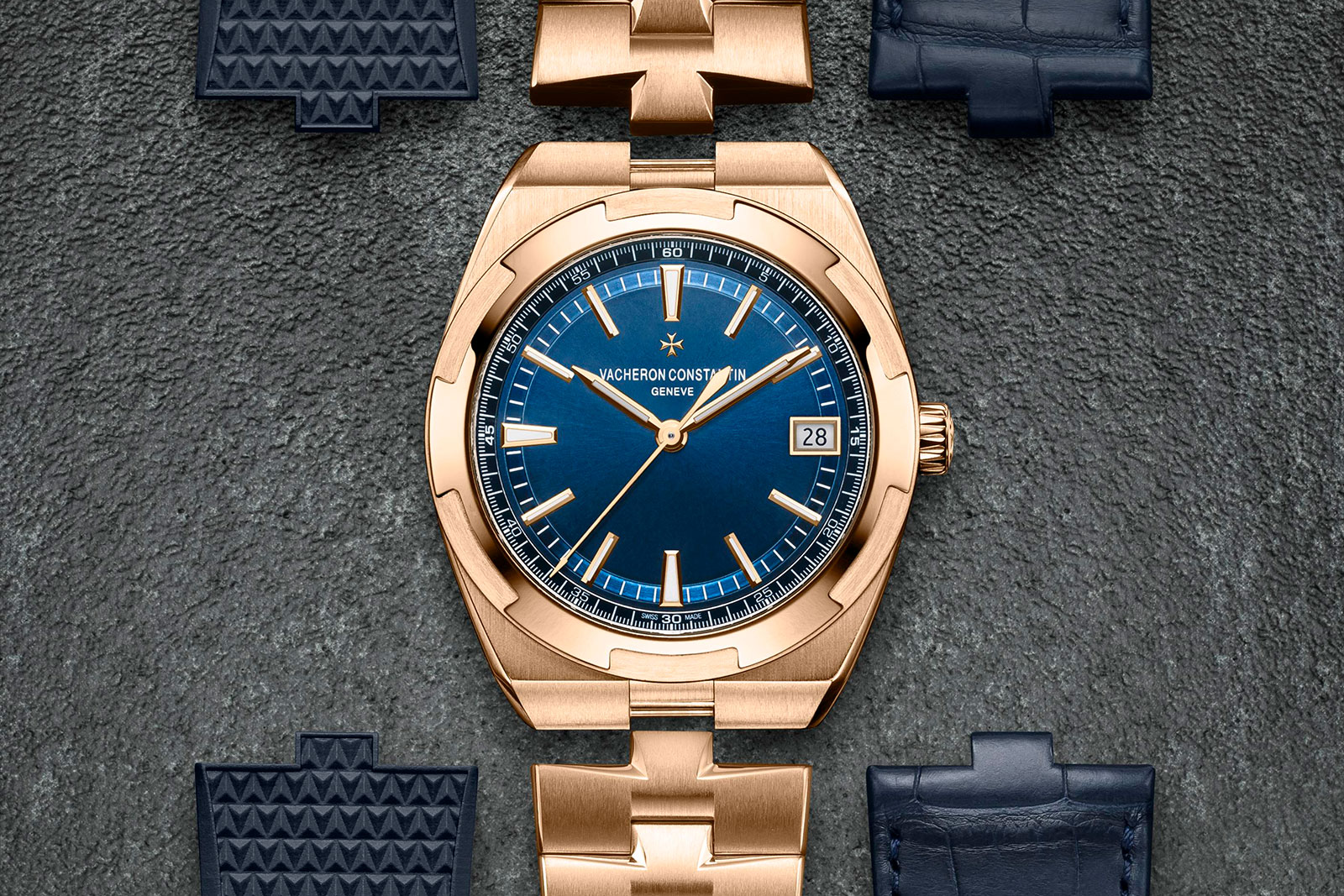
Vacheron Constantin Introduces the Overseas Self-Winding in Pink Gold and Blue
Relaunched in 2016 after a major revamp, Vacheron Constantin’s Overseas luxury-sports watch has since been expanded to include various complications, most notably the recent ultra-thin, skeleton perpetual calendar. The mix of a pink gold case and blue dial has been used extensive throughout the line, primarily on complicated models, but the fashionable combination has now been applied to the base model with the Overseas Self-winding in Pink Gold and Blue. Initial thoughts Blue dials have become the archetype for the luxury-sports watch, so the new watch is sticking to a well-established formula. The dial on the new Overseas is quite captivating, largely owing to the use of a brighter blue than usual. Also familiar is the combination of a blue dial and pink gold case, which creates a rich yet sporty look. The combination would be arguably be more appealing if it were applied to the ultra-thin model, which was once in the catalogue but is temporarily discontinued. Priced at a little over US$46,000, the Overseas in pink gold is a contestant in a highly competitive arena, with the primary rivals being the similarly-priced – but far more difficult to obtain – Nautilus and Royal Oak. The two rivals have a slightly longer history, but all of the watches offer similar value in terms of intrinsic quality; the Overseas is very good at what it does. Refined and modern The Overseas Self-Winding has all of the details that characterise the 2016 redesign that resulted in a cleane...
 Revolution
Introducing the RM 50-04 Manual Winding Tourbillon Split-Seconds Chronograph Kimi Räikkönen
Richard Mille introduces the RM 50-04 Manual Winding Tourbillon Split-Seconds Chronograph Kimi Räikkönen powered by the calibre RM 50-03
 Hodinkee
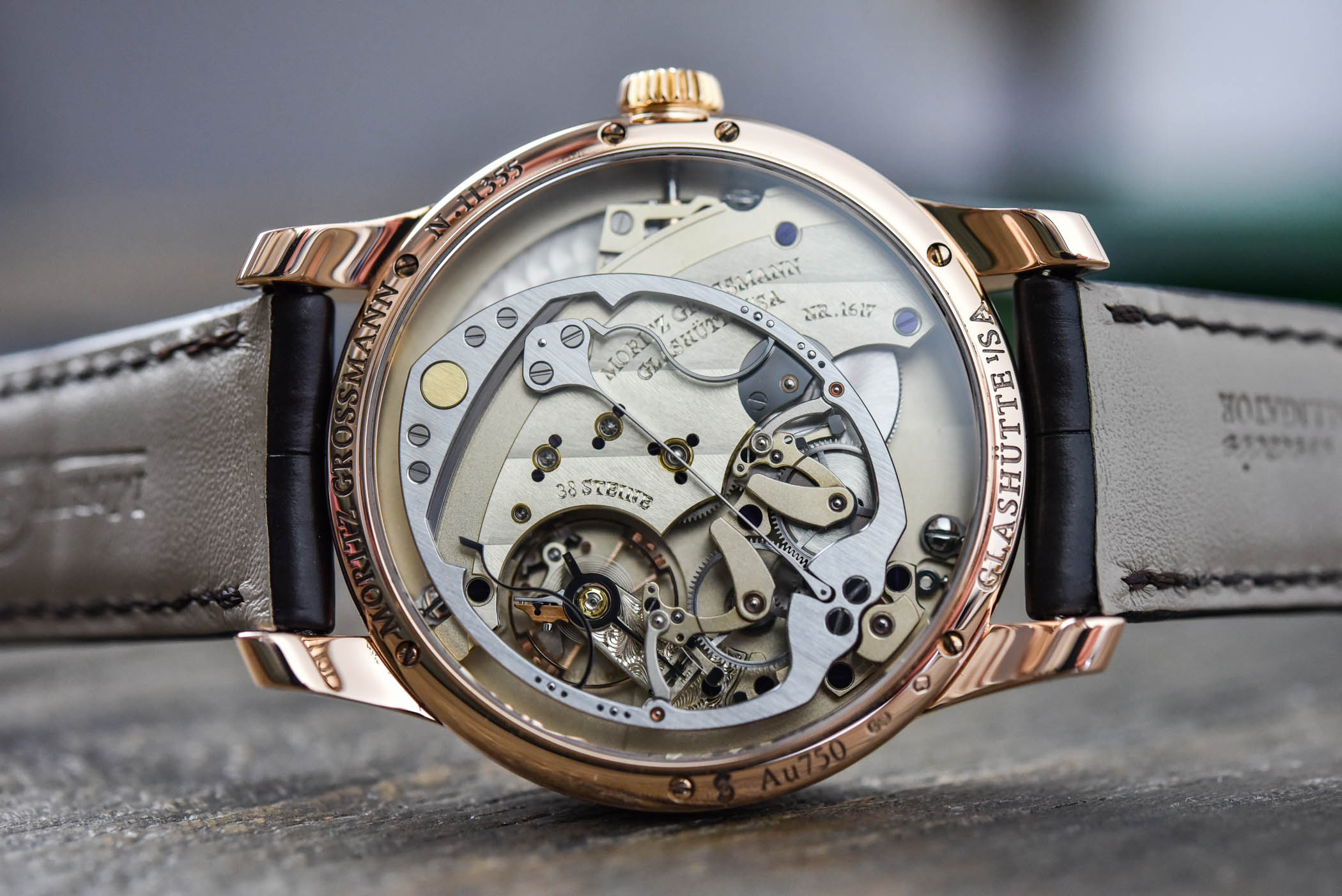
Hands-On: The Moritz Grossmann Hamatic, A New Take On An Historic Winding System
It's not your great-great-great-great-great-great grandfather's hammer winding system.
 Time+Tide
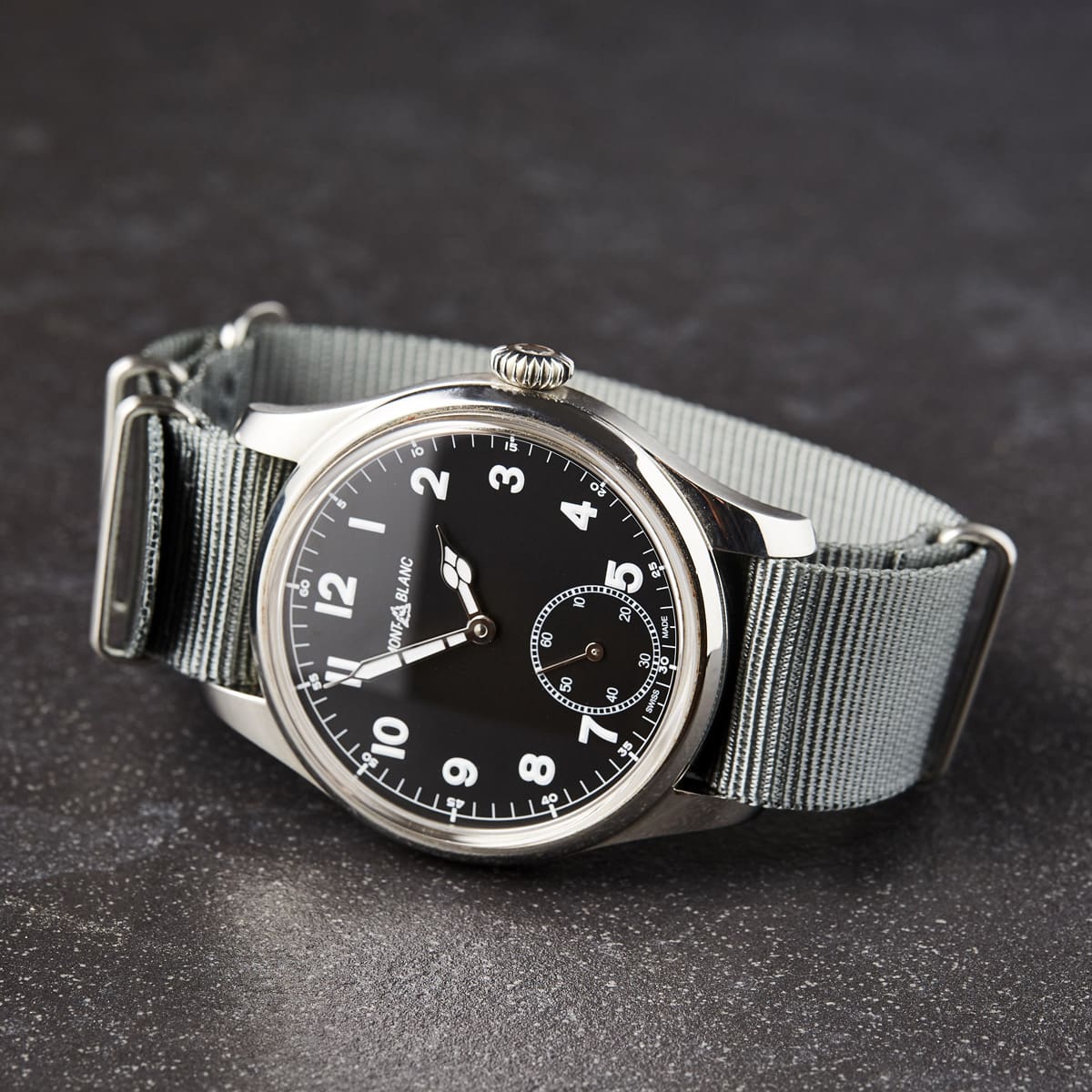
RECOMMENDED READING: The long and winding history of the NATO strap
These days, “NATO strap” is a catch-all term for any sort of nylon or fabric watch strap. In reality, it’s a little more complex. The use of the term NATO is something of a misappropriation that arose because the ‘original’ fabric strap (20mm, nylon, chrome-plated hardware, in admiralty grey) could be requested using a form … ContinuedThe post RECOMMENDED READING: The long and winding history of the NATO strap appeared first on Time+Tide Watches.
 Deployant
Review: Jämes-César Pellaton Chronomètre Royal de Marine
Full hands-on analytical review of the Jämes-César Pellaton Royal Marine Chronometer, a very special tourbillon with exceptional finishing.
 Teddy Baldassarre
Grand Seiko Launches New Tribute To First Manual-Winding 9S With Limited Edition SBGW325
The latest limited edition Grand Seiko SBGW325 brings back Arabic numerals as an homage to the original watch powered by the manually wound 9S caliber.