 SJX Watches
Who Invented the Hairspring?
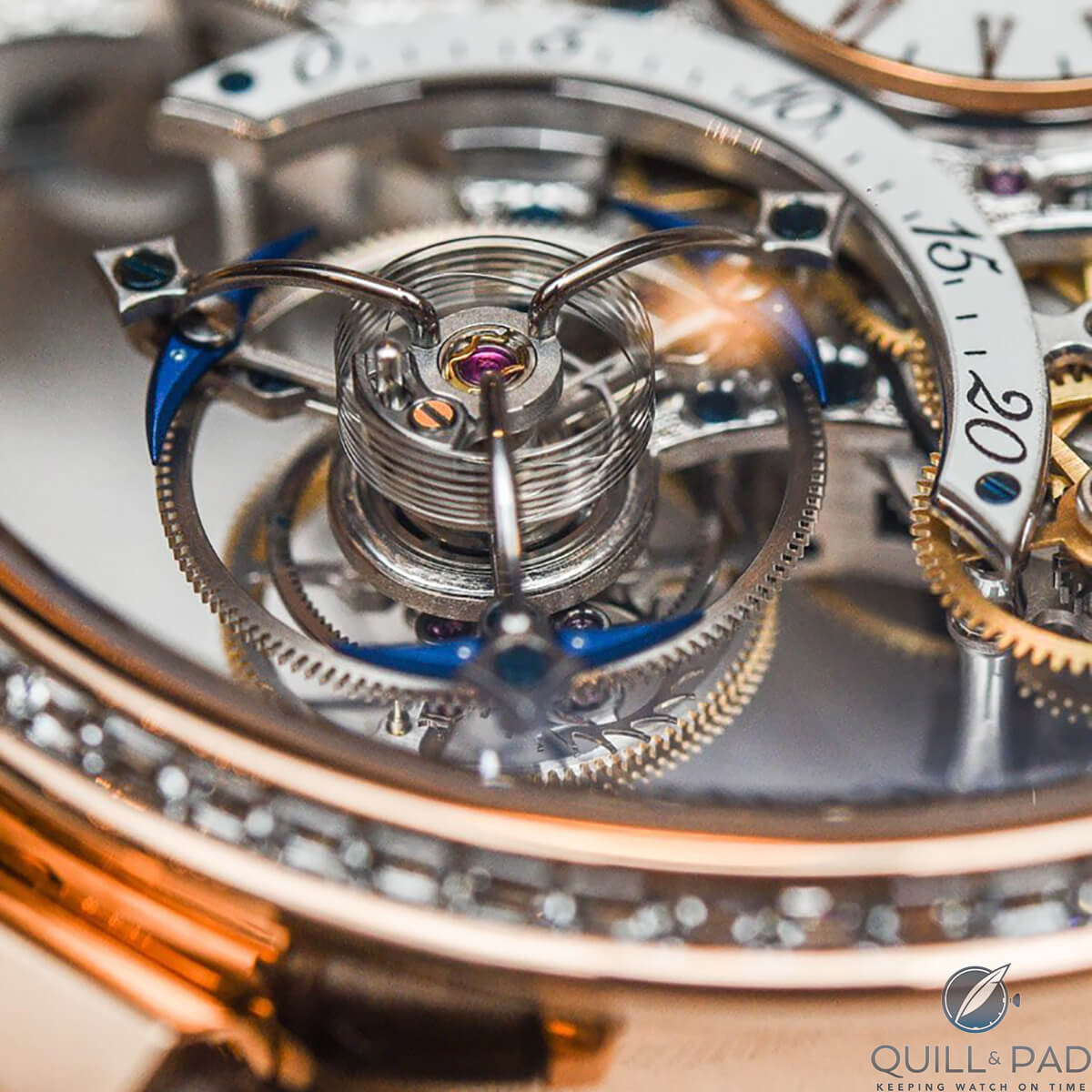
Twenty twenty-five marks the 350th anniversary of the hairspring – it’s hard to believe the spiral ticking away in tens of millions of mechanical watches is already over three centuries old. The hairspring’s history is marked by revelations, disputes, and technical advancements, driven forward by creative horological minds, making the story of the hairspring a fascinating one. But behind all of that lies the question: who invented the hairspring? There are two familiar contenders for the title and it’ll take a deep dive into history to figure out who deserves credit. The motivation Prior to the invention of the hairspring, most timekeepers were clocks. Watches existed, but were essentially miniature clocks that still relied on some sort of gravity pendulum, making such early watches wildly inaccurate. So the hairspring was born of necessity, the need to transform clunky, stationary clocks into relatively precise portable timekeepers. By the mid 17th century, Dutch mathematician and physicist Christiaan Huygens (1629-1695) had already demonstrated a swinging pendulum could indeed serve as a reliable base unit of time measurement for a mechanical timekeeper. He designed his own cycloidal pendulum clocks equipped with oscillating bobs that were only dependent on gravitational acceleration and the cord’s length, making them true isochronous timekeepers. The first such clock was built in 1657 with the help of clockmaker Salomon Coster. “Isochronous” refers to an o...