 Worn & Wound
A Majestic Journey Through Clocks & Watches Made for Royalty: King Philip II of Spain and the Rise of a Dynasty that Ruled by the Clock
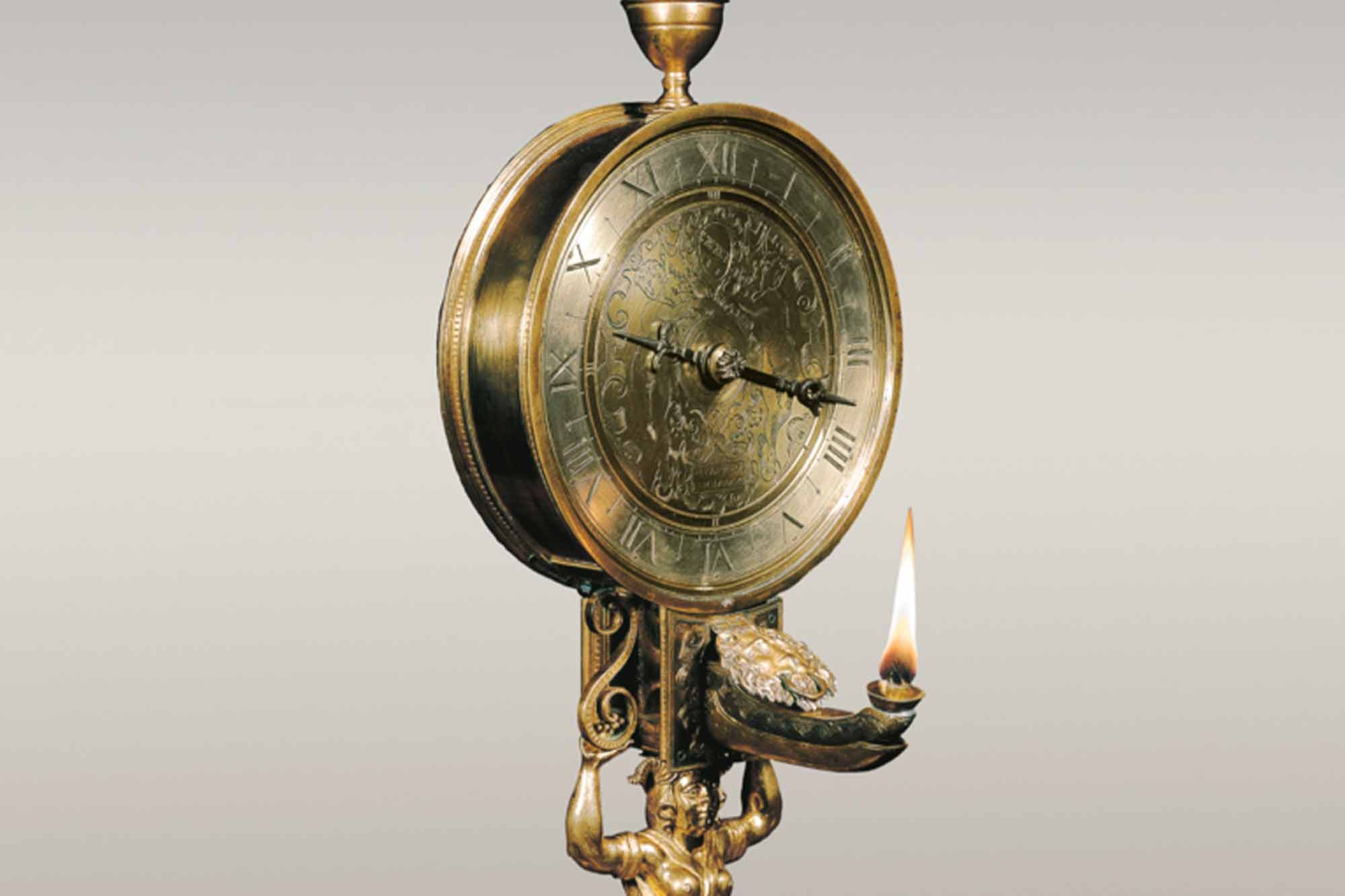
From the imposing astronomical clocks of Tudor England to the exquisite pendant watches of Victorian Britain, timekeeping has long been a symbol of power, prestige, and technological marvel within Europe’s royal courts. This new series explores the fascinating evolution of clocks and watches crafted specifically for royalty, tracing how these intricate masterpieces reflected the tastes, ambitions, and innovations of monarchs. Through the lens of craftsmanship, artistry, and historical significance, we reveal how these royal timepieces marked the passage of dynasties and empires. King Philip II (1527–1598) inherited a globe-spanning empire from his father Charles V and, after 1580, also ruled Portugal. A devout champion of the Counter-Reformation, he centralised government, built the vast monastery-palace of San Lorenzo de El Escorial, and presided over Spain’s political zenith. His court prized scientific instruments and clocks as emblems of order and piety. Philip was part of the great Habsburg dynasty and the son of the Holy Roman emperor Charles V. From time to time, the emperor wrote Philip secret letters, impressing on him the high duties to which God had called him and warning him against trusting any of his advisers too much. Philip, a very dutiful son, took this advice to heart. During his reign the Spanish empire attained its greatest power, extent, and influence, though he failed to suppress the revolt of the Netherlands and lost the ‘Invincible Armada’...