Aug 3, 2020
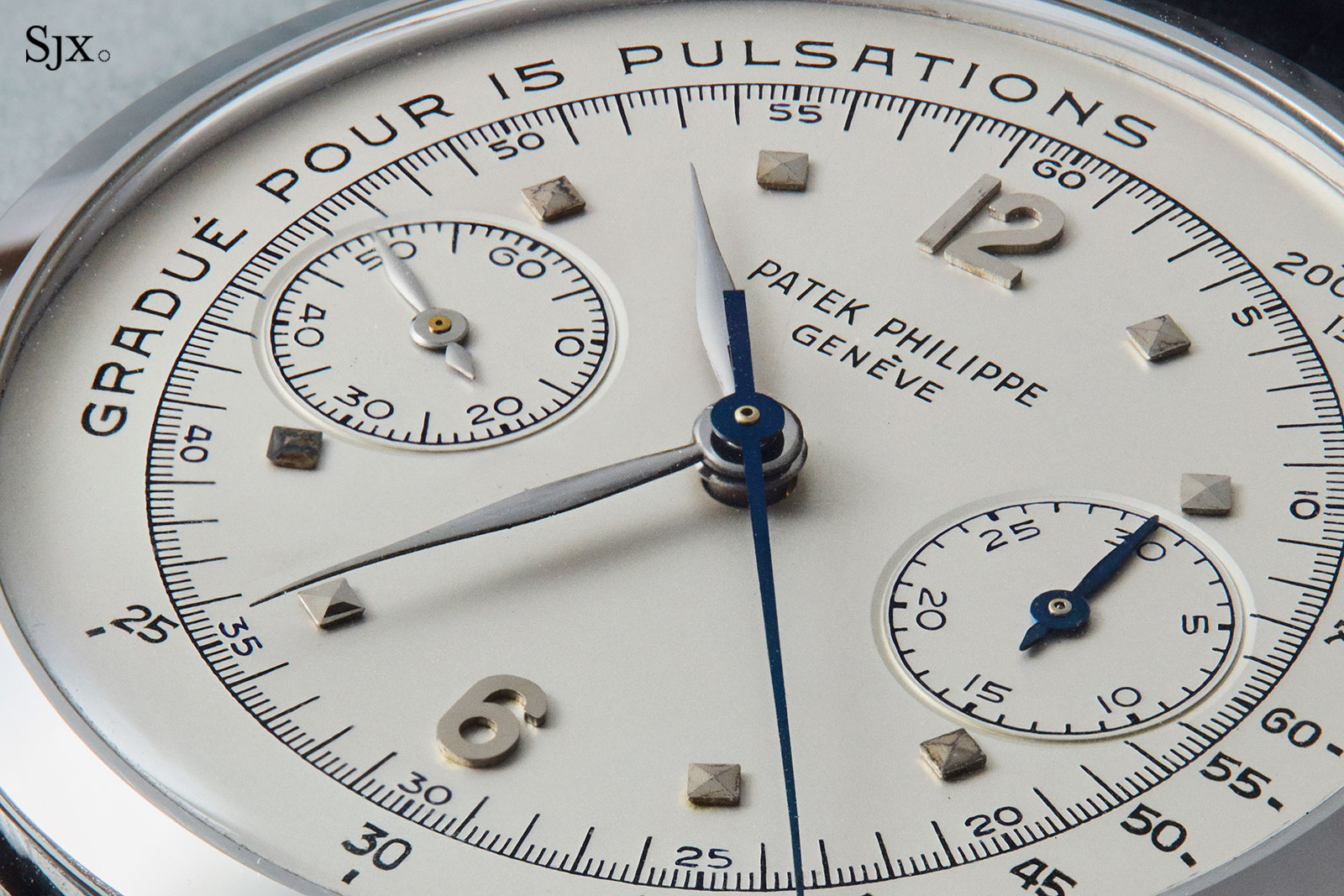
In-Depth: A History of the Pulsations Chronograph
In 1816, Louis Moinet accomplished a first in watchmaking: a timepiece that could precisely track elapsed time. Measuring periodicity on demand had been accomplished before, but the French watchmaker’s invention gave it the functionality and exactness that we expect today. In assessing prototypes, we often tend to forgive their shortcomings and rosily reminisce, rewriting flaws as charms. Moinet’s timepiece, however, was a prescient opus. The layout of the dial had the now-familiar large central hand and elapsed time in subdials. Two pushers controlled the start, stop and reset functions, the power reserve lasted over 30 hours, and the mainspring could be wound while the timing mechanism was engaged to allow for longer timing runs. Most impressive, though, was its precision. Louis Moinet’s compteur de tierces of 1816. Image – Louis Moinet Named the compteur de tierces, or “timer of thirds”, Moinet’s invention ran at 216,000 beats per hour, measuring time down to one-sixtieth of a second. To allow for this ambitious exactitude to be utilised, the central chronograph hand completed revolutions once per second – such that the user could easily see which sixtieth of a second the period in question ended on - and the watch had an extra sub-dial for tracking elapsed seconds in addition to those for the minutes and hours. Whys and wherefores An impressive story, except that it’s missing something. Why did Moinet build it? And what did he use it to measure? A...
 Time+Tide