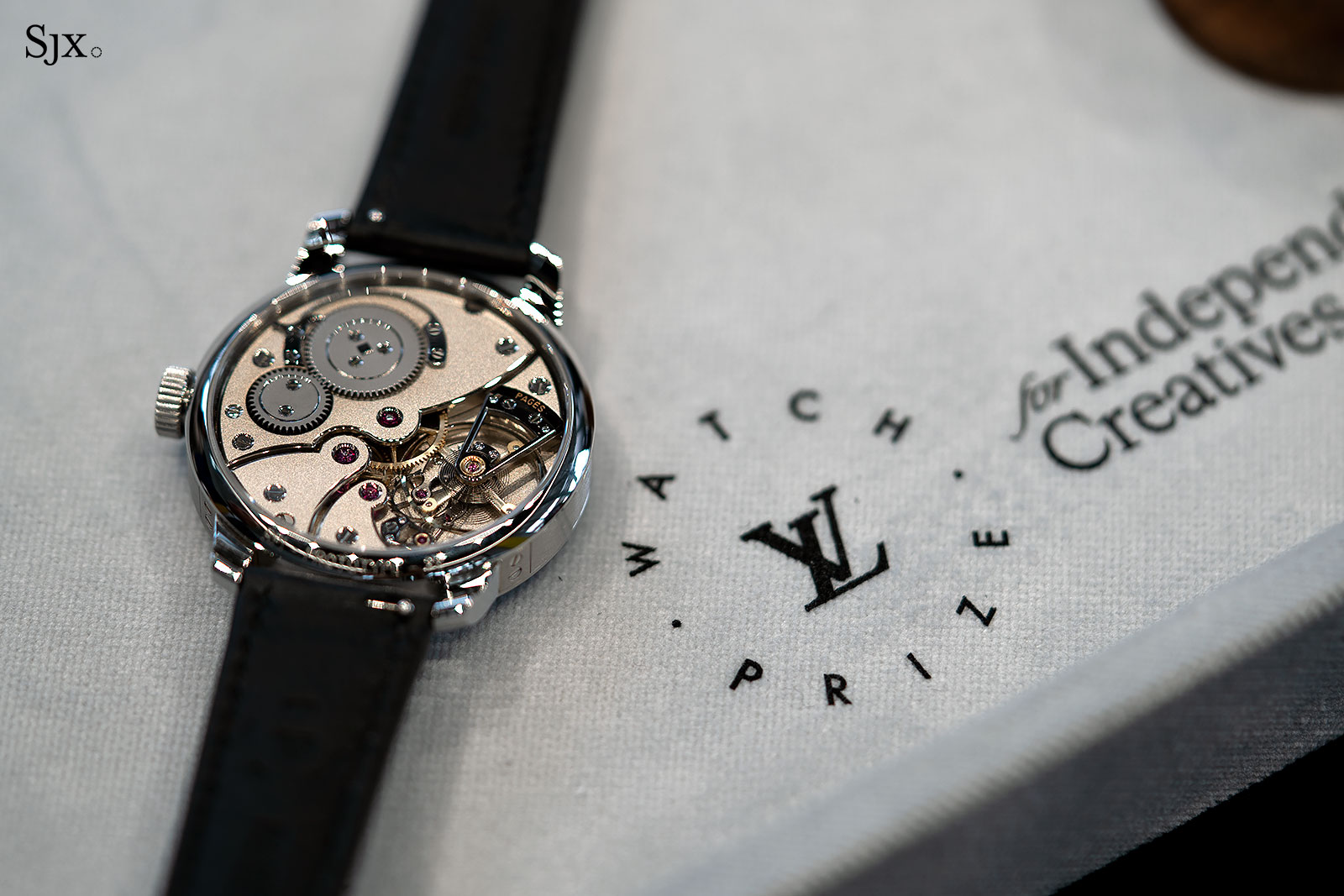
Raúl Pagès Wins Inaugural Louis Vuitton Watch Prize
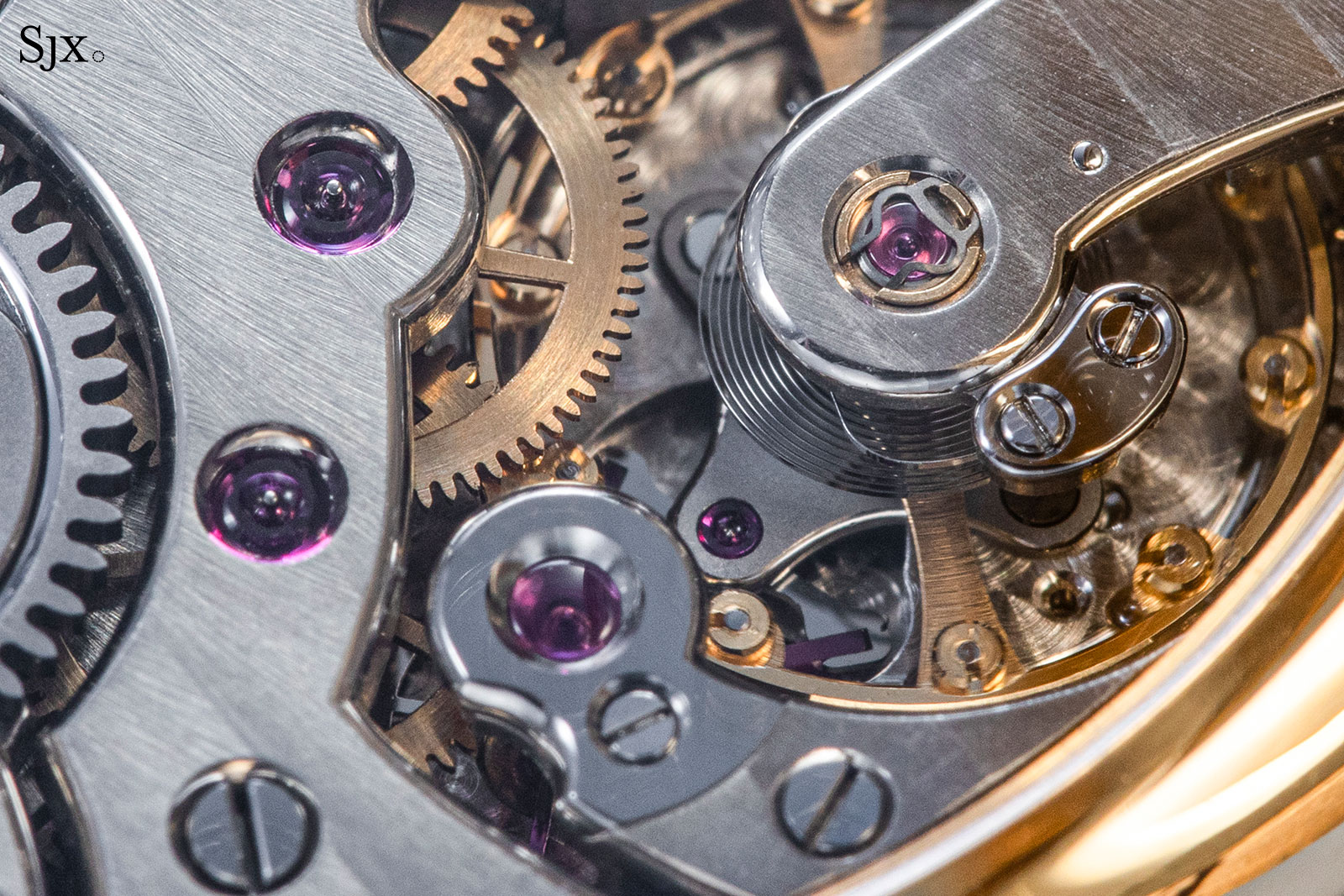
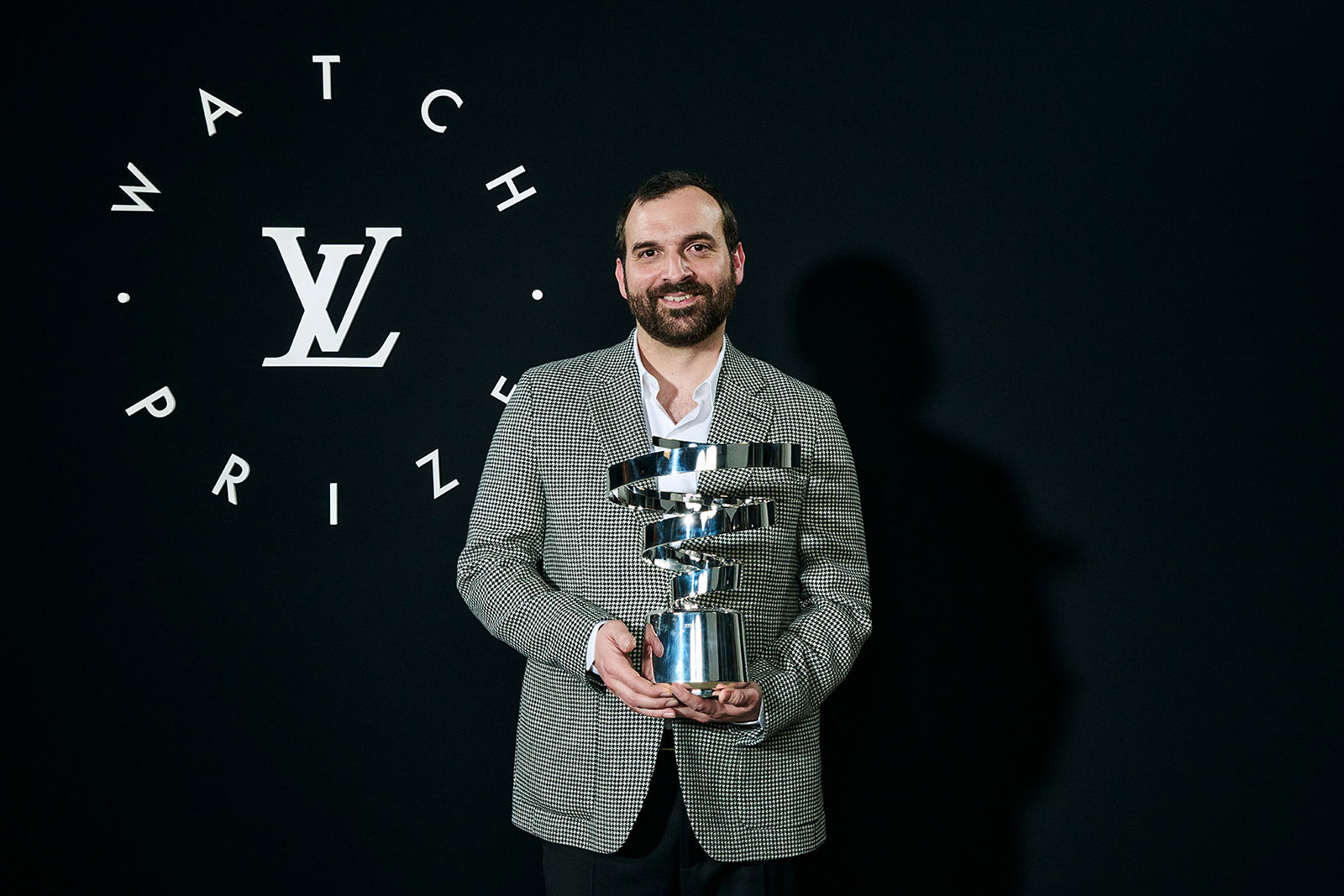
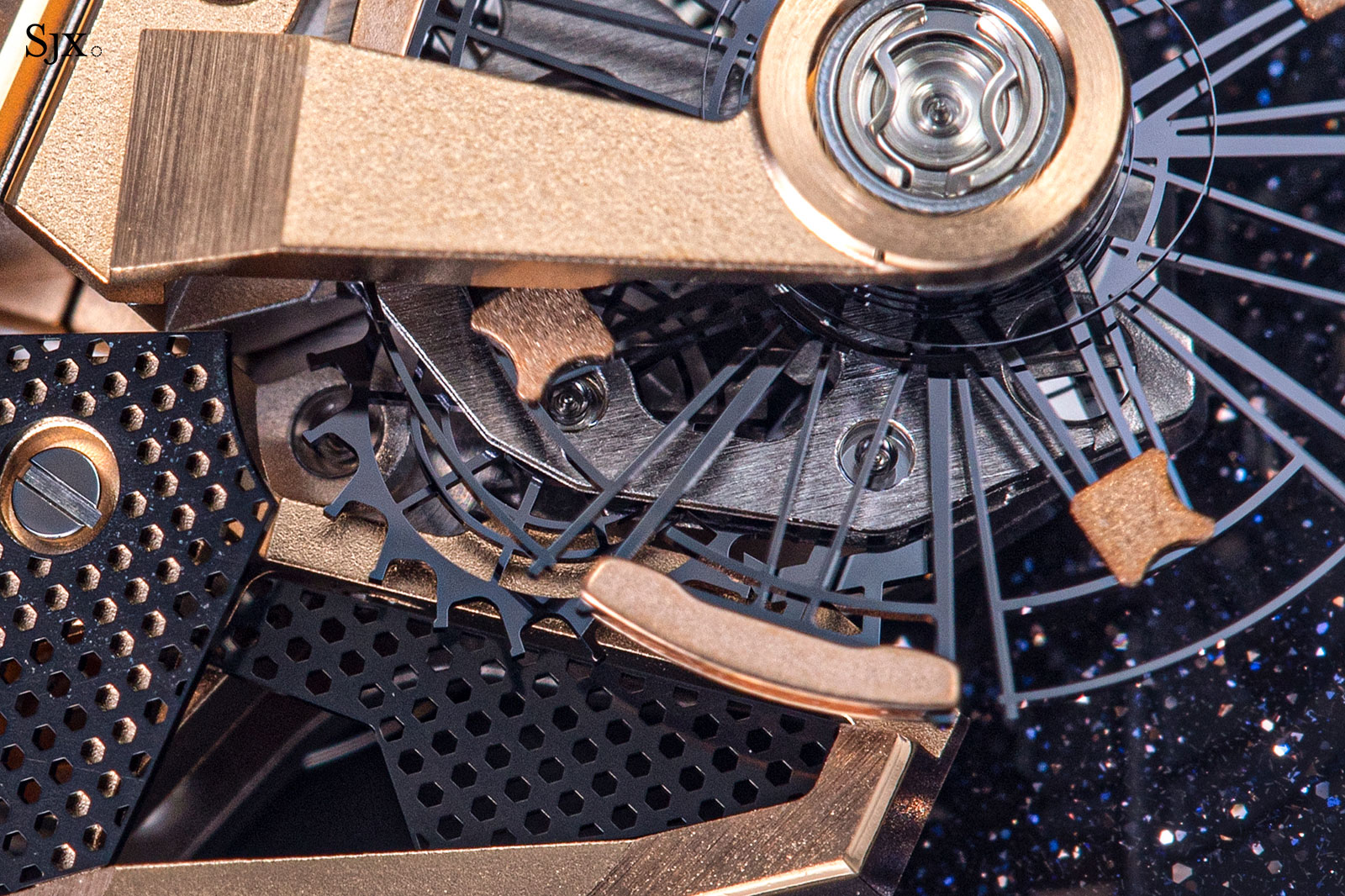
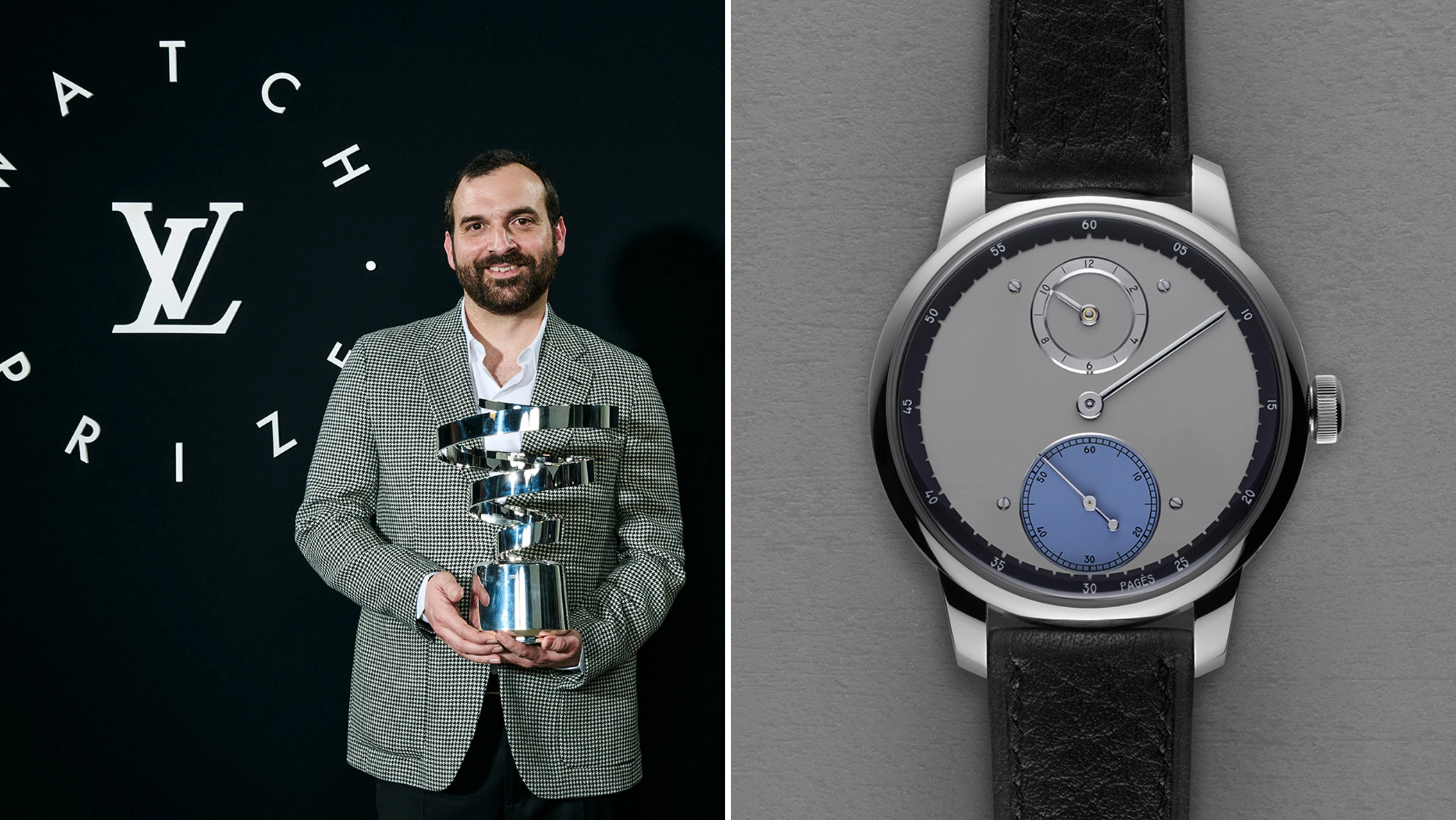
In its first year, the Louis Vuitton Watch Prize for Independent Creatives has been awarded to Raúl Pagès and his RP1 Régulateur à Détente. Selected by a five-person jury, the RP1 triumphed over five finalists, including Andreas Strehler with his Tischkalender Sympathique and Petermann Bedat and its Reference 2941 split-seconds chronograph. A watchmaker, restorer, and automaton maker, Mr Pagès’ winning entry is a time-only wristwatch with a regulator-style display, and more importantly, a movement of his own design with a detent escapement. Historically found in precision marine chronometers, detent escapements are highly accurate but typically not shock resistant, a problem Mr Pagès solved by taking inspiration from a 19th century escapement design. As a result, his escapement is shock resistant enough for everyday use in a wristwatch. Besides technical features, the RP1 movement also boasts a high level of decoration that is artisanal in nature and accomplished by hand. The finishing, architecture, and construction are all classical in style, reflecting Mr Pagès experience as a restorer, most notably at Parmigiani, perhaps the most respected restoration workshop in Switzerland. A drawing a traditional detent escapement (left), and the RP1 detent escapement Tearing up as he gave his acceptance speech, Mr Pagès’ win is a milestone in a career that actually started over a decade ago. His skill and dedication were recognised by the jury, made up of Carole Forest...
 Time+Tide