In-Depth: The Technical Evolution of Patek Philippe
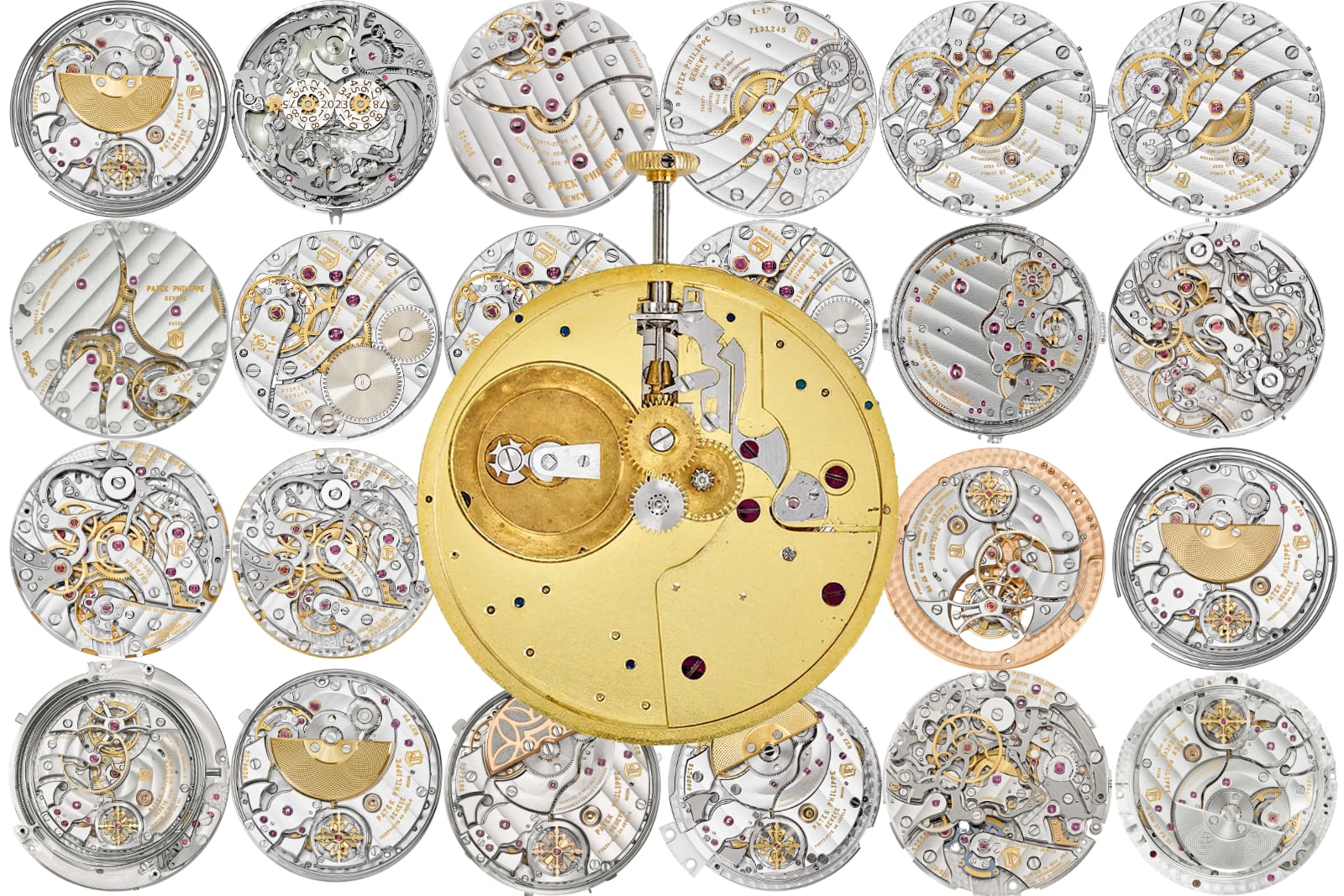
The Patek Philippe approach to watchmaking has developed through a steady accumulation of choices. Since 1839, the manufacture has refined its mechanical language through proportion, regulation, and clarity in construction. Each calibre reflects priorities shaped by experience, built for durability, and adjusted for lasting performance. Understanding the technical evolution of Patek Philippe requires attention to the principles that govern its construction: structural integrity, material stability, and a consistent focus on functional accuracy. Many manufacturers embraced modernity through visible transformation and stylistic experimentation, while Patek Philippe evolved through careful integration of innovation that served enduring mechanical aims. Its development follows a logic defined by proportion, restraint, and the pursuit of lasting technical harmony. The modern-day, expansive manufacture in Plan-les-Ouates in Geneva From Jean Adrien Philippe’s keyless winding system of the 1840s to the introduction of silicon components in the twenty-first century, progress has remained guided by internal reasoning and accumulated skill. Each movement expresses a study of mechanical relationships refined over time, where advances emerge from clarity of purpose and precision in design. The chapters that follow trace this progression through its historical sequence. Each period reflects a technical response to changing demands: the shift from pocket to wrist, the rise of automati...
 Monochrome