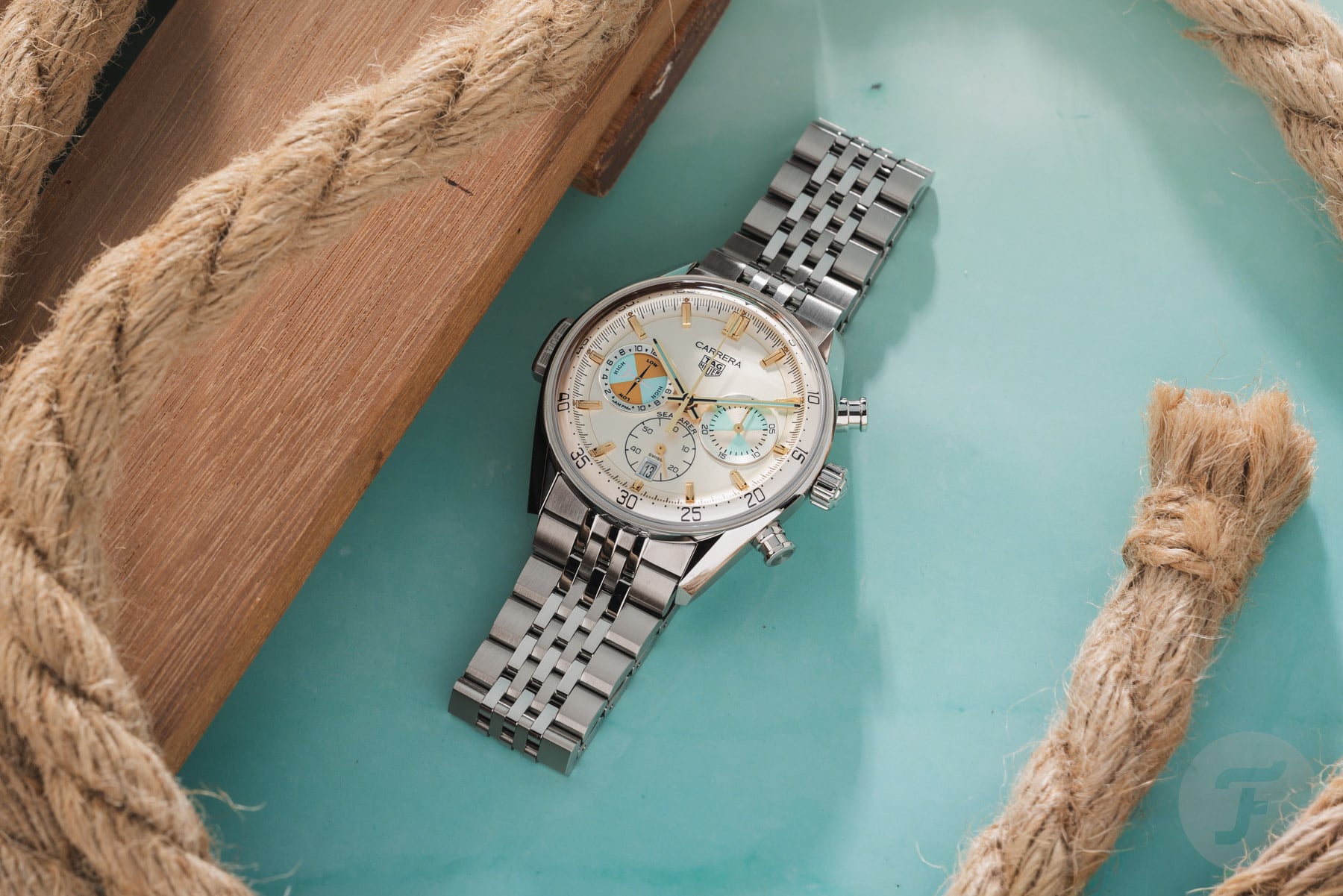
A Quick Look at the TAG Heuer Carrera Seafarer
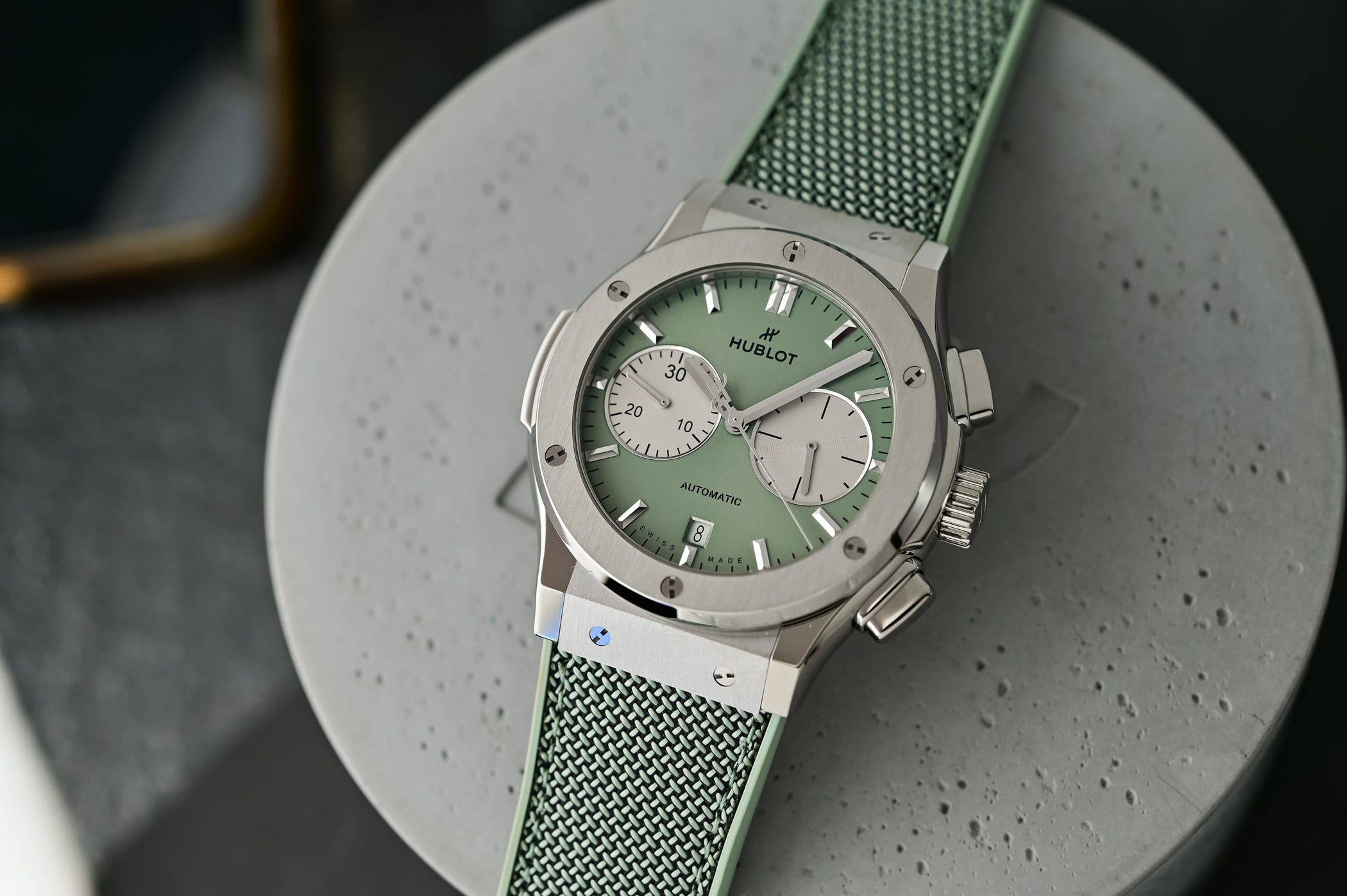
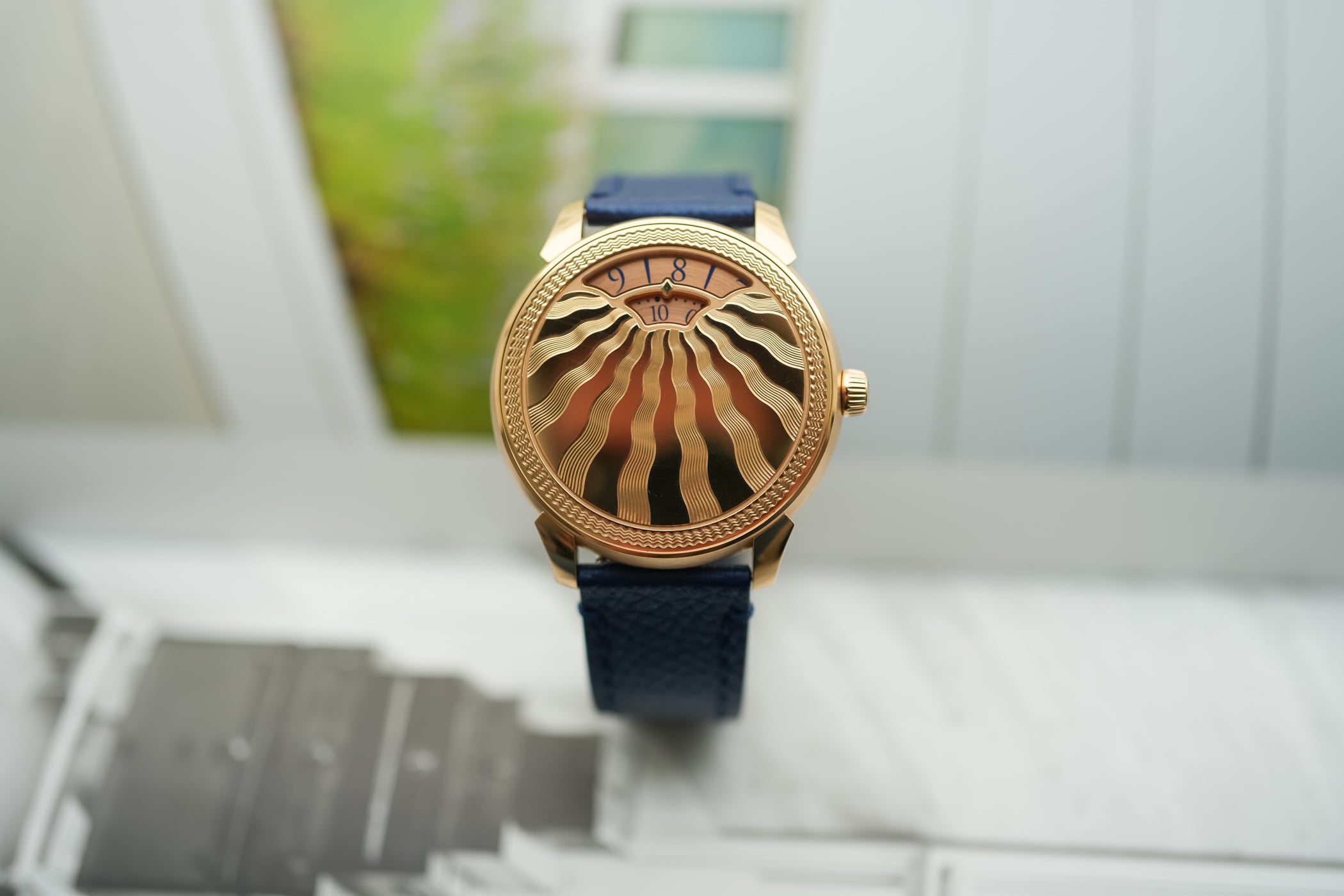
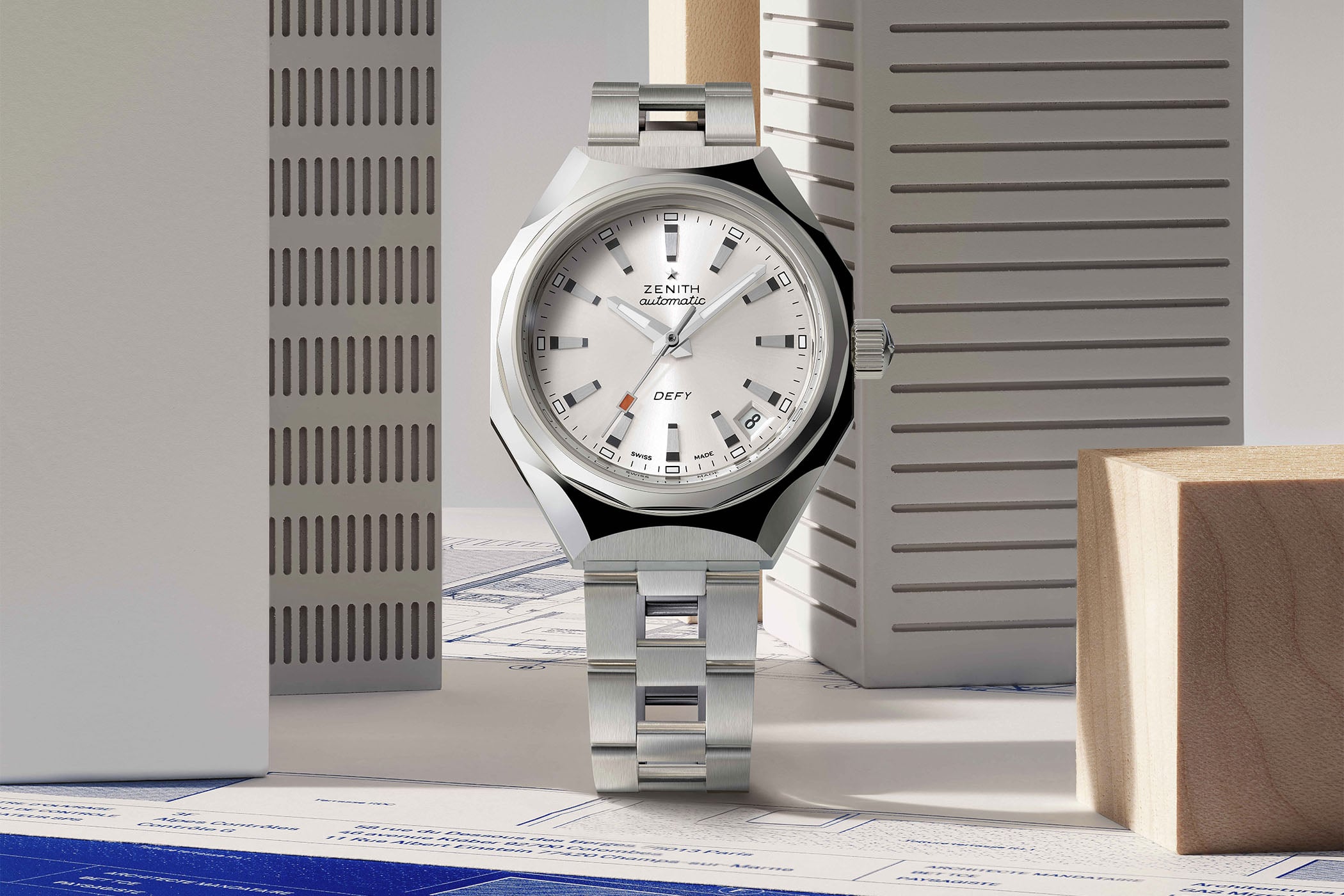
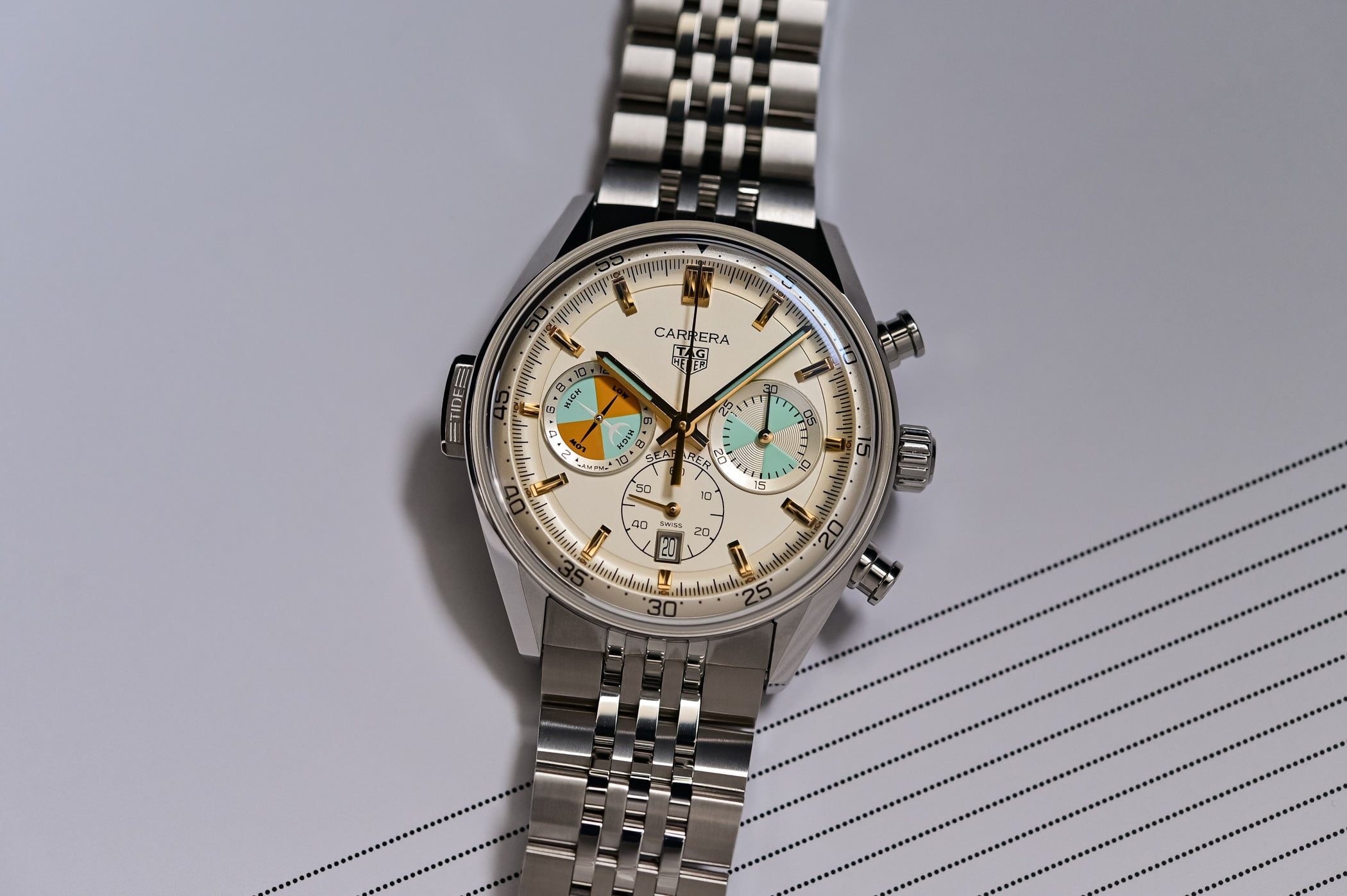
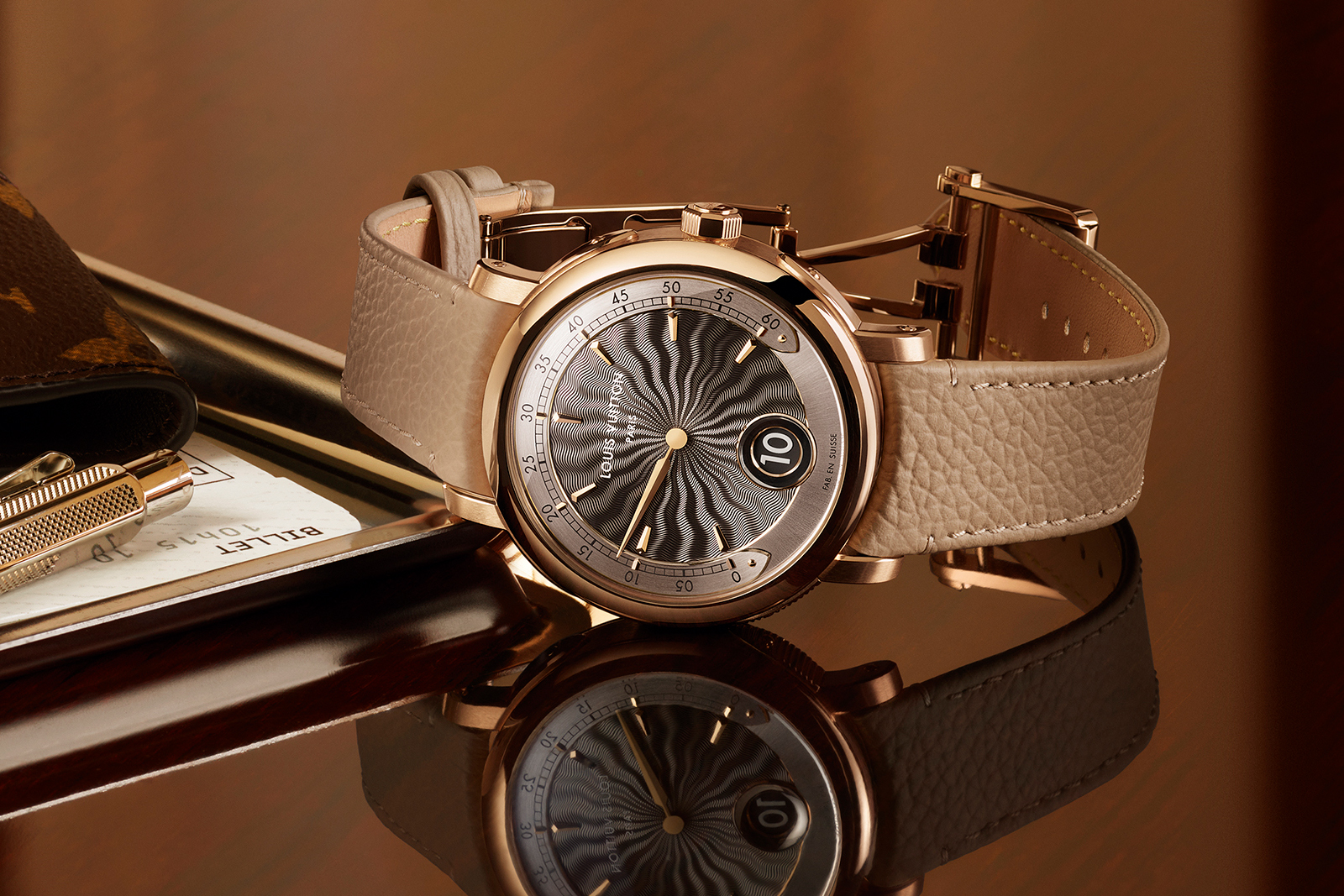
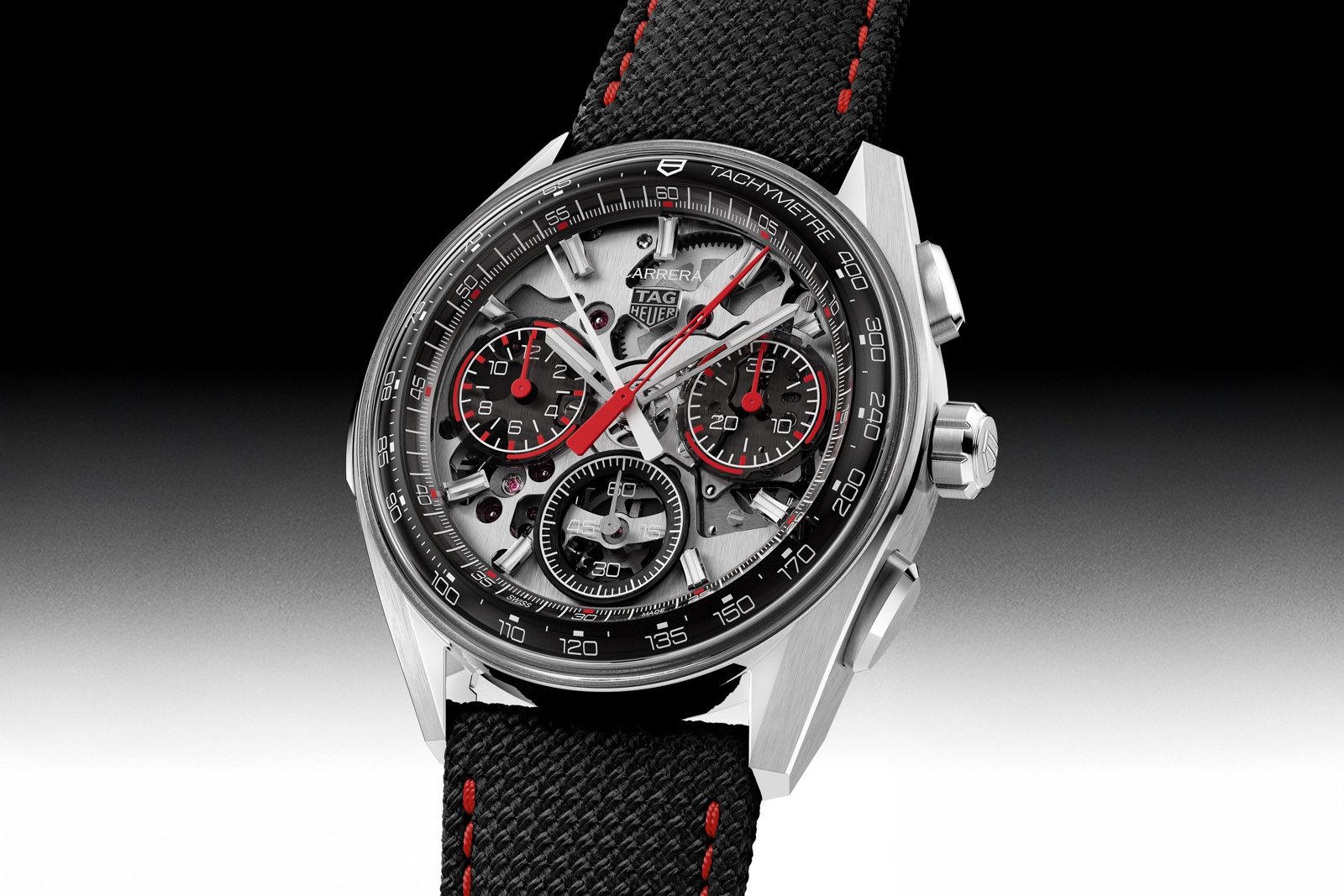
LVMH Watch Week has become the first of the blast waves of new releases we can expect every year. Siloed to one group, it leans toward the high end. Actually, very high end, with the most eye-catching releases relegated to Daniel Roth, Gerald Genta, and the eponymous Louis Vuitton, the latter of which actually had the most intriguing releases of them all. “Über collector” brands the lot; there’s plenty to appreciate, especially as they lean into haute-indie aesthetics. Yet, the lack of accessibility for us mere mortals takes a bit of the fun out of it. LVMH is not exactly known as an “approachable” luxury mega-conglomerate, but at least with Zenith and TAG Heuer in its portfolio, it has some brands that lean toward enthusiasts. After spending an afternoon with Hublot, Zenith, and TAG Heuer, getting to see a sample of novelties (it was pretty clear that all are holding back for Watches & Wonders), the watch that left the strongest impression a day later was TAG’s Carrera Seafarer. A follow-up to their 2024 Hodinkee collaboration, the major differences are the new color, which is exquisite, the “beads of rice” bracelet, and widespread availability. Having never encountered the Hodinkee collab in the metal, getting to try the Seafarer on for the first time left an impression. IMAGE COURTESY OF ANALOG/SHIFT For those unfamiliar with the Seafarer’s heritage, here’s a tl;dr: they were a line of chronographs that included a unique additional complication, a t...
 Fratello