Photo Report: A Week In Japan With Citizen Celebrating 50 Years Of Eco-Drive
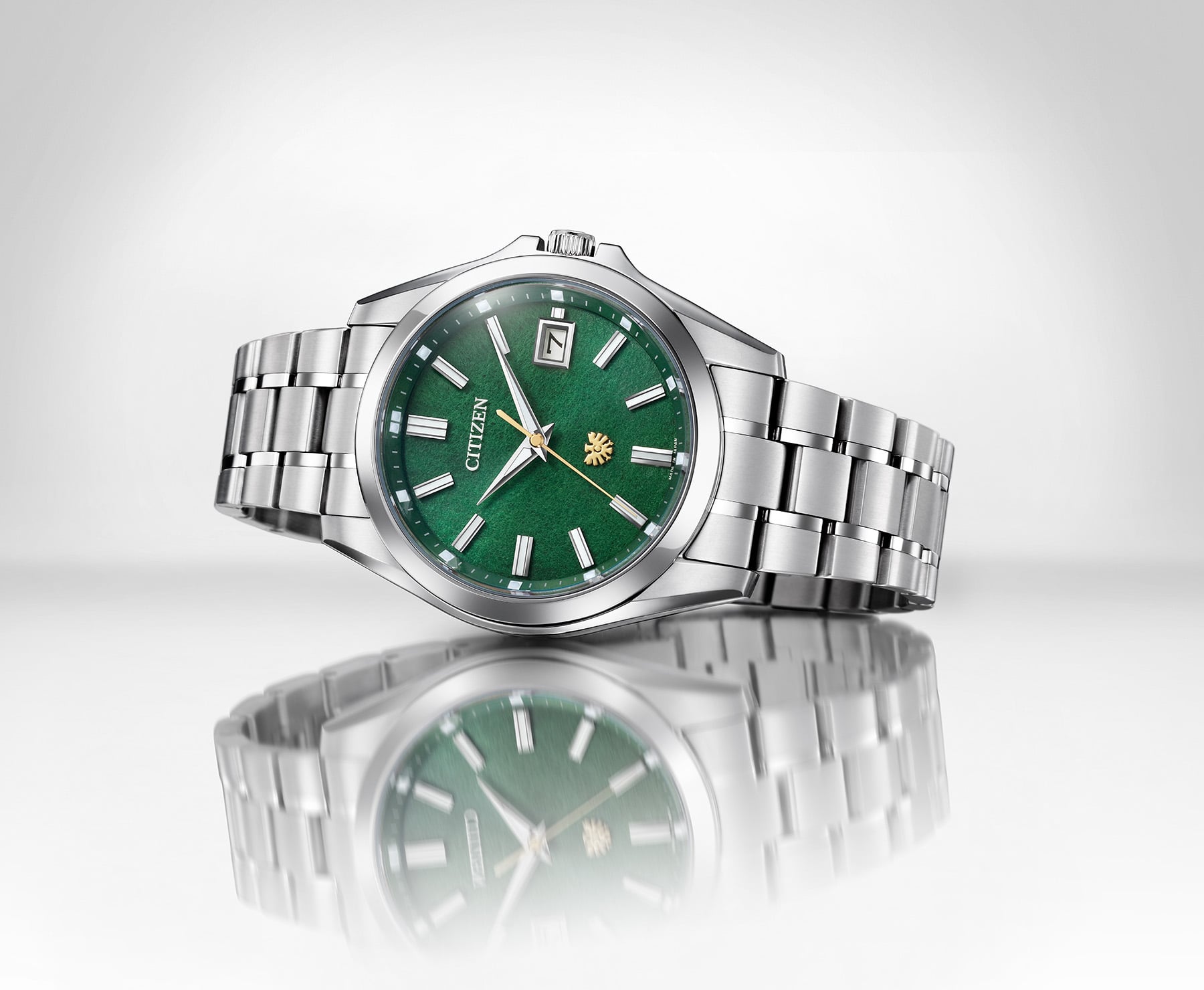
We're not paying enough attention to Citizen. Or, at least, I haven't been. Sure, the occasional Aqualand or Promaster might sneak through my net, but if I'm being totally honest, going into my week spent exploring Japan with Citizen in celebration of 50 years of Eco-Drive, Citizen is not a brand I'd ever felt much urgency to think about. It seemed too ubiquitous, too familiar, to register as something enthusiasts were meant to seriously consider. That perception is probably common for a reason. For plenty of people, Eco-Drive was the watch you first saw in a mall case, on a relative's wrist, or that was explained to you by someone excited about it being powered by the sun. Citizen has sold Eco-Drive watches on an enormous scale, and that kind of visibility can sometimes obscure what's actually interesting about them. Eco-Drive's popularity is substantial. Since its introduction in 1976, Citizen estimates that the technology has prevented the use of roughly 100 million watch batteries. Stacked end to end, that's the equivalent of about 3,600 Mount Everests. But it turns out that achievement only scratches the surface. What I hadn't appreciated is that ubiquity and serious watchmaking aren't mutually exclusive. Beneath the scale and familiarity is a product backed by a half-century of innovation and, what surprised me most, a watch that still involves a meaningful amount of hand assembly. The original Eco-Drive watch, the Citizen Crystron Solar Cell, from 1976. A "reflect...
 Revolution