 Two Broke Watch Snobs
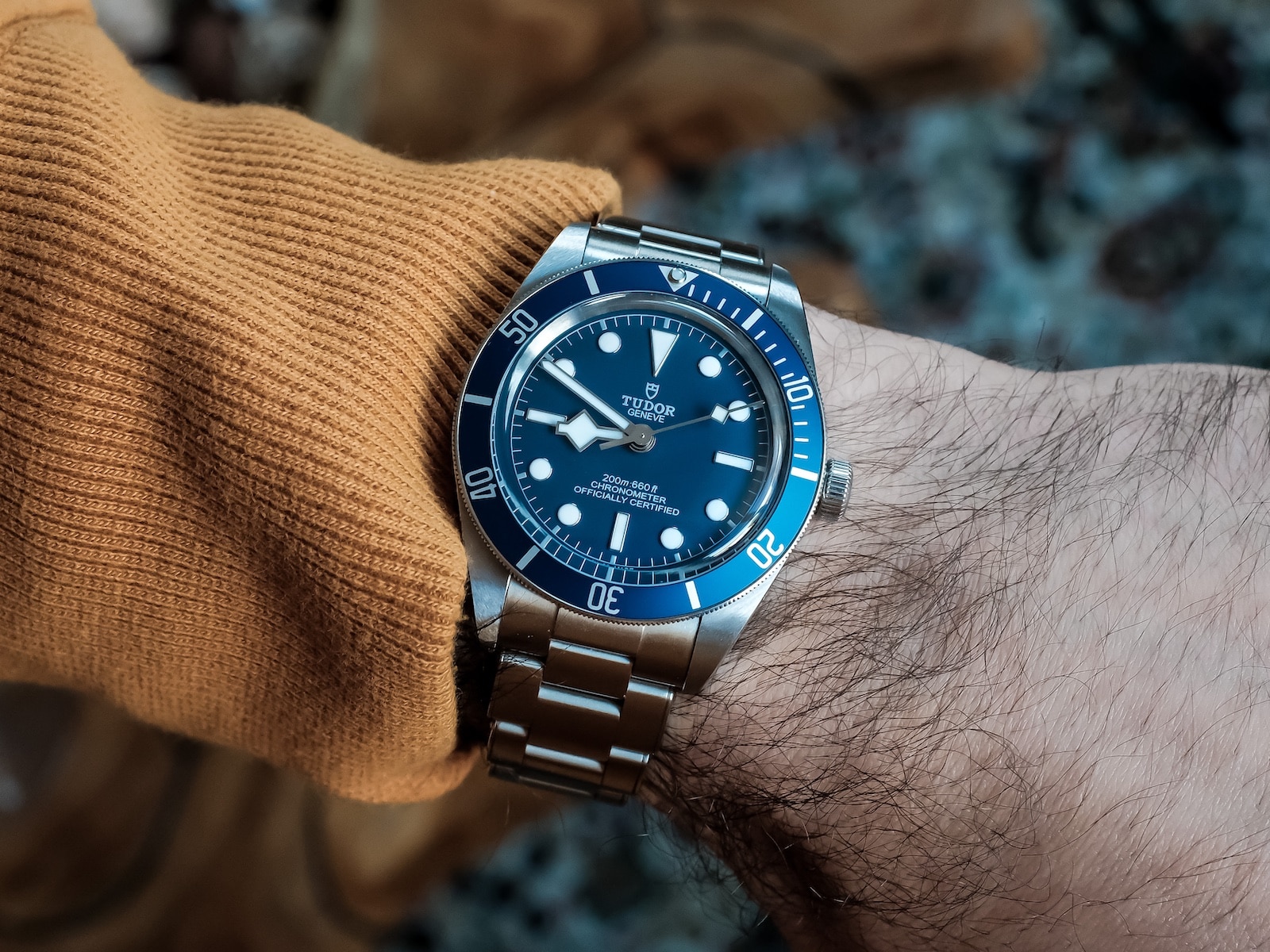
Are In-House Movements Overrated? Lessons from 2 Tudors and an IWC
Are in-house watch movements still worth it? Real-world ownership reveals the hidden tradeoffs and why a proven alternative may make more sense.
21,878 articles · 5,668 videos found · page 383 of 919
Two Broke Watch Snobs
Are in-house watch movements still worth it? Real-world ownership reveals the hidden tradeoffs and why a proven alternative may make more sense.
 Fratello
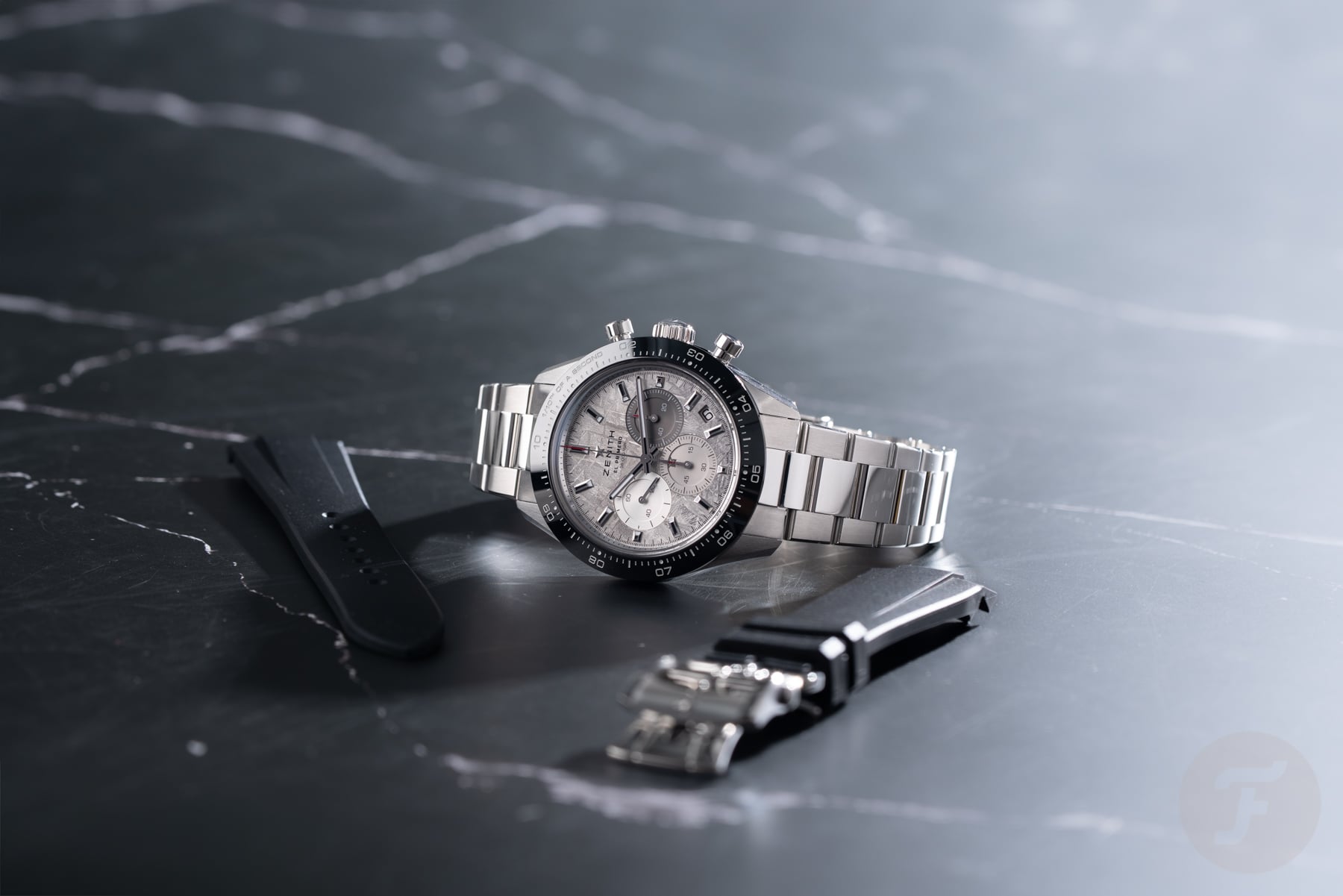
Another Friday, another list. For this week’s Top 5, we look at another Rolex classic. The Cosmograph Daytona is one of the brand’s most iconic pieces in the watch world. The stainless steel versions of the racing chronograph are notoriously difficult to source through a Rolex dealer, and pre-owned prices are generally higher than retail. […] Visit Fratello’s Top 5 Rolex Daytona Alternatives In 2026 to read the full article.
 SJX Watches
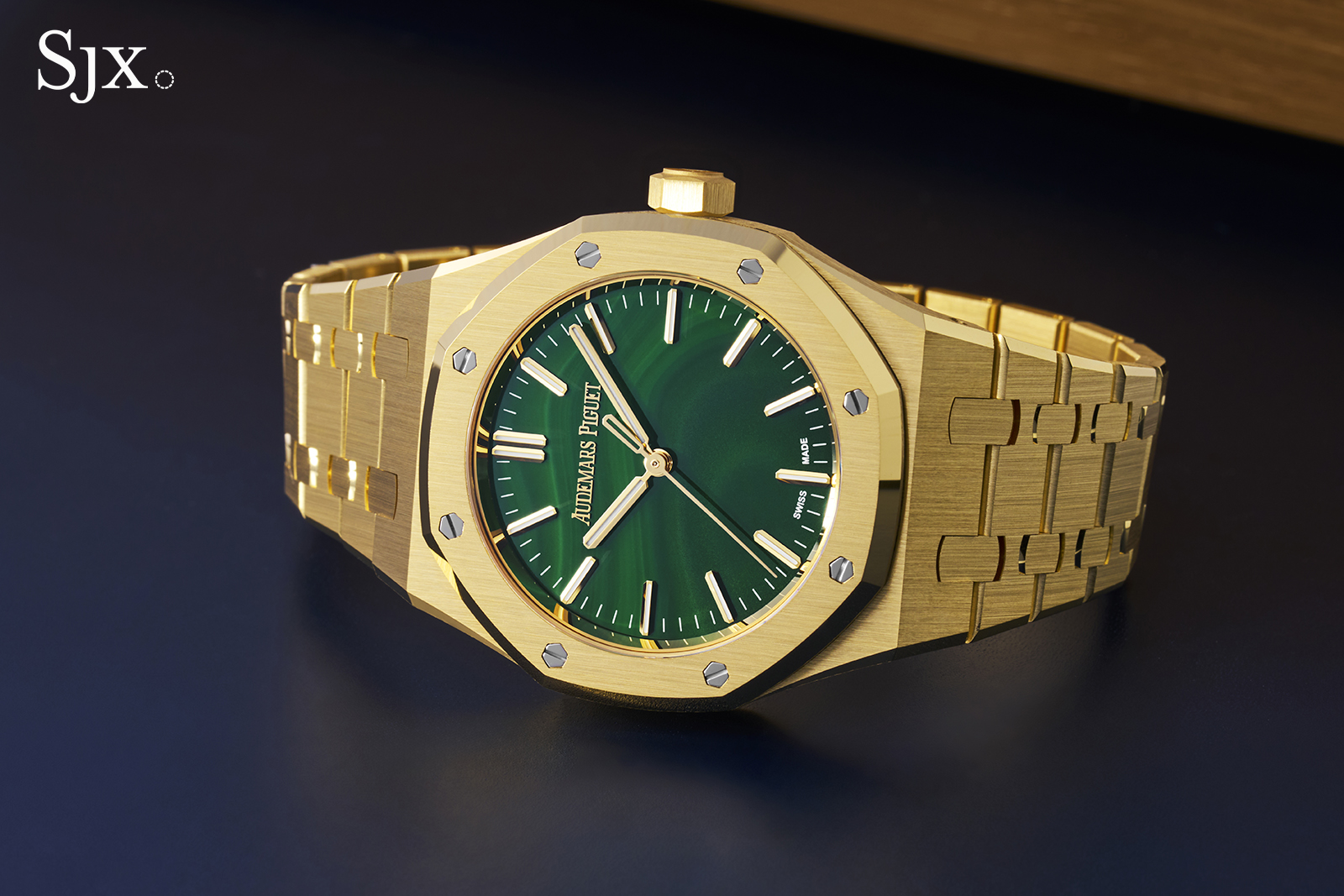
Audemars Piguet expands its stone‑dial lineup with the new Royal Oak Self-Winding 37 mm and 41 mm in yellow‑gold featuring malachite dials, continuing the brand’s cautious re-exploration of trendy stone dials. Initial thoughts Last month Bad Bunny, the most-streamed musician in the western hemisphere, took the field for the Super Bowl LX halftime show wearing this yellow gold Royal Oak Selfwinding 37mm. A design as recognisable as any in watchmaking, worn on the wrist of the “King of Latin Trap” in front of over a hundred million viewers - a significant marketing coup for Audemars Piguet. It was also an implicit endorsement from Bad Bunny’s stylist Storm Pablo, who procured the watch within days of its announcement. Bad Bunny during the Apple Music Super Bowl LX halftime show. Image – Apple Pricing remains surprisingly reasonable, with the 37 mm pegged to the same price as the turquoise-dialled sibling from a few years ago, while the 41 mm model is priced just 4% higher than a regular production Royal Oak in pink gold. That’s a large step up in absolute terms, but that comes with the (price) territory. It is important to point out that despite the premiums brands often attach to stone dials, most are not particularly expensive to make. When it comes to malachite, the raw material cost is negligible, with African mines in and around the Copperbelt producing gemstone-quality malachite by the literal ton. Audemars Piguet made the right choice by avoiding t...
 Fratello
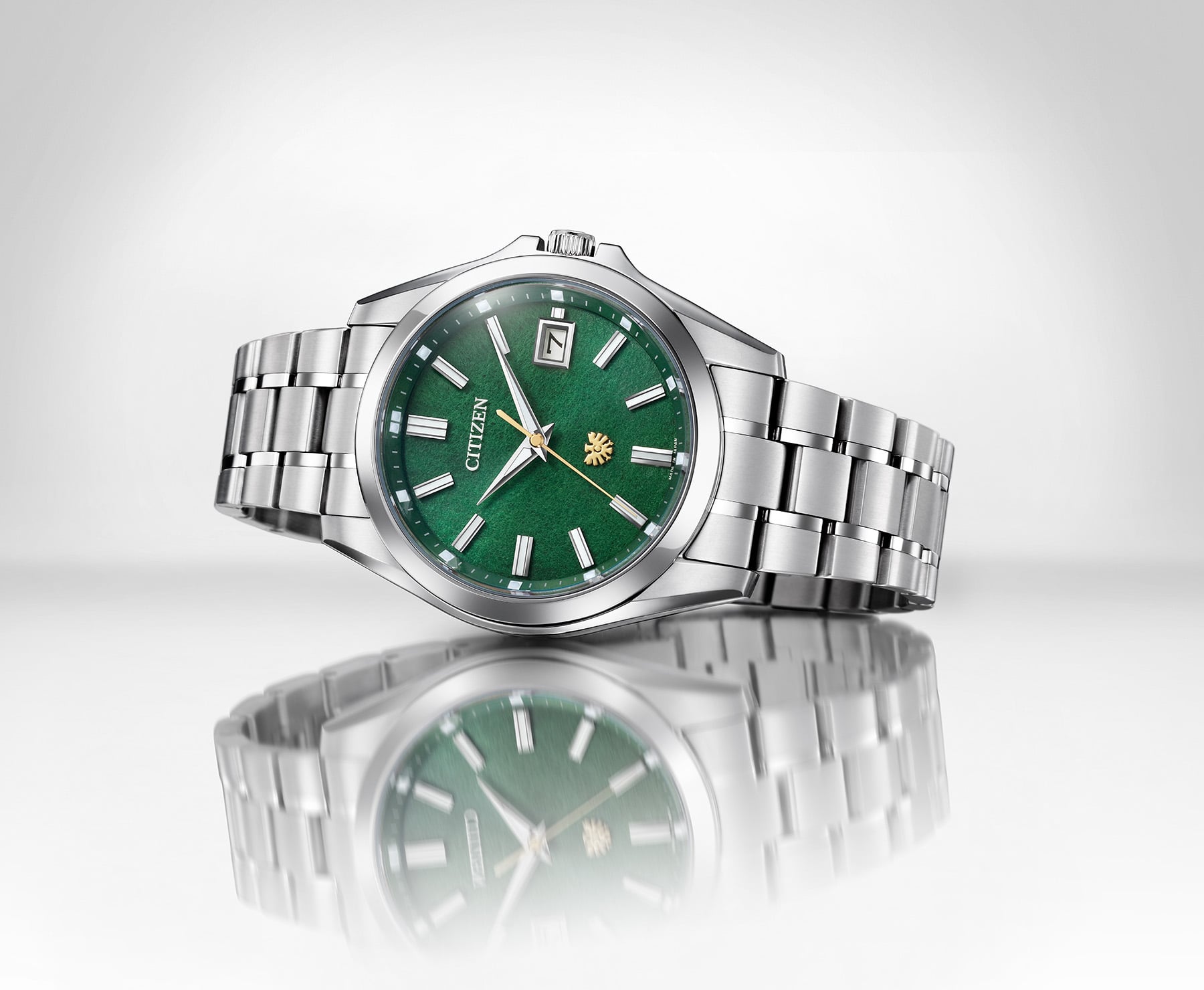
When I read the press information for the Citizen Eco-Drive 50th Anniversary Edition, I couldn’t believe it has been five decades since the Japanese brand introduced its first Eco-Drive-powered watch. That’s especially surprising when I put it into personal perspective, as it happened a year before I was born. In my mind, Eco-Drive technology still […] Visit The Eco-Drive 50th Anniversary Edition Celebrates Citizen’s Quest For Accuracy In Style to read the full article.
 Worn & Wound
A common critique leveled at Seiko over these last few years is that they’ve abandoned the affordable enthusiast dive watch market and have been creeping toward a higher priced product. Honestly, it’s fair. Those of us of a certain age can fondly remember the days when an SKX diver could be had for a few hundred bucks, and it basically stood alone in the Venn diagram of pedigree, dive watch bona fides, enthusiast credibility, and affordability. The fact is, there’s a lot of competition for affordable divers these days, much of it driven by the popularity of a handful of key Seiko references. So it’s no wonder that they’ve sought to expand their footprint elsewhere and make a higher end, more expensive product. What often gets lost in these conversations is that the higher priced Seiko divers are actually very good dive watches that still cover much of that hypothetical Venn diagram, perhaps leaning a little further away from affordability. Seiko recently announced a handful of new references and while many of us hoped a truly affordable SKX alternative might be in the mix, they’ve once again debuted a new diver at a higher rung of their pricing ladder. The highlight for collectors and serious Seiko fans will likely be the Seiko Prospex Marinemaster 1968 Heritage Diver’s Watch (the official Seiko naming conventions are always a bit cumbersome). Yes, this is yet another mostly historically accurate take on the first ever diver rated to 300 meters of water r...
 Video
Video
 Worn & Wound
If you have been following us for a while, you are likely well versed in Squale’s divers, vintage-inspired designs, and limited edition runs. The brand has quietly been a leader in the realm of dive watches since the 60s with a cult following from hardcore dive watch nerds. In the past decade in particular, Squale has been getting more and more traction and recognition. In 2019, the brand notched its 60th anniversary and with that, introduced a new collection: the Sub-39. This limited edition fittingly paid homage to Squale’s early 1960s divers, using an original prototype with a 39mm case as reference. Following its success, the brand ultimately made the Sub-30 a permanent collection, upping the ante with COSC-certification and complications like a GMT. Today, we get the next evolution with the Sub-37 Legend. Focusing on the brand’s core tenants – proportions, function, and character – the new slightly sized down 37mm diver emphasizes form over function in a way that is faithful to the golden age of diving, an era when watches were designed to perform rather than to impress. Beginning with the dial, you have a fairly quintessential execution in matte black with a sapphire glass-box crystal reminiscent of vintage plexiglass while ensuring durability and optimal dial legibility. Visibility remains at the forefront of this utilitarian design with both the dial and hands treated with SuperLumiNova Old Radium. Framing the dial is a clean, highly readable unidirection...
 Teddy Baldassarre
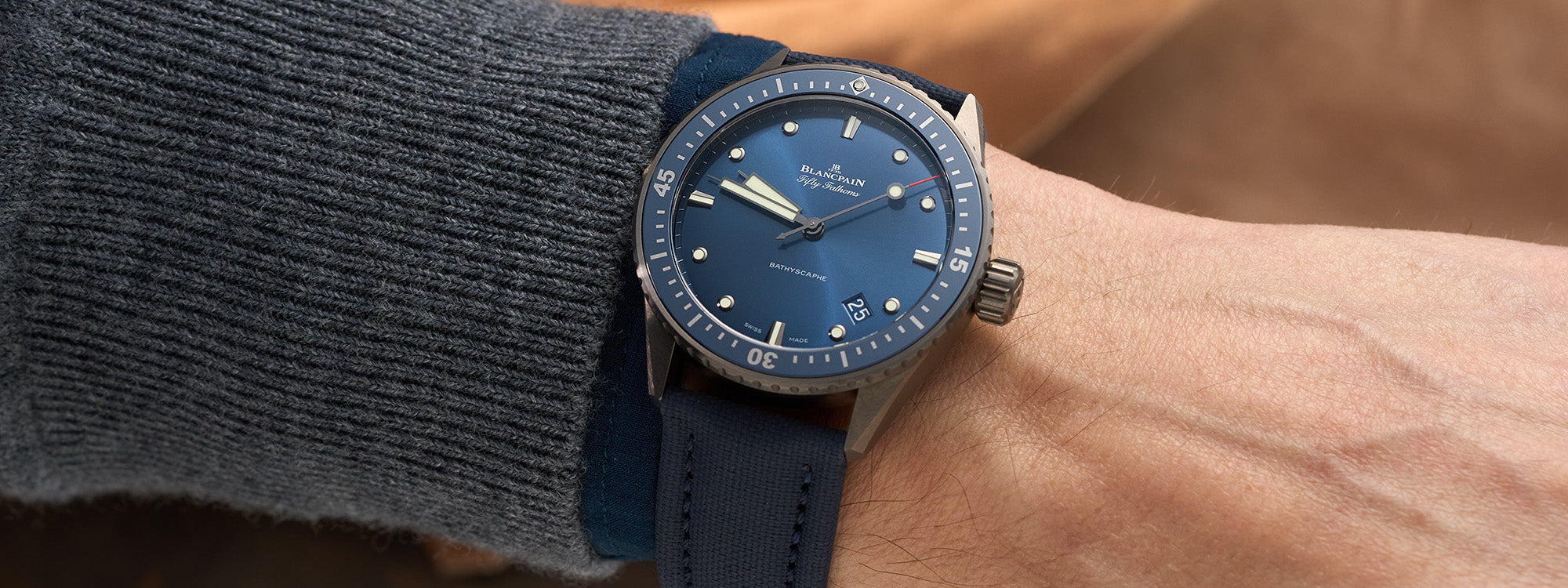
Blancpain, founded in the Swiss village of Villeret in 1735, has been making timepieces for almost 300 years, but perhaps its most impactful contribution to wristwatch history was relatively recent - and began its heralded life as a military tool rather than a luxury item. In 1953, Blancpain was headed by Jean-Jacques Fiechter, an avid diving enthusiast who had long wanted to develop a watch that would be ideal for his hobby. Fiechter worked with Captain Robert Maloubier, a French naval officer, to design a reliable, mission-ready timepiece that Maloubier’s elite combat diving team could wear. Here we will take a look at the Blancpain Fifty Fathoms Bathyscaphe, a more everyday take on the iconic diver. [toc-section heading="Blancpain Fifty Fathoms: A Historic Divers’ Watch"] The watch, called the Fifty Fathoms, had a 42mm steel case - exceptionally large for the time - and it was water-resistant to 91.45 meters, or 50 fathoms, the maximum depth recommended for scuba divers. Its dial was black and its numerals were luminescent for greater legibility underwater. It was the first divers’ watch with a self-winding movement, the first with an antimagnetic case, and the first to employ the patented, double-sealed crown that Fiechter had developed. Most notably, the Fifty Fathoms was the first watch to include a lockable bezel with dive-time scale that rotated in only one direction. This practical and potentially life-saving innovation prevented a diver from acciden...
 Monochrome
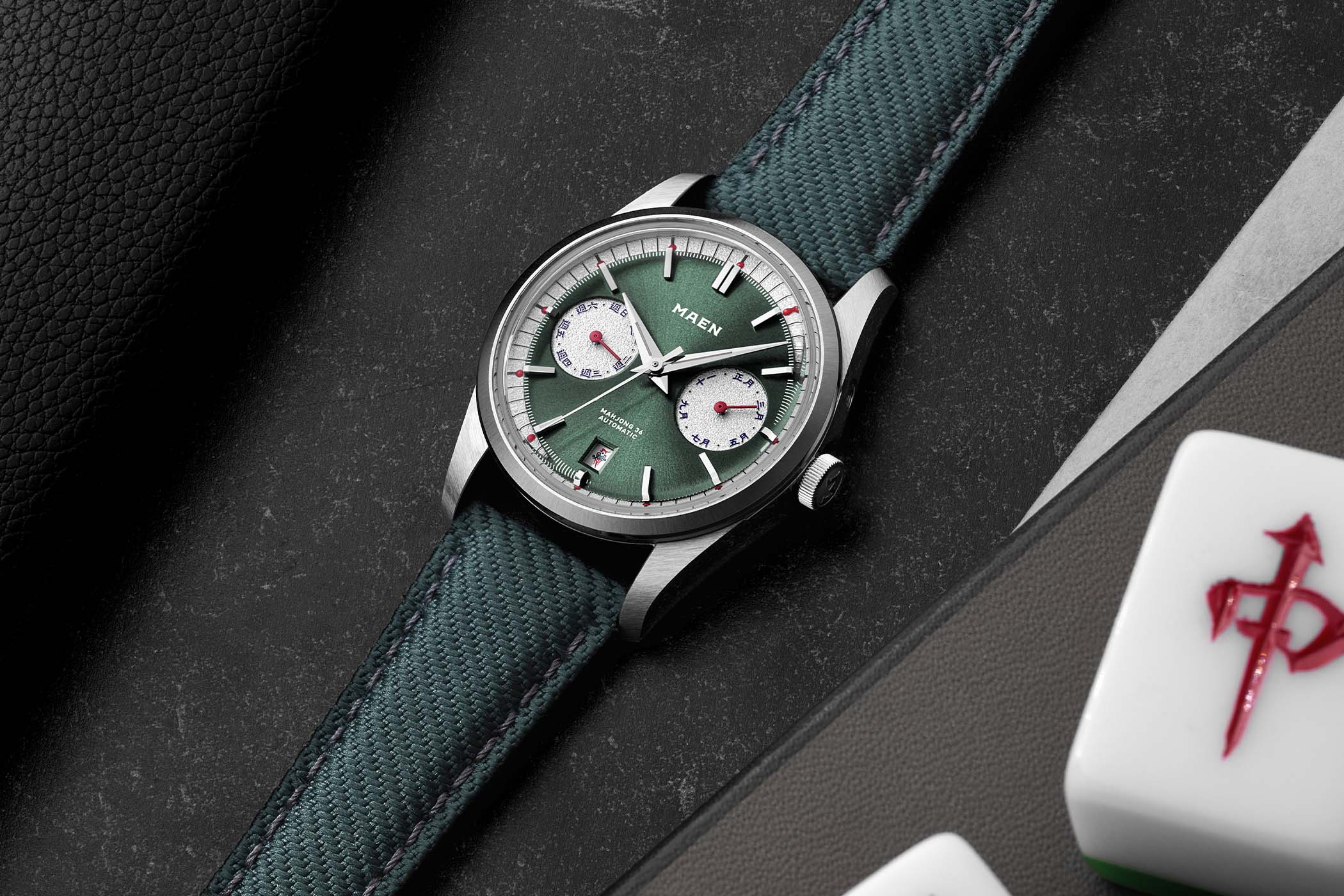
More than just a game, Mahjong is a cultural bridge connecting global Chinese communities and the East and West, historically serving as a crucial medium for social bonding. And today, it serves as a source of inspiration for the creation of a new watch, or to be precise, the hand-carved Mahjong tiles are used as […]
 Hodinkee
The UK's biggest watch brand says building a flyer GMT movement was a trying and 'painful' endeavor that took longer than expected.
 Worn & Wound
Christopher Ward’s releases basically fall into two categories for me. There are the watches that the brand clearly intends to have broad appeal across a wide segment of the watch market. This is really most of their watches. Think of the Sealander and Trident collections, and indeed most of the Twelves, and you have watches that are very well made and attractive but not exactly groundbreaking. Then there’s the Loco, the Bel Canto, and some of their more experimental pieces that play with aventurine and sapphire dial elements. These watches veer into the avant-garde and serve as showcases for what Christopher Ward is capable of at a higher (but still very fair) price point. I’ll admit, I’m partial to the latter, and less interested in the former. The Loco and Bel Canto in particular really demonstrate Christopher Ward’s ambition to be more than just a former maker of homage watches. These watches fully escape the brand’s roots. Their latest release, the C63 True GMT, sits somewhere in the middle. Built on the Sealander platform, the new True GMT is exactly what it says on the tin: a sporty multi-time zone watch with an independently jumping local hour hand. A “true” travel GMT, offering significantly more use while on the move between time zones than a “caller GMT,” still the standard for this type of watch under about $5,000. What makes this watch special is that it represents nearly as much movement innovation and development as the brand’s more...
 Video
Video
 Monochrome
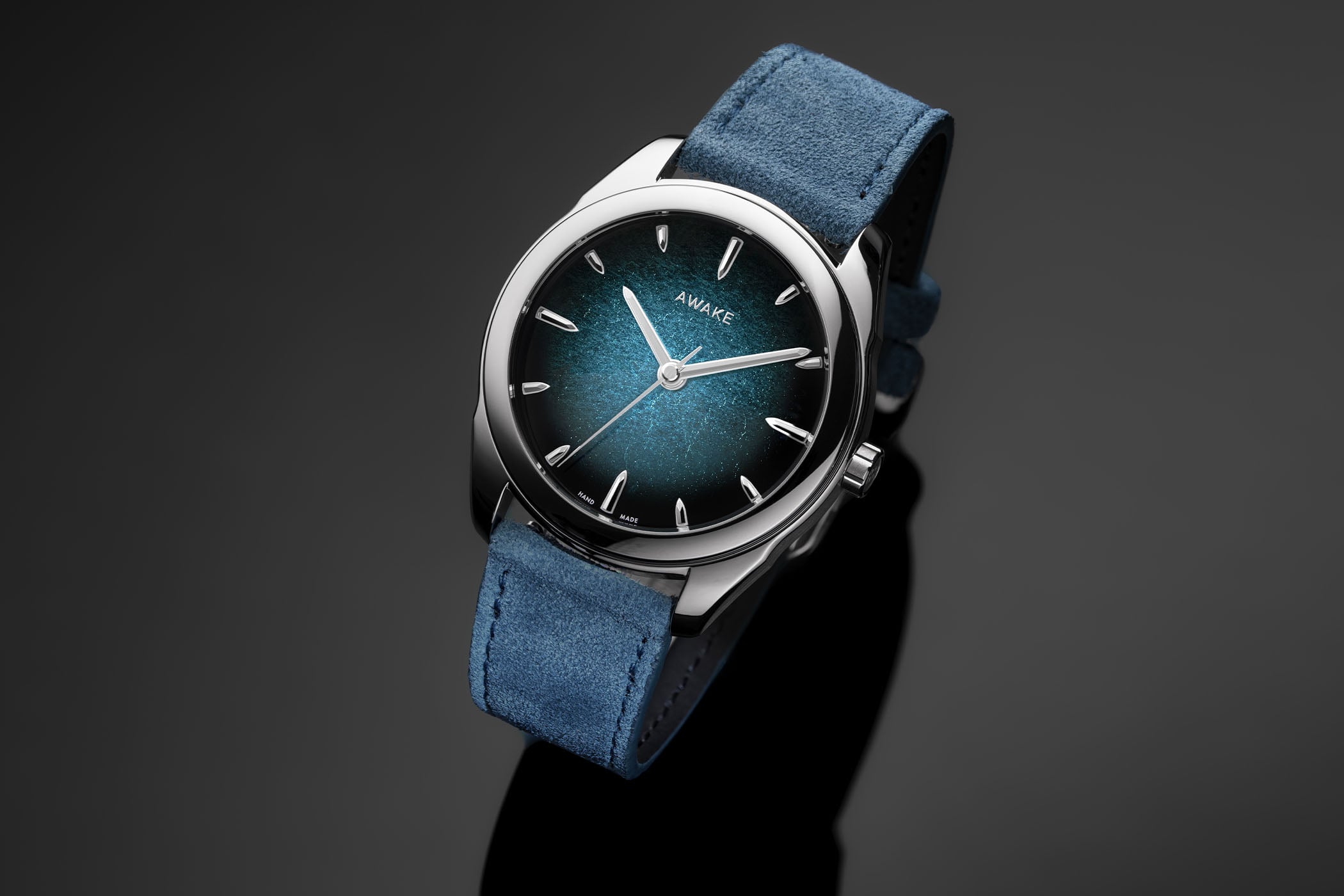
Awake, the young Parisian-based indie brand founded by Lilian Thibault in 2019, is a keen advocate of sustainability and fosters an eco-friendly approach to watchmaking. Introduced in 2024, Awake’s Son Mai collection is a fitting spokesperson for the brand’s philosophy and features handcrafted lacquered dials created by Vietnamese artisans. Combining minimalist design to highlight the […]
 Hodinkee
With a Super Titanium case and bracelet and an eye-catching dial, Citizen brings a new design and 12-month power reserve to the lineup.
 Fratello
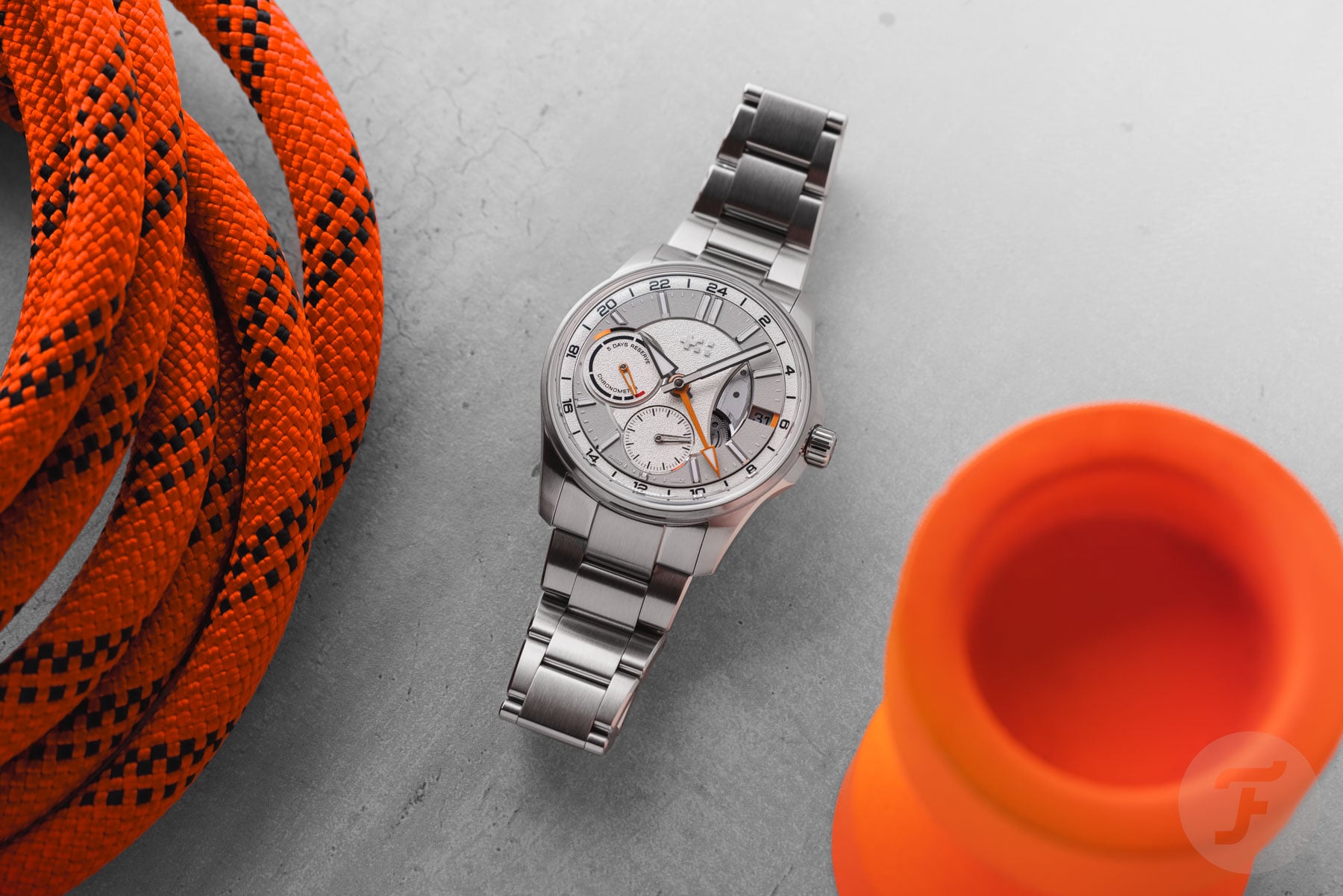
Christopher Ward is, without a doubt, one of the most active watch brands around today. It has consistently shown us how to push the envelope of what is possible in the realm of affordable watches. This has led to an extensive collection of watches that show great diversity. Simply compare the Bel Canto to the […] Visit Hands-On With The Remarkable New Christopher Ward C63 Sealander True GMT to read the full article.
 Monochrome
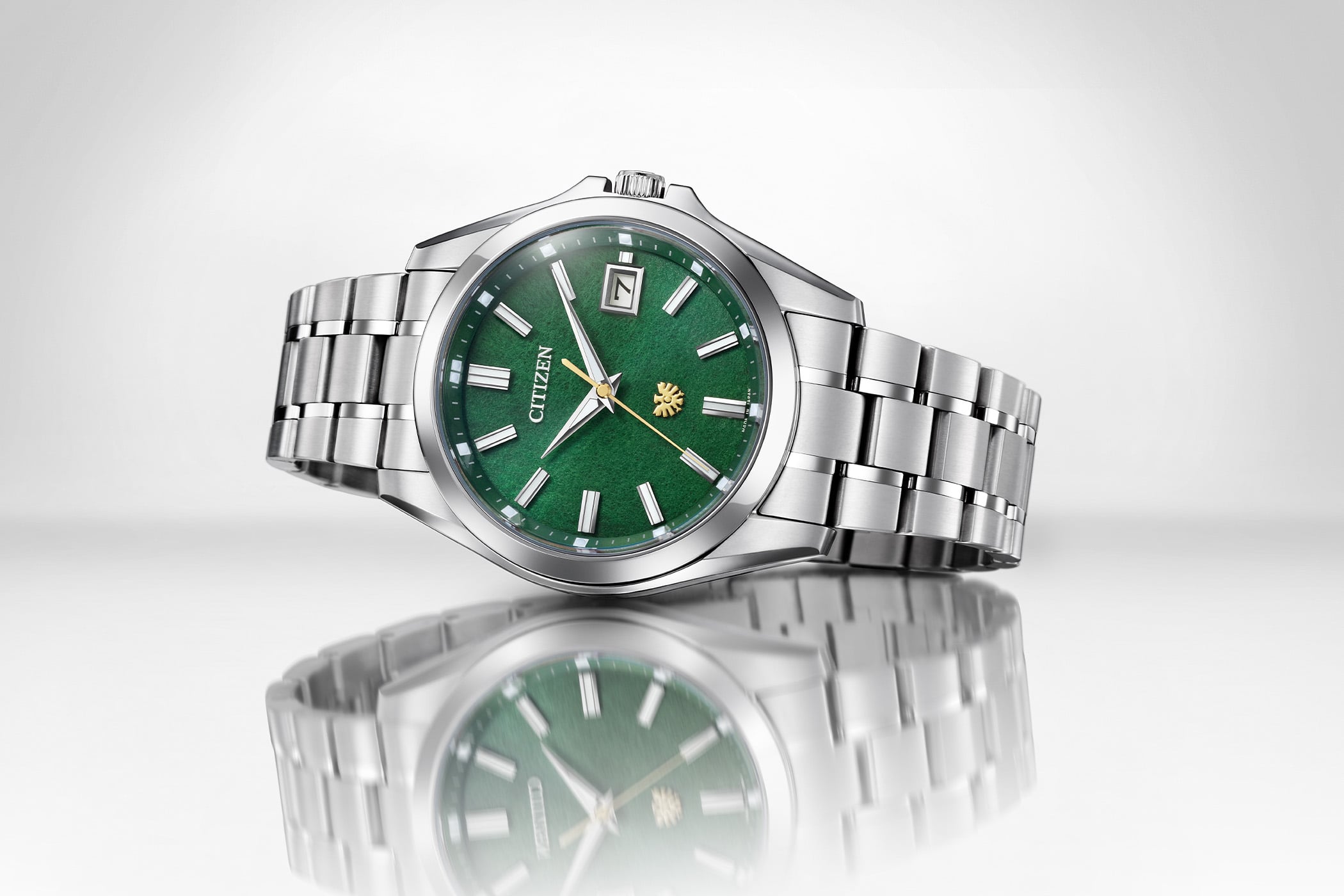
While it was Seiko that first commercialised the quartz watch in 1969 with the legendary Astron, one could argue it was Citizen that took the ball and ran with it. While never abandoning mechanical watches, Citizen invested much of its research and development in quartz and light-powered technology, focusing on both accuracy and efficiency. Back […]
 SJX Watches
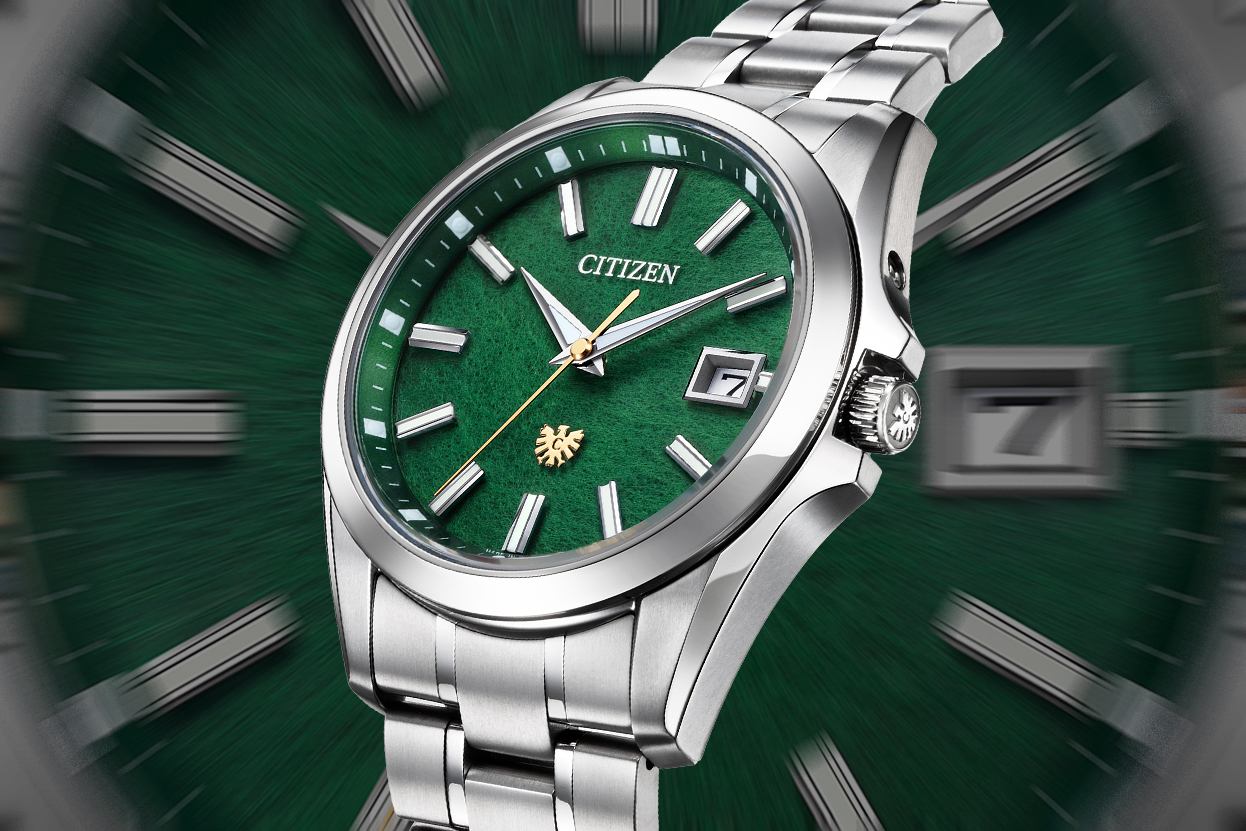
Citizen invented the first solar-powered analogue watch way back in 1976, and now it’s marking 50 years of its signature timepiece with “The Citizen” Eco-Drive 50th Anniversary. Five decades on Citizen’s solar technology is amongst the most advanced, and the anniversary edition is equipped with a movement that runs within five seconds a year, and will last 18 months on power save mode. But the dial, on the other hand, is traditional Japanese craft: it’s made of washi, a paper that’s dyed by hand, and translucent enough to allow solar charging. Initial thoughts The combination of washi, Super Titanium, and high-end quartz is a familiar one, with Citizen having applied it to past limited editions. Although Citizen is repeating the formula, this remains impressive from both a technology and materials perspective. The ultra-accurate A060 is one of the most sophisticated analogue quartz movements on the market, while Citizen’s proprietary hardened titanium, first polished by hand then hardened, is equally impressive. Tech aside, the anniversary edition stands out for the washi dial that adds a little bit of traditional Japanese craft to all of the cutting-edge tech in the watch. The dial is made of Japanese paper that’s dyed by hand with old school dyes obtained from plants. That said, this anniversary edition is still a relatively niche product for enthusiasts who appreciate high-end quartz technology packaged well. All of that tech and finishing comes at a pri...
 Video
Video
 Monochrome
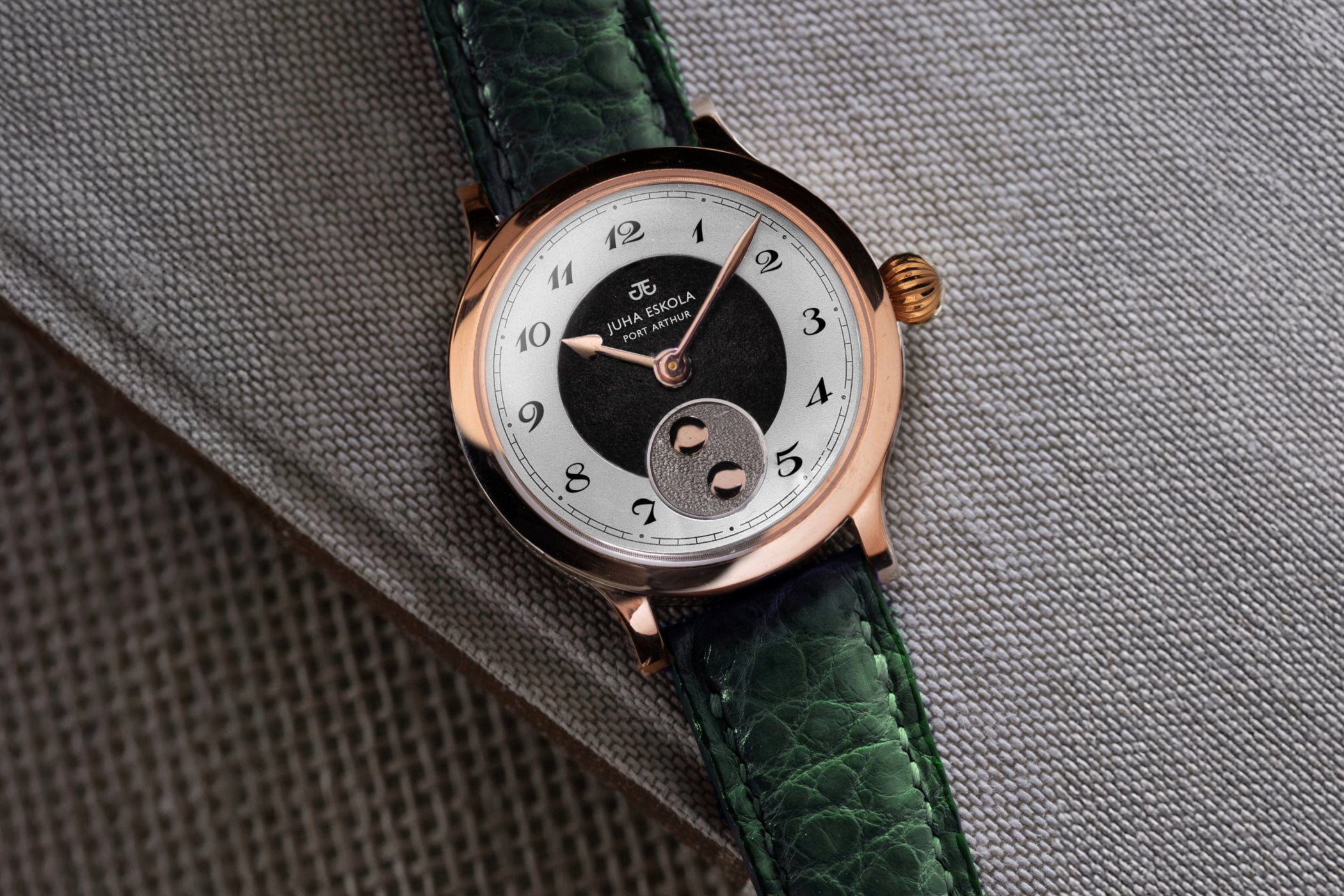
It’s just days ago when we first introduced you to the work of Finnish independent watchmaker Juha Eskola, and we’re already back for more. Building upon his N2, a gorgeous dress watch in a rather lovely size, Juha has now unveiled the next step in his collection. Leaving little to the imagination as to what […]
 Two Broke Watch Snobs
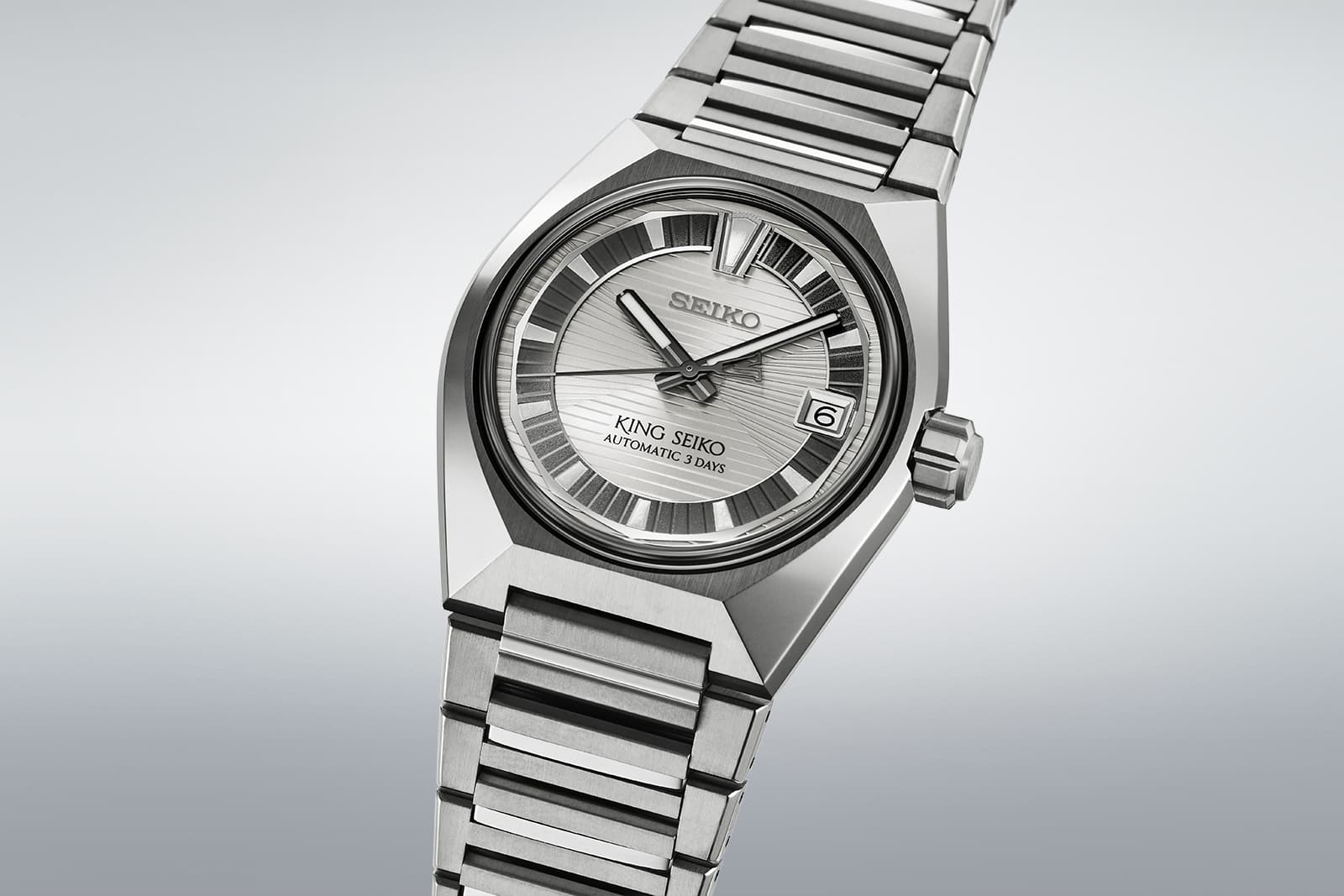
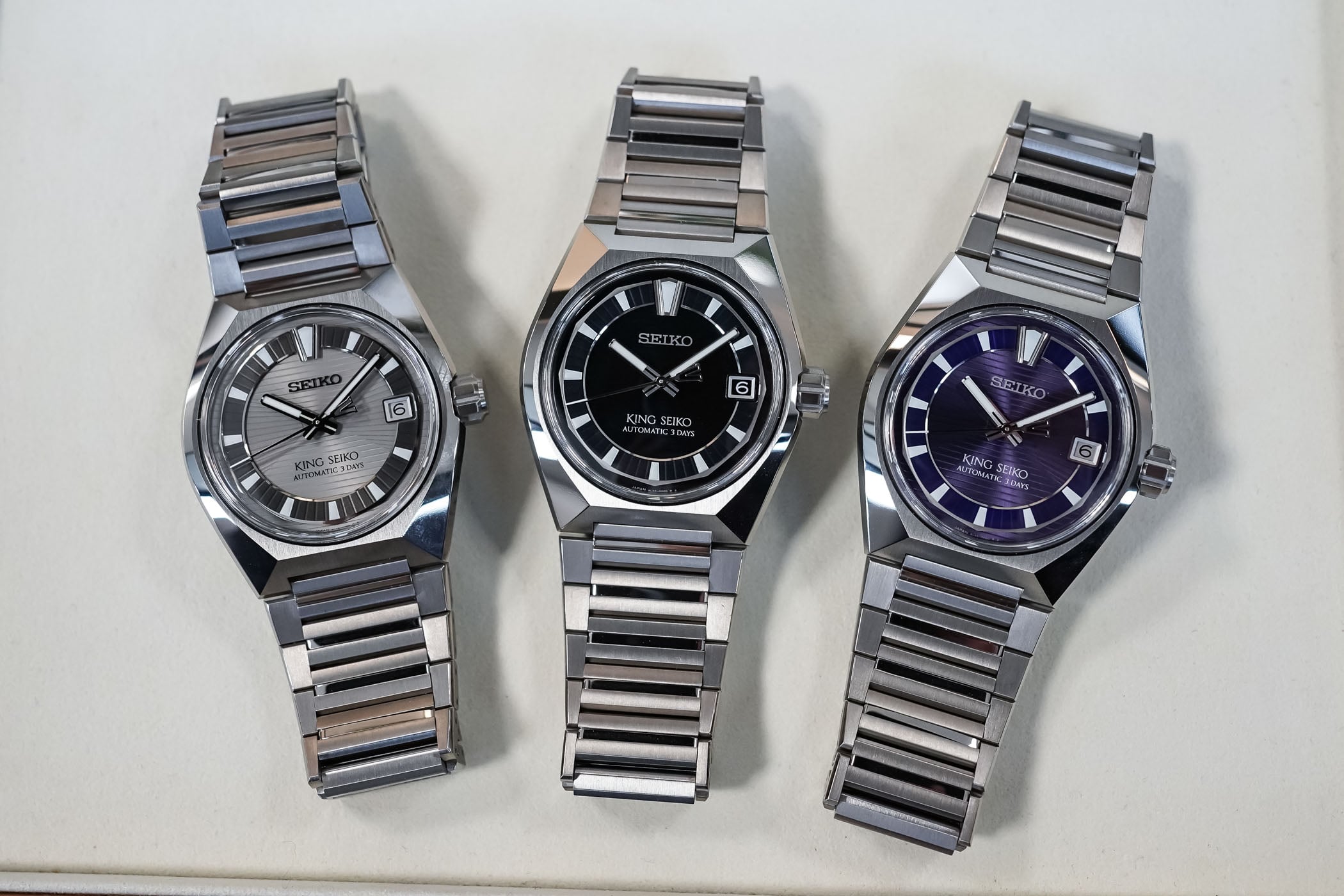
Seiko updates the King Seiko Vanac with a titanium case, textured dial and the 8L45, bringing a lighter feel to the retro-inspired design.
 Two Broke Watch Snobs
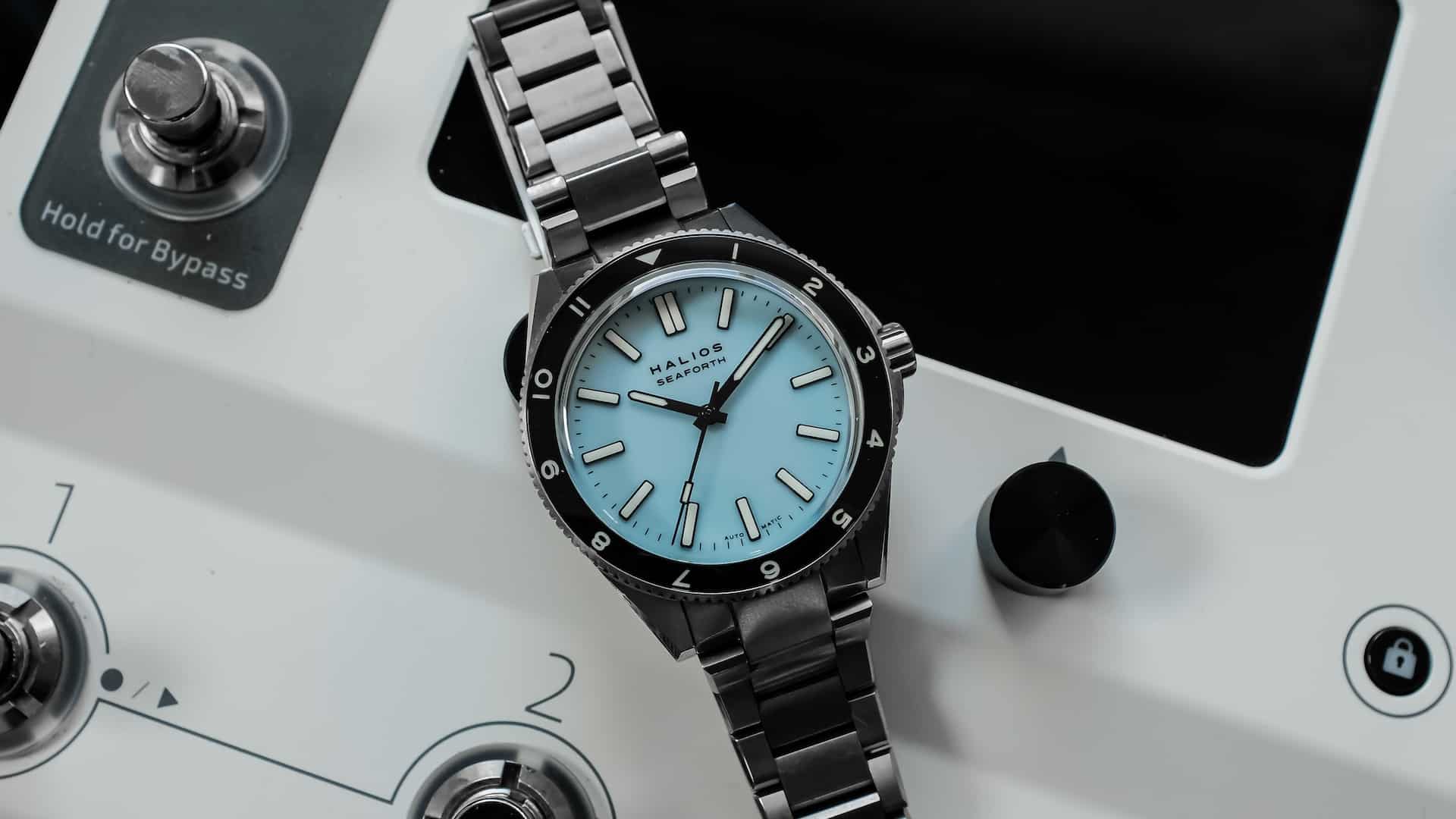
Thinking about buying a microbrand dive watch in 2026? We break down when they outperform Seiko, Orient, and Citizen, and when they’re just not worth the risk.
 SJX Watches
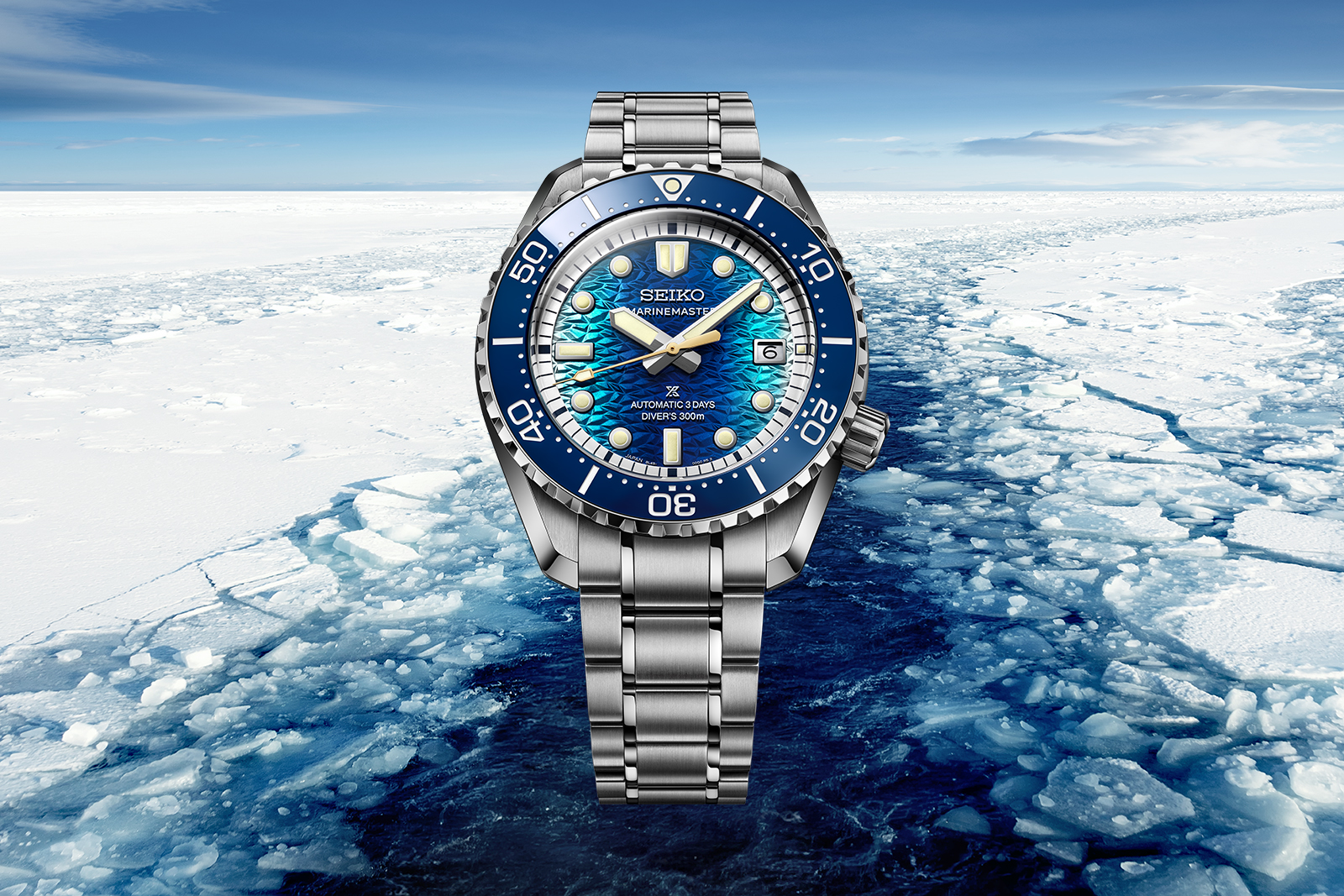
Less than two years out from its 2024 relaunch, Seiko refreshes its flagship dive watch with the new Prospex Marinemaster 1968 Heritage Diver’s Watch HBF001 and its limited edition counterpart, the HBF002. Both models feature a ceramic bezel, longer power reserve, better promised timekeeping, and a much-requested tool-less micro-adjust clasp - tangible upgrades that justify a near 25% premium over the previous generation. The regular production model launches alongside a more flamboyant 1,000-piece limited edition designed in collaboration with the Japan Agency for Marine-Earth Science and Technology (JAMSTEC). Initial thoughts Seiko relaunched the Marinemaster brand three years ago with an unexpected trio of compact skin-divers. This was followed by a return to form the following year with a pair of 300 m Hi-Beat Diver-inspired models that dispensed with the “Professional” branding, front-loading case construction, and helium impermeability that distinguished Marinemasters of the past, but offered a more compact 42 mm size and a much improved bracelet. However, it still used the same stamped clasp body found on entry-level divers, just with an upgraded swing arm, and relied on the aging cal. 8L35 movement while Seiko rolled out the improved cal. 8L45 in the similarly priced King Seiko Vanac. The new HBF001 solves all of those problems, and introduces only a few new ones. Given the similarity to the SLA079, Seiko clearly felt the need for unambiguous differentiatio...
 Monochrome
Released about a year ago, the King Seiko Vanac collection was quite a surprise and, in all fairness, caused some discussions. Based on bold designs from the 1970s, the name Vanac is far from new and was revamped in a sports watch with an integrated bracelet and sharp case, powered by a high-end movement derived […]
 Video
Video
 SJX Watches
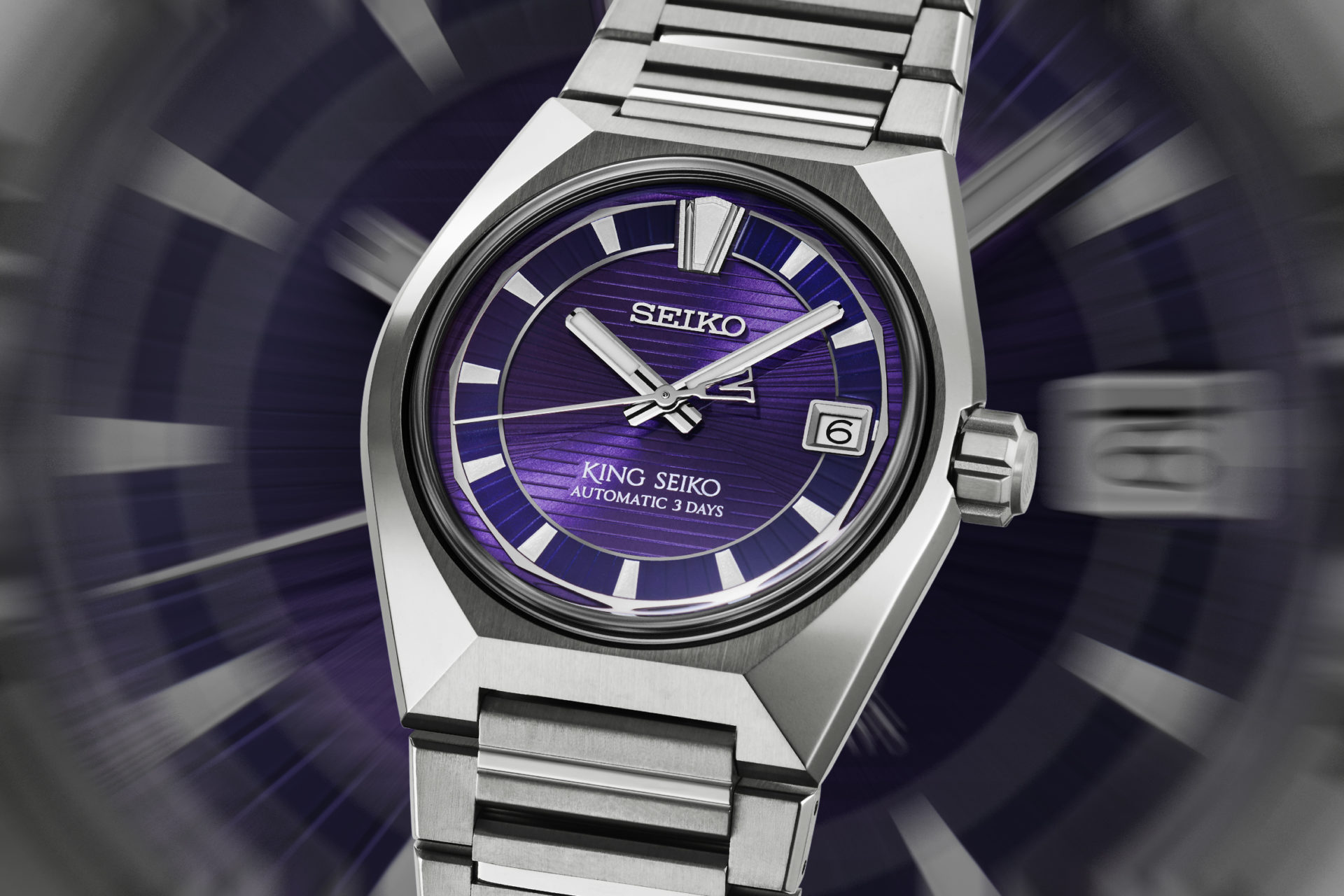
One of Seiko’s recent bestsellers was last year’s King Seiko Vanac, a watch inspired by a 1970s model but distinct on its own. Originally available only in steel, the line-up now grows to include the King Seiko Vanac in titanium. While retaining the stylistic and mechanical features of the steel original, the new Vanac in titanium is noticeably lighter in weight, an especially appealing upgrade given the largish case and integrated bracelet. Initial thoughts I liked the original Vanac of 2025, though I thought a marginally smaller case would have suited the retro style better. And I thought it would have been ideal in titanium. So the new model in titanium is arguably the ideal Vanac. It’s the same size, but different in tactile feel due to the lightness. Given the size, the lightweight alloy arguably works better than steel. Despite the Vanac being a mid-range watch, Seiko’s excellent case treatment across prices and alloys means the multiple planes of the facetted case are finished well, as good as, but probably better than, most titanium watches in this price segment. The titanium models are a little less funky in terms of dial colours, though the standout metallic purple dial does make its way into the titanium case. The dial does, however, get a subtle upgrade with a novel motif that combines horizontal and radial fluting for an intriguing visual effect. The movement stays the same. This gets the brand’s top-of-the-line mid-range movement, the cal. 8L45, an ...
 SJX Watches
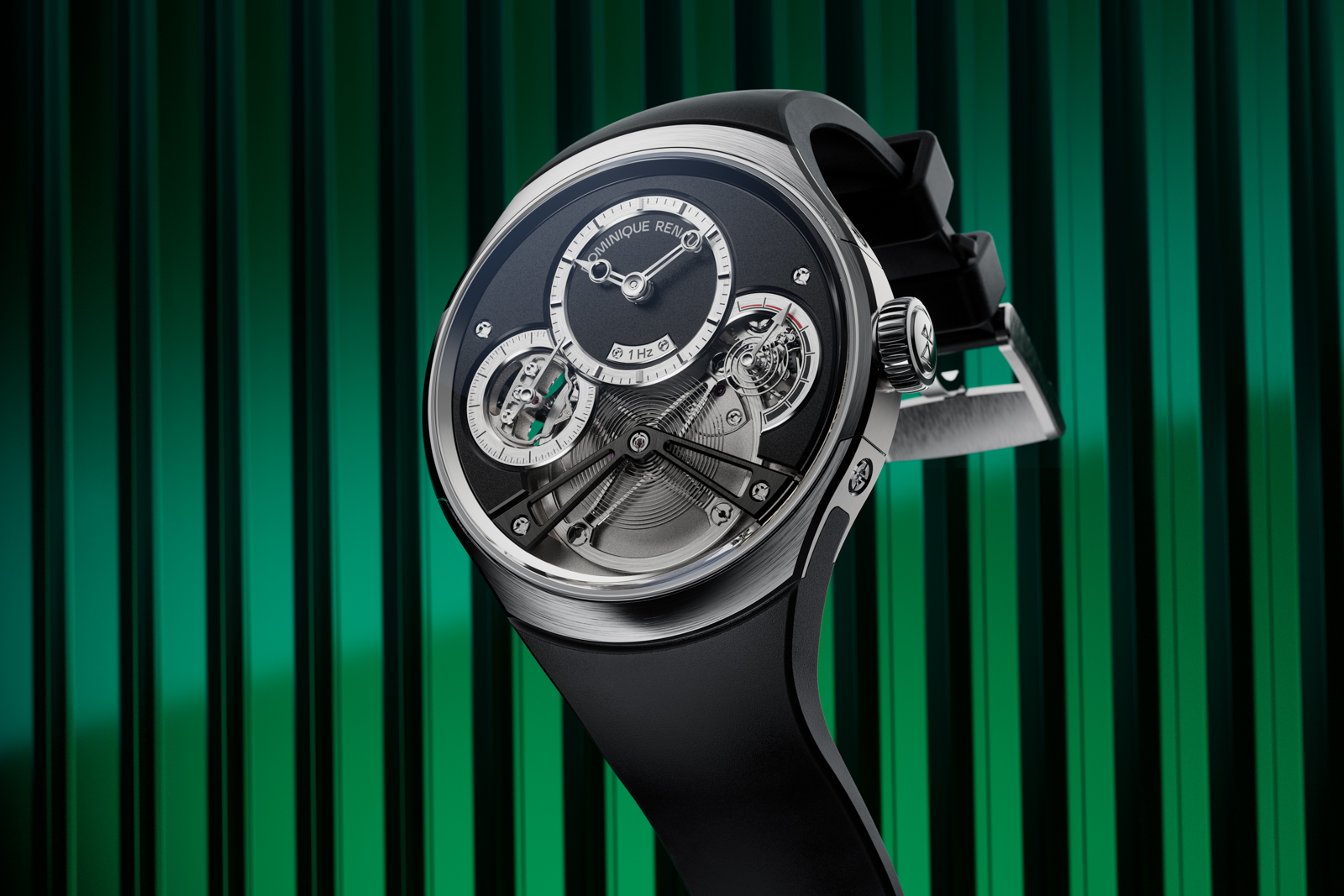
One of the most influential watchmakers of the post-quartz era has re-emerged with a groundbreaking slow-beat oscillator that cleverly avoids the amplitude constraints typical of such constructions. The Pulse60 is the latest project from Dominique Renaud’s eponymous workshop Haute Horlogerie Dominique Renaud (HHDR), and the first watch to bear his full name in a decade. The Pulse60 runs at just 7,200 times per hour - a frequency of just 1 Hz – a quarter the rate of a conventional movement. Ordinarily, such a slow beat would leave the movement susceptible to external forces, but here it has been combined with a proprietary escapement that overcomes the challenge. While the technical ingenuity is expected given Mr Renaud’s pedigree, the relatively accessible price of under CHF50,000 is unexpected, especially given the state of the market today. Initial thoughts It’s been a decade since Dominique Renaud came out of retirement, but his most public contributions since then have come under the Renaud Tixier banner. Latecomers to independent watchmaking may be less familiar with Mr Renaud’s work, but he played an important role in establishing the contemporary high-end watchmaking landscape. The Pulse60 is the first watch to carry the Dominique Renaud name since the exotic and expensive DR01 Twelve First, which was not made in significant numbers. But unlike its short-lived predecessor, which featured a low-amplitude, high-frequency escapement of Mr Renaud’s own des...
 Teddy Baldassarre
Teddy Baldassarre is an authorized luxury watch retailer of brands like TUDOR, OMEGA, IWC, Grand Seiko, Breitling, Blancpain, Glashütte Original, Zenith, Longines, ORIS, MIDO, Tissot, Hamilton, NOMOS Glashütte, Baume & Mercier, and more.
 Teddy Baldassarre
Tissot traces its long history back to 1853, when it was founded in Switzerland’s Jura Mountains by the father-son watchmaking team of Charles-Félicien and Charles-Émile Tissot. Today part of the Swatch Group, Tissot can lay claim to several watchmaking milestones throughout its history, including the first pocket watch to display two time zones in 1853; the first watch built to resist magnetism, the Antimagnetique, in 1930; and the first tactile-screen multifunction digital watch, the T-Touch, in 1999, years before the smartwatch would come into existence. Today, Tissot markets more than 4 million watches per year to more than 160 countries and is known for producing what its parent group terms “midrange market” watches that are prized for their price-to-value ratio. Tissot’s 1950s-era Visodate was among the first fleet of watches to introduce an integrated date complication, but the line’s contemporary renditions have continuously flown under the radar within the enthusiast community – until today, that is. New for 2026, the brand has given the collection a complete overhaul, revamping the Visodate to be more everyday-carry friendly than ever without sacrificing its quintessential retro flair. [toc-section heading="History And Context"] Vintage 1950s Tissot Visodate Advertisement The original Tissot Visodate hit shelves in 1953, marking 100 years since Tissot’s founding. It was not the first wristwatch with a date display in a window - that woul...
 Teddy Baldassarre
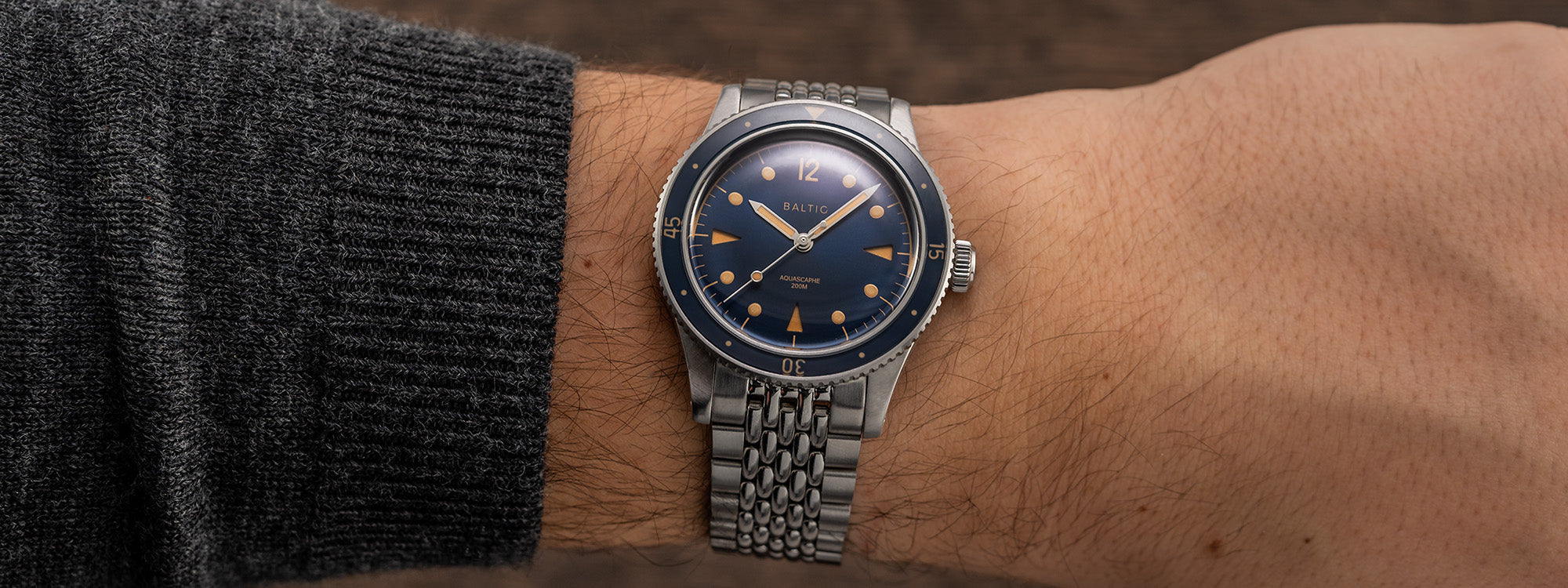
A forerunner of both the rise of microbrands and the ongoing revival of France’s watchmaking industry here in the 21st Century, Baltic Watches emerged on the scene in 2017, originally as a Kickstarter project. Founder Étienne Malec discovered the inspiration for his watchmaking enterprise in his father’s watch collection and named the company in honor of his father’s Polish roots, after the sea off the country’s northern coast. The goal from the start, according to Malec, was to produce “timeless pieces, of the highest quality, for fair prices,” and most would agree that Baltic has delivered on this mission statement. Baltic watches are all assembled in a workshop in Besançon, France, the nation’s historical cradle of watchmaking, and evoke vintage timepieces like the ones Malec’s father collected and extensively catalogued in his journals. Here we will look at the Baltic Aquascaphe, one of their most recognizable watches. The first Baltic watches were the three-hand HMS 001 model, with a Japanese Miyota caliber, and the hand-wound Bicompax 001 chronograph, with the Chinese Seagull ST19 movement. While both these watches were successful, and put Baltic on its path to fan-favorite microbrand status, the small company has since become best known for its Aquascaphe series of dive watches. The Aquascaphe, which was launched in 2018, takes its design inspiration from early “skin diver” watches of the 1950s and ‘60s, with no small amount of influence from...
 Video
Video
Question, suggestion, or just want to say hi? Drop a note.