 Hodinkee
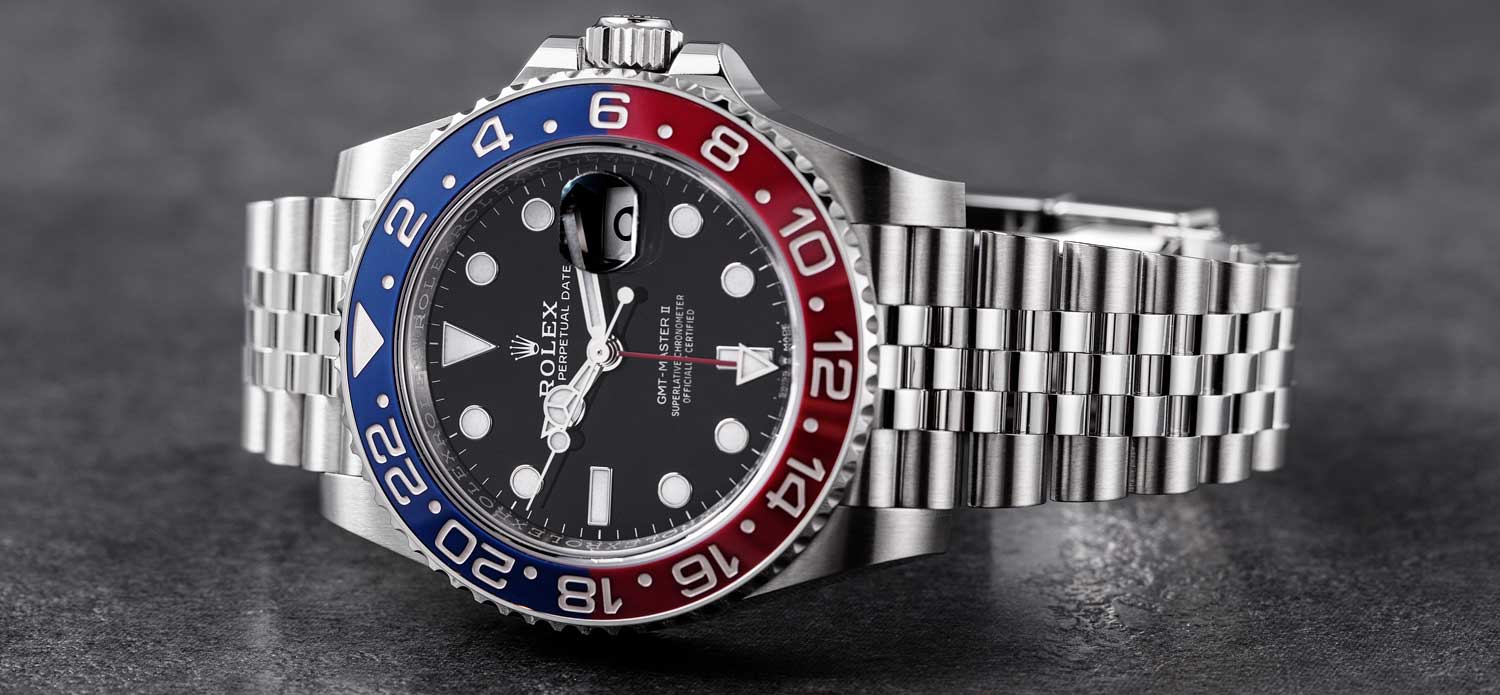
Watching Movies: Ben Affleck Searches For His Missing Wife While Wearing A Rolex Pepsi GMT-Master II In 'Gone Girl'
In our watch-related movie of the week, the timepiece is basically the only thing that isn't a mystery.
2,416 articles · 17 videos found · page 4 of 82
Every Rolex GMT-Master and GMT-Master II: Pepsi, Coke, Batman, Batgirl, Sprite, Root Beer, Polar.
40 mm × 11.85 mm, lug 20 mm, Cal. 3285
40 mm × 11.85 mm, lug 20 mm, Cal. 3285
40 mm × 11.85 mm, lug 20 mm, Cal. 3285
Hodinkee
In our watch-related movie of the week, the timepiece is basically the only thing that isn't a mystery.
 Hodinkee
Two-tone is for winners.
 Hodinkee
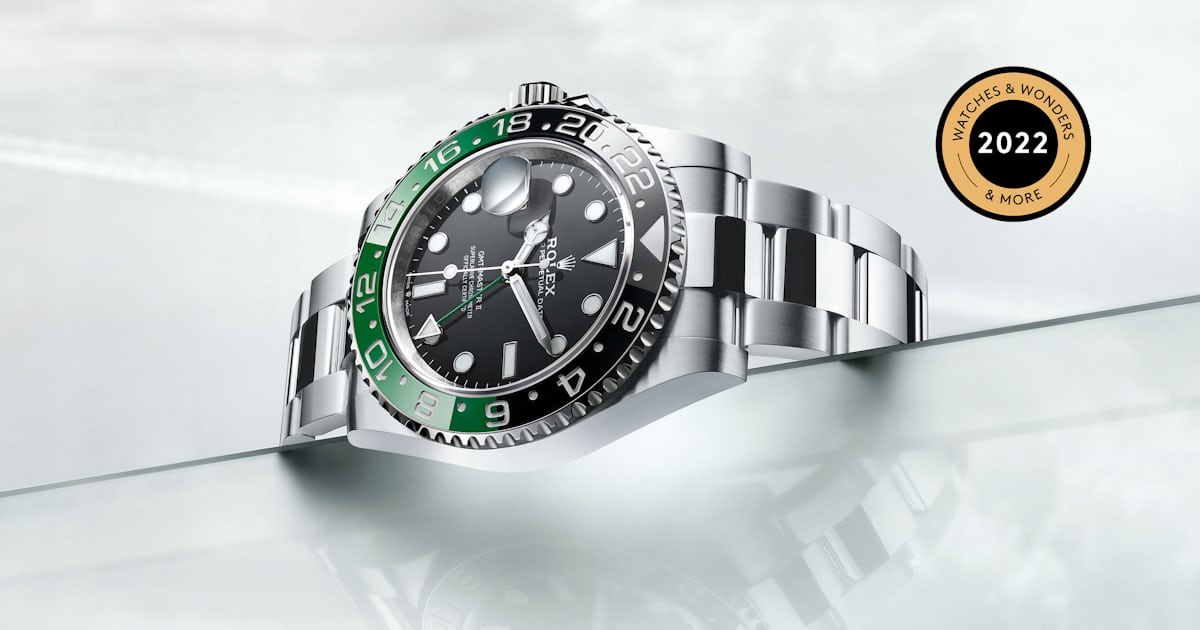
Southpaws rejoice as the Crown delivers a destro surprise.
 Hodinkee
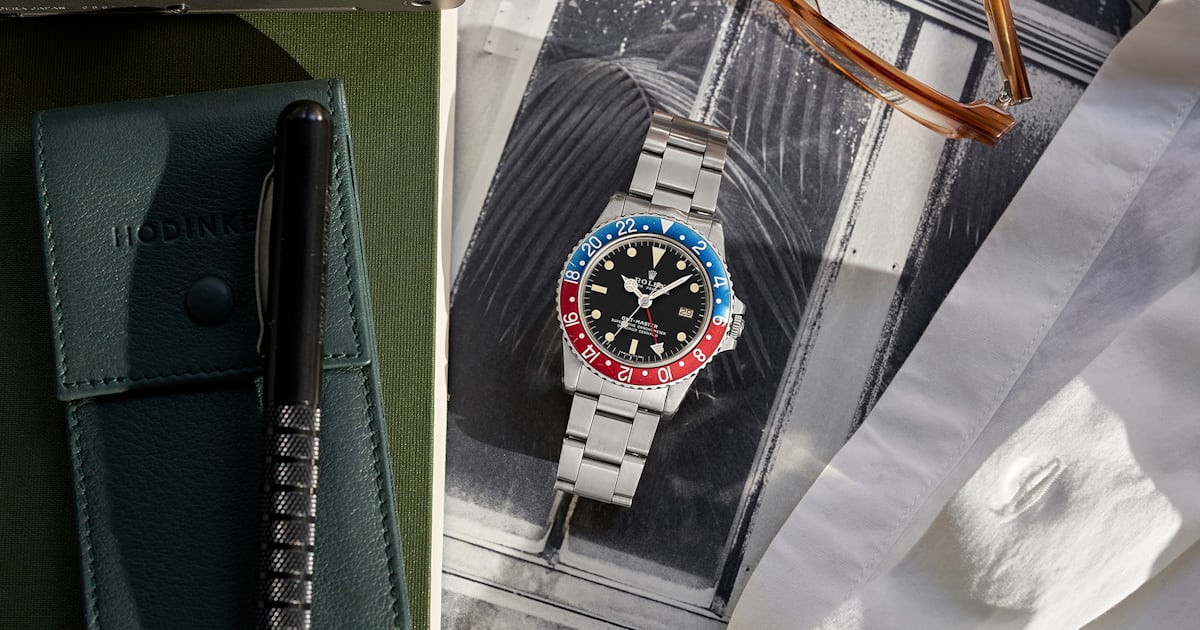
Watch and wonder at our newest vintage pieces in the HODINKEE Shop.
 Hodinkee
Seventeen new watches in the HODINKEE Shop and plenty of variety within.
 Video
Video
Longines’ Master collection is known for combining traditional watchmaking with modern mechanics. The Master Chrono Monopusher takes that formula in a particularly classic direction.
 Hodinkee
When he started to become successful, the restaurateur found a watch that was almost perfect – it just needed one little adjustment.
 Hodinkee
An out-of-this-world watch for an out-of-this-world adventure.
 Hodinkee
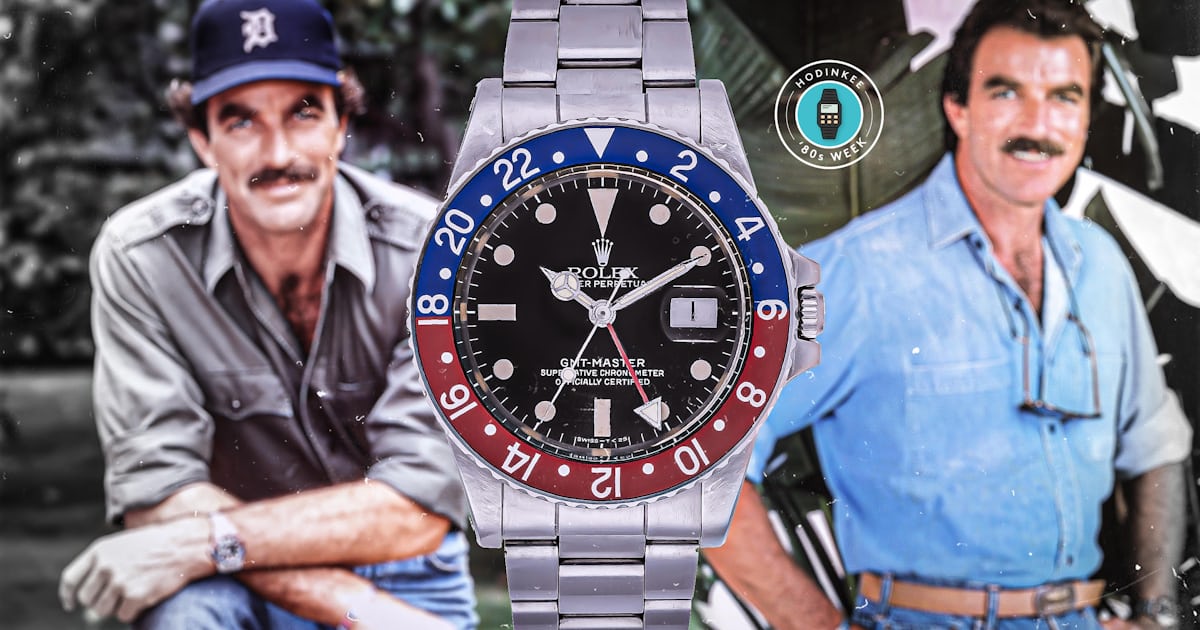
He wore a different watch (can you remember which one?) for the first three seasons. But Magnum became Magnum when he busted out the GMT.
 Revolution
 Hodinkee
The Silicon Valley star is a watch guy.
 Video
Video
After a nearly 2 year hiatus, something big is about to return. Today an announcement that many have been waiting to hear, but the watch industry might not want to happen. Inspired by the 1997 surrealist comedy about...
 Hodinkee
Olivier Rousteing brought out a classic to end the Balmain show.
 Hodinkee
Bling is king.
 Hodinkee
We asked for a sale, and for our sins they gave us one.
 Hodinkee
This is better than Disneyland.
 Hodinkee
The thought-to-be-lost watch has resurfaced and will hit the block in New York City.
 Hodinkee
This week's round-up of vintage watches from around the world.
 Revolution
Once again, the global editors of Revolution weigh in on the best timepieces of the year, as well as the personalities that shaped the watch industry.
 Revolution
 SJX Watches
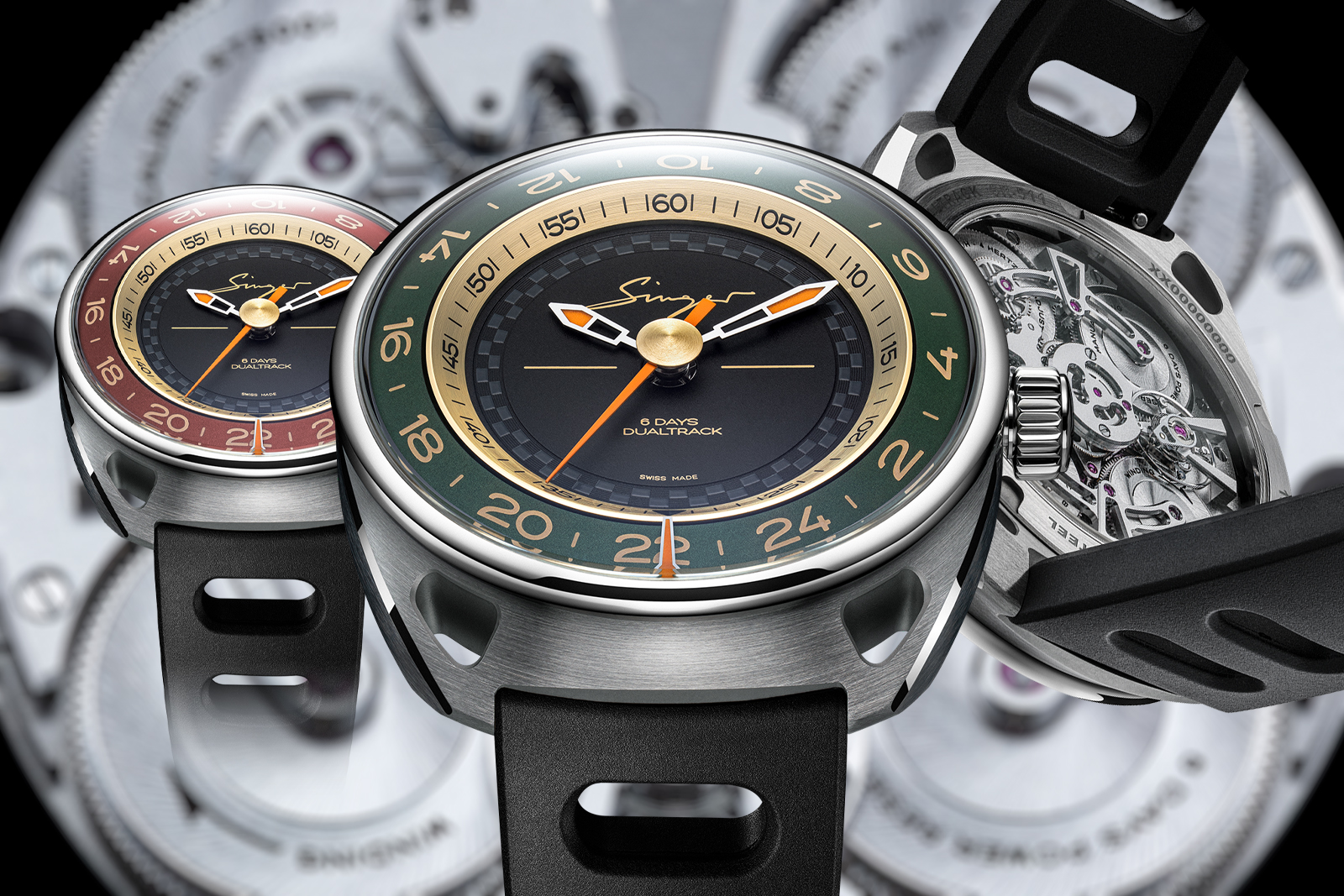
Having debuted its first proprietary movement inside the Caballero last year, Singer Reimagined is building on the calibre by adding a second time zone. The DualTrack is powered by the same cleverly constructed movement, a manual wind with an impressive six day power reserve, but gains a 24-hour ring for a GMT function. The watch adopts the cushion-shaped case that’s the brand signature, while the dial similarly preserve the aesthetic found on the brand’s trademark central chronographs, but with a 24-hour ring around the dial. Because the second time zone is an add-on over the calibre, the 24-scale ring is independently adjustable, rather than the local hour hand, making this “caller” GMT rather than a true “traveller” GMT. Initial thoughts I like the Singer aesthetic so this design is appealing, and it implements the dual time zone function logically and legibly. The in-house movement with a long power reserve is also a plus, especially since it has a novel four-barrel construction. The only downside here is the “caller” type second time zone function. A “true” GMT with an independent local hour hand, as found on the Rolex GMT-Master II, is the most convenient format, since it requires fewest steps when setting the time while travelling, but this requires a built-from-the-ground-up calibre. All things considered, that can be forgiven since the DualTrack is an attractive proposition overall. Like last year’s Caballero, the DualTrack is a useful watch ...
 Fratello
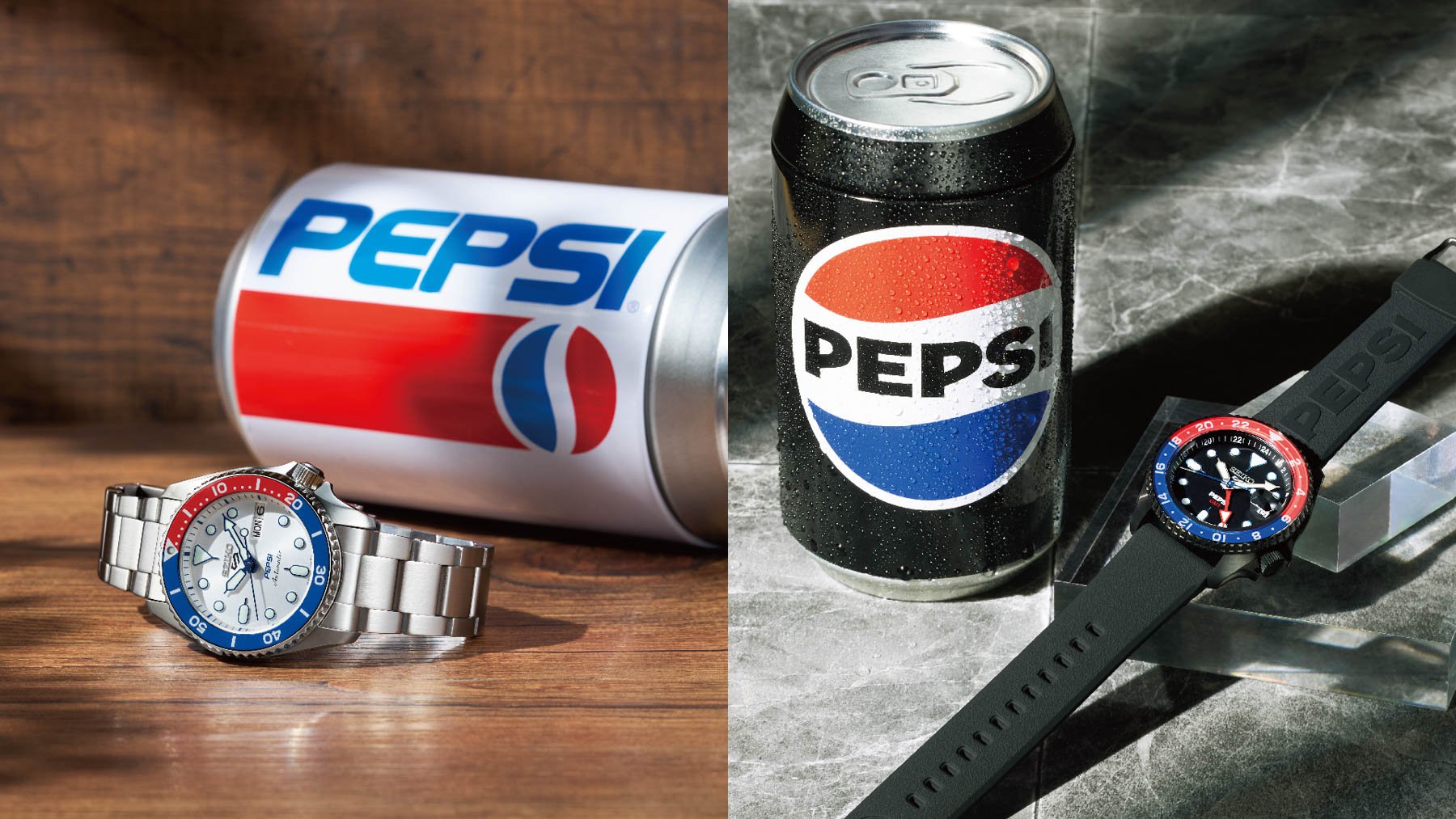
When people mention Pepsi in the watch world, they refer to the red and blue colors on a GMT or dive bezel. Rolex’s GMT-Master was the first watch with such a bezel, but Seiko also made numerous watches with red and blue bezels. In a surprising turn of events, Seiko has now launched two new […] Visit Introducing The Seiko 5 Sports × Pepsi Limited Editions - Are These The First Watches With Official Pepsi Bezels? to read the full article.
 Teddy Baldassarre
The Seiko SSK GMT line has slowly taken the watch world by storm, and Seiko took the SKX-style format this year and updated it with a trio of new dial formats. Earlier this year, I wrote a story on what – at the time – was every single existing SKX-style Seiko SSK GMT on the market, but that story is officially out of date. Before I get any further into this, it makes sense to establish a few things about these watches. First, they were released in 2022, creating a new wave of GMT affordability in the watch world. Why do I keep calling them SKX-style watches? Well, because the case profile is nearly identical to that of the now-discontinued icon, the Seiko SKX. The Seiko SSK001 and 003 models (the blue- and black-dial versions) are watches that I often suggest to anyone looking for a true "everyday" attainable watch. I even chose it in a video I did with Teddy where we both were tasked with building a collection under $7,000 ( let me know if you think I won). But enough lede-burying. Let’s get to the newness. In total there were three new variations released: The SSK033 with a blue and black bezel, the SSK035 with a green dial and bezel format, and the SSK036, which brings a black/brown aesthetic to the mix with a leather strap (the other two come on Jubilee-style bracelets). So let’s start with the SSK033. As an owner of the Rolex GMT-Master II with the blue-and-black bezel, I immediately zeroed in on this one. But where this clearly differs from the Rolex in term...
 SJX Watches
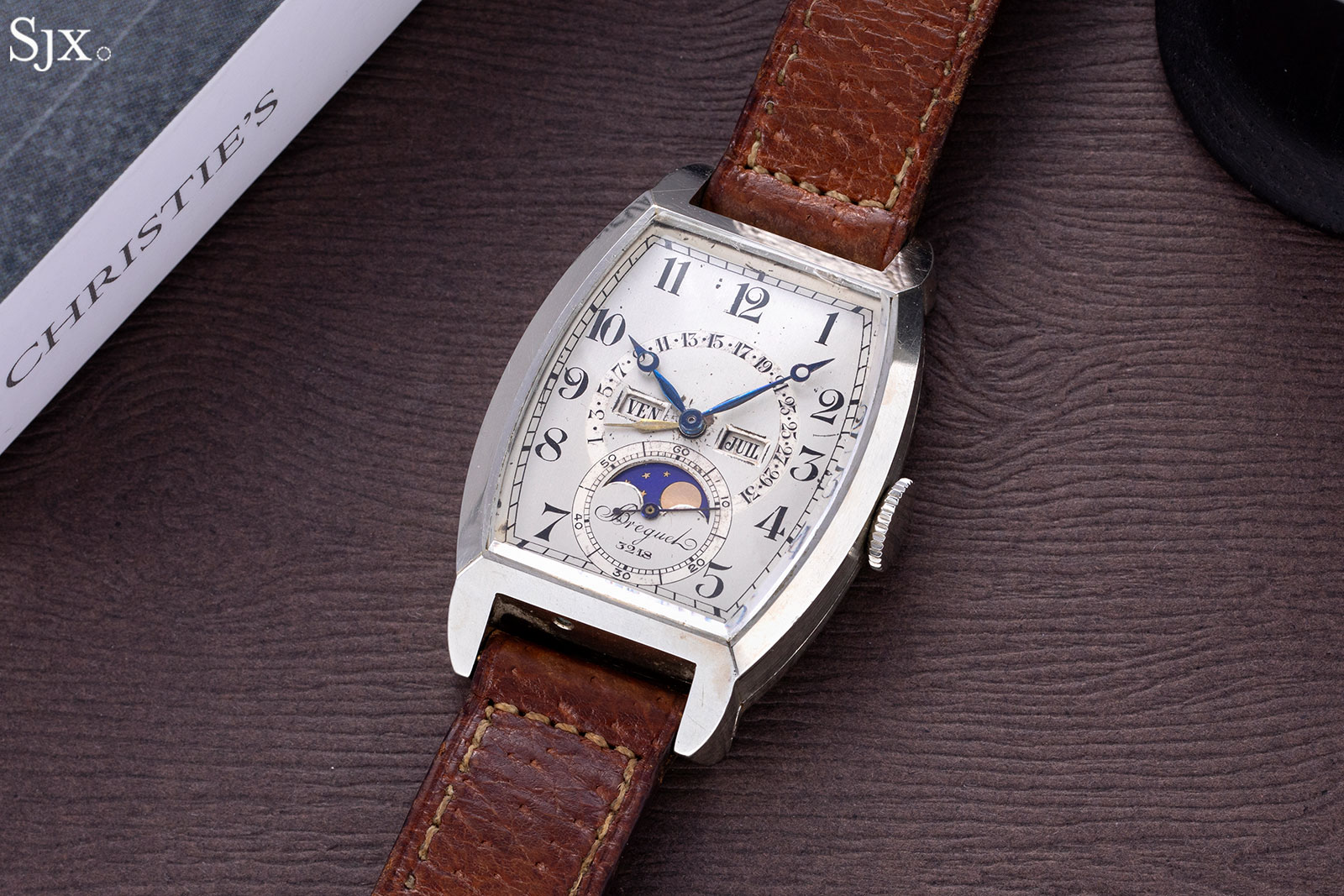
Perhaps the most surprising moment of the fall auction season in Geneva was when the hammer came down on an MoonSwatch at Christie’s for CHF69,300 including fees – exactly the same as a Rolex GMT-Master II “SARU” that sold later in the day. But as is almost always the case with record prices at auction, there was a story behind the price and a method to the madness. The MoonSwatch was the unique “millionth” example conceived specifically for this auction, where all proceeds went to ELA, a French medical charity. The ELA sale was spearheaded by Francois-Henri Pinault, the chief of Kering, the luxury conglomerate that owns Christie’s, and certainly one of the most influential people in the luxury goods business. Sitting in the room and opening the sale was Mr Pinault’s fellow trustee at ELA, Zinedine Zidane, the French footballer better known as Zizou who’s regarded as one of the all-time best players and coaches. Christie’s auctioneer Rahul Kadakia with Zizou. Image – Christie’s Bidding via phone, the winning bidder of the MoonSwatch – which sold for over 150 times the retail price – announced to the room via a Christie’s rep that his winning bid was for “ELA and Zizou”. It was clearly a statement that he or she would have paid up for whatever watch was on sale, regardless if it was plastic or precious metal. It was a good deed done that was no bearing on the MoonSwatch or watches in general. To the moon MoonSwatch aside, the season was pos...
 Time+Tide
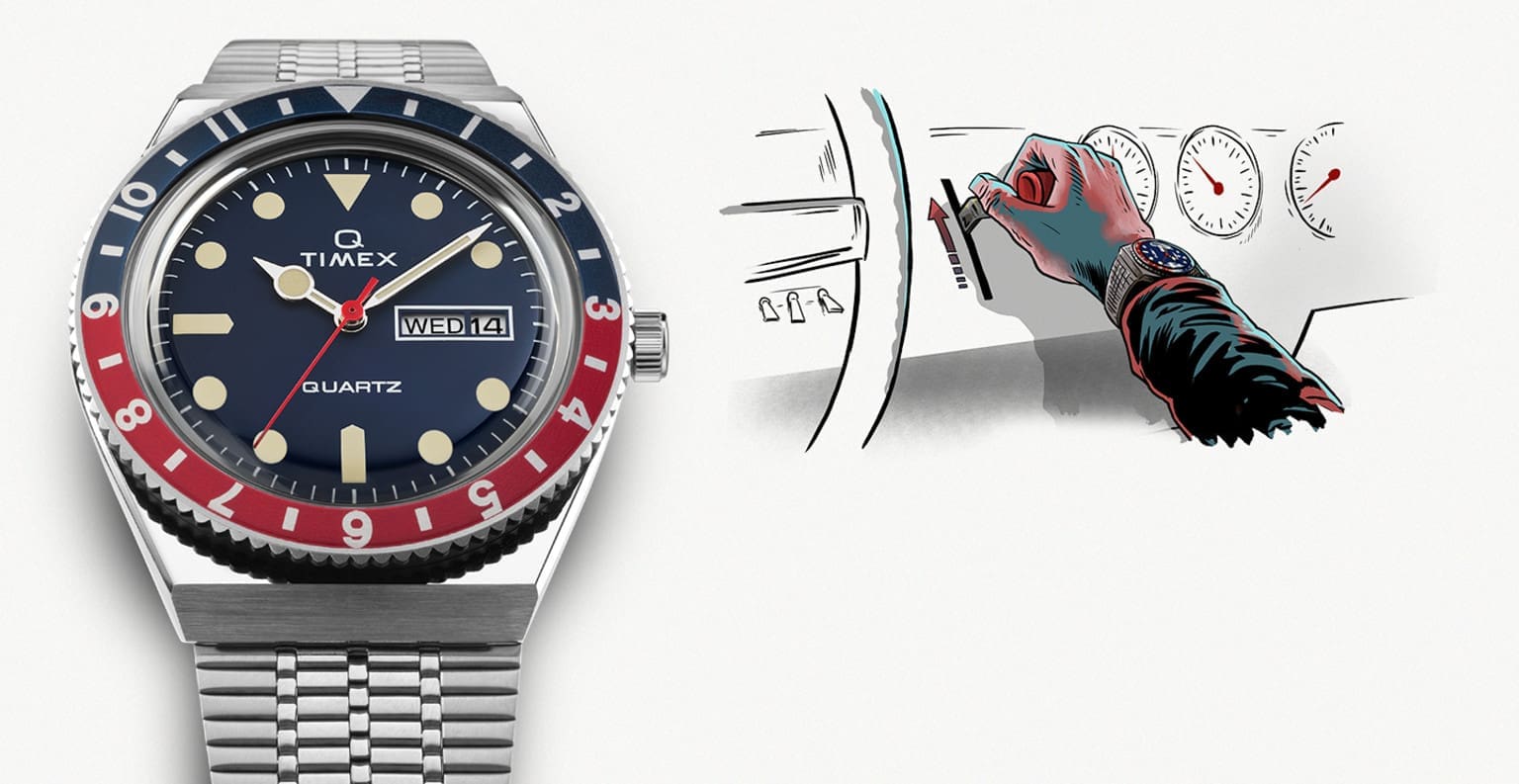
If you’re looking for Rolex GMT-Master vibes on a shoestring, the retrolicious reissue of the Timex Q is just the ticket.The post At $179, the Timex Q is a watch for the Budget Baller Hall of Fame appeared first on Time+Tide Watches.
 Time+Tide
A couple of weeks ago, in a moment of sheer lockdown boredom, Andrew snapped a shot of his Rolex GMT-Master II Root Beer with the caption #WRUW, which no doubt we all know is an acronym for ‘What are you wearing?’ But not, in any way, referring to clothing. Watches only. In the truly spirited … ContinuedThe post #WRUW – Time+Tide readers share their best wrist shots and it’s root beer all-round… appeared first on Time+Tide Watches.
 Time+Tide
Wow, 2018 really got away from us. I mean, I can’t believe we’re just moments away from wrapping up one hell of a year. In between the expected December chaos, I spotted a couple of nice watches. Here they are. Irwin’s Rolex GMT-Master II ‘Coke’ Irwin’s recently acquired Rolex GMT-Master reference 16710 from the late … ContinuedThe post SPOTTED! BY AG: December 2018 – Holiday Edition appeared first on Time+Tide Watches.
 Time+Tide
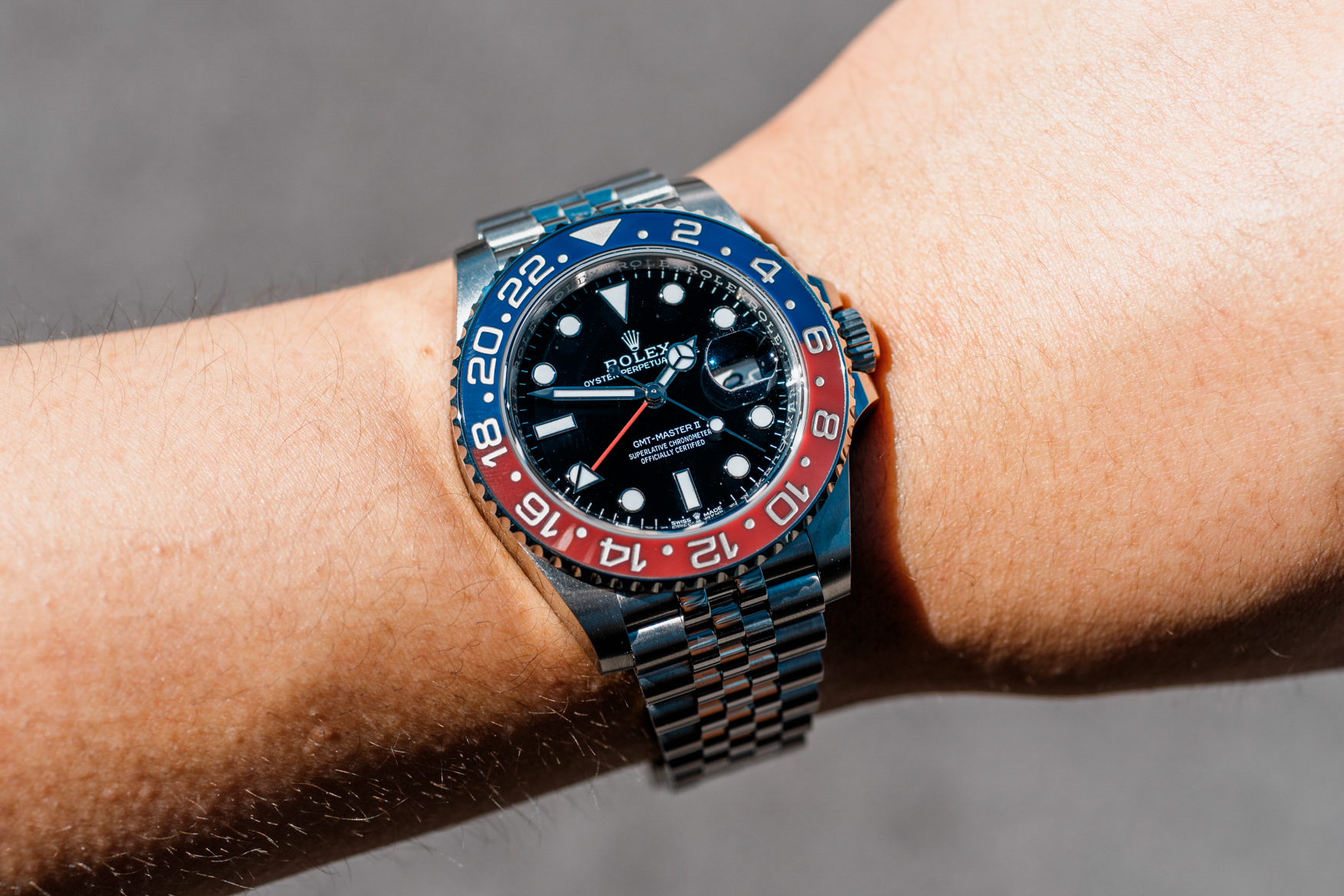
Discontinuation rumours around the Rolex GMT-Master II "Pepsi" are nothing new, but a new development may mean they now have more legs.The post Has Rolex discontinued the GMT-Master II Pepsi? appeared first on Time+Tide Watches.
 SJX Watches
Having debuted in Geneva last year, Time Zone to Time Zone now arrives in Singapore come October 24. An exhibition dedicated to the GMT-Master and GMT-Master II, the event is being staged in Singapore by Rolex and retailer Cortina Watch. Slated to run for two weeks, Time Zone to Time Zone takes place in Paragon on Orchard Road, following a stop in Hong Kong earlier in 2025. The exhibition is a journey through the history of the GMT-Master, starting with its origins as a watch for the pilots of Pan Am, the now-defunct American airline that was the world’s largest when the GMT-Master debuted in 1954. Illustrated with period photographs, advertising, and other paraphernalia, the history of the model continues uninterrupted into the modern day with the GMT-Master II. Here the exhibition details the advancements in materials, movements, and manufacturing that make it a Rolex. Hosted by Rolex and Cortina Watch, Time Zone to Time Zone takes place from October 24 to November 2, at the main atrium of Paragon mall located at 290 Orchard Road, Singapore 238859. The exhibition is free and open to the public, but registration is recommended for the 45-minute guided tour. Register online at Cortinawatch.com. Update October 25, 2026: Venue images added.
 SJX Watches
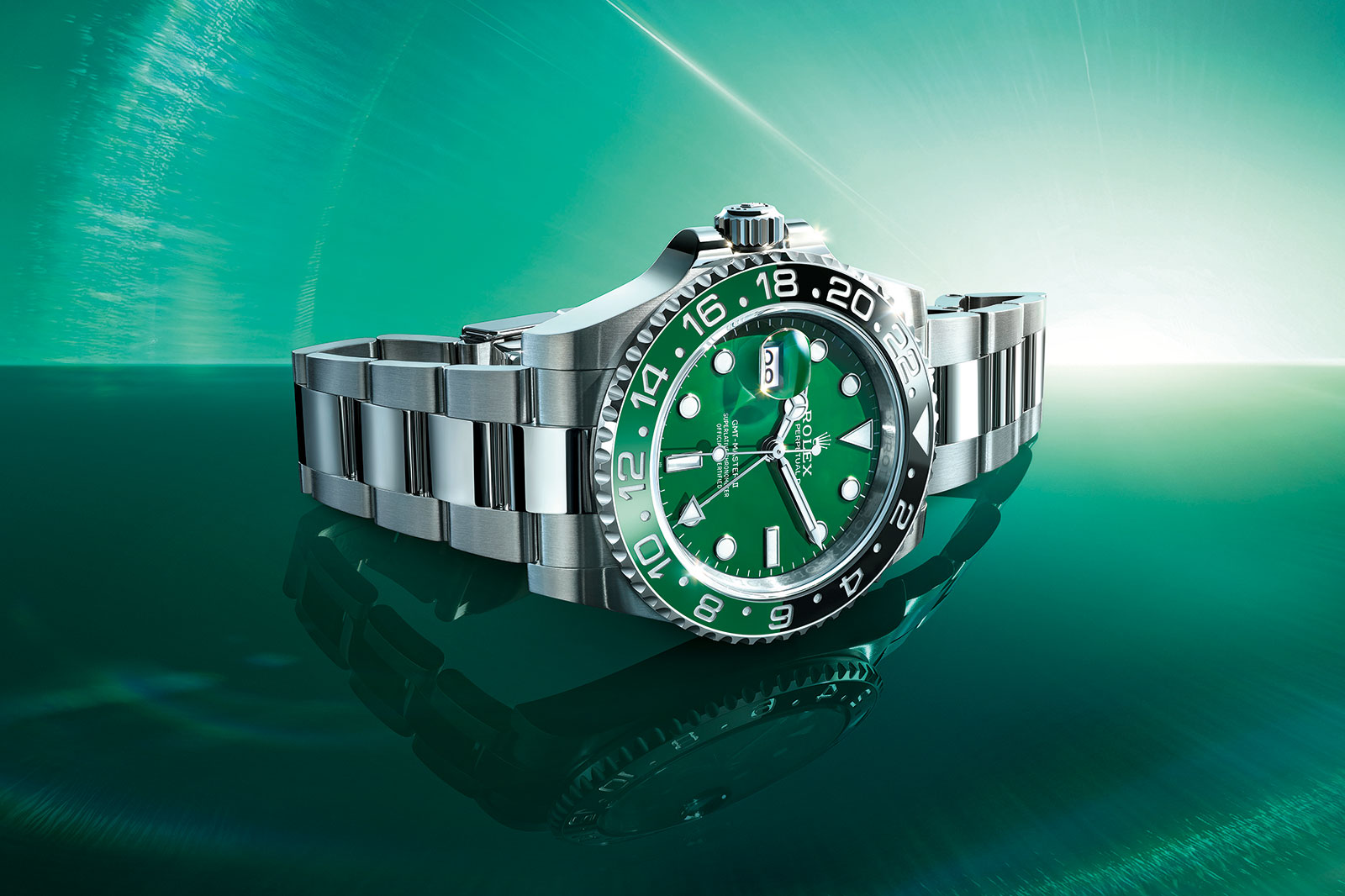
Rolex has launched its first-ever ceramic dial with the GMT-Master II ref. 126729 VTNR. Left-handed like the “Sprite” of 2022, the new GMT-Master II is available only in 18k white gold – unsurprising since Rolex typically rolls out new innovations or features in precious metals. Dial aside, the rest is classic GMT-Master II. The movement is the latest-generation cal. 3285, while the bezel insert is in the same material as the dial, Cerachrom, Rolex speak for ceramic. Initial thoughts Unlike the game-changing Land Dweller, the new GMT-Master II is typical Rolex in being an incremental improvement over past models. Ceramic dials have been present in watchmaking for several years now, though this is a first for Rolex. Over time, ceramic dials will probably filter downwards into more affordable models as is the norm at the brand. Besides being a perfect match for the green half of the bezel, the ceramic dial is presumably more robustness than conventional lacquered dial, particularly in terms of scratch resistance and colour fastness (over decades or even centuries). Even though it’s not majorly novel, the ref. 126729 VTNR is a good looking watch and, in the usual Rolex fashion, is priced reasonably for what it is (though not cheaply). But it will also be a major hit, which makes availability scarce for some time to come. Two time zones One of the iconic travel watches, the GMT-Master II does a simple job very well. It can indicate up to three time zones with its combi...
Question, suggestion, or just want to say hi? Drop a note.