 Two Broke Watch Snobs
Man Regrets Trading Left Testicle for Breitling Watch: “It didn’t Even Have an In-House Movement”
“I guess I have a backup if need be,” Conners conceded. “And I always did love Travolta in those talking baby movies…”
28,063 articles · 261 videos found · page 40 of 945
Two Broke Watch Snobs
“I guess I have a backup if need be,” Conners conceded. “And I always did love Travolta in those talking baby movies…”
 Time+Tide
EDITOR’S NOTE: We first published this story in July 2020 in the lead-up to the purported release of the new James Bond film, No Time to Die. And then the film was delayed and delayed and delayed. Until now… But while you may have got impatient for Daniel Craig’s last hurrah, don’t take it out on his Omega … ContinuedThe post By the end of this video, you’ll know if you need James Bond’s Omega Seamaster Diver 300M 007 Edition appeared first on Time+Tide Watches.
 Deployant
Grand Seikoa adds to their 60th Anniversary Limited Editions with the SBGR321, vivid blue dial inspired by the brilliant sky over Mt. Iwate at dawn.
 Hodinkee
A special edition partnership supporting the protection of the Earth's oceans.
 Hodinkee
Five video stories from HODINKEE readers.
 Video
Video
OMEGA’s new Seamaster Diver 300M James Bond and Spectre editions are here—but are these the Bond watches enthusiasts wanted? We explore the specifications, prices and design changes, compare them with previous OME...
 Hodinkee
Be your own action hero.
 Hodinkee
Classic aviation styling and chronometer timekeeping in a sporty new offering from Longines.
 Hodinkee
Putting the plastic waste in the ocean to good use.
 Hodinkee
History has a funny habit of repeating itself.
 Hodinkee
And more from this week in vintage watches from around the web.
 Video
Video
A special thank you to all the channel members:
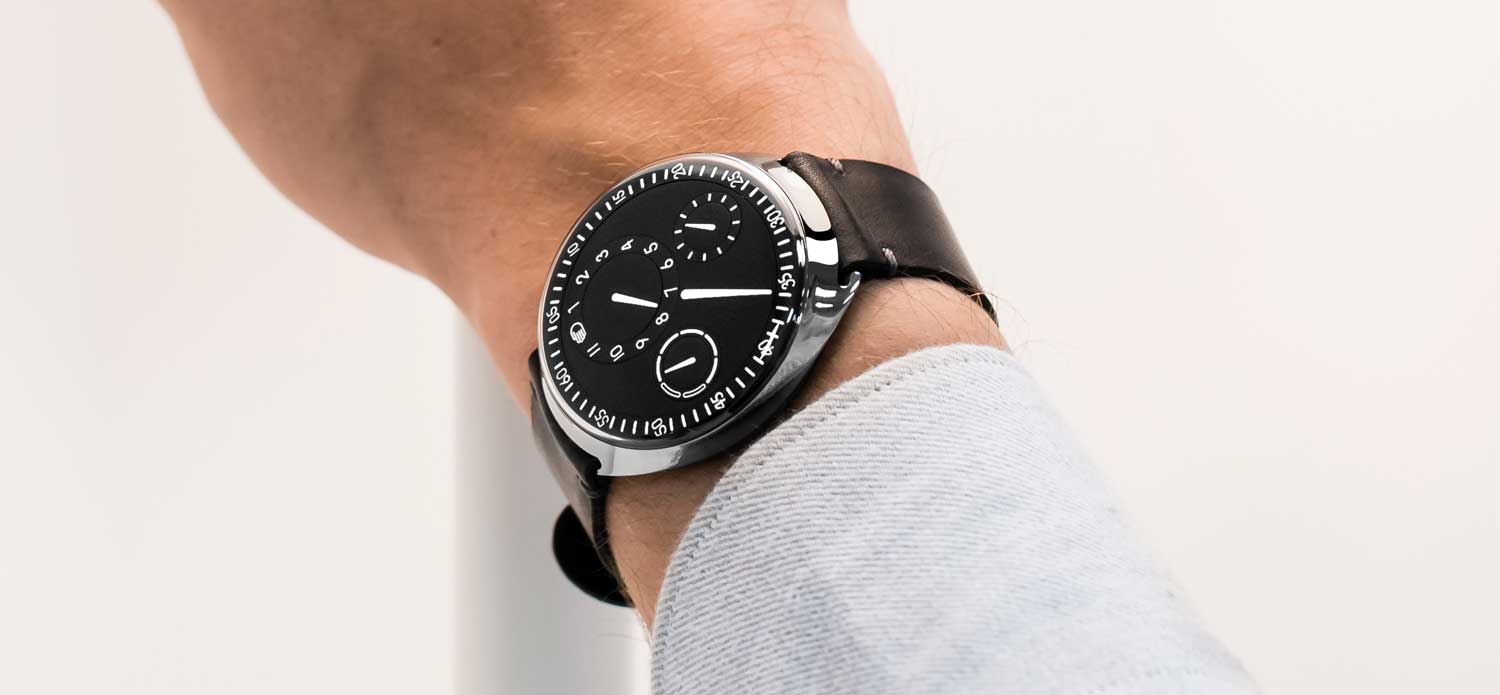 Revolution
Ressence and Sotheby’s join hands to combat coronavirus in a novel, crafty way.
 Two Broke Watch Snobs
The COVID-19 crisis has had an immense effect on nearly every facet of our day-to-day lives - from global economics to modernized healthcare, and the trivial hobbies we indulge in.
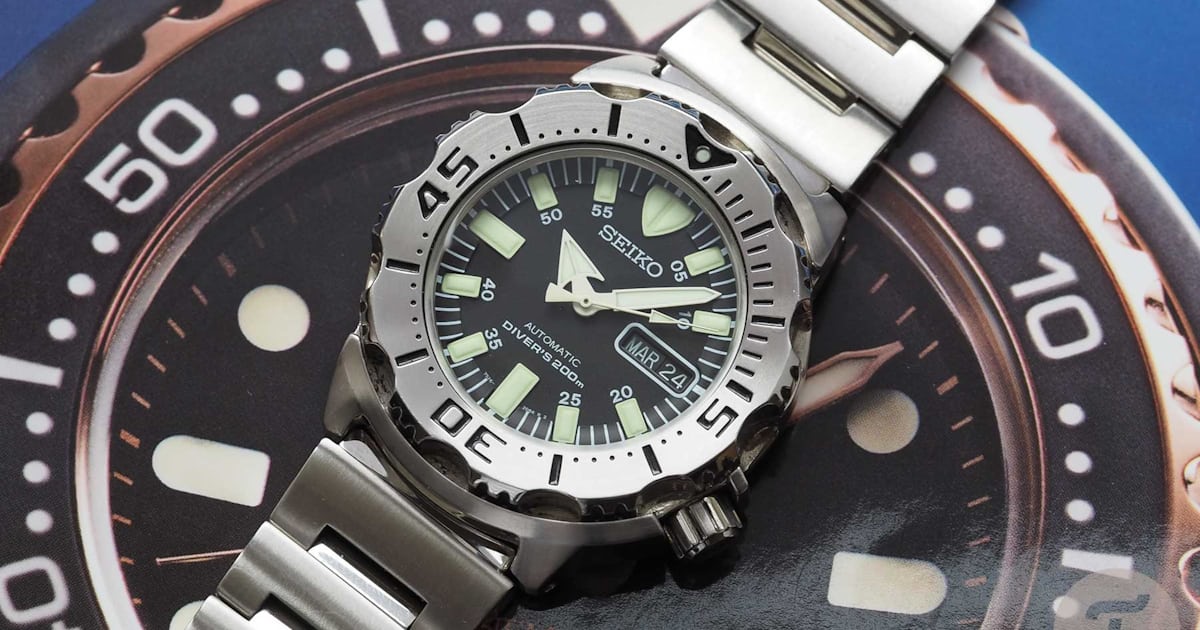 Hodinkee
A much-loved Monster takes a bow.
 Quill & Pad
"Dear Mr. Babin, I’m speaking as a fan, but you are sure making it difficult. It gives me no pleasure to take shots at you like this, but if you keep standing up and saying these things, I’ll keep rebutting you," Ian Skellern begins his second open letter on this subject . . .
 Revolution
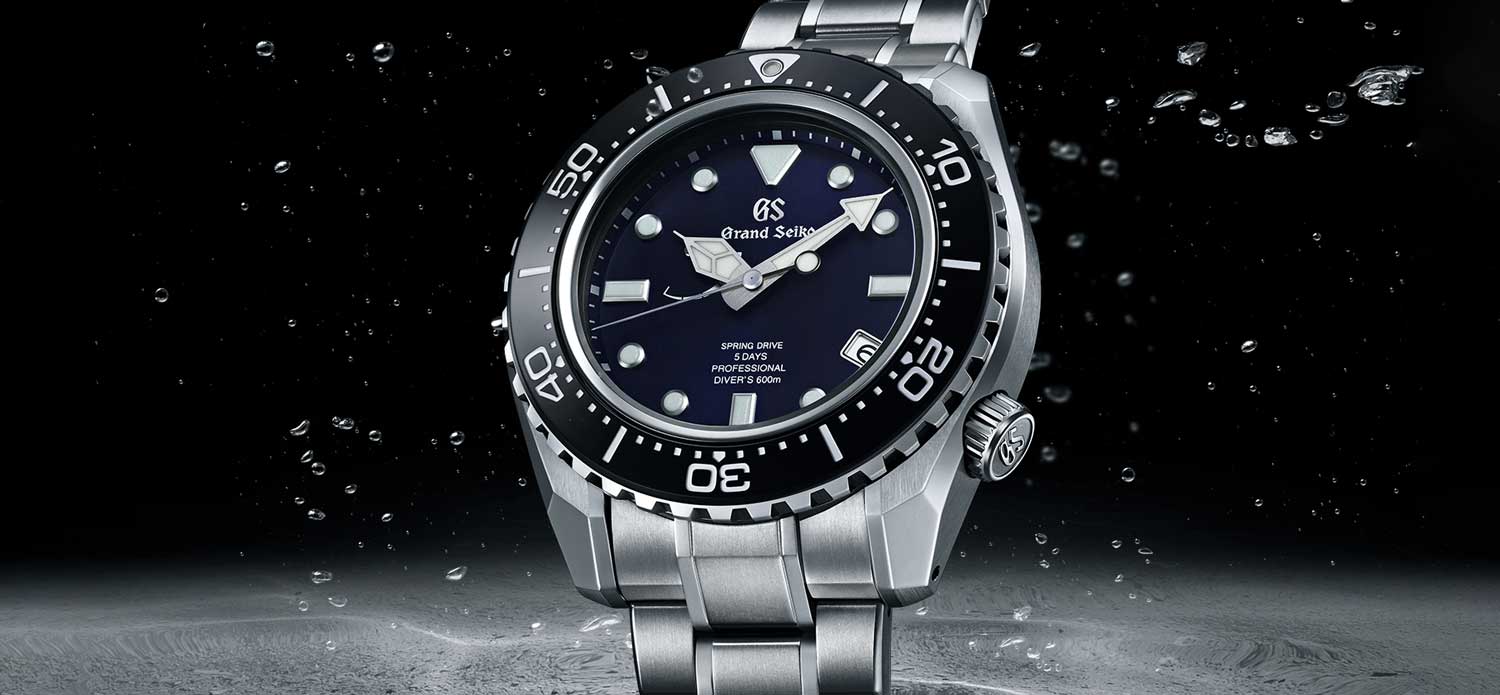
On its 60th anniversary, Grand Seiko goes modern with a new Spring Drive caliber, that takes its modern watchmaking to a new level.
 Video
Video
 Hodinkee
A fresh crop of vintage watches from around the web for the new year.
 Hodinkee
Ulysee Nardin calls in support from a Navy SEAL.
 Hodinkee
A horological commemoration of a French flying boat's first transatlantic passage.
 Quill & Pad
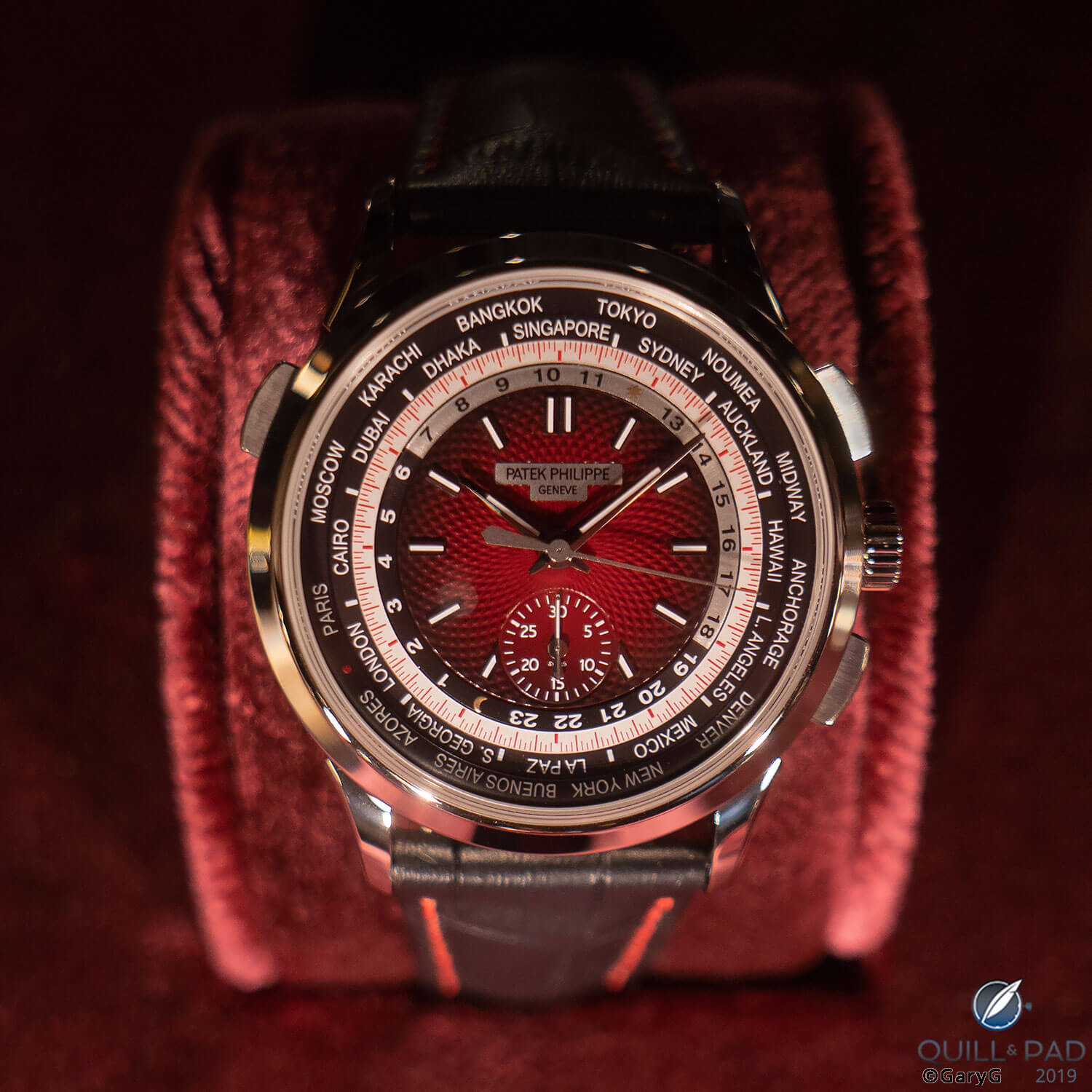
When Patek Philippe announced that a Grand Exhibition was to take place in Singapore this year there was no doubt that GaryG would do his best to attend – and to convince some friends to come along and join the fun. Here he shares some of what he saw during his fascinating trip.
 Deployant
In this week's Throwback Sundays column, we take a look at some of our favourite Patek Philippe watches from our archives.
 Video
Video
Patek Philippe has unveiled seven new limited editions for its Watch Art Grand Exhibition in Milan, including two new Ref. 5531G World Time Minute Repeaters, three Italian-inspired Calatrava-style watches, and a new 5...
 Hodinkee
A dark horse Bond film gets a long overdue celebration.
 Hodinkee
For the first time we've got a Big Pilot with a crown on the left.
 SJX Watches
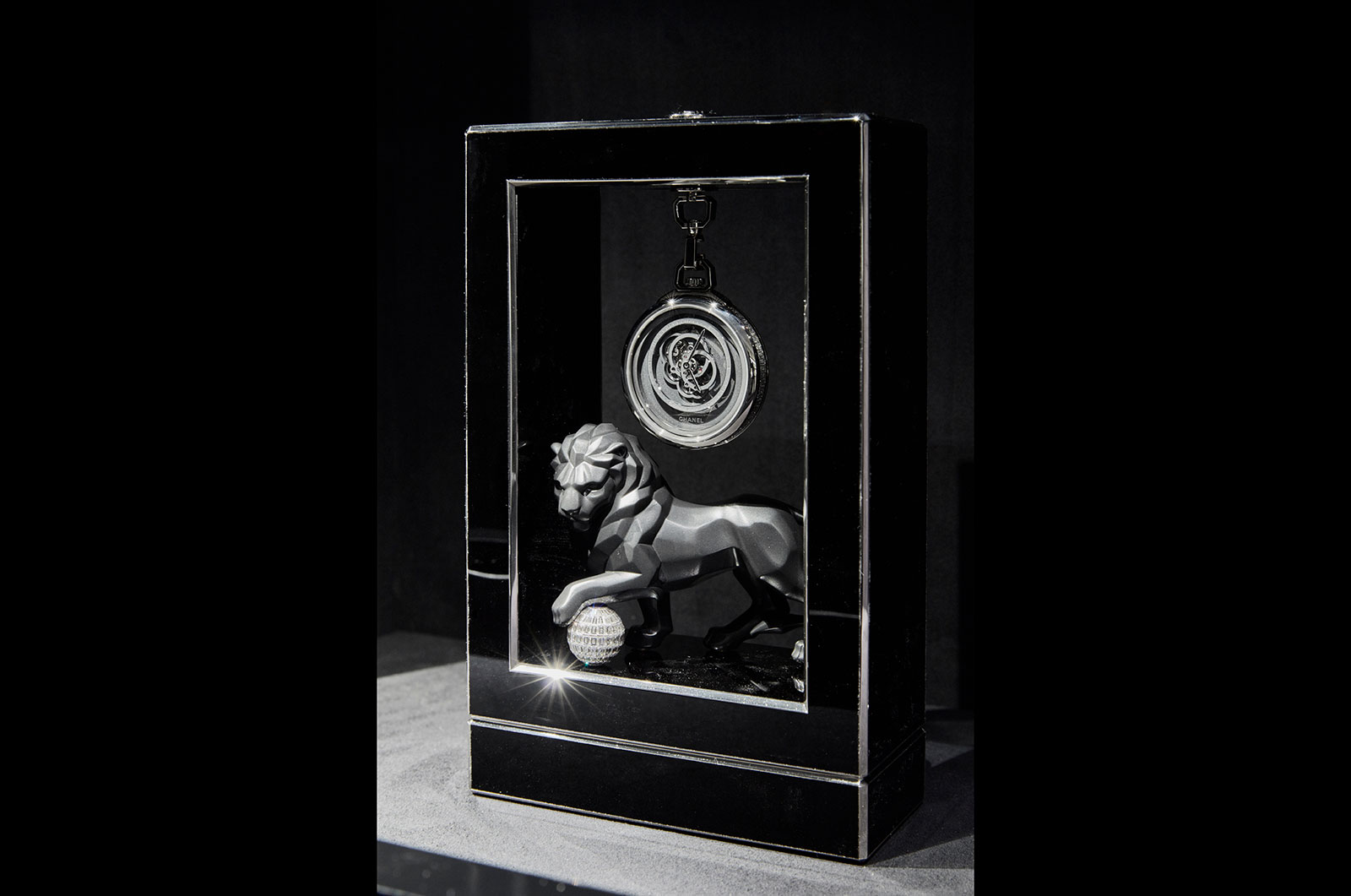
Every year Chanel debuts a handful of timekeeping objects that are sleekly monochromatic yet lavishly constructed of precious materials like gold and rock crystal. They are beautiful, expensive, and the sort of object that would look at home in a US$100m penthouse. And because there are enough such penthouses to go around, these objets d’art inevitably find owners every year. Last year’s collection of objects included the Monsieur de Chanel Chronosphere, a clock within a glass globe supported by blackened-bronze lions, which was a five-piece limited edition. But the collection also included the one of a kind Monsieur de Chanel Pocket Watch suspended in a jewelled stand, an object that is simultaneously discreet and extravagant. Photo – Chanel Although the pocket watch and its stand retail for almost US$800,000, it is discreet to a fault. All of the materials within are precious, but the entire object is almost monochromatic. The pocket watch can be removed and carried, but is more likely to function as the ultimate desk clock. Standing about 25cm, or 10in, high, the stand is polished 18k white gold and panelled in glossy obsidian, a black, volcanic rock. And while it does not look the part, the sculpted lion is also 18k gold, but coated entirely in smooth, black Hyceram, a composite of ceramic and polymer. The diamonds within the stand are substantial, but subtle – the lion’s paw rests on a 18k gold sphere covered in baguette diamonds. The big ca...
 Deployant
More than just a new release, the SeaQ marks the beginning of Glashütte Original's new collection.
 Revolution
 Video
Video
For inquiries and collabs: twtw.mike@gmail.com
Question, suggestion, or just want to say hi? Drop a note.