 Hodinkee
Recommended Reading: 'The Cartiers' By Francesca Cartier Brickell
"Never copy; only create." – Louis Cartier
1,855 articles · 123 videos found · page 40 of 66
Hodinkee
"Never copy; only create." – Louis Cartier
 Quill & Pad
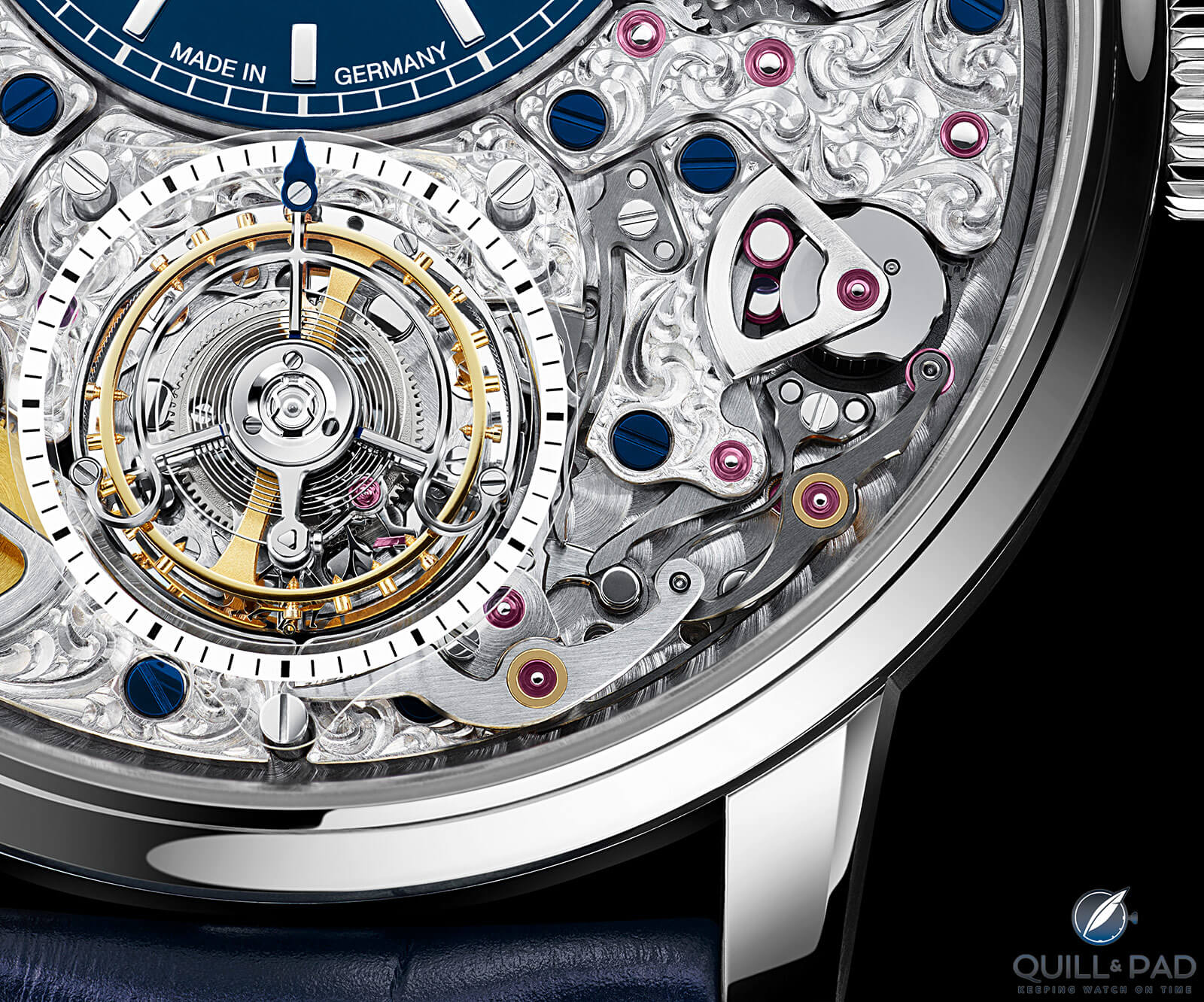
Close to 120 years after Abraham-Louis Breguet patented the tourbillon, master watchmaker Alfred Helwig (1886-1974) created a “flying” tourbillon at the German School of Watchmaking in Glashütte. The flying tourbillon became somewhat characteristic of Glashütte and lives on in a few very special watches today. Who was Alfred Helwig? Find out here.
 WatchAdvice
INTRODUCTION: Born from a friendship between Louis Cartier and his pilot pal – Brazlian Aviator Alberto Santos-Dumont – the Cartier Santos was created as a tool to help Alberto tell the time when flying. In the century or so since, Cartier’s Santos has been at the forefront of the brands watch collection, widely loved for its timeless design and icon status. In more recent years, Cartier’s watch department has been hard at work updating and refining their watch offering, collecting heaps of praise along the way. Earlier this year, the brand released a trio (the Santos-Dumont “Le Brésil,” “La Baladeuse,” and “No. 14 Bis” Limited Editions) of Large size limited editions during Watches & Wonders 2020. Each of these three watches feature Cartier’s in-house and hand-wound movement, a 430 MC. They’re also made from a combination of different metals with a dial to match, and were made in different quantities. Each of the trio is named after one of Alberto Santos-Dumont’s famous aircraft, which is featured on the caseback, alongside a corresponding motif engraving. Today, we’re taking a closer look at the No. 14 Bis Limited Edition, named after a biplane designed and built by Alberto Santos-Dumont, which made the first ‘publicly witnessed’ manned powered flight way back in 1906. The 14-Bis was also known as ‘Oiseau de proie’, French for ‘bird of prey’. FIRST IMPRESSIONS: I was blown away by my instantaneous affection for the Santo...
 SJX Watches
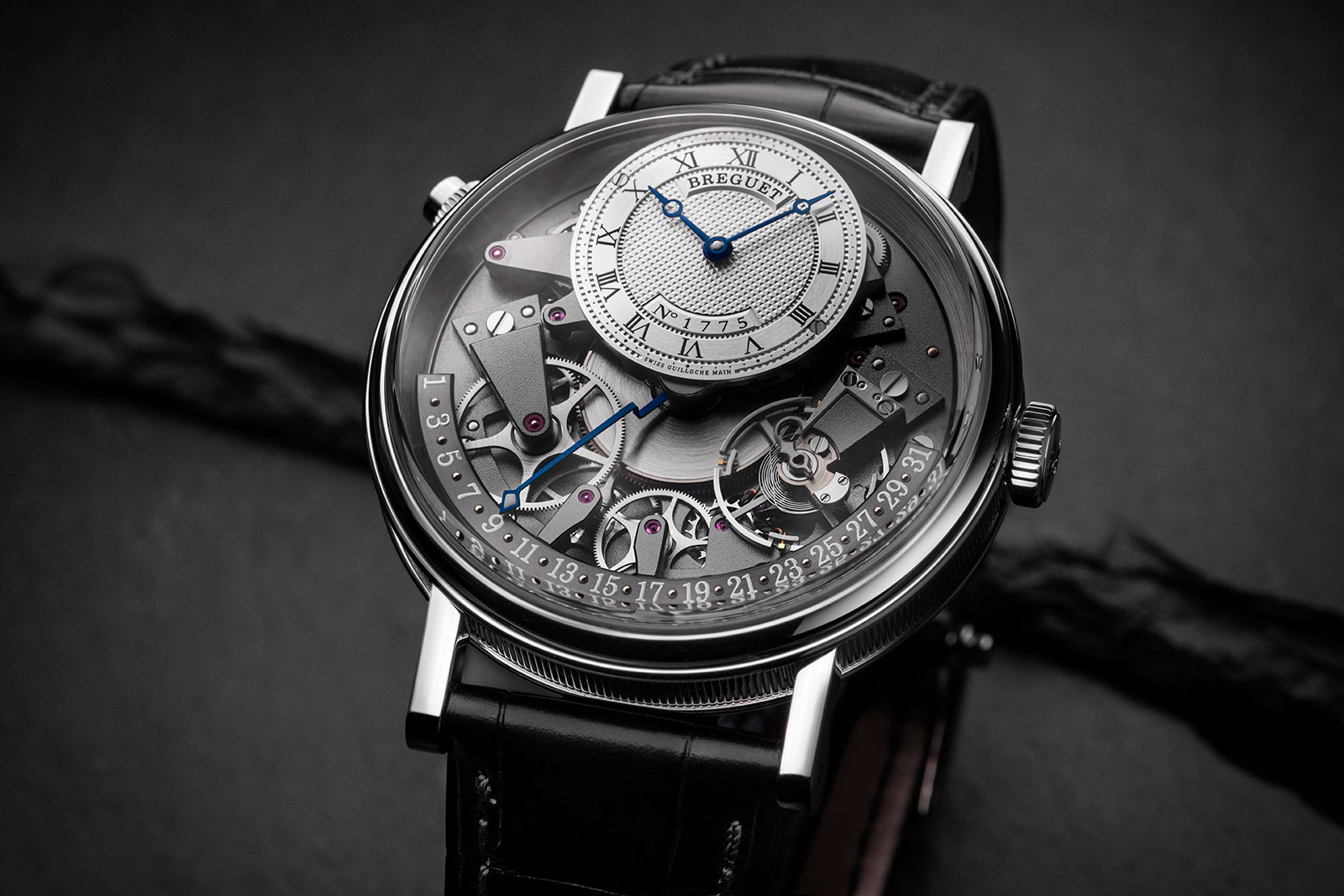
Endowed with an unmistakable aesthetic, the Breguet Tradition is based on the souscription calibre made by Abraham-Louis Breguet in 1796. Arguably the pioneer with the open-dial design that exposes the movement, the Tradition’s construction allows for creativity even with basic complications, like a retrograde seconds for instance. The new Tradition Quantième Retrograde 7597 continues with the overarching theme of the line. Based on the Automatique Seconde Rétrograde 7097, the 7597 does away with the seconds display and instead installed an oversized retrograde date complication. Initial thoughts I find the Tradition aesthetic unique and charming, thanks to the characteristic, exposed movement construction that can seem haphazardly arranged at times. Despite the angular and geometric shapes of the bridges, most of them are trapezoidal in shape with few parallel edges, bestowing a more organic appearance to the highly mechanical appearance. While a conventional date window is mundane, the retrograde date elevates the complication both visually and mechanically. Retrograde displays are often encountered in Breguet watches – something that started with A.-L. Breguet himself – and are typically done well, both stylistically and technically. The Tradition 7597 is, in short, an attractively designed watch that sticks to Breguet’s tradition strengths in design and mechanics, while offering a useful complication executed in an elegant manner. Tradition restyled The 759...
 SJX Watches
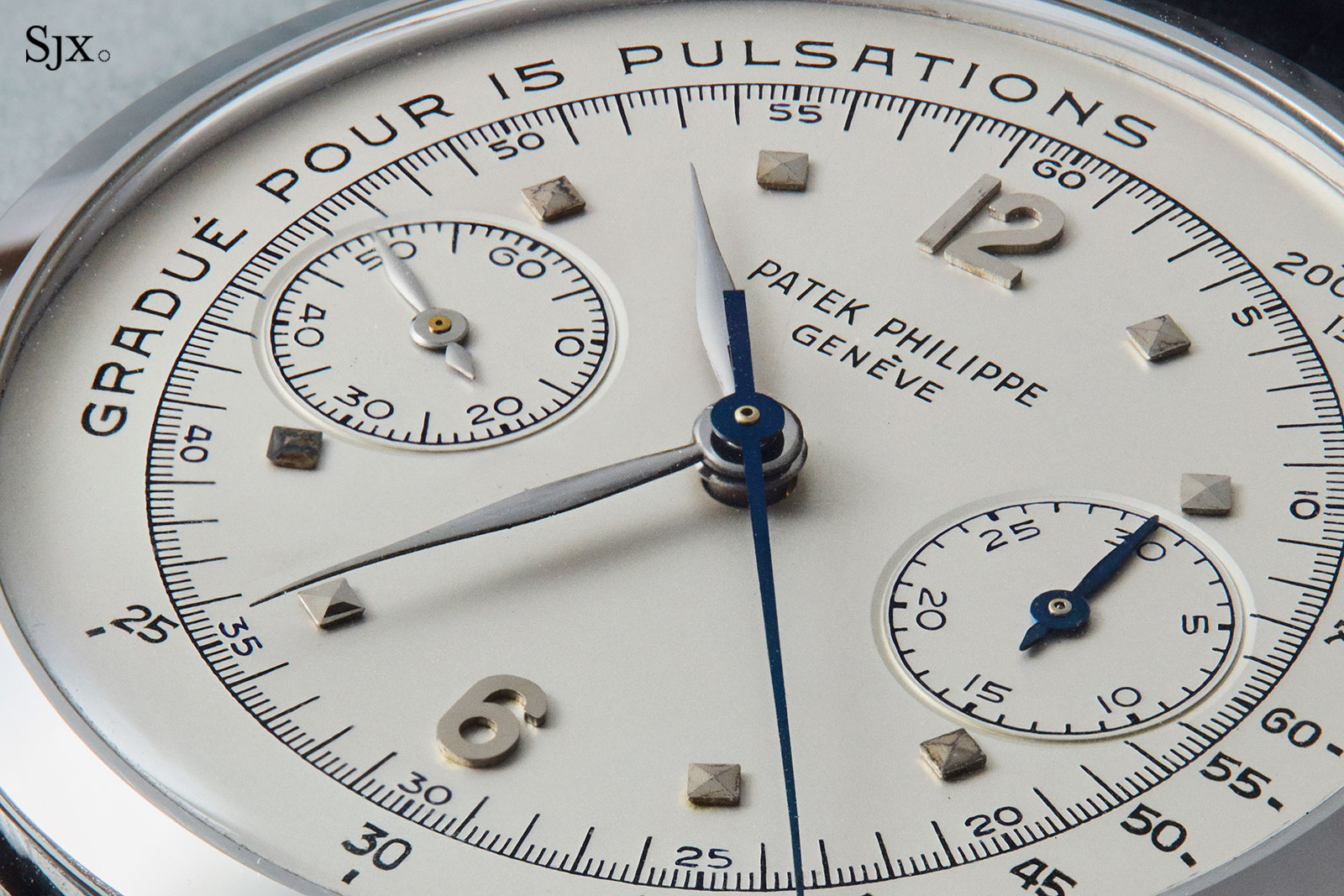
In 1816, Louis Moinet accomplished a first in watchmaking: a timepiece that could precisely track elapsed time. Measuring periodicity on demand had been accomplished before, but the French watchmaker’s invention gave it the functionality and exactness that we expect today. In assessing prototypes, we often tend to forgive their shortcomings and rosily reminisce, rewriting flaws as charms. Moinet’s timepiece, however, was a prescient opus. The layout of the dial had the now-familiar large central hand and elapsed time in subdials. Two pushers controlled the start, stop and reset functions, the power reserve lasted over 30 hours, and the mainspring could be wound while the timing mechanism was engaged to allow for longer timing runs. Most impressive, though, was its precision. Louis Moinet’s compteur de tierces of 1816. Image – Louis Moinet Named the compteur de tierces, or “timer of thirds”, Moinet’s invention ran at 216,000 beats per hour, measuring time down to one-sixtieth of a second. To allow for this ambitious exactitude to be utilised, the central chronograph hand completed revolutions once per second – such that the user could easily see which sixtieth of a second the period in question ended on - and the watch had an extra sub-dial for tracking elapsed seconds in addition to those for the minutes and hours. Whys and wherefores An impressive story, except that it’s missing something. Why did Moinet build it? And what did he use it to measure? A...
 Deployant
The death of Abraham-Louis Breguet in 1823 was a significant blow to the firm. Nevertheless, the Breguet name persists through the ages.
 SJX Watches
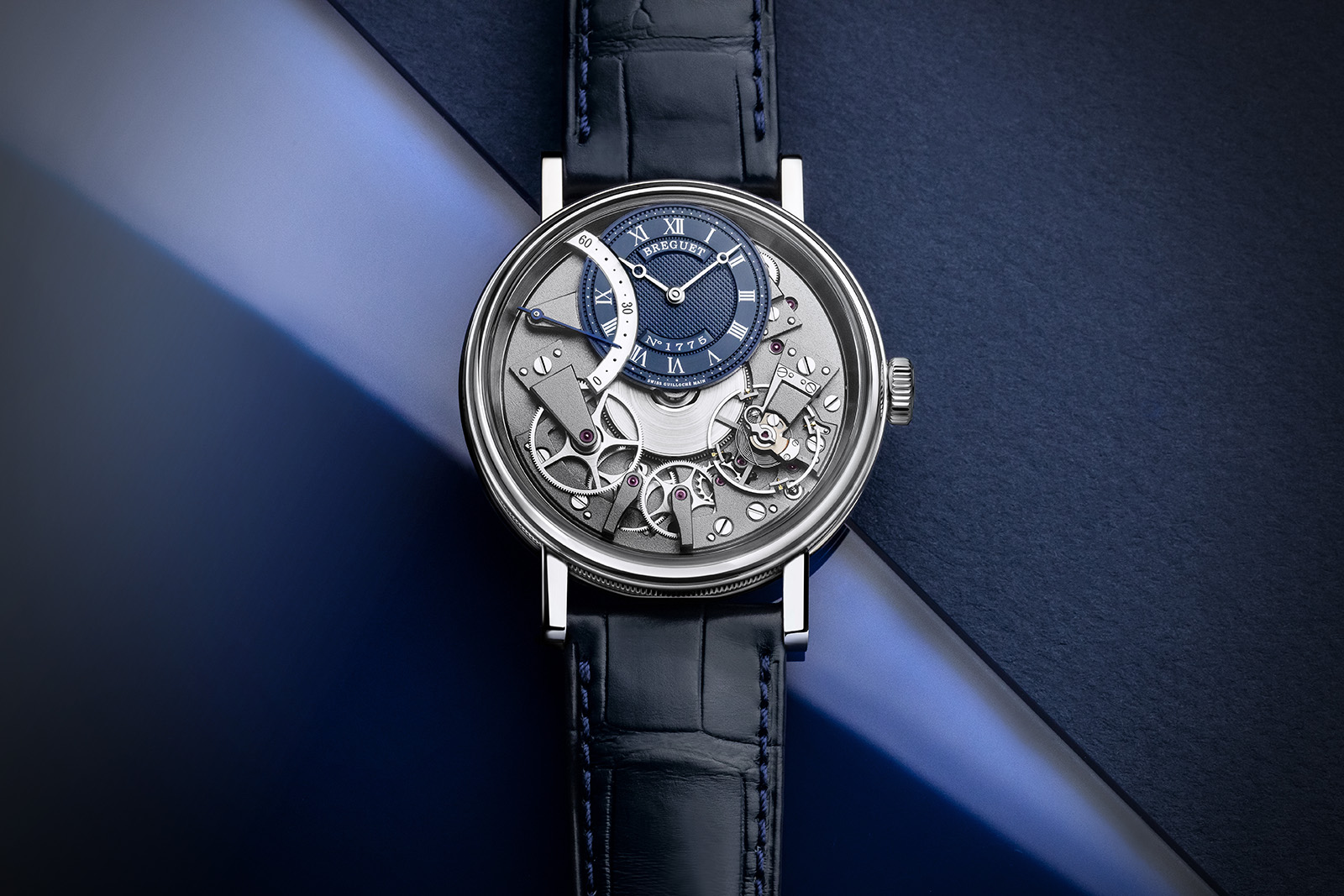
Breguet is one of the grandest names in watchmaking, and mostly makes watches that are rooted in its history. The aptly named Tradition exudes, well, tradition. Modelled on the souscription pocket watch created by Abraham-Louis Breguet in 1796, the wide-ranging collection has been gently modernised in recent years. The newly-announced Tradition Automatique Seconde Rétrograde 7097 continues that trend, with a dark blue guilloché dial against a grey movement. Initial thoughts This version of the Tradition 7097 is possibly my favourite yet, mostly because of the off-centre dial in blue. Engine-turned by hand, the blue dial is striking against the monochromatic movement. And it looks especially appealing when compared against the earlier versions that have plainer and more conventional silvered dials, which offer less contrast against the movement. But as with all other Tradition watches, there’s a nit to pick here: the serial number plaque on the dial makes it look a bit cluttered, especially since the dial is small to begin with. One solution would be to put the serial numbers beside the Breguet logo, as done on the female Tradition Dame 7038. And while I like the retrograde seconds, its position feels awkward as it cuts into the sub-dial. Though intersecting indicators are a feature in some historical Breguet pocket watches, the face of the Tradition is a bit too small to accommodate it comfortably. The white gold case is in classic Breguet style a delicately-fluted ...
 SJX Watches
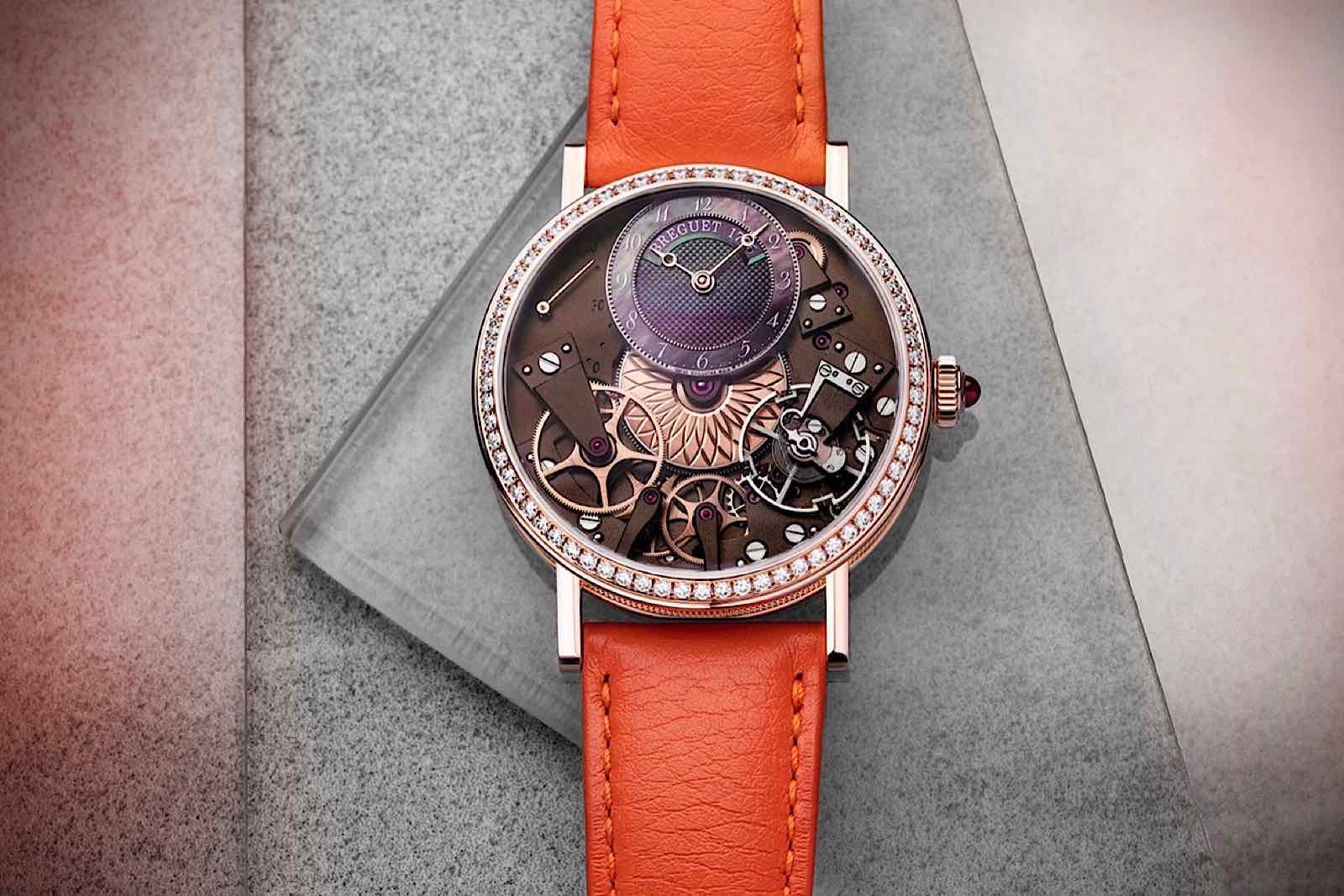
Based on the souscription calibre created by Abraham-Louis Breguet in 1796, the Tradition is characterised by an open, symmetrical movement layout and an off-centered time display. The distinctive look has made it one of Breguet’s modern-day hits, though most variants of the Tradition have been watches for men. The latest Tradition Dame 7038 adds to the compact line-up of Tradition watches for ladies. Exclusive to boutiques, the Tradition Dame 7038 combines a dark, iridescent Tahitian mother-of-pearl dial with a deep-brown movement treatment. And unusually for Breguet, the watch is delivered with a matching clutch bag. Initial thoughts The off-centered, Tahitian mother-of-pearl dial was the first thing that caught my attention when this arrived in my inbox. With enigmatic colours that shimmer and vary between violet and green, Tahitian mother-of-pearl never fails to be captivating. Obtained from black-lipped oysters around Tahiti and French Polynesia, they are much rarer compared to white mother-of-pearls as was featured in the first Tradition Dame 7038, making this more appealing, not just for its colour but also the material. The brown undertones of the Tahitian mother-of-pearl dial are complemented by the brown treatment of the frosted finish on the movement and the rose gold case. In typical Breguet style, the mother-of-pear dial is finished in clous de paris engine-turning, a decorative touch that is tradition and always welcome as it adds visual interest to the ...
 SJX Watches
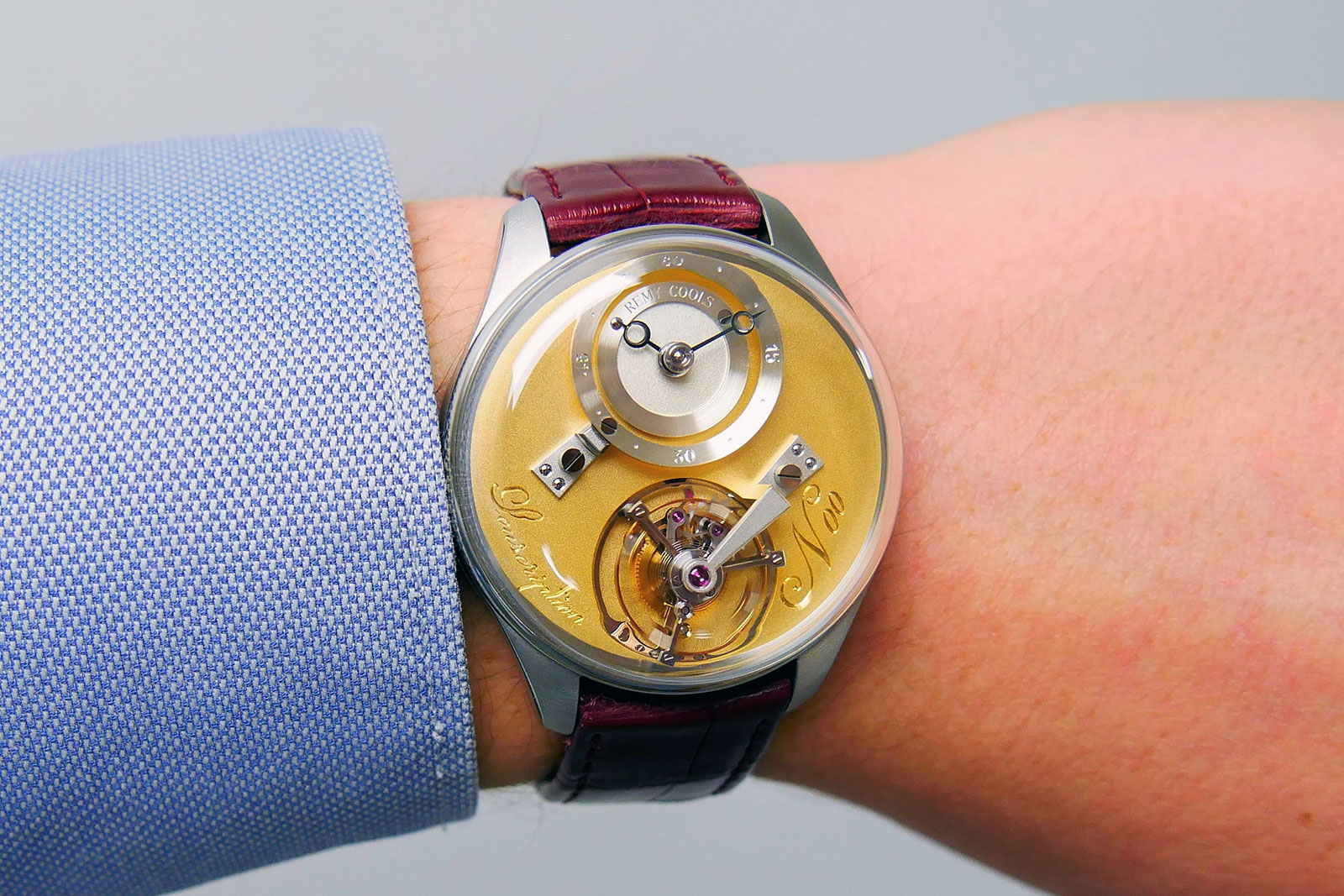
A French watchmaker who is just 23 years old, Rémy Cools has just revealed the finished prototype of his debut watch, the Tourbillon Souscription. Mr Cools’ creation is a large watch with no visible crown, giving it a contemporary silhouette, but the look is still heavily classical in style, with the movement and dial strongly influenced by 19th century watchmaking, especially the work of Abraham-Louis Breguet and Jacques Frédéric Houriet according to Mr Cools. Initial thoughts I met Mr Cools at Baselworld 2019 and got to examine the unfinished prototype. It was complete and working, but had not yet been decorated. The prototype was an extremely striking watch, with a strong pocket watch aesthetic but still unique. While clearly modelled on the works of Breguet, it manages to avoid looking like a Breguet. Now that the watch is finished, it is no doubt more impressive; Mr Cools’ photos of the movement and its parts reveal an impressively high level of decoration. Two things go against the watch. One is the pair of crowns on the case back. They are easy enough to use, but feel unnecessarily complicated. The crowns, however, are probably something you get used to and forget about afterwards. The second drawback is the massive height of the watch, which is only 40 mm wide. It stands 15 mm high – including 7 mm of domed sapphire crystal – which gives it a really tall profile. And the thickness is accentuated by the relatively small diameter. That said, the height is ...
 Quill & Pad
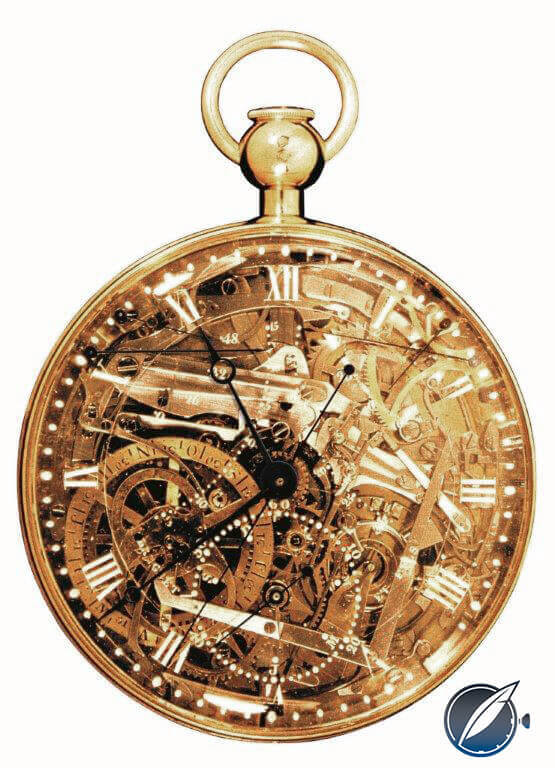
In 1783, just as the queen of France, Marie Antoinette, was sitting for a portrait, an officer of the queen’s guard visited Abraham-Louis Breguet’s workshop: Queen Marie Antoinette desired a pocket watch containing all known horological complications at the time. It took 44 years to complete and is perhaps the most famous watch in history, as much for its intriguing story as its ingenious mechanics.
 Quill & Pad
Following part one and two of this series of auctions, the third in this four-part series by Sotheby’s called Masterworks of Time is entitled "Abraham-Louis Breguet, Horologist Extraordinaire." Extraordinarily, this auction comprising only pocket watches by Breguet and other masters will take place online, beginning on June 3, 2020 at 4:00 pm CET.
 SJX Watches
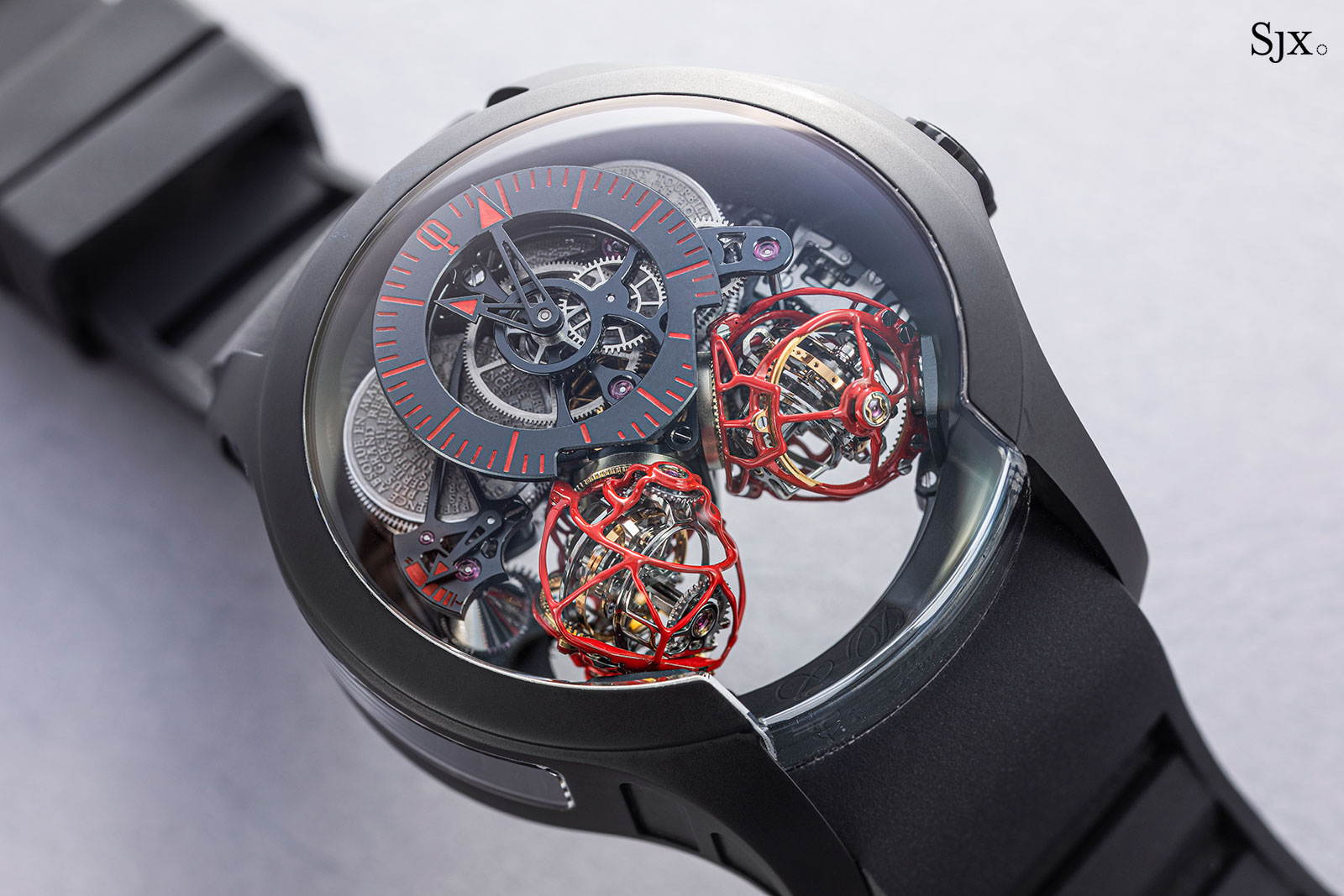
Given that the tourbillon was invented for the pocket watch, adapting Abraham-Louis Breguet’s invention for the wristwatch opened the floodgate for tourbillon innovations in the beginning of the 21st century – the golden age of the tourbillon, perhaps technically but surely commercially. In fact, many watchmakers have gone far beyond the traditional concept of a tourbillon since English watchmaker Anthony G. Randall invented the double-axis tourbillon in 1978. But as the years passed, tourbillons evolved into elaborate constructions seemingly just for the sake of visual complexity. And there have been so many of them. For this reason, exotic tourbillons now seem dated, with sophisticated or truly interesting technical solutions being hard to come by. Potter and Purnell But the latest development in tourbillons is one of the most intriguing of recent times: maximising the visual effect of a tourbillon regulator not just by multiplying the axes of rotation, but speeding them up with the use of a specialised escapement invented two centuries ago by Albert H. Potter, a highly regarded American watchmaker based Geneva. The full potential of the Potter escapement was recently realised when it was combined with a carrousel outer cage in the MB&F; LM Thunderdome, the world’s fastest rotating triple-axis tourbillon. But the concept was first applied, arguably in a more elaborate manner, in the Spherion tourbillon of Purnell – which was developed by the same watchmaker behin...
 SJX Watches
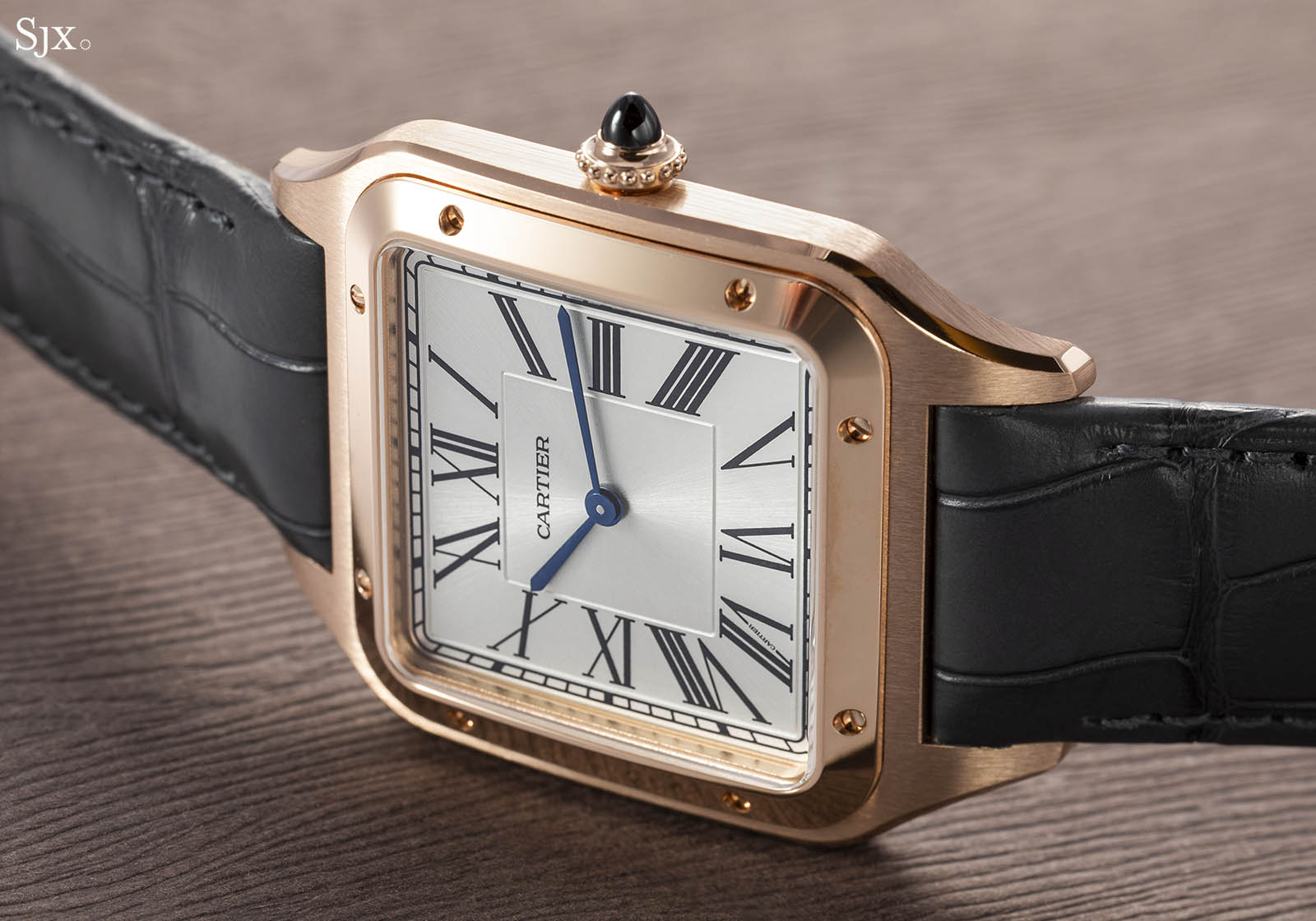
Conceived by Louis Cartier for Brazilian aviation pioneer Alberto Santos-Dumont – who needed a timepiece he could read while flying – the Santos-Dumont wristwatch has the double distinction of being the first wristwatch designed from the ground up for men, as well as being the first-ever pilot’s wristwatch. Now the 116-year old design has just received its latest update with the unveiling of the hand-wound Santos-Dumont XL. [Update March 23, 2020: Read the review with more photos.] Though the Brazilian pilot got his wristwatch in 1904, it took until 1911 for the design to be sold commercially. For most of the century since, the Santos-Dumont has been part of the Cartier line-up in one way or another, often in gold but occasionally in platinum (one outlier was a special edition in titanium with a skeleton movement). The most recent facelift happened in 2005, which saw the unveiling of a version without a bezel. The new Santos-Dumont XL in all three versions Last year, the latest generation of the Santos-Dumont was unveiled, marking a return to the iconic Santos bezel with screws. For the first time ever, the Santos-Dumont was available in steel as well as two-tone steel and gold, along with the traditional all-gold case. However, the new Santos-Dumont didn’t quite receive unanimous acclaim because it was quartz movement. But now Cartier has finally unveiled what was long expected, the mechanical Santos-Dumont XL. Measuring 46.6 by 33.9 mm and just 7.5 mm in height...
 SJX Watches
Two years ago, Urwerk unveiled the UR-111C, inspired by the UR-CC1 King Cobra of 2009, which was itself based on an experimental watch built by watchmaker Louis Cottier and jeweller Gilbert Albert for Patek Philippe in 1959. Displaying the time in a linear fashion, the UR-111C marked a departure from the wandering-hour satellite indication that has become the hallmark of Urwerk’s aggressively futuristic watches. Having already presented four variants of the watch in various finishes, as well as an engraved unique piece, the brand has now unveiled the UR-111C Two-Tone, featuring a case that combines a black coating with brushed and polished steel. The central portion of the case is executed in brushed steel, flanked by black-coated ends that close off the tube-like central portion. The use of different finishes accentuates the architecture of the case, drawing attention to its centre, which contains the key functions, including the time display and roller-style crown. Cosmetics aside, the UR-111C Two-Tone is otherwise identical to the earlier versions. At 42 mm by 46 mm and 15 mm high at its thickest point, it is by no means a small watch but the curvature of the case ensures it sits flat and comfortably on the wrist. Despite its complex design, time is presented in a fairly straightforward manner with three rounded sapphire windows located at the front edge of the case to facilitate better readability while driving. The jumping hours and progressive minutes are displaye...
 Time+Tide
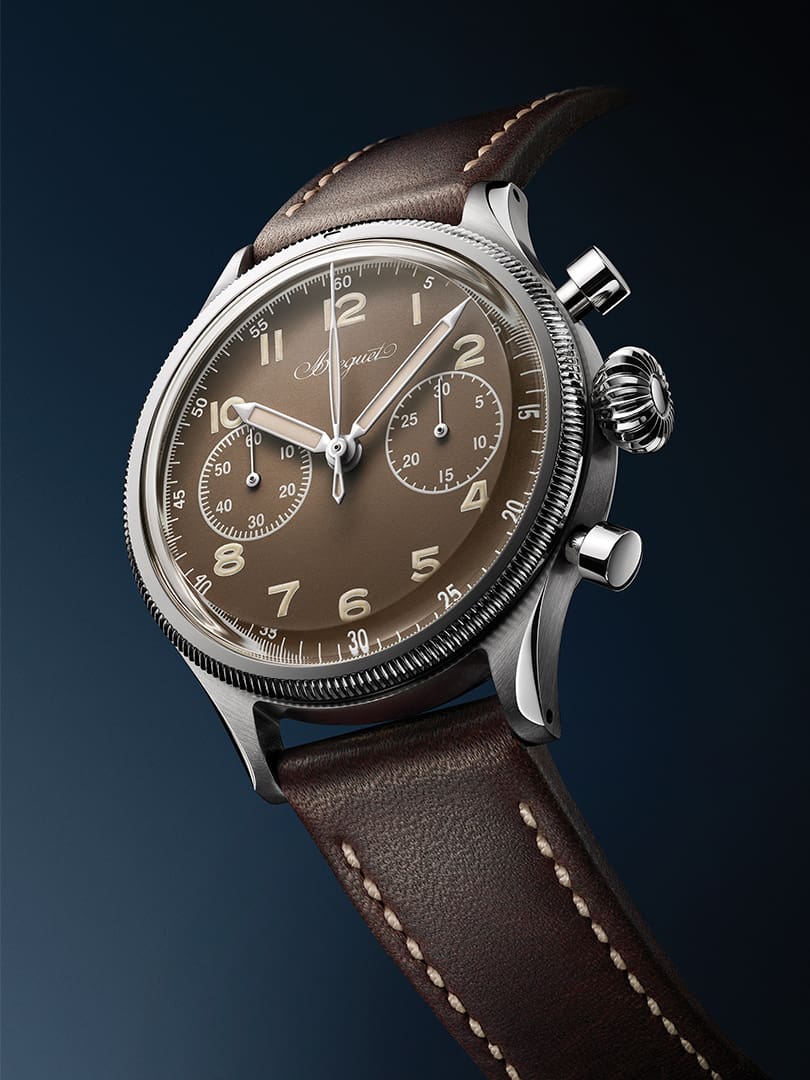
Breguet had a stellar year in 2019 as they offered a host of new watches, some of which delivered sportiness, and others that brought a sense of refined classicism. While Abraham-Louis Breguet, the Neuchâtel-born founder of the maison, might have been more comfortable with some of the more traditional pieces in the collection, here are … ContinuedThe post 3 brilliant Breguet watches that would have made Abraham proud appeared first on Time+Tide Watches.
 Quill & Pad
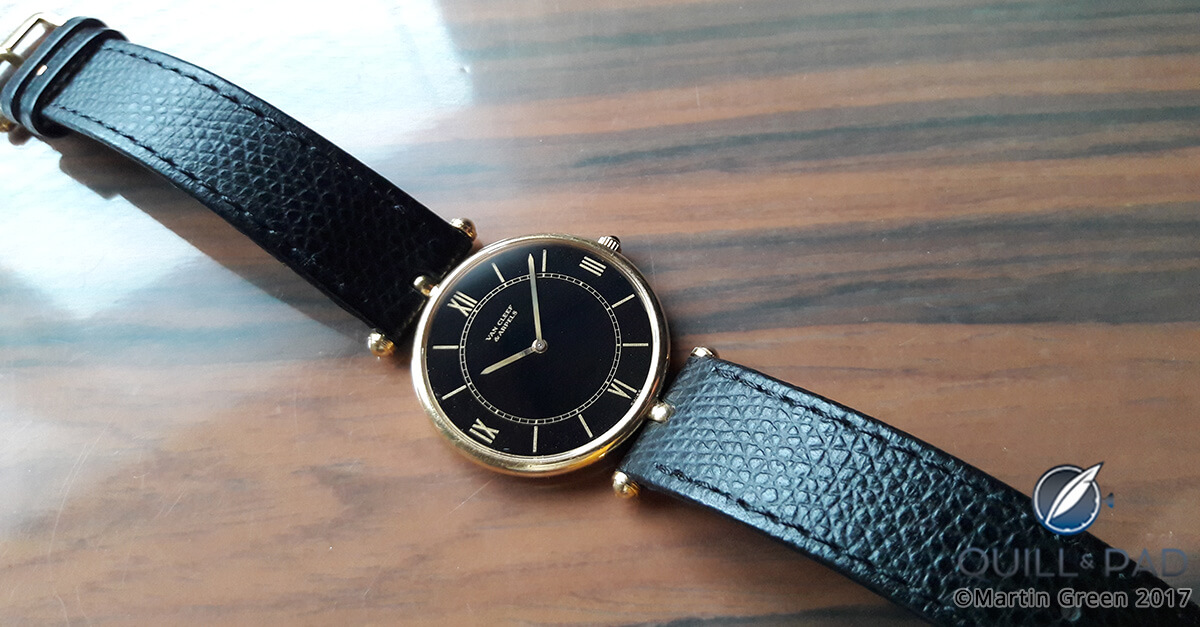
Many of the great marques in the history of watchmaking were driven by prominent figures who ended up with a watch named after them. Such was the case for both Louis Cartier and Pierre Arpels. Both were born into jewelry and watch dynasties and both made prominent marks on the histories of their respective houses. How else are they intertwined? Martin Green explains here.
 Time+Tide
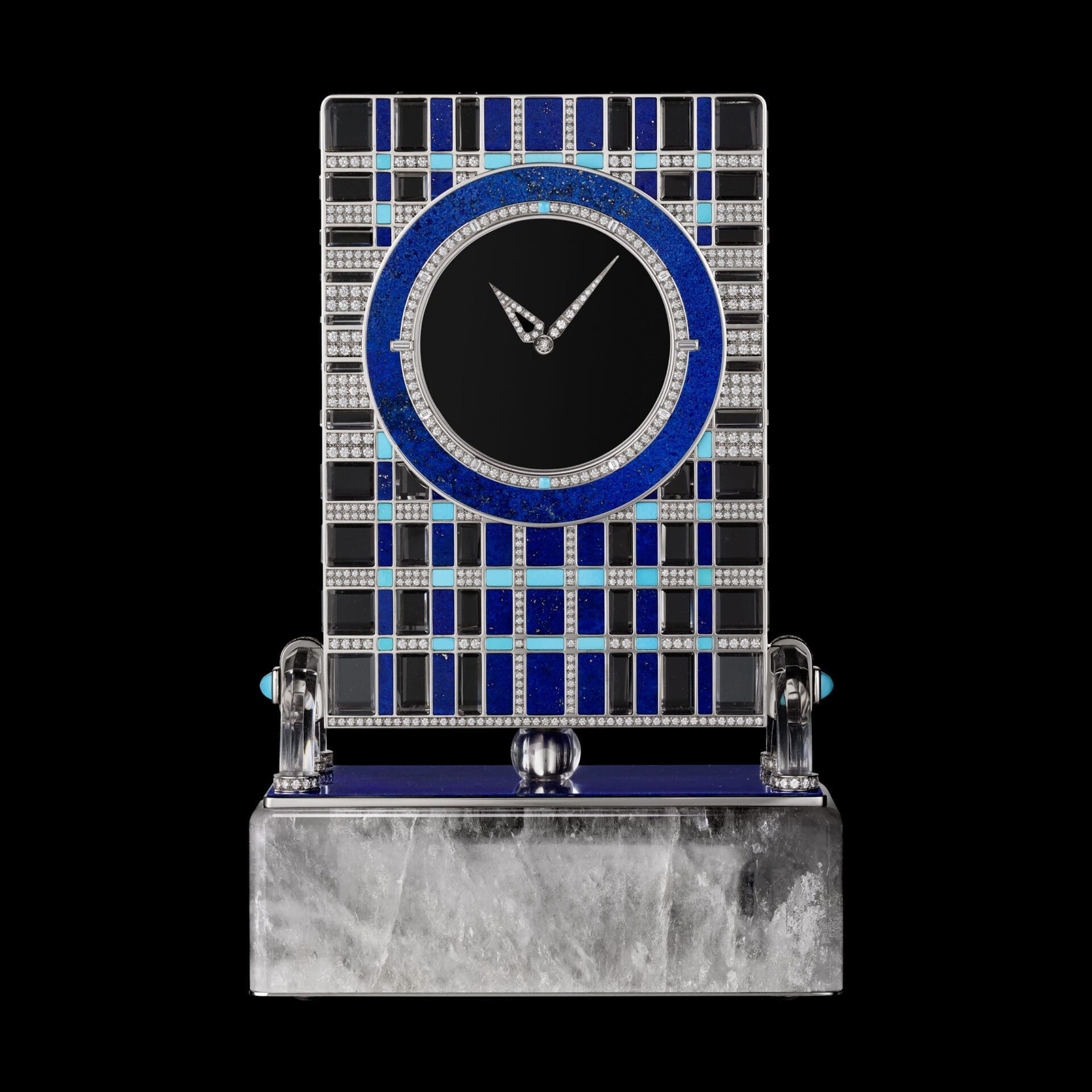
Louis Cartier has an important place in the history of the Cartier company, not only because he ran the first-ever Paris boutique but because he was responsible for one of the most enigmatic creations the brand released, the Cartier Mystery Clock. The origins of the Mystery Clock are found in 1912, when Louis Cartier began … ContinuedThe post RECOMMENDED READING: Why Cartier clockmaking is a mystery appeared first on Time+Tide Watches.
 SJX Watches
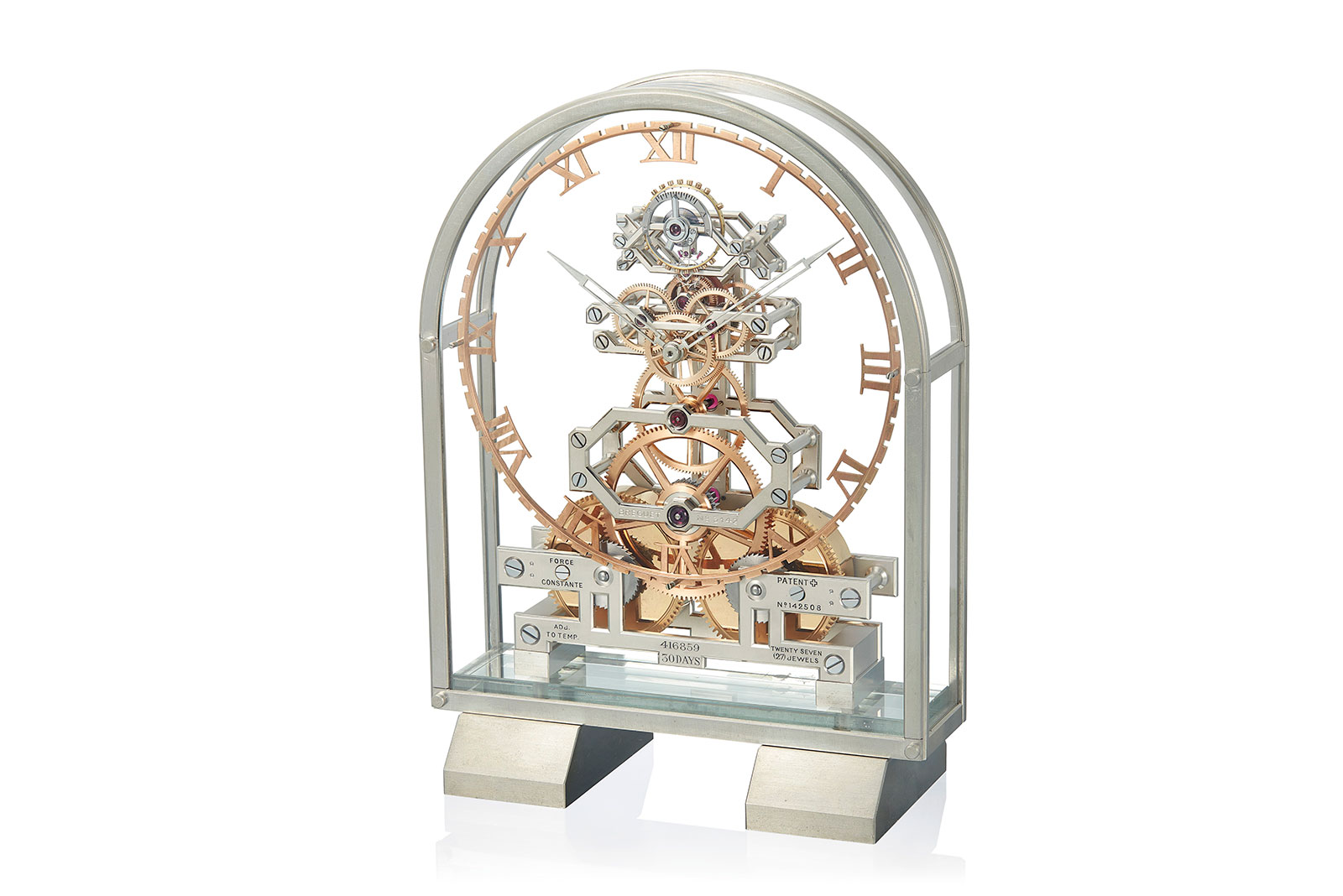
One of the most intriguing timepieces being offered in the final run of watch auctions for 2019 is not a wristwatch, but an incredibly rare table clock made by Breguet in 1934 that’s going under the hammer at Christie’s. It hardly looks like a typical Breguet – having no engine-turning or gilding or blued steel hands – but is remarkably striking, with a skeletonised, architectural movement that is modern-looking despite being 85 years old. Abraham-Louis Breguet is rightly regarded as one of the most important watchmakers in history, whose inventions range from the natural escapement to the tourbillon, while being commercially savvy enough to become a leading watchmaker to the Ottoman Empire. But his descendants ventured into other businesses by the mid 19th century, most notably aviation, so the watchmaking operation was sold by Louis-Clément Breguet, grandson of Abraham-Louis, in 1870 to English watchmaker Edward Brown. The Browns kept the workshop in Paris, though it moved several times over the decades. During the century that the Brown family ran Breguet – Brown’s grandson George sold the company to French jeweller Chaumet in 1969 – the firm mostly retained the signature Breguet style and produced a large variety of timepieces, but in tiny quantities, often relying on external specialists for movements and components. Timepiece no. 3142 This clock is one such timepiece from the period. A unique piece according to the accompanying Breguet museum archive...
 Time+Tide
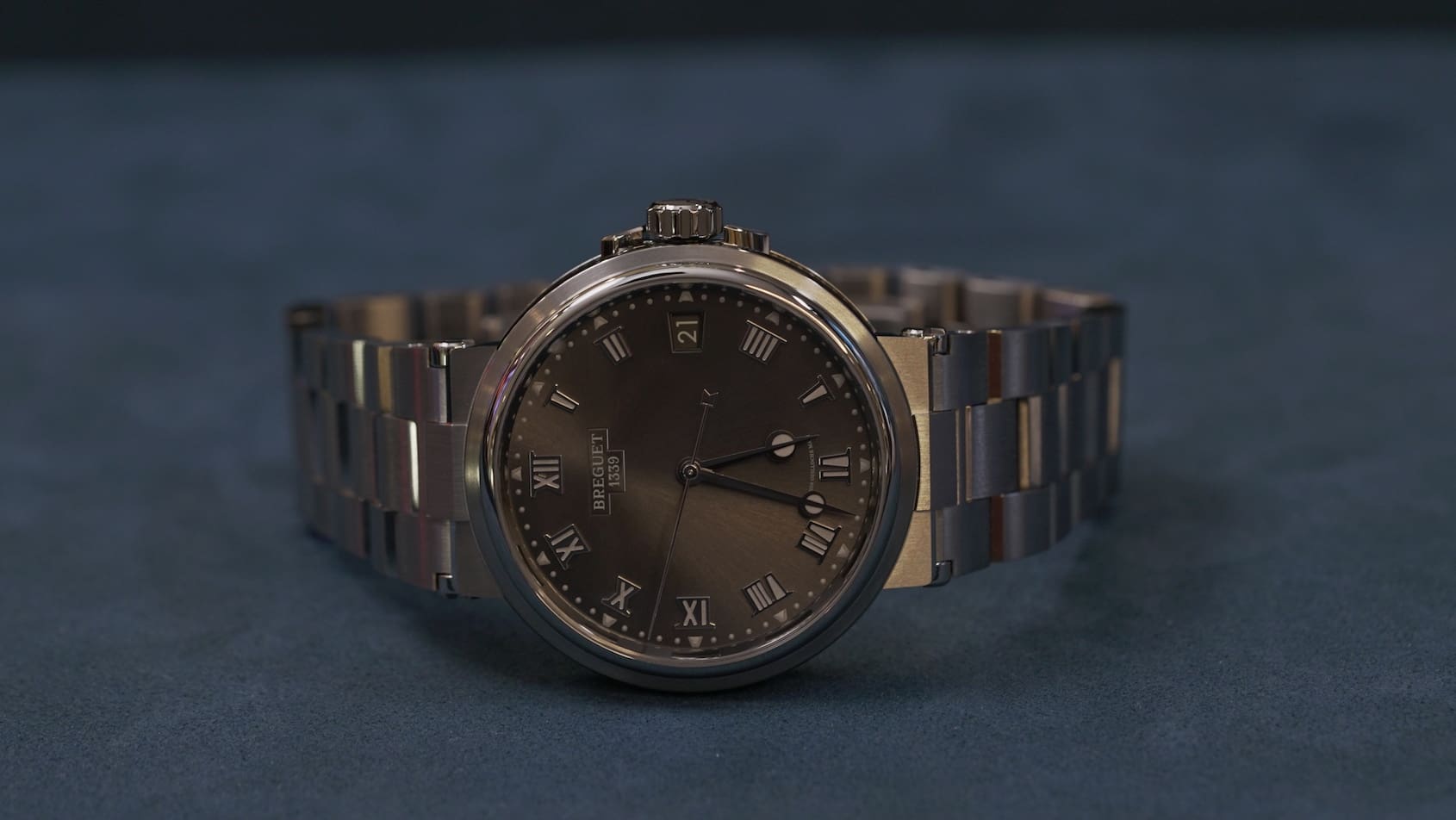
More than 200 years ago, Abraham-Louis Breguet was appointed as an official chronometer maker of the French Navy, and the tradition lives on today in the Breguet Marine 5517. The 5517 is a robust sports watch, machined in a lightweight titanium that almost perfectly matches the deep-grey dial tone, and offers a host of details … ContinuedThe post VIDEO: Maritime mastery with the Breguet Marine 5517 appeared first on Time+Tide Watches.
 Time+Tide
The history of aviation is full of famous planes. For better or worse, planes like the Spirit of St. Louis, the Enola Gay and the Southern Cross are landmark machines in the evolution of the flying machine. But few vehicles loom larger in popular culture (or indeed reality) than the epic H-4 Hercules, popularly known … ContinuedThe post INTRODUCING: The Bremont H-4 Hercules appeared first on Time+Tide Watches.
 SJX Watches
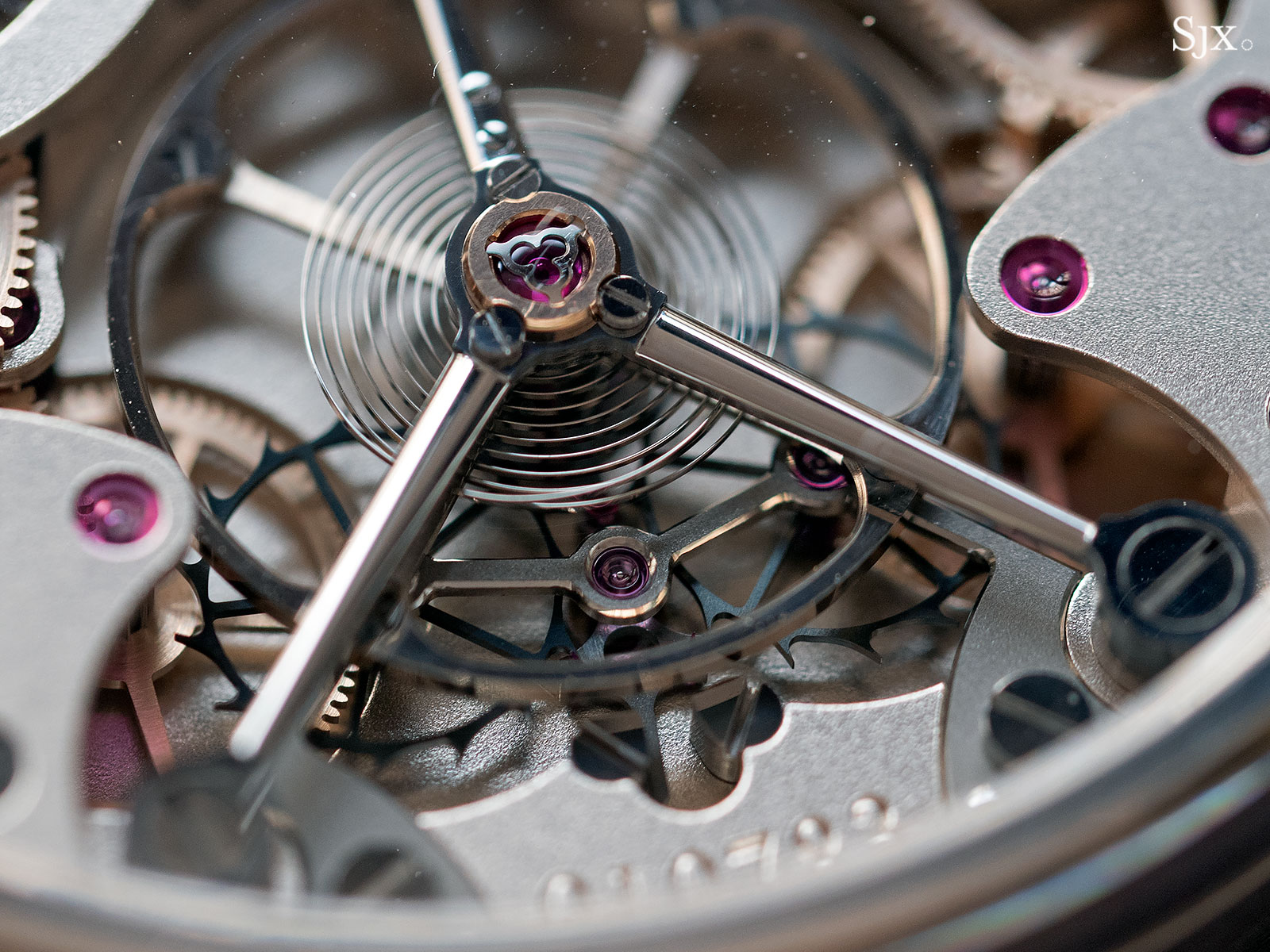
Abraham-Louis Breguet’s contributions to horology are as numerous as they are fundamental. Practically every avenue of watchmaking is built on the foundations he laid down, from the perpetuelle self-winding mechanism to pare-chute shock-protection for balance pivots. But most famous of all was the tourbillon, patented in 1801. It was crucial to the precision of mechanical pocket watches and clocks, the only kinds of timepieces in use then, which normally sat in an upright, vertical position. The Breguet Souscription pocket watch of the 1990s that replicated the 19th century originals, right down to the pare-chute escapement The tourbillon, however, was not Breguet’s only effort in improving chronometric performance. Prior to the tourbillon, he created the lesser known but more elegant echappement naturel, or natural escapement, in 1789. It was a double-wheel chronometer escapement that in theory, needed no oil. Breguet managed to incorporate it into just 20 pocket watches, but serial production of the natural escapement ultimately eluded him as its design had inherent shortcomings – primarily backlash in the motion of its wheels – that made it impossible to commercialise. The idea was ahead of its time, and it would take some 200 years before technology made the natural escapement feasible. The concept of natural escapements continues to fascinate watchmakers, many of whom have conceived modern-day descendants, the most recent of which is the Ch...
 WatchAdvice
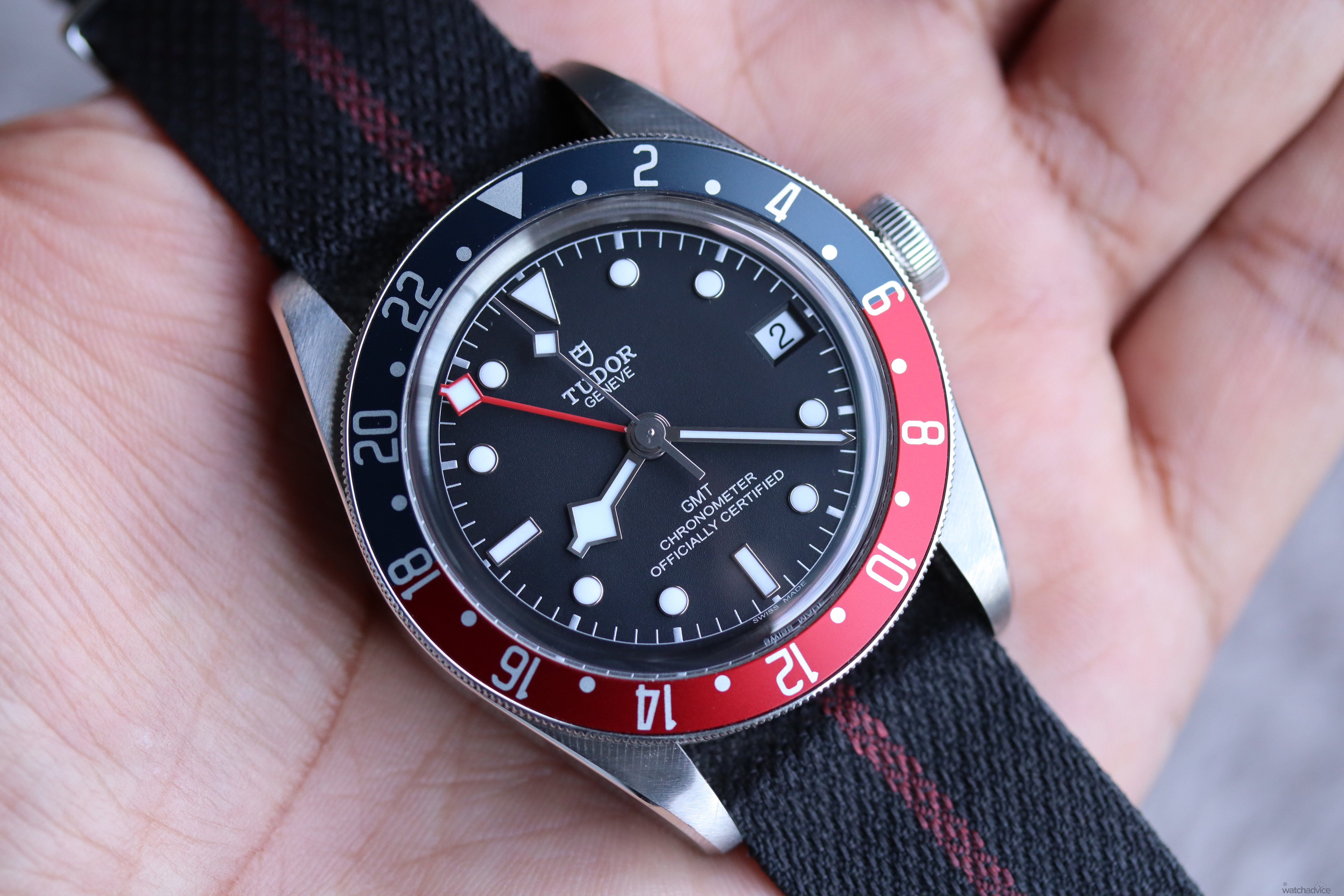
Introduced in Baselworld 2018, the Black Bay GMT is a new classic and bold timepiece by Tudor. This model is Tudor’s answer to GMT watches for world travellers. The Black Bay GMT owes its heritage to the Black Bay Divers watches of the 1950s. In 1954, Tudor released the first reference 7922. This was the first divers watch in the long line of legible, robust and ergonomic divers watches released by Tudor. It was the famous American Architect Louis Sullivan that said that “according to whom, the form of an object must follow its function”. The early Tudor diver models perfectly resembled this saying as they laid down the foundations of aesthetic and technical watches that are ideal for divers. Since the first launch of the reference 7922, Tudor’s diver watches have had a constant improvement for sixty years. Each new model that was released by the brand would see unanimous recognition from professionals, such as some of the greatest military navies in the world. The GMT function in the Tudor Black Bay GMT establishes local time without losing track of time in other time zones. The additional time zone is indicated by the red angular “snowflake” hand as described by Tudor. The characteristic snowflake hand is also used for the hour and constant second hand. This snowflake design first appeared in Tudor’s catalogue in 1969, which shows that although modernising the watch, Tudor still sticks to their heritage. The bi-directional rotatable bezel on the Tudo...
 Revolution
On World Tourbillon Day, REVOLUTION pays homage to Abraham-Louis Breguet and the tourbillon makers that followed after, by picking our favorites.
 Time+Tide
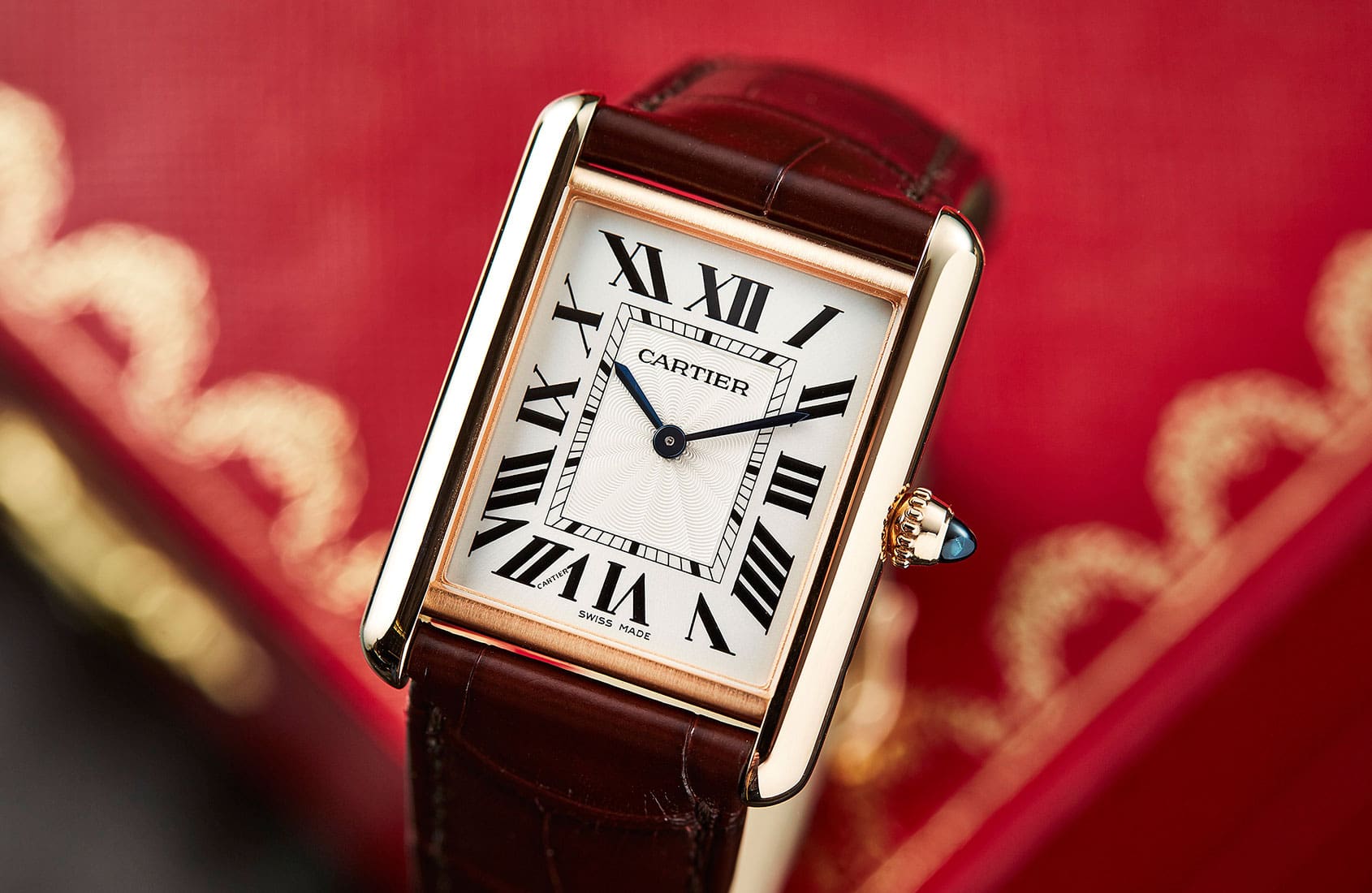
Editor’s note: Dress watches are one of those timepiece genres with very specific ‘rules’, and can be hard to nail. One watch that always manages to look elegant and on point in a dressy situation is the Cartier Tank. Like this Tank Louis Cartier we looked at a while back … It’s hard to overstate … ContinuedThe post This is the ultimate dress watch, and it has been for more than 100 years appeared first on Time+Tide Watches.
 Time+Tide
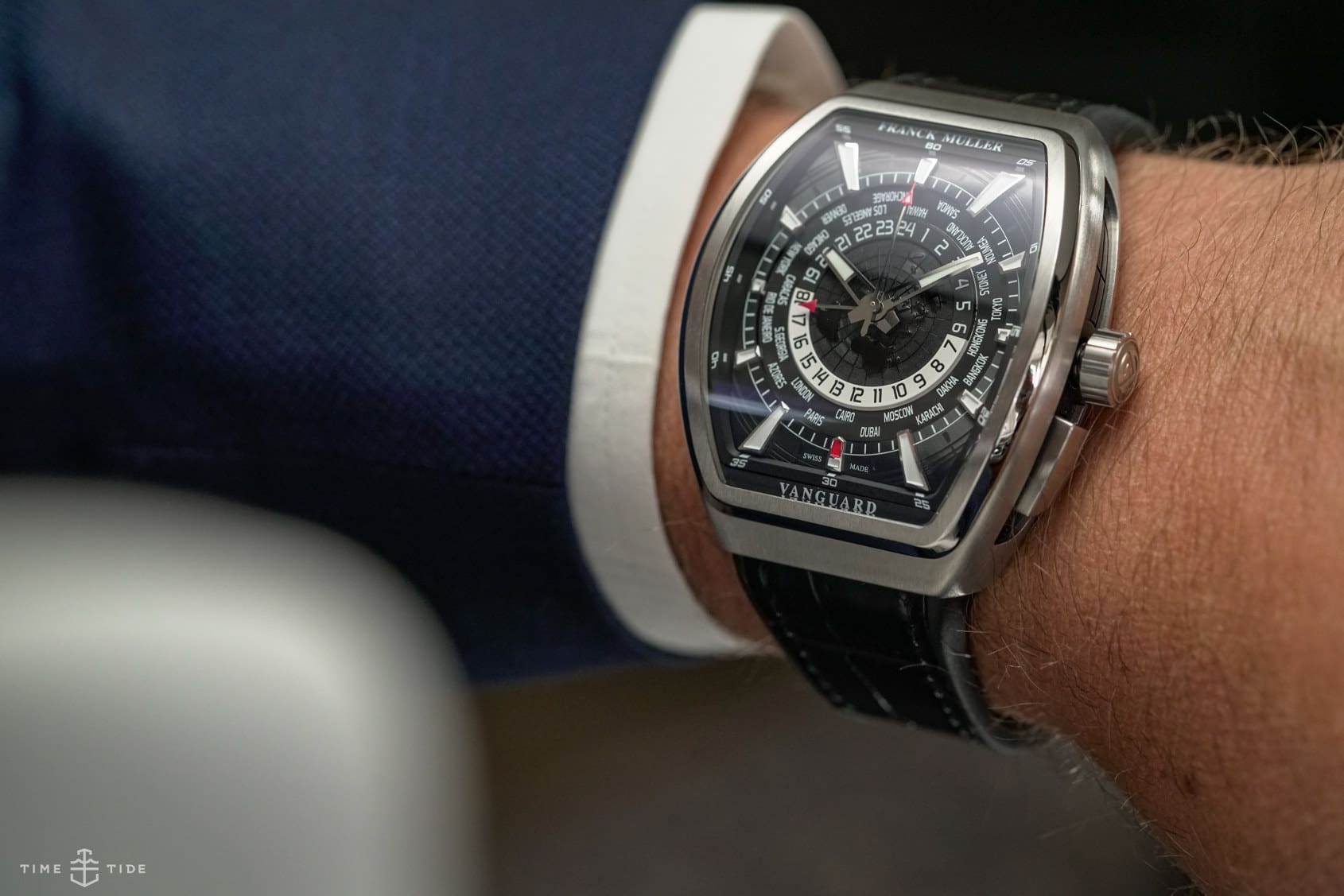
Invented in the 1930s by Geneva watchmaker Louis Cottier, world time watches brought – at a glance and all at once – the time across 24 of the world’s key time zones to the hands of international jetsetters and business-makers. Indeed, no complication provides a greater desire to conquer the world, or induces a greater … ContinuedThe post INTRODUCING: This one has the time, now all you need is the jet – the Franck Muller Vanguard World Timer GMT appeared first on Time+Tide Watches.
 Deployant
Developed by Abraham Louis Breguet in 1801, the tourbillon originally served to compensate for the effects of gravity in mechanical pocket watches. It wasn't until 1920 that the flying tourbillon was invented, by a master watchmaker named Alfred Helwig.
 Time+Tide
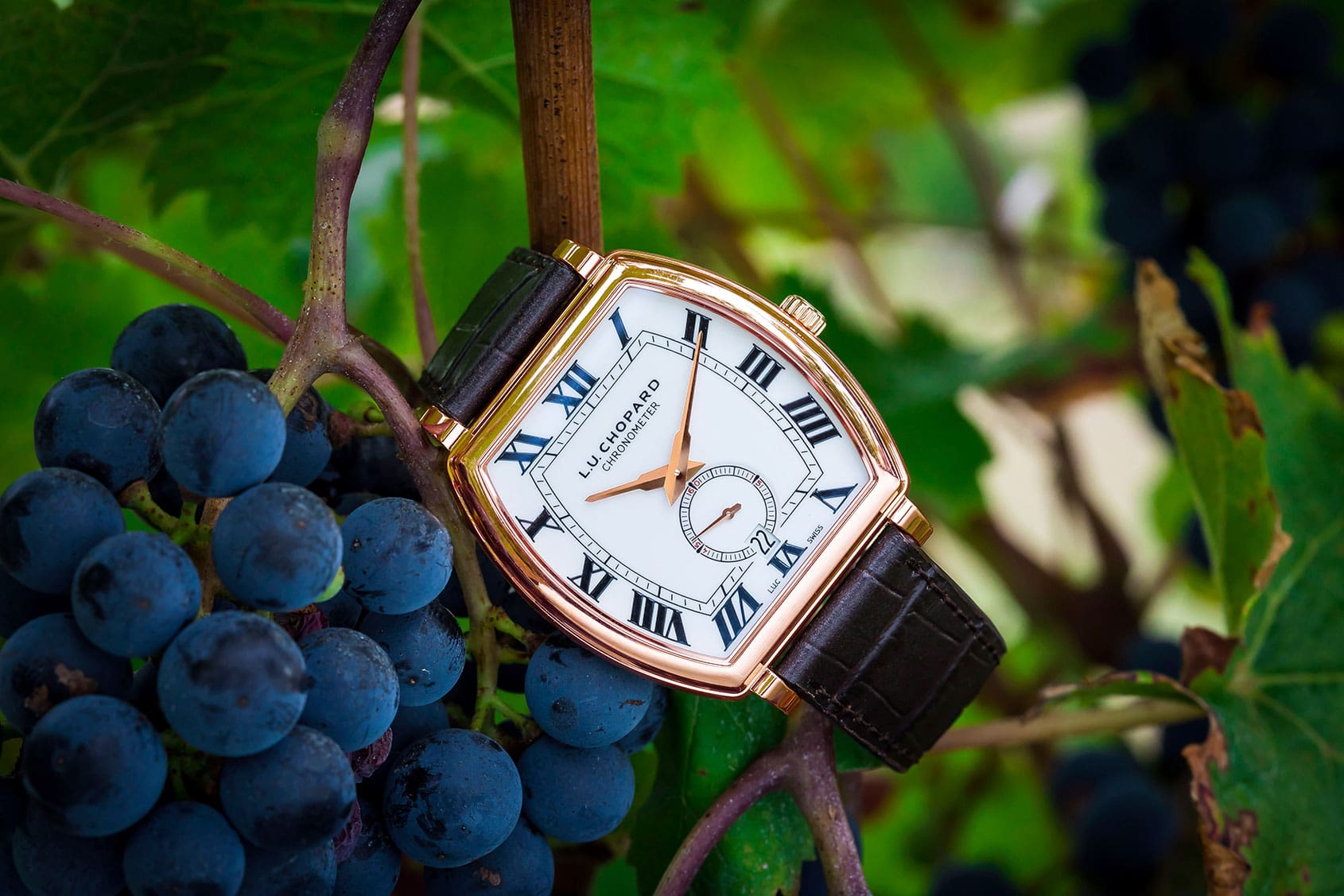
The latest addition to the L.U.C Heritage collection pays tribute to not only the Chopard of the past but also to the present. To understand how, I’ll have to take you through a crash course in Chopard history (don’t worry, I’ll make it quick). Chopard were founded in 1860 by Louis-Ulysse Chopard, who specialised initially in … ContinuedThe post INTRODUCING: The Chopard L.U.C Heritage Grand Cru appeared first on Time+Tide Watches.
 Deployant
Round up for the significant horological events for the month of July 2017. Girard-Perregaux, Louis Moinet, Roger Dubuis, Montblanc.
 Revolution
Louis Westphalen, Vintage Watch Specialist at Hodinkee (aka louis.vintage) tells Revolution about what goes into creating Limited Edition watches and why the recent TAG Heuer Limited Edition Carrera Skipper for Hodinkee was such a hit.
Revolution
A beautiful array of modern interpretations of the world-timer, a complication first seen on an ingenious pocket watch made by Louis Cottier in 1931.
Question, suggestion, or just want to say hi? Drop a note.