Watchmaking: How the Art of Precision Regulation Became a Science
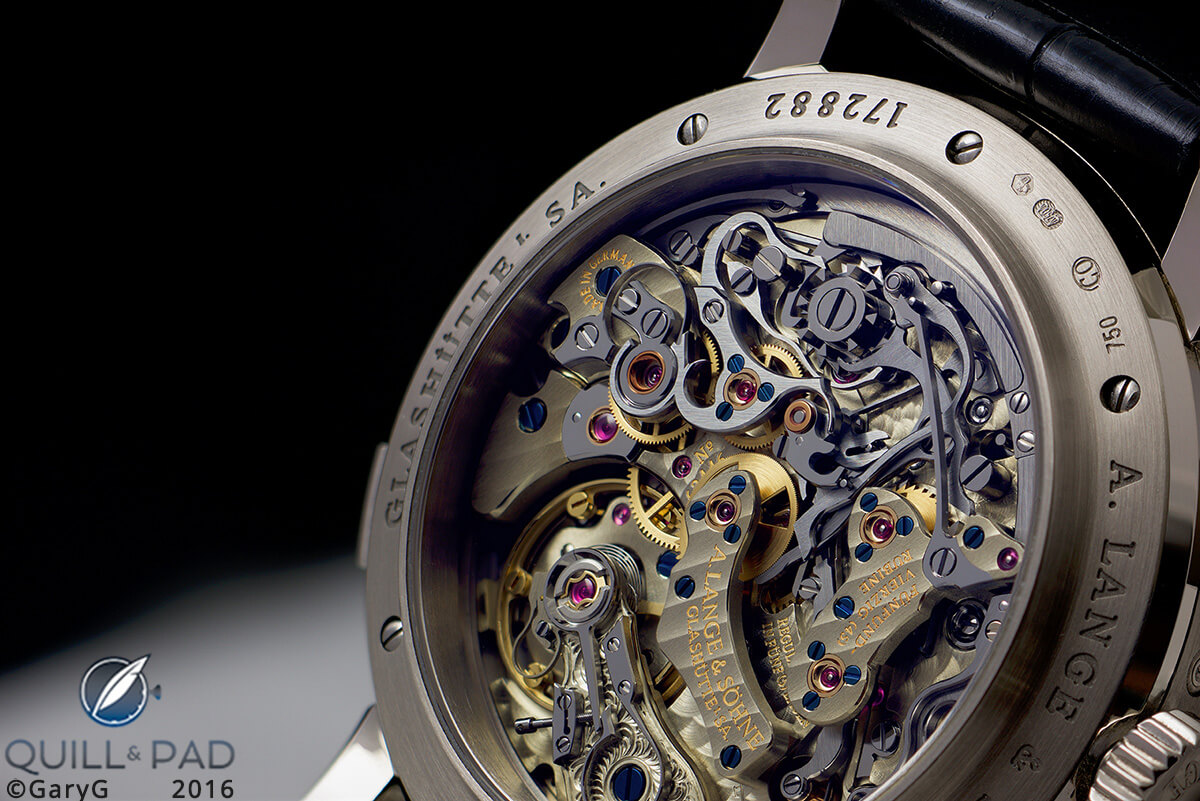
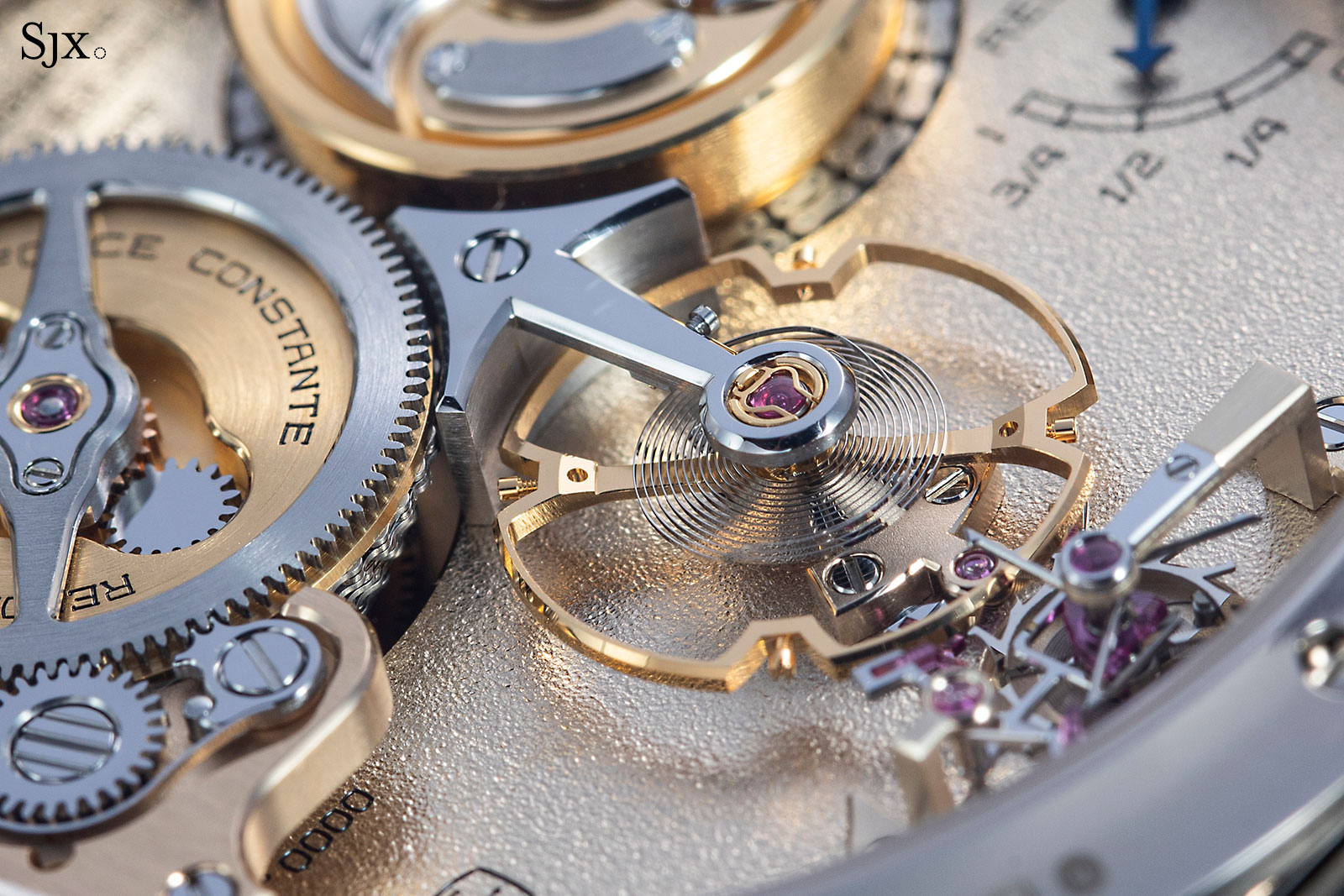
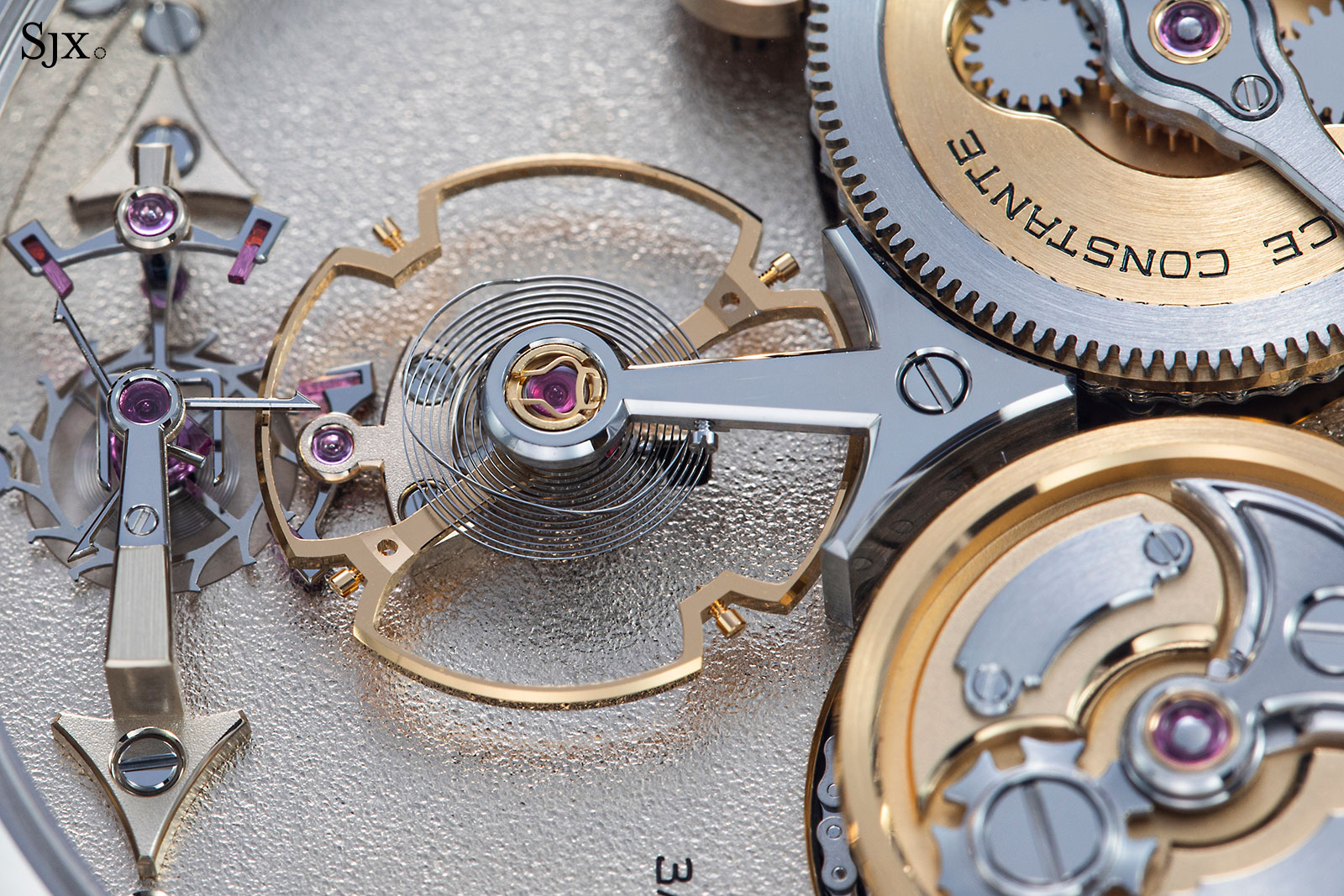
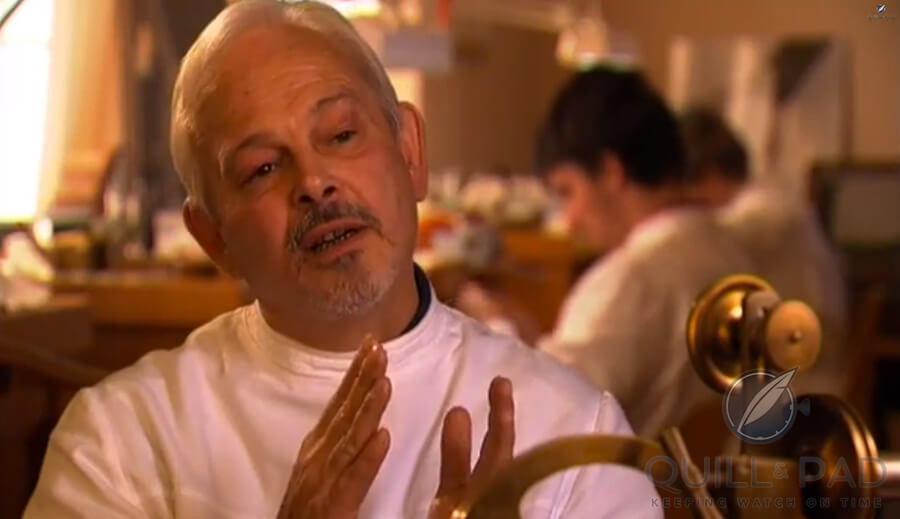
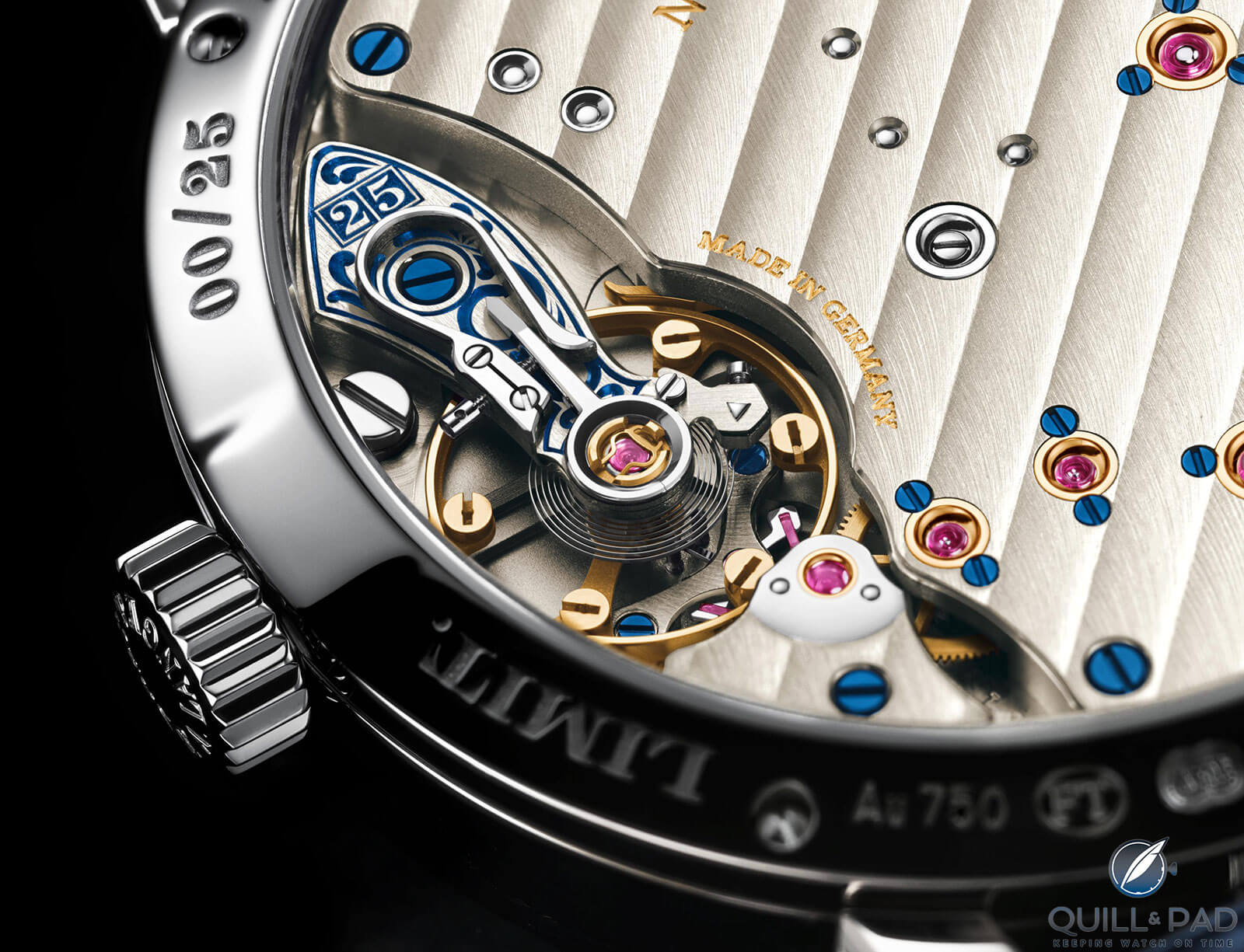
They were once the horological elite, credited with magical powers. The precision timers who tuned the watches for the observatory trials in the 1960s and 1970s are now a dwindling band in the twilight of their lives. In those days, when mechanical precision rather than mechanical complication determined the value of a watch, precision timing was a post-graduate discipline that took a lifetime to master. Before he died last October in his 90th year, one old timer, François Mercier of Le Locle, described what he had to do to win prizes for his employers, initially Ulysse Nardin and then the hairspring spring manufacturer Spiraux Réunis. First, he had to identify the most faultless spring, calculate and shape the terminal curve, pin it up to the staff of a previously poised balance wheel. Then he would shift balance screws by hundredths of a millimetre, adjust forces and inertia in micrograms, to move a fraction of a second closer to the unattainable goal of a true and constant time. An overcoil hairspring in a contemporary Voutilainen Vingt-8 Temperature compensation The biggest challenge was to compensate for the effects of temperature changes on the steel alloy springs of old. As the temperature rose, the spring would lose its elasticity and beat more slowly. Such springs needed a compensation balance made of two metals each having a different coefficient of expansion. Rising temperatures would cause the cut ends of the balance rim to curl inwards, thereby increasing...
 Quill & Pad