 SJX Watches
Insight: High-Tech LIGA Within the Rolex Daytona Cal. 4130
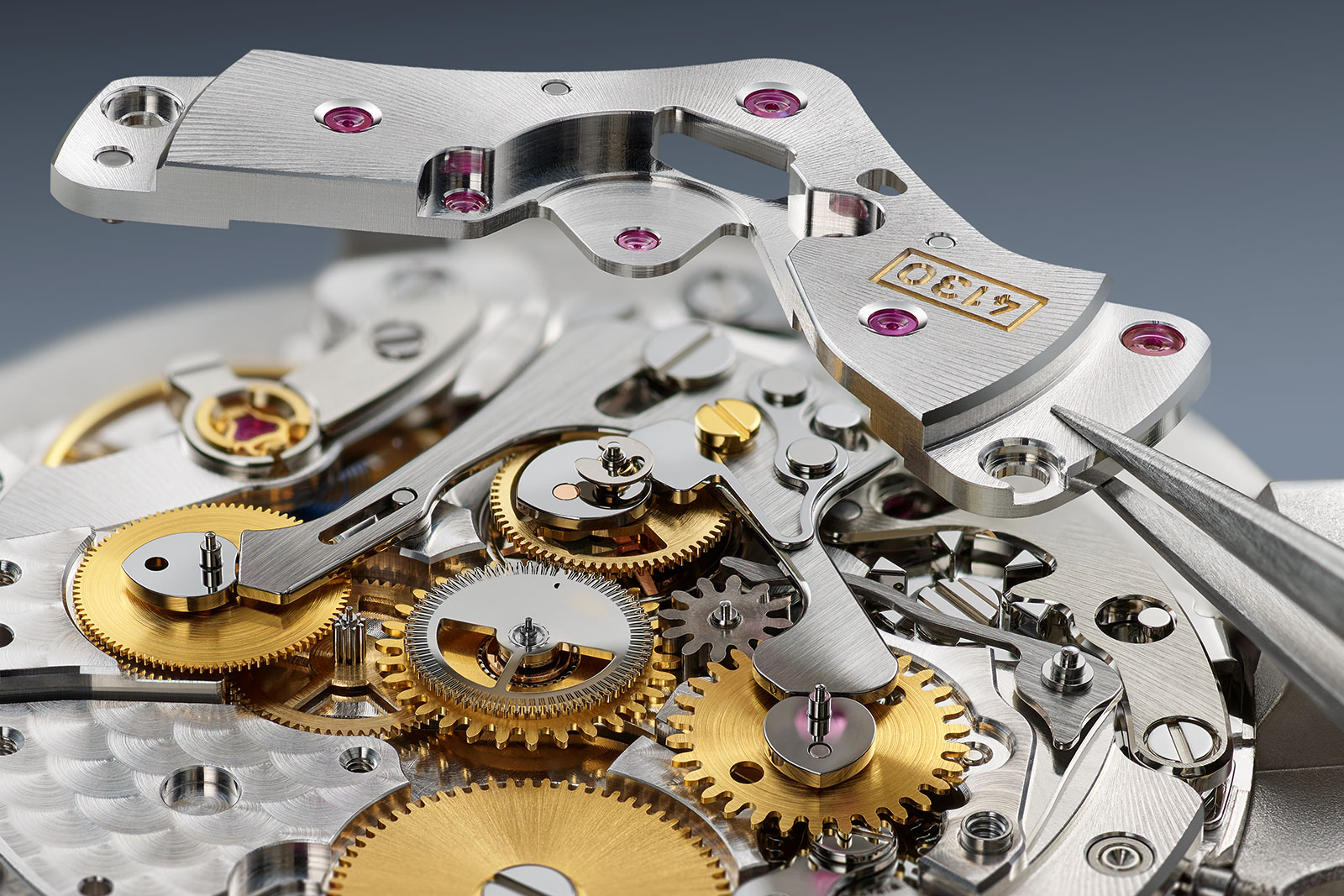
In-house movements are common in modern watchmaking, and practically the norm at the biggest brands. But new movements are usually developed to replace existing calibres, making 21st century movements with lifespans of decades fairly uncommon. Such mechanical longevity, on the other hand, is only possible with consistently implementing incremental but significant technical upgrades. Perhaps more than others, Rolex has perfected the art of carefully engineered movements that remain in production for many, many years thanks to incremental upgrades. The sheer scale of Rolex as a manufacture doubtlessly plays a big role in making that possible. Producing close to a million watches a year, according to estimates by banks Vontobel and Morgan Stanley – and owning almost all of its distribution and after-sales service network – Rolex certainly possesses tremendous data on the performance of its movements over prolonged, real-world use. Such information would be invaluable boosting the performance of its movements as well as extending the longevity of the calibre designs. The Cosmograph calibre One such long-lived movement is the cal. 4130 that debuted inside the Cosmograph Daytona in 2000. Over its two decade production run, the chronograph calibre – featuring both a column wheel and vertical clutch – has undergone four key technical updates according to Rolex, all of which are found in the cal. 4130s produced today. [And any Daytona with earlier versions of the cal. 41...