Watch brandsWatch wikiWatch videosVariousWatch calendarSaved articles
PopularRolexOmegaPatek PhilippeAudemars PiguetTudorGrand SeikoCartierSeikoIWCTAG HeuerBreitlingJaeger-LeCoultreA. Lange & SohneZenith

Results for Escapement

311 articles · 3 videos found · page 5 of 11

Related pages

Wiki · Guide
Escapement

The component that transfers energy from mainspring to balance wheel in controlled pulses.

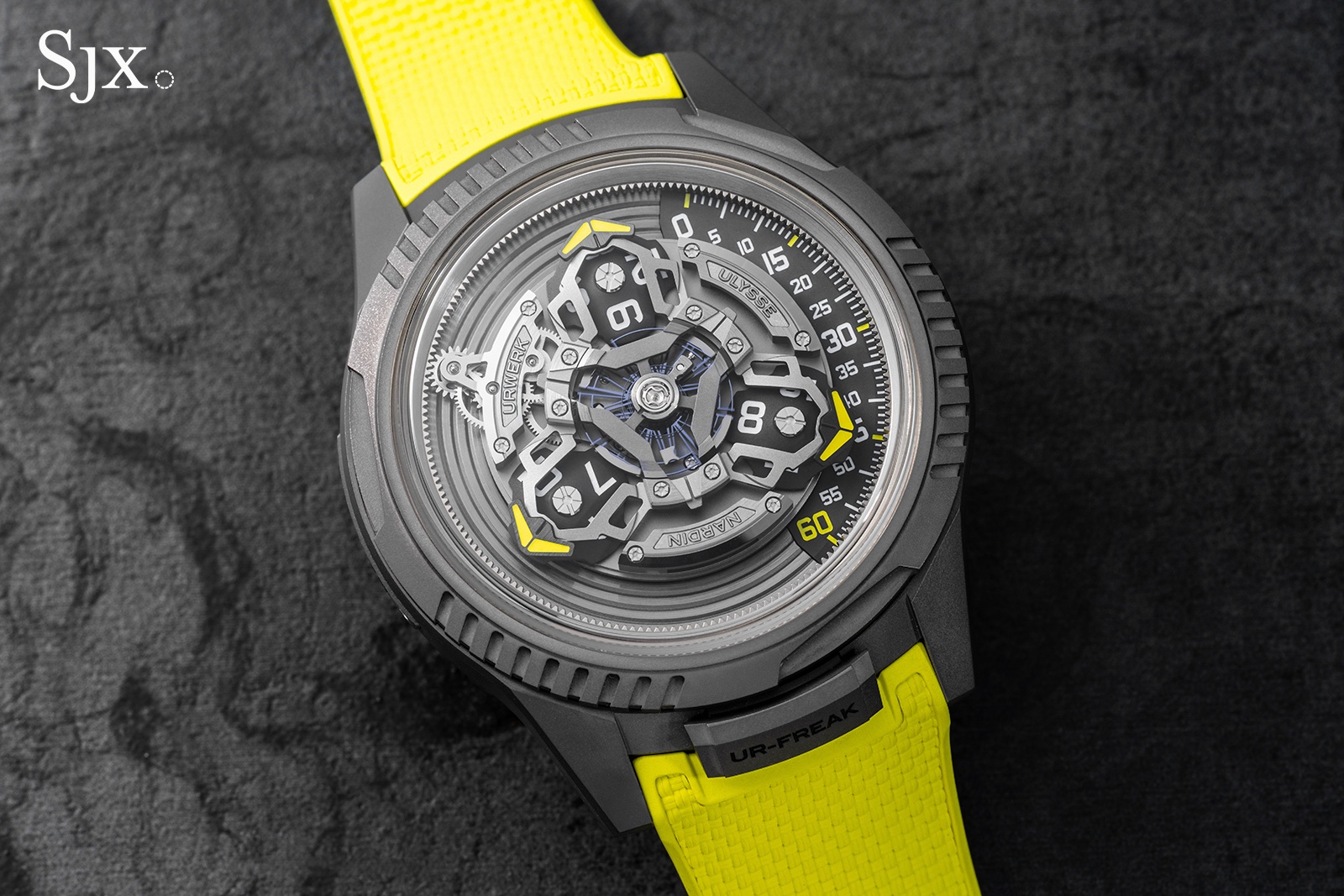
Hands On: Ulysse Nardin UR-Freak SJX Watches
Ulysse Nardin UR-Freak One Dec 22, 2025

Hands On: Ulysse Nardin UR-Freak

One of the standout releases from Dubai Watch Week was the UR-Freak, a collaboration between Ulysse Nardin (UN) and Urwerk that embodies some of the most enduring motifs of each brand. More UN than Uwerk, the UR-Freak nonetheless incorporate’s the latter’s satellite wandering hours display, adapted to the Freak’s slow-moving flying tourbillon. A limited run of just 100 individually numbered pieces, the UR-Freak confers some of Urwerk’s disruptive cache to UN, a legacy brand celebrating its 180th anniversary next year. The wandering hours tourbillon To understand why the UR-Freak is such a compelling collaboration, one must understand what UN and Urwerk bring to the table, respectively. The UN Freak turns 25 in 2026, marking a quarter-century of the quirky tourbillon that introduced silicon to watchmaking. That innovation alone would have secured the Freak’s place in watchmaking history, but it was arguably more memorable for its unusual design that put much of the movement (including the escapement) on a rotating platform on the dial. The Freak One is an example of the typical Freak architecture. Ulysse Nardin refers to this architecture as a flying carousel, perhaps to differentiate the standard models from those with a nested tourbillon. Nomenclature aside, it’s technically a tourbillon by nature of its operation, which powers the escapement through a fixed-ring gear (which can be seen around the edge of the dial). In all previous Freak models to date, the mo...

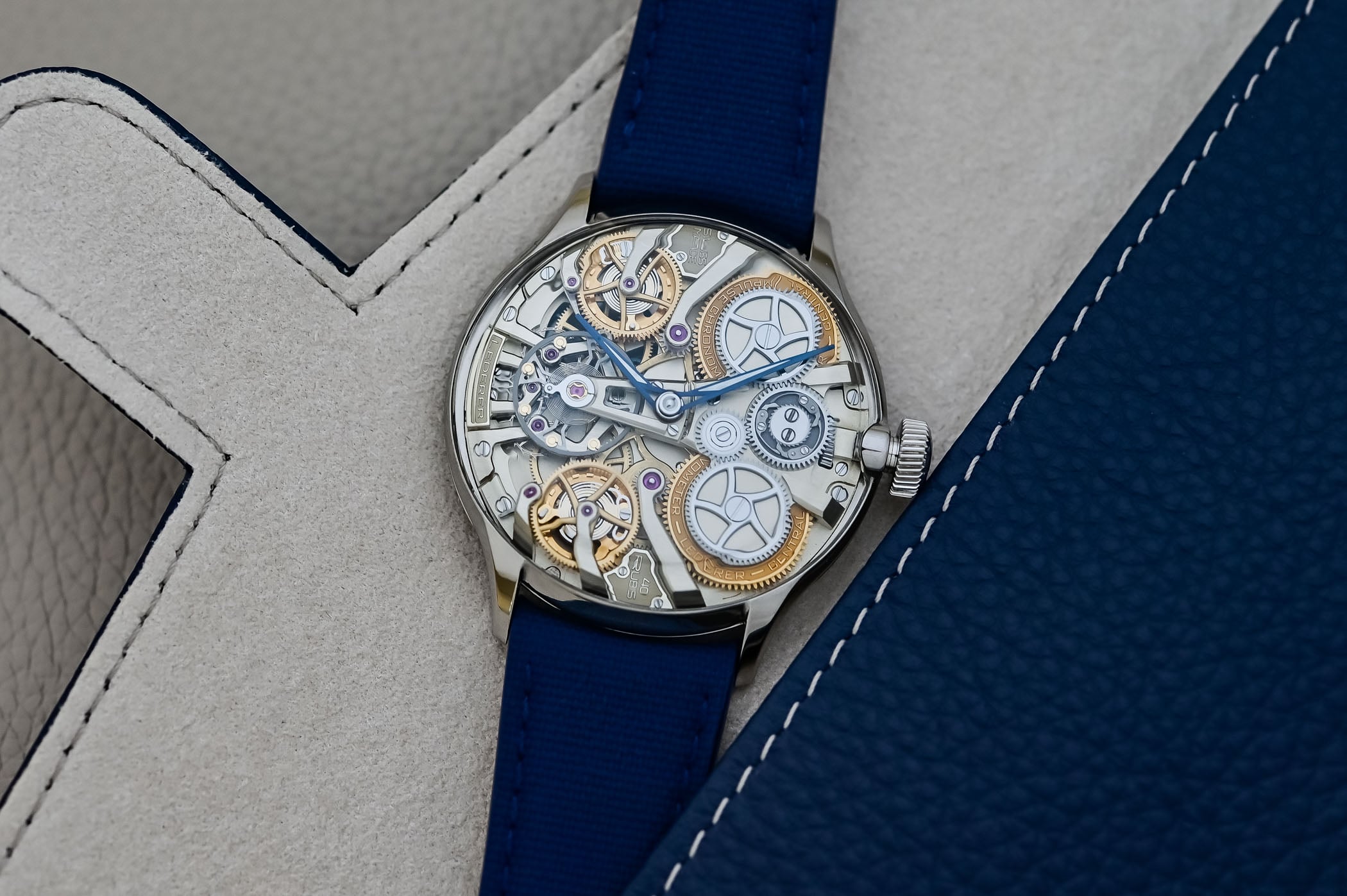
First Look - Lederer Inverto Titanium 39mm, a Superb Inverted Take on the Central Impulse Chronometer Monochrome
Dec 10, 2025

First Look - Lederer Inverto Titanium 39mm, a Superb Inverted Take on the Central Impulse Chronometer

With the Inverto Titanium, independent watchmaking atelier Lederer refines the 2023 Central Impulse Chronometer InVerto, a large 44mm watch in a blackened case, into a compact, titanium-framed display of one of the most sophisticated escapement architectures in modern watchmaking. It’s a culmination of forty years of mechanical experimentation, distilled into 39mm of pure chronometric artistry, […]

Do Rolex Watches Tick? It's All In The Beat Teddy Baldassarre
Rolex Watches Tick? It's All Dec 8, 2025

Do Rolex Watches Tick? It's All In The Beat

“Do Rolex watches tick?”  This is, apparently, a frequent question and a common concern of newbie Rolex owners, but the premise of the question is actually driven by a misconception. Virtually all Rolex watches - in fact, all watches equipped, as most Rolexes are, with a mechanical movement - are  indeed ticking while they are running. If your ear is not perceiving it, that is only because the ticking is so rapid - nowadays, at least eight times per second - that the watch’s seconds hand appears to be moving in a smooth, sweeping motion. This can be quite noticeable if you have experienced only the much more visible, (and easily perceptible) one-tick-per-second movement common to the seconds hand of a quartz watch. In fact, if your Rolex watch is ticking once per second, it might be worth taking a moment to authenticate whether or not it is real or counterfeit. Allow us to explain. [toc-section heading="The Difference Between Mechanical and Quartz Movements"] A mechanical movement is the oldest type of movement in horology. It uses a coiled metal spring, called a mainspring, that releases energy as it uncoils through a series of gears to drive a weighted, oscillating wheel called a balance wheel. The balance wheel’s oscillations are linked to an escapement, which periodically releases the gear train to move the hands forward to record the passing of hours, minutes, and seconds. Originally, the mainspring needed to be wound periodically by hand, first by a...

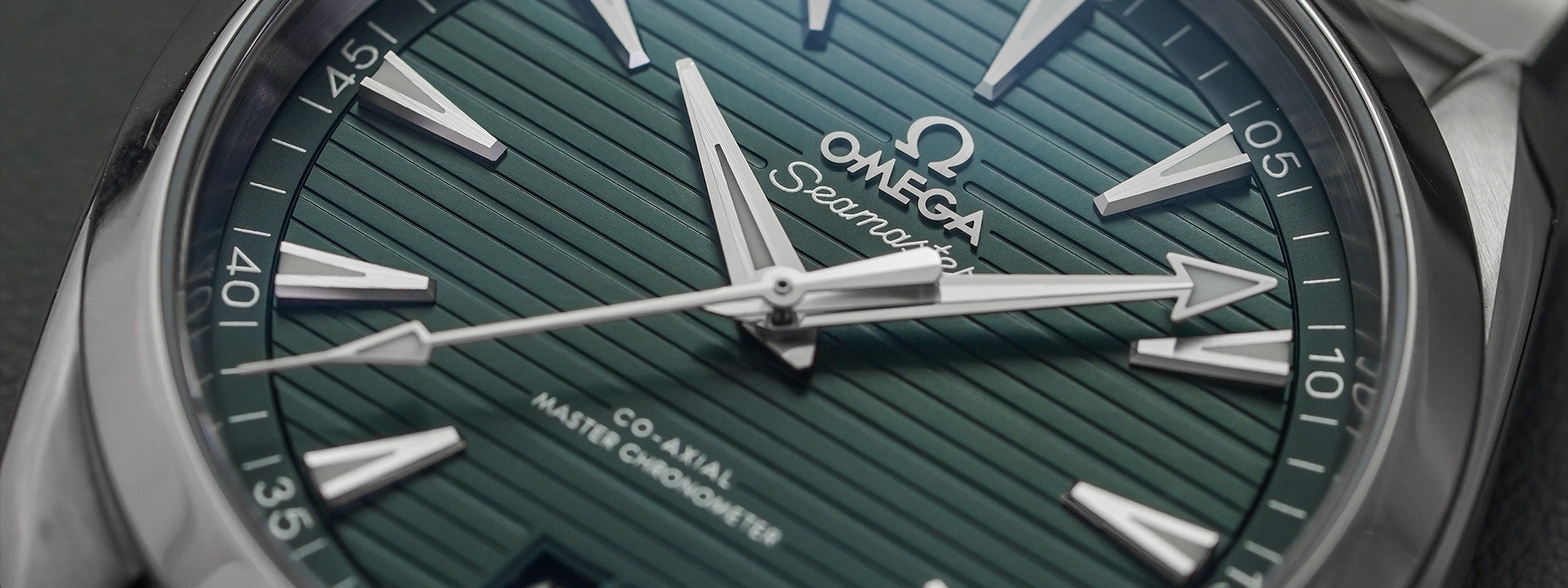
Omega Co-Axial Movement Explained: A Radical Invention Teddy Baldassarre
Omega Co-Axial Movement Explained Dec 7, 2025

Omega Co-Axial Movement Explained: A Radical Invention

What is a Co-Axial Movement? More specifically, what is the now-famous Co-Axial Escapement that has become a standard feature on most all Omega watches? In short, it's both a radical concept by one of the modern era's most revered watchmaking geniuses and the culmination of a Swiss watch brand's longtime dedication to improving watchmaking accuracy. Here is the story of Omega's co-axial movements.  [toc-section heading="Early Omega Movements"]  While it is best known these days for its signature watch models, like the Speedmaster “Moonwatch” and the James Bond-worn Seamaster, Omega has also been a pioneer in movement-making since nearly the beginning. The company was founded in 1848 by 23-year-old watchmaker Louis Brandt (with family, above) in the Swiss village of La Chaux-de-Fonds. Originally called La Genérale Watch Company, and eventually renamed Louis Brandt et Fils after Brandt’s sons joined the business, it originally produced key-wound pocket watches from parts supplied by local artisans, After the growing company moved from La Chaux-de-Fonds to the more bustling town of Bienne, in the Swiss Canton of Bern, it pioneered a series of industrial watchmaking techniques and also began making its own in-house movements. The first one, called the Labrador, launched in 1885 in a now-legendary series of pocket watches. Nearly a decade later, in 1894, came the company’s chef d’oeuvre, the 19-ligne Omega Caliber, which was notable at the time for its enviable acc...

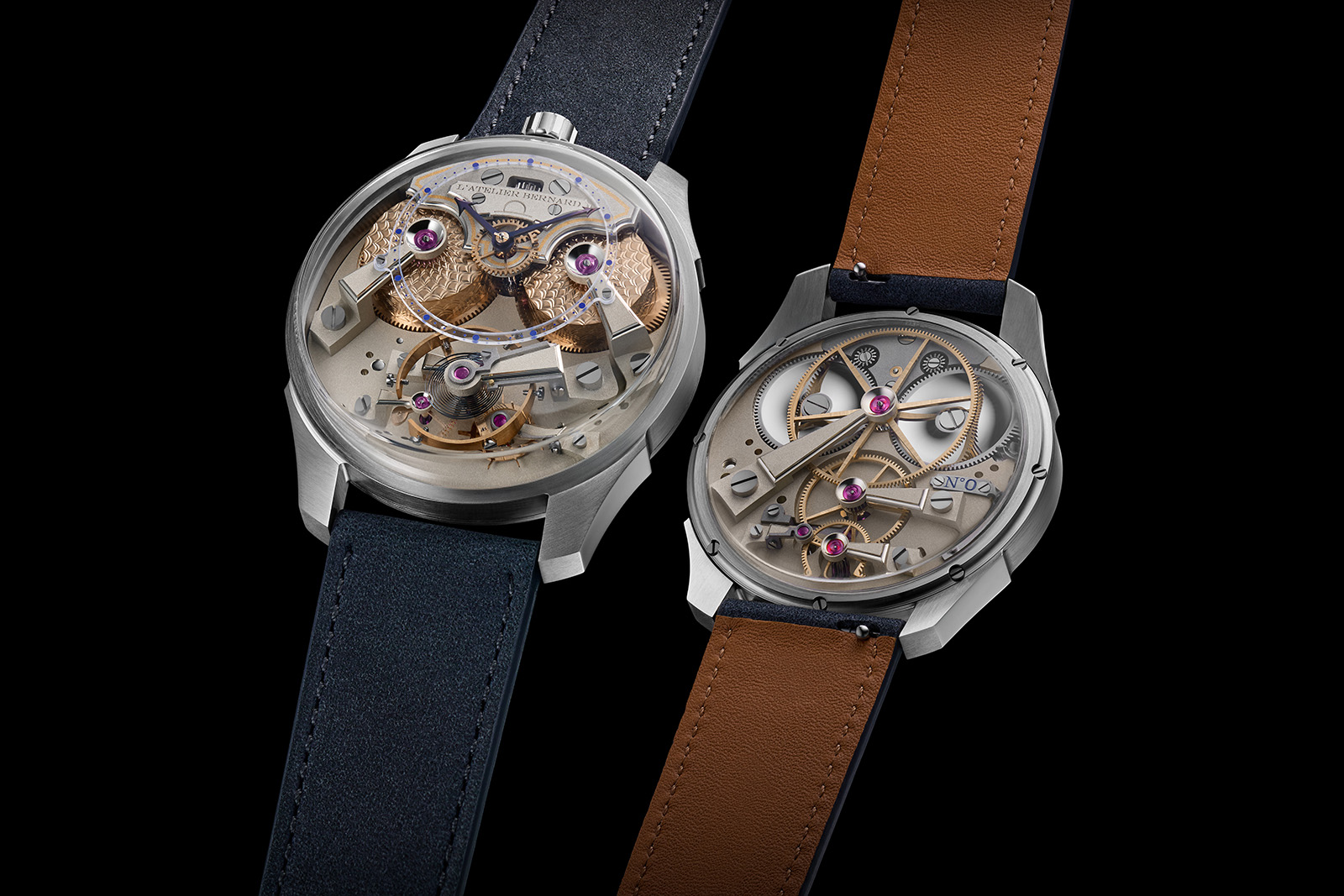
The Owl is an Ambitious Debut from L’Atelier Bernard SJX Watches
Dec 3, 2025

The Owl is an Ambitious Debut from L’Atelier Bernard

Independent watchmaking continues to draw enthusiasm from collectors, particularly as a new generation of creators begins to establish its voice. New brands are springing up to cater to that demand, and one of the most interesting recent debuts is The Owl by L’Atelier Bernard, a sold-out six-piece limited edition that blends unconventional aesthetics with equally unconventional mechanics. Handcrafted in Fleurier by the young duo Bernard Van Ormelingen and Bernard Braboretz, the watch showcases now familiar elements of artisanal finishing and inverted-movement architecture, along with something rarely seen, a duplex escapement, which makes The Owl a more distinctive entry in the crowded field of emerging independents. Initial thoughts The Owl is handcrafted by a pair of young and talented watchmakers, the Bernards who gave their name to the brand. Clearly a show of their shared aesthetic sensibilities and technical chops, the Owl is meant to kickstart the independent creators’ artisanal venture in Fleurier. One of the Bernards is not new to independent watchmaking; those who closely follow independent watchmaking might remember Mr Van Ormelingen’s name from Van Bricht, a now-defunct brand for which he produced guilloche dials. The Owl is unexpected and intriguing on several fronts. Its aesthetics, mechanics, decoration, and layout seem almost at odds with one another, yet the result is a distinctly artisanal object. There is no conventional dial; instead, the watch pr...

Introducing - The Breguet Classique Répétition Minutes 7365, the Next Chapter in Sound and Substance Monochrome
Breguet Classique Répétition Minutes 7365 Dec 1, 2025

Introducing - The Breguet Classique Répétition Minutes 7365, the Next Chapter in Sound and Substance

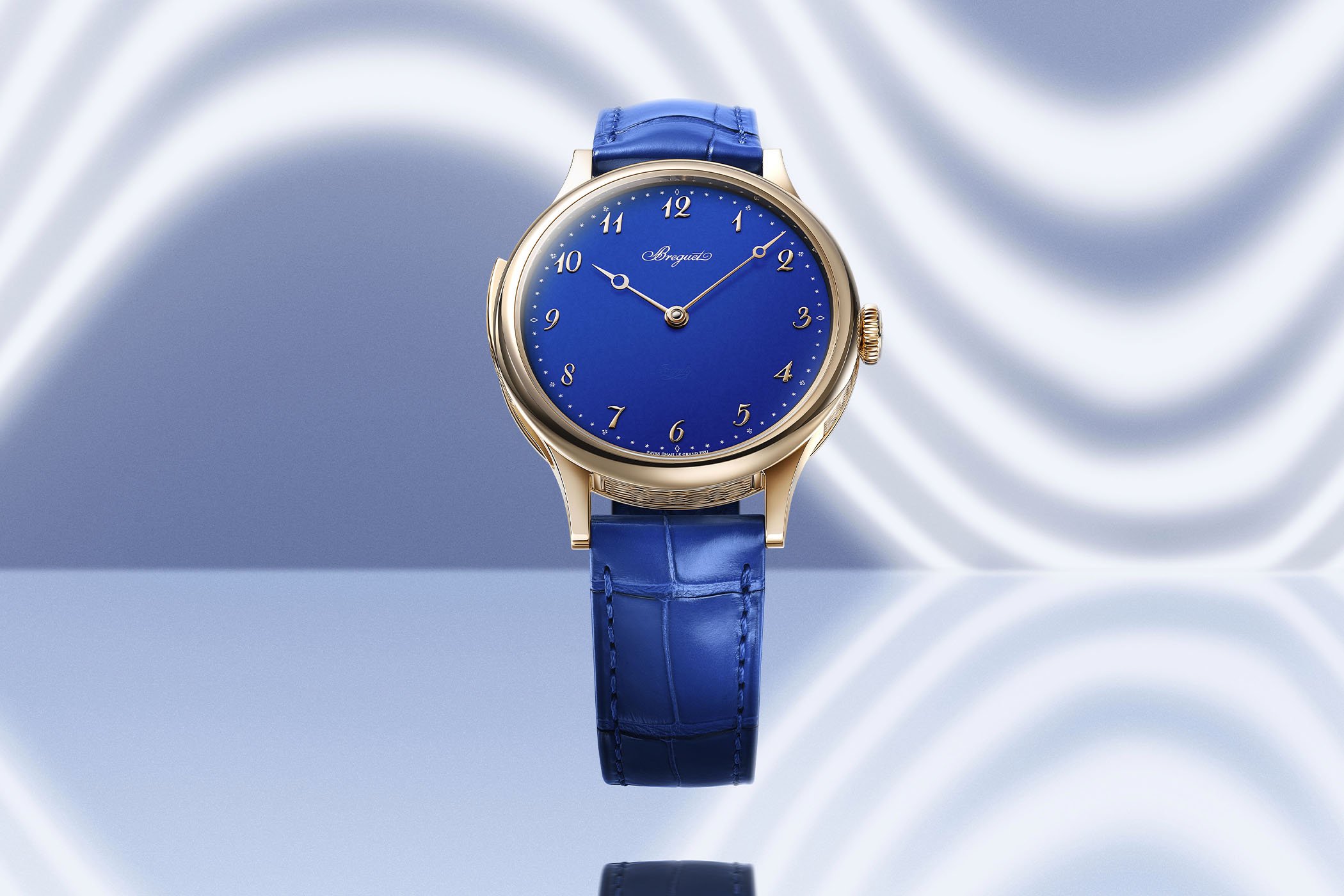
As part of its 250th anniversary celebrations, Breguet closed the year with a grande finale, the Experimental 1 and its innovative magnetic escapement. But there was one more watch as part of the celebratory collection… The Classique Répétition Minutes 7365, a new limited-edition minute repeater rooted in the brand’s heritage while pointing firmly to its […]

Breguet Ends a Big Anniversary Year with the Impressive Expérimentale 1 Worn & Wound
Breguet Ends Dec 1, 2025

Breguet Ends a Big Anniversary Year with the Impressive Expérimentale 1

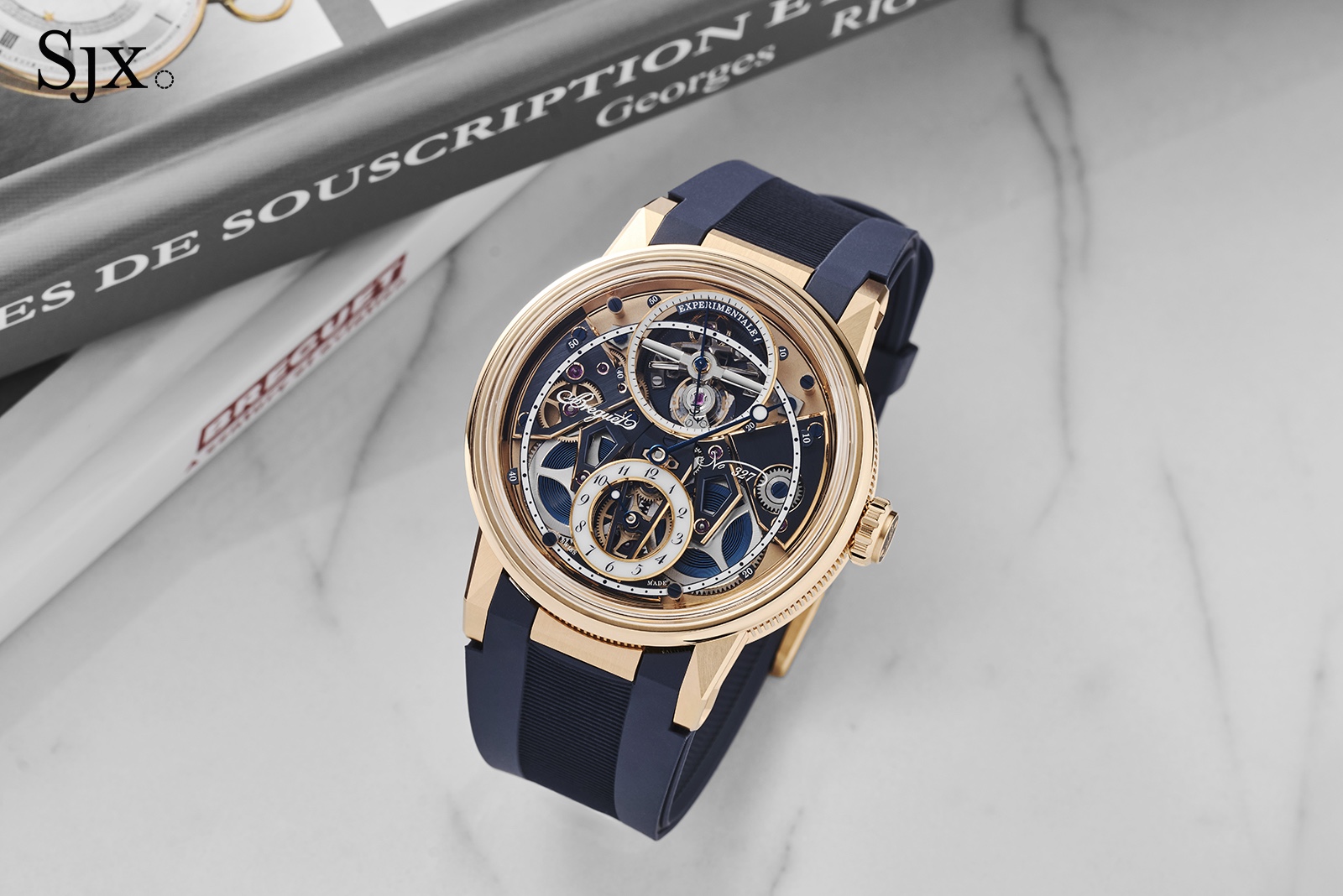
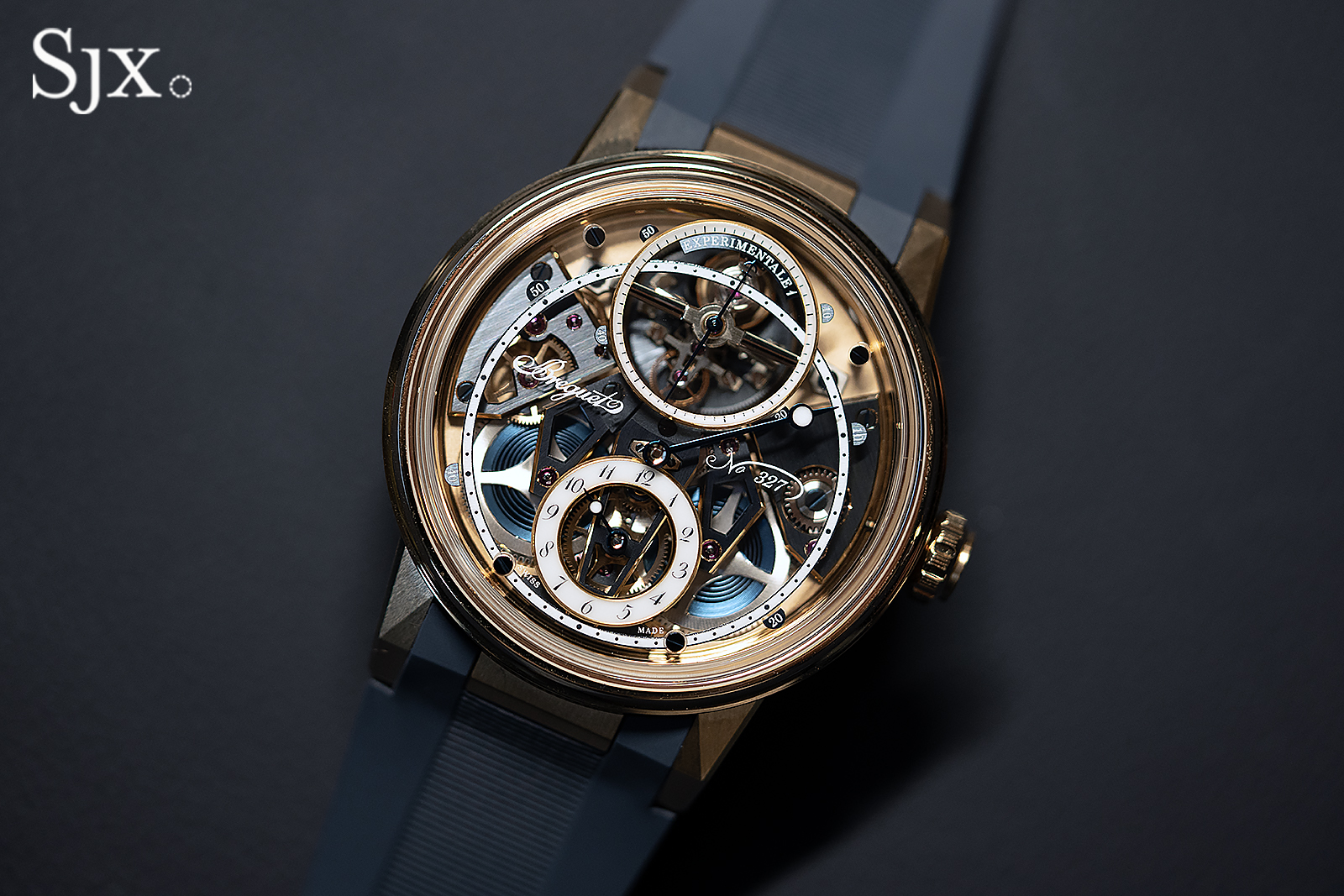
As if winning the top prize at the GPHG were not enough, Breguet has capped off their big 250th anniversary year with the launch of what is surely their most horologically interesting and cutting edge release in years. The Expérimentale 1 is an ambitious foray into contemporary haute horlogerie from a brand that more than most is associated with classicism. It incorporates and merges multiple technologies and advancements into a remarkably cohesive idea that might even have those of us who have always bristled at the controversial Marine collection rethinking its potential.  The showstopping feature of the new Expérimentale 1 is the tourbillon, the first ever to beat at 10 Hz. Bregust is quick to remind us that most tourbillons run at a rate of 2.5 Hz, so this represents a dramatic increase and in theory should provide a variety of chronometric benefits, including rate stability over the duration of the power reserve and a better baseline level of accuracy. But it’s not just a high frequency tourbillon. Breguet has also developed and introduced a new magnetic escapement that is designed to provide constant force to the balance. The logic here is fairly straightforward even if the mechanics themselves are, frankly, somewhat difficult wrap your arms around without real watchmaking experience (this, by the way, is essentially my constant of being as I observe similar watchmaking advancements – wide eyed and impressed but quite frequently confused by all the math and ph...

Breguet’s Magnificent Magnetic Expérimentale 1 SJX Watches
Breguet s Magnificent Magnetic Expérimentale Dec 1, 2025

Breguet’s Magnificent Magnetic Expérimentale 1

Breguet concludes its 250th anniversary with the brand’s most forward-thinking watch, the Expérimentale 1 that boasts a magnetic, true constant force escapement. Equipped with a frictionless escape wheel and pallet lever driven by magnetic forces, the movement runs at 72,000 beats per hour, or 10 Hz – arguably making the Expérimentale 1 the ultimate Breguet chronometer. Impressively innovative with its use of silicon, magnets, and clever teeth geometry, the limited edition watch also marks the start of the Expérimentale line, a collection that will serve as a platform to debut new complications, technology, and designs. Initial thoughts While some might have been expecting an updated Sympathique, Breguet instead surprised with perhaps the most advanced wrist-borne mechanical chronometer in modern watchmaking. Taking cues from Abraham-Louis Breguet’s own “constant force” escapements, Breguet today harnessed the power of permanent magnets and unique teeth geometry to built a genuinely friction-less, constant torque escapement. In fact, the new escapement appears to be the only truly frictionless and constant force escapement on the market today.  Magnets have been employed in escapements in the past, but this approach was historically unreliable. Breguet appears to have discovered the right formula for a magnetic escapement. Several functioning prototypes were on show at the launch event. Moreover, Breguet chief executive Gregory Kissling explained that the ma...

Complicated Collectors: Gerd Ahrens SJX Watches
Breguet pocket watch No 4763 Nov 26, 2025

Complicated Collectors: Gerd Ahrens

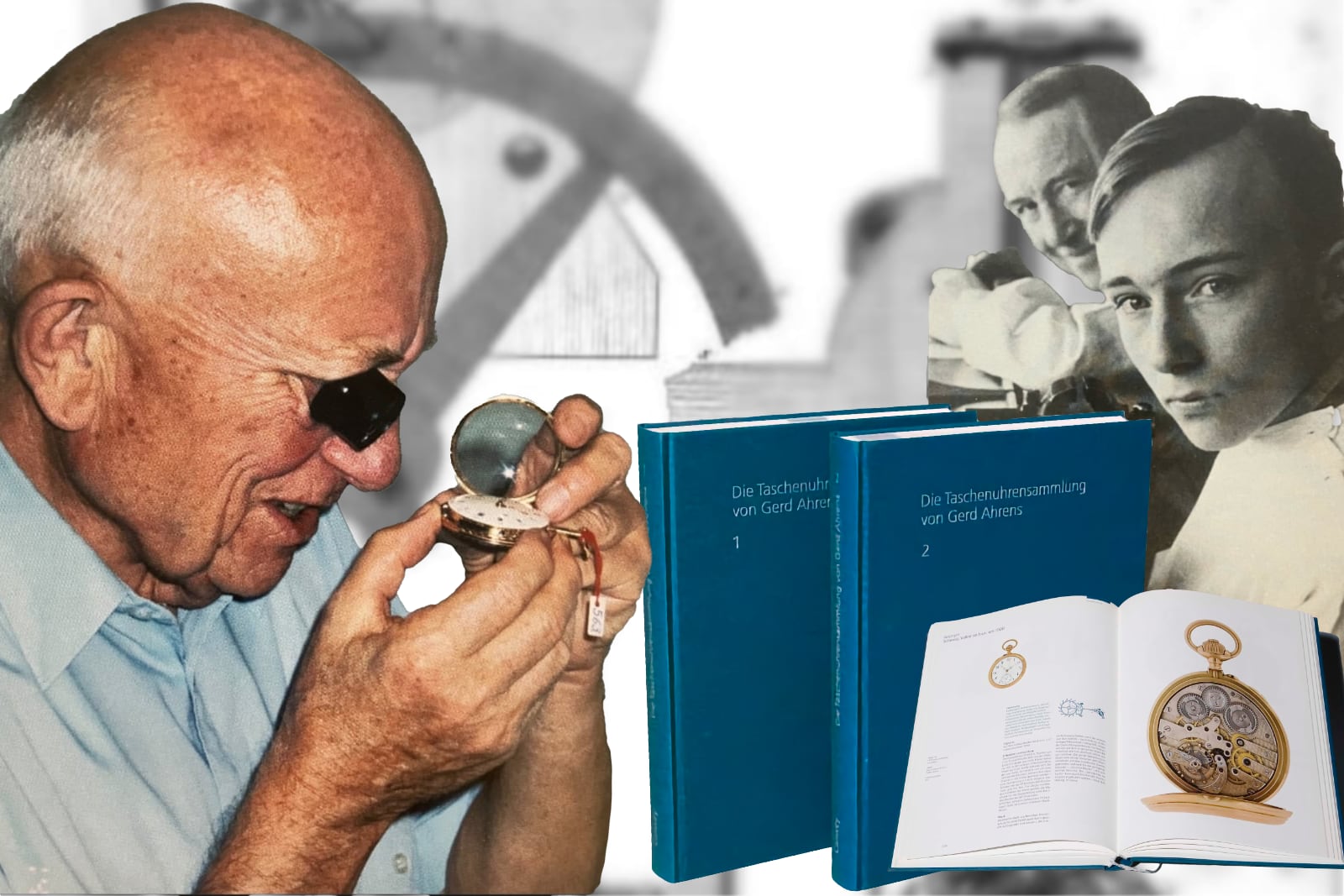
In the autumn of 1948, at Galerie Fischer’s auction house in Lucerne, a young Swiss watchmaker secured Lot 155, a Breguet pocket watch, No. 4763, circa 1848, with a straight-line club-tooth lever escapement. The case, fitted later by E. Brown at George Daniels’s suggestion to employ original movements and parts held in stock, aligned with his purpose. For most collectors, such a purchase might not have represented a pure Breguet. But for Gerd Ahrens, it was something altogether different: the first sentence in what would become a four-century narrative of mechanical ingenuity. Gerd Ahrens in his shop office on Schwanenplatz 7 around 1955. Image – Gerd Ahrens Foundation: a life built on wheels and springs Gerd Ahrens was born on September 18, 1920, in Hamburg, Germany, at a time when mechanical watches represented the pinnacle of portable precision. His father, Otto Ahrens, born in 1877, had already established himself as a highly respected watchmaker. Otto’s path, however, would be marked by the upheavals of the twentieth century. Before World War I, he had operated a successful shop in Paris and had built connections throughout the watchmaking centres of Inner Switzerland. The evidence of his skill was tangible: Otto personally built ten pocket watches, demonstrating not just commercial acumen but genuine mastery of the craft. Then the war came. Otto was forced to close his Paris shop in 1914, and the conflict left him penniless. A trained craftsman of the highest...

Viridian Starfall: Orient Star’s M34 F8 Date SJX Watches
Seiko Epson Nov 17, 2025

Viridian Starfall: Orient Star’s M34 F8 Date

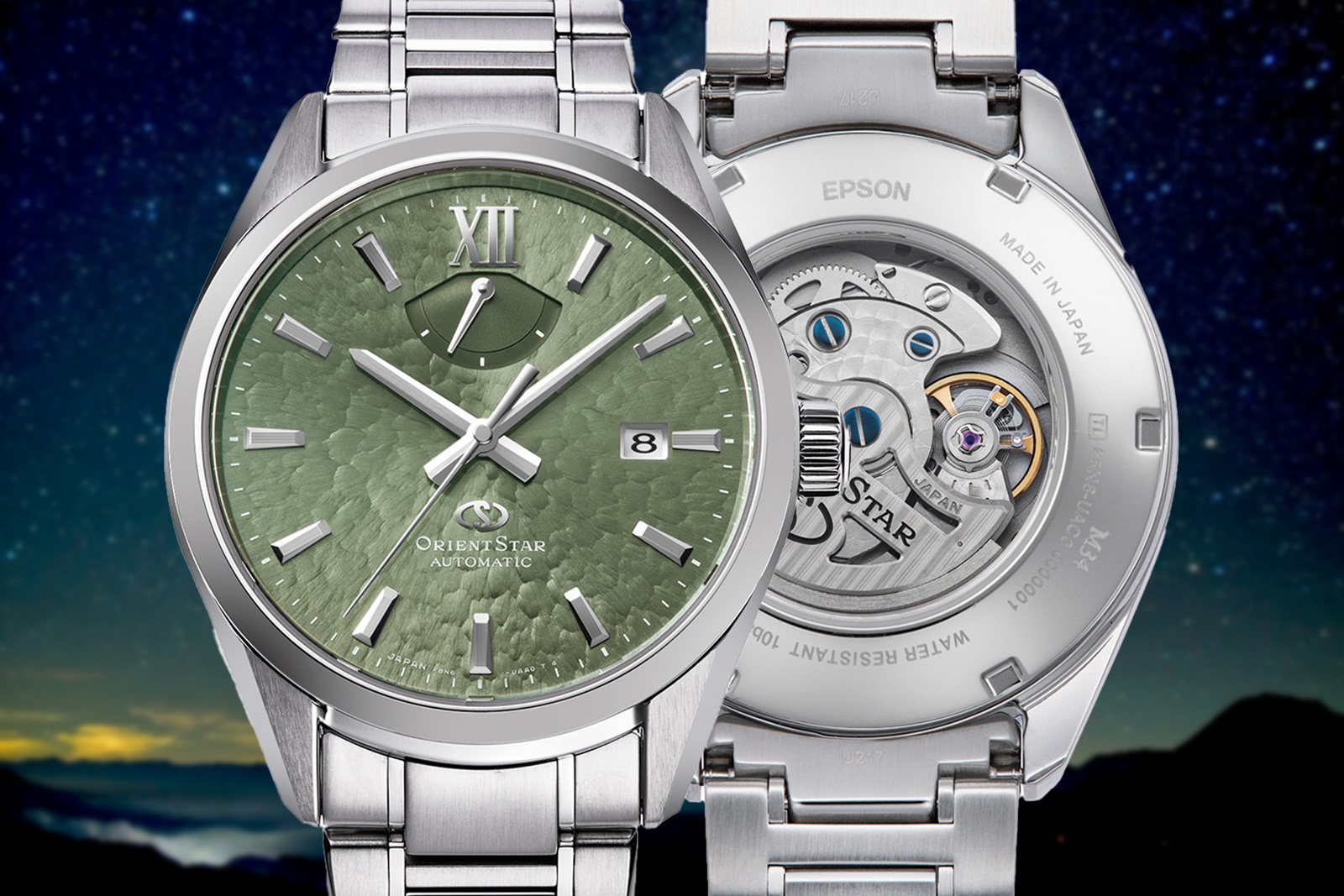
Among Japan’s best-kept secrets, Orient Star occupies an intriguing middle ground between tradition and technology. Its latest creation, the Orient Star M34 F8 Date Green, captures that duality perfectly by combining an old-school movement with state-of-the-art dial and escapement components drawn from the vast capabilities of its parent company, Seiko Epson. The result is a watch that feels distinctly Japanese in both spirit and execution. The M34’s new green dial is embossed with a hand-engraved stamp and coated with an optical multi-layer film that creates shifting hues without a trace of pigment - an effect more often associated with much costlier watches. Beneath its shimmering surface lies Orient Star’s enduring in-house F8 movement, which continues a lineage that dates back to 1971.   Initial thoughts The dial of the M34 immediately distinguishes it within its segment. Its engraved texture, embossed from a hand-engraved die, gives the surface a natural radiance, while the iridescent green tone - created through a PVD-applied optical multi-layer film - shifts fluidly under changing light. It’s a distinctly upmarket look that signals the depth of the Epson manufacturing ecosystem behind it. The case reflects that same industrial prowess, made entirely in-house within Seiko Epson’s facilities, using 316L stainless steel finished with Sallaz (more commonly known as ‘Zaratsu’) polishing to achieve distortion-free mirrored bevels. The 40 mm size and ...

Highlights: Pocket Watches at Phillips Hong Kong SJX Watches
Patek Philippe Nov 14, 2025

Highlights: Pocket Watches at Phillips Hong Kong

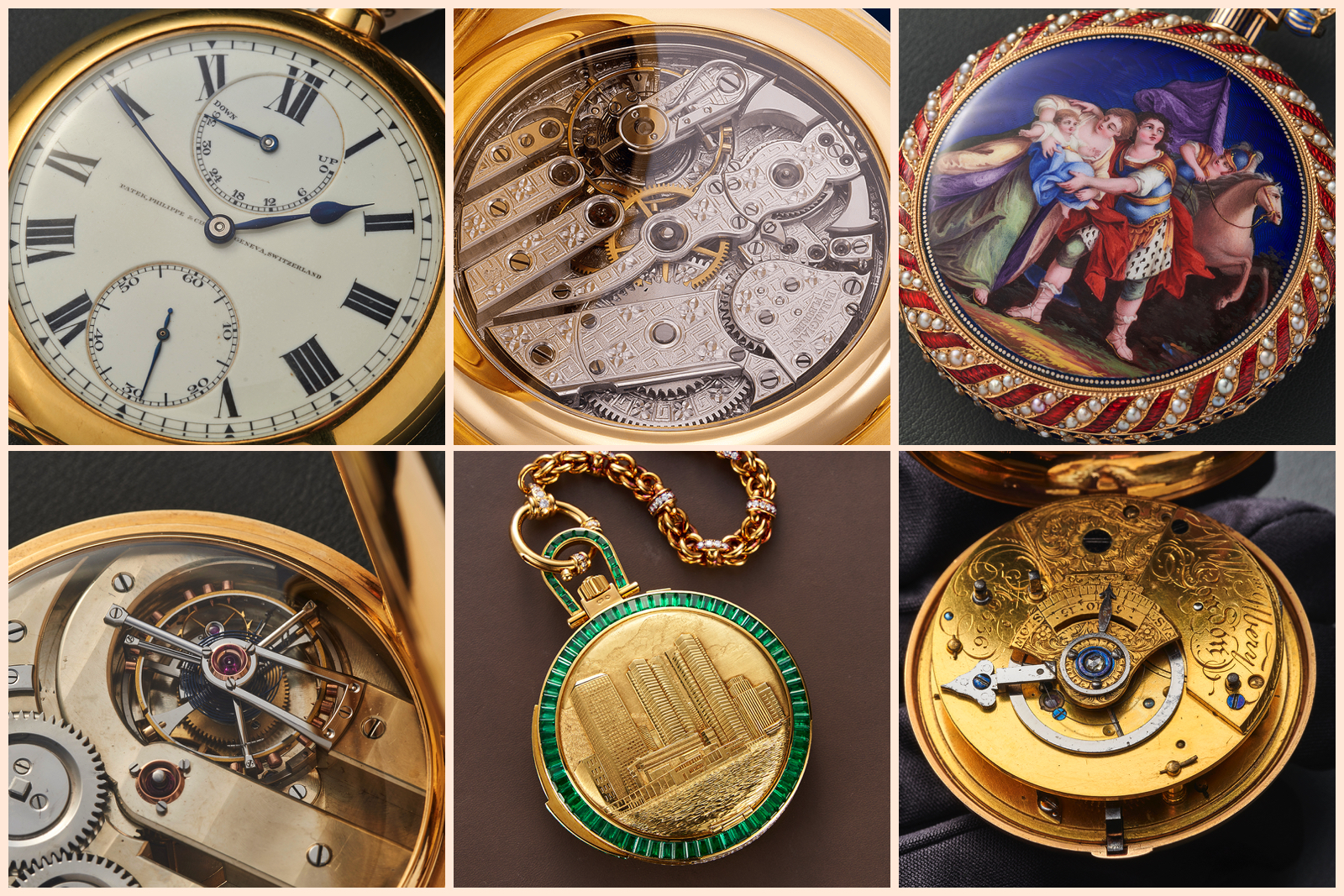
The upcoming Phillips Hong Kong auction includes a diverse and spectacular selection of pocket watches spanning two centuries. From early 19th‑century enamel masterpieces crafted for the Chinese market to 20th‑century tourbillon chronometers that triumphed at observatory trials, the lots on offer demonstrate the technical and aesthetic evolution of the watch over the last two hundred years. Lot 1086 – S. Smith and Son No. 1899-1 Tourbillon Chronometer with Kew Class A Certificate Albert Pellaton-Favre constructed the first of two tourbillons in the auction, which was later retailed by S. Smith & Son. The other, by Patek Philippe, is the work of his son, Jämes-César Pellaton. Both are depicted in Reinhard Meis’s famous Das Tourbillon. The English and Swiss disagreed on what constitutes a chronometer. The English argued that a chronometer must use a chronometer (detent) escapement, while the Swiss considered any watch a chronometer if performed well enough – which the English would call a “Half-Chronometer”. As the Willis enamel dial boasts, the first is a chronometer by both English and Swiss reckoning, with a spring detent escapement and “Especially Good” certificate from the Kew Observatory. While S. Smith and Son retailed quite a number of tourbillons, including others with detent escapements, most were sourced locally, while the present lot uses a Swiss movement. The London branch of Baume Frères ordered six tourbillon chronometers from Albert Pella...

Hands On: Breguet Four-Minute Tourbillon No. 1890 SJX Watches
Breguet Four-Minute Tourbillon No 1890 Nov 7, 2025

Hands On: Breguet Four-Minute Tourbillon No. 1890

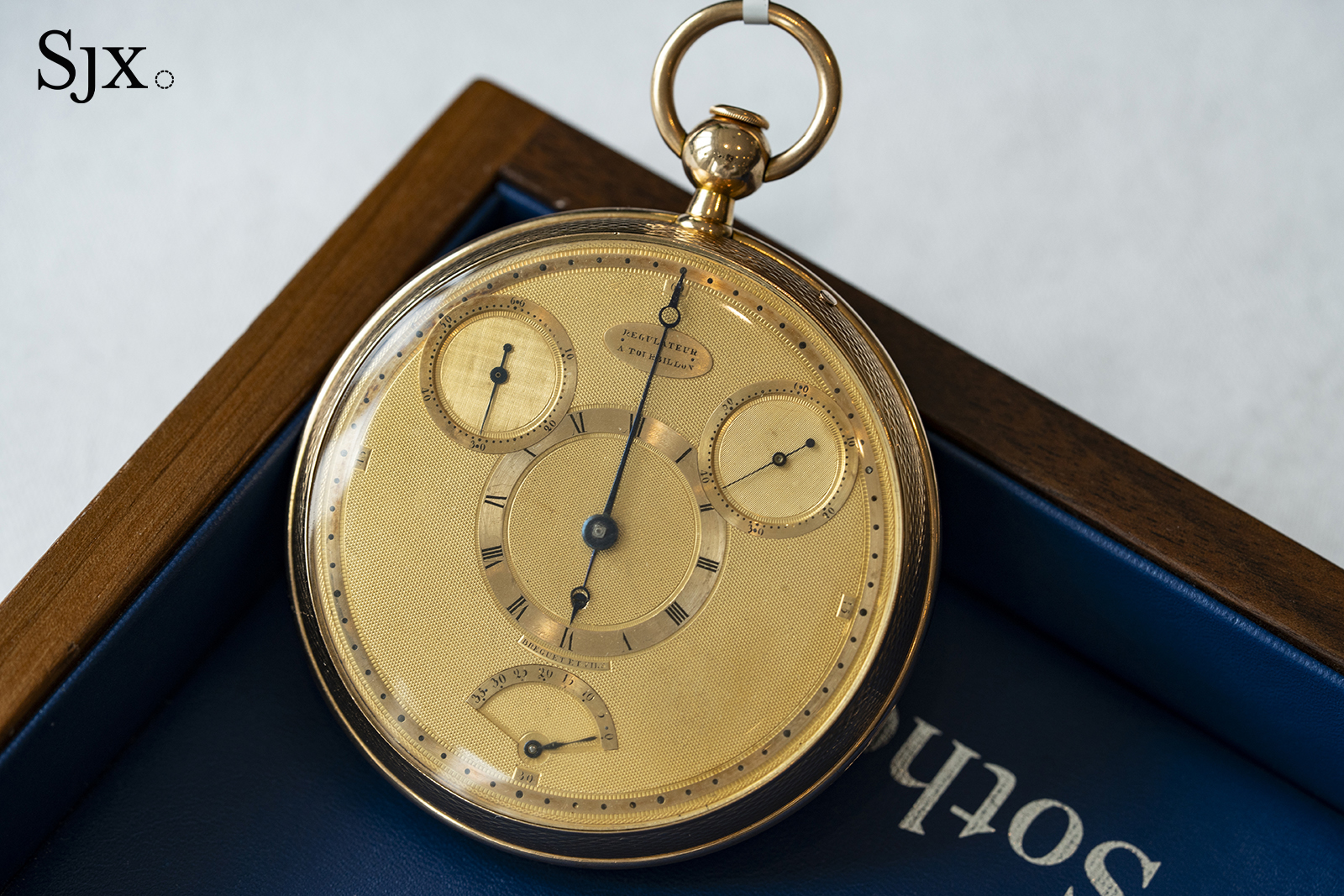
In the coming weekend, one of the most important watches of this auction season will go under the hammer at Sotheby’s Breguet’s 250th anniversary thematic sale November 9 – Breguet no. 1890, a pocket watch with tourbillon and natural escapement made by the firm by Breguet while Abraham-Louis Breguet himself still helmed the company. The gilt dial with a regulator-style layout might seem familiar – the recent Classique 7225 reproduces this dial design. In fact, Breguet no. 1890 isn’t the only watch in this style; it belongs to a series of pocket watches all equipped with a four-minute tourbillon and échappement naturel from the early 19th century that were among the finest watches of the time. Breguet built just eight four-minute tourbillons with natural escapement, all of which thankfully survive, and only three with gold dials. King George III ordered the most famous example – almost identical to this watch – during the Napoleonic wars. For context, that would be like Churchhill (who owned a Breguet himself) ordering an A. Lange & Söhne watch during the Second World War. As such, it was signed Recordon, Breguet’s London agent, to disguise its French origins. Whirling About Regulator Almost 225 years ago, the French Ministry of the Interior granted A.-L. Breguet a patent for his most famous creation, the tourbillon – a clever exercise in lateral thinking. For a mechanical watch to keep the same time across all vertical positions the combined balance, st...

Who Was Roger Dubuis? - The Life And Work Of The Master Watchmaker With A Taste For The Extravagant Fratello
Roger Dubuis ? - Nov 1, 2025

Who Was Roger Dubuis? - The Life And Work Of The Master Watchmaker With A Taste For The Extravagant

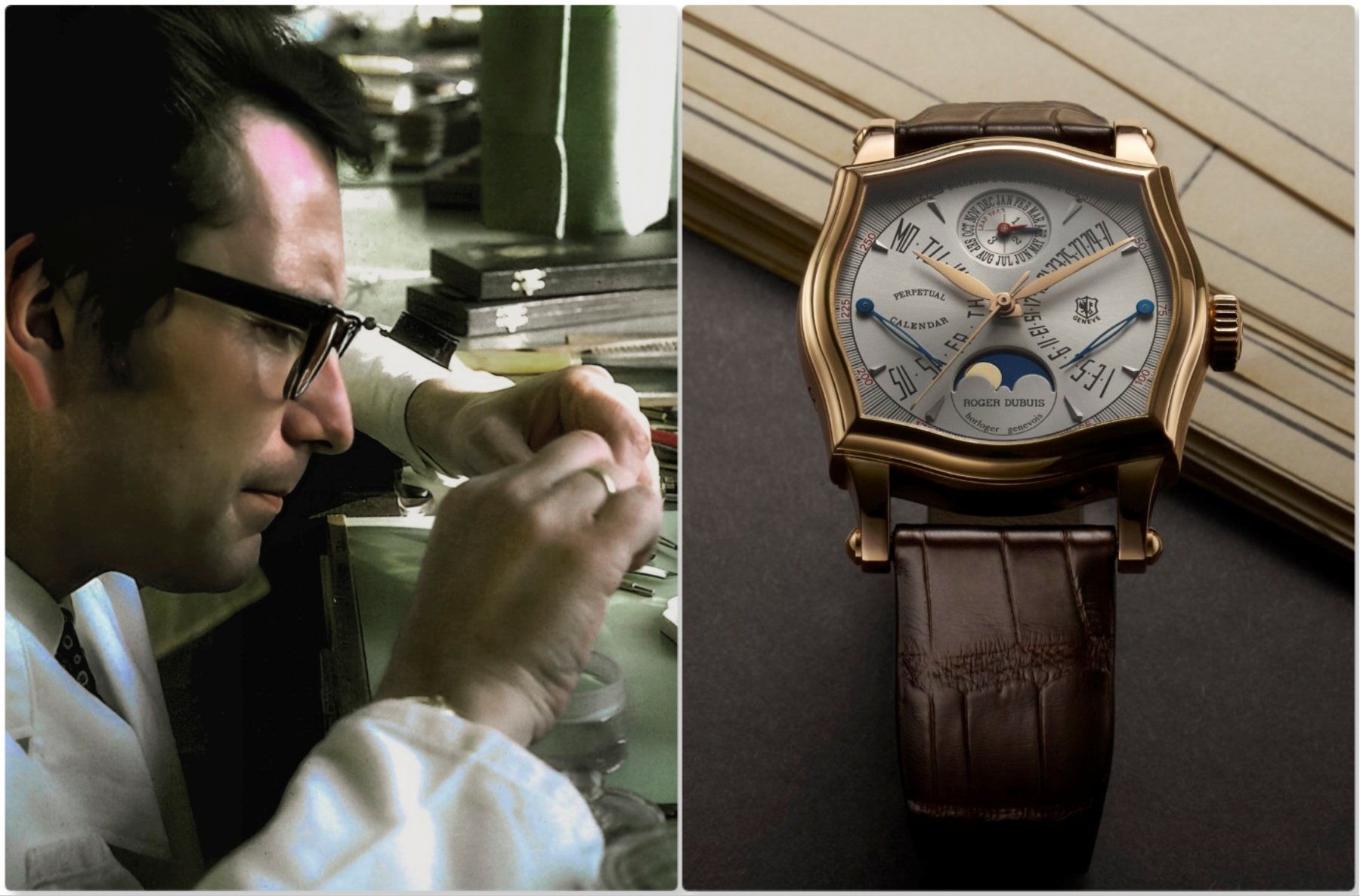
So far, we’ve introduced you to Abraham-Louis Breguet, who set up shop 250 years ago, and the “Breguet of the 20th Century,” English watchmaker and inventor of the Co-Axial escapement, George Daniels. In the spirit of independent watchmaking and the brand’s 30th anniversary, Fratello now invites you to get acquainted with Monsieur Roger Dubuis (1938–2017), […] Visit Who Was Roger Dubuis? - The Life And Work Of The Master Watchmaker With A Taste For The Extravagant to read the full article.

The Most Expensive Watch Brands: From Mainstream To Niche Teddy Baldassarre
Oct 31, 2025

The Most Expensive Watch Brands: From Mainstream To Niche

The world of high-end watches is a bit mysterious, and that is largely by design. Flagship pieces are produced in limited quantities, and pricing generally falls into the "contact us for details" realm for many of the most expensive watch brands. New mechanical innovations make headlines and push the industry and its trends forward, but this comes at a cost, with the best in the game building a certain reputation by doing this consistently over the course of generations. The ultimate value that buyers and enthusiasts will perceive in these watches is created in time, and it goes without saying that this value is quite subjective in nature.  There are a multitude of details that become more apparent, and are even demanded, at the higher end of watchmaking, however. There are vast differences in materials, finishing techniques, and even mechanical aspects such as an uncommon escapement design or power reserve delivery that separate the very top brands from what you might find at your local jeweler. Understanding the world’s most expensive brands will mean having a grasp on these differences. This is the kind of knowledge that will also go a long way in appreciating watchmaking as the art form that it is.  As great art is more than some canvas over a wood frame, a mechanical watch is far more than some screws, springs, and gears. Within a watch, each of these components offer the watchmaker an opportunity for creative expression in the kinds of materials they chose to use...

Zenith Defies Gravity (Again) to Mark 160 Years SJX Watches
Zenith Defies Gravity Again Oct 14, 2025

Zenith Defies Gravity (Again) to Mark 160 Years

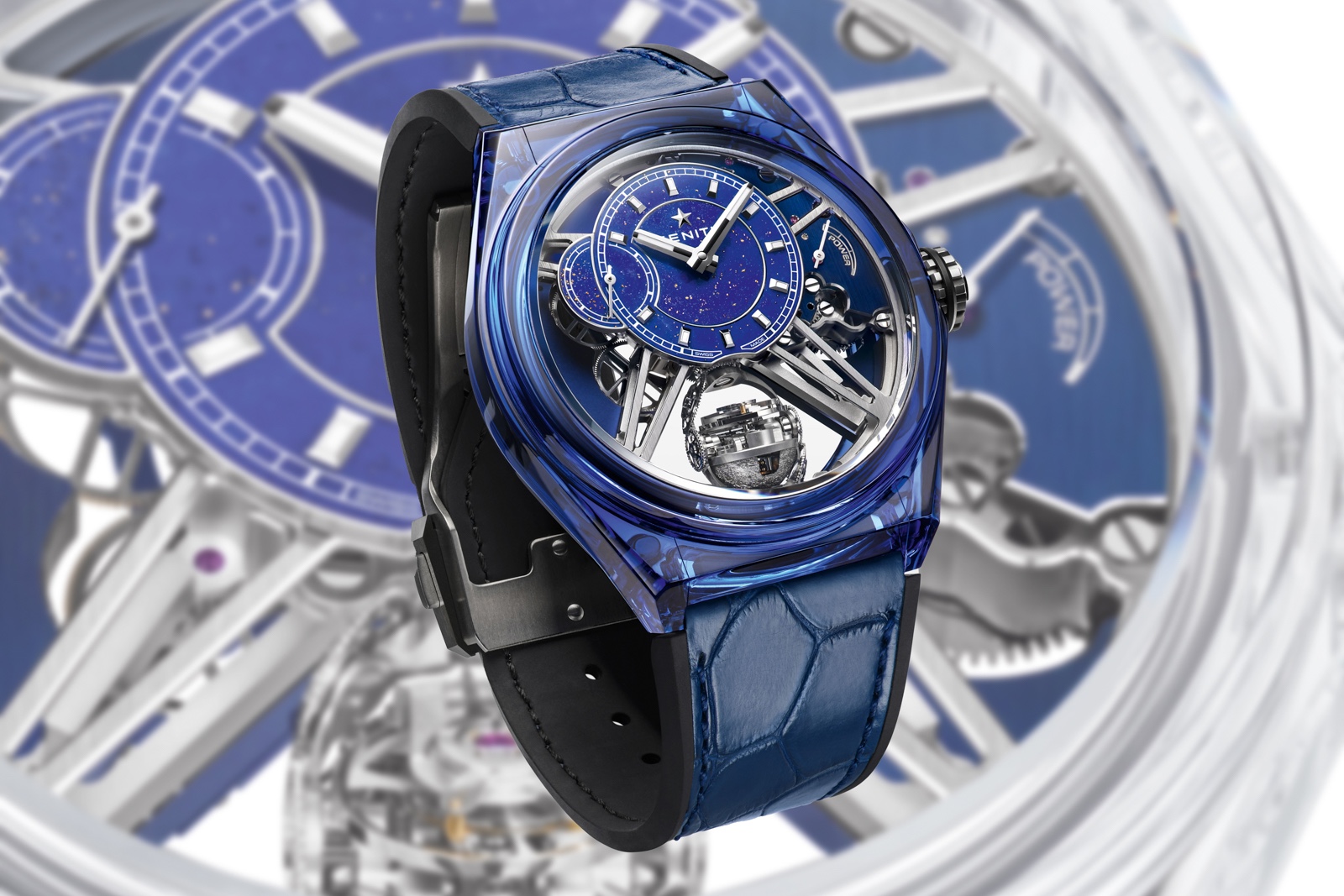
Zenith’s 160th anniversary celebration continues with the Defy Zero G, a sapphire-cased watch equipped with the brand’s latest generation, gimbal-like “Gravity Control” escapement module. Available in either clear or deep blue sapphire – both with a lapis lazuli dial – the 46 mm anniversary model is a literal showcase for the innovative cal. 8812 S, which features a gimballed escapement platform that keeps the balance wheel in a horizontal position at all times. Originally developed in 2008 and refined in 2018, the Zero G mechanism is a modern homage to Zenith’s legacy in competitive chronometry and marine navigation. Initial thoughts Today, the Zenith brand is synonymous with the El Primero chronograph movement, launched back in 1969. But outside of that, the manufacture has always been a major force in Swiss precision watchmaking. For decades the brand regularly took home the top prizes at chronometry trials from Neuchâtel and Teddington. Zenith already paid tribute to its past success in competitive chronometry with the G.F.J. cal. 135, which also features a lapis lazuli dial, but it’s reassuring to see the brand made time to bring out one of its more recent developments for its anniversary year. While the days of chronometry trials are long past, Zenith has still managed to make a name for itself when it comes to the accuracy of wrist-worn timepieces - at least theoretically. Back in 2008 the brand unveiled a curious mechanism, with the escapement fu...

Jaeger-LeCoultre’s Master Control Calendar Goes Granular Two-Tone SJX Watches
Jaeger-LeCoultre s Master Control Calendar Sep 30, 2025

Jaeger-LeCoultre’s Master Control Calendar Goes Granular Two-Tone

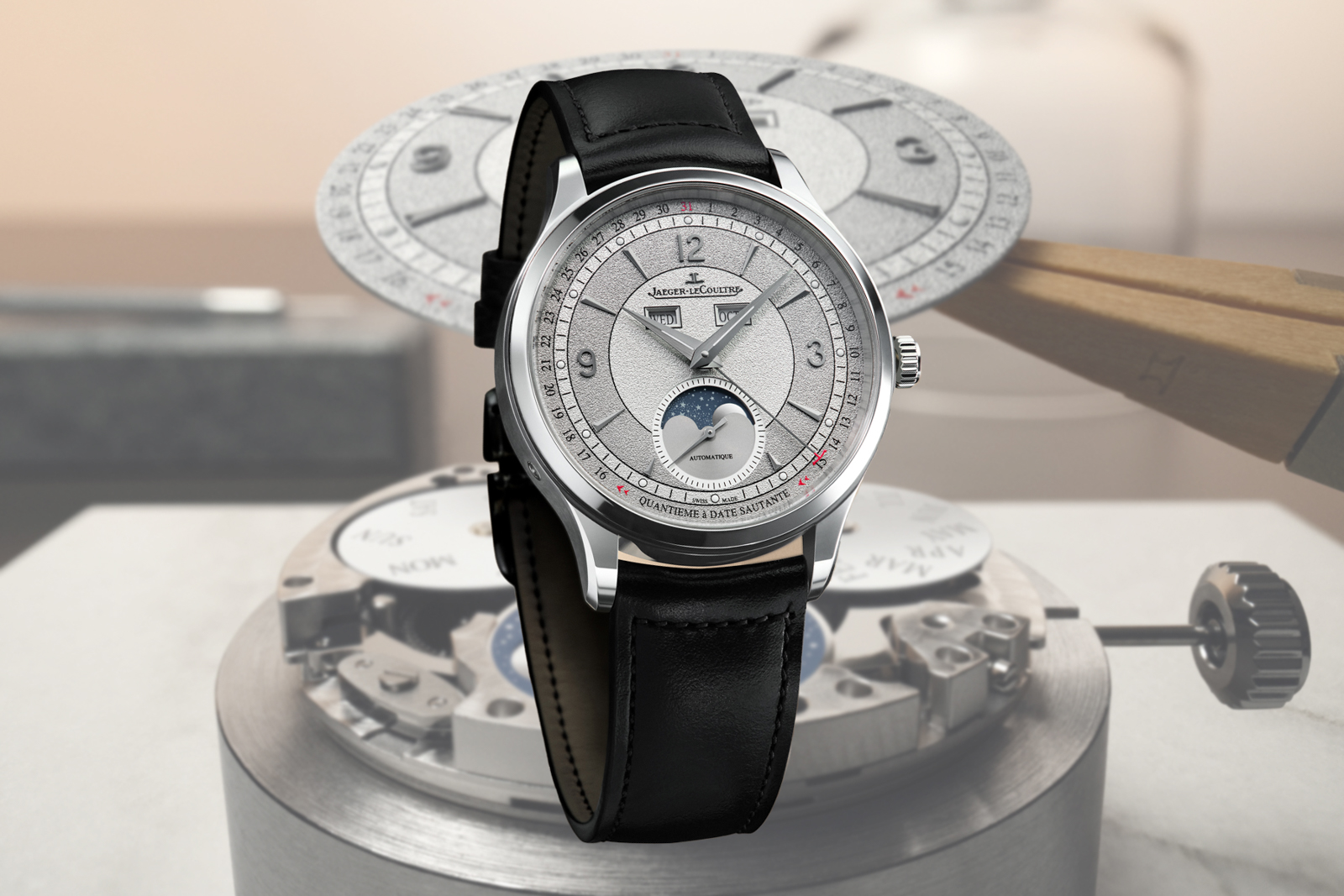
Jaeger-LeCoultre has just introduced the Master Control Calendar Limited Edition, the latest addition to a long line of triple calendar watches going back decades. Packaged in the 40 mm Master Control case we’ve become familiar with, this new 500-piece stainless steel limited edition is all about the dial, which features a richly textured silver and grey livery on a “sector” layout. Despite the classical aesthetic, the Master Control Date is thoroughly modern on the inside with the cal. 866 featuring a silicon escapement that supports a 70-hour power reserve. Initial thoughts The triple calendar moon phase has long been a staple of the Jaeger-LeCoultre line-up; Pablo Picasso famously wore one. Add to this lineage the brand’s unique jumping date pointer, which jumps in a wide arc from the 15th to the 16th of the month to avoid confounding the moon phase display, and the result is a watch that manages to be both charming and technically distinctive. It’s also easily wearable in a 40 mm case, that, while larger than the vintage originals, gives the indicators on the dial plenty of space to breathe. Of course, the movement is the cal. 866, effectively a cal. 899 with a triple calendar module, which helps keeps the overall package quite sleek at 10.95 mm – on par with many simple time-and-date watches in this category. Upgraded a few years ago with a silicon escapement, the movement now runs for 70 hours when fully wound, adding convenience to wearability. Naturall...

Roger W. Smith Debuts the Series 6 SJX Watches
Roger W. Smith Sep 24, 2025

Roger W. Smith Debuts the Series 6

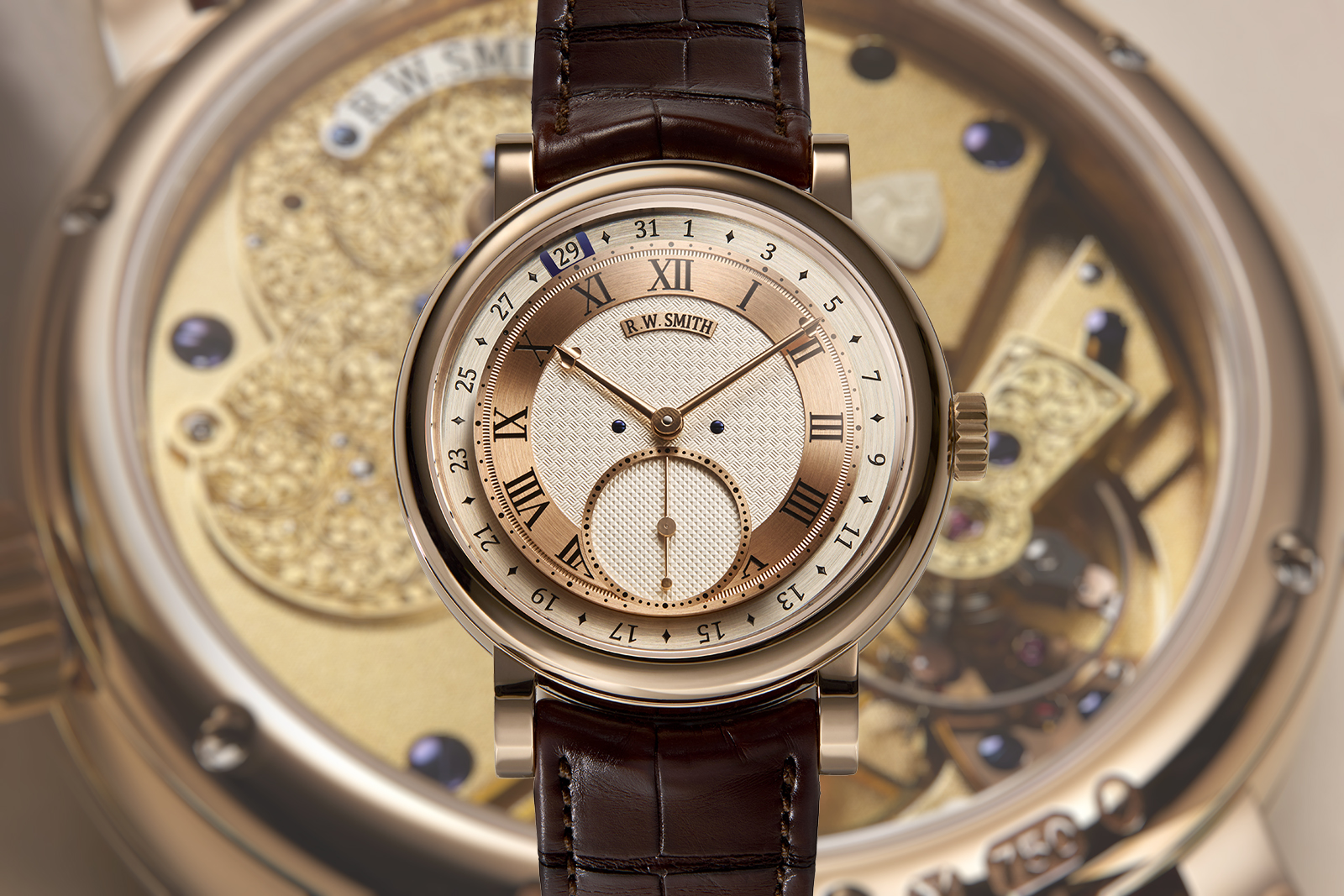
After several years with no additions to its line up, Roger W. Smith recently revealed the Series 6. Essentially a variation of the Series 4 triple calendar, the Series 6 is a time and date – hours, minutes, and seconds, plus the brand’s own “travelling date” that takes the form of a peripheral pointer under the main dial. Much of the watch is familiar, including the architecture of the movement and finishing, but the Series 6 does enjoy several upgrades over earlier watches, including the latest version of the single wheel co-axial escapement. Initial thoughts The Series 6 is quintessential Roger W. Smith in look, feel, and execution (and price). The aesthetic is familiar and certainly well loved, while the quality of execution is high. While its watches may not be hand “made,” they are certainly hand finished and the Series 6 illustrates that with its engine-turned dial, hand-made hands, and hand-engraved movement. The under-dial mechanism for the date and keyless works are especially beautiful, despite being concealed. I imagine this approach to the hidden parts is not merely a watchmaker’s vanity; I expect an open-dial version to come along in due time – if it has not already been ordered by a client. The Series 6 also demonstrates the advances made by the brand in terms of manufacturing. Equipped with modern equipment like CNC mills, Roger W. Smith watches today are far, far, far more refined than its earliest creations. Like the brand’s other watche...

In-Depth: Girard-Perregaux Debuts All-New Automatic Calibre SJX Watches
Vacheron Constantin Sep 23, 2025

In-Depth: Girard-Perregaux Debuts All-New Automatic Calibre

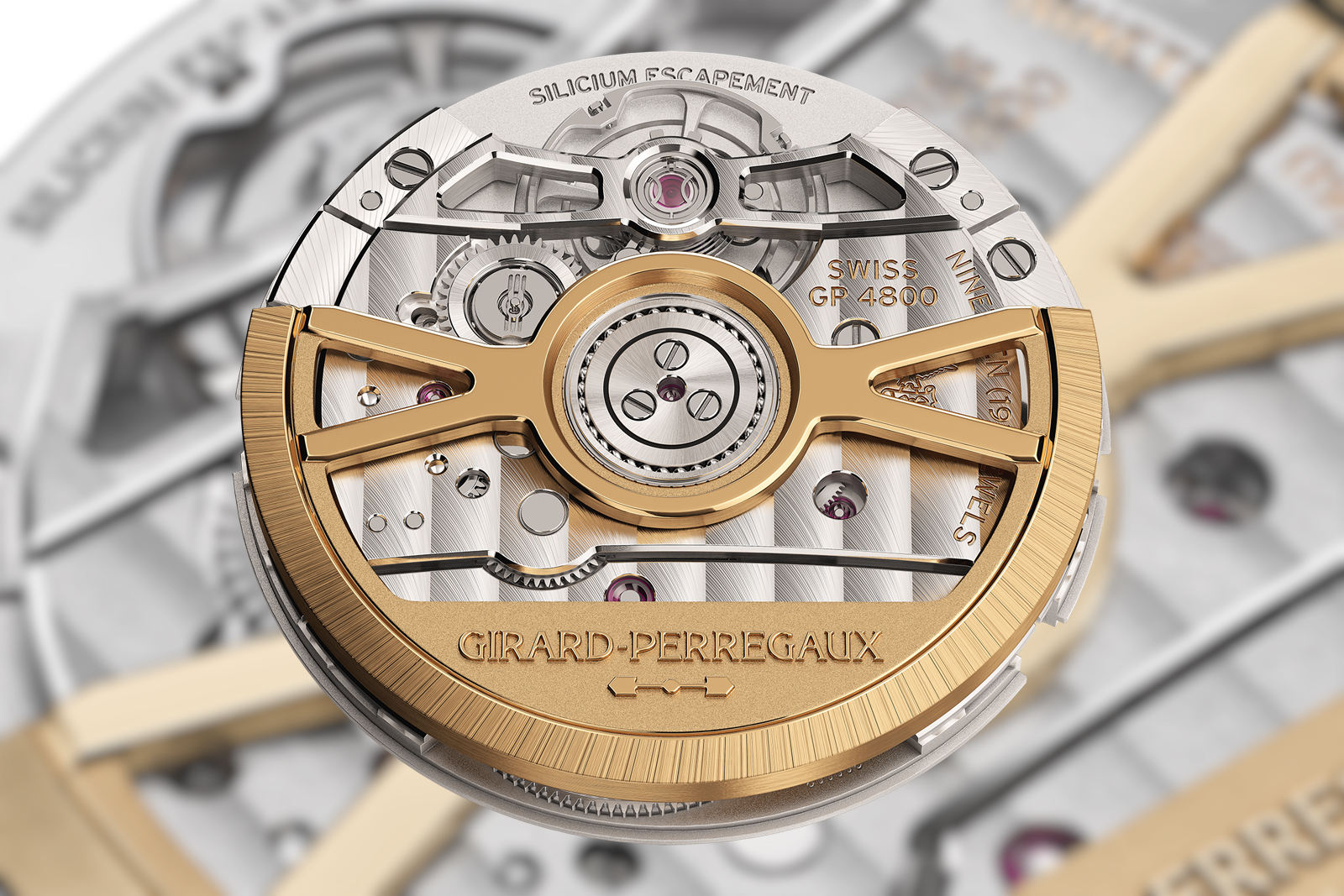
Girard-Perregaux (GP) has just taken the covers off a new in-house movement that will serve as a versatile platform for the brand, the Girard-Perregaux GP4800. Historically a significant producer of automatic movements, GP marks a milestone with the new, high-performance base movement that will gradually replace the 3000 family of movements that was once a workhorse employed by several high-end brands. Initial thoughts GP’s most famous creations are undoubtedly the historical Tourbillon with Three Gold Bridges and the more recent Constant Escapement. Significant as they may be, neither illustrates the brand’s past strength as a manufacture in the early decades of contemporary watchmaking post-Quartz Crisis, in particular GP’s position as a leading supplier of automatic movements.  It all began with the 3000 family of calibres introduced in 1994. Desirable for its slimness and high performance – the 3000 series was sub-3 mm thick while ticking at 4 Hz – this versatile platform served not only as a base for many of the brand’s own timepieces, but also powered well-known watches made by a number of prominent brands, including Cartier, Daniel Roth, Vacheron Constantin, and even MB&F;. A GP3000 found in the MB&F; HM2 And then inverted in the MB&F; HM8 Mark 2 The new GP4800 is clearly meant to replace the venerable-yet-aging 3000-series. Boasting a modern architecture and fine technical chops, the GP4800 is a step towards reclaiming GP’s past success as a movement ma...

Ulysse Nardin’s Entry-Level Freak in Crystalium SJX Watches
Ulysse Nardin s Entry-Level Freak Sep 4, 2025

Ulysse Nardin’s Entry-Level Freak in Crystalium

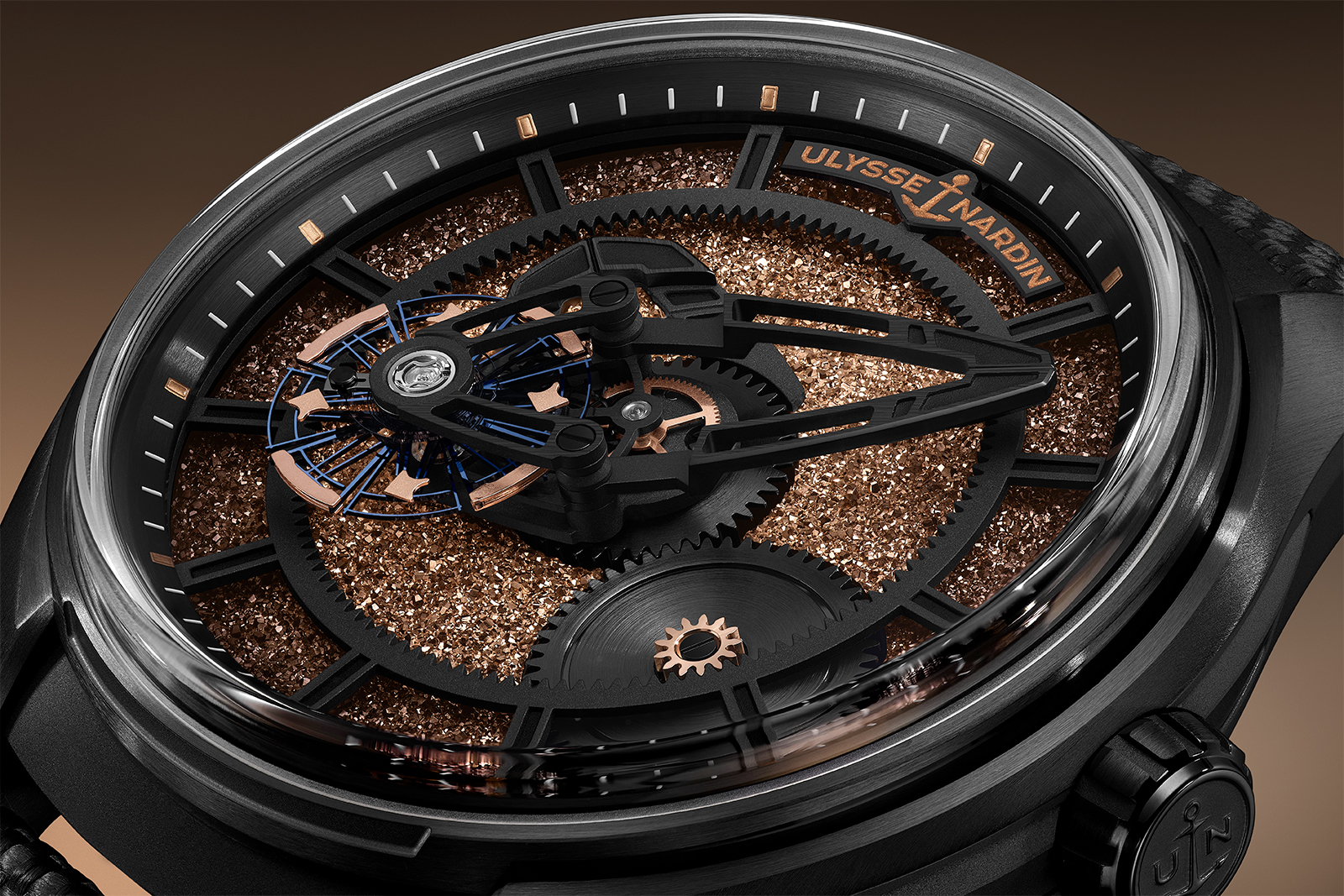
The latest iteration of Ulysse Nardin’s most affordable Freak is the Freak X Crystalium, a limited edition that blends the disruptive Freak aesthetic with a novel decorative element in the form of a dial in Crystalium. Though it has an almost organic look, Crystalium is actually the result of crystallised ruthenium deposited via physical vapour deposition (PVD). The advanced, unusual material is decorative, yet harks back to the Freak’s origins as a materials pioneer. Initial thoughts The Freak has been a core collection in Ulysse Nardin’s roster since the first model was launched back in 2001. The line has been defined by disruptive and bold technical construction and a pioneering use of silicon. But lately it feels watered down; the Freak X dials back on the exotic tech to make the iconic design more attainable. And the many iterations of the Freak X don’t help its case.  But paradoxically the new Freak X is a return to one of the core values of the Freak series: materials science. Ulysse Nardin experimented with all sorts of materials over the years with the Freak as a platform, ranging from the DIAMonSIL escapement to silicon movement bridges to mono block oscillators. The Freak X Crystalium employs new material, but this time it serves an aesthetic function as opposed to a mechanical one. The large rotating disk which serves as the dial’s foundation is covered in an organic-seeming, quartz-like glittering surface that’s the result of years of research.  ...

Orient Gilds the Retro World Map SJX Watches
Vacheron Constantin Breguet Sep 2, 2025

Orient Gilds the Retro World Map

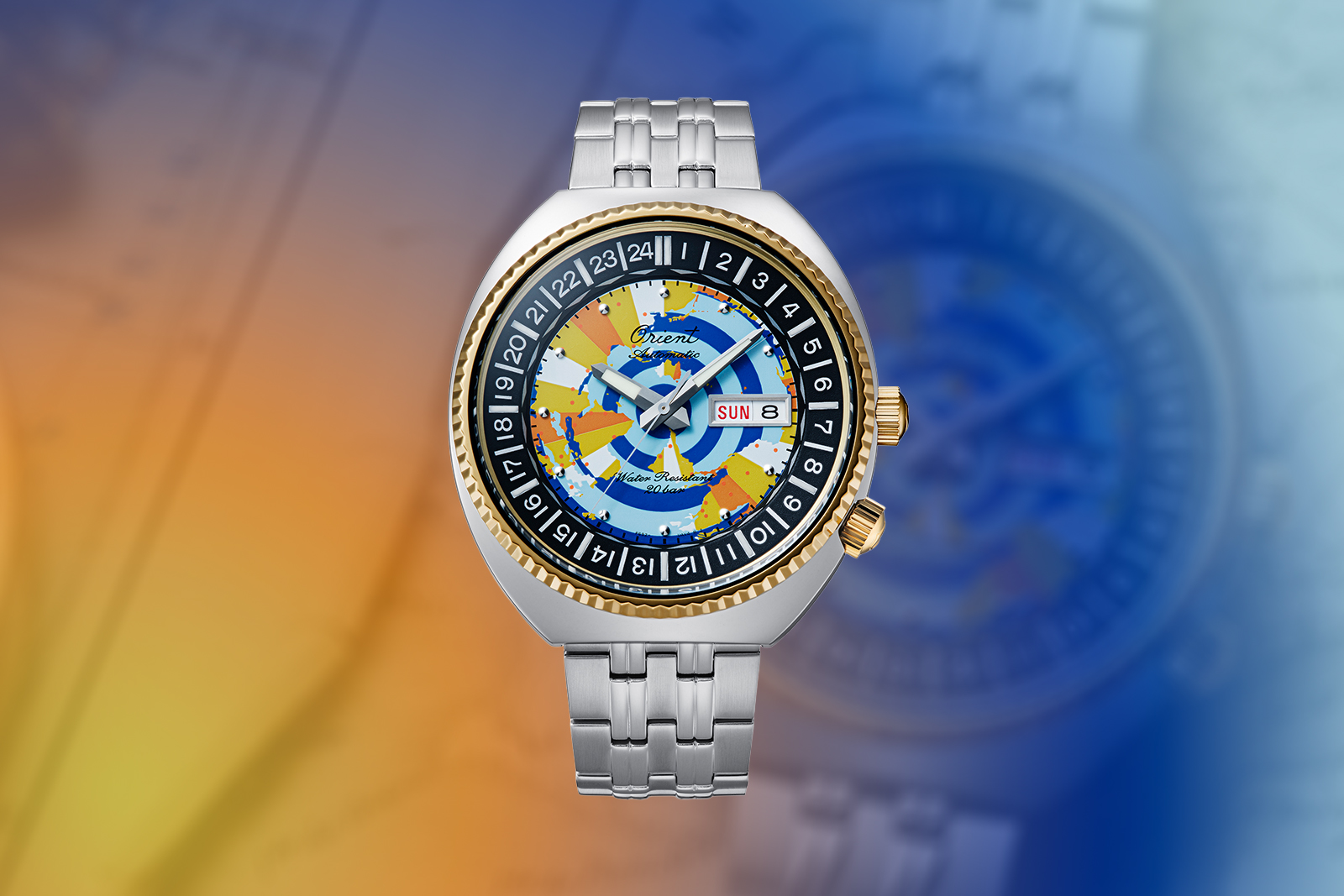
Orient celebrates its 75th anniversary with a limited edition World Map, inspired by a 1969 fan favourite and priced under US$400. Distinctly retro in style, the World Map features an unusual world time arrangement using a striking map and rotating bezel for global time zones. It’s well priced and well made, and a break from the brand’s usual staples, which tend to be affordable but plain. Initial Thoughts It seems 2025 is a year of many anniversaries: Audemars Piguet, Vacheron Constantin, Breguet, and of course, Orient. While never the most prominent Japanese watch manufacturer, Orient has built up a strong back catalog over 75 years, which includes the World Map. That said, I’d have preferred a reissue of the more formal looking World Trip, though I imagine the brand is saving that for the up-market Orient Star line. Beyond the watch, it’s important to remember that while Orient is a relatively small brand, it’s part of Seiko Epson, the company behind the Spring Drive UFA that made headlines this year (though a distinct entity from Seiko Watch Corporation that markets and sells Seiko and Grand Seiko watches). For the brand’s 60th anniversary, Orient equipped the Orient Star Skeleton with Japan’s first (and only) silicon escapement. With that in mind, it’s worth keeping an eye on Orient this year, as the brand has more to offer than just a pretty face. Post War Travel Ban and Boom In the aftermath of the Second World War Japan was devastated and isolated. ...

What Is A Tourbillon? Teddy Baldassarre
Breguet 1747-1823 Aug 21, 2025

What Is A Tourbillon?

For many watch collectors, acquiring one's first tourbillon watch is a Holy Grail, a rite of passage into the upper echelons of horological connoisseurship. If you're new to the watch appreciation game, however, you may be wondering what all the fuss is about. What is so special about tourbillon watches, anyway, and what makes them so desirable to so many while still being so prohibitively expensive for most? The short answer is that a tourbillon is, in this day and age, less of a necessity and more of a badge of historical high-watchmaking excellence. For a more detailed explanation, read on.  The First Tourbillons and Early Innovations The inventor of the tourbillon is a name that is likely familiar to watch connoisseurs. Abraham-Louis Breguet (1747-1823), a native of Switzerland who plied his trade as a watchmaker in Paris, was one of horology’s most significant historical figures, among whose many innovations was the first self-winding movement, the first repeater movement with a gong, one of the earliest constant-force escapements, and the device that he famously patented in 1801, the so-called tourbillon escapement.  While the tourbillon is today considered by many to be a complication, like a chronograph or calendar mechanism, its original purpose was a fully practical one, to compensate for the ill effects of gravity on the movement of a pocket watch and thus improve its long-term accuracy. Remember, in Breguet’s time, watches were not worn on wrists, where ...

The 15 Best British Watch Brands (2026) Teddy Baldassarre
Aug 18, 2025

The 15 Best British Watch Brands (2026)

While Switzerland is regarded today as the world leader of watchmaking, Great Britain can lay claim to a wealth of horological milestones throughout its history as well. From Thomas Mudge’s development of the lever escapement in 1755 to John Harrison’s invention of the marine chronometer in 1759 to the innovations of clockmaker Thomas Tompion and his protegé George Graham in the areas of science and astronomy, England was an undisputed leader in timekeeping throughout the 18th and 19th centuries. The 20th century brought the decline of the British Empire and, with it, British watchmaking, as nations like Switzerland, Germany, and (for a while) the United States stepped in with modern mass-production techniques while the Brits held fast to traditional, artisanal methods. The United Kingdom essentially ceased being a major producer of timepieces by the end of World War II, but as the 21st Century dawned, a handful of entrepreneurial Britons have made great strides in bringing high-end watchmaking back to their native land, establishing new brands - and in some cases, resurrecting old ones - to make watches that appeal to today’s discerning enthusiasts in the U.K. and across the world. Whether the focus is military-style tool watches, avant-garde complications at approachable prices, or ultra-high-end pieces for well-heeled collectors, each brand boasts an identity that is proudly British and at the same time distinct from its peers. Here are 15 British watch bran...

Rolex Land-Dweller Review Teddy Baldassarre
Omega some twenty-five ago Jul 31, 2025

Rolex Land-Dweller Review

It's no understatement to say that the Rolex Land-Dweller was the talk of Watches & Wonders 2025, which took place in Geneva a few months ago. A new Rolex collection with an integrated bracelet and a brand new movement? Well, we would expect no less. There is something fundamentally earth-shaking about massive shifts in the Rolex atmosphere. Mixed metaphors aside, just because we have seen Rolex develop and launch an entirely new collection quite recently (with the 1908, released just two years ago, in 2023), it doesn’t make it normal. Before that it was the Sky-Dweller, and years before that, there were variations on the Yacht-Master. The launch of the Land-Dweller proved to be one of those milestone moments.  The Land-Dweller is the product of 18 new patents specific to this watch, as Rolex has developed an entirely new watch both inside and out. No, this is not a new complication, but it is a brand-new approach to timekeeping. It marks the first development of a new escapement system at this scale since the arrival of the Co-Axial escapement from Omega some twenty-five ago. In short this is big news. As you likely have seen by now, Teddy and I had the chance to see this watch up close and personal ahead of this year's Watches & Wonders a few months ago (you can find our full video hands-on review on YouTube now) and were also lucky enough to do it prior to a lot of the pre-release noise really reaching peak volume. That is to say, we were able to learn about the mech...

Mechanical vs. Automatic Watch Movements Explained Teddy Baldassarre
Nomos DUW caliber below uses Jul 12, 2025

Mechanical vs. Automatic Watch Movements Explained

Among the many questions a novice watch enthusiast is faced with, “Mechanical vs. Automatic Movement?” is one of the most basic, yet one whose answer is a bit more complex than a simple A-or-B explanation. In fact, “mechanical or automatic” isn’t even really framing the choice correctly. In the article below, we attempt to clarify the subject and answer the most pressing questions about these tiny engines inside your watch. What is a Mechanical Movement? A mechanical movement, like the Nomos DUW caliber below, uses a coiled metal spring, called a mainspring, that releases energy as it uncoils through a series of gears to drive a weighted, oscillating wheel called a balance wheel. The balance wheel’s oscillations are linked to an escapement, which periodically releases the gear train to move the hands forward to record the passing of hours, minutes, and seconds. In short, a mechanical movement in a watch is any type of movement that uses no batteries or electronic components to function - which makes them different from more modern inventions, like quartz, Spring Drive, and solar movements. Technical developments over the centuries are what led to the two types of mechanical movements we’re discussing here. Originally, the movement’s mainspring needed to be wound periodically by hand - first by a key, then by a small knob called a crown that was attached via a stem to the movement. Later, a type of movement was developed that could be wound “automatica...

How Ulysse Nardin’s Freak-Mentality Has Taught the Industry to Keep Watchmaking Forward-Thinking and Fun Worn & Wound
Jaeger-LeCoultre just Jun 25, 2025

How Ulysse Nardin’s Freak-Mentality Has Taught the Industry to Keep Watchmaking Forward-Thinking and Fun

When Ulysse Nardin unveiled the Freak in 2001, it set off a chain of events that forever changed the course of history for the brand and for the industry at large. The model seamlessly flexed a combination of technical and design achievements. The Freak offered material innovation that was far ahead of its time, introducing the use of silicon in the escapement wheels-a technology that is now used by almost every major watch brand from Rolex to Patek Philippe, Girard-Perregaux, Breitling, and Jaeger-LeCoultre, just to name a few. It also presented an entirely new set of aesthetic codes for watch design with an expression of time that notably lacked a traditional dial, hands, or crown. With the Freak’s overall success, it immediately established the brand as a thought leader, an innovator, and (perhaps most importantly) a rebel in an industry often paralyzed by its reverence and steadfast commitment to tradition.  In the nearly 25-years since the first Freak, we have seen Ulysse Nardin infuse this spirit in each subsequent Freak model and its catalog at large-from the Blast collection to its UFO clocks and, most recently, in its record breaking Diver [Air], the world’s lightest mechanical dive watch.  The first Freak We all know record setting has become a bit of a thing in watchmaking. Particularly in the past decade or so, we have witnessed brands embark on the race to claim the next world record title. Since 2014, Bulgari has set a whopping ten for the ultra-thi...

Introducing - The New Arnold & Son x Chronopassion Double Tourbillon “Landscape” Monochrome
Arnold & Son x Chronopassion Double Tourbillon May 27, 2025

Introducing - The New Arnold & Son x Chronopassion Double Tourbillon “Landscape”

In 2014, Arnold & Son marked 250 years of John Arnold’s horological legacy with the debut of the Double Tourbillon Escapement, a timepiece that introduced a mechanically ambitious concept: two independent time displays, each driven by its gear train and regulated by its tourbillon. This duality, both technical and aesthetic, was made possible through separate […]

Watch Movements: A Comprehensive Guide and FAQ Teddy Baldassarre
May 8, 2025

Watch Movements: A Comprehensive Guide and FAQ

Watch movements, like the engines in cars, are the mechanisms that make the whole thing run, and if you're new to the world of avid watch enthusiasm, there's more to learn about them, and how they work, than you think. In this comprehensive guide to watch movements, we will attempt to answer every question that you might have about movements - their different types, their important parts, who makes them, and even a bit of history and trivia.  What is a Mechanical Movement? A mechanical movement, the oldest type of movement in horology, uses a coiled metal spring, called a mainspring, that releases energy as it uncoils through a series of gears to drive a weighted, oscillating wheel called a balance wheel. The balance wheel’s oscillations are linked to an escapement, which periodically releases the gear train to move the hands forward to record the passing of hours, minutes, and seconds. Originally, the mainspring needed to be wound periodically by hand, first by a key, then by a winding crown attached via a stem to the movement. Later, a type of movement was developed that could be wound “automatically,” through the motions of the wearer’s wrist. What is the difference between a mechanical movement and an automatic movement? It isn’t really a question of difference: the latter is simply a specific type of the former, à la a Cognac and a brandy. The two main types of mechanical movements are manually wound (or “hand-winding”), in which the user needs to p...

Record Breaking Konstantin Chaykin ThinKing Debuts at Auction SJX Watches
Patek Philippe Calibre 89 ref 989J May 2, 2025

Record Breaking Konstantin Chaykin ThinKing Debuts at Auction

If you want to own the world’s thinnest mechanical watch, the Konstantin Chaykin ThinKing, you’ll have to fight for it at The Geneva Watch Auction: XXI, which will see the first production example go under the hammer. The 1.65 mm stature of the ThinKing is even more impressive coming from a small Russian independent watchmaker, considering previous records were set by big Swiss brands ranging from Piaget to Richard Mille. Notably, this is not the first time a landmark release has been trusted to an auction that isn’t linked to a charity. The most famous example of this was the Patek Philippe Calibre 89 (ref. 989J) back in 1989 at Antiquorum’s thematic sale. The ThinKing will be sold in the first session of the auction, which starts on May 10, 2025, at 2 pm. The ThinKing in profile. Image – Phillips Mr Chaykin achieved the record-setting height with clever construction, including a “double balance wheel” system that places an intermediate wheel between the balance and escapement, allowing both to sit on the same plane. Another notable technical feature is a barrel that is open on both sides, and no thicker than the mainspring itself. And unlike most serially-produced Konstantin Chaykin watches, each ThinKing is made, finished, and assembled by Mr Chaykin himself. Wearability is enhanced by the bolt-on protective shroud in titanium christened “PalanKing”. This increases the height to 5.4 mm, but adds key-less setting and winding, and automatic winding by a...