Hodinkee
Introducing: Chopard L.U.C. 1963 Heritage Regulator And L.U.C 1963 Heritage Chronograph Limited Editions
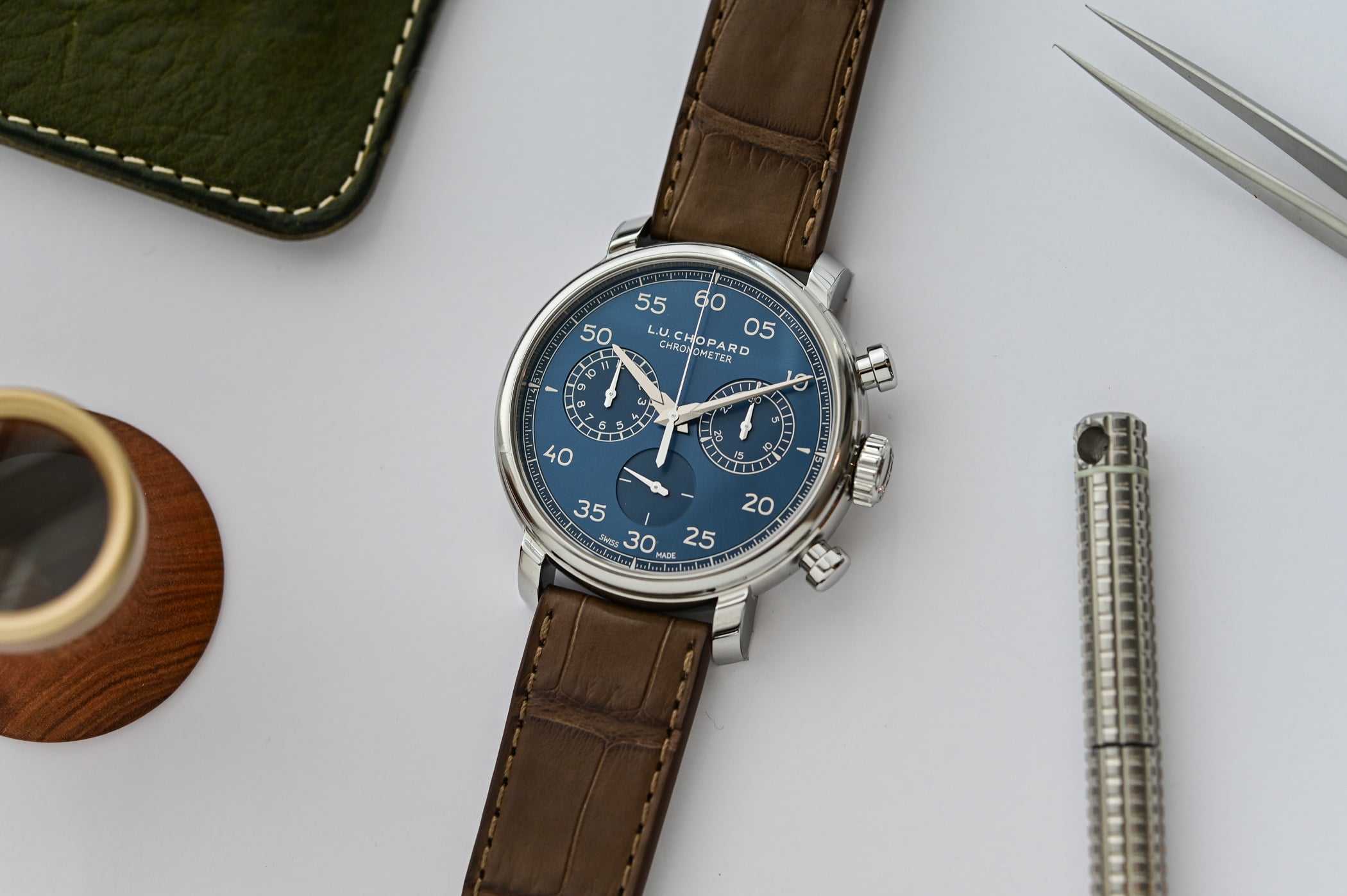
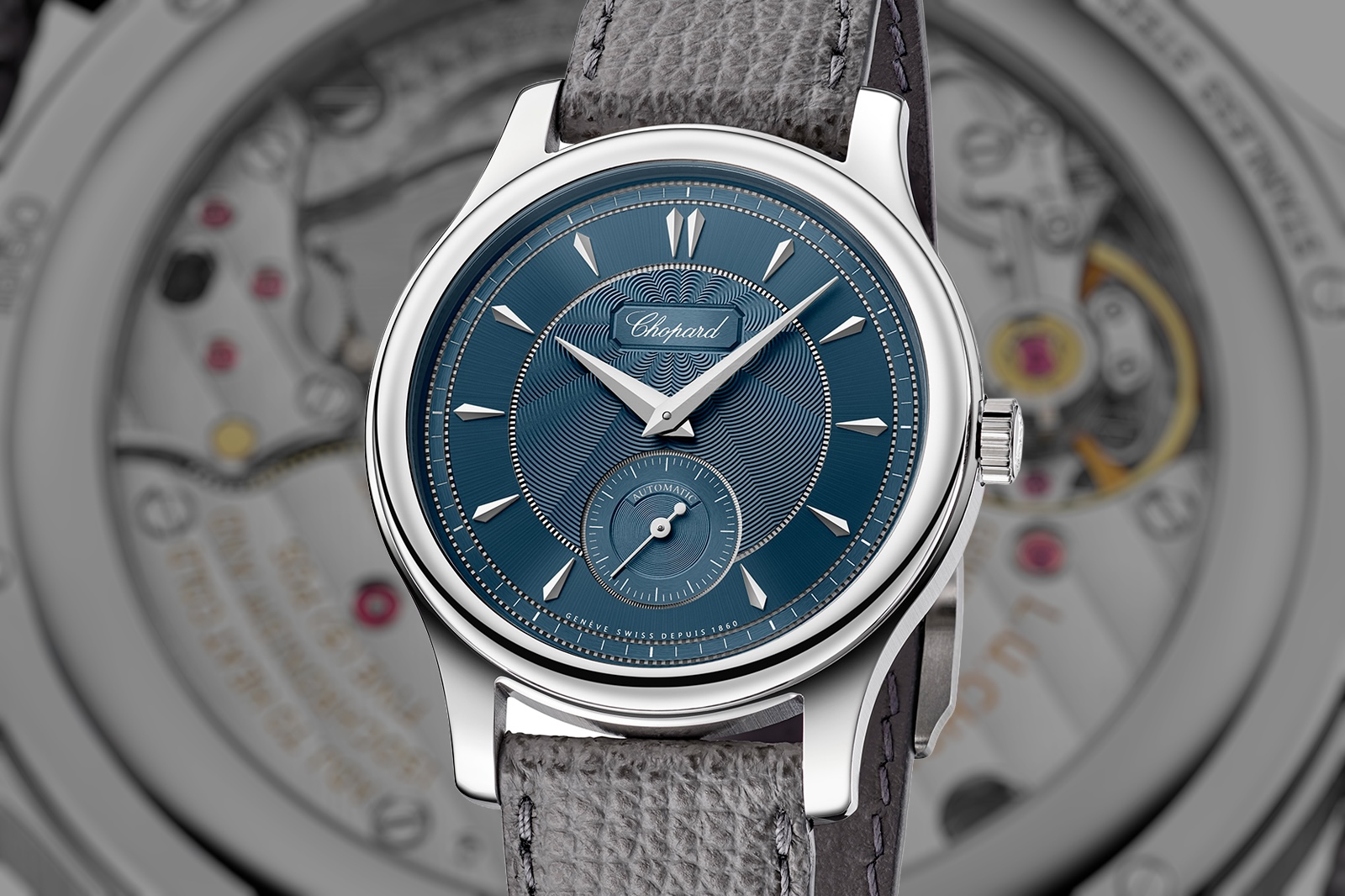
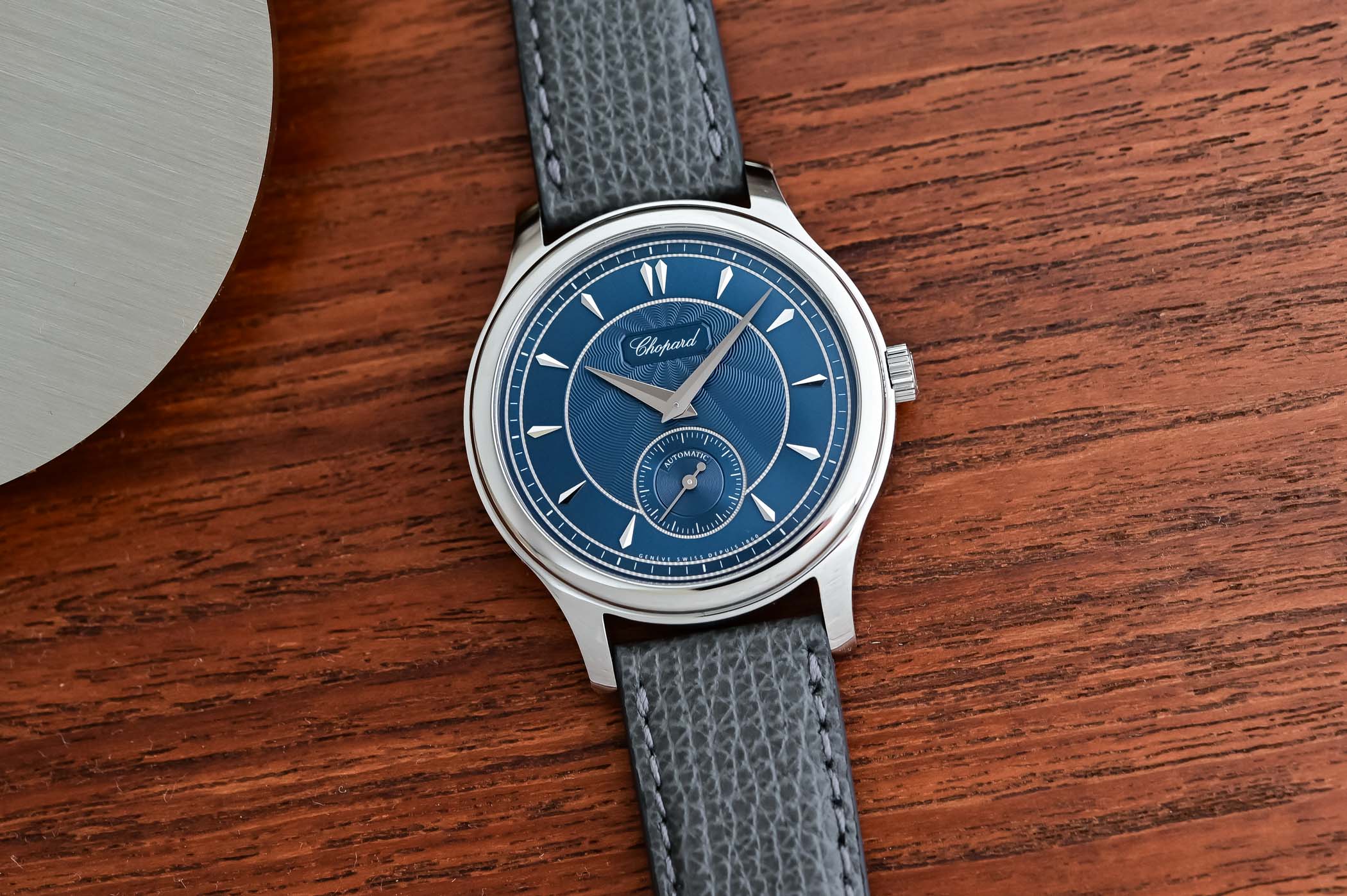
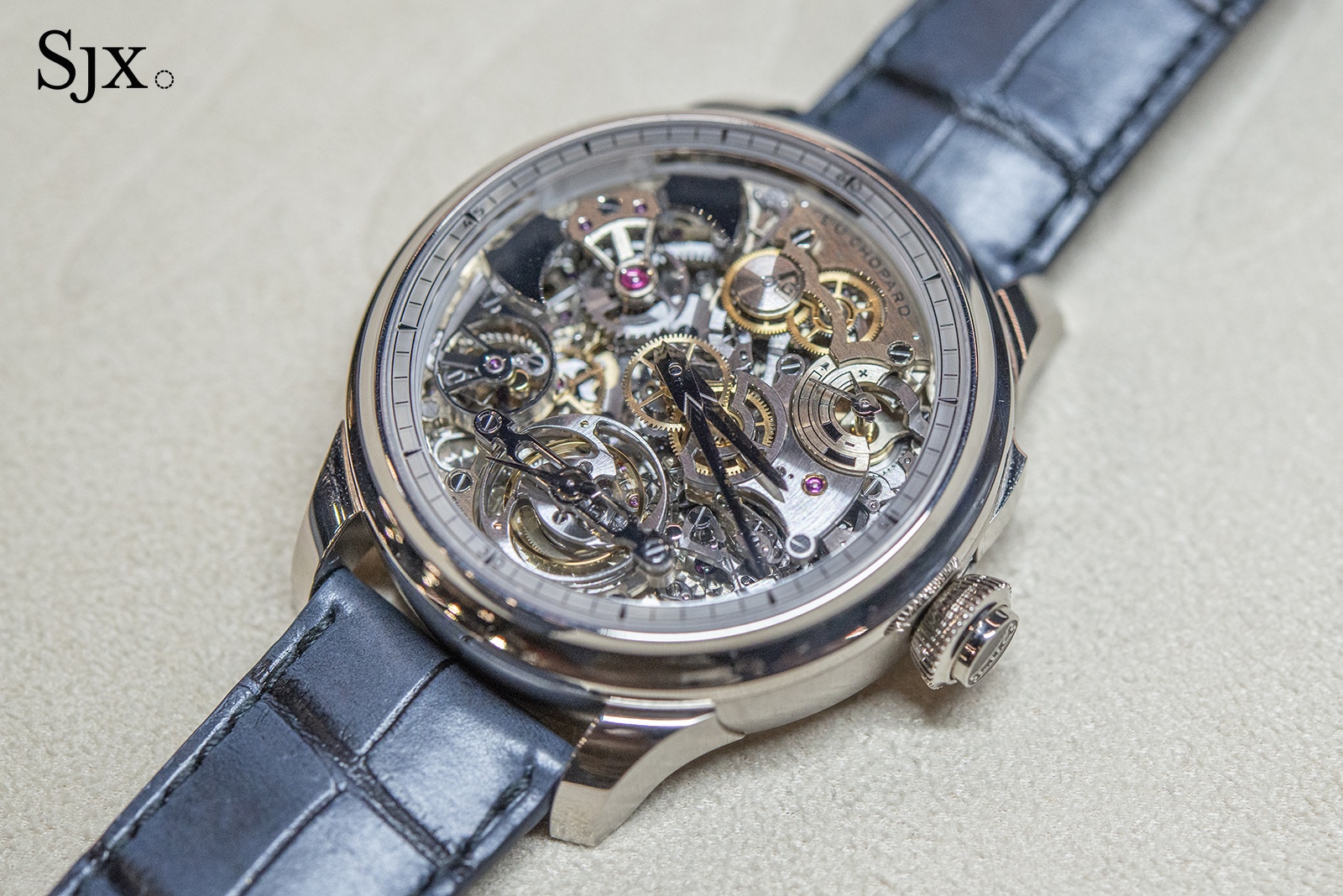
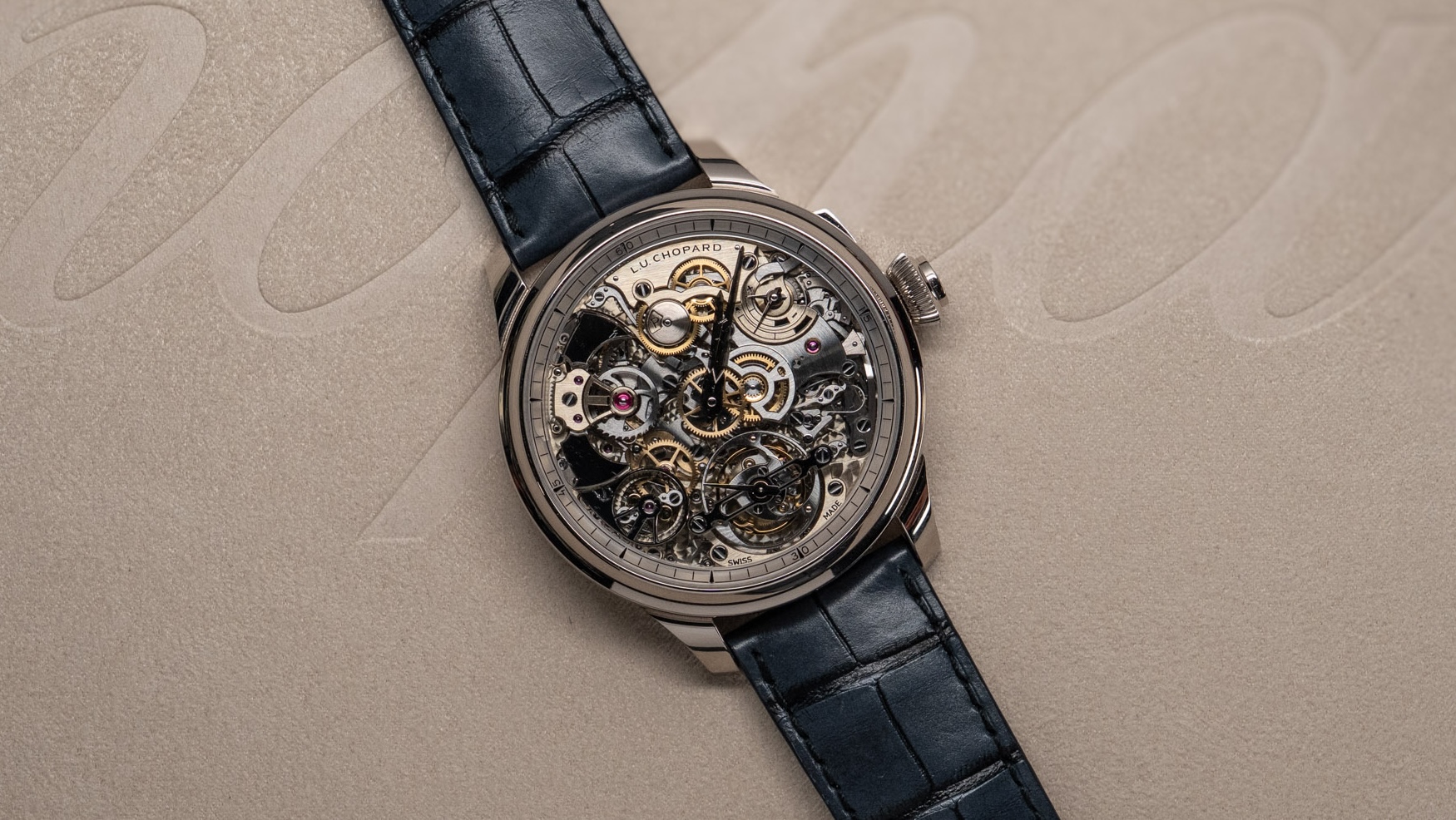
What We Know While not a part of Geneva Watch Days (which starts this week), Chopard is preempting the show a bit with two new 25-piece limited editions in their L.U.C. line—the brand's in-house haute horlogerie division. The first up (and more expensive of the two) is the L.U.C. 1963 Heritage Regulator, a 40mm by 10.3mm watch in 18k ethical white gold with 30m water resistance. The dial—which conveys hours (in a subdial), regulator-style minutes, GMT, power reserve, running seconds, and date—is a sunburst-finished silver tone with blue-transferred numbers. The caseback showcases the manually wound, four-barrel (in series) L.U.C 98.02-L movement layout that delivers a massive 9 days of power (part of the Chopard Quattro technology). This kind of high-power-reserve movement has become pretty normalized for Chopard and, because of that, I don't think it gets the appreciation it deserves. The movement, running at 4Hz, is also fantastically finished and features a Poinçon de Genève quality hallmark, plus COSC accuracy certification. As mentioned, the L.U.C. 1963 Heritage Regulator is limited to 25 pieces and is now available, retailing for $50,900. On the sportier end of things is the 42mm by 11.48mm 1963 Heritage Chronograph cased in Lucent Steel. It features a deep blue sunburst-polished, galvanic-treated dial, an eggshell-colored printed dial, and Rhodium-plated white gold hands for the hours, minutes, seconds, chronograph, and 30-minute and 12-hour counters. The wa...