 Time+Tide
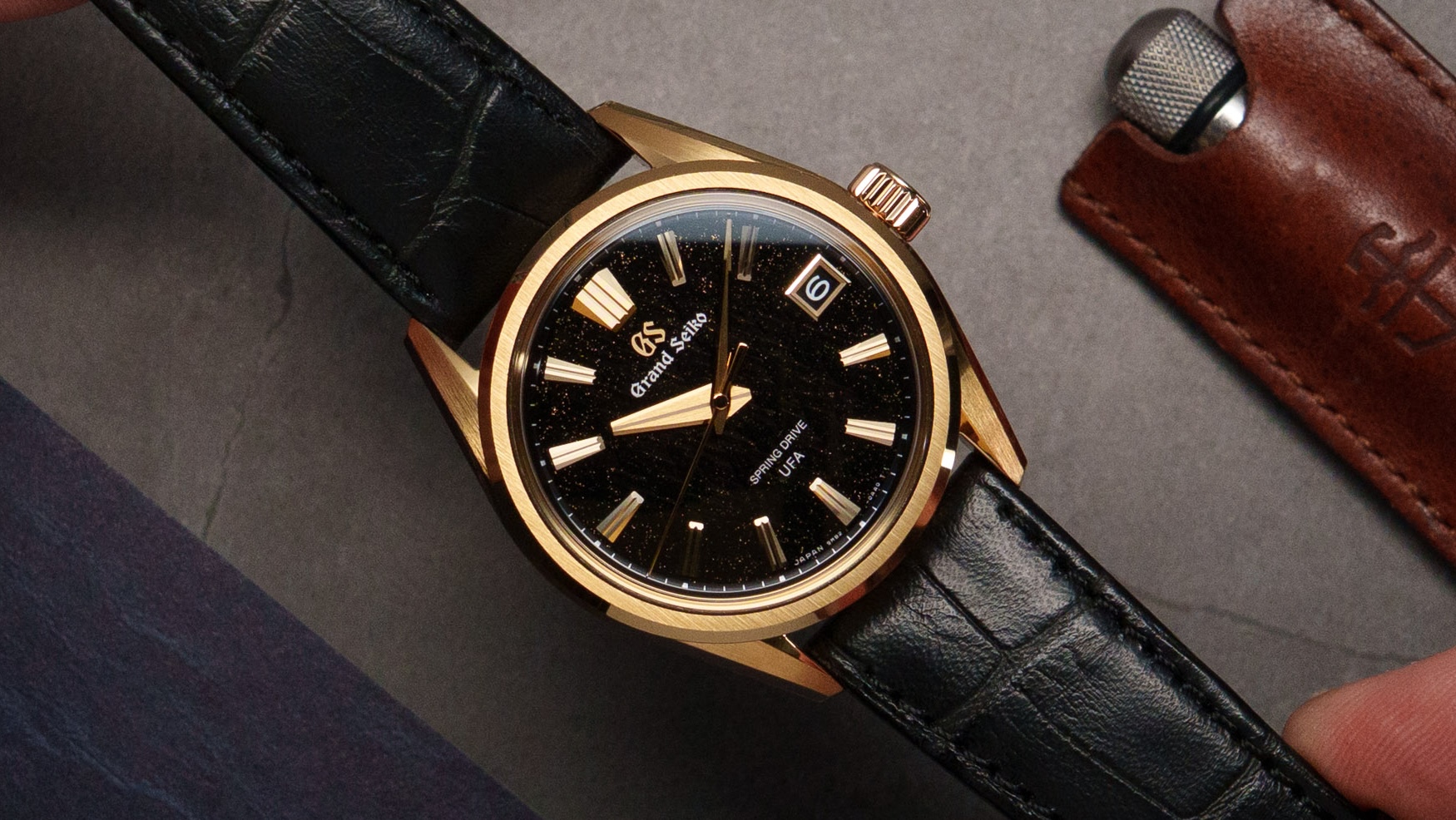
If Zach could change one thing about the Grand Seiko SLGB006 it would be this…
The Grand Seiko SLGB006 UFA Spring Drive Ice Forest at Dawn brings the midsize Evolution 9 case to 18k yellow gold.
44,030 articles · 254 videos found · page 50 of 1477
Time+Tide
The Grand Seiko SLGB006 UFA Spring Drive Ice Forest at Dawn brings the midsize Evolution 9 case to 18k yellow gold.
 Monochrome
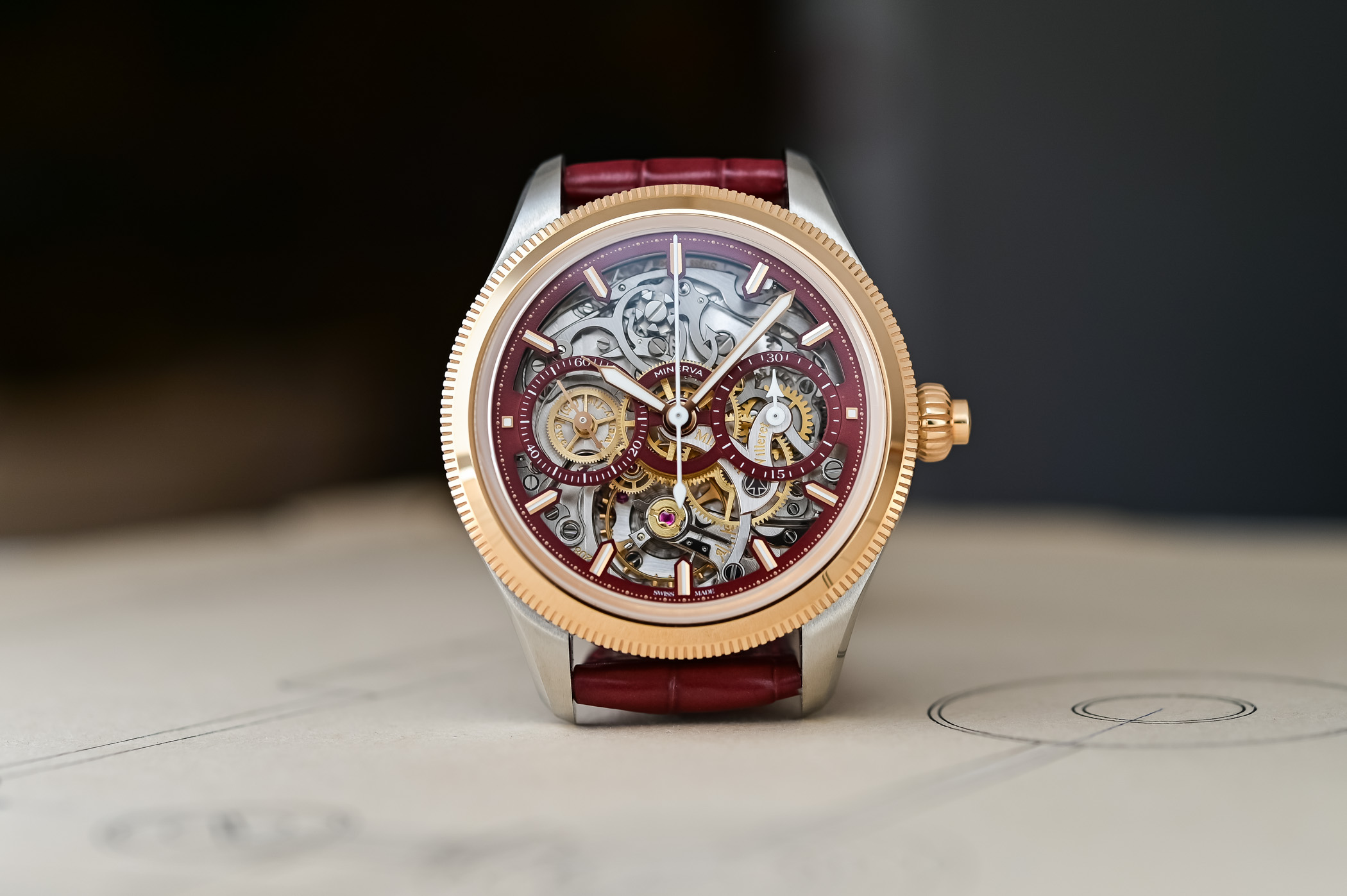
Earlier this year, Minerva stepped out from the shadow of Montblanc to reclaim its independent, stand-alone branding and celebrated the occasion by releasing two limited editions of the Unveiled Secret. Presented in compact 39mm cases with wine-red accents and a new, inverted in-house monopusher chronograph calibre exposed in all its magnificence on the dial, rest […]
 Fratello
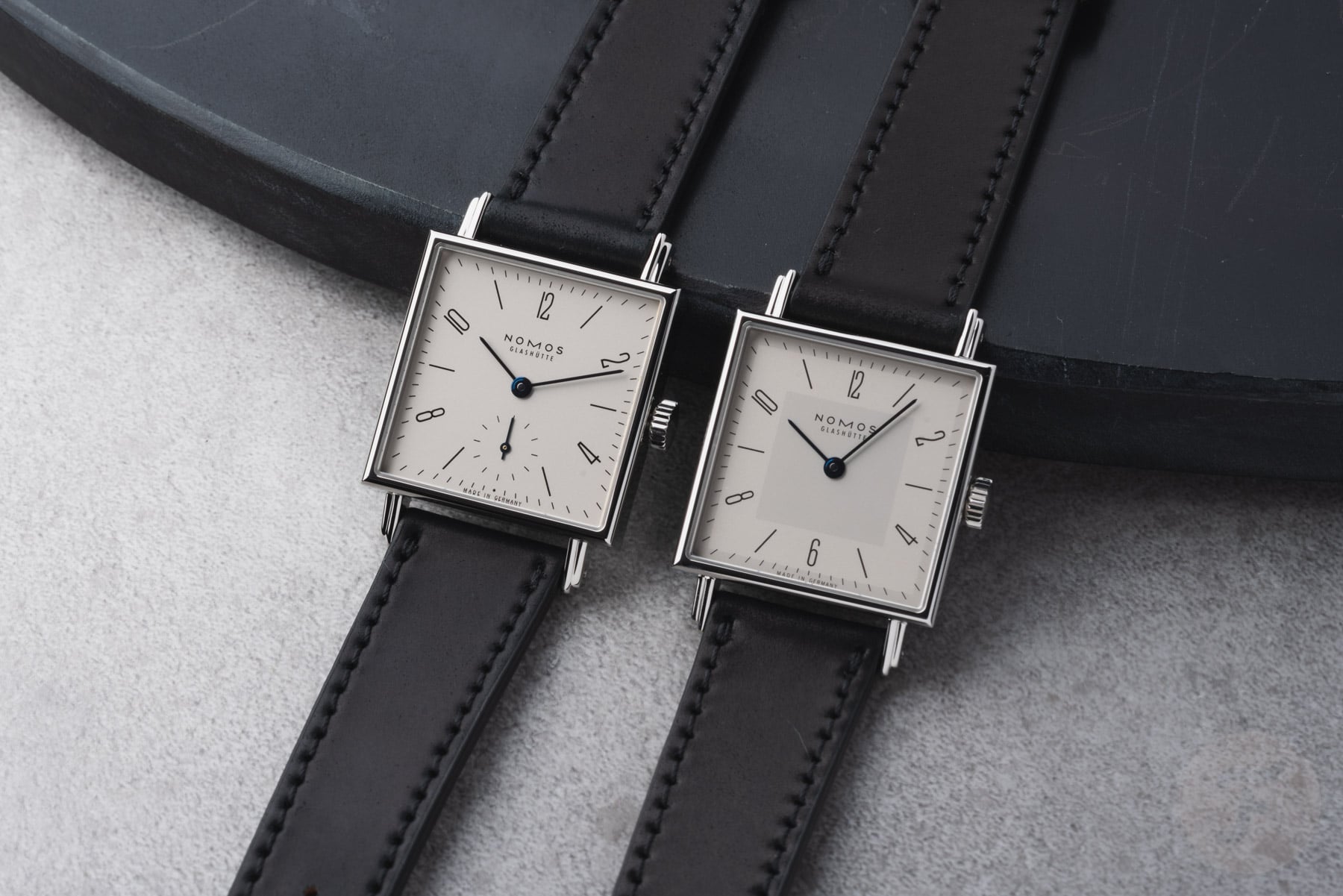
Nomos is very dear to my heart, and the brand’s Tetra collection must be one of my favorites. The clean Bauhaus dial design works so well in these square watches with subtle, almost Art Deco-style lugs. Currently, you can get a Nomos Tetra with either a 27.5mm or 29.5mm case. For this summer, the brand […] Visit The Nomos Tetra 27 Is The Ultimate Style Flex to read the full article.
 WatchRider
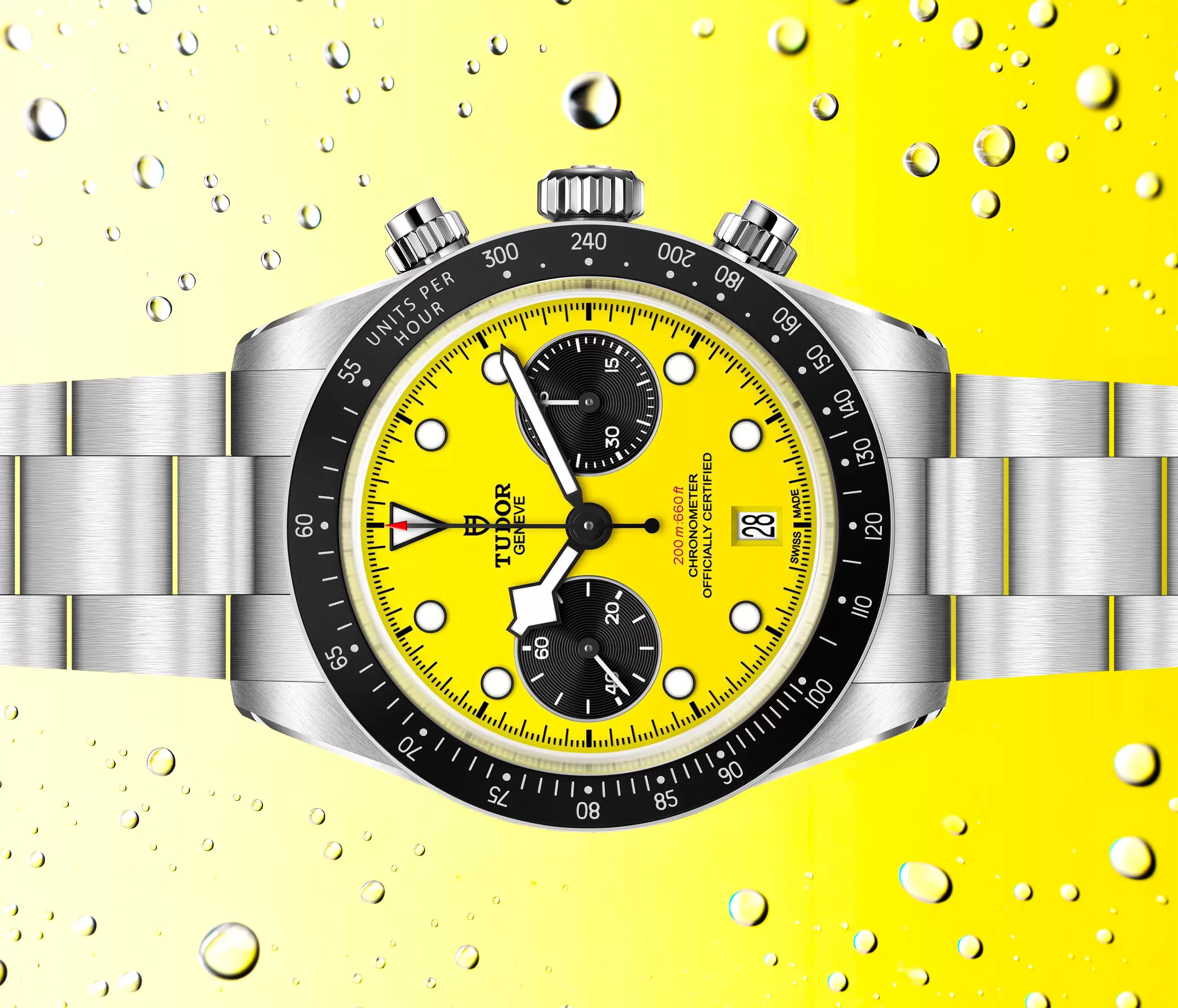
For years, the watch-collecting corners of the internet have echoed with the same tragic lament: “The Tudor Black Bay Chrono is too big! It’s too thick! The sides are too flat!” Honestly, the complaining always cracks me up. I wear the 41mm Black Bay Chrono regularly, and as a woman who supposedly falls into the “needs a smaller watch” demographic, I’ve never once felt like I was lugging around a grandfather clock on my wrist. I think the 41mm wears beautifully. But apparently, enough guys shed tears in the comments sections over those few extra millimeters that Tudor finally decided to pass out the tissues and downsize. Let’s talk about the yellow elephant in the room. Enter the Tudor Black Bay Chrono 39 (M79310N-0001). If you’re going to shrink a watch, you might as well make it loud enough that people still notice it. Tudor absolutely nailed the visual impact here. The watch has quickly earned the “Bumblebee” nickname thanks to its vibrant matte yellow dial heavily contrasted by two black snailed sub-counters. Complete with Tudor’s signature lumed Snowflake hands, a domed sapphire crystal, and a black anodized aluminum tachymeter bezel, it walks a perfect line between vintage motorsport heritage and modern swagger. While I will defend the bold, chunky stance of the 41mm all day long, I have to give credit where credit is due, the engineering on the 39mm case is undeniably impressive. Tudor didn’t just shave 2mm off the width; they completely ...
 Hodinkee
Although the most current form of the Longines Hydroconquest has only been around since March of this year, it comes up in a lot of conversations. Since its release, it has found considerable relevance with the value-focused audience, managing to strike a balance that is becoming increasingly rare – strong enthusiast value from a major brand at a competitive sub-luxury price point. In a space that used to be dominated by Omega (and more recently, Tudor), Longines has stepped up with an offering that checks a lot of boxes, including the fact that this new and nicely proportioned diver rocks a price tag that feels more 2016 than 2026. Launched in 2007 as a dive-themed spin on the brand's longstanding Conquest line, the Hydroconquest has had a handful of generations that progressively refined what started as a quirky diver with oversized numerals, chiseled crown guards, and a characterful hour hand with a diamond-shaped lume plot. Until recently, with the launch of the latest generation, that was the known format of the Hydroconquest. With modern positioning, it was just unconventional enough to stand out among its peers, and the brand's alignment with Swatch allowed for reliable movements, attractive price points, and the chance of local retail availability. An example of a 2018 Hydroconquest in 41mm offered as a US market LE. Then, earlier this year, Longines launched this latest iteration in 42mm and, yes, 39mm. The watch you see here is the 39mm example, and its steel...
 Video
They're out now! Join me and Kai was we talk about the latest releases from Rolex 🔥
 Teddy Baldassarre
We pick some of the best 36mm watches (or thereabouts) out there today, with offerings from brands like Nomos, Tudor, and Zenith.
 Two Broke Watch Snobs
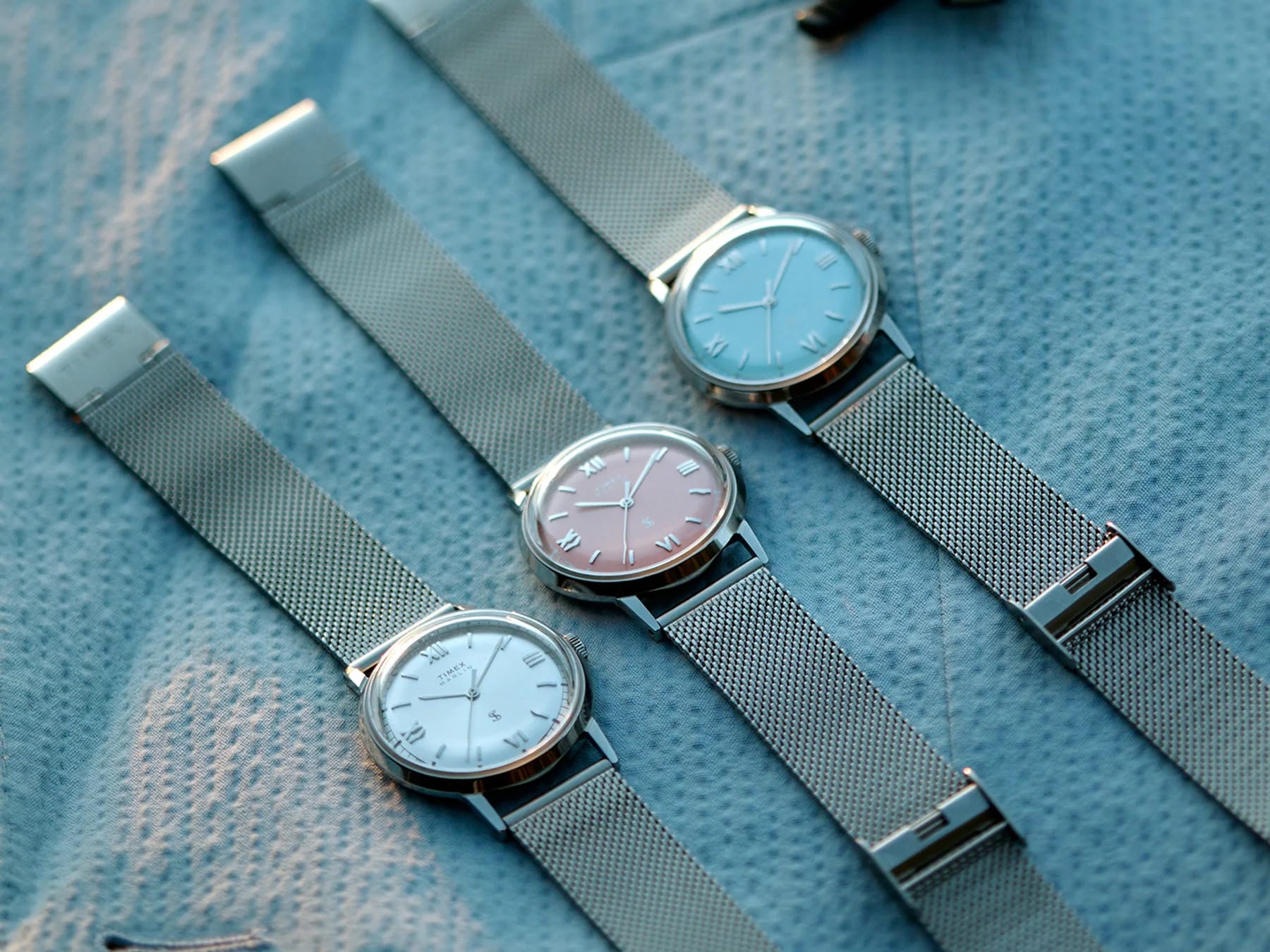
The Timex Marlin Mesh brings back the Milanese bracelet on the classic 34mm case, now with a quartz movement and a $199 price.
 Worn & Wound
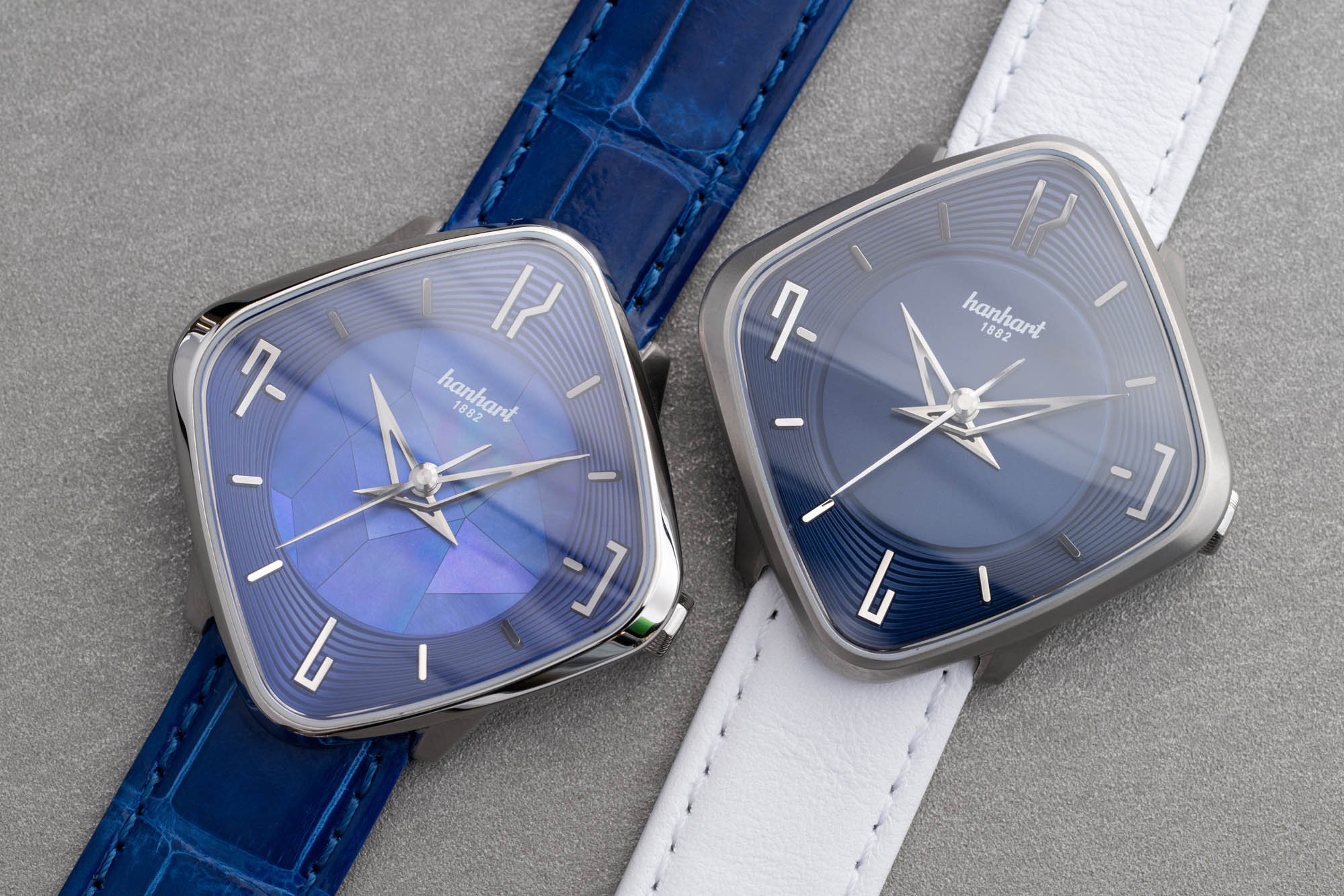
What do you think of when you think of Hanhart? I think it’s fair to say that for most of us, the watches that come to mind immediately are very distinctly tool oriented watches. Aviation inspired chronographs with that iconic red pusher, simple but tough field watches, and maybe a diver for good measure. And while certainly the brand dabbles in more elegant fare from time to time, a shaped design forward watch like the Square by Square feels very unexpected. But maybe it shouldn’t? We are, after all, in a moment where everyone is trying their hand at stone dials, shaped cases, and generally challenging the sensibilities of a market previously laser focused on sports watches. Hanhart, of course, has been around for a very long time, and the Square by Square’s DNA can be traced back to shaped watches in the brand’s extensive archive. This is, however, a completely new design. The brand worked with Marcus Wiedemann, a Munich based designer they have collaborated with previously, on the Square by Square, which was originally an entry in the Dubai Watch Week x Grail Watch Design Competition. The design wound up being named as a finalist in the (very specific) “Most out-of-the-box, innovative yet viable shaped watch design” category. What we have here is a case that at first presents as a square, but tilted so that it sits on the wrist in a diamond shape. The chief design inspiration here, beyond the Hanhart archives, is the idea of “curved spacetime” and th...
 Monochrome
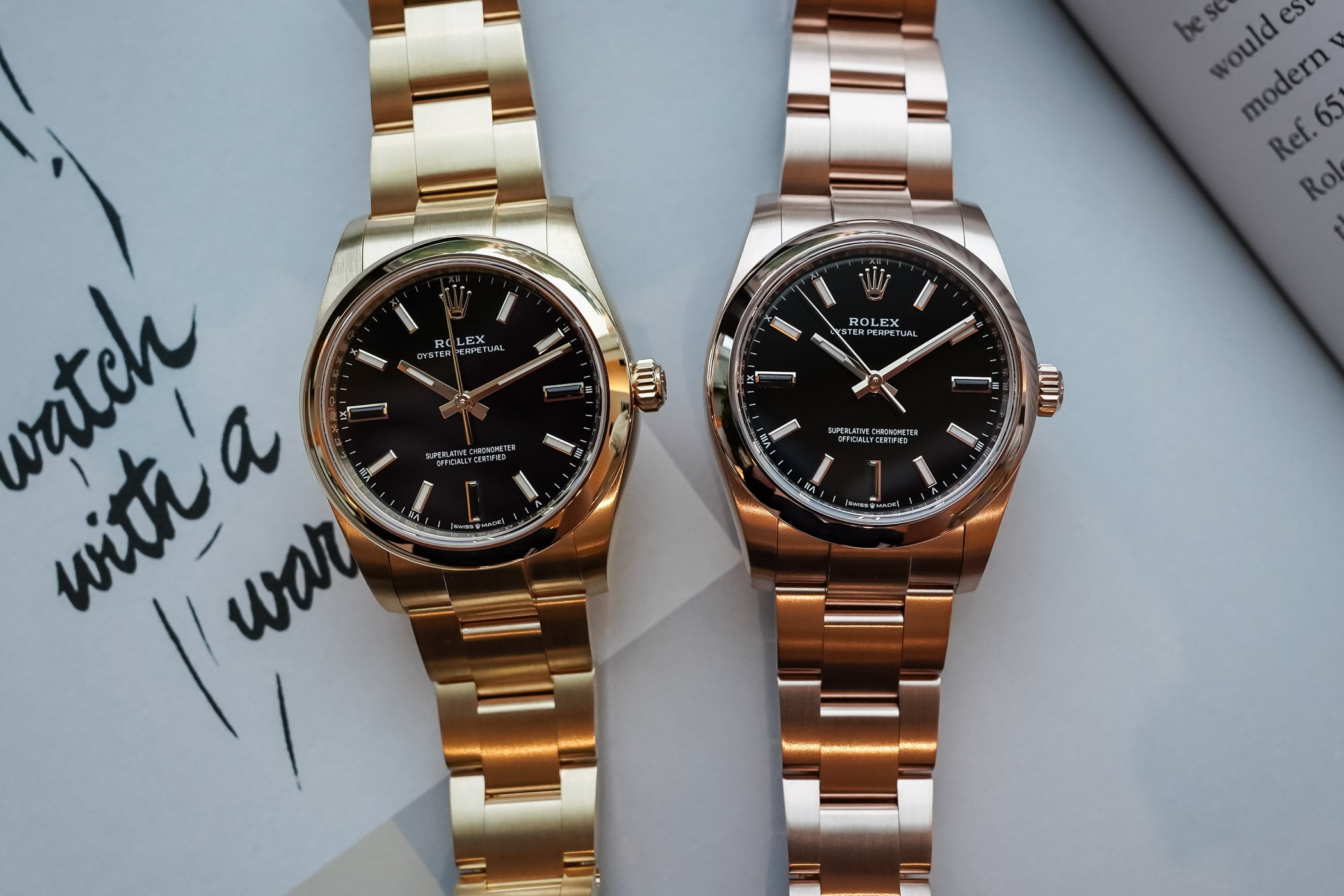
2026 marks the 100th anniversary of the Oyster Perpetual, the game-changing waterproof watch that altered the course of Rolex’s history. Put to the test by British swimmer Mercedes Gleitze as she swam across the English Channel with a gold Oyster on her wrist in 1927, the hermetic Oyster case was further upgraded with a self-winding […]
 Worn & Wound
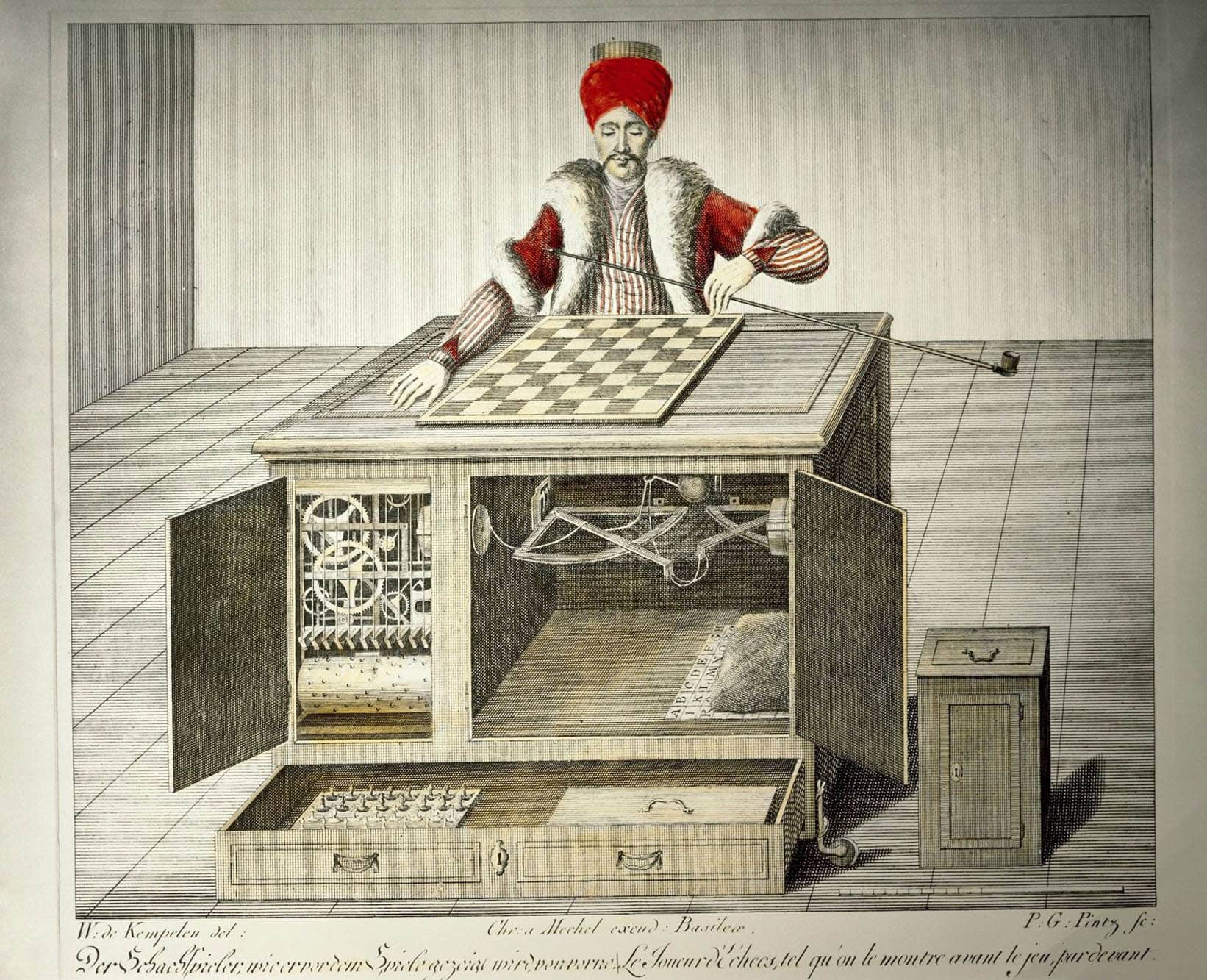
From the imposing astronomical clocks of Tudor England to the exquisite pendant watches of Victorian Britain, timekeeping has long been a symbol of power, prestige, and technological marvel within Europe’s royal courts. This new series explores the fascinating evolution of clocks and watches crafted specifically for royalty, tracing how these intricate masterpieces reflected the tastes, ambitions, and innovations of monarchs. Through the lens of craftsmanship, artistry, and historical significance, we reveal how these royal timepieces marked the passage of dynasties and empires. Maria Theresa was the ruler of the Habsburg monarchy from 1740 until her death in 1780, and the only woman to hold the position in her own right. Though crowned as Archduchess of Austria and Queen of Hungary and Bohemia, her true authority came from willpower, reform, and image-making. Maria Theresa ruled not as a king in disguise, but as a monarch in her own right, one who embraced both tradition and the flux of the Enlightenment. Horology, like art and music, became part of her sovereign language and a way to express her modernising ambitions and cultivated authority. Maria Theresa was born in Vienna on the 13th of May 1717, the eldest daughter of Emperor Charles VI and Empress Elisabeth Christine of Brunswick-Wolfenbüttel. As a child of the Habsburg dynasty, she grew up in the Hofburg Palace (below) surrounded by the rituals and splendour of imperial court life. Although her father’s hopes ...
 Video
Ever wonder how luxury watch brands really operate behind the scenes? In this video, I pull back the curtain and expose the hidden truths that collectors rarely see. From influencer and celebrity partnerships to “li...
 Fratello
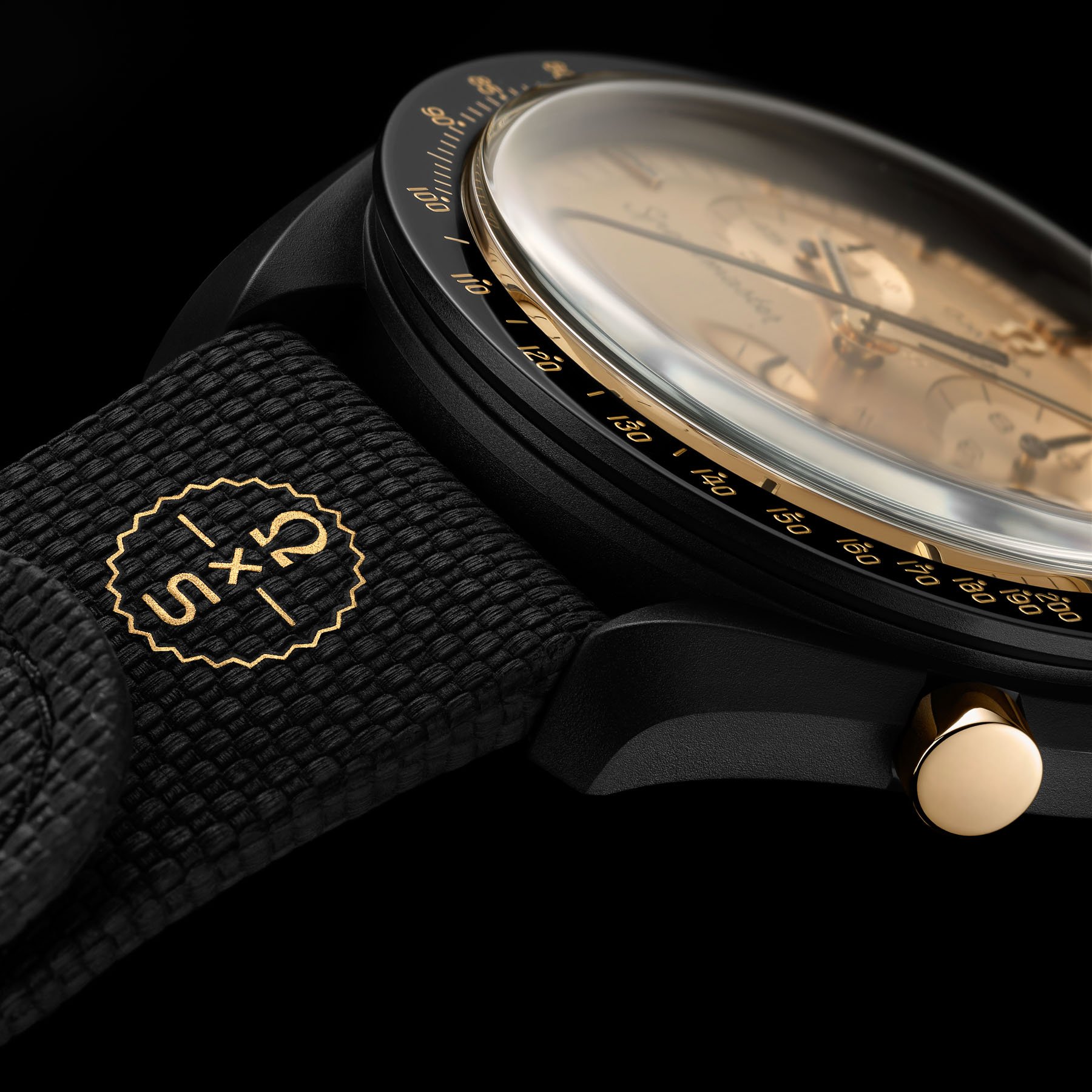
If you clicked on this article, it probably means that Swatch didn’t select you as one of the 1,969 lucky people who can buy the MoonSwatch Mission To The Moon 1969 with its Moonshine Gold dial, hands, and pushers. If it is of any comfort to you, none of us at Fratello got one either. […] Visit Didn’t Get Picked For The MoonSwatch 1969? Here Are Five Watches You Can Buy Instead to read the full article.
 Hodinkee
Chopard came out of Watches and Wonders this year swinging by simply introducing a new colored dial in the L.U.C. 1860, and perhaps it was a great indicator that sometimes, a show-stealer need not be a new mechanical innovation, but rather a refinement of an already great watch. But I would be remiss not to also talk about another release I loved seeing from the brand this year—also really just a new colorway in a limited run of 250 pieces—that I think has not gotten nearly enough love. The Chopard L.U.C Time Traveler One ref. 168574-3013, in ceramicized titanium with a khaki green dial, marks a decade since the Time Traveler One's original introduction back in 2016. While the overall design of the worldtimer hasn't really changed, the brand hasn't held back in its use of different colors and metal variations for the model, leading to a varied back catalog for this single watch. This new version, with its combination of matte grey, green, and yellow, stands out quite a bit in Chopard's L.U.C lineup. It's the only L.U.C currently in production with a travel complication, and its understated, slightly rugged look literally contrasts with the generally polished, dressy executions of the other L.U.C models. That industrial vibe is thanks to the all-matte, sandblasted dark grey look of the ceramicized grade 5 titanium used for the 42mm by 12.09mm case, including both crowns—the one at 2 o'clock sets the local time and the date, while the crown at 4 o'clock adjusts the cit...
 Fratello
Welcome to another episode of Fratello On Air! This week, Mike is in Florida, and Balazs is in Hungary. But we’re here for you! In today’s discussion, we tackle a listener suggestion. We’re talking about entry-level watches and how brands approach this. Hint: it’s very different today, with greater expectations from the buyer. This podcast […] Visit Fratello On Air: Rethinking The Definition Of Entry-Level Watches to read the full article.
 Monochrome
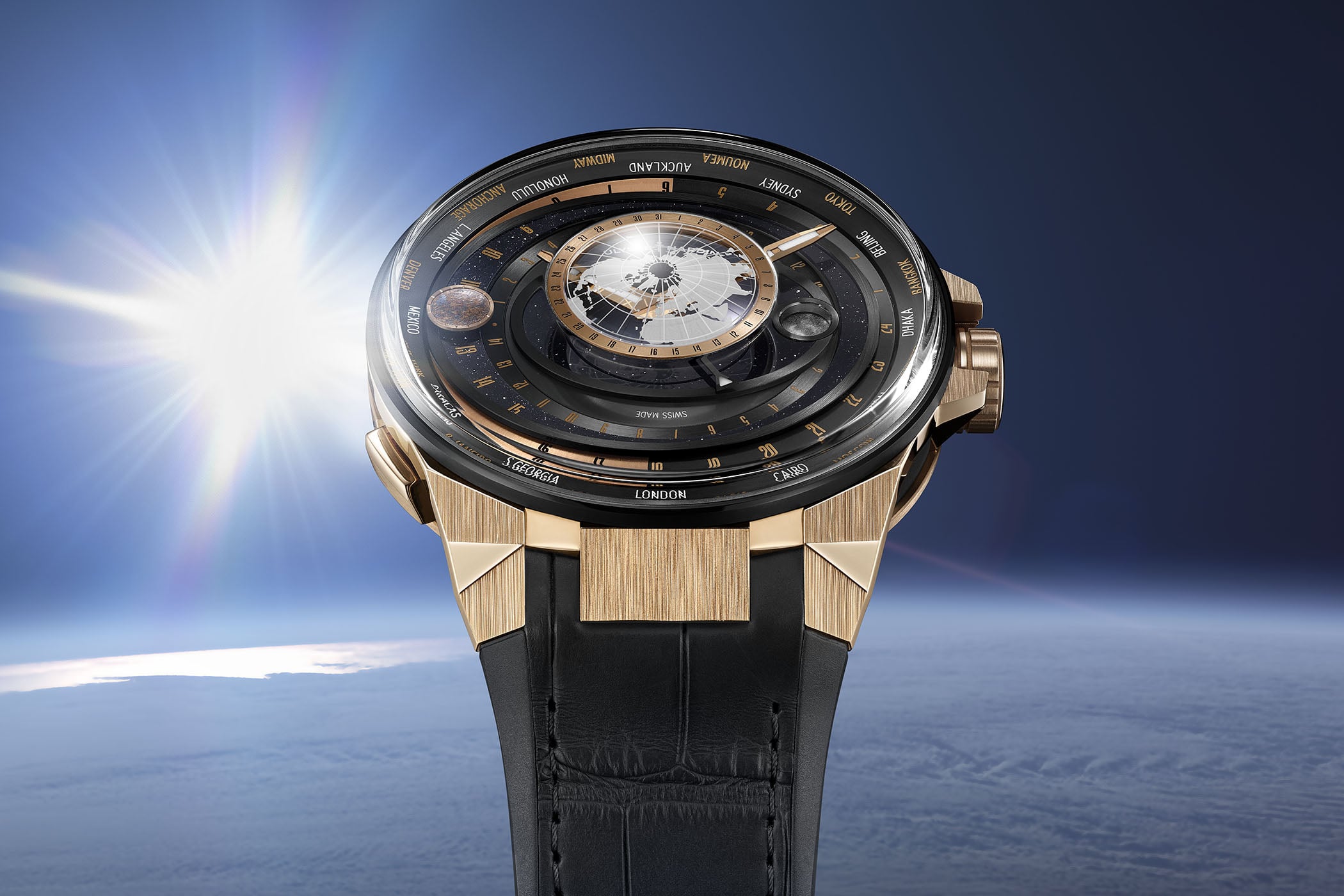
Astronomical watches are part of Ulysse Nardin‘s identity, and Dr Ludwig Oechslin, like no other, shaped this chapter of the manufacture’s history. Shortly after entrepreneur Rolf Schnyder acquired the brand in 1983, he challenged the Swiss astronomer, mathematician and watchmaker to create a wristwatch capable of displaying the movements of celestial bodies. The result was […]
 Fratello
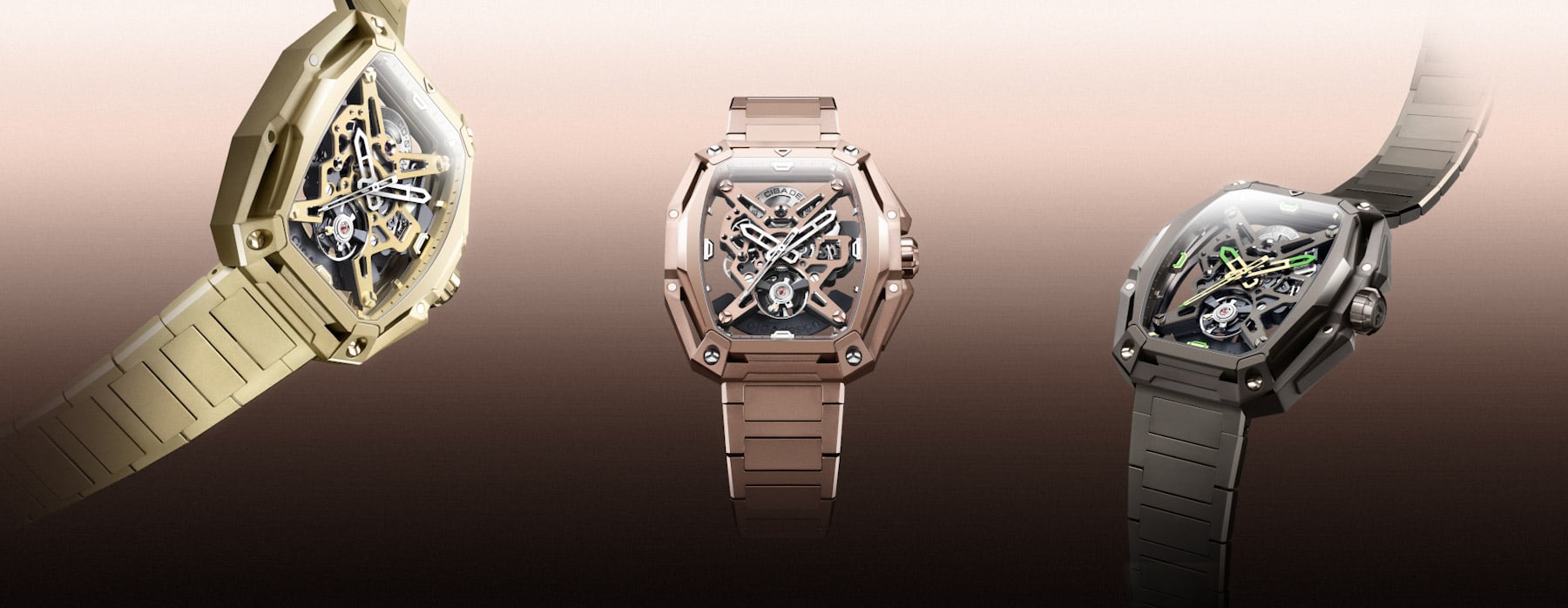
The Chinese watch brand CIGA Design expands its most industrial line, the Hunter, with warmer tones. New Sand Gold, Rose Gold, and Brown Gold configurations allow the new Hunter Vintage to soften and bring warmth to the collection’s openworked design. The three colorways draw on visuals recalling the grand clock faces of the machine age, […] Visit CIGA Design’s Warmer Take On Its Most Industrial Line — The Hunter Vintage to read the full article.
 Video
For many years, I have brought up the debate between Rolex watches vs other luxury watch alternatives such as Omega. Today, this watch collector discussion still lives on, though perhaps it is time to consider trying...
 Monochrome
The Citizen Tsuyosa is one of the strongest contenders in the affordable automatic sports watch segment. Launched in 2022, the collection has steadily expanded with new sizes, colours and specifications, most recently gaining a more adventurous personality with the 100m water-resistant Tsuyosa Shore, equipped with a rotating bezel. Now, Citizen combines the sporty design of […]
 Monochrome
Recent financial statements by industry institutions and groups have been on the positive side, with what seems to be a comeback of growth, after a couple of rather difficult years for the watch industry. Indeed, Richemont reported sales up by 20% for its first quarter of 2026, the Swatch Group indicated sales up 8.5% in […]
 Fratello
Making a dive watch stand out today is genuinely tough. The archetype has been reinterpreted so many times that most releases blur together. The Aera D-1 Diver, however, managed to catch my attention with its less-is-more design philosophy. This modern diver uses fairly minimalist visual cues and combines them with a beautifully sculpted case. Add […] Visit A Promising First Encounter With The Updated Aera D-1 Diver to read the full article.
 WatchAdvice
The Zenith Defy Extreme Ultraviolet is bold, unapologetically big, and has major wrist presence. And we love it! What We Love The look of the microblasted titanium case with the purple dial and strap The lightweight construction makes it easy to wear The 1/100th second chronograph is a fun complication to play with What We Don’t It is a larger watch that will not fit all wrists The style is not for everyone or everyday wear due to the size, design, and colour The power reserve could be stretched a little more to 60 hours if I’m being picky Overall Rating: 9 / 10 Value For Money: 8.5/10 Design: 9/10 Wearability: 9/10 Build Quality: 9.5/10 The Zenith DEFY Extreme is a cool watch, no matter how you look at it. This is the third DEFY Extreme I’ve been able to wear, and every time I put one on my wrist, it just feels right. Yes, it’s not exactly a technical analysis to start a watch review with, but there’s something about these watches that makes me smile. Last year, when I reviewed the DEFY Extreme Diver Shadow, I found it to be a surprisingly easy-wearing watch thanks to the titanium construction and the way Zenith has crafted the case design and bracelet. It wore exceptionally well on the wrist, although slightly smaller at 42.5mm. The Zenith DEFY Extreme models I went hands-on with last year However, I did then spend some time with the DEFY Extreme Lapis Lazuli with the high-polish two-tone case, which would be the Ultraviolet’s more flamboyant cousin. Agai...
 Worn & Wound
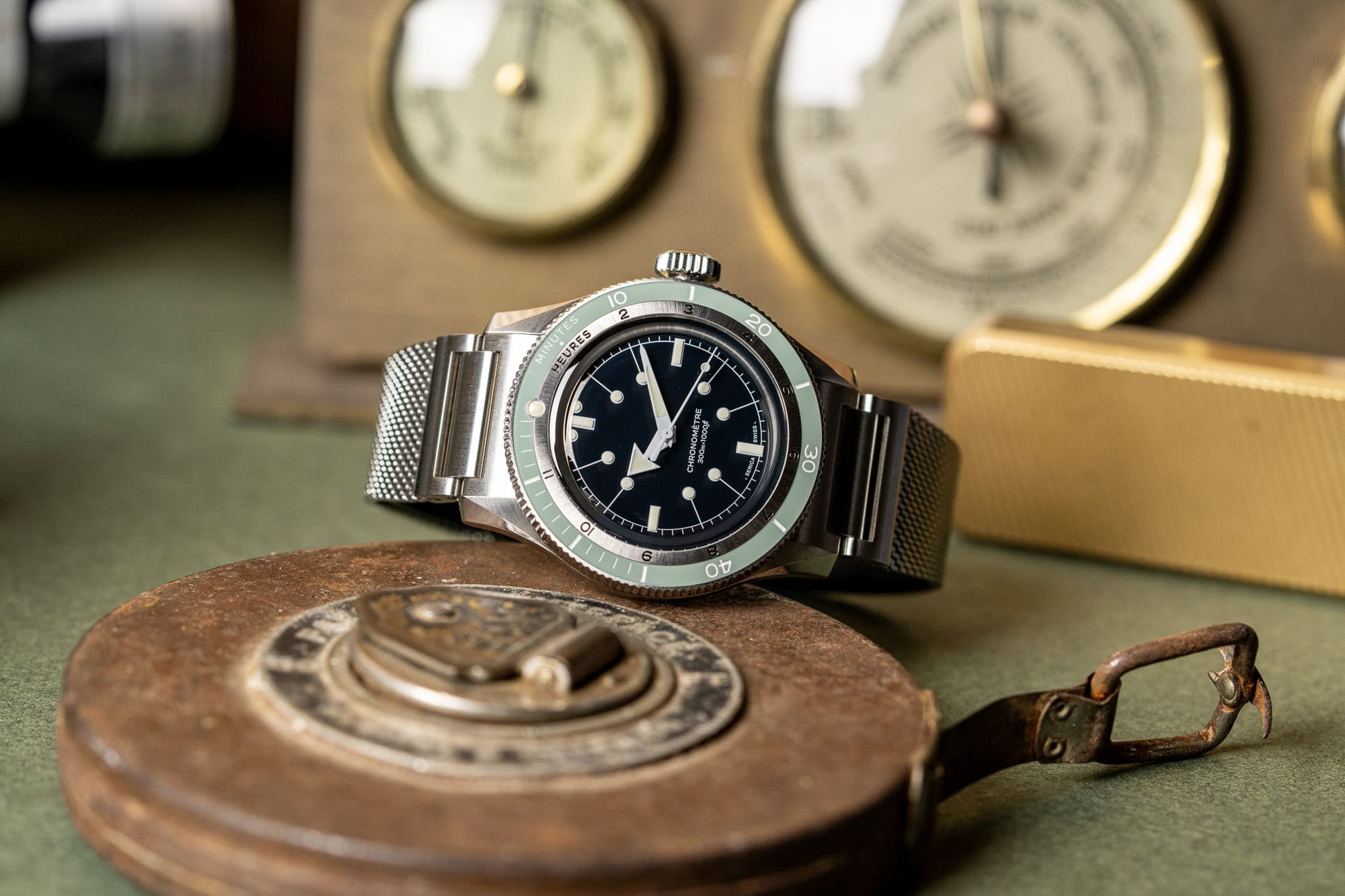
Over the last few years, Serica has emerged as one of these small indies or microbrands that has a real identity, seemingly right out of the gate. We often talk about brand like Ming, or Brew, or SpaceOne as new independents that are approachable and have a very distinct design language that you can recognize from across the room, but those brands have a cheat code of sorts in that they make watches that are unapologetically contemporary, or even looking toward the future. Having a genuinely unique perspective aesthetically when you trade in watches that have a vintage vibe about them is a very different proposition. It’s honestly very tough to think of a brand other than Serica that has attempted to do this and managed to pull it off so effectively. The trick, I think, is that they’ve never attempted to actually recreate anything specific from the past. Rather, they’re inspired by vintage design codes, but feel a sense of freedom to interpret those ideas through their own lens. It’s not a modern lens, necessarily (I think that’s where a lot of brands get tripped up, trying to combine the aesthetic of a bunch of different eras in a single watch), but more of an imagined past, or alternate history. Serica is not the only brand to take an approach like this. Isotope and Albishorn have both worked in a similar fashion in recent years, sometimes explicitly developing an elaborate fictional narrative to explain a watch (as is the case with Albishorn), and sometime...
 Video
In economics, most products follow a basic rule: when prices go up, demand goes down. But Veblen goods do the opposite. Here's why (luxury) watches are the PERFECT Veblen good and what that means for you as a collecto...
 Teddy Baldassarre
Breaking down the best octagonal watches on the market today, from entry-level options to luxury.
 Monochrome
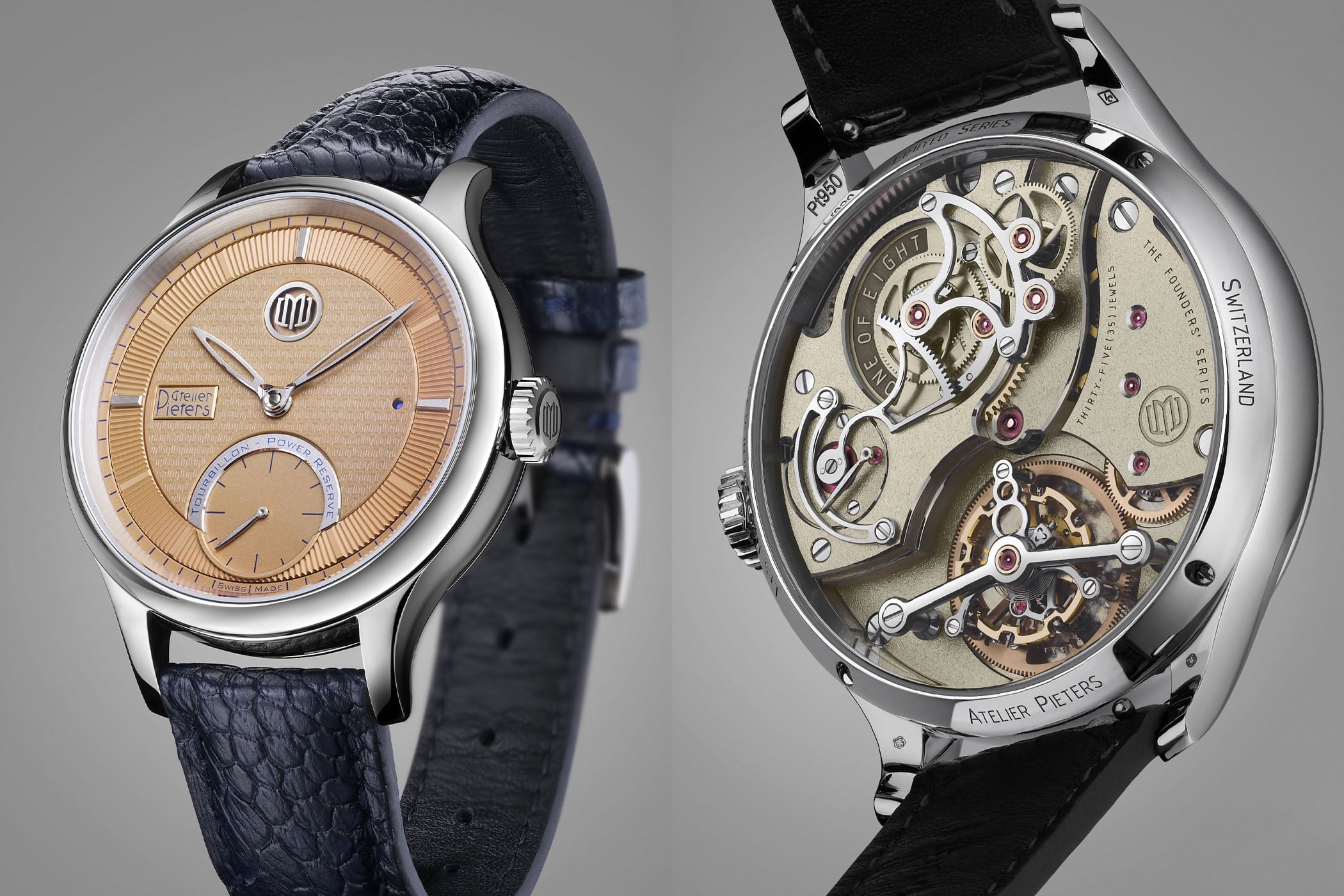
There’s a new indie watch brand on the scene. It seems that we’re telling this story every week. Sometimes, or should I say rather often, these new ventures are coming with pretty fascinating inaugural watches. So is the case of Atelier Pieters, a company founded by couple Maarten and Jessica Pieters. Two watchmakers, one workshop, […]
 Two Broke Watch Snobs
Skip watches that only excel in one setting. Find the best watches for people who want one watch to do everything, from office days to weekends away, and more.
 Hodinkee
In our first addendum to our Reference Points video and story on Patek Philippe split-second wristwatches, we looked at Patek Philippe split-second pocket watches and the brand's relationship with its supplier, Victorin Piguet. Switzerland has (and continues to have) the most robust supplier marketplace for everything from complex movements to dials and cases. In the warmer months of the late 19th and early 20th Centuries, it was easy enough to just send someone on a short journey to the Vallée de Joux with a letter requesting a movement or other parts and receive one a short time later. These établisseurs all had their own specialties, but few were as important as Victorin Piguet. I'd argue it was far more unusual for Victorin Piguet not to be involved in a watch (such as their absence from the La Grosse Pièce project for Audemars Piguet) than to see their name on supplier lists. So what was their impact on wristwatches? In our video, we focused solely on serially produced models (and even then, there were a few we couldn't get our hands on), all of which started after Patek shifted its production more in-house. One thing we didn't discuss, however, was the history of the brand's first split-seconds wristwatches, which used a Victorin Piguet ébauche. It's no understatement that these watches are among the most important in Patek Philippe's history and among the most coveted for vintage-focused Patek collectors. One-off, bespoke pieces, these watches don't exactly fit...
 Hodinkee
Just last week, we published a Reference Points video on the Patek Philippe split-seconds wristwatch. The complication itself—a.k.a. the rattrapante—is incredibly important in the brand's history, forming the backbone for some of its greatest and most coveted watches of all time. However, you can't talk about the history of the split without understanding Patek's pocket watches. It's a story that eventually led to one of the brand's most meaningful relationships with a supplier that helped it grow into a powerhouse, a relationship that would last over a century. Instead of going deep in the weeds on pocket watches in our main Reference Points, we're spinning it off into this secondary article—an addendum of sorts—for those who want a bit more background. The story won't be exhaustive; Patek continued to make split-second pocket watches long after they began making the same complication in wristwatch form, and some such watches deserve (and have had) their own standalone stories. There are also many different versions because Patek, at the time, didn't make things in batches the way they would starting in the 1930s. You could probably write 20,000 words on these pocket watches, but rather than go that deep, here's an overview of Patek's split-seconds pocket watches, with a focus on Victorin Piguet's movements. Understanding Patek's History of Split-Seconds Pocket Watches (1878 to 1970s) and the Importance of Victorin Piguet If you read the first part of our story, y...
 Video
You’re Not Just Selling a Watch, You’re Selling the Life Around It.
Question, suggestion, or just want to say hi? Drop a note.