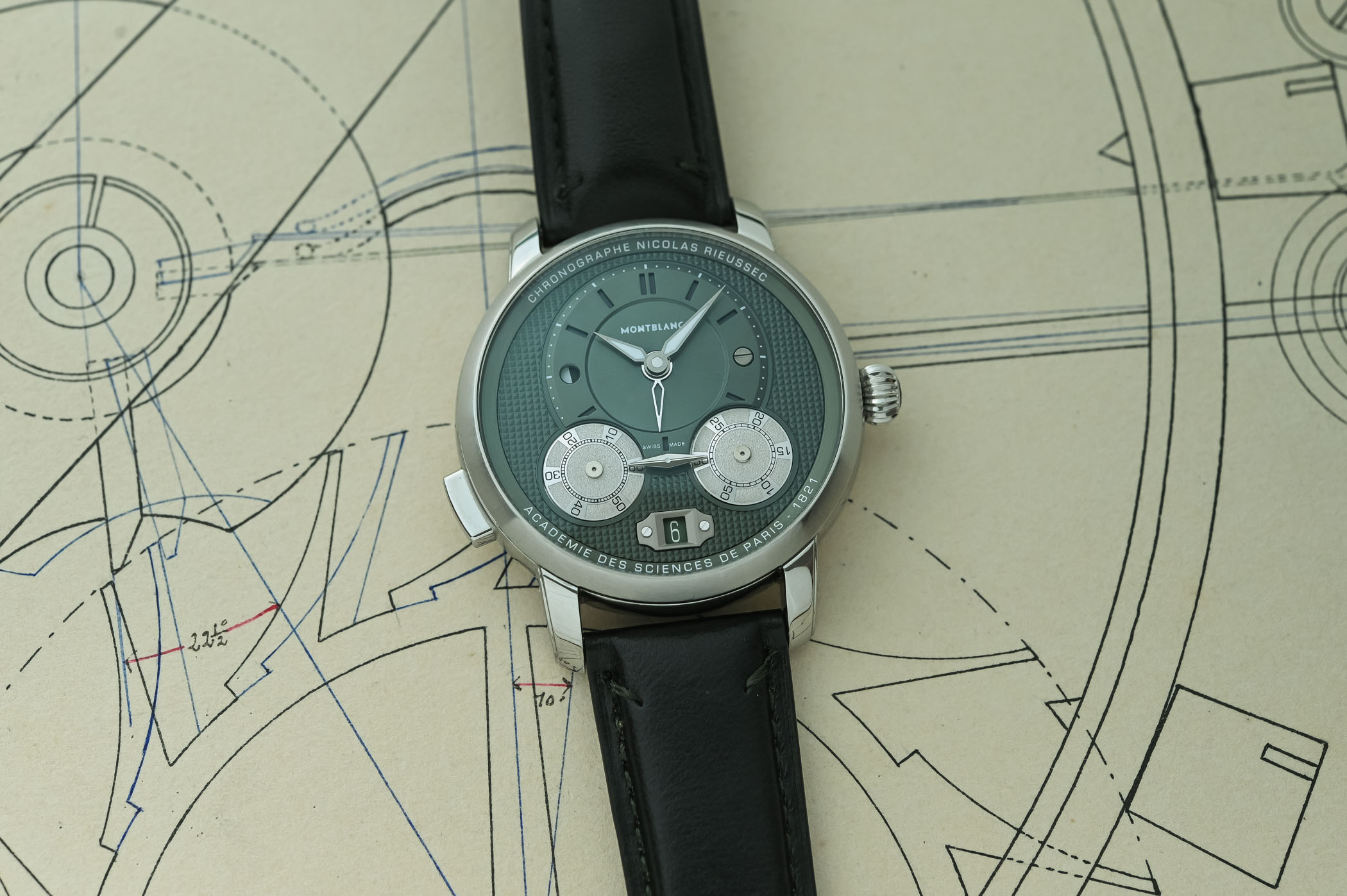
MechaQuartz: The Hybrid Chronograph Movement Explained
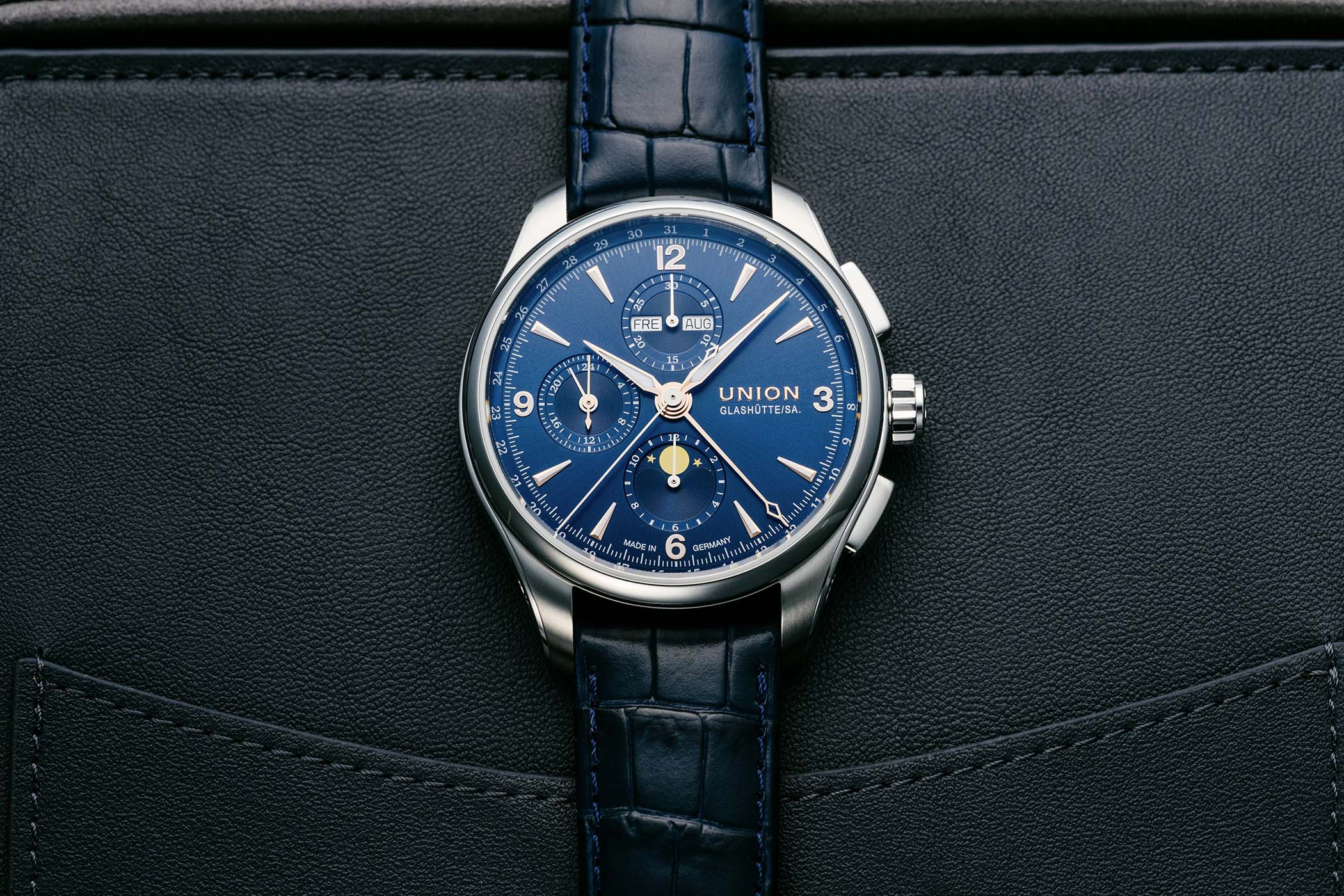
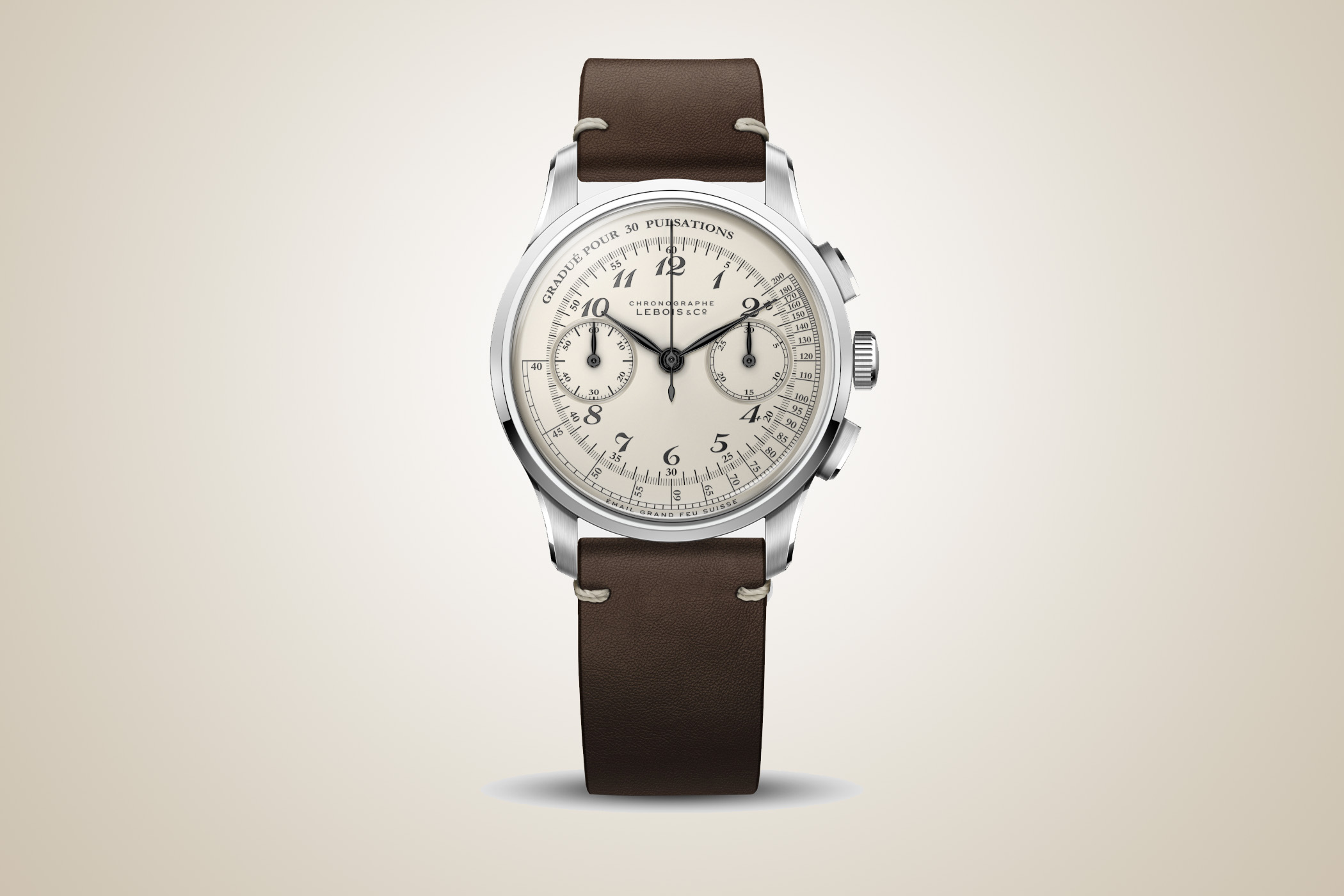
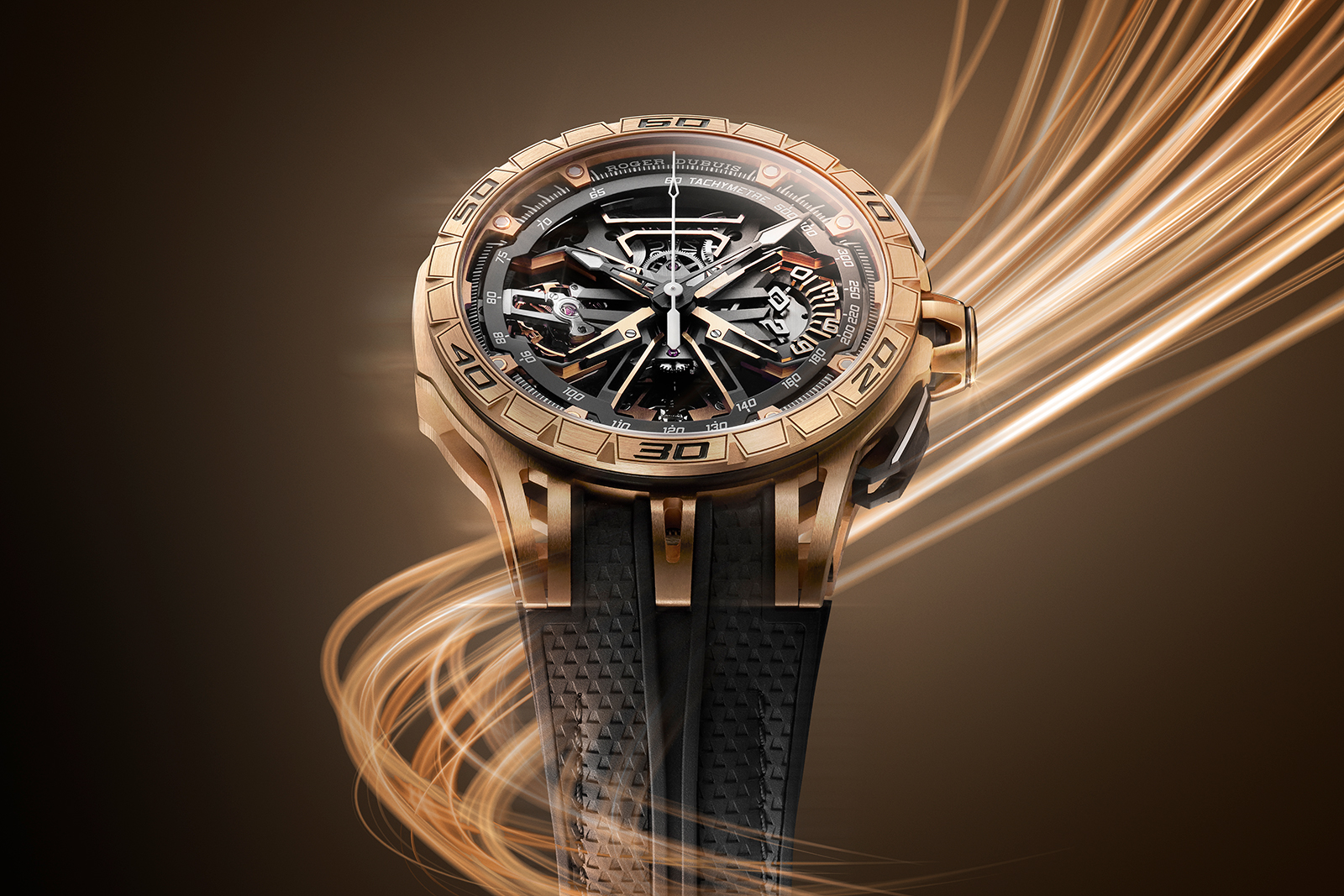
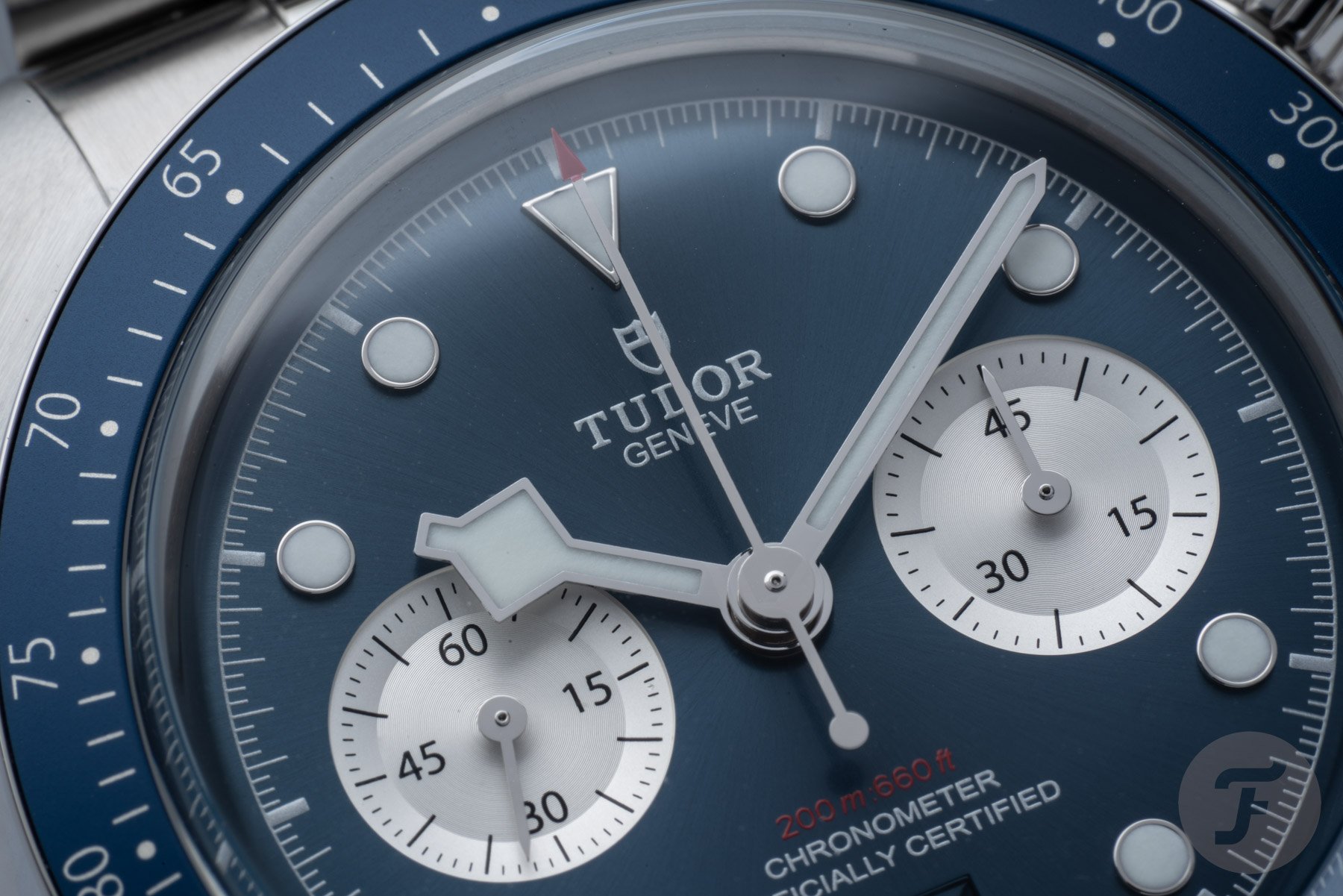
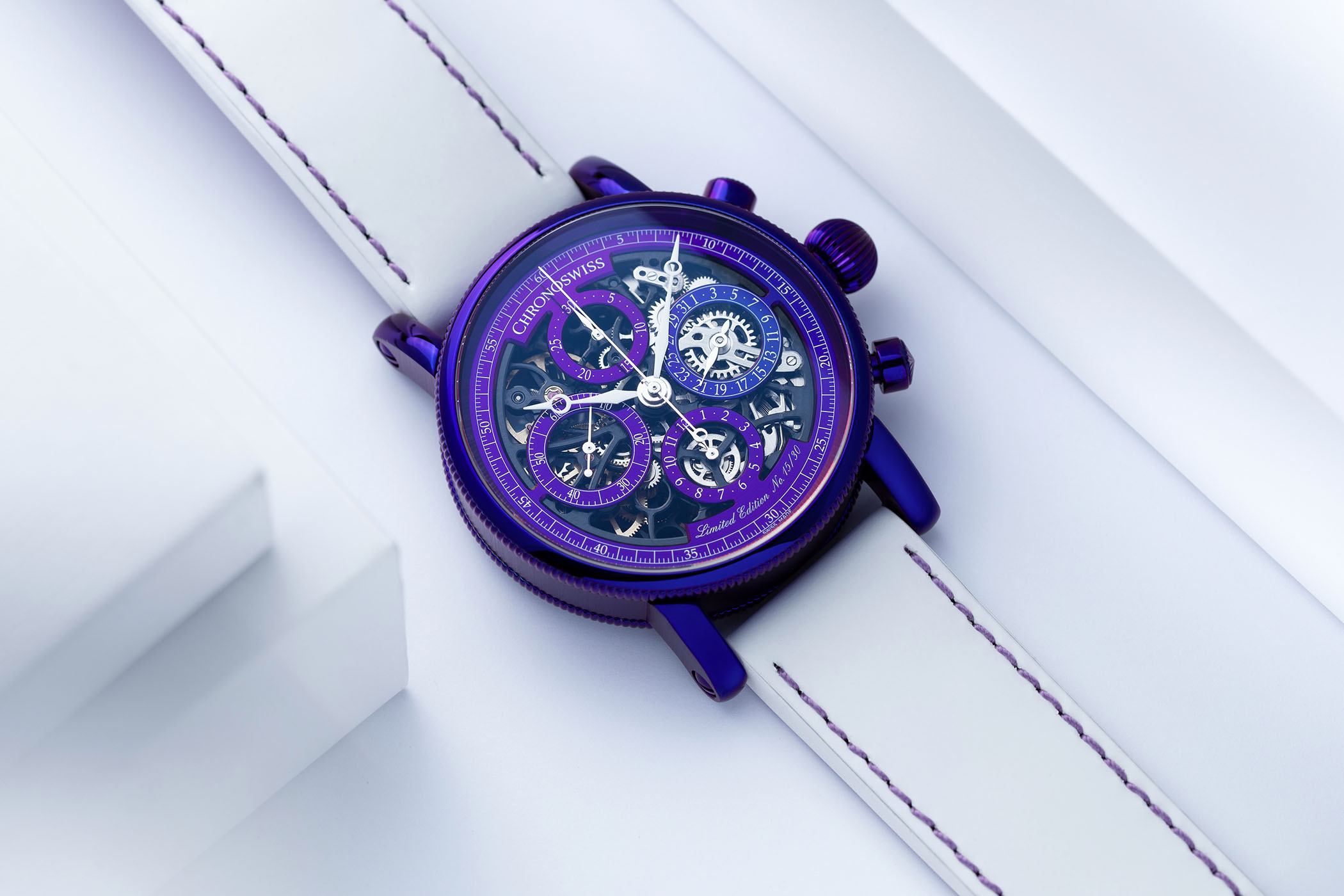
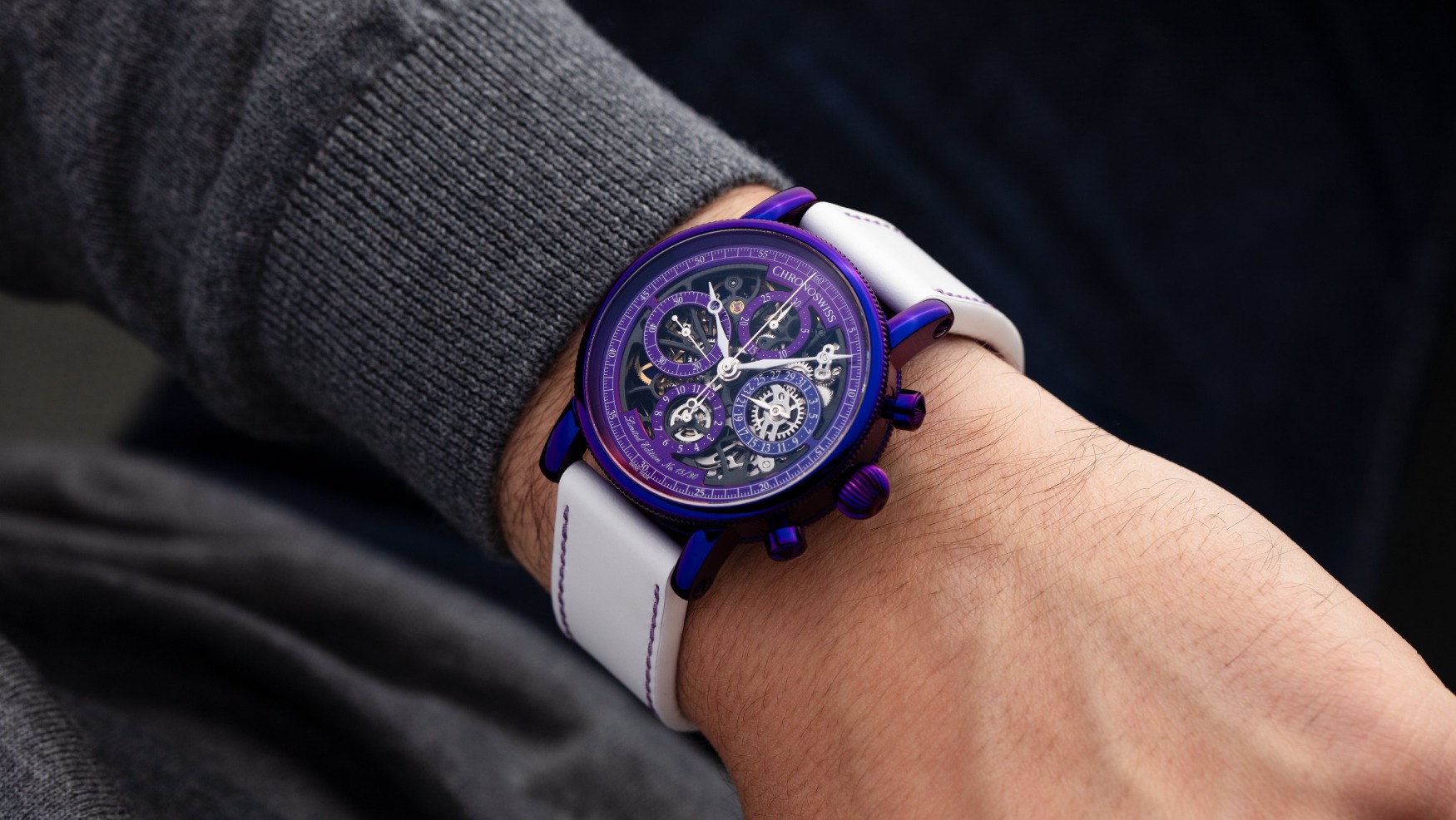
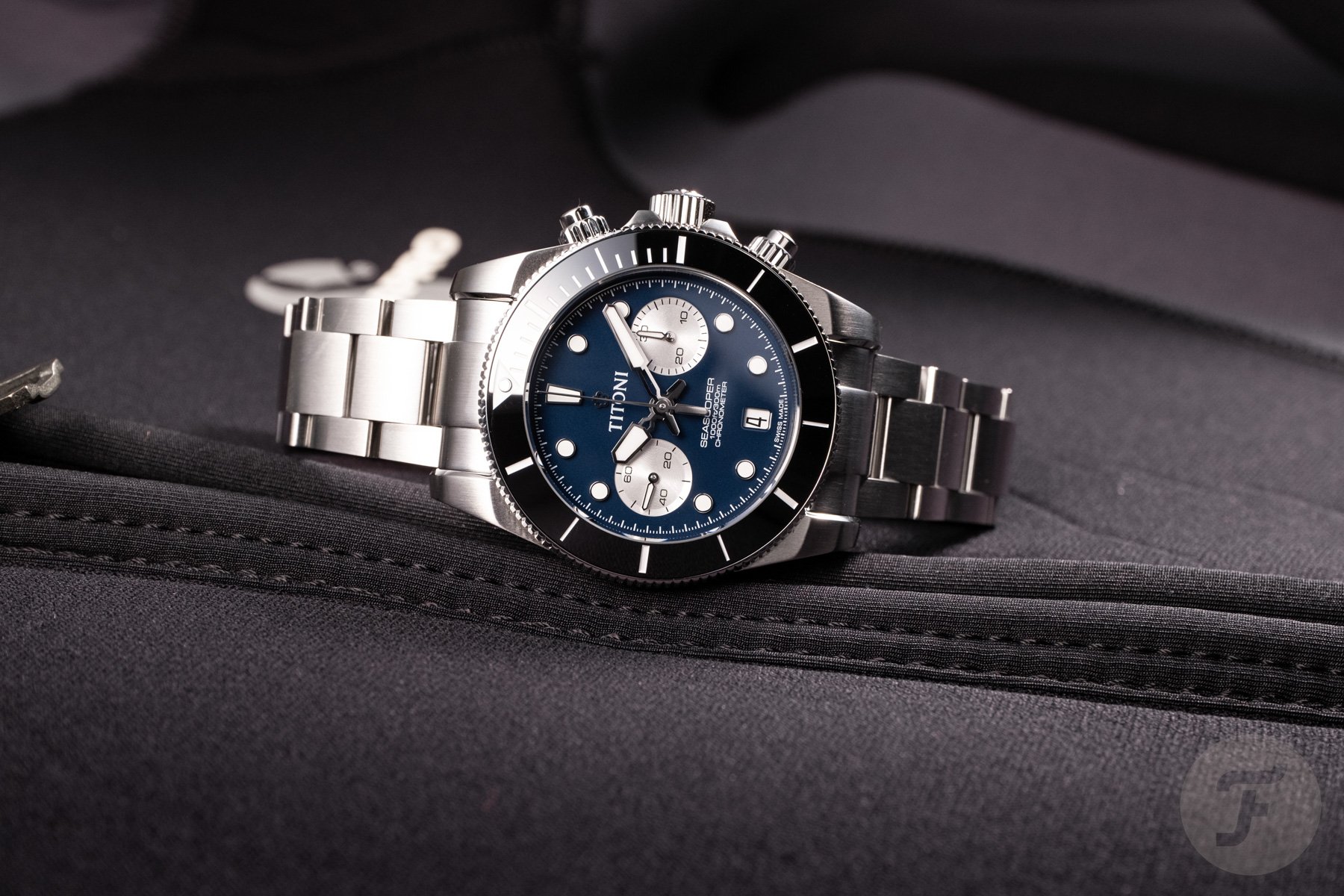
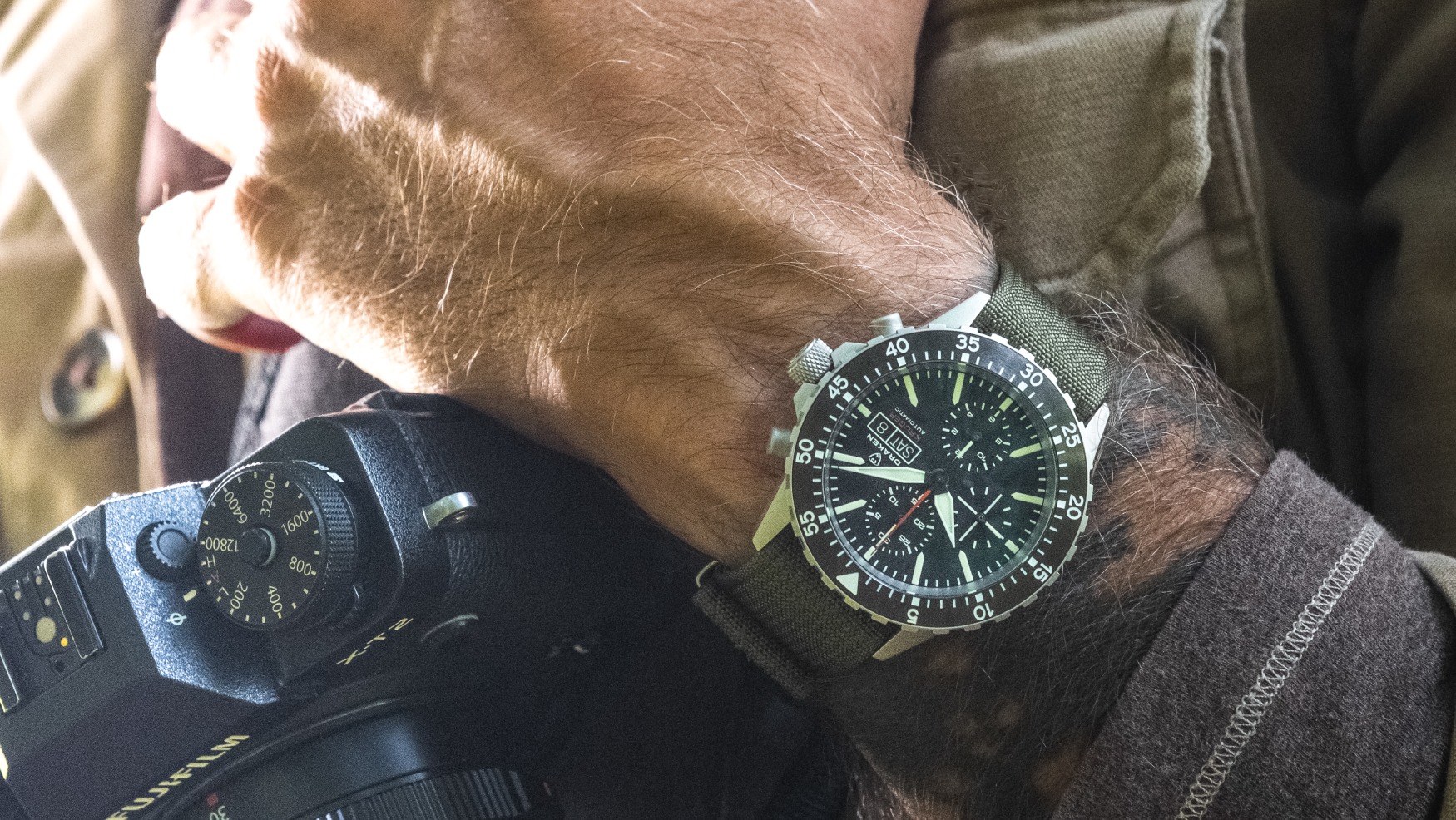
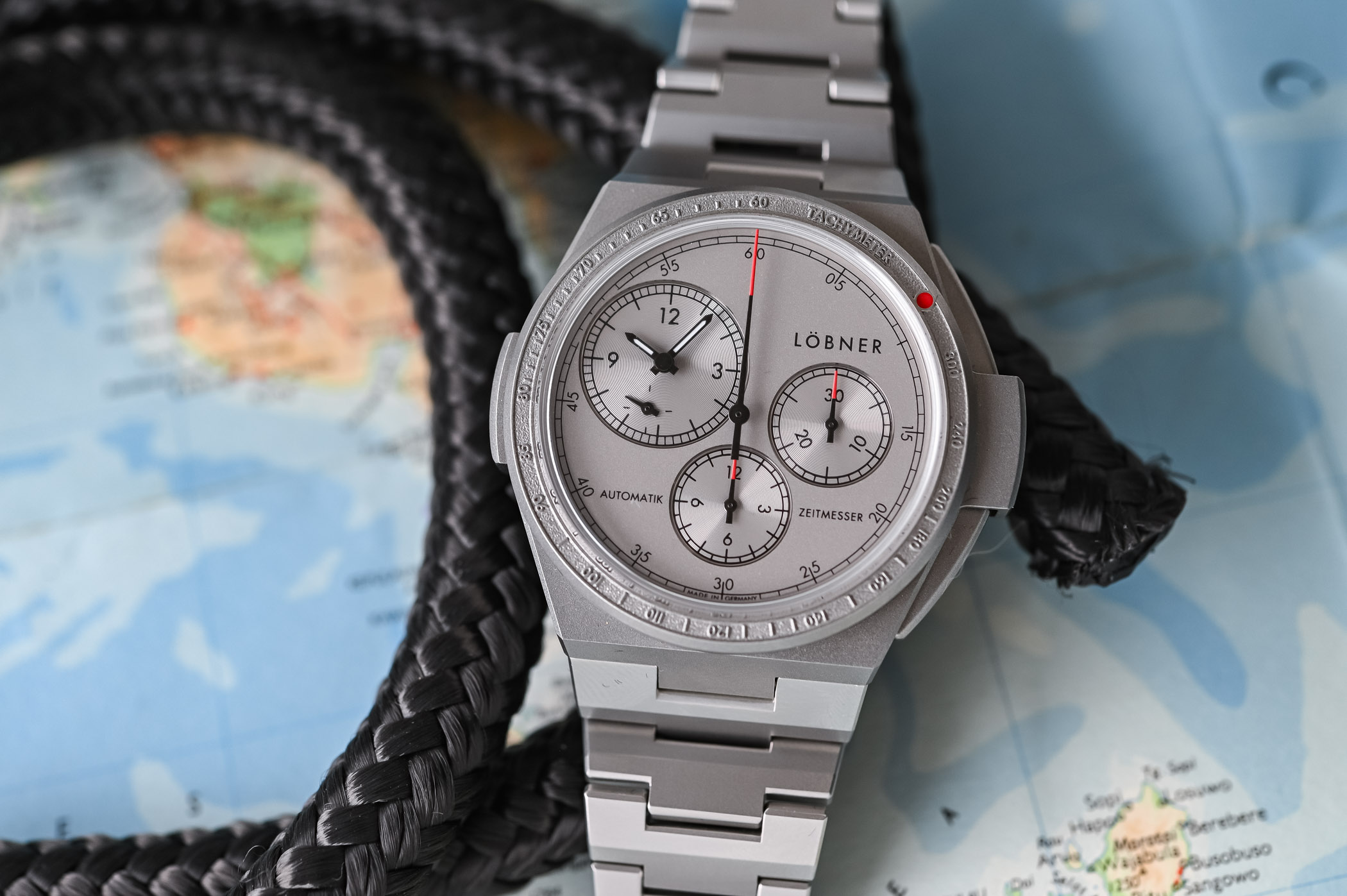
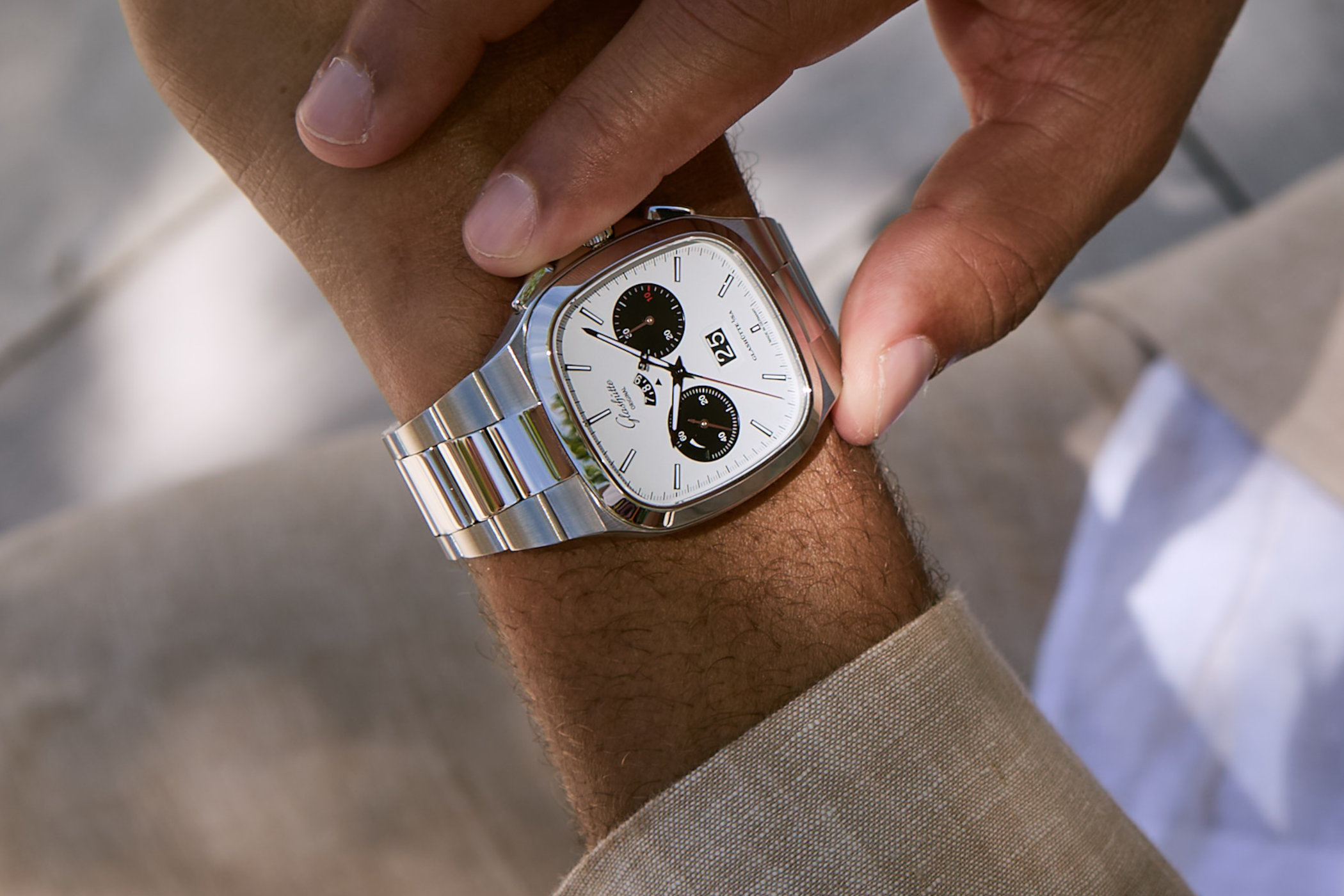
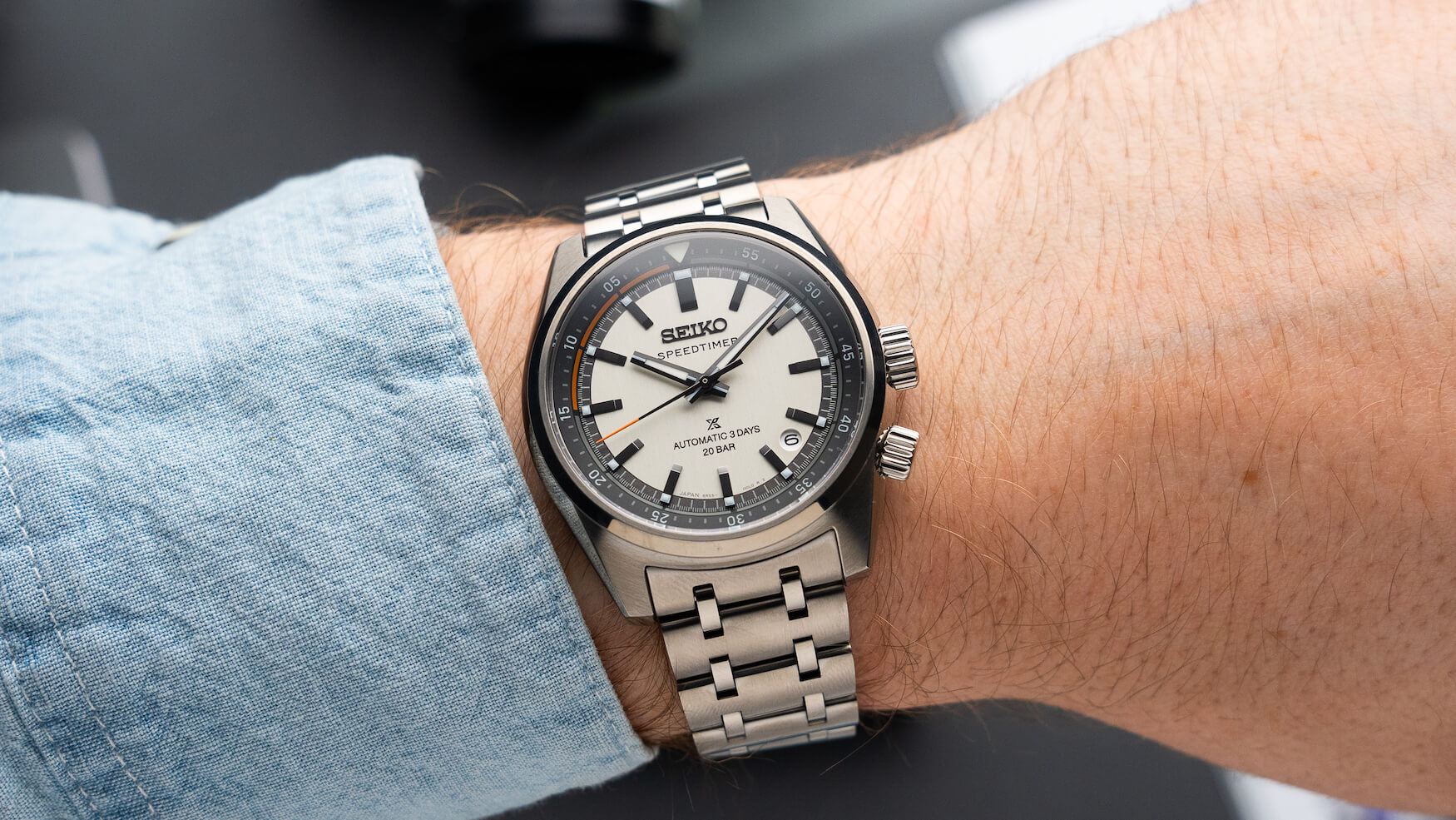
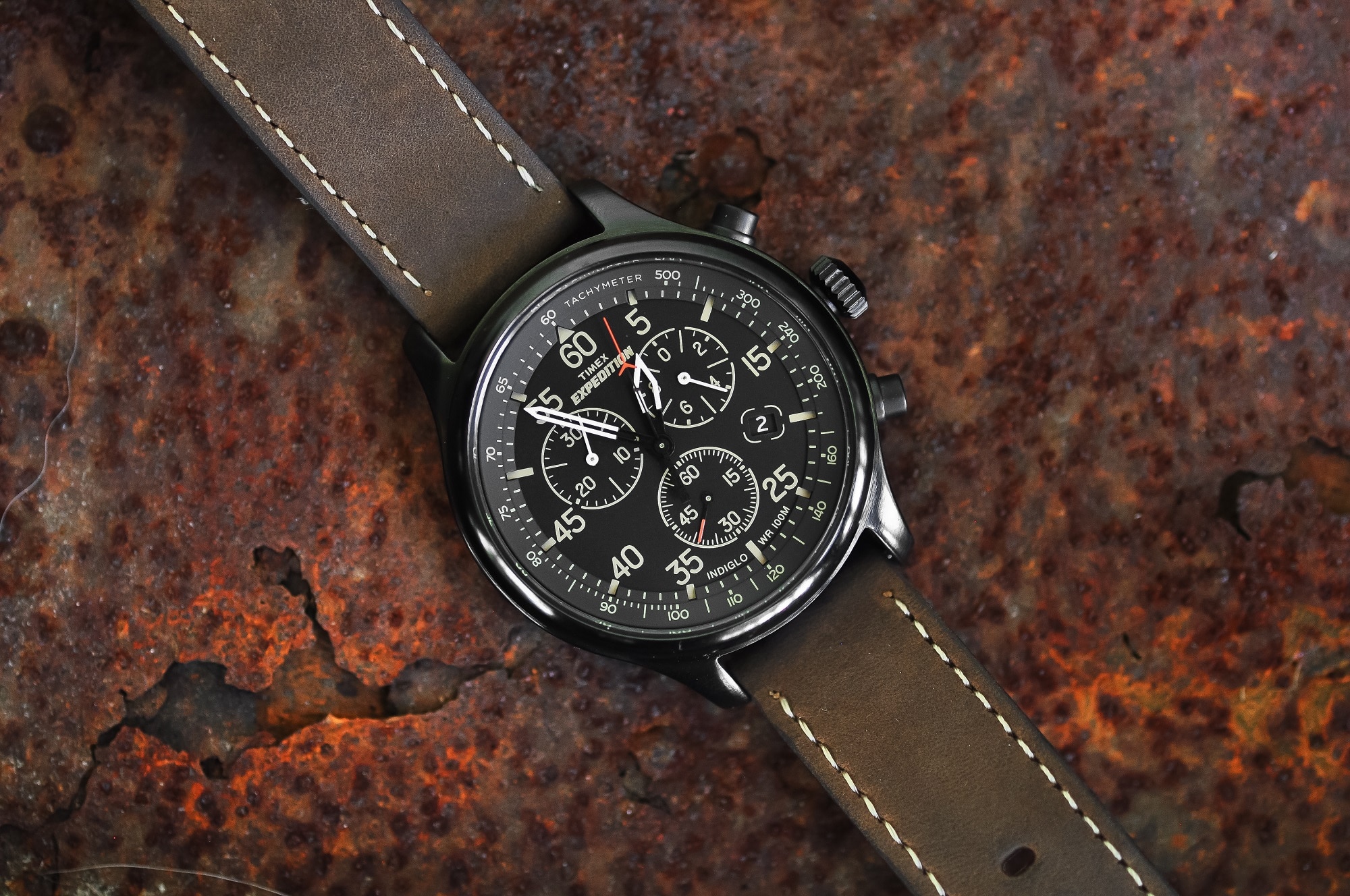
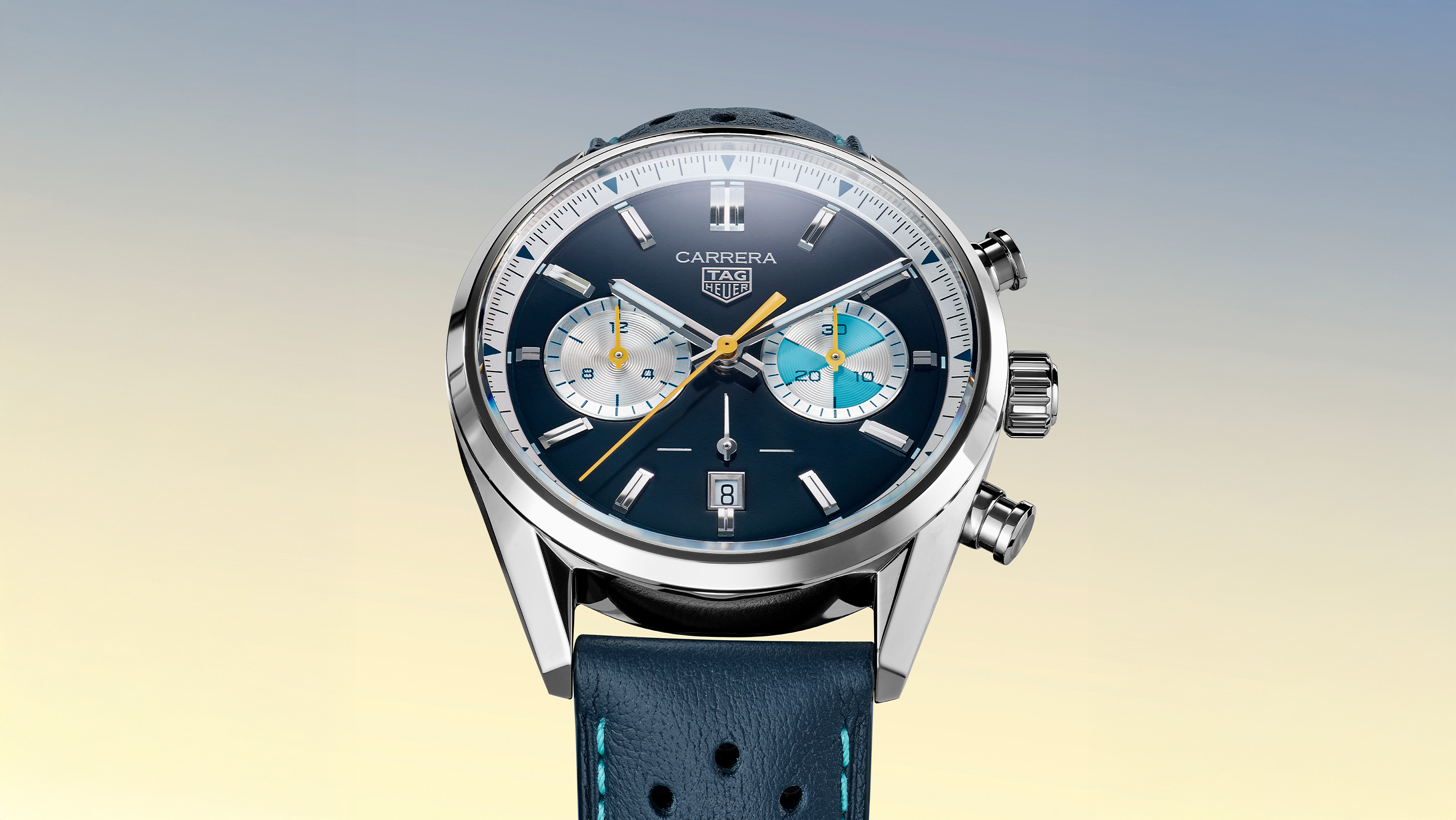
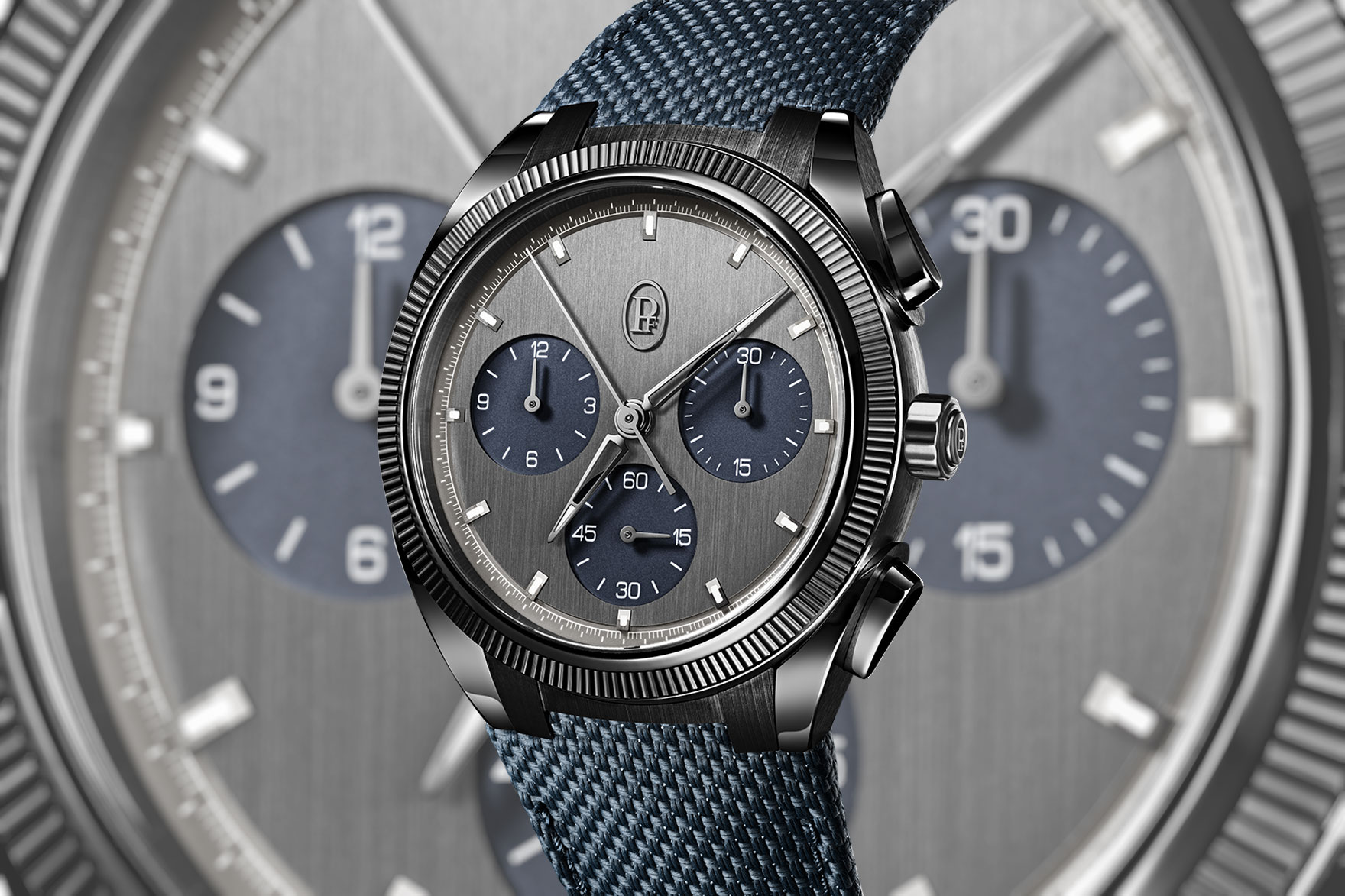
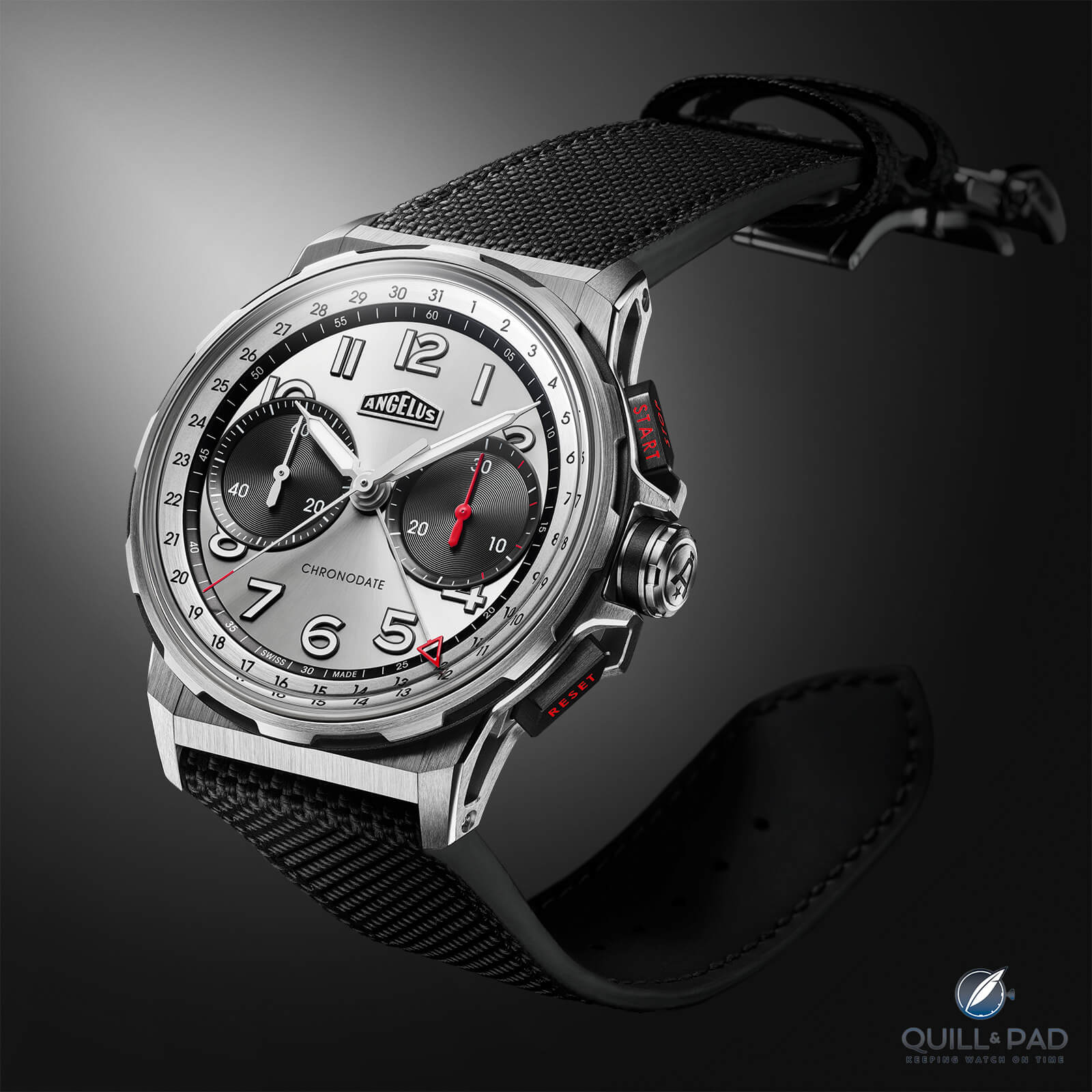
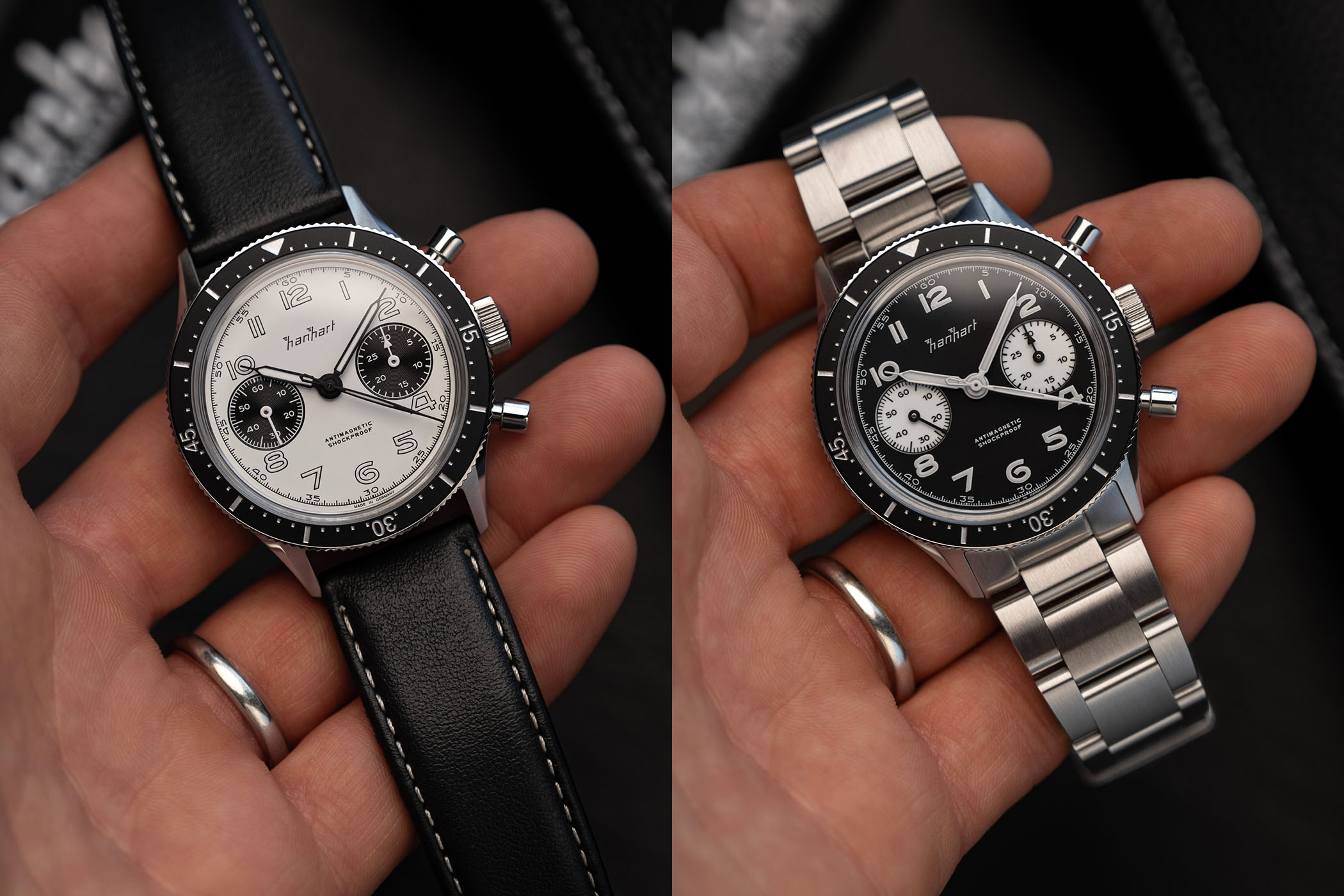
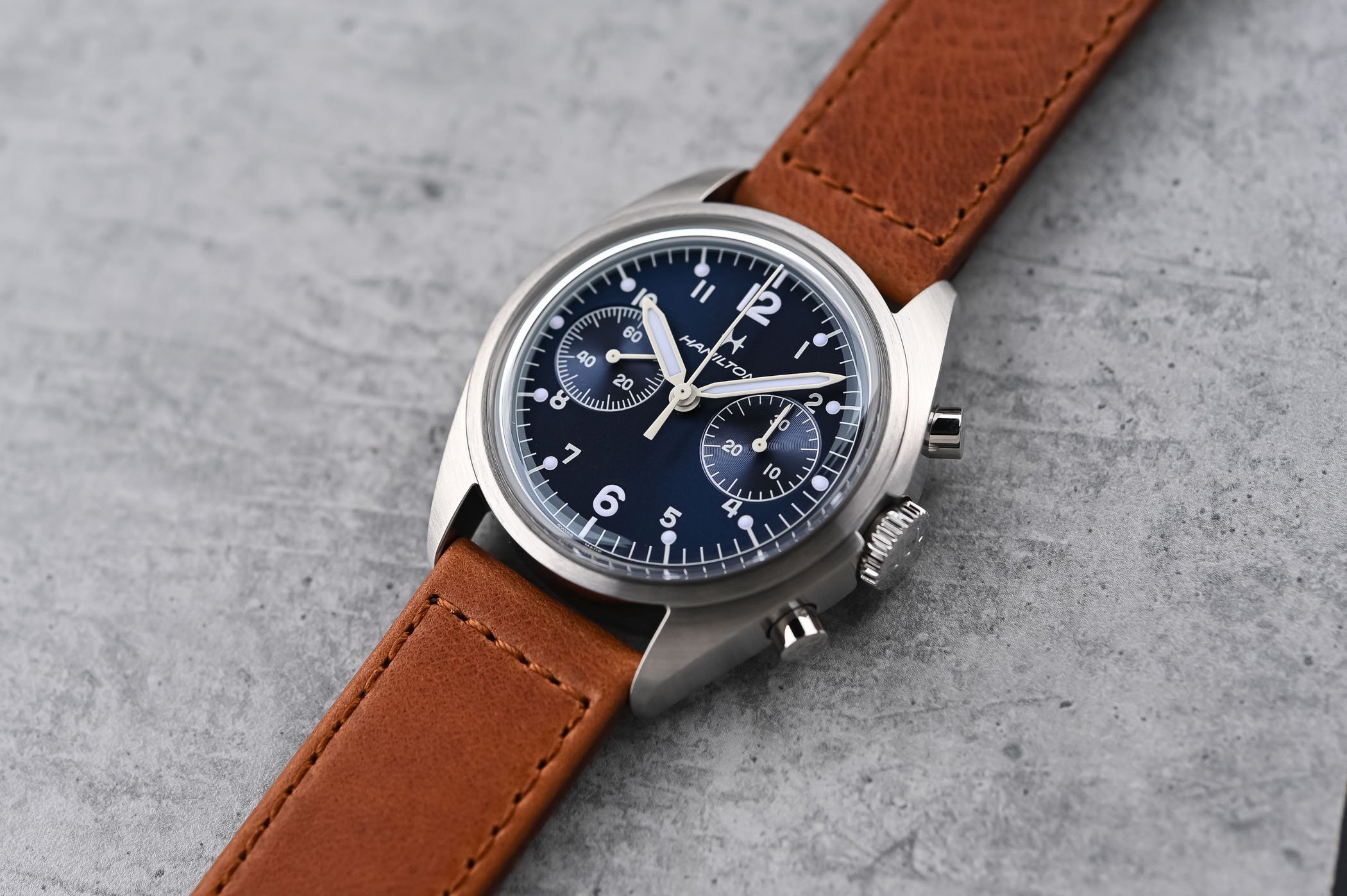
Watches with mechaquartz movements are a small but quietly growing niche within the industry, particularly in the ambitious, creative, and extremely budget-conscious world of small independent watchmaking. Watchmakers have discovered that these “hybrid” movements, which offer quartz-level accuracy along with a dose of mechanical appeal, can often provide the opportunity to make chronograph watches that entice watch enthusiasts while still maintaining the affordable price points that keep their brands competitive. But what is a mechaquartz movement, exactly, and what watch brands are currently offering the most interesting examples of this technology? Read on. What is a MechaQuartz Movement? In a nutshell, mechaquartz (which various brands and other sources have also spelled mecaquartz, meca-quartz, or mecha-quartz) refers to a chronograph movement that combines a battery-powered quartz crystal oscillator for the main timekeeping (i.e., the hours, minutes, and running seconds) with a mechanical module for the stopwatch functions. The latter element ensures that the chronograph seconds hand sweeps smoothly over the dial, as in a fully automatic watch, rather than in short jumps, as it would operate in a fully quartz one, and that the seconds hand will snap back instantly to zero at the end of a time measurement. A mecaquartz movement is often referred to as a hybrid movement, but it’s not a hybrid in the same technical sense as, say, Seiko’s Spring Drive calibers, ...
 Monochrome