Dubai Watch Week Returns - Nov 20-24
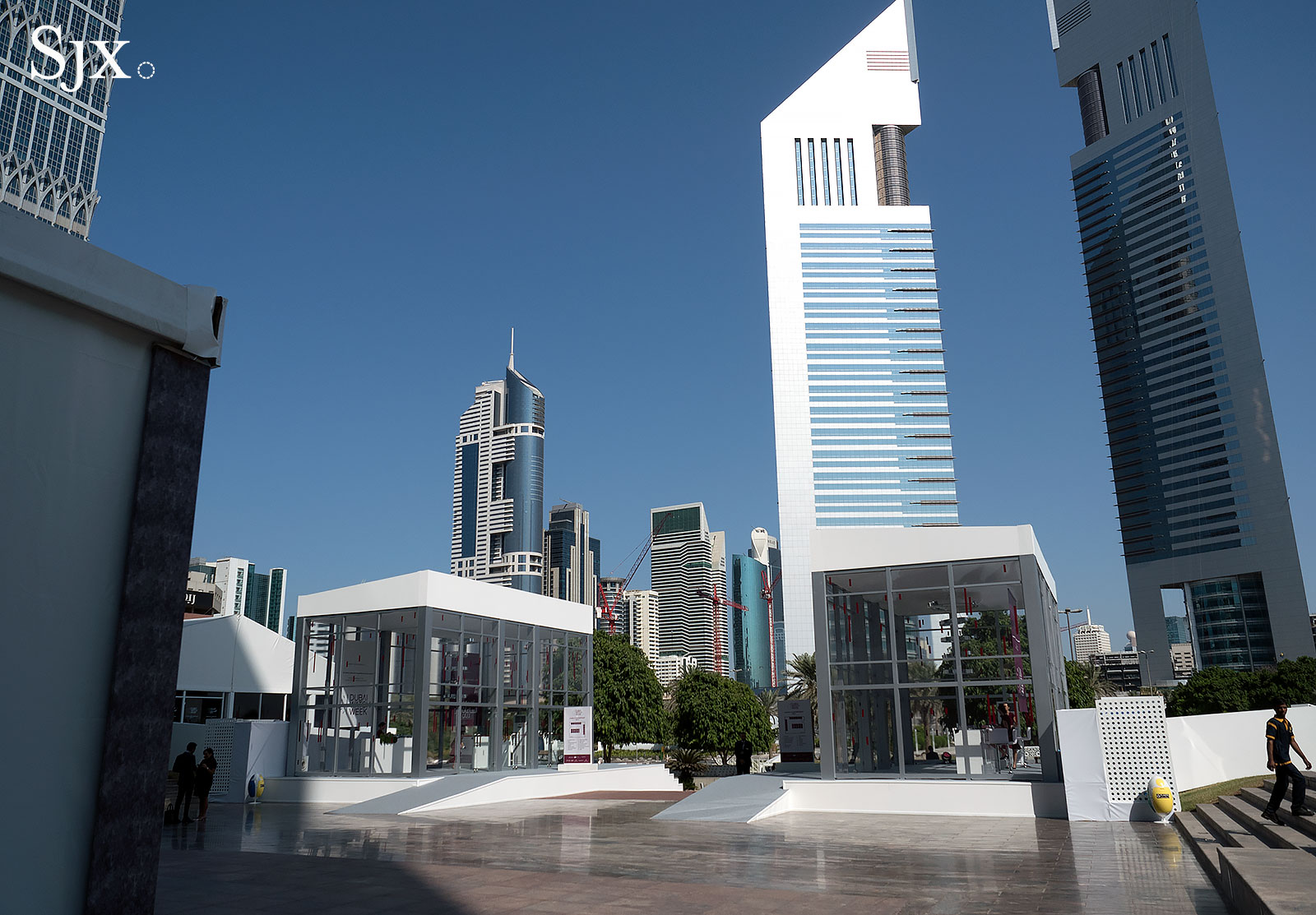
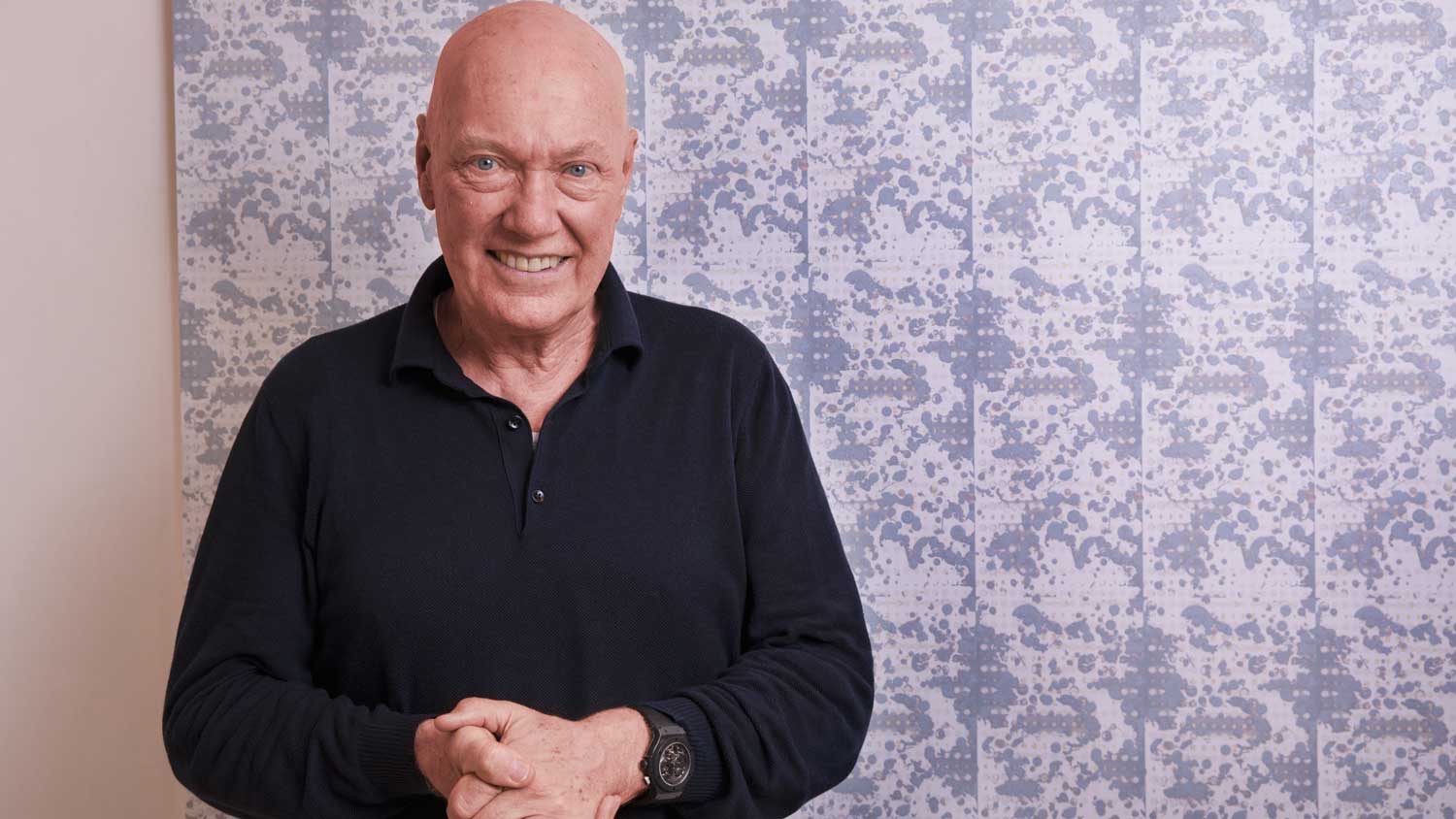
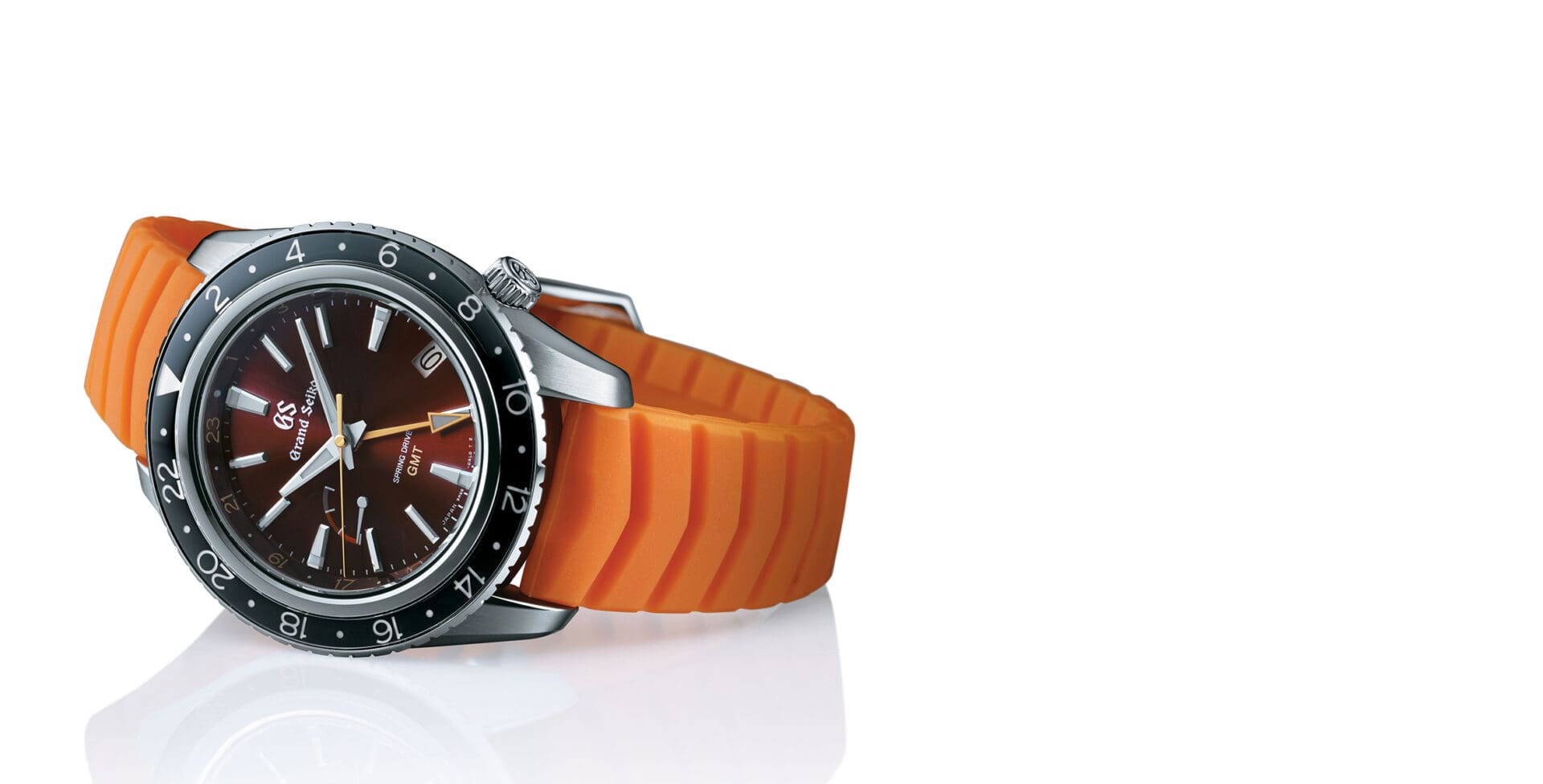
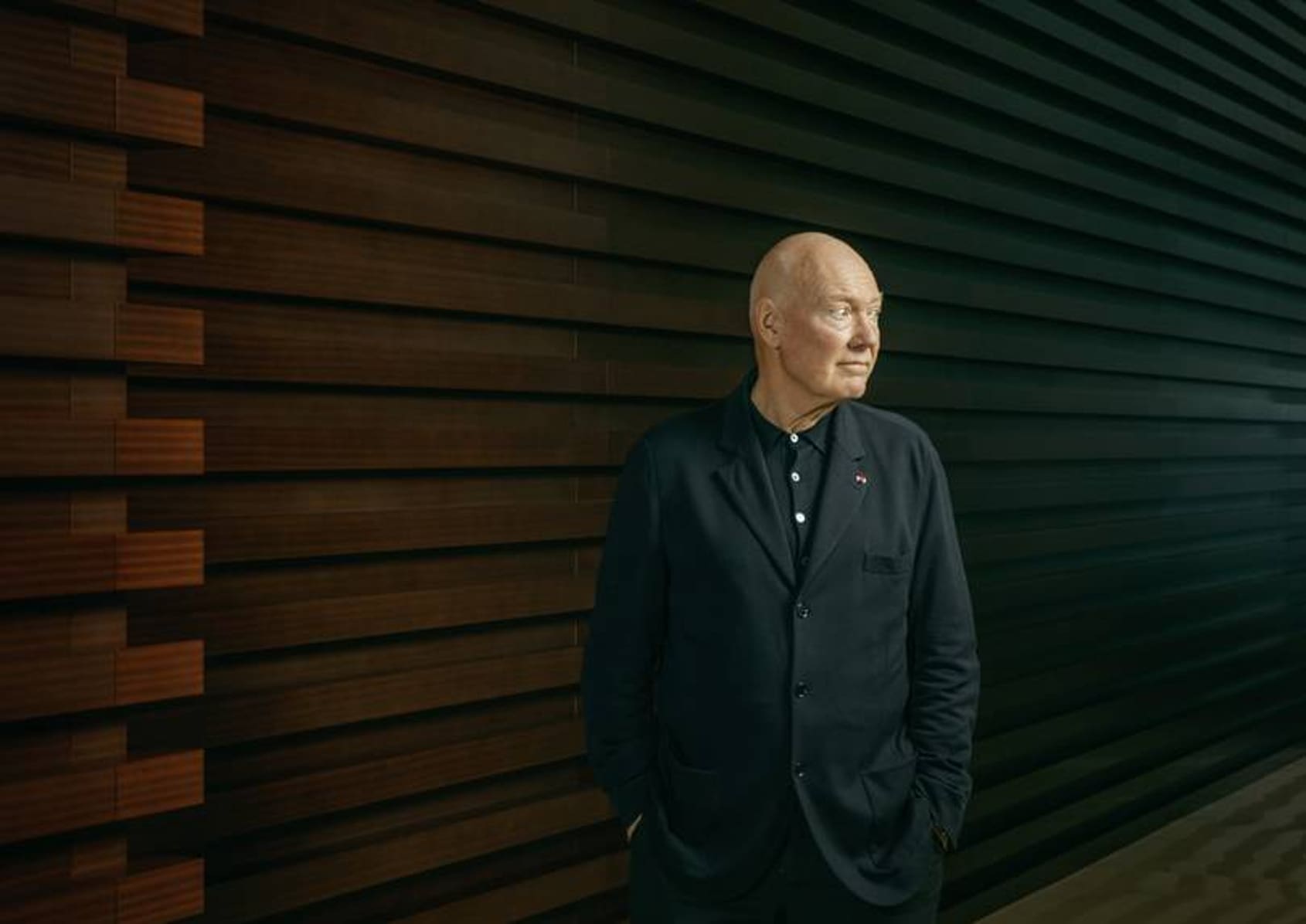
Returning for the fifth time, Dubai Watch Week (DWW) will take place from November 20-24, once again at the Dubai International Financial Centre (DIFC), a sprawling complex of offices, shops, restaurants, and three hotels, which is entirely self contained, making a visit to DWW easy to plan. As is tradition, the event includes exhibitions, watchmaking classes, and talks. Amongst the speakers will be Masayuki Hirota, an eminent Japanese watch journalist and the editor of Chronos Japan, who will be speaking about Grand Seiko. And DWW once again includes the Horology Forum, a series of panel discussions that take place daily. Panellists this year include journalists like Ariel Adams of aBlogtoWatch, watchmakers like Philippe Dufour and Stephen Forsey; brand chiefs including Karl-Friedrich Scheufele of Chopard, Jean-Claude Biver of LVMH, and Benoit Minitiens of Ressence; as well as watch collectors like San Francisco-based Jeffrey Kingston, and Aldis Hodge, an American actor who is also a jury member of the Grand Prix d’Horlogerie de Geneve. And naturally the speakers’ roster also includes prominent local personalities, including collector Hamdan Al Hudaidi and Mohammed Abdulmagied Seddiqi, chief commercial officer of Seddiqi Holding, the parent company of DWW’s organiser. A panel session at DWW 2018 And some newcomers Rolex is taking part for the first time in DWW, and bringing along with it the Oyster Perpetual Submariner exhibition, a series of displays within a sh...
 Time+Tide