 Deployant
New & Reviewed: Citizen Series 8 NB6080-51W
New & reviewed, Citizen Series 8 mechanical NB6080-51W. Deployant is honoured to be among the first in the world to gain access to them.
33,466 articles · 141 videos found · page 58 of 1121
Deployant
New & reviewed, Citizen Series 8 mechanical NB6080-51W. Deployant is honoured to be among the first in the world to gain access to them.
 Monochrome
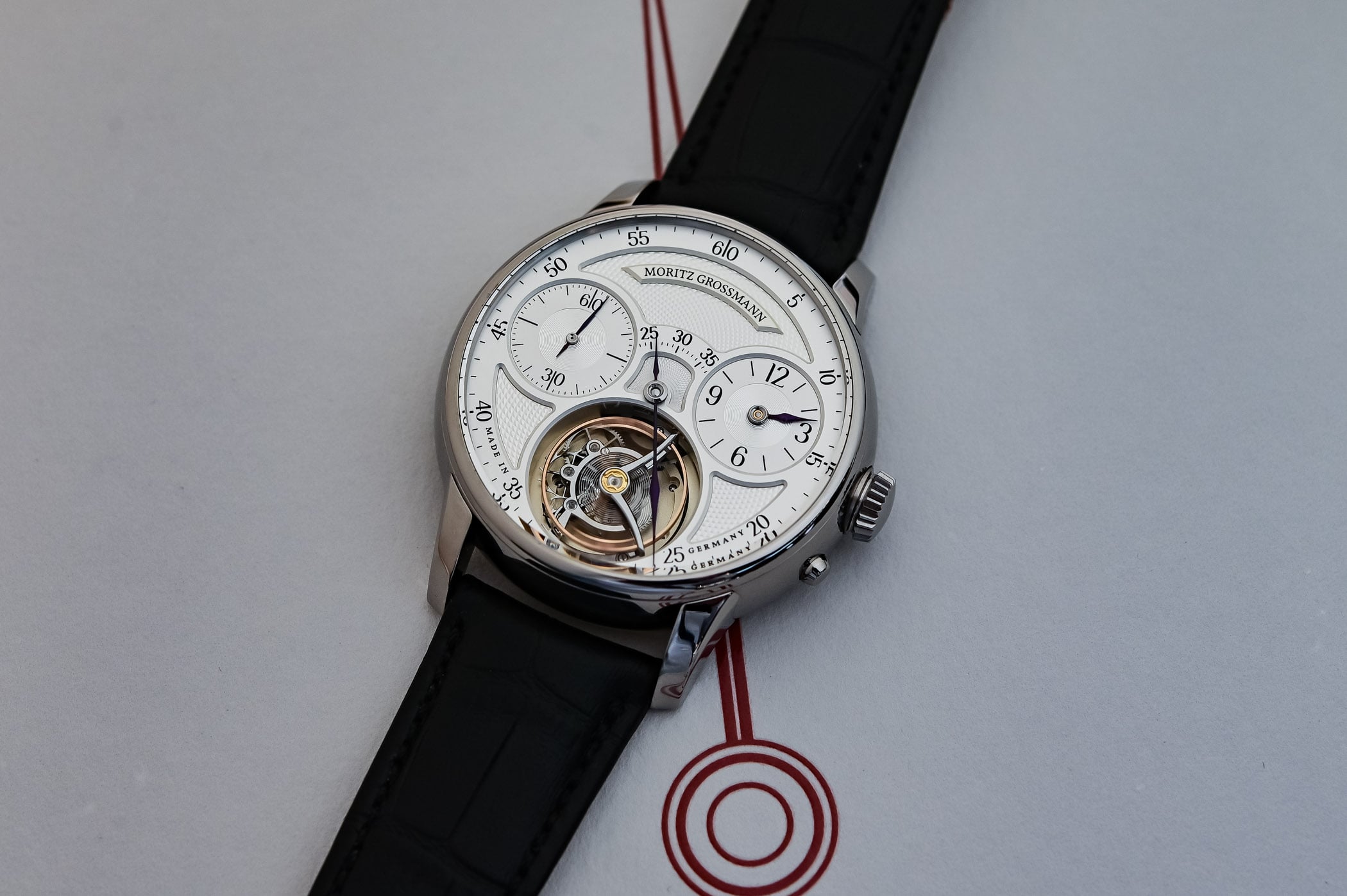
The tourbillon… is it a visual stunt or a useful component? If you chose to put one in a watch to do the work it was designed to do, you might as well keep it hidden. If the purpose is to mesmerise the onlooker with its rhythmic ballet, make it big, make it seen, so […]
 Monochrome
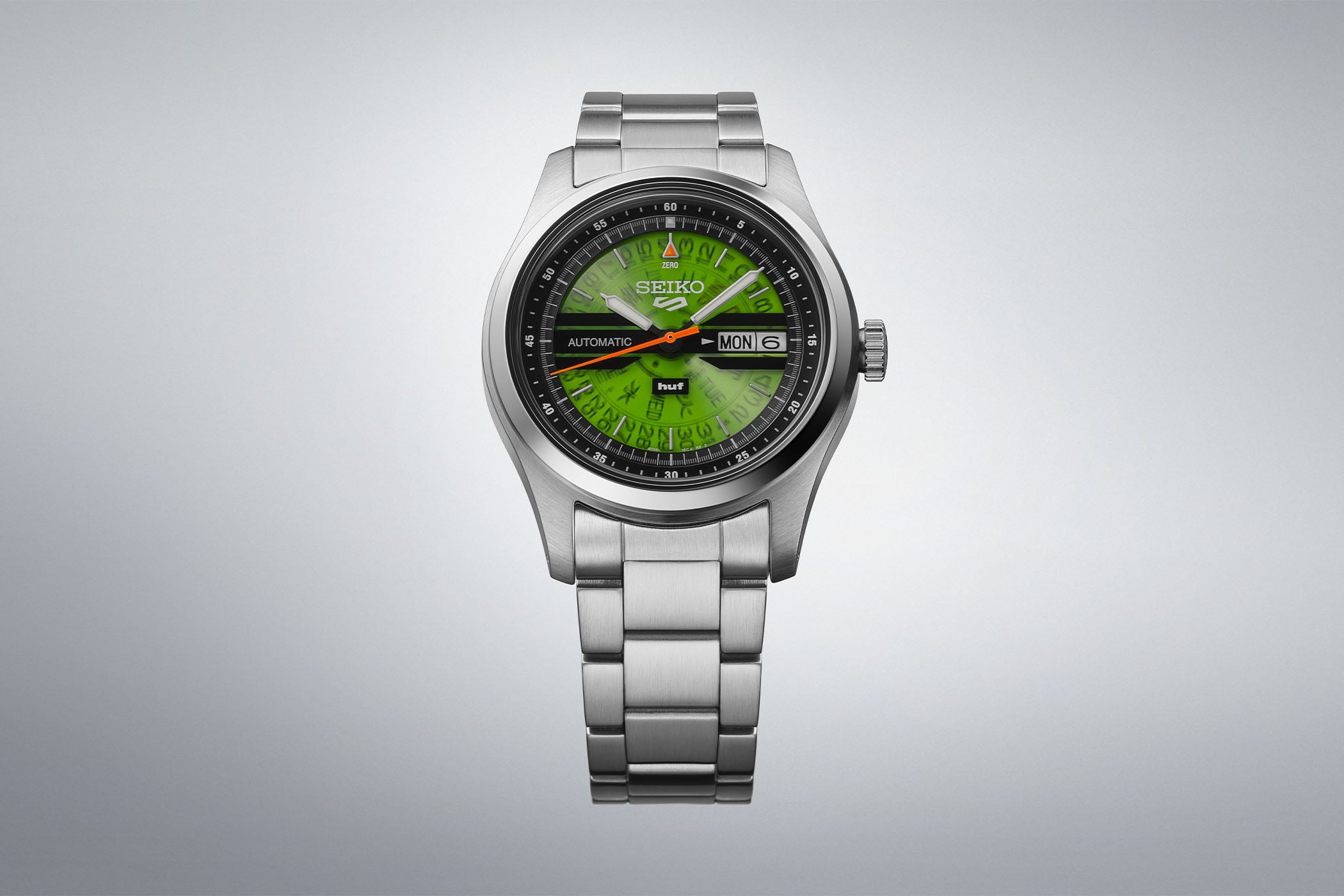
In the ever-growing Seiko 5 Sports collection, there are classic models and then some pretty cool limited editions, either inspired by the past or produced in collaboration with brands or franchises that have not much to do with watchmaking (at least at first sight). That can be anything from Pepsi bezel watches actually made together […]
 SJX Watches
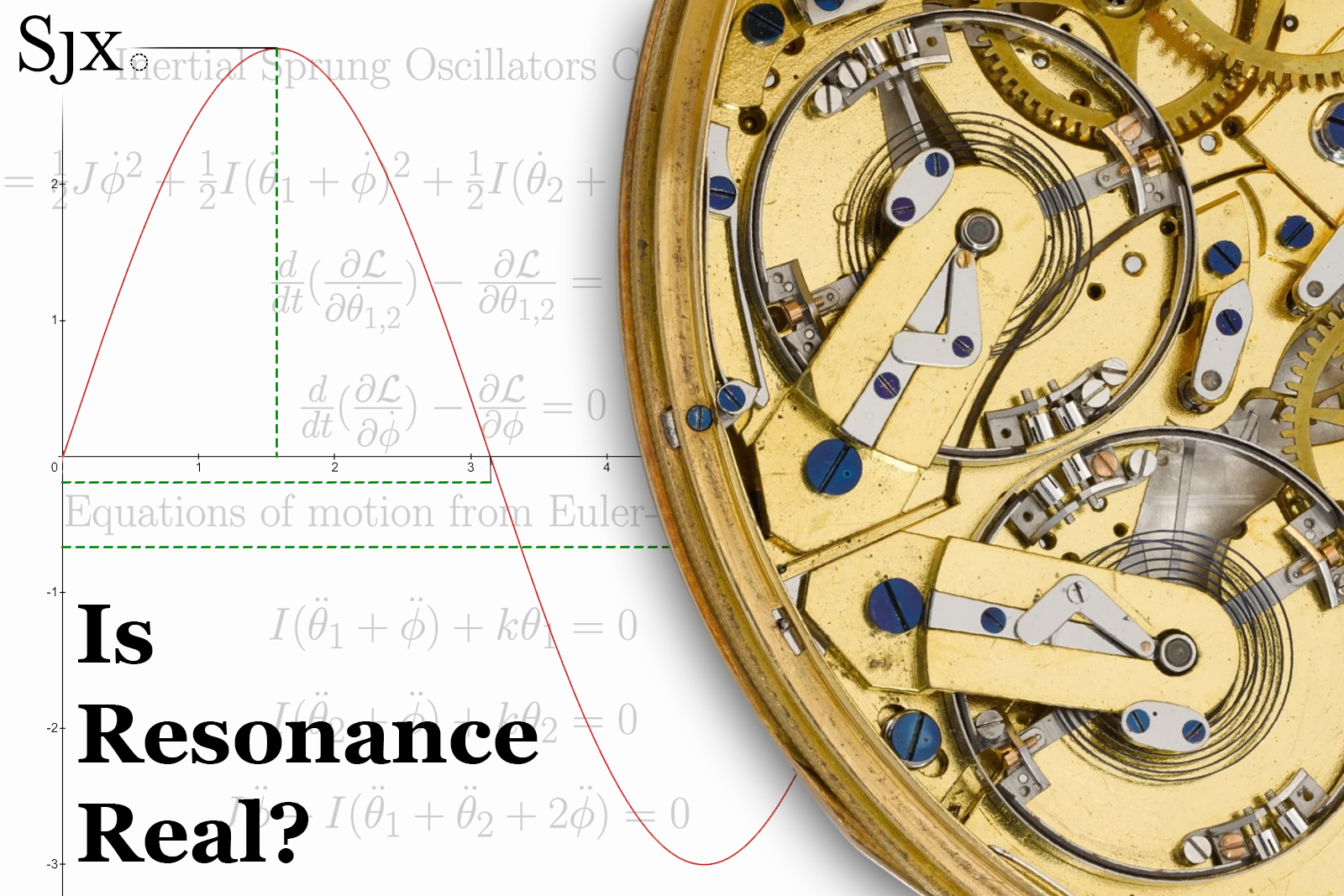
Resonance watches are among the most elusive machines in modern watchmaking. Creations such as F.P. Journe’s Chronomètre à Résonance perform well at auctions, commanding high prices. While their rarity and appeal are undeniable, watches that purport to harness resonance tend to be viewed with a degree of skepticism. A measure of skepticism is understandable - the concept of sprung balances becoming almost magically coupled is anything but straightforward and requires a profound understanding of oscillators in general. This story seeks to shed some light on the concept of coupled oscillators by explaining the two models of coupling and explore the nuances of each system. Before exploring resonance, the reader is encouraged to review the basics of sprung oscillators and isochronism in order to become more familiar with the hairspring and balance wheel model. The F.P. Journe Chronomètre à Résonance Souscription No. 2 sold for more than CHF3 million in November 2025. A confusion of terms First, the term resonance itself requires definition. In classical physics (mechanics, electrical engineering, signal processing, etc.) resonance is a phenomenon where a system vibrates under the influence of an external driving force that matches the system’s eigenfrequency (natural frequency). This is to say that a system at rest, which includes mass and spring elements, can be excited into a state of resonance by an external force when particular conditions are met. An imp...
 Hodinkee
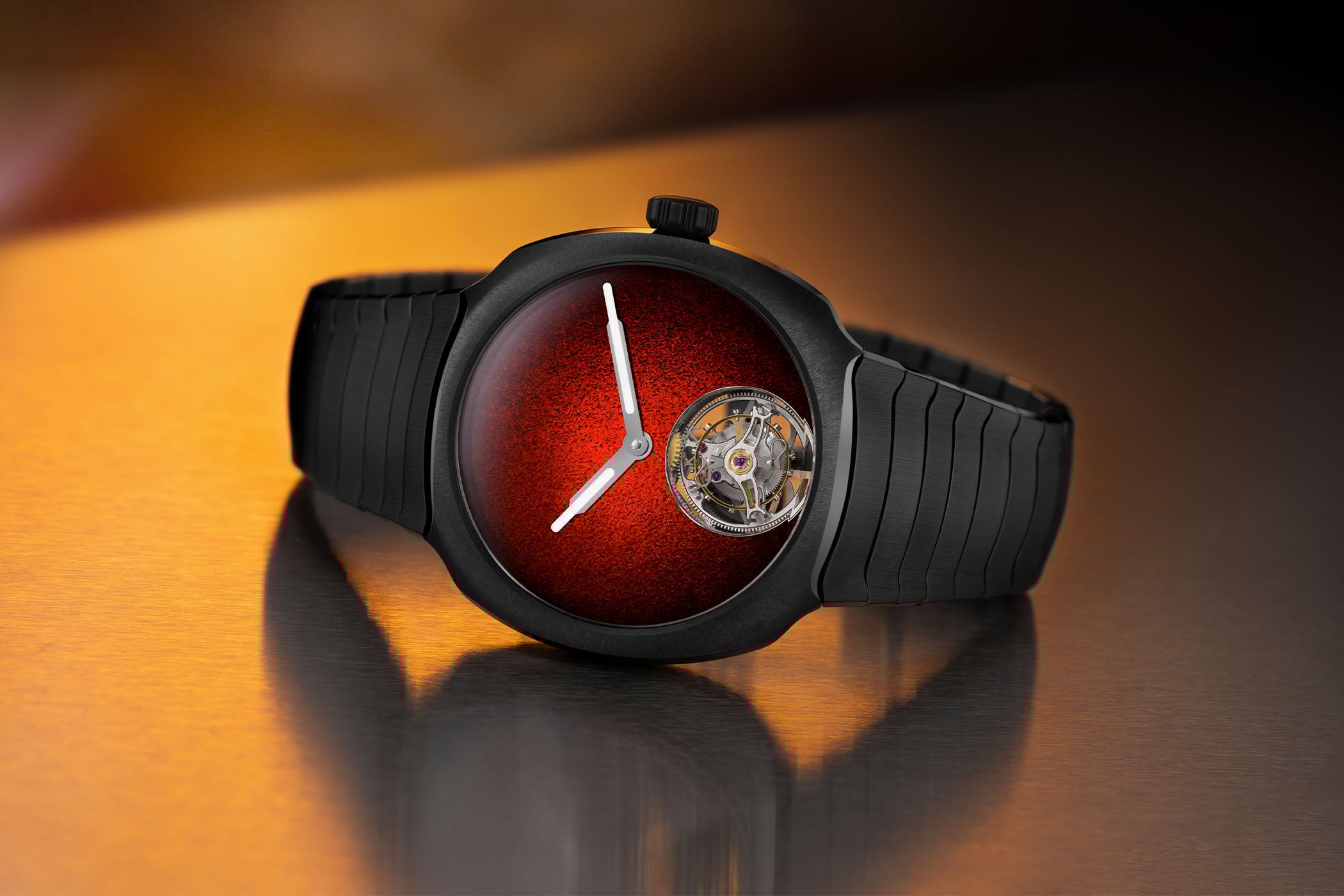
The brand explores ceramic cases and bracelets for the first time in this new take on the Streamliner, pairing grey ceramic with an eye-catching red dial.
 Time+Tide
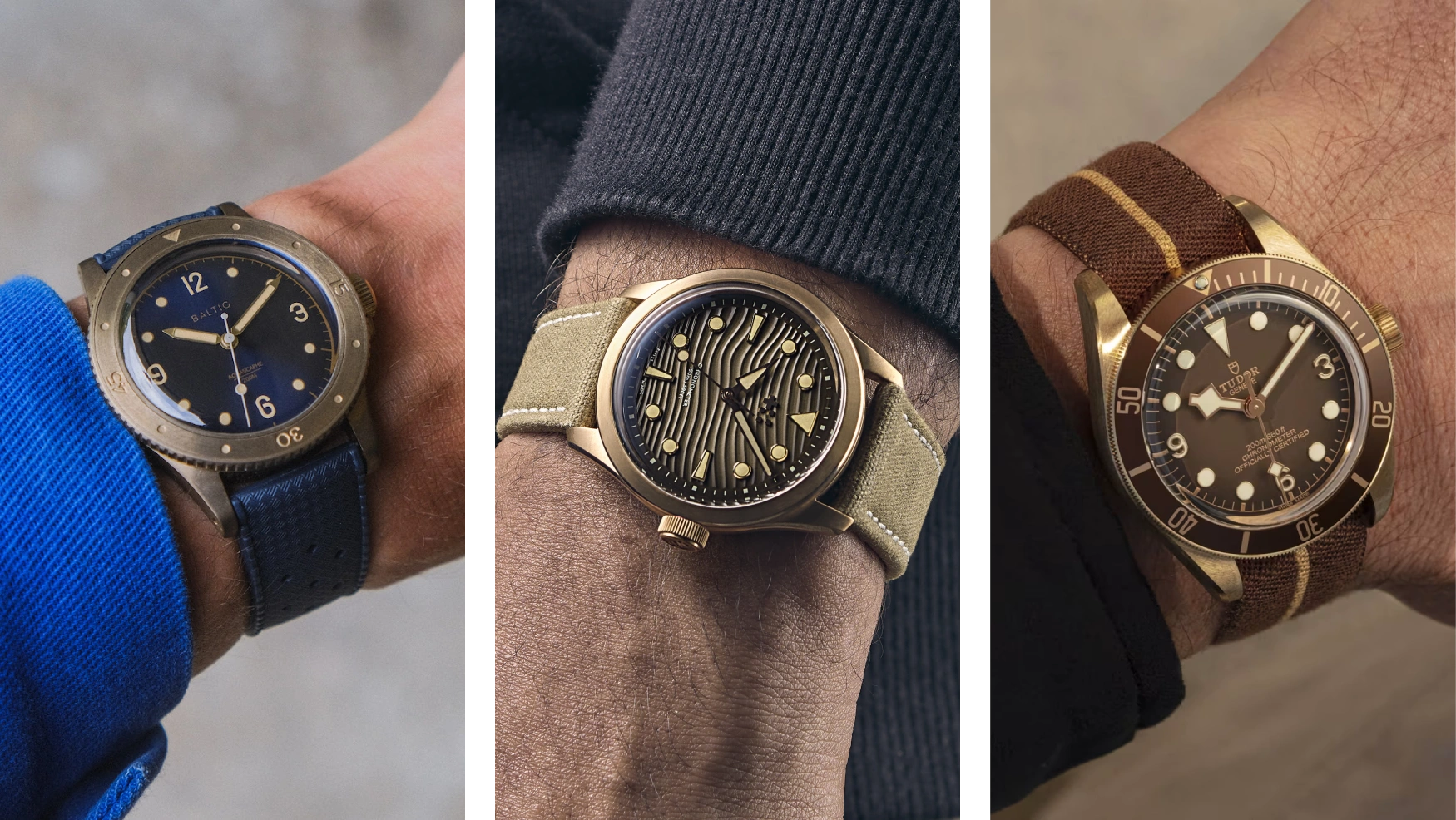
Love the antique look of a well-weathered tool? These bronze watches are for you.The post 10 of the best bronze watches for those who like a pinch of patina appeared first on Time+Tide Watches.
 Fratello
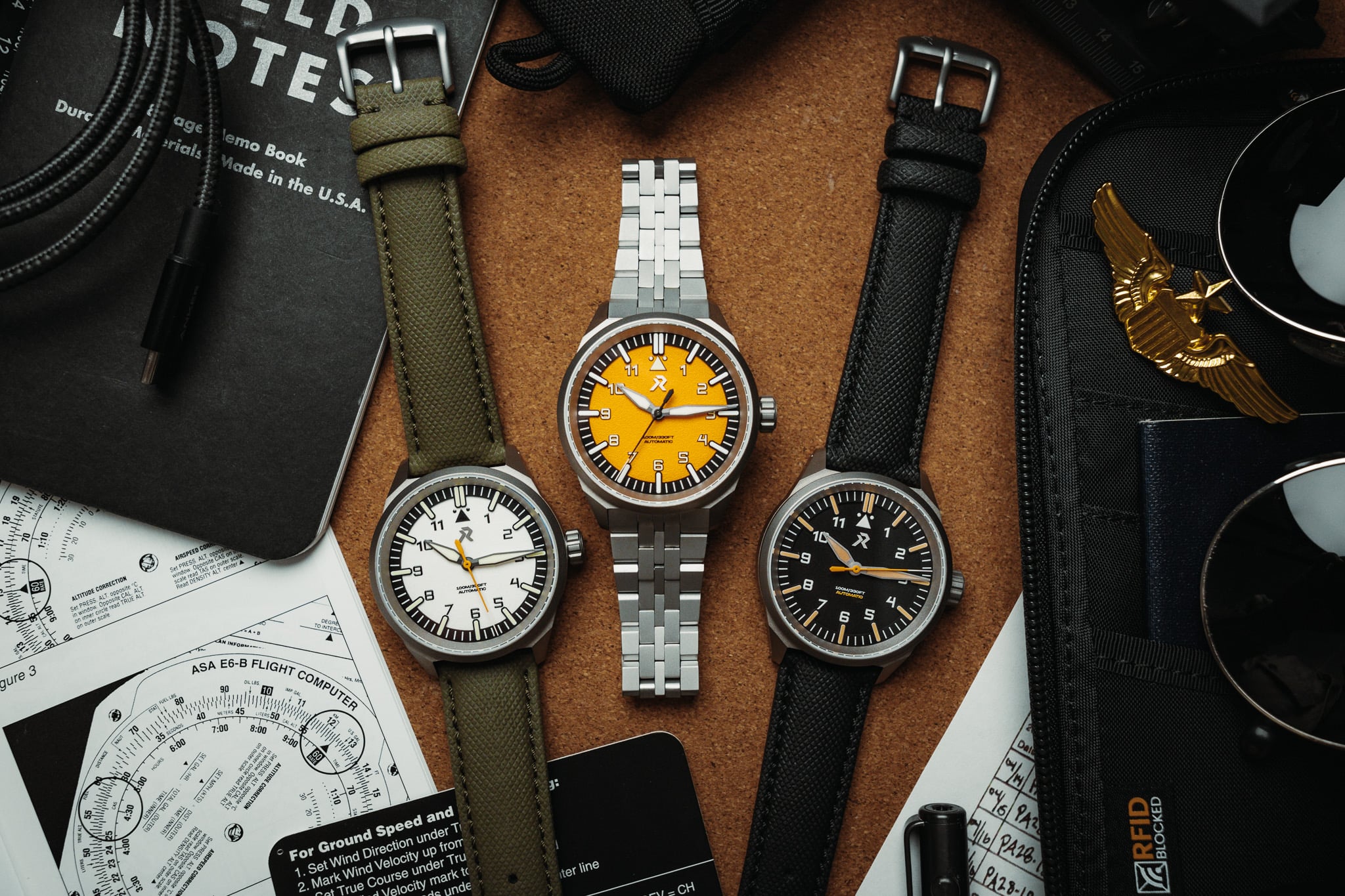
Although the Singaporean brand RZE has only been around for five years, it quickly cemented itself as a fan-favorite microbrand. Combining a strong visual identity with unique technical execution and very sharp pricing, RZE’s founders have a winning recipe in hand. Today, I have the pleasure of introducing the next model, the Resolute Type A. […] Visit Introducing: The Superfly RZE Resolute Type A - A New Take On An Old Concept to read the full article.
 Monochrome
In just six years, H. Moser & Cie.’s fluid Streamliner luxury sports watch collection with integrated bracelets has grown exponentially. An indication of the roadmap Moser envisioned for the Streamliner, the first model of 2020 featured a sophisticated flyback chronograph. Now home to models ranging from central seconds to perpetual calendars and from small seconds […]
 Fratello
Ceramic watches have been around for ages. The high-tech material with remarkable qualities and an unmistakable appearance has a significant fan base, and plenty of brands recognize that. Not Moser. The brand from Schaffhausen, known for its unconventional ways, never ventured into the world of ceramic watches until now. But the retro-futuristic H. Moser & […] Visit H. Moser & Cie. Joins The Ceramic Crew - Introducing The Streamliner Tourbillon Concept Ceramic to read the full article.
 Worn & Wound
Certain watch niches are riskier than others; for instance, seemingly every brand has tried a dive watch or chronograph because they are guaranteed crowd pleasers with straightforward functionality, whereas a world timer or moonphase complication is a little trickier to market to a general audience. In that corner of hyperniche sits the jumping hour watch, which to a non-watch nerd, is both visually and functionally baffling. But Bremont is no stranger to the jumping hour concept, having released successful models with the complication in the recent past. How have they fared with their latest iteration, the Terra Nova 38 Stealth Black? Let’s jump in and find out. While a seasoned horological expert may be familiar with a jumping hour complication, the casual shopper likely isn’t: basically, instead of displaying a sweeping hour hand, a jumping hour watch points to the current hour and “jumps” to the next hour once 60 minutes have elapsed. Conversely, it may instead display the hour in a window, with an imprinted disc moving below that ticks over to the next digit, much like a date window. The Stealth Black opts for the latter presentation, which gives it a clean, retro-futuristic design that differs from previous models in the brand’s jumping hour catalog, and their Terra Nova line more broadly. As the name suggests, the Stealth Black is characterized by its 38mm black DLC stainless steel case, finished in black diamond carbon-like coating, which gives it a sci-f...
 Worn & Wound
The one handed watch is a curious thing. On the face of it, it seems illogical. On a mechanical watch, stripping away a more precise minute hand in favor of a single hour hand negates one of the things enthusiasts covet most: precision. Or, at least, the relative precision. Things like COSC certification and the hard work and ingenuity that go into making mechanical movements become secondary when you pull back sufficiently far from an ability to clock the time to the exact second (indeed, the COSC will not certify any watch without a seconds hand). But removing that hand is additive, as well. It forces the designer of a watch to think very critically about how that hand is going to tell the time, and the thing that actually defines one handed watches is not so much the fact that they only have a single hand, but the way in which that hand interacts with any timing markers on the dial. There are different approaches, of course. Avant-garde designs might strip out markers altogether, so that a dial’s texture or material can be the singular focus of a piece. This, to me, feels like the most jewelry oriented option possible. Another approach, and the one most often favored by Meistersinger, a brand known primarily for their one handed watches, is to focus like a laser on readability at a glance, designing markers and indices that are large enough and graduated to a degree that makes it relatively easy to get the precise time at a glance. I often think about the time I spe...
 Deployant
Today, we welcome the Year of the Fire Horse, and take the day off our usual publishing schedule to wish all our readers, friends and family a very Happy and Prosperous New Year! Gong Xi Fa Cai!
 Worn & Wound
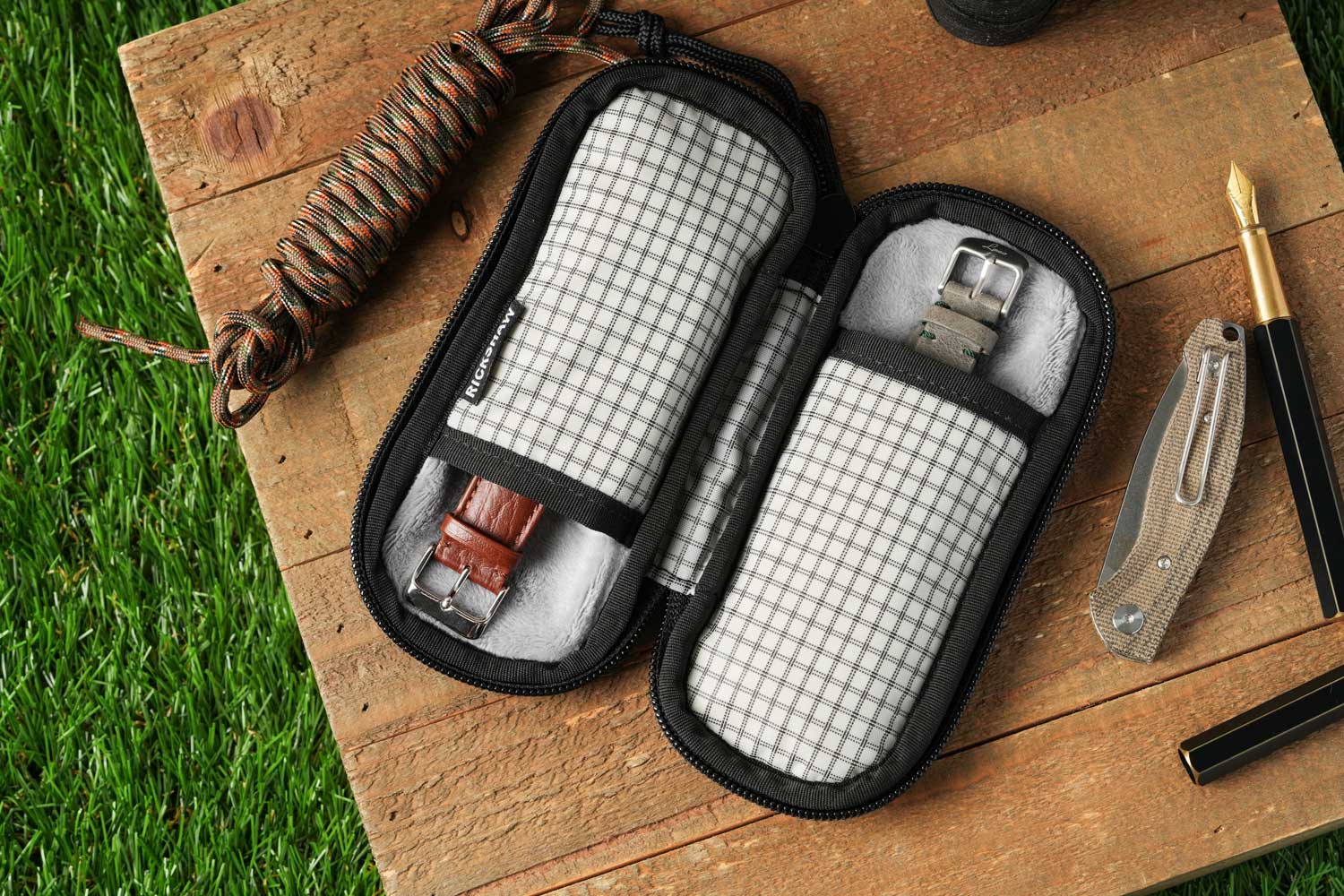
The post The Roundup: Hand-Hammered Titanium, A Retro Devil Diver, And Must-Have EDC Gear appeared first on Worn & Wound.
 Worn & Wound
While design hallmarks have come and gone, few say “Grand Seiko” quite like the iconic Snowflake dial, first introduced in 2005. Inspired by the frosty Hotaka mountain range in the brand’s home prefecture, Nagano, light plays across the fine texture to emphasize the slight variations in depth on the surface of the dial. The result is nothing short of stunning, and helped shape Grand Seiko and their philosophy of the “Nature of Time”. So how do you build on an icon? You introduce tasteful variations. Easier said than done, of course, but Grand Seiko has done it successfully before, by introducing the Skyflake dial, a light blue version of the Snowflake. And now, we have two new Snowflake and Skyflake models to showcase the evolution of the icon: the SBGX359 and SBGX361, in a compact 33mm case, making them the smallest in the Grand Seiko 9F line yet. Even more impressive is the 9.1mm thickness, which is only possible thanks to the Caliber 9F51 quartz movement, which is the first new movement in the 9F line since 2020, and allows for an accuracy of ± 10 seconds a year. In natural Grand Seiko fashion, each movement is hand-assembled by watchmakers at the Shinshu Watch Studio at the brand’s Shiojiri facility and feature three-month aged quartz crystals and a manual regulation switch for accuracy fine-tuning during servicing. All of that is to say that this is not a basic quartz movement; it’s a Grand Seiko quartz movement, which is sure to excel in both function ...
 Time+Tide
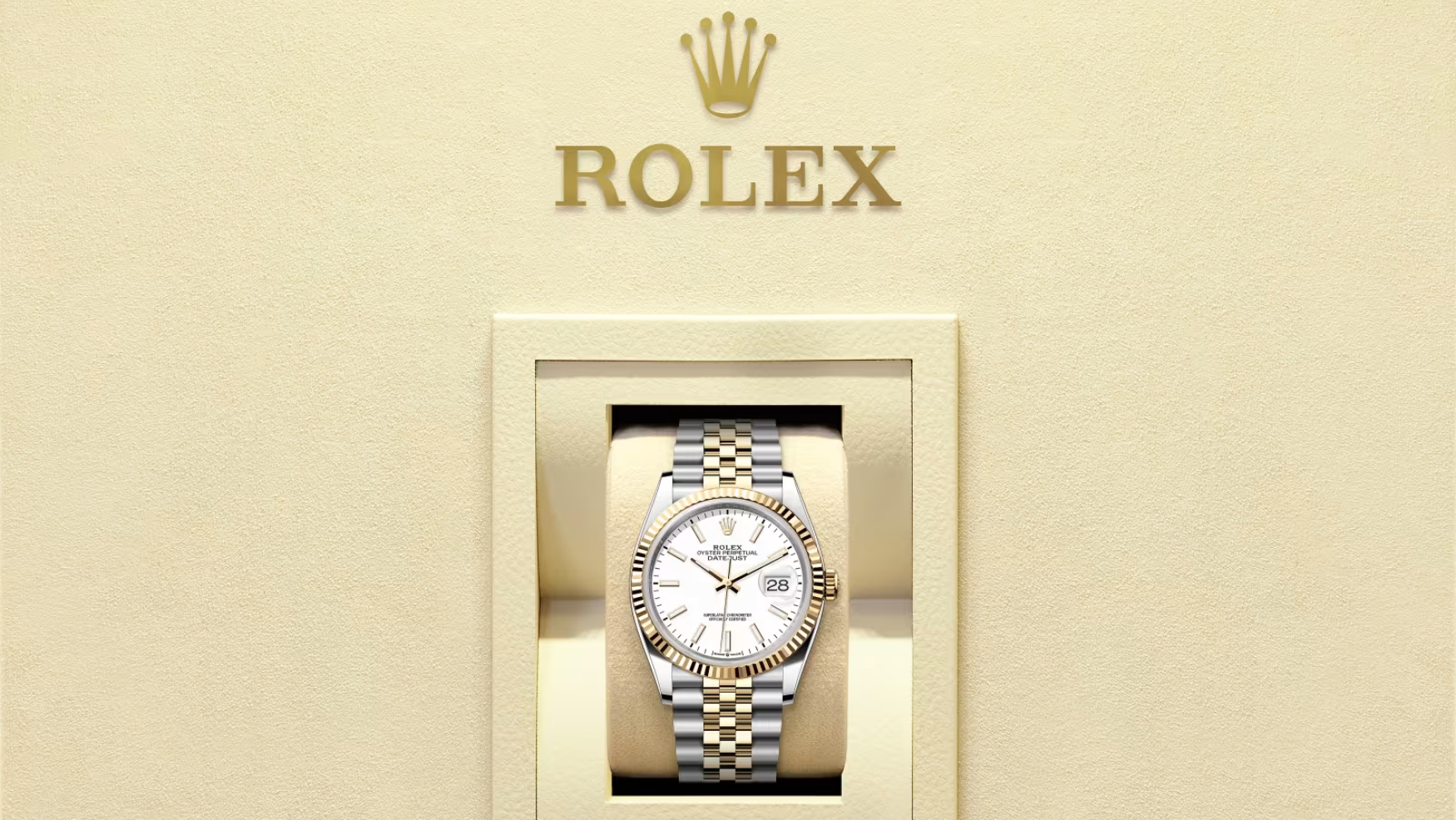
Less is not always more: Andrew O'Connor demonstrates how you can build some rather impressive 3-watch collections for the price of a Rolex.The post The case for quantity over “quality”: building a whole collection for the price of a two-tone Datejust appeared first on Time+Tide Watches.
 SJX Watches
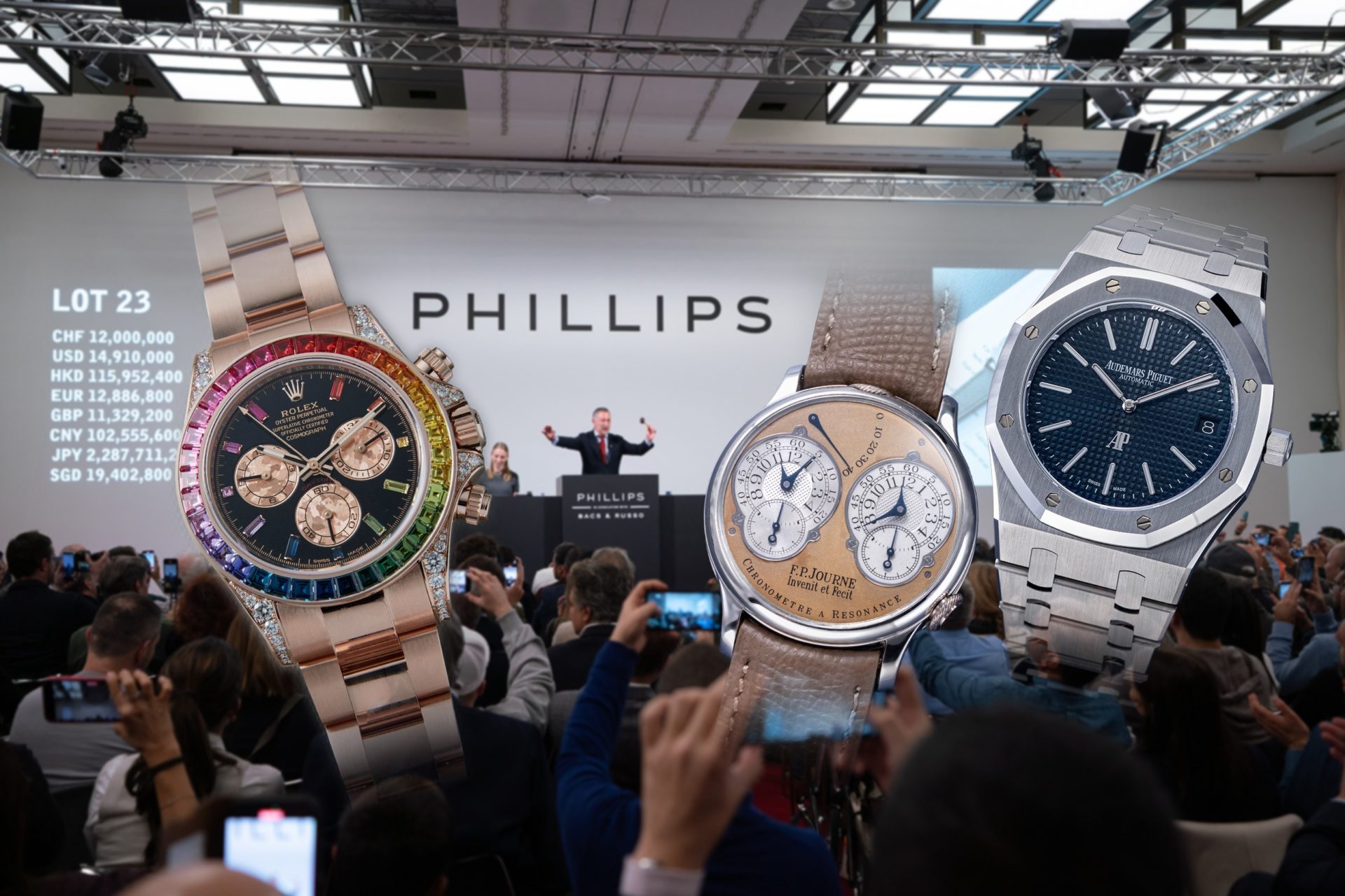
Industry price data provider EveryWatch has released its annual report on the state of the secondary market for luxury watches. The data confirms what many collectors already sense - the pre-owned watch market is booming, but the gains are concentrated in a small number of brands and references that are capturing the lion’s share of value, while the rest are left fighting over the scraps. Francis Ford Coppola’s personal F.P. Journe FFC prototype (left) sold for US$10.8 million, while his Chronomètre à Résonance sold for US$584,000 in December 2025. Image – Phillips Initial thoughts There are many reasons to be skeptical about much of the information gathered by industry data providers. For one thing, data gathered from dealers, internet listings, and auctions naturally misses the sizable proportion of transactions that happens offline. For another, the asking price is often easier to find than the clearing price, which tends to be lower. That’s not to say the data is unusable. On the contrary, the time series data gathered by data providers like WatchCharts can provide validation (or not) for anecdotal evidence and help collectors and dealers make more rational point-in-time decisions - if there is such a thing as a ‘rational’ watch purchase. What’s interesting is not necessarily that the market is estimated to be about US$20 billion in size, or that it’s growing at a rate in excess of 30% according to EveryWatch. What is more interesting is how the ...
 Time+Tide
Andrew O'Connor gets a bit philosophical on us.The post What does it mean to participate in horology? appeared first on Time+Tide Watches.
 Monochrome
“A striking tribute to an American classic from the heart of the golden age of motorcycling”, is the way Indian describes its all-new Chief Vintage. It not only represents the very best of what Indian has to offer, but it also celebrates the company’s 125th anniversary. With a legacy dating back to 1901 and styling […]
 Monochrome
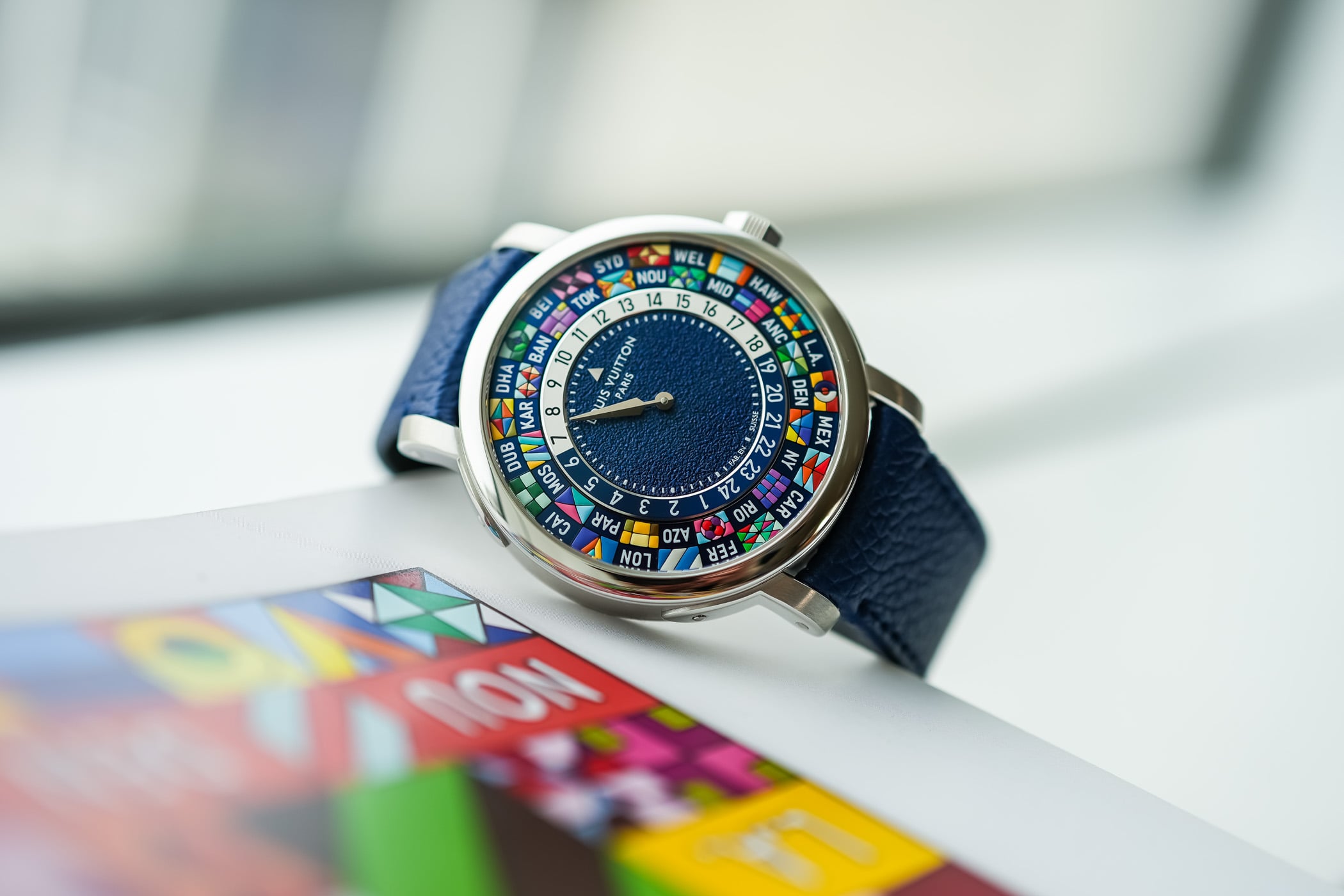
When Louis Vuitton unveiled the original Escale Worldtime at Baselworld in 2014, it caught the watch world by surprise. Not so much because of the technical part, but because of the attitude. Worldtimers were and still are conservative objects, often bound by the nearly 100-year-old Louis Cottier template and a pretty much shared visual. The […]
 Fratello
I live about 25 minutes from the Van Gogh museum in Amsterdam. I have lived there all my life, but I somehow never visited the museum. So, last week, when my wife and I had a free morning, we decided to take the plunge. This article isn’t about Van Gogh or about art at all. […] Visit The Watch Enthusiast Trap: Knowing More Can Lead To Enjoying Less to read the full article.
 Worn & Wound
The Contrôle Officiel Suisse des Chronomètres (COSC, the body responsible for certifying watch movements as Swiss chronometers) has just announced a new chronometry standard that will be rolled out over the course of 2026. The news comes at a time when the COSC has some competition for timekeeping certifications, most notably the METAS certification (which first requires a watch movement to be COSC certified) used by Omega and Tudor, as well as other certifications provided by the brands themselves. The new COSC certification is being framed as an additional level of certification that will accompany the familiar “Certified Chronometer” tag that is seen on the dials and paperwork of millions (literally) of watches that have been put through the COSC paces over the years. The new “Excellence Chronomenter” certification provides an additional layer of guarantee of reliability that goes beyond simple accuracy. As a refresher, COSC certification certifies the movement is working at an optimal level, not a fully cased watch. To achieve a Certified Chronometer certification, a movement must show average accuracy of -4 to +6 seconds per day over a 15 day period, tested across 5 positions and 3 temperatures. The Excellence Chronometer certification tightens the accuracy threshold from a spread of 10 seconds in total to 6 (-2 to +4 seconds per day). It also adds metrics for magnetic resistance and power reserve verification in fully cased watches. According to the COS...
 Teddy Baldassarre
Before we get into the best Japanese watch brands for 2026, let's discuss Japan's role in watchmaking. Outside of Switzerland, Japan is probably the best-known watchmaking country, producing some of the world’s best watches in every category and at nearly every price point. When most people think about Japanese watches, their thoughts still likely envision mostly inexpensive and mostly quartz-powered watches from well-known, mass-market brands like Casio, Seiko, and Citizen. and to be sure, Japan is rightly regarded as a value leader in the global watch market, led by inexpensive but wildly popular and collectible watches like Casio's G-Shocks and Seiko's classically styled, automatic diver’s watches like the SKX series. However, Japan is also an excellent source for watches in the mid-level, luxury, and high-watchmaking categories, from both the country's handful of major players as well as from exciting, younger independent brands. [toc-section heading="Seiko"] At this point, Seiko is synonymous with Japanese watchmaking. The company was founded in 1881 by Kintaro Hattori and got its start by selling and repairing watches and clocks. Just 11 years later, Hattori started producing clocks and then pocket watches, followed closely by the company’s, and Japan’s, first wristwatch in 1913. The 1960s was a period of rapid growth for the company. Not only did Seiko introduce the first Grand Seiko watch and also Japan’s first dive watch, but the firm also gained interna...
 Teddy Baldassarre
I still vividly remember the first time I saw the Seiko Speedtimer SSC813. It felt like one of the most deliberate and thoughtful nods to the brand’s 1960s and 1970s sports timekeeping heritage. Nicknamed the “Seitona” (no prizes for guessing why), it wore its classic panda dial with absolute confidence, easily earning itself a spot among some of Seiko’s most attractive sports watches ever made. Even better, it delivered those heritage-inspired racing aesthetics without the premium price tag associated with a Daytona. Now Seiko introduces a new triumvirate to the Speedtimer lineup: the SSC961, SSC963, and SSC965. This trio of Prospex watches draws from the angular sports cars of the 1980s and 1990s, showcasing distinctive shades of white-silver, sandy salmon, and mint green. But can these experimental colors of the new Seiko Speedtimer "Youngtimers" as they've come to be known capture the same motorsport DNA that made the beloved panda chronograph such a standout? [toc-section heading="Three New Dials"] The dial is unequivocally the soul of the new Seiko Prospex Speedtimer watch. In all three references, it sets the stage for a tri-register layout in the usual 3-6-9 arrangement. Here, the “Youngtimer” models embrace a nuanced and highly experimental palette. Each model features a 24-hour counter at 3 o’clock, balanced by a running seconds sub-dial at 9 o’clock. Nestled between the two is the 60-minute chronograph register at 6 o’clock, combined with a pow...
 Teddy Baldassarre
The Universal Genève Polerouter is probably the most historically significant watch that enthusiasts of a certain age have never heard of. Okay, maybe that's overstating it, but the watch is certainly less, well, universal in its claim to icon status than several other, more well known models that debuted later. And yet, if it weren't for the Polerouter, which came out in the mid-1950s and which afforded an opportunity for a young, precocious watch designer to make his first mark on the industry, we may never have had the opportunity to experience some of those 1970s models that came later. Intrigued? Read on. [toc-section heading="Universal Genève History (1894 - 1950s)"] Despite the “Genève” that has become attached to the company’s name, the firm originally known as Universal Watch traces its roots to a smaller Swiss city, the village of Le Locle (also home to Ulysse Nardin, Zenith, and Tissot), where it was established in 1894 by watchmakers Numa-Emile Descombes and Ulysse-Georges Perret. Descombes died a few years later, and Louis Berthoud, one of the company’s most talented watchmakers, rose from the ranks to become Perret’s partner in 1897. The pair moved operations to Geneva in 1919, forging the company's modern name and identity. The firm became known for chronographs, and eventually produced both pocket watches and trench watches (pocket watches converted to wristwatches for soldiers in the field) for armies on both sides of the two World Wars. O...
 Fratello
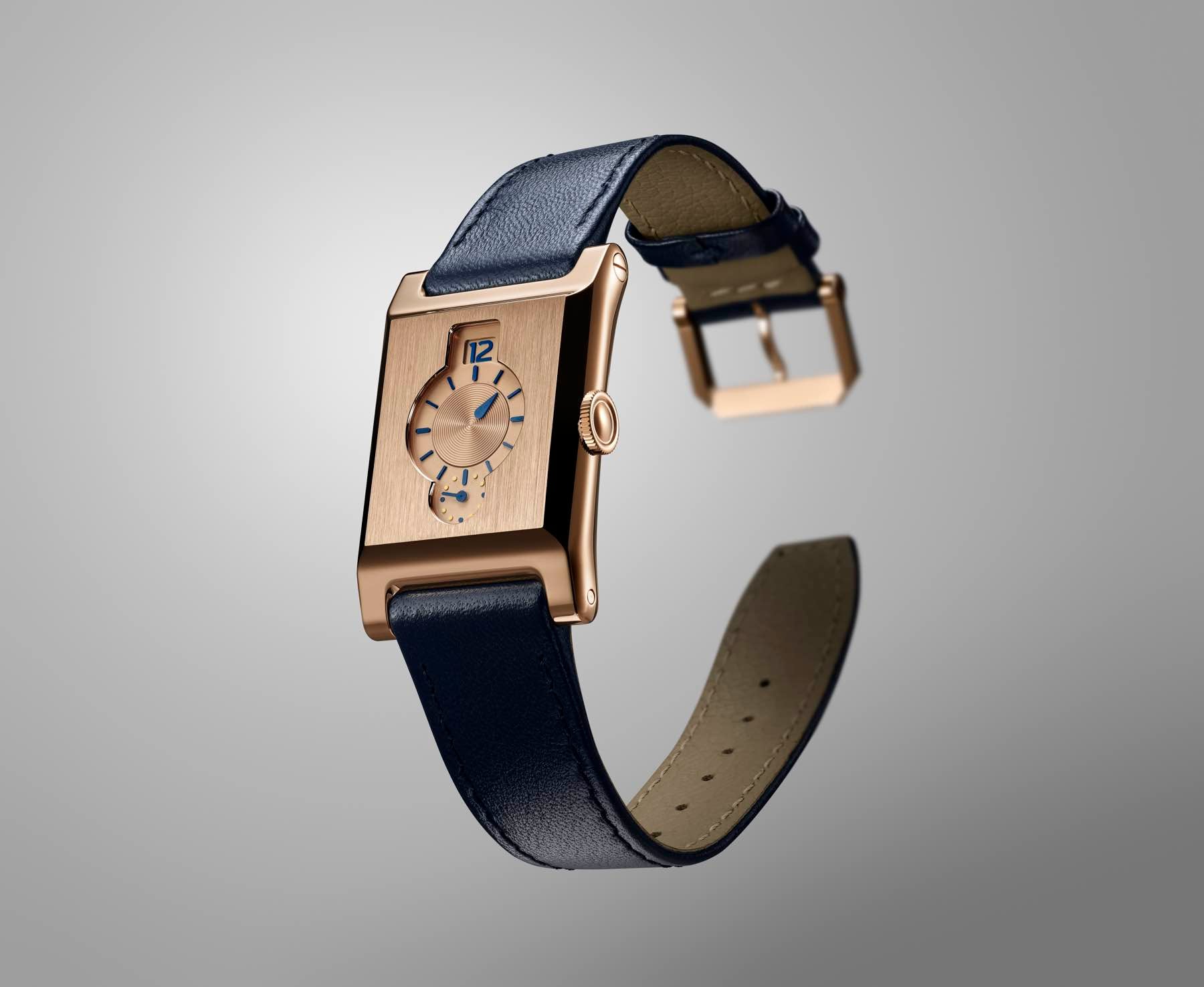
Not too long ago, we saw almost a flurry of historic watch brands revived. Just when this trend seems to have died down somewhat, here we have Niton. A house originally dating back to 1919 and since lost to history (more on that later) makes a comeback today. This debut results in the aptly named […] Visit Introducing: The Niton Prima - A Historical Watch Brand Returns To The Scene to read the full article.
 Deployant
Louis Vuitton's project with independent watchmakers is now in Chapter 3. Here is our review of the Louis Vuitton x De Bethune LVDB-03 Louis Varius Project.
 Hodinkee
The Seattle Seahawks took down the New England Patriots in a largely defensive battle. Between the action and the ads, we were watching for watches.
 Time+Tide
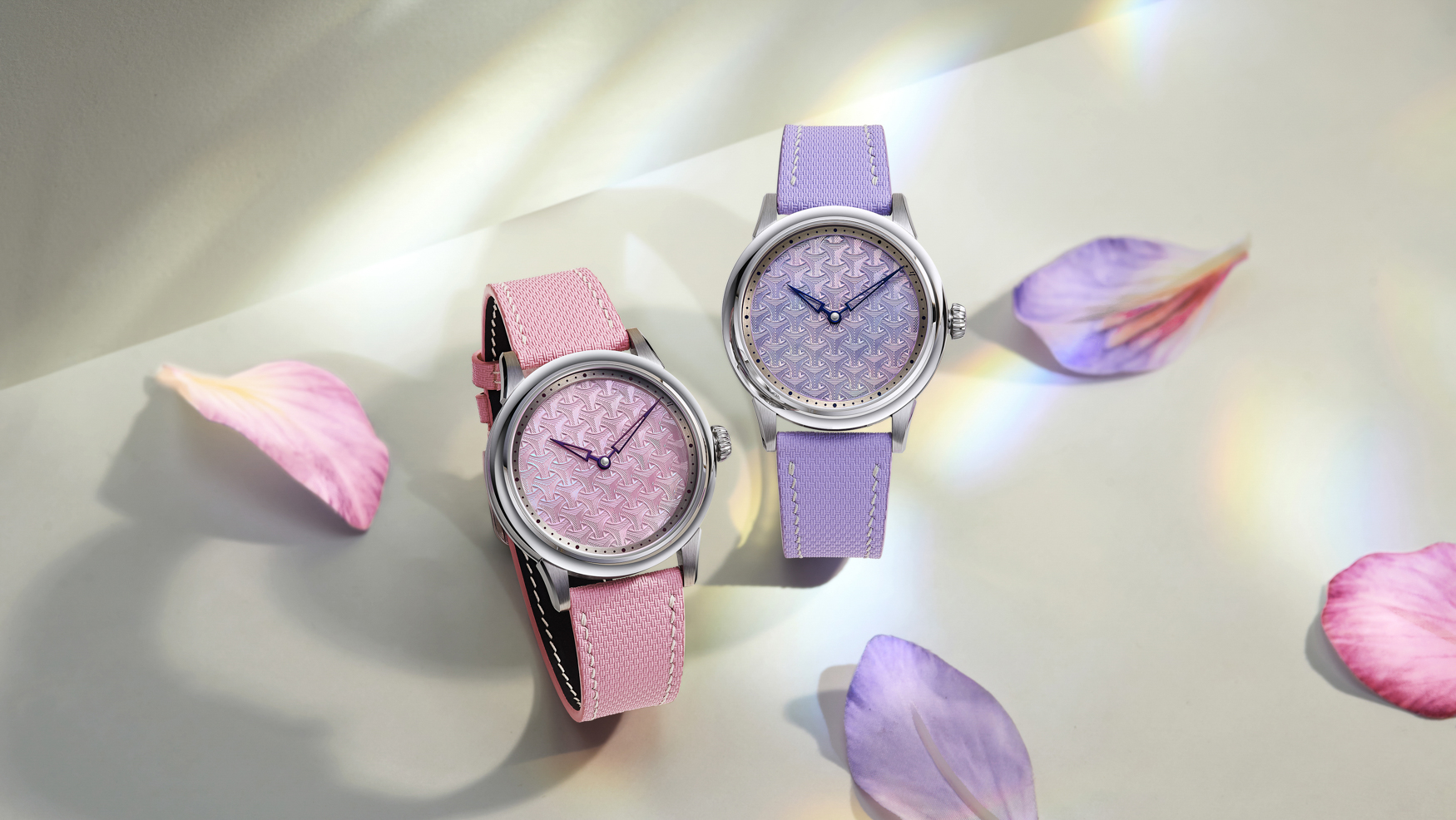
Watch Ho & Co and Selten pay tribute to Hong Kong's famous floral emblem with a sequel to their stunning MOP dial collab.The post The Watch Ho & Co x Selten Jui Bauhinia offers a familiar 39mm platform, now with Bauhinia light-play appeared first on Time+Tide Watches.
 Worn & Wound
Do you remember that scene in The Ten Commandments when Charlton Heston’s Moses walks down the mountain with those giant stone tablets? I’m pretty sure the first commandment on his list was “EVENTUALLY, ALL WATCH BRANDS MUST MAKE AN INTEGRATED BRACELET SPORTS WATCH!” Does that sound right? I could be misremembering some of the finer details of the film, but I’m pretty sure that’s a thing that happened. Because eventually, as we continue to discover month after month, year after year, all brands do try their hand at an integrated bracelet sports watch. Even the ones you might not expect. Like Ming. Today, Ming introduces the 56.00 Starfield, their first integrated bracelet sports watch. Perhaps it’s a little shortsighted of me to suggest that we couldn’t have expected something like this from Ming. In a lot of ways, it’s exactly the kind of watch we should expect, because one of the ideas that really seems to drive the brand is solving big design challenges. Integrated bracelet sports watches have a natural aesthetic appeal in the way form a continuous line all around the wrist. The challenge is in making them feel special and unique. The “good” integrated bracelet sports watches tend to all have a somewhat similar appearance simply because there are only so many ways you can accomplish the most basic goals of a watch like this without going completely off the rails. Ming’s stated goal with the Starfield was to make a watch more comfortable to we...
 Fratello
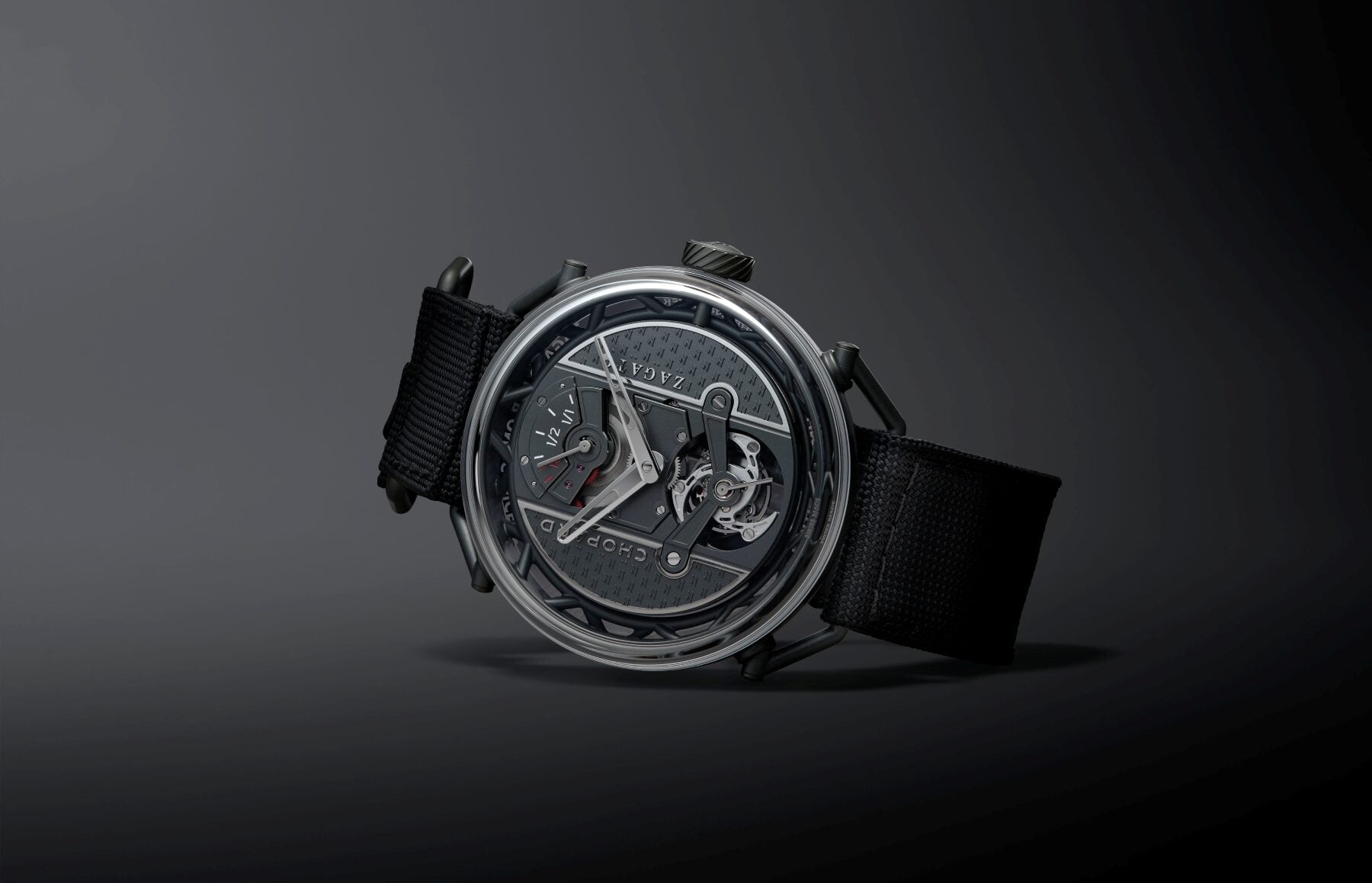
Chopard working with Zagato is a bold move. Of all the famous Italian coachbuilders, Zagato is the most outspoken. The marque dates back to 1919, and its automotive legacy started in 1928, when a Zagato-bodied Alfa Romeo 1750 claimed victory at the Mille Miglia. The bulbous forms and flowing shapes recall Ugo Zagato’s expertise in […] Visit Introducing: The Chopard × Zagato Lab One Concept Watch - Experimental, Outspoken, And Just 43.2 Grams to read the full article.
Question, suggestion, or just want to say hi? Drop a note.