 Time+Tide
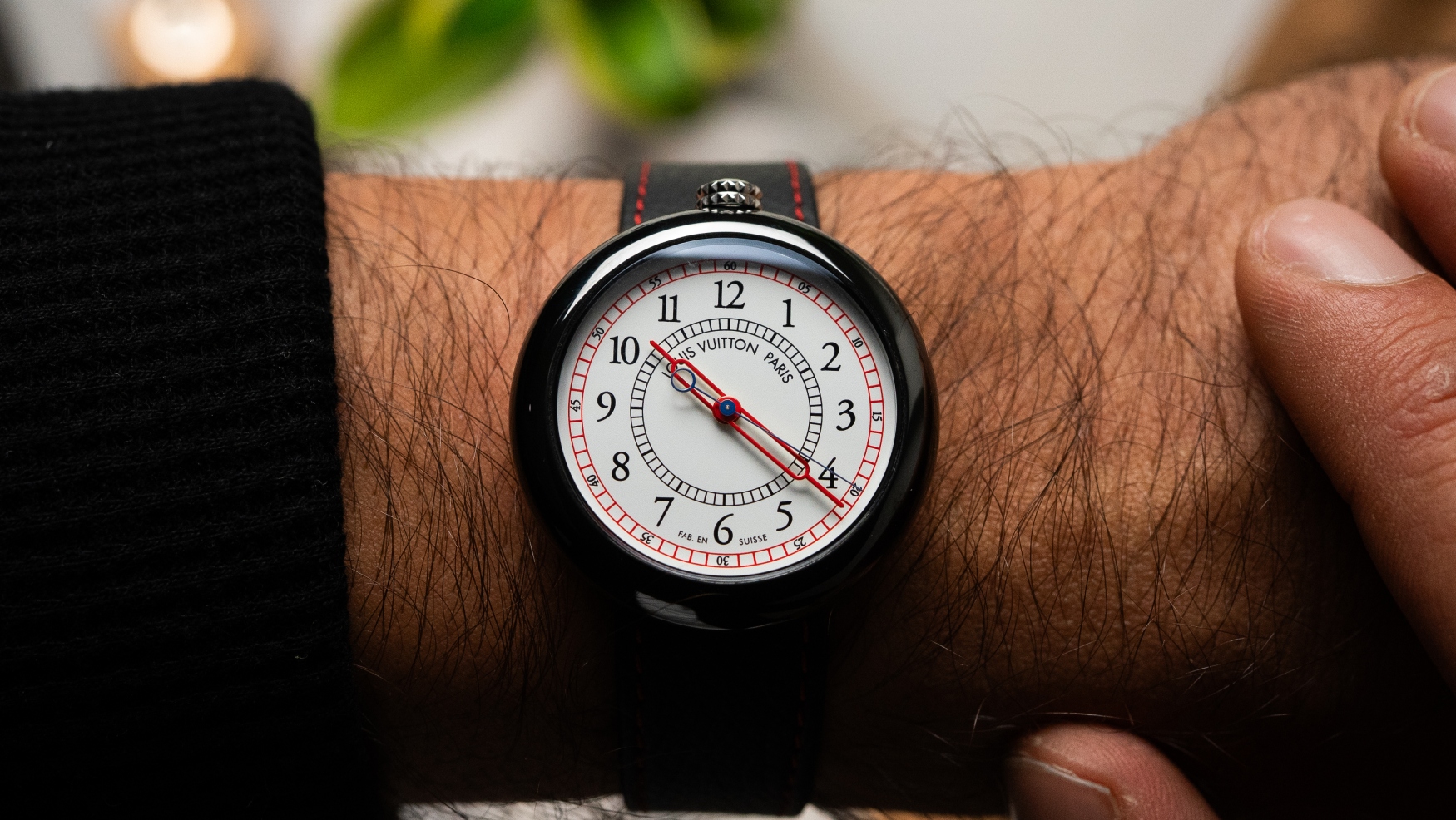
The Louis Vuitton Monterey gets a sleek ceramic upgrade
Louis Vuitton revives the cult Monterey in ceramic, with 37mm black and green cases, lacquered dials and an in-house automatic movement.
1,079 articles · 4 videos found · page 6 of 37
Zirconium-dioxide sintered ceramic; scratch-proof, colour-fast. Rado 1986, Rolex Cerachrom 2005.
Moser's wildest Streamliner yet pairs a flying tourbillon skeleton with a ceramic case, all under the Alpine F1 banner
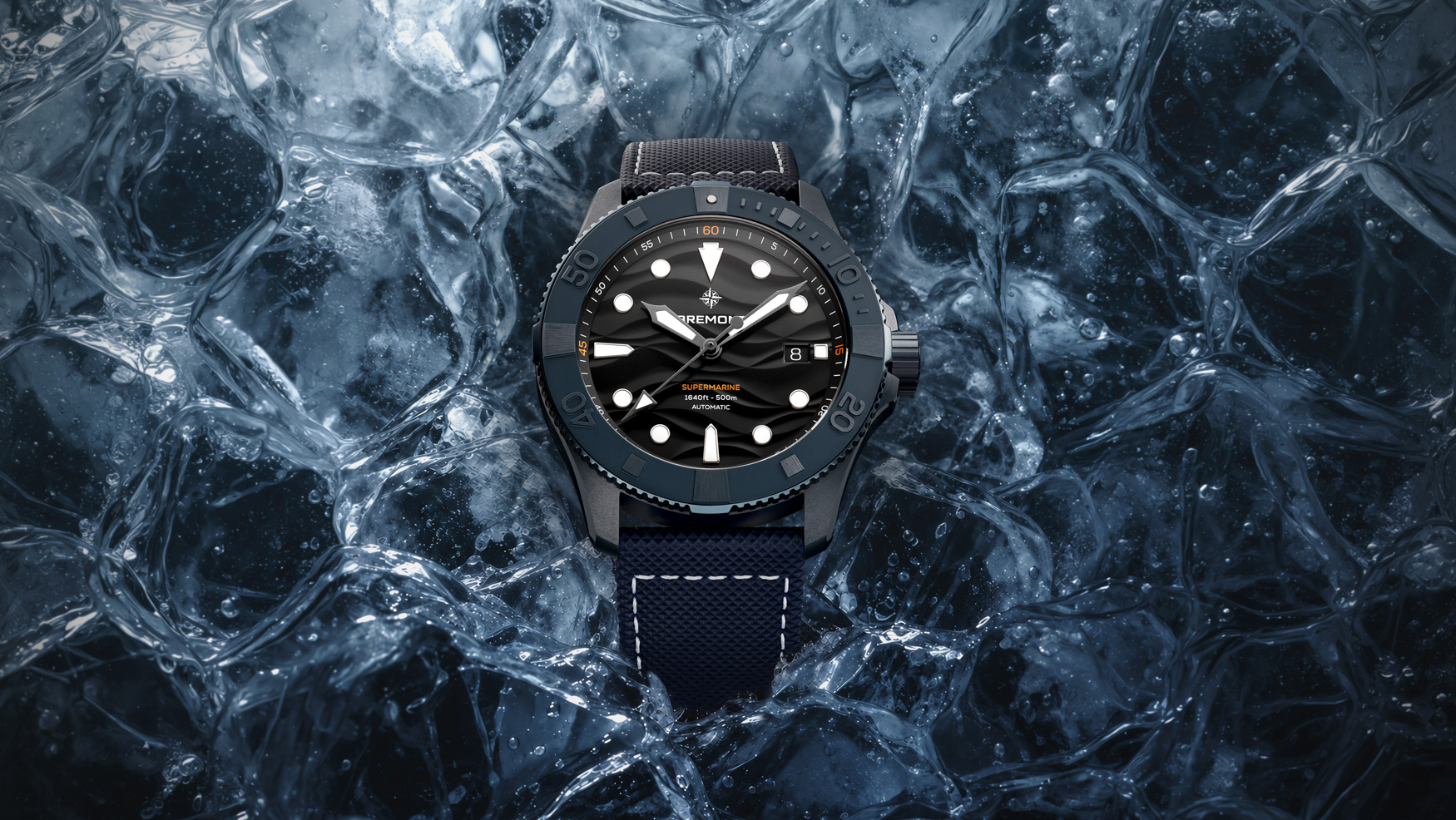
A 250-piece limited edition in dark blue ceramic that gives Bremont's 500m diver a more wearable, less tactical personality
The Swiss micro-brand goes harder with its ceramic sports watch, adding motorsport-inspired red accents, a matte black case, and a COSC-certified movement to the mix.
Time+Tide
Louis Vuitton revives the cult Monterey in ceramic, with 37mm black and green cases, lacquered dials and an in-house automatic movement.
 Time+Tide
Bremont unveils its latest full ceramic Supermarine, this time in a deep blue finish, tested to its limits by Aldo Kane
 Worn & Wound
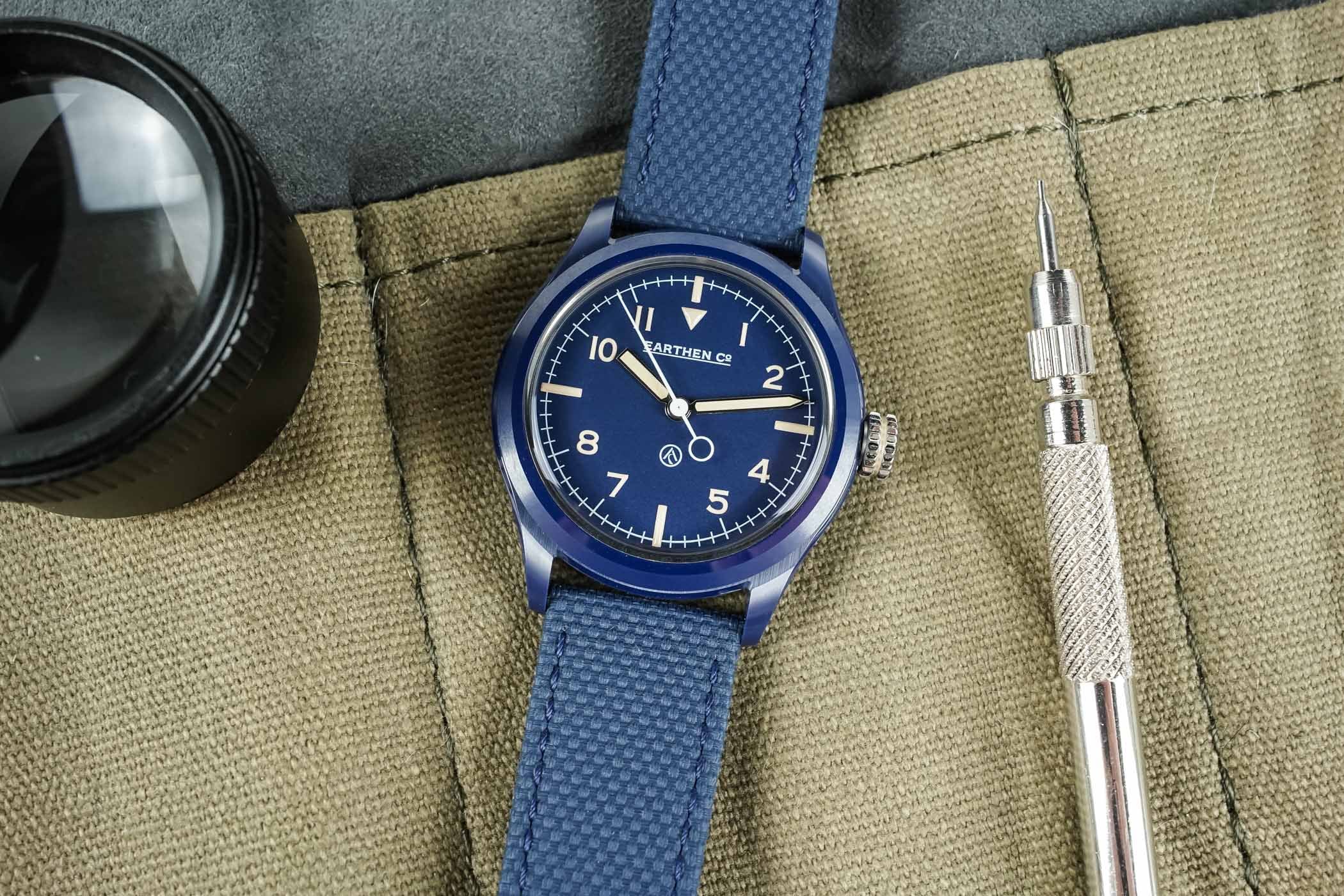
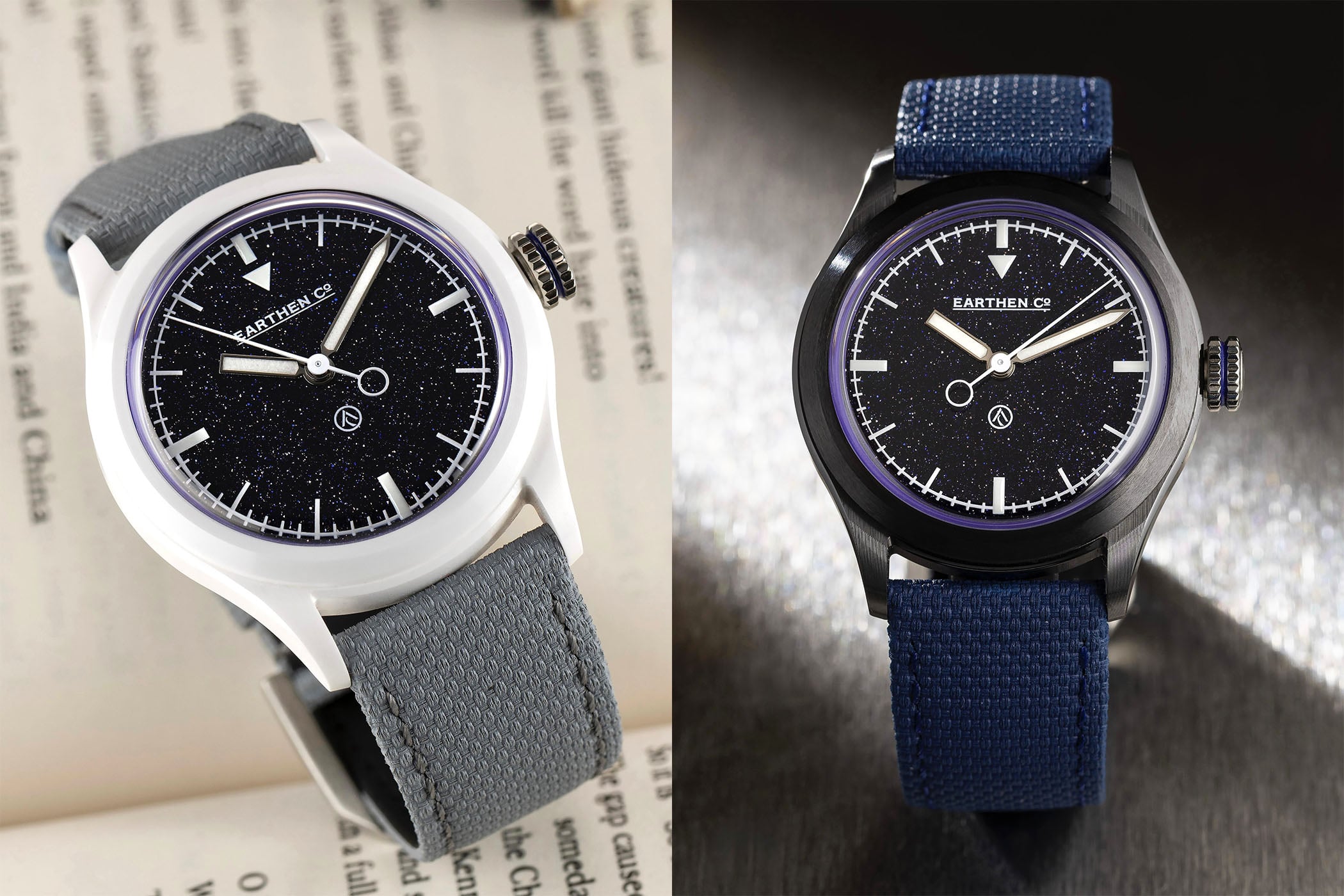
It started with a topic that’s readily on watch collectors’ minds over the past few years in particular – a topic we even discussed on a recent podcast: watch prices are climbing and pricing younger collectors out of the hobby. Jonathan Chan, a collector himself and co-founder of The Horology Society (a Hong-Kong based global collector community), decided to create the brand he wanted to see in the market. After two years of conceptualization, research, development, and prototyping, he founded Earthen Company in 2025 with a mission to democratize watches with a focus on high-tech ceramic and a goal to keep price tags below $1,000. The brand’s inaugural offering, the Summit Collection, presented a mix of old and new, past and present with dichotomy of vintage pilot and field watch design codes rendered in modern ceramic. Over the past year, Earthen Company’s offerings have continued to expand with an evolution of the original line called the Summit Mark II and a totally new addition with the Aventurine Collection. The Summit MK II refined the composition of the collection that started it all. It retained the original proportions and signature ceramic build while upgrading the finer details like dial symmetry and legibility. Now, we get the latest additions to the MK II lineup with a trio of new colors.As a journalist in this industry for the better part of almost 15 years, I’m often a bit underwhelmed when the headline of a new release is simply a new colorway. ...
 Monochrome
Earthen Company is still a very young watch brand, but it has already done quite a bit with the Summit collection. The Hong Kong-based brand launched in 2025 with three compact ceramic field watches, pairing a 38mm case with an oversized crown, clean dials, and a Miyota automatic movement, all for less than a thousand […]
 Hodinkee
What We Know The 2025 revival of the Louis Vuitton Monterey was a curious moment for the brand. Certainly influenced by a recent surge in popularity for the original LV I and LV II watches among celebrities and vintage collectors, it was a small(ish) 188-piece run (priced at $60,000) meant to show the brand was paying attention to what was happening around it. While the original LV I was a quartz watch with several complications, the brand simplified the aesthetics with the revival—gone were the complications and the distinctive, busy dial with all of its markings, as the new Monterey was time-only with a mechanical movement. But that Monterey also demonstrated the craft of La Fabrique du Temps Louis Vuitton, introducing a simpler dial in grand feu enamel. While it may have seemed like a small blip in the brand's overall plans, Louis Vuitton has more to say about the pebble-like designs from 1988 by Italian architect Gae Aulenti—the Monterey Ceramic, a duo of watches that focuses on the smaller LV II. Now, the Louis Vuitton Monterey Ceramics are not part of a limited edition and officially enter the brand's permanent collection. The cases are faithful to the original, preserving the model's smaller 37mm case size and both original ceramic colors: green and black. The polished, pebble-shaped case is slightly thicker at 11mm, however, because it houses the automatic LFTMA01.02 caliber rather than the original quartz movement. Like last year's Monterey, the Monterey Ceram...
 WatchAdvice
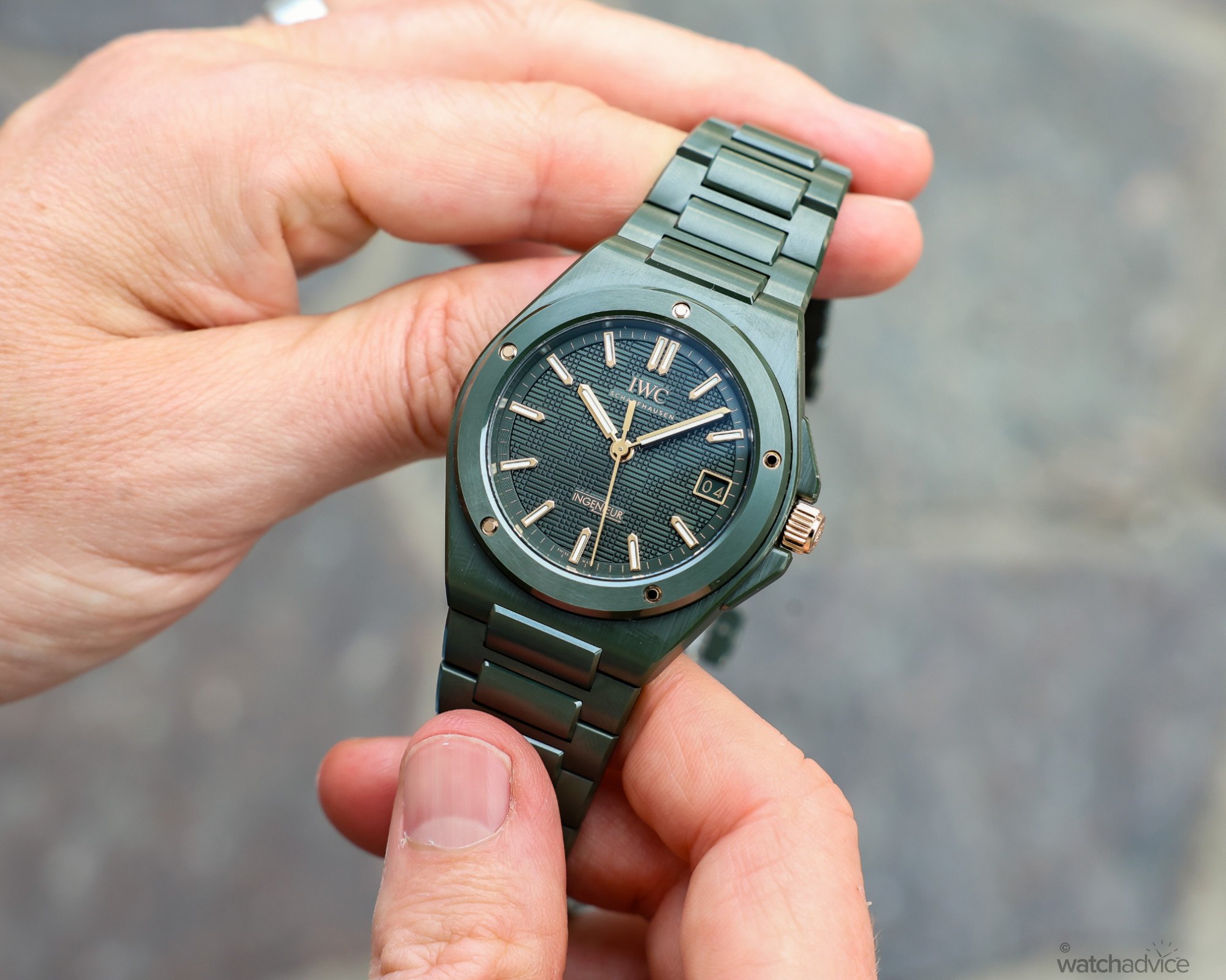
IWC went green this year with the Ingenieur 42 Ceramic, and while we thought the black was good, this could be better! What We Love: The shade of green ceramic works extremely well The gold accents elevate the watch nicely The finish & light play make this a standout on the wrist What We Don’t: Still, the lack of the quick-link adjustment system on the bracelet The 42 mm case size may not suit all wrist sizes and types A full ceramic watch may not be for everyone, or suit some people’s lifestyles Overall Rating: 8.75 / 10 Value for Money: 8.5/10 Wearability: 8/10 Design: 9.5/10 Build Quality: 9/10 When IWC released the black ceramic Ingenieur last year, I was pretty impressed with how well the watch worked in the metal, or ceramic, I should say. The Ingenieur is already a very distinctive design, and creating it in ceramic could easily have changed the proportions or feel of the watch, but IWC managed to retain what makes the current Ingenieur work while giving it a completely different feel on the wrist. IWC CEO Chris Grainger-Herr talked to us about this last year, and how much research and development went into making a 42mm-sized ceramic version to mirror the proportions, look and feel on the wrist as the standard steel 40mm. It was an interesting chat, which you can read all about here. It’s not easy being green, as the frog once said! But maybe, in this case, it is! Not content to rest on its laurels, IWC released a green ceramic version for Watches & Wonde...
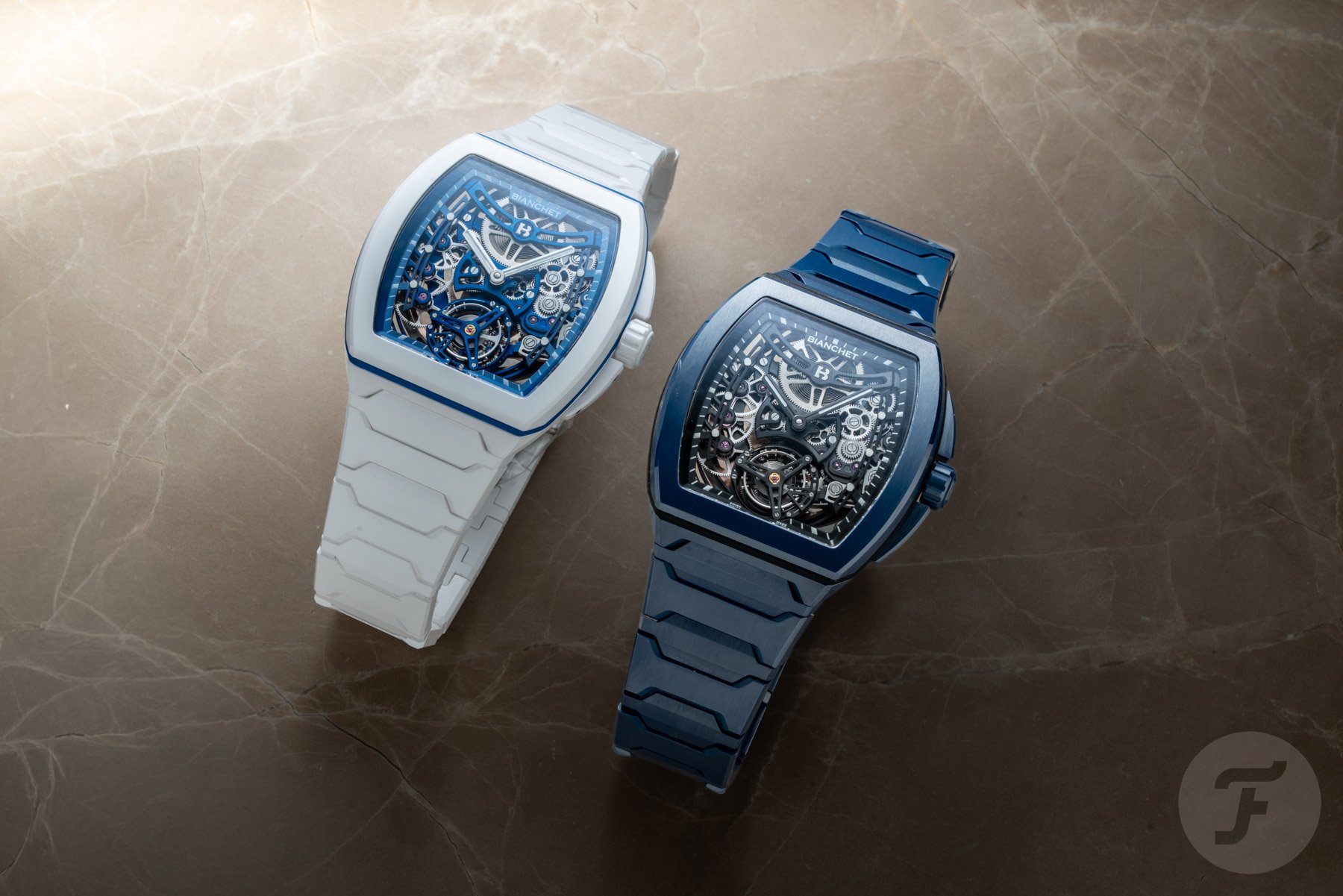 Fratello
Can beauty be put into numbers? The surprising answer is “yes, it can.” The Fibonacci sequence and the golden ratio have been turning up in discussions about beauty, proportion, and design for centuries. They are said to explain why certain things in nature look pleasing to the eye, from sunflower heads and pinecones to shells […] Visit Mathematical Horological Beauty: Hands-On With The Bianchet Tonneau UltraFino Ceramic Skeleton Deep Blue And White to read the full article.
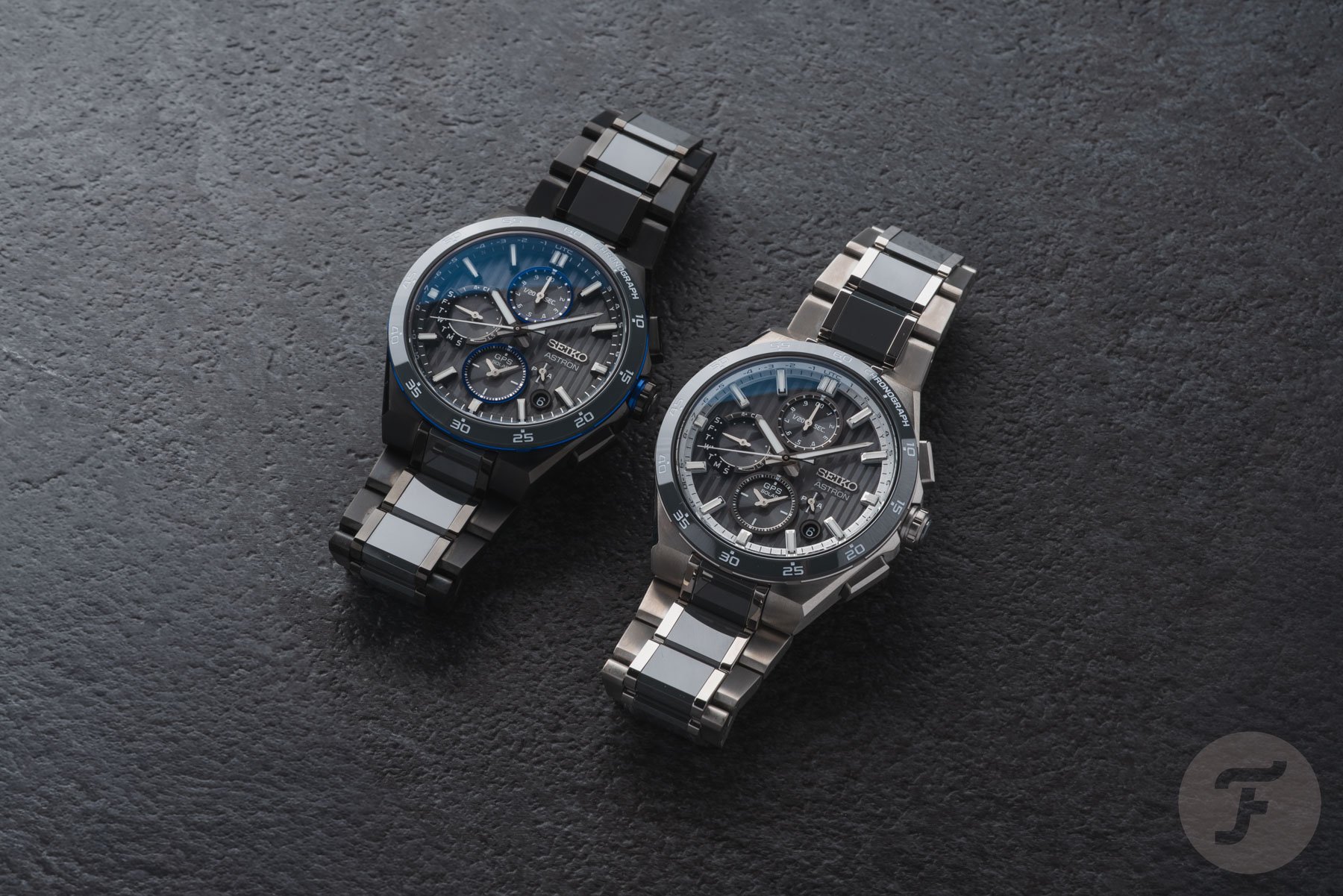 Fratello
For the first time in the Astron collection, Seiko introduces gray ceramic. The shiny non-alloy appears on the bezel, crown cap, and bracelet center links of two new Seiko Astron GPS Solar Dual Time Chronograph watches. While these models share the ceramic parts, they have differently colored titanium components. The HAB007 is the full-gray version, […] Visit Gray Ceramic Debuts On Two New Seiko Astron GPS Solar Dual Time Chronographs to read the full article.
 Hodinkee
What We Know If H. Moser is guaranteed to do anything, it's to surprise us. A watch made out of cheese. A watch inspired by the Reebok "Pump." Those are easier to process because they're fun and a bit silly. But when Moser signed a deal to be a sponsor of Alpine's Formula 1 team, it was even more surprising to me. That's a serious sponsorship for a brand that makes far fewer than 5,000 watches a year and doesn't charge Richard Mille prices. But Moser is taking full advantage of the platform and turning out very sporty watches, including this new collaboration. This isn't the first collaboration between the brands; it began with a surprising smartwatch for the pit crew, paired with a skeletonized chronograph. Pierre Gasly (one of Alpine's drivers) also got his own limited edition. But this one takes the automotive inspiration in a different direction: lightweight and with all the Alcantara you could want (maybe even more). While Moser has done a Streamliner tourbillon in ceramic before, that watch came with a full dial and a ceramic bracelet. The 40mm by 12.8mm case is made of anthracite grey ceramic, but now it comes with an integrated light blue Alcantara strap, a synthetic microfiber material with a soft, suede-like texture. If you're into cars, you've run into this material a lot. Unlike the previous release, this is the first skeleton-flying tourbillon version of the Streamliner, made in ceramic. Powered by the HMC 814, the watch has blue-toned plates with diamond...
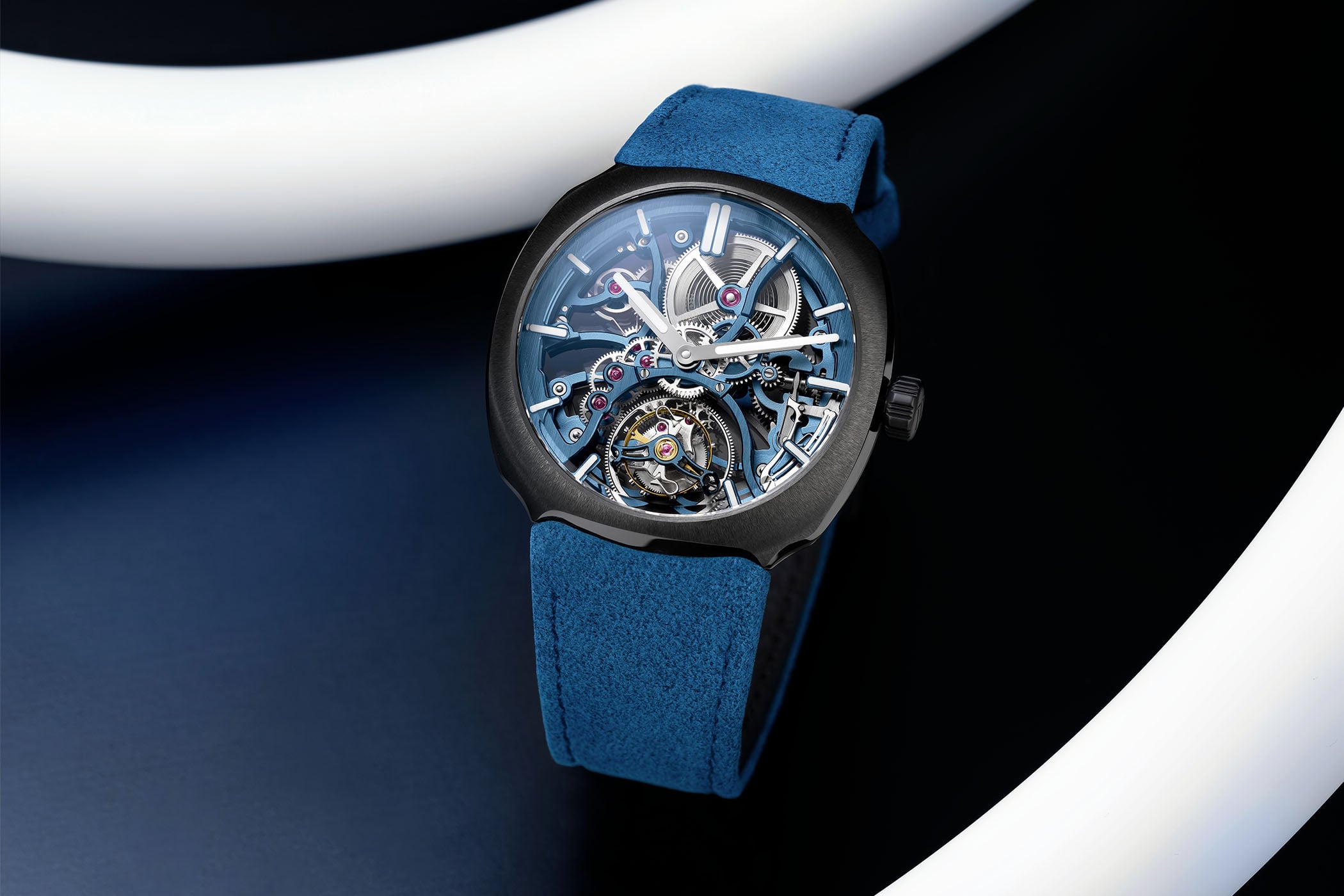 Monochrome
H. Moser & Cie. and Alpine Motorsports continue their collaboration with a new creation, following the Streamliner Cylindrical Tourbillon Skeleton Alpine Limited Edition and the more performance-oriented Alpine Drivers and Alpine Mechanics editions. The new Streamliner Tourbillon Skeleton Ceramic Alpine Limited Edition becomes only the second H. Moser & Cie. watch to use ceramic, after […]
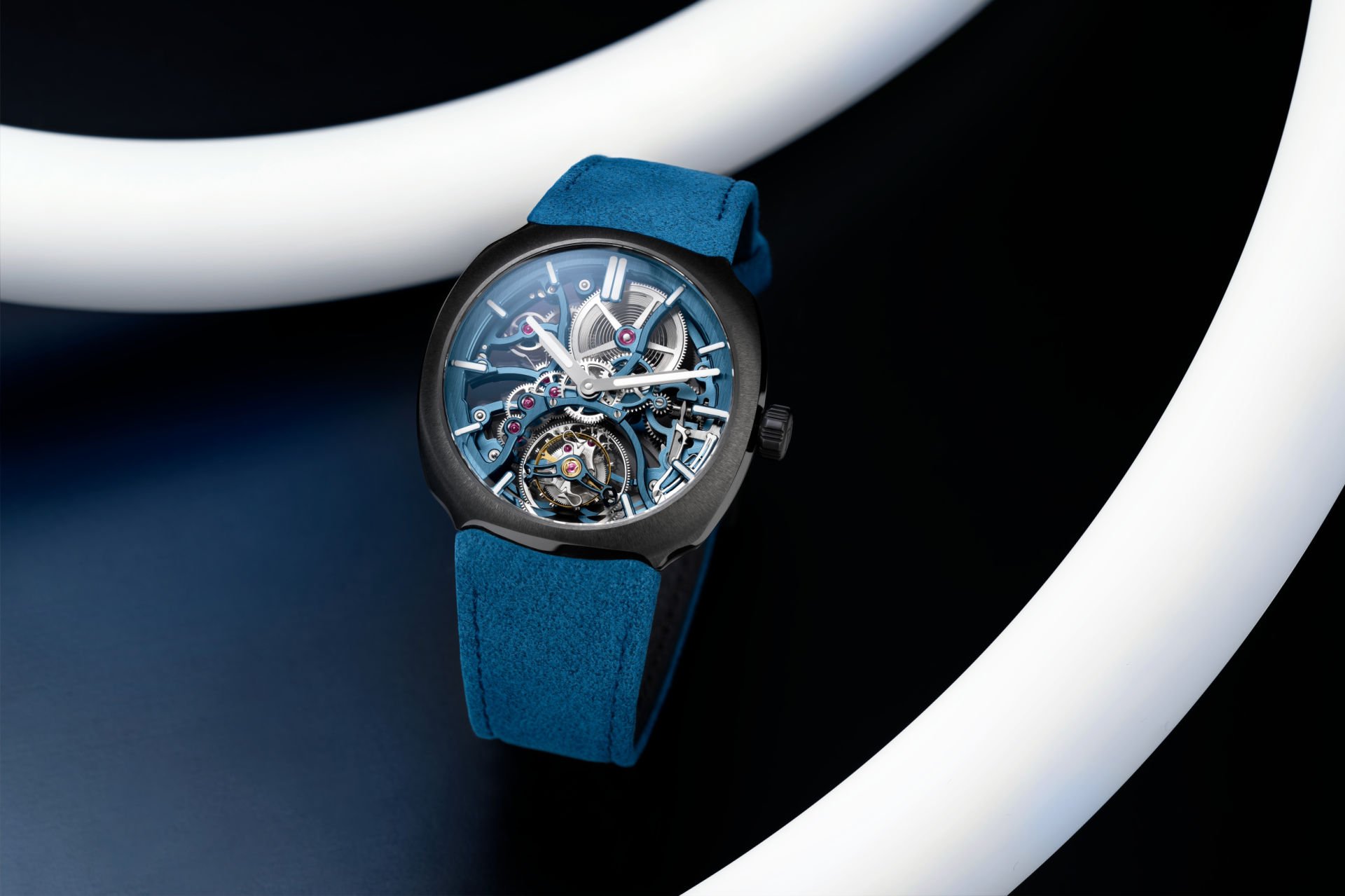 Fratello
There is something particularly Moser about taking a watch already built around an absurd amount of visible mechanics and deciding that what it really needs is a ceramic case. Today, I’m taking a look at the new H. Moser & Cie. Streamliner Tourbillon Skeleton Ceramic Alpine Limited Edition. It’s the third project born from the […] Visit A Ceramic Makeover For The H. Moser & Cie. Streamliner Tourbillon Skeleton — An Alpine Limited Edition to read the full article.
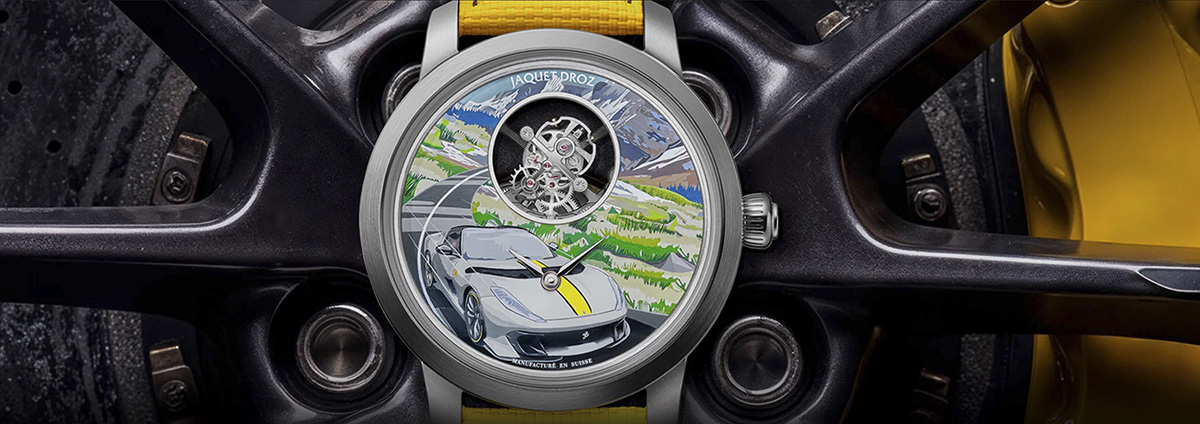 Deployant
Jaquet Droz Tourbillon Plasma Ceramic Oberlap, inspired by the collector who commissioned this with his supercar crossing the Alpine Oberalp Pass.
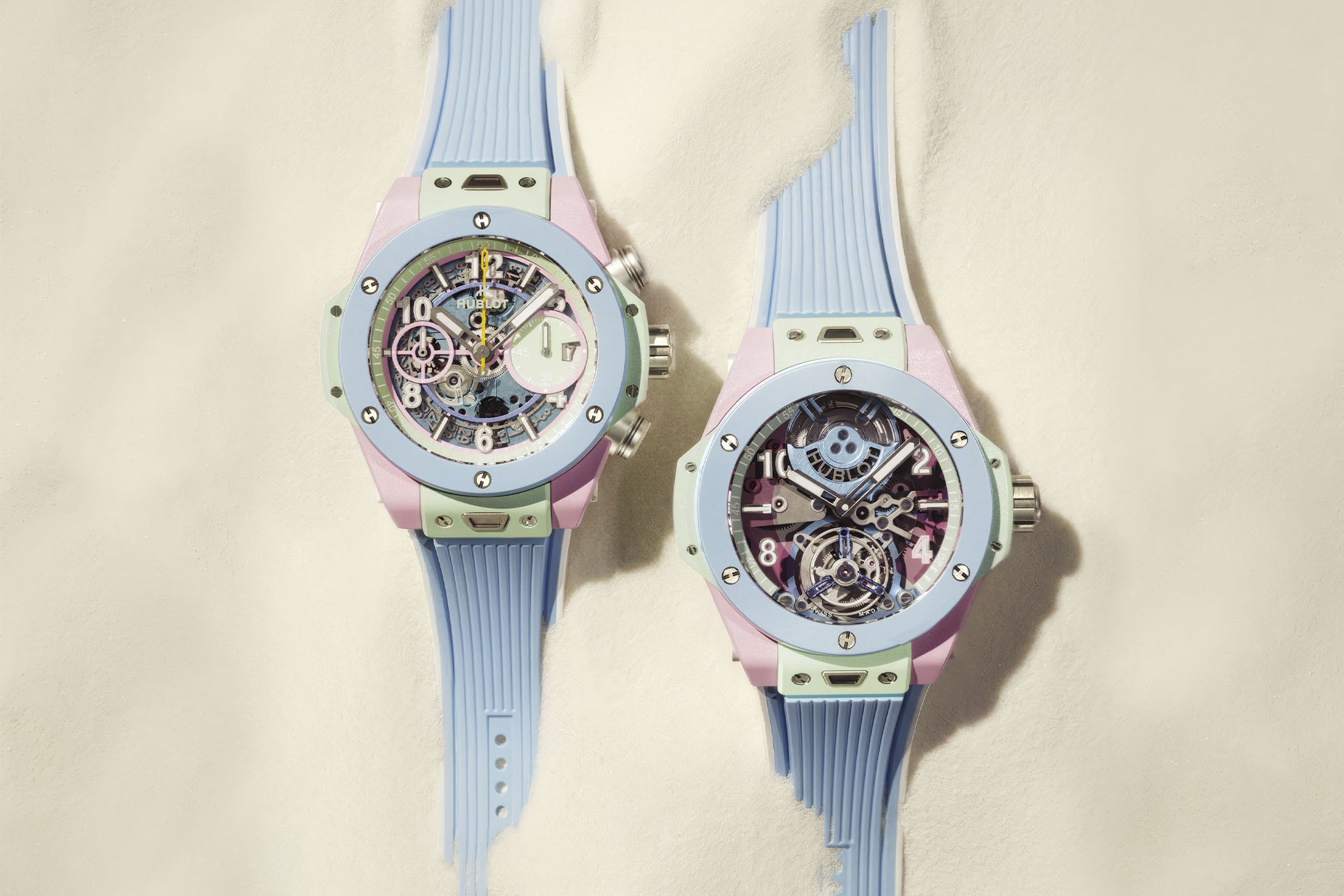 Monochrome
Since 2017, Hublot has celebrated the arrival of each summer with a special collection unveiled in Saint-Tropez. For 2026, the brand prepared a series of Big Bang watches, demonstrating Hublot’s mastery of coloured ceramic. The range offers a lighter, seasonal interpretation of the Big Bang and spans manufacture chronographs, a tourbillon and compact automatic models. Two […]
 Hodinkee
What We Know If there's a young brand that's certainly made an aggressive push in the realm of industrial-aesthetic haute horlogerie, it's Vanguart. Mark Kauzlarich told the brand's founding story last year, highlighting a team with an absolutely stacked resume in high-end watchmaking. So today, we're taking a look at the brand's newest take on its second watch, the Orb, with its newest treatment—pink ceramic. It's a unique offering in the space, certainly due to its all-pink livery, but also thanks to its collaboration with retailer Material Good for this 25-piece limited edition. The Vanguart Orb Pink Ceramic's exclusivity with the retailer is probably no surprise, given the large push by Material Goods' Yoni Ben-Yehuda to promote the upstart brand through its sales channels. Here, what was originally an aggressive machine in black and silver gets toned down in shades of powdery pink thanks to the inclusion of colored ceramic within the 41mm by 10.5mm titanium case, seen in both the side of the case as well as the function selector pusher in the crown (more on that in a little bit). The accent extends onto the openworked dial of the watch, which is more a three-dimensional city of components that puts the flying tourbillon on full display. The handset, skeletonized and filled with lume at the ends, sits above everything else. Though telling the time probably isn't the strict mission of the Orb, a nicely decorated minutes track sits between strips of pink, color and tex...
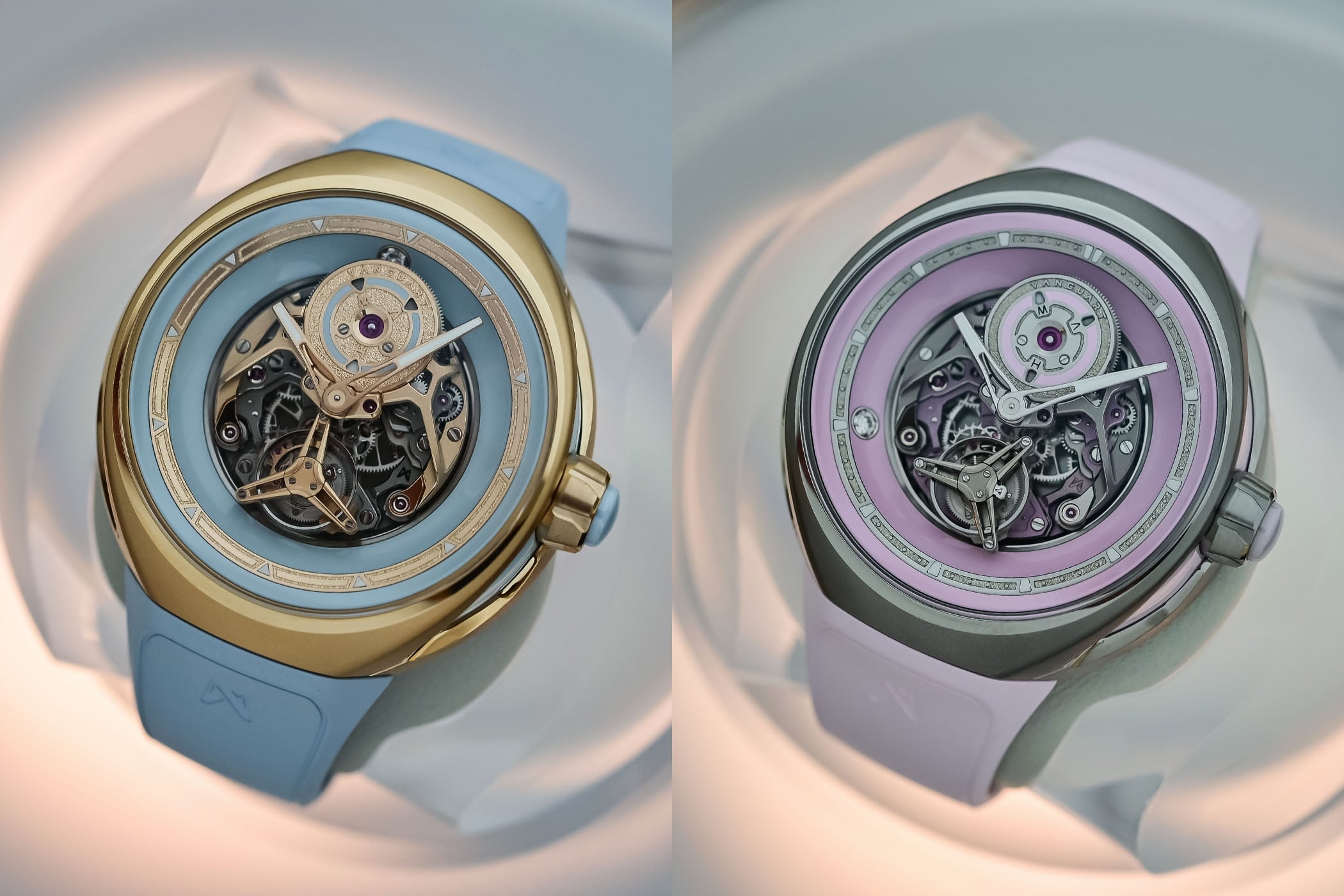 Monochrome
Independent watchmaker Vanguart presented its first timepiece, the impressive Black Hole Tourbillon, in 2021, followed by a “slightly more accessible design,” the Orb Flying Tourbillon (2024). Despite its more approachable concept, this creation remains one of the more unconventional in contemporary haute horlogerie. Now, two new executions soften the radical model: the Orb Pink Ceramic […]
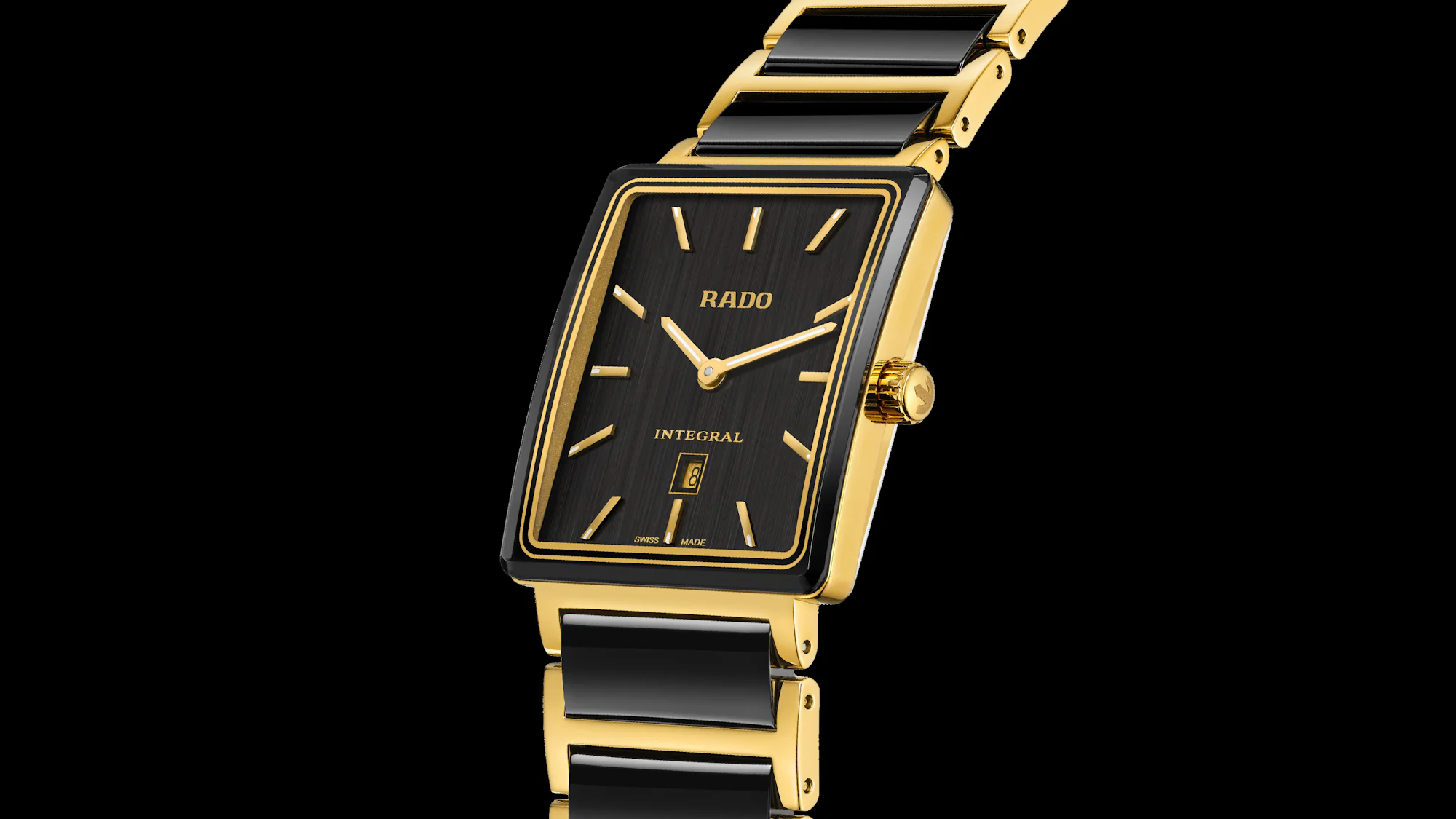 Hodinkee
What We Know Rado is a brand that's synonymous with ceramic. If I think about the brand's catalog, the weird, quirky shapes in glossy blacks and whites are what shine above the rest, both metaphorically and literally speaking. But it speaks to the brand and its long history with the material, 40 years in fact, as well as its share of the ceramic watch market around the sub-ten-thousand-dollar price point. Now, Rado is a curious brand within the Swatch Group, as it's not talked about as much in the United States compared to many of the other brands at its price point. And that's certainly due to America being the brand's smallest market by far. Its nickname of "the Rolex of India" certainly carries some weight, thanks to 42% of its business being in India, the Middle East, and Africa. In India, the most populous country in the world, the market share is a whopping 50% of watches between CHF 1,000 and 3,700 (per the brand). This year marks a big anniversary for Rado, commemorating 40 years since the debut of the Integral, the brand's first watch featuring ceramic. And so this occasion brings forth the Integral 40-Year Anniversary edition, an absolute throwback to the original that retains its very definitely 80s look. Clad in shiny black and gold, it preserves the original design's rectangular case, albeit in slightly larger dimensions each way, with a 28mm width and 39.8mm length. The new Integral 40-Year Anniversary (left) and the original (right). Thanks to the Rado R279 ...
 Monochrome
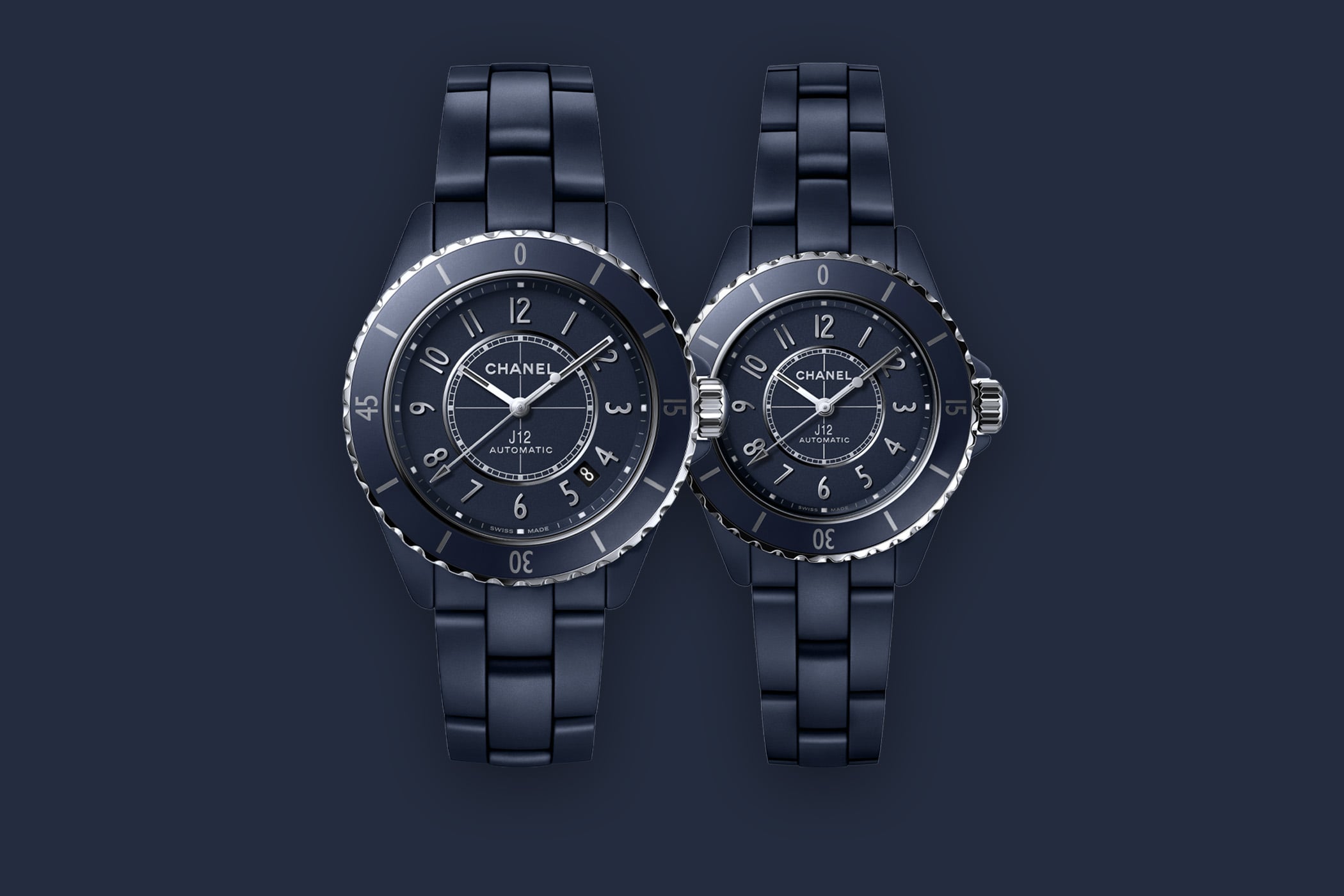
Twenty-six years ago, Chanel introduced the J12, a luxury sports watch crafted from sleek, black high-tech ceramic. Designed by artistic director Jacques Helleu, the collection was named after the J-class 12-metre racing yachts competing in the America’s Cup. An overnight success, the J12 appealed to men and women alike with its chic, unisex aesthetic. Chanel’s […]
 Monochrome
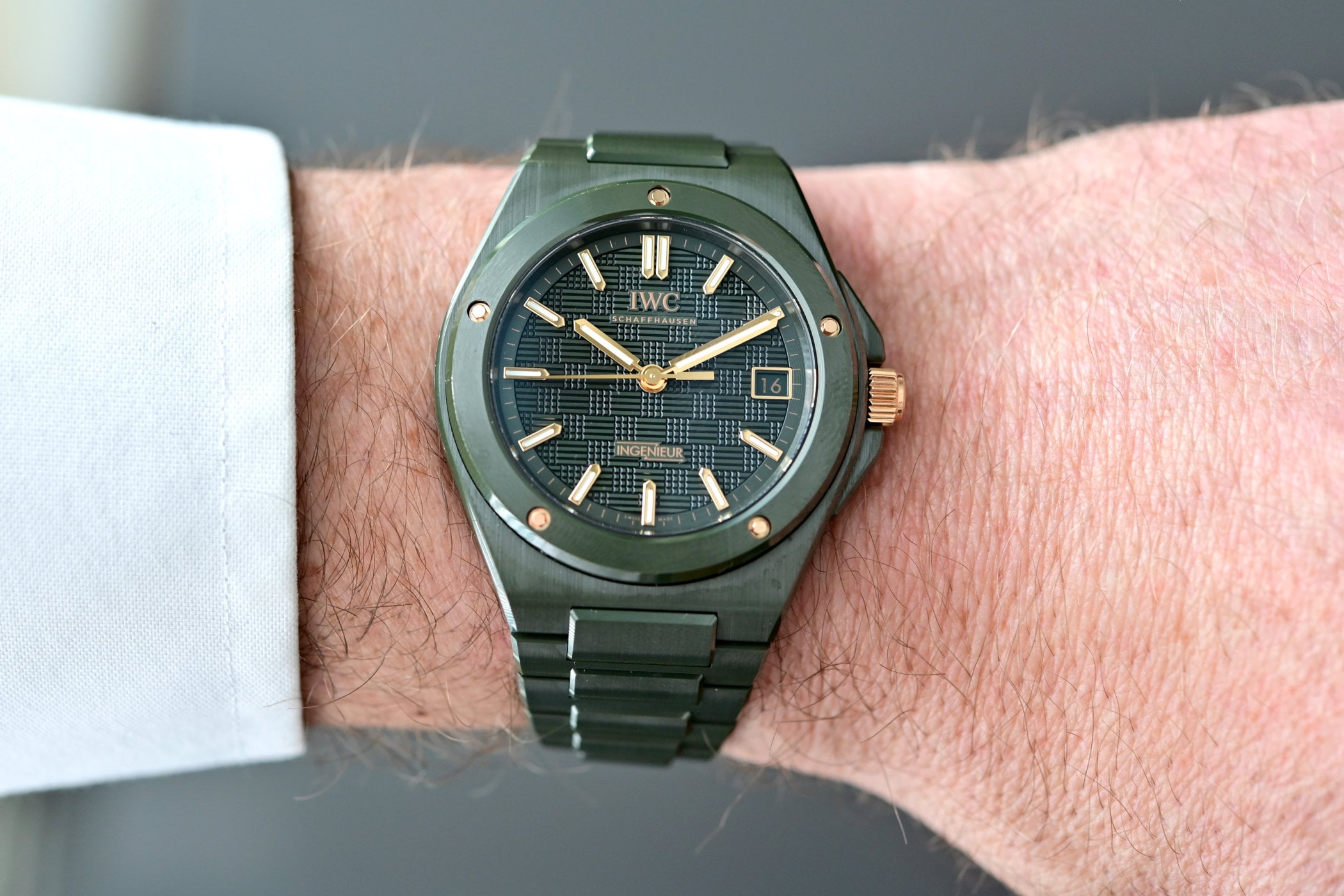
When IWC revived the Ingenieur in 2023, it did so by returning to Gérald Genta’s integrated-bracelet design, with functional screws, a structured dial and an emphasis on all things technical. Last year’s full-black ceramic Ingenieur Automatic 42 was quite exemplary. For 2026, IWC takes a more nuanced step with the Ingenieur Automatic 42 in dark […]
 Monochrome
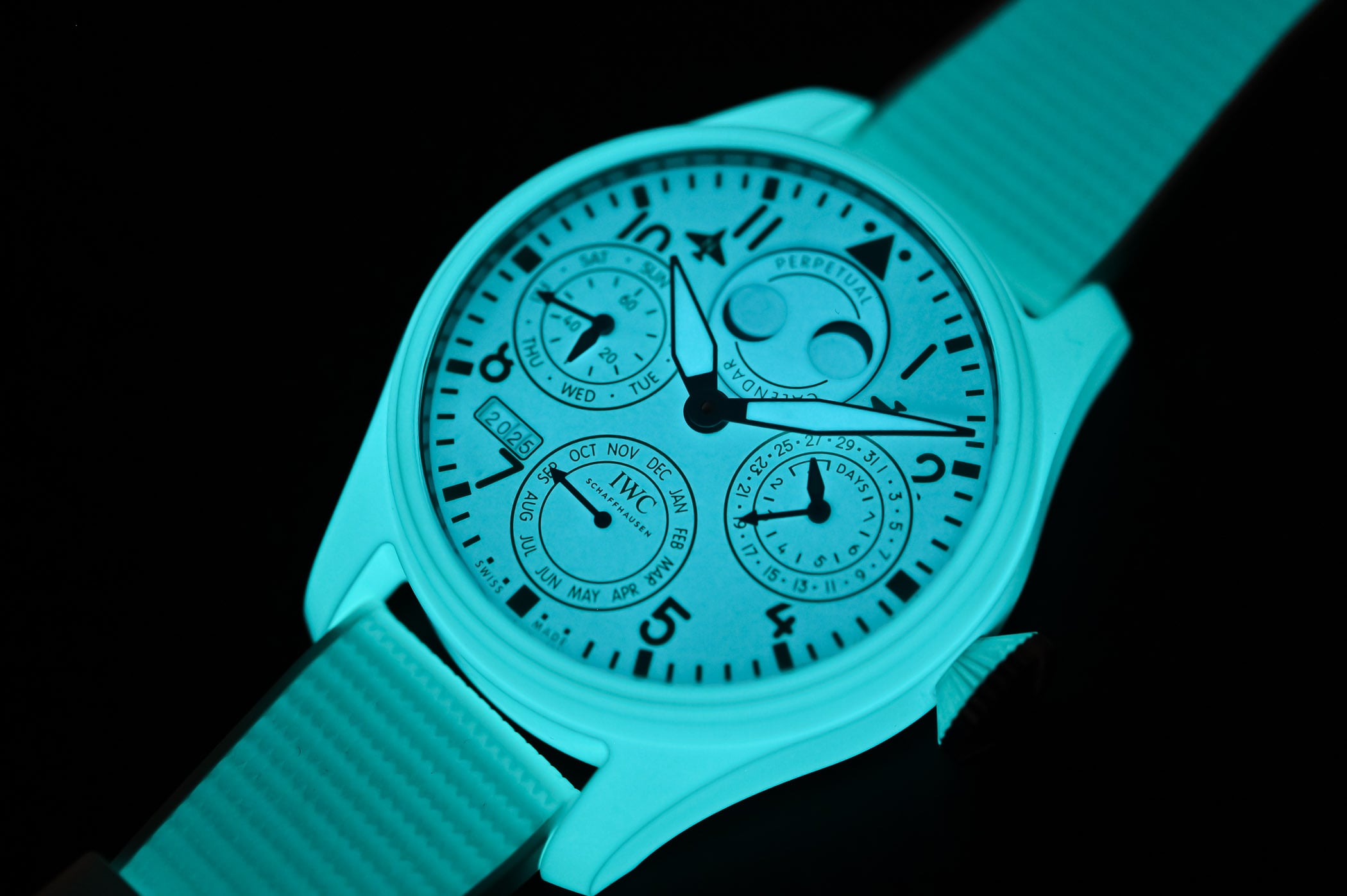
From its early adoption of titanium in the 1980s to its extensive work with coloured ceramics in the Top Gun collection, Schaffhausen-based brand IWC has consistently treated materials as a field of innovation. With the introduction of Ceralume as a concept in 2024, IWC explored the idea of a fully luminous ceramic case. Now this […]
 Time+Tide
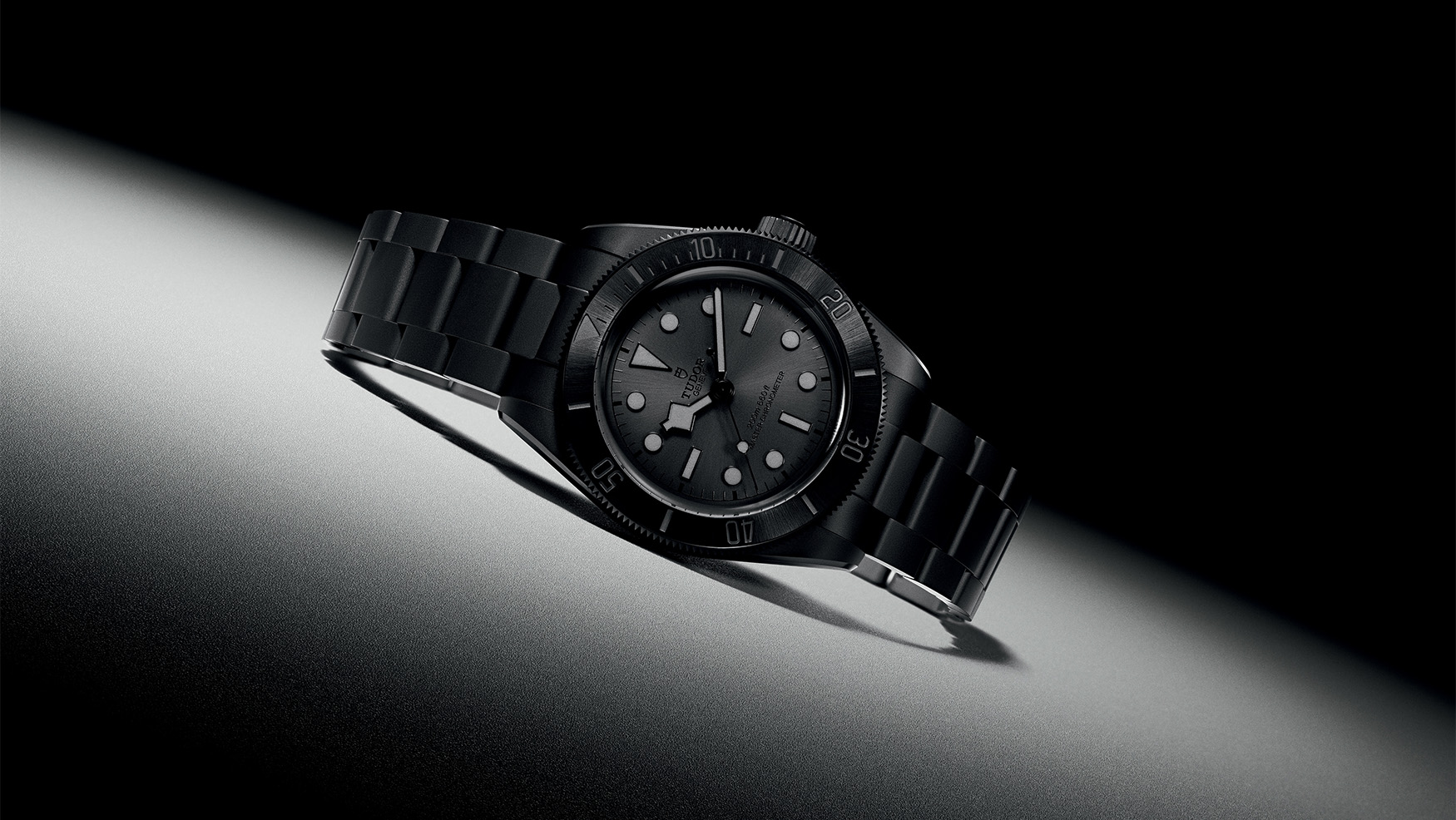
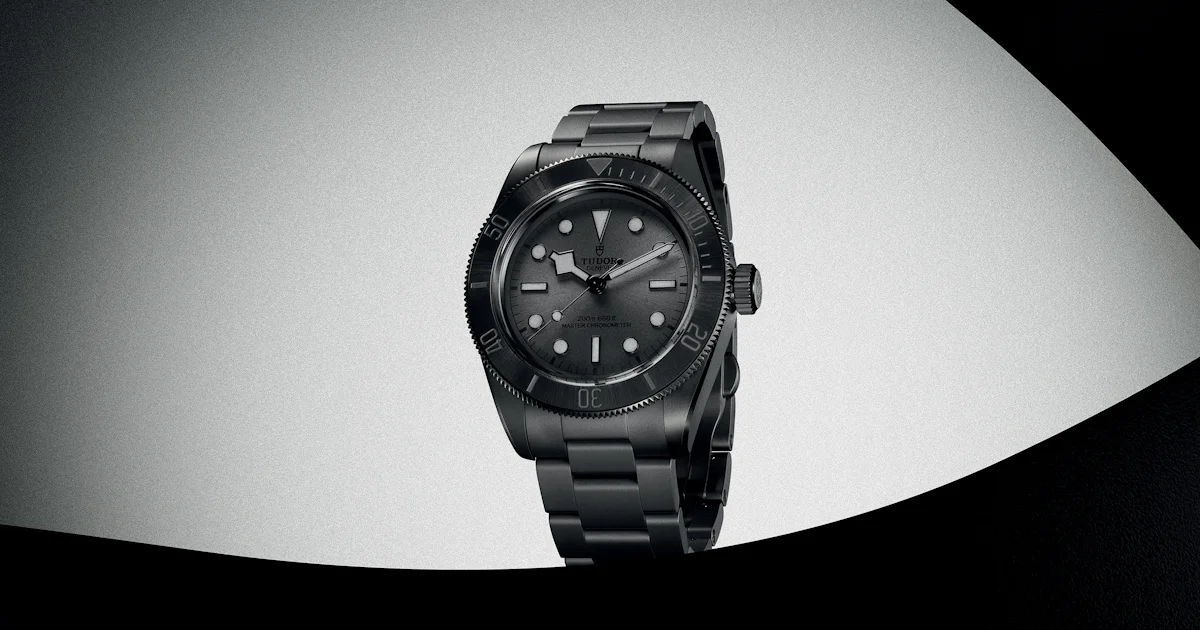
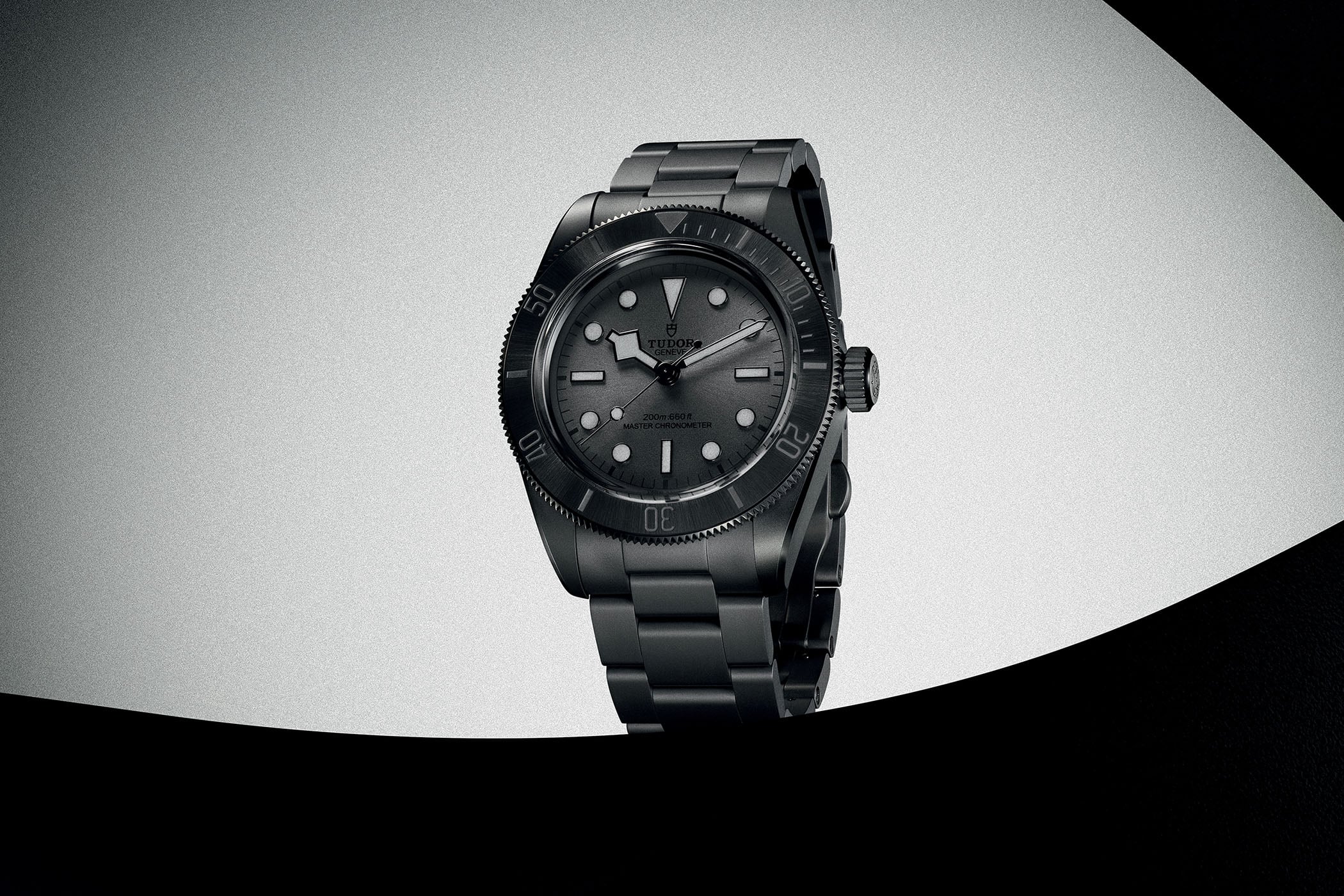
Tudor announces a refreshed Black Bay Ceramic with a matt black ceramic case, a revised dial, and finally, an all-new full ceramic braceletThe post Tudor revises the Black Bay Ceramic, introducing the brand’s first fully ceramic bracelet appeared first on Time+Tide Watches.
 Hodinkee
The brand's first ever ceramic bracelet, and a dressy addition to a classic GMT.
 Monochrome
If there was the Black Bay Ceramic “One” (Only Watch) in 2019, the story of the Black Bay in Ceramic really started in 2021 with a watch that was then the first METAS-certified Tudor. On the occasion of Watches and Wonders 2026, we now get a full ceramic rendition of the model, fitted for the […]
 Time+Tide
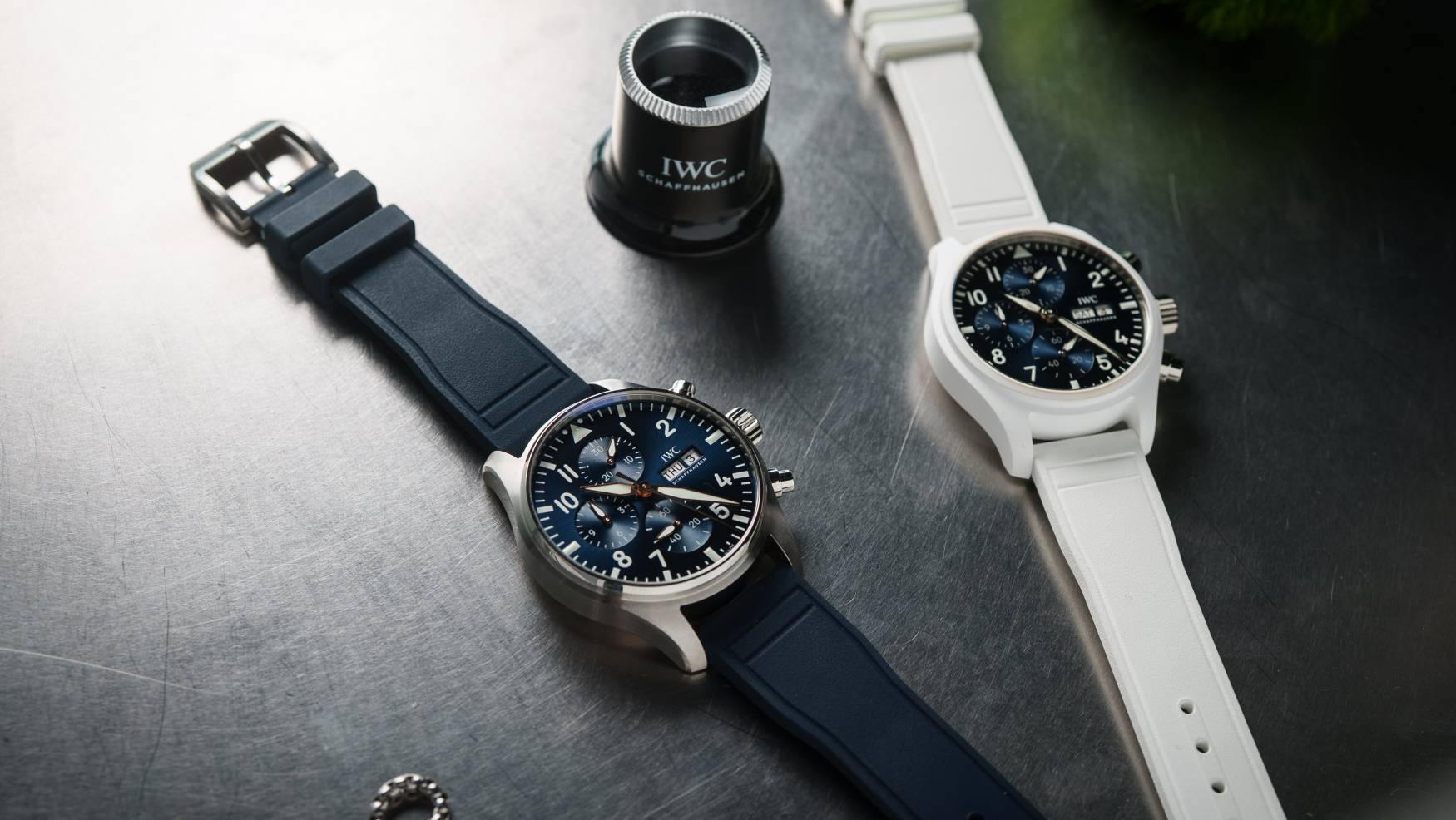
Three new chronographs with striking blue dials in both steel and white ceramic join the Le Petit Prince range at IWC.The post IWC unveils new Le Petit Prince Pilot’s Chronograph models in steel and white ceramic appeared first on Time+Tide Watches.
 Deployant
Vanguart adds to their Orb Flying Tourbillon collection with a new release of two references in ceramic titanium and ceramic gold.
 Monochrome
Founded in 2025 in Hong Kong, Earthen Company entered the watchmaking scene, offering a combination of modern materials, vintage-inspired proportions, and accessible pricing. Its inaugural alpine-spirited Summit collection of compact ceramic field watches with oversized crowns and clean, legible dials had a strong visual identity, tools designed for outdoor use. Now, with the new Nightfall […]
 Hodinkee
In the Dutch brand's continued collaboration with artist Guy Allen, three new automotive-inspired dial designs in Champlevé enamel now get paired with ceramic cases.
 Teddy Baldassarre
Ceramic watches not only offer a host of practical attributes, such as lightness, hardness, scratch-resistance and hypoallergenic properties, but also, increasingly, a very intriguing range of color options as watch manufacturers continue to explore the science of ceramics and refine their own ceramic-making processes. In this article we take a brief look at the history and the technology of ceramics in watchmaking and showcase (in ascending order of price) more than a dozen of the best ceramic watches on the market today. [toc-section heading="Defining Ceramics"] First off, it’s worth clarifying what we’re talking about when we refer to “ceramics” in terms of watchmaking (as opposed to, say, pottery). In scientific terms, a ceramic can be succinctly defined as “an inorganic non-metallic solid made up of either metal or non-metal compounds that have been shaped and then hardened by heating to high temperatures.” While the word “ceramic” comes from a Greek word referring to pottery (keramikós), it has come to be associated with other materials including glass, cement, and what are generally called high-tech or “advanced” ceramics, as in the type used in aerospace, automotive, electronic and other industrial applications, including watchmaking. Whereas pottery and its various subtypes - earthenware, stoneware, porcelain, to name the major ones - all use types of clay as their main ingredient, advanced ceramics utilizes a far more wide-ranging and c...
 SJX Watches
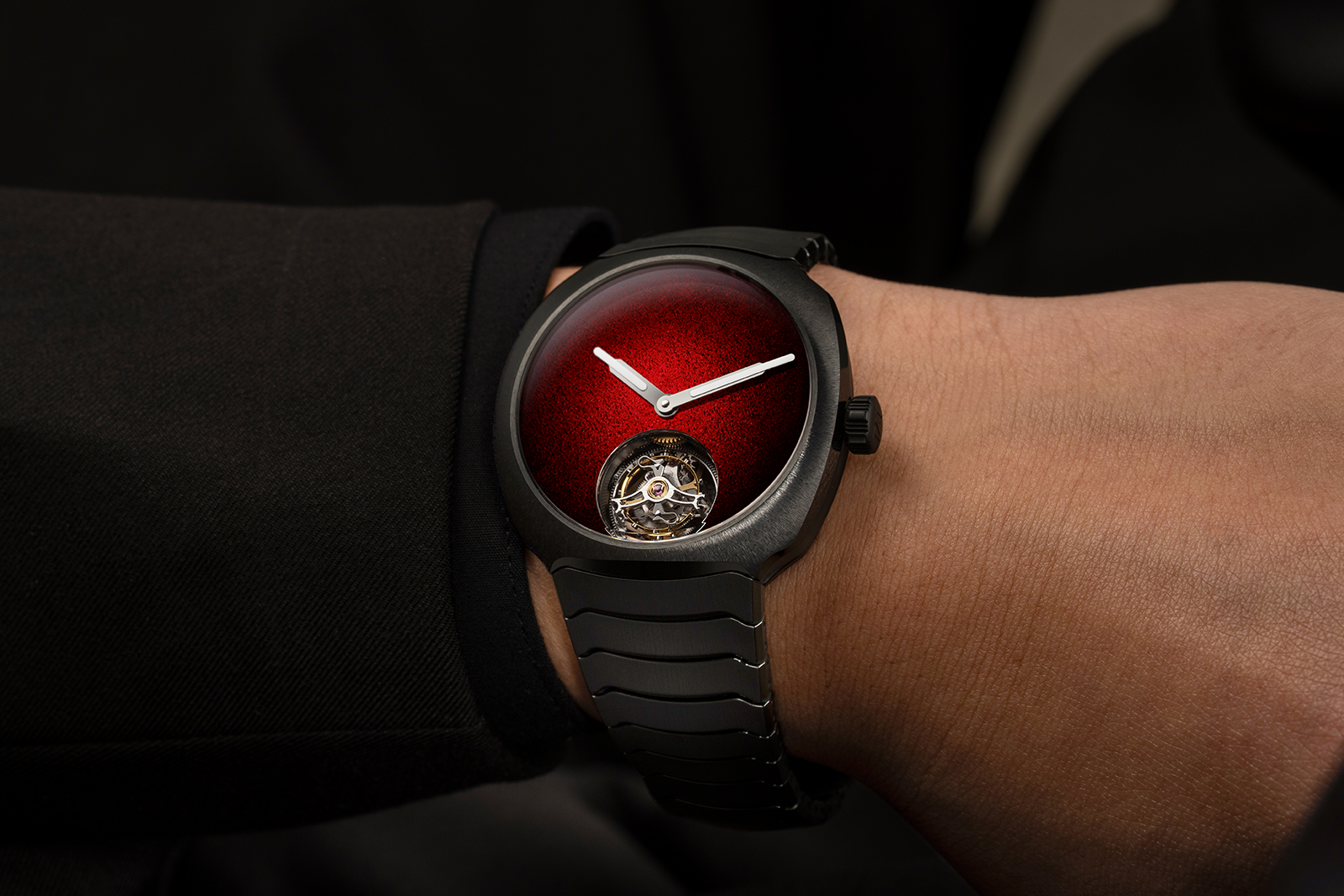
H. Moser & Cie. dips its toes into ceramic for the first time with the Streamliner Tourbillon Concept Ceramic, a bold watch that blends an original design with the high-tech proprieties of ceramic. Despite being a variation of a well-known model at its core, the new Streamliner is unexpectedly different and appealing, especially with a hand-finished ceramic bracelet, an unusual feature even in its segment. Initial thoughts The use of ceramic materials in watches is no longer a novelty. The inert and hard material is appealing for its near-invulnerability to scratches and high tech feel. Ceramics are typically employed for either for aesthetic or technical purposes, but usually for watch cases, while ceramic bracelets are almost exclusively the preserve of large brands that can afford working with the hard-to-machine material. Though still a niche brand, H. Moser & Cie.’s bestselling Streamliner is dressed entirely in ceramic, with a ceramic case paired with a ceramic bracelet. An all-ceramic bracelet is a rare sight from a brand of Moser’s scale. The matte, brushed finish of the ceramic exterior is at the opposite end of the colour spectrum compared with the bright red yet minimalist dial, giving this the signature Moser look. The granular, glossy finish of the fired enamel dial contrast and complements the matte, stealthy sheen of ceramic. The watch is paradoxical in some ways. Pairing Moser’s first ceramic case and bracelet with a tourbillon is somewhat incong...
 WatchAdvice
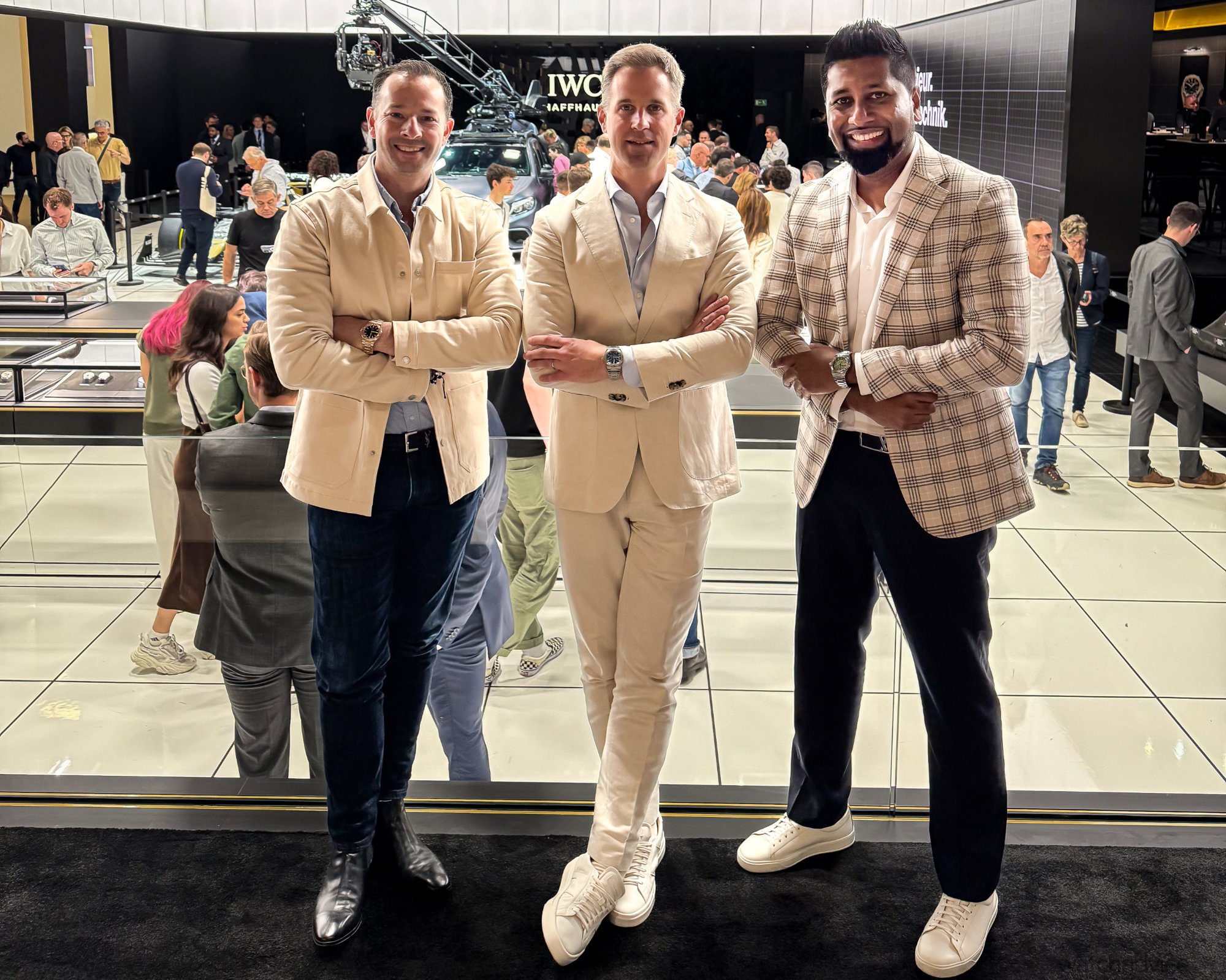
The IWC Ingenieur Automatic 42 Black Ceramic is a stealth watch with Genta’s DNA baked into the material. But does it stand on its own? Let’s find out! What We Love The Ingenieur design is adapted to black ceramic Dial legibility is still present Finishing of the material makes this a standout watch What We Don’t Lack of the quick link adjustment system on the bracelet The all-black look may not be for everyone’s tastes The 42 mm sizing makes this watch wear different to the Ingenieur 40 and may not suit a smaller wrist Overall Rating: 8.6 / 10 Value for Money: 8.5/10 Wearability: 8/10 Design: 9/10 Build Quality: 9/10 The Ingenieur dominated IWC’s 2025 Watches & Wonders releases, expanding into new sizes and materials. And, of course, there was the quickly sold-out green dial inspired by the vintage Ingenieur SL worn by Brad Pitt in F1: The Movie. But one model possibly stood apart from the rest: the 42 mm all-black ceramic Ingenieur. Not because it was louder, but because it fundamentally changed how the Ingenieur is built, worn, and perceived. We were lucky to catch up with IWC’s CEO, Chris Grainger-Herr, who explained that developing the Ingenieur in an all-ceramic case and bracelet wasn’t as simple as remaking the watch in a different material. Ceramic is notoriously hard to work with, and it is not a case of a simple material swap. It requires a lot more attention – one reason why the Ingenieur is in a slightly larger 42 mm size. Myself, Chris Grai...
 Hodinkee
The brand explores ceramic cases and bracelets for the first time in this new take on the Streamliner, pairing grey ceramic with an eye-catching red dial.
Question, suggestion, or just want to say hi? Drop a note.