 SJX Watches
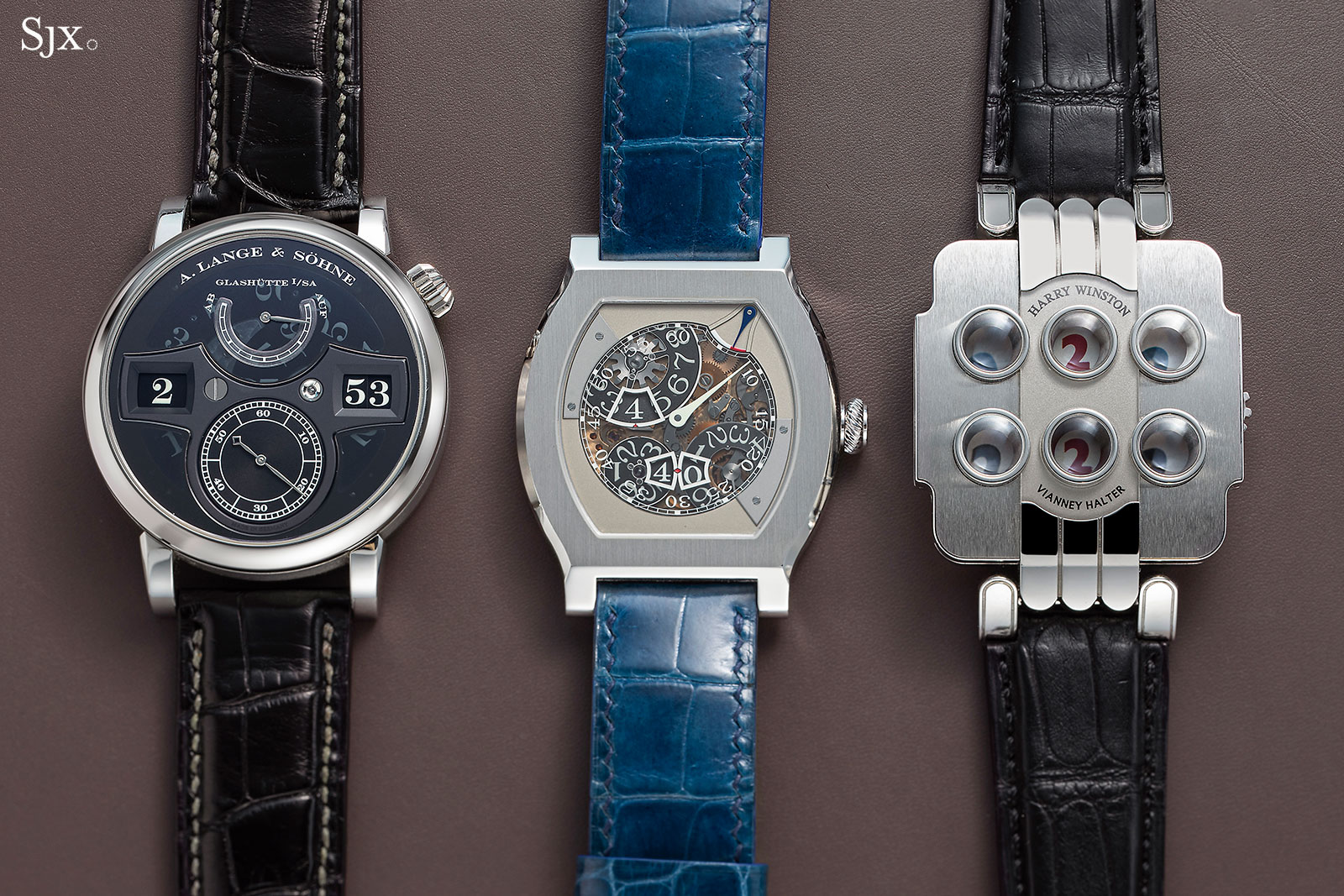
In-Depth: The Digital Icons – Lange Zeitwerk, F.P. Journe Vagabondage, and Harry Winston Opus 3
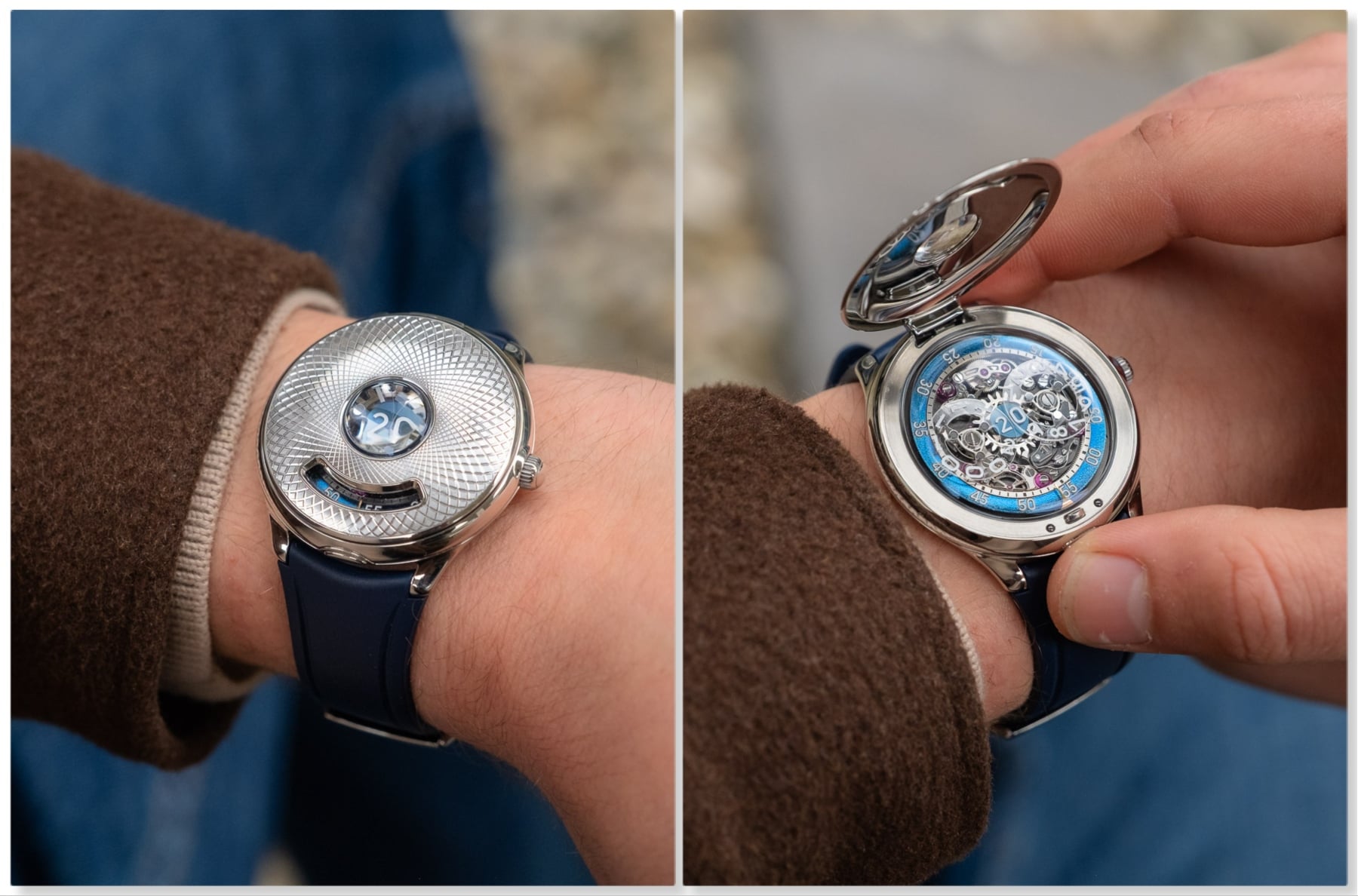
Digital time displays might seem like a modern invention but they have been found in watches since the early 1800s. Digital displays are found in clocks from even farther back – Lange’s trademark oversized date was inspired by the five-minute, digital clock built by Ferdinand-Adolph Lange for Dresden’s Semper opera house that opened in 1841. But the biggest advances in mechanical digital time displays – with jumping indications – all arrived soon after the turn of the millennium. And the most important are just three – the A. Lange & Söhne Zeitwerk, F.P. Journe Vagabondage III, and Harry Winston Opus 3 – and now we’re going to put them side by side. The five-minute clock that sits just above the stage in the Semperoper, showing 07:30 pm. Photo – A. Lange & Söhne An new, old idea Watches with a single digital display, namely a jumping hours, date as far back as the early 19th century. Enough of them were made that such pocket watches appear regularly at auction. But a single digital display does not a digital watch make. The watch with a jumping, double-digital time display – and hence a true digital watch – was invented in 1883 when Austrian engineer Josef Pallweber patented a mechanism that indicated the time with discs, read through two windows, one for the hours and other, the minutes. He licensed the patent to a handful of watch brands, though it is IWC that is most closely associated with the Pallweber display. At the same time, it is importa...