Rolex Doing Its Part to Battle Climate Change
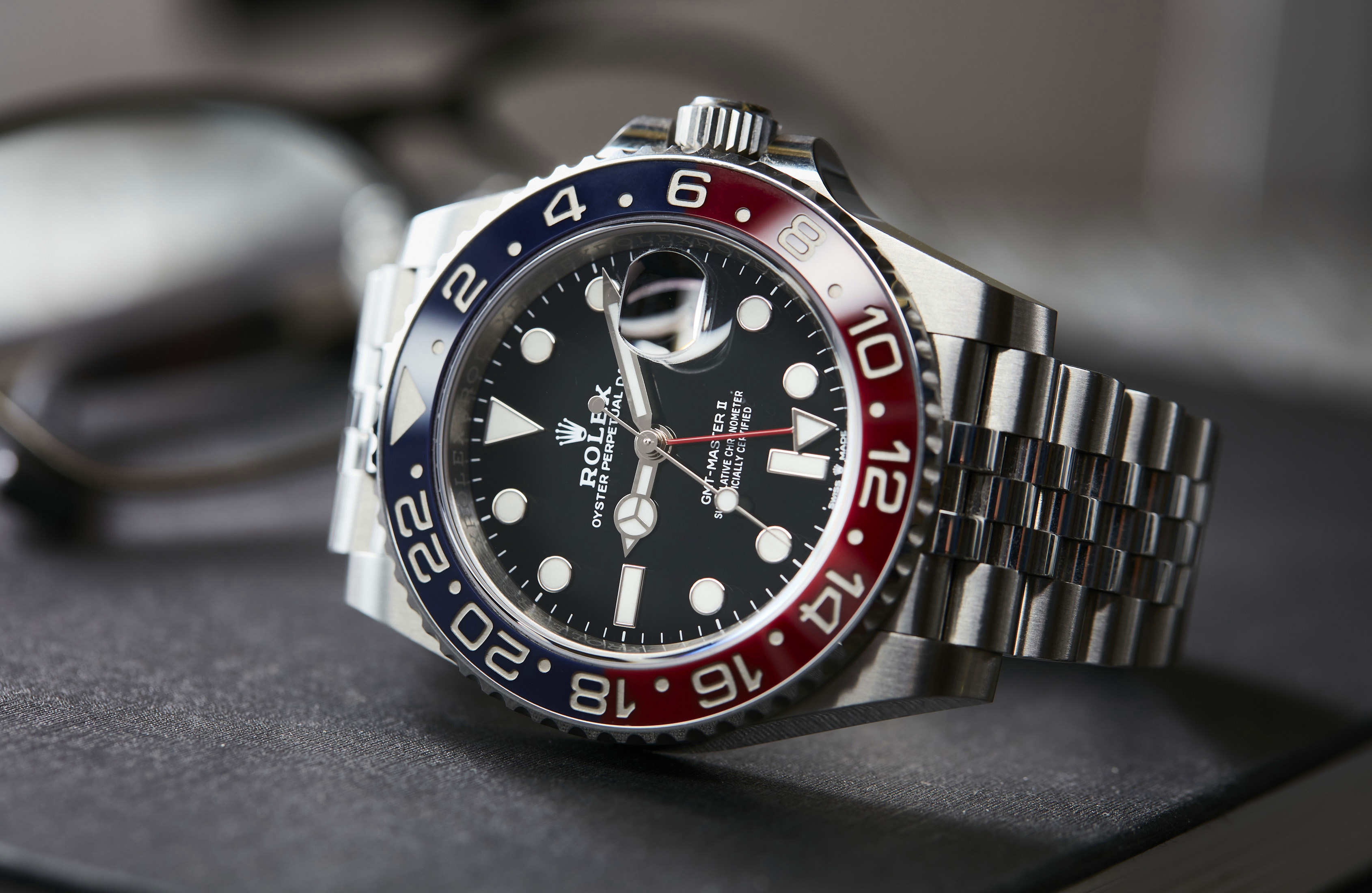
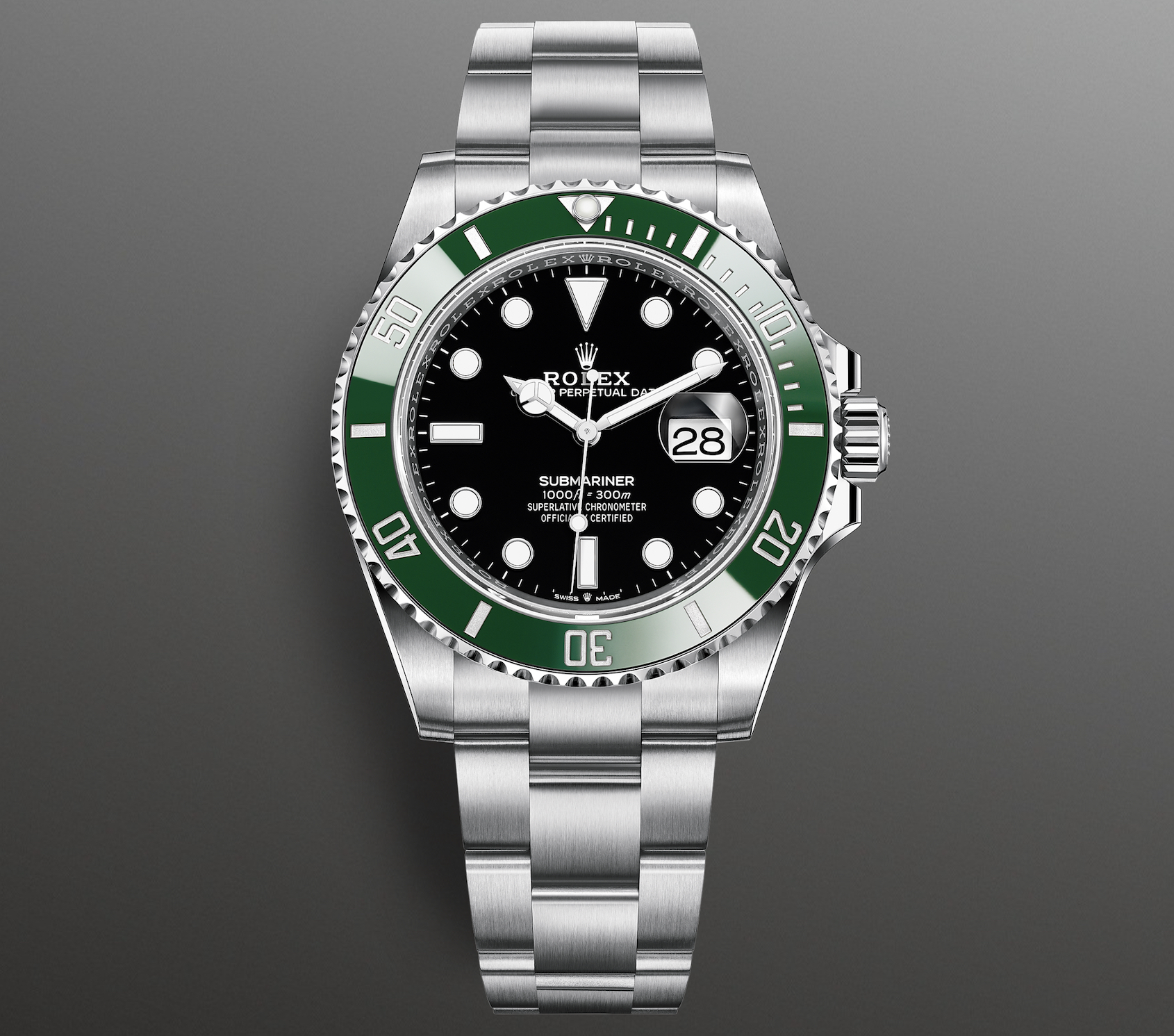
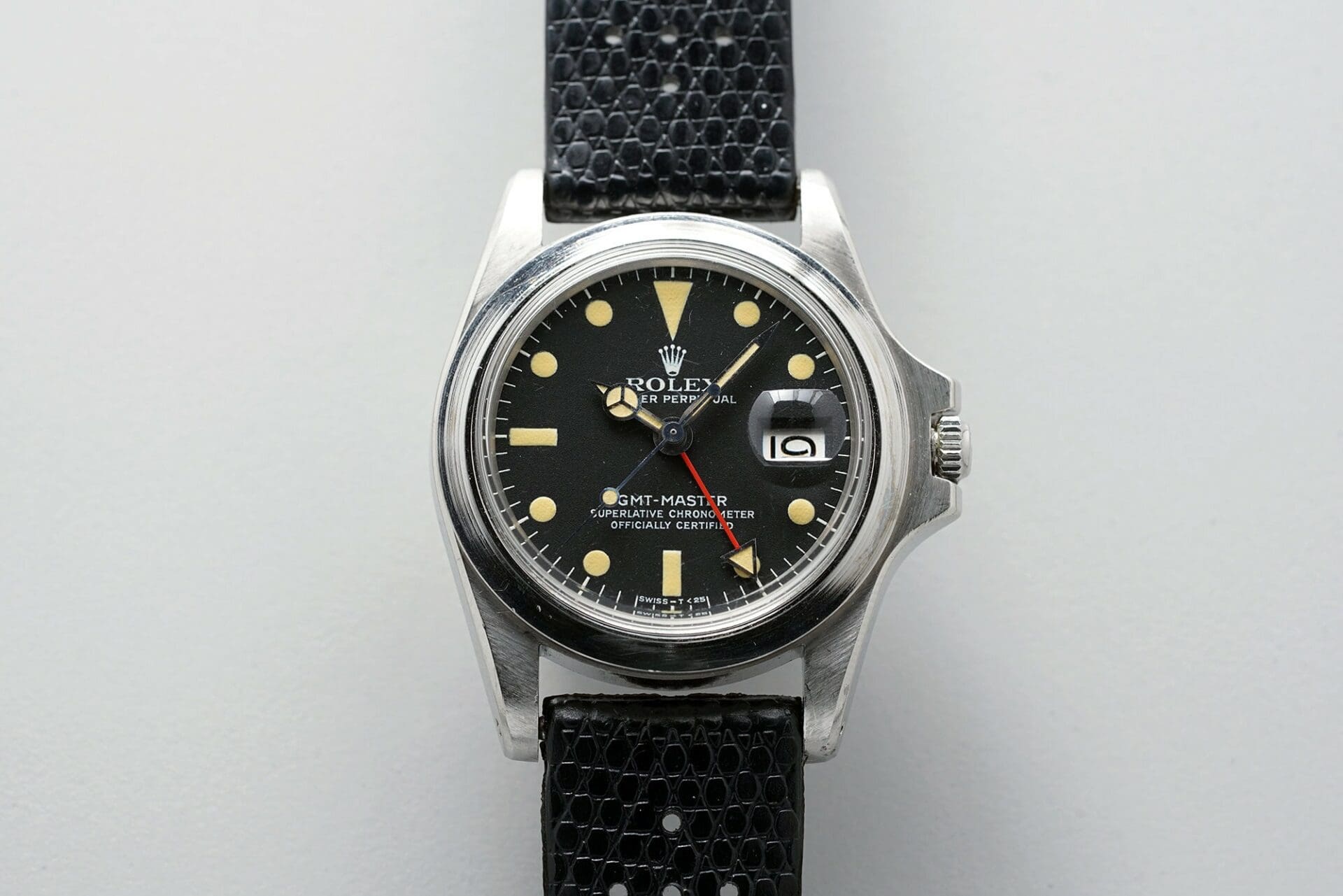
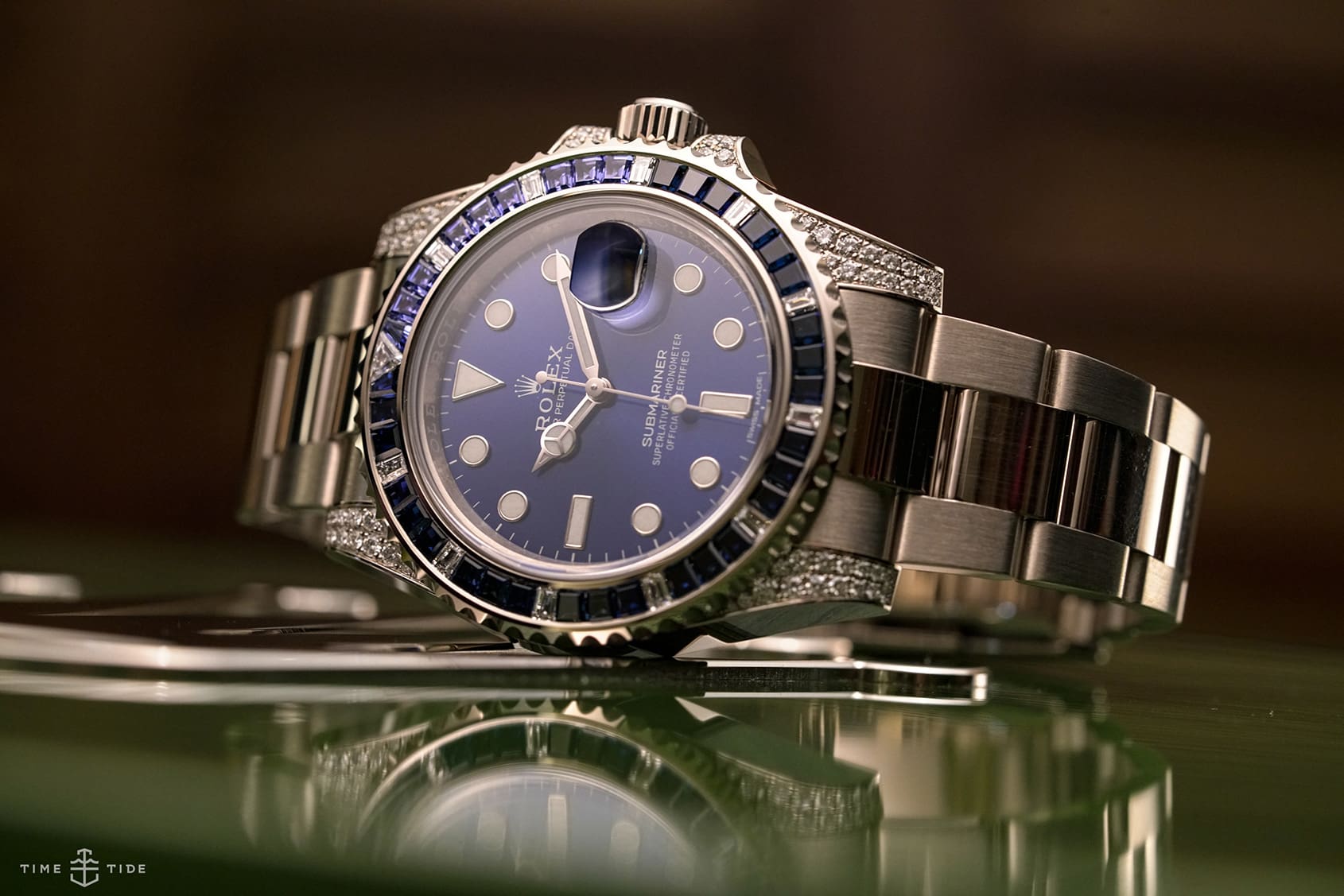
Two decades after its founding in 1905, Rolex began equipping sportspeople and explorers with waterproof Oyster watches, making possible precision timekeeping under adverse conditions. And it continued as the peace and prosperity of the postwar era in the 1950s encouraged exploration of the heights and depths of the Earth, driving adventurers through snow and water into the pages of history. This era also gave birth to watches like the Explorer, Submariner, and GMT-Master – all watches for professionals who were charting the planet. Today much of the planet has been explored, and it’s no longer a race to the deepest ocean or the tallest mountain, but instead a quest to preserve the planet. Having long been a supporter of exploration, Rolex now backs modern-day explorers who seek to battle climate change. The watchmaker funds scientific expeditions focused on conservation, such as measuring the volume of ice at the North Pole in order to gauge global warming. Since 2019, the ongoing conservation programmes that Rolex supports have been formally come under the Perpetual Planet initiative, the watchmaker’s endeavour to pave the way for a sustainable future. Early explorers Before exploring Rolex’s support for conservation programme, it’s worth revisiting its early participation in exploration. Amongst the most notable was the British Everest Expedition, the 1953 attempt to scale Mount Everest led by Sir John Hunt, a colonel in the British Army. It was a competitiv...
 Time+Tide