 Hodinkee
Vintage Watches: A 1970s Porsche Design By Orfina, A 1972 Rolex GMT-Master, And A 1978 Tudor Submariner
It's all treats and no tricks in this week's selection of vintage watches in the HODINKEE Shop.
41,001 articles · 6,274 videos found · page 72 of 1576
Hodinkee
It's all treats and no tricks in this week's selection of vintage watches in the HODINKEE Shop.
 Hodinkee
The fiery birth and strange life of the ice queen of precious metals.
 SJX Watches
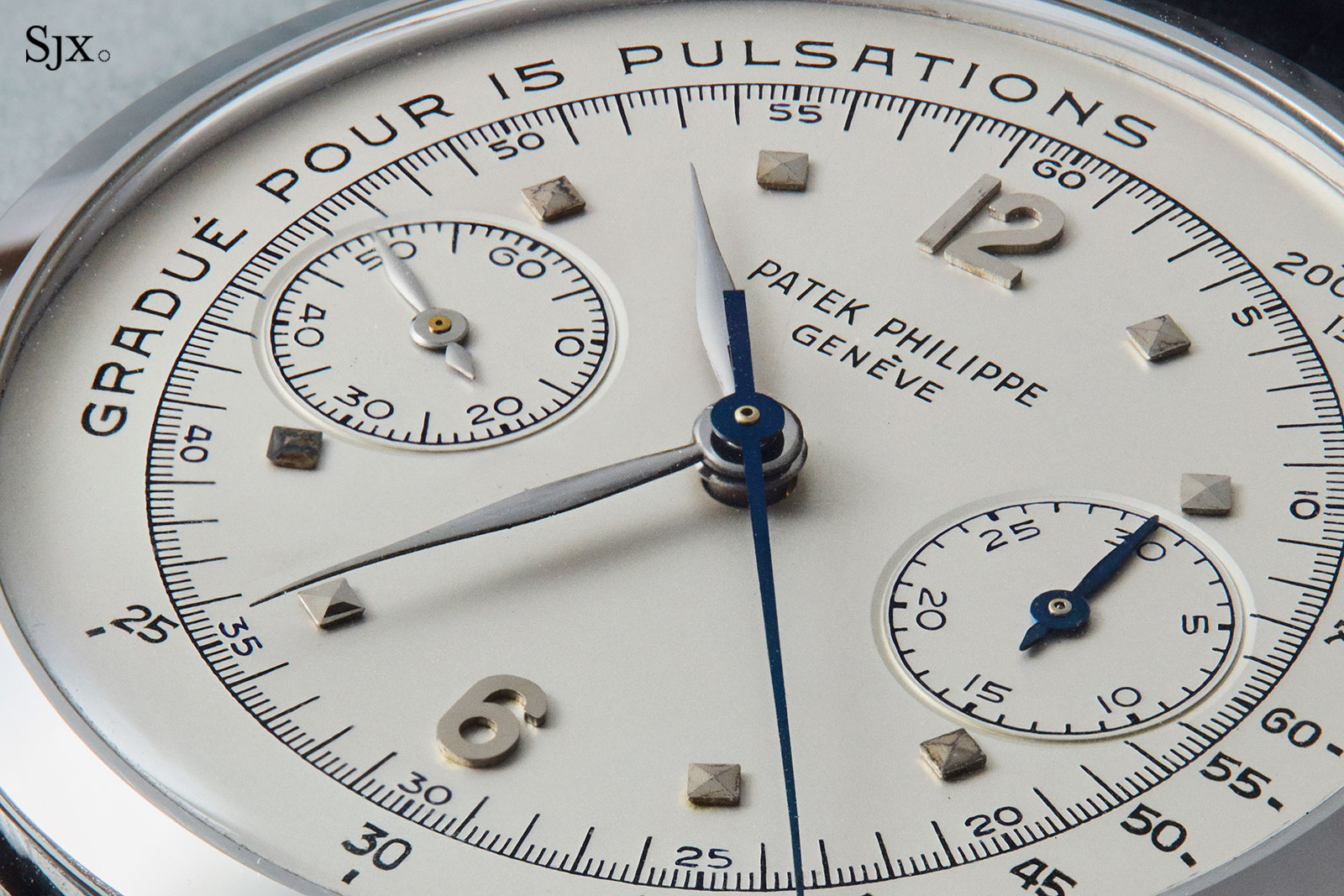
In 1816, Louis Moinet accomplished a first in watchmaking: a timepiece that could precisely track elapsed time. Measuring periodicity on demand had been accomplished before, but the French watchmaker’s invention gave it the functionality and exactness that we expect today. In assessing prototypes, we often tend to forgive their shortcomings and rosily reminisce, rewriting flaws as charms. Moinet’s timepiece, however, was a prescient opus. The layout of the dial had the now-familiar large central hand and elapsed time in subdials. Two pushers controlled the start, stop and reset functions, the power reserve lasted over 30 hours, and the mainspring could be wound while the timing mechanism was engaged to allow for longer timing runs. Most impressive, though, was its precision. Louis Moinet’s compteur de tierces of 1816. Image – Louis Moinet Named the compteur de tierces, or “timer of thirds”, Moinet’s invention ran at 216,000 beats per hour, measuring time down to one-sixtieth of a second. To allow for this ambitious exactitude to be utilised, the central chronograph hand completed revolutions once per second – such that the user could easily see which sixtieth of a second the period in question ended on - and the watch had an extra sub-dial for tracking elapsed seconds in addition to those for the minutes and hours. Whys and wherefores An impressive story, except that it’s missing something. Why did Moinet build it? And what did he use it to measure? A...
 Hodinkee
Francois-Paul Journe tells the story of his tourbillons.
 Hodinkee
"The Father of the Daytona Chronograph" has passed away at 87 years old.
 Video
Video
 Quill & Pad
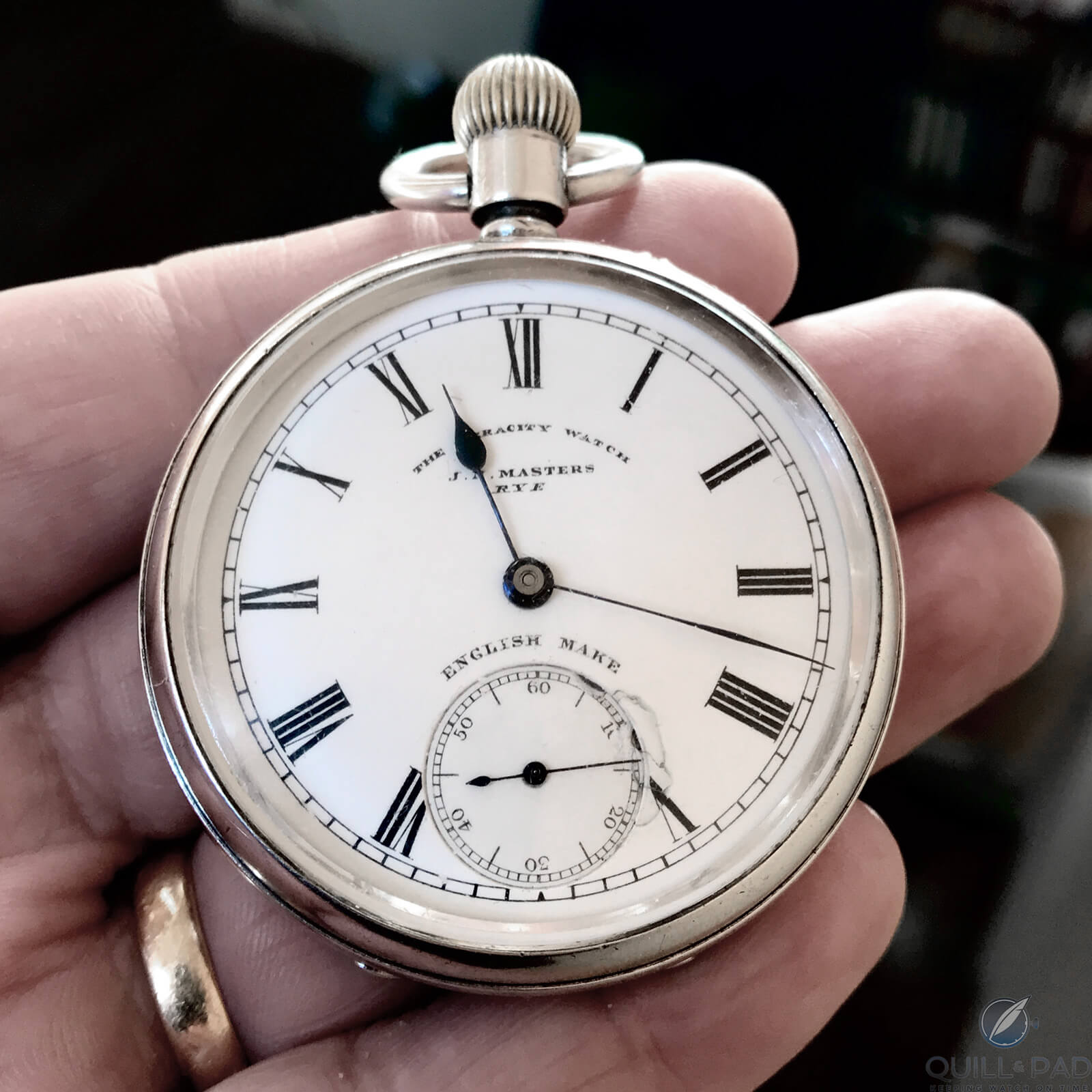
Last year, Colin Alexander Smith's mother showed him a silver pocket watch. All she could tell him about it was that it had belonged to his grandfather. The watch appeared to be older than his grandfather, though, and he embarked upon a quest to identify it and discover the original owner. The story took a few interesting turns as he reveals here in a truly interesting trace of the origins.
 Revolution
Revolution traces the evolution of the increadible feat of 21st century watchmaking that is the Bvlgari Octo Finissimo.
 Hodinkee
Yet another blow to the industry's oldest fair.
 Hodinkee
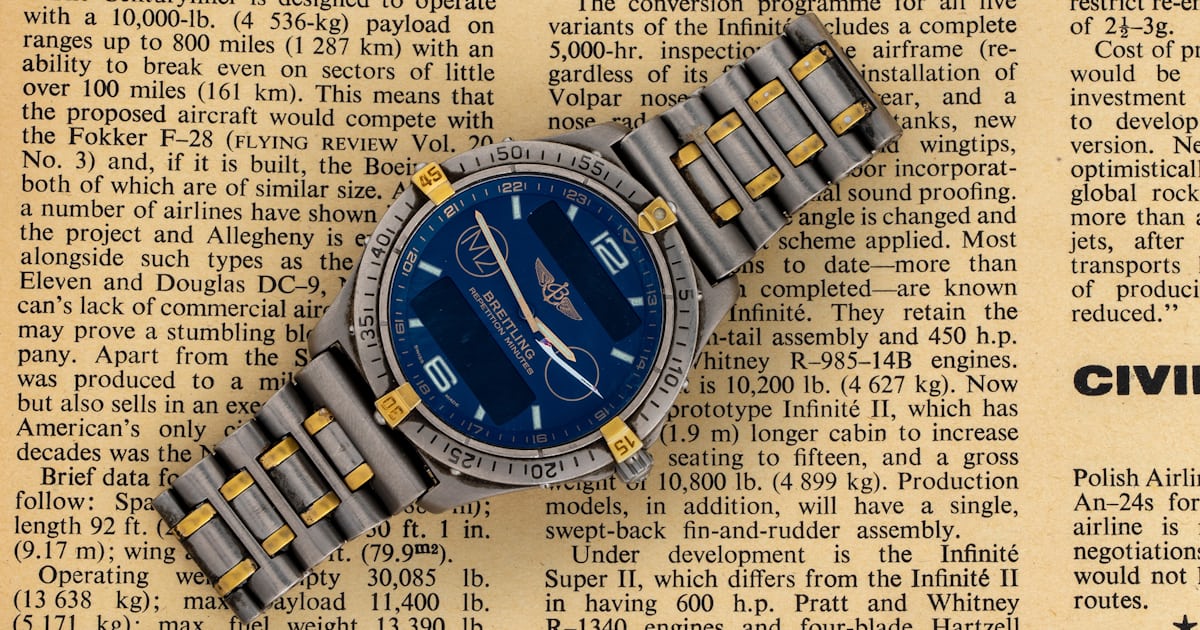
"The Concorde is great. It gives you three extra hours to find your luggage." – Bob Hope
 Hodinkee
A visit to Zenith in Le Locle, and the most famous attic in Switzerland.
 Video
Video
 SJX Watches
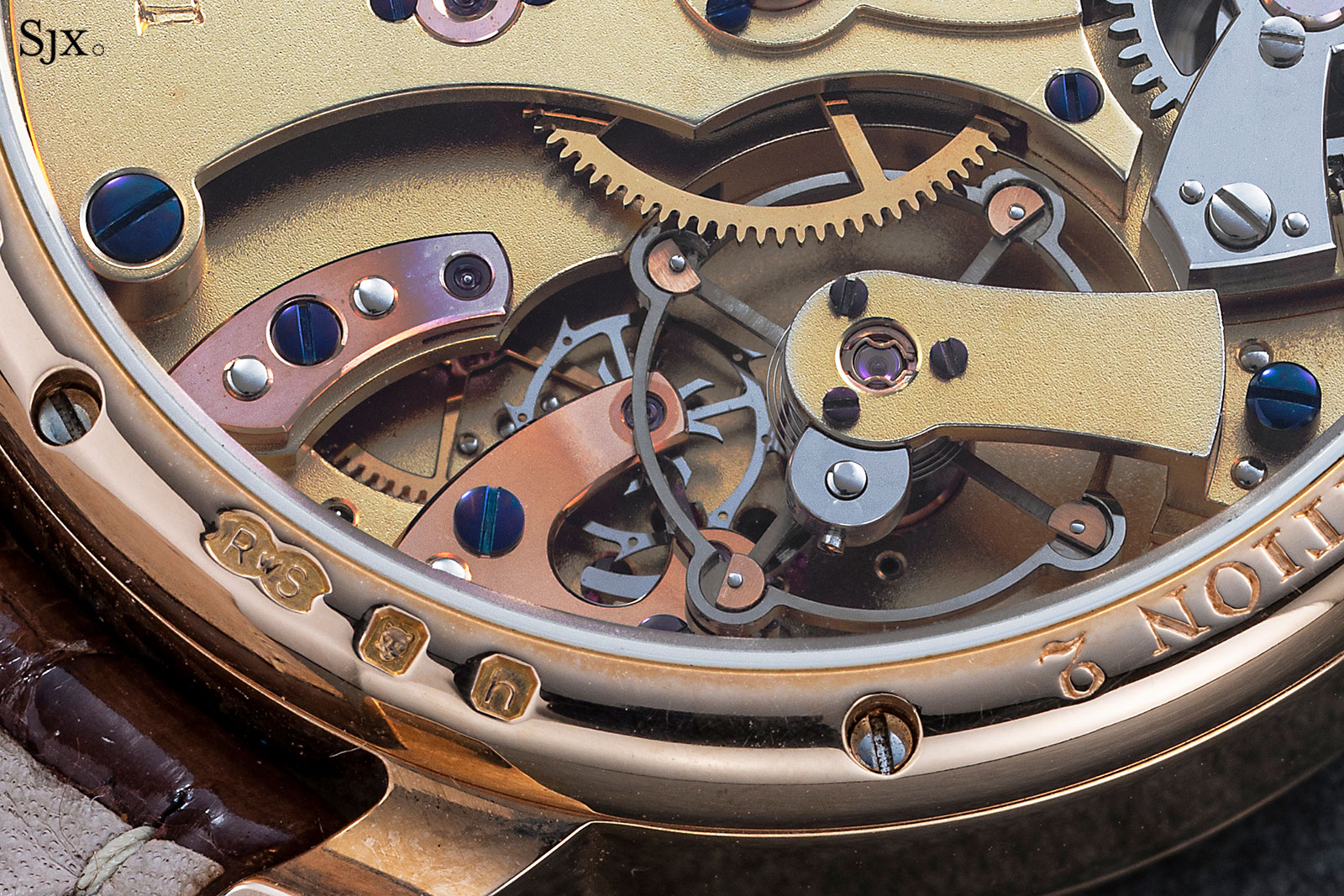
Just over two weeks ago the annual George Daniels lecture took place at the City University of London, an institution supported by the late watchmaker’s charitable trust. This year’s speaker at the sold-out event was none other than Roger W. Smith, protege and successor to Daniels. Just over an hour long, including questions, the lecture is erudite, accessible and packed with nerdy trivia, like the fact that a movement running at 28,800 beats per hour will make 252,288,000 vibrations per year. Roger explained the history and rationale behind the mechanical watch, and how watchmakers are working to improve it even today. That naturally led into the lubrication-free co-axial escapement invented by Daniels (pictured above), which Roger delves into in a satisfyingly detailed manner, like comparing the sliding friction of a lever escapement against the tangential impulse of the co-axial. Fortunately, the entire proceedings were recorded and are now available online:
 Hodinkee
A thoughtful primer to help you better understand just how bad you might need that vintage Rolex.
 Hodinkee
One man's five-volume quest to document the Illinois Watch Company.
 Hodinkee
Spotlighting superb vintage watches from around the web.
 Hodinkee
We're back with your weekly dose of vintage watch finds from around the web.
 Video
Video
 Revolution
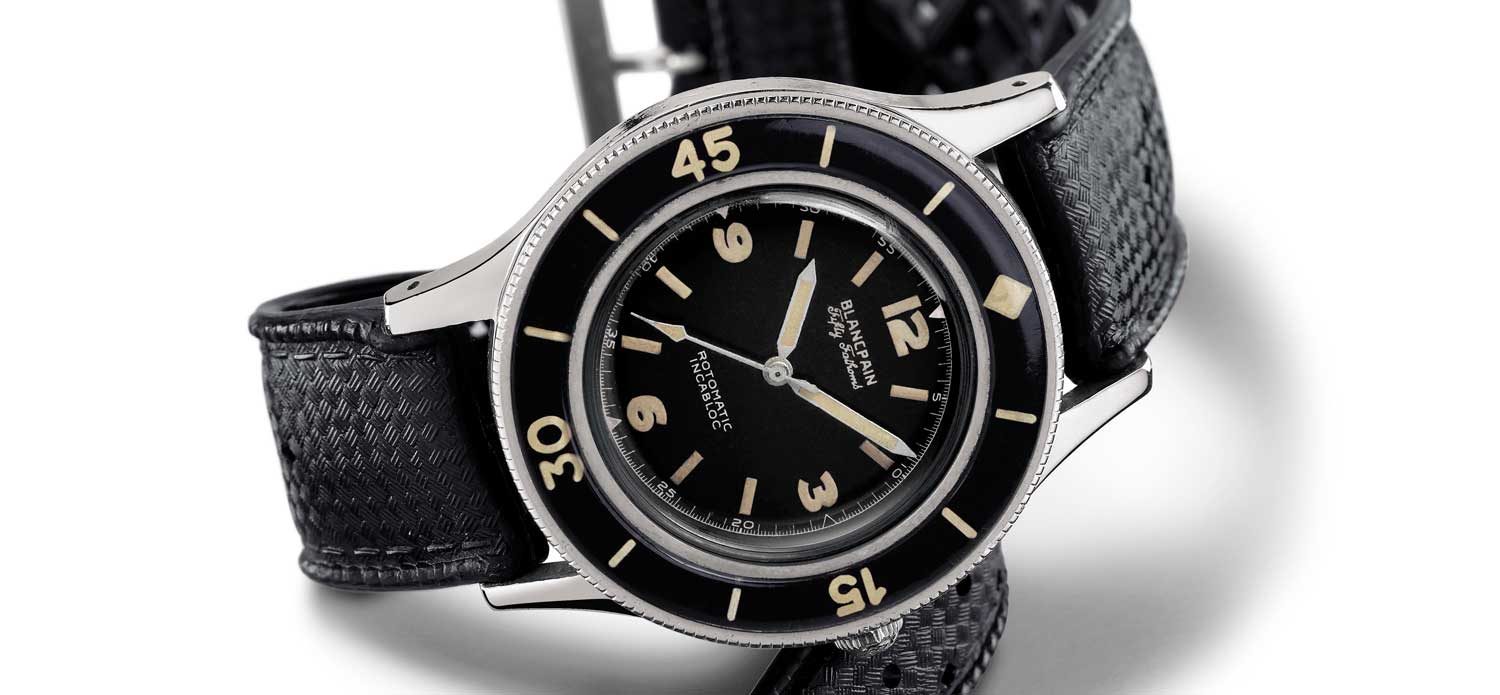
In the unforgiving depths under the sea, the dive watch has but one function: to determine when you must turn back, or never at all.
 Hodinkee
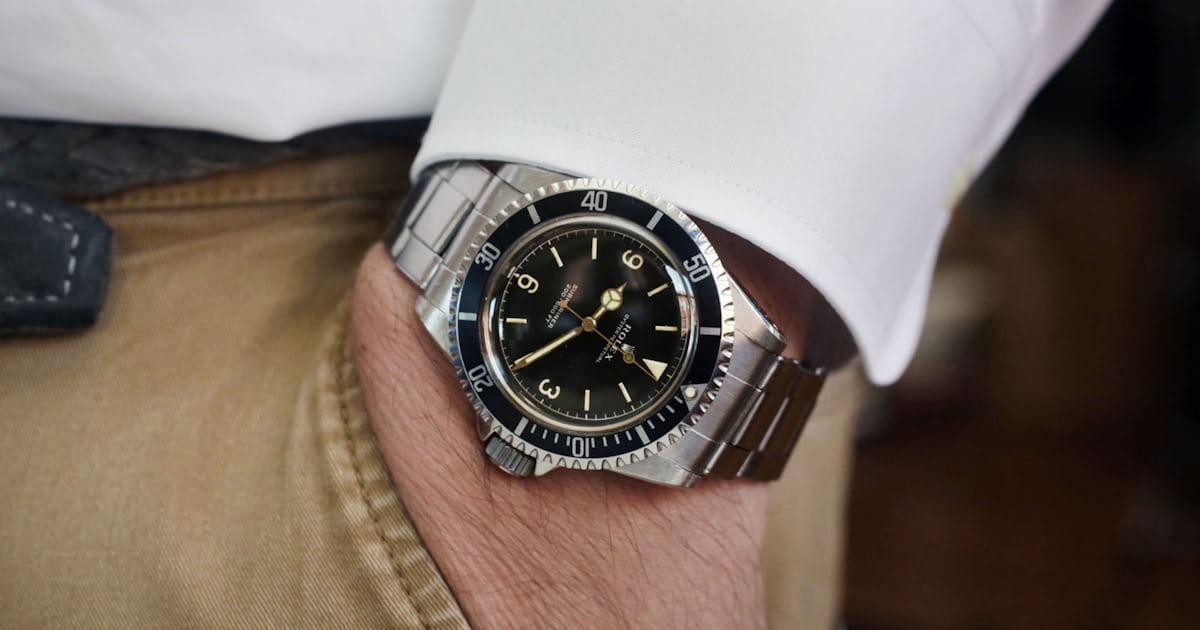
In vintage Rolex collecting, what you see may not be what you get.
 Hodinkee
Another Friday, another selection of great watches from around the web.
 Hodinkee
The annual VRF get-together at Fourtane Jewelers rides again.
 Hodinkee
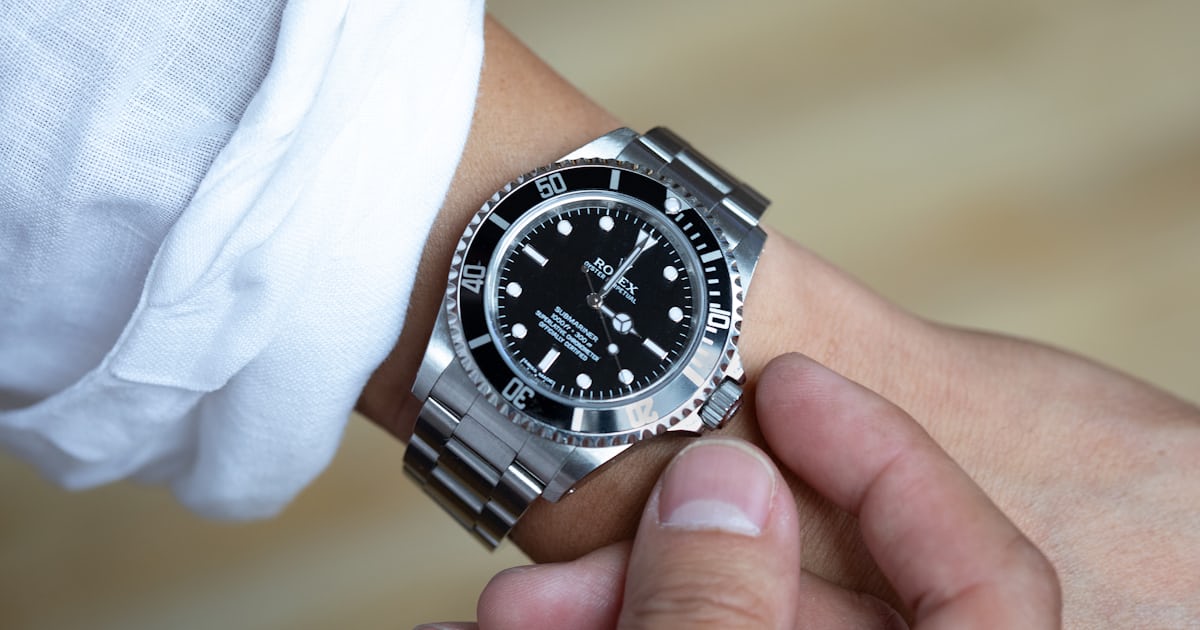
"At the tone, the time will be ... "
 Video
Video
 Revolution
James Ragan, former NASA engineer and the man behind the watch that went to the moon, shares ten anecdotes on the 50th anniversary of the moon landing.
 Revolution
Revolution founding editor Wei Koh’s detailed, retrospective guide to the perpetual calendar movements of the exclusive Swiss maison.
 Hodinkee
Another Friday, another round of watches from around the web.
 Revolution
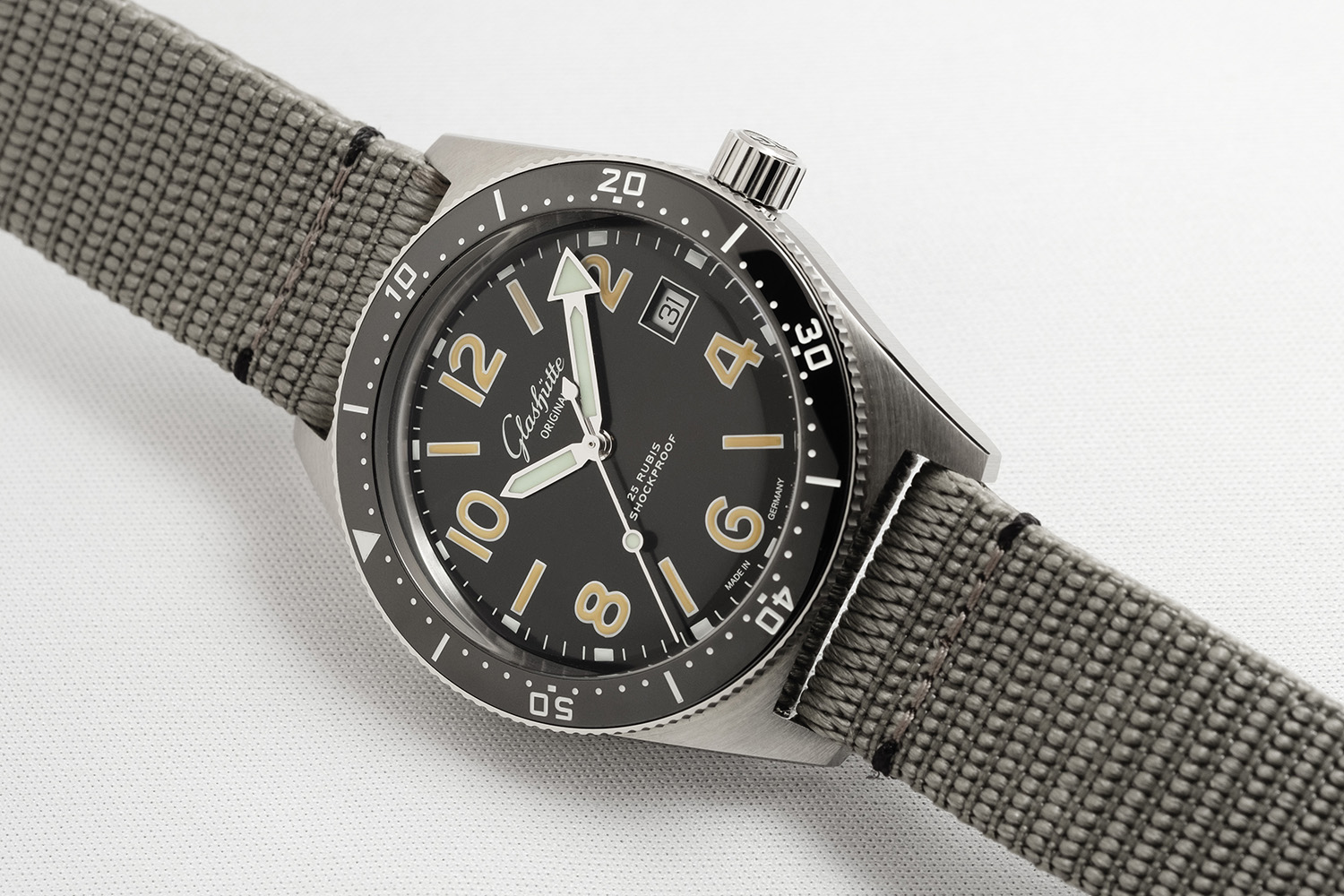
The SeaQ, Glashütte Original’s new watch for 2019, revives an old icon from 1969 and expands it into a full collection.
 Hodinkee
This week's round-up of vintage watches from around the world.
 Video
Video
Question, suggestion, or just want to say hi? Drop a note.