 Hodinkee
Introducing: Grand Seiko's New SLGC006 'Sunrise' Tentagraph and SLGW007 'Moonlit Birch'
Another variation of Grand Seiko's chronograph is joined by the first ever variant of the brand's high-beat manual wind movement.
3,124 articles · 1,019 videos found · page 73 of 139
Hodinkee
Another variation of Grand Seiko's chronograph is joined by the first ever variant of the brand's high-beat manual wind movement.
 Worn & Wound
When it comes right down to it, there’s no more important watch brand to the enthusiast community than Seiko. Sure, Rolex is the biggest brand in the world, and the most recognizable brand name (for any product) ever. But no other brand matches Seiko for variety, accessibility, quality, and pure fun. There’s truly something for everybody under the Seiko tent, and it’s a brand that we find ourselves unable to quit, even when they frustrate us for any number of reasons. But this isn’t about those frustrations. This post is about the Seikos we love the most. We asked our contributors to pick their favorite Seiko of all time, and we think as you read through these selections you’ll find that the thing that ties them all together is a deep personal connection to a watch. That’s what’s at the heart of this hobby, and what makes Seiko so special. We want to know the Seikos that you love the most, so let us know in the comments what you’d pick. Elodie Townsend – Seiko Flightmaster SNA411P1 I can’t hear the name Seiko without getting misty-eyed about the watch that introduced me to the wider world of horology fandom: the Seiko Flightmaster SNA411P1. It’s big, brazenly busy, and admittedly over-packed with features that I would never use (calculus, anyone), but that pop of yellow and the charm of its over-complications make it a joy to wear, use, and show off. My dad got me my “Flighty” as a gift for my 21st birthday years back; when the price hadn...
 Teddy Baldassarre
The Seiko Prospex SPB143 debuted back in 2020, alongside three other dive watches that represented a modern reimagining of the classic 62MAS from 1965. These were warmly received, in part due to their smaller case sizes and relatively accessible price points at a time when those two issues were beginning to become regular sticking points for enthusiasts. The SPB143 that I am reviewing here has gone on to become a beloved staple in Seiko’s higher-end Seiko Luxe family, due to just how much it offers for the $1,200 price tag. This mechanical dive watch has real vintage roots and while it isn’t perfect, represents how Seiko really has the ability to dominate this category. It’s not easy to stand out as a Seiko diver, considering how many iconic collections we have from the brand that brought us the Turtle, Marinemaster, Tuna, SKX, and others. But, by sticking to the best aspects of the 62MAS while incorporating state-of-the-art machining and manufacturing capabilities, Seiko hit it out of the park with the SPB143. Before I get into the nitty gritty of the watch, let’s take a brief look at the history it’s drawing from. The Seiko 62MAS Connection Though the story of the 62MAS has been told countless times at this point, it remains foundational to understanding the SPB143. Back in 1965, Seiko released its -and indeed Japan’s - first dive watch, which was the 62MAS. This watch was water-resistant to 150 meters and was put through its paces when crew members of th...
 SJX Watches
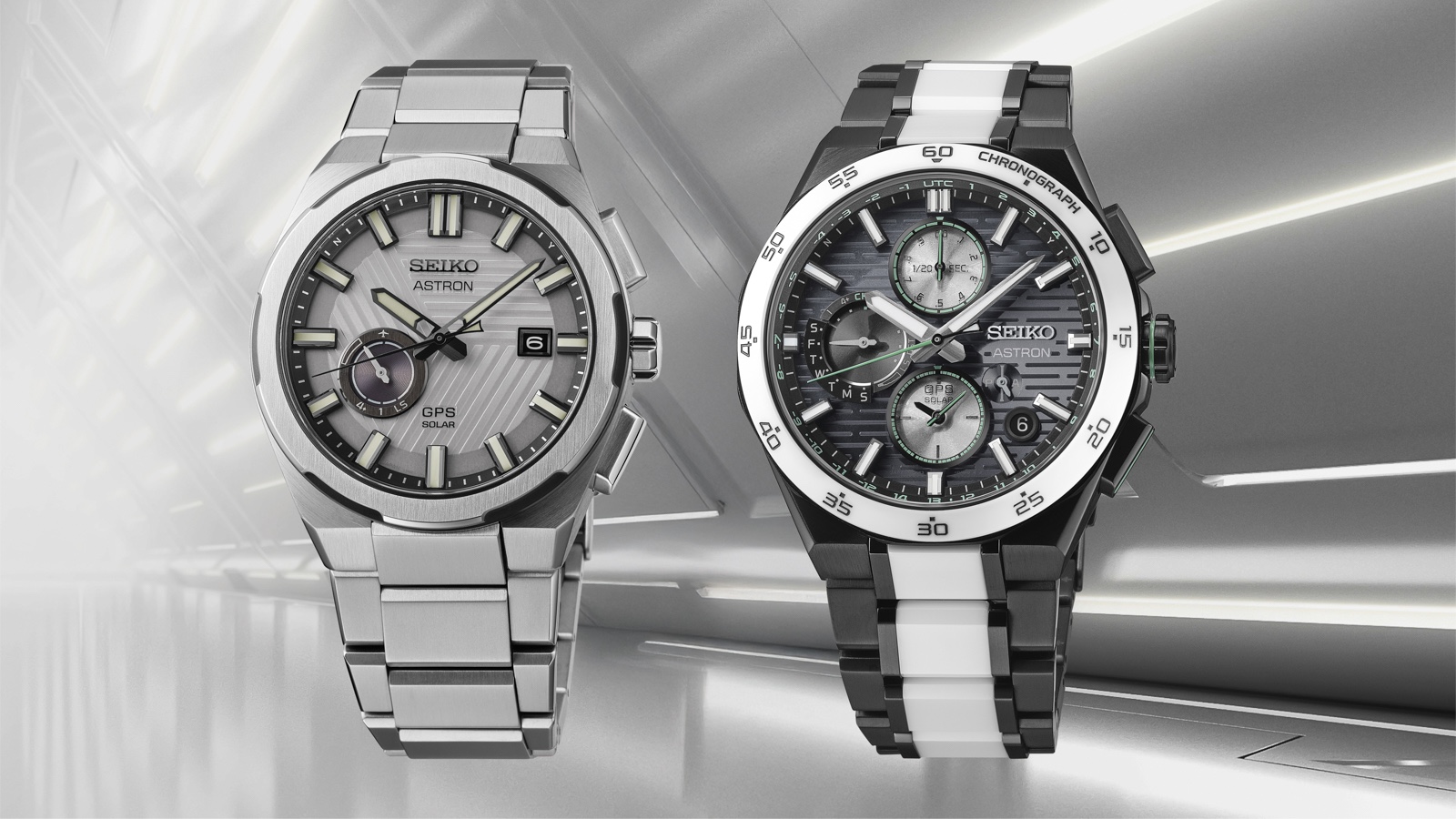
Advanced digital watches haven’t deterred leading Japanese brands from continuing to earnestly develop high-accuracy quartz watches in analog formats. Chief among them is Seiko, which has just unveiled two new limited editions of its satellite-linked Astron GPS Solar. While the SSJ037 appears to be a simple time-only watch and the SSH185 looks like a straightforward dual-time chronograph, each watch is solar-powered and includes an electronic perpetual calendar. Limited to 1,500 pieces for the SSJ037 and 1,200 pieces for the SSH185, the new collection is sci-fi inspired, featuring colours and textures common to fictional depictions of space stations. Initial thoughts There are a couple different approaches to making high-accuracy quartz watches. The first is pretty obvious, and involves developing ever-more precise quartz oscillators. Seiko has long been a champion of this school of thought, although Citizen has inched ahead in recent years. The other approach is to make a reasonably precise quartz movement that automatically syncs with an external signal, which might be a radio signal broadcast from any of the atomic reference clocks positioned around the world, a bluetooth signal from the user’s phone, or, in the case of the Astron, a satellite signal. Since the brand debuted this technology in 2012, Seiko has refined things making the watches sleeker and the interface more intuitive. As a result, the time-only SSJ037 is an ordinary 42 mm in diameter and 12 mm thick;...
 Teddy Baldassarre
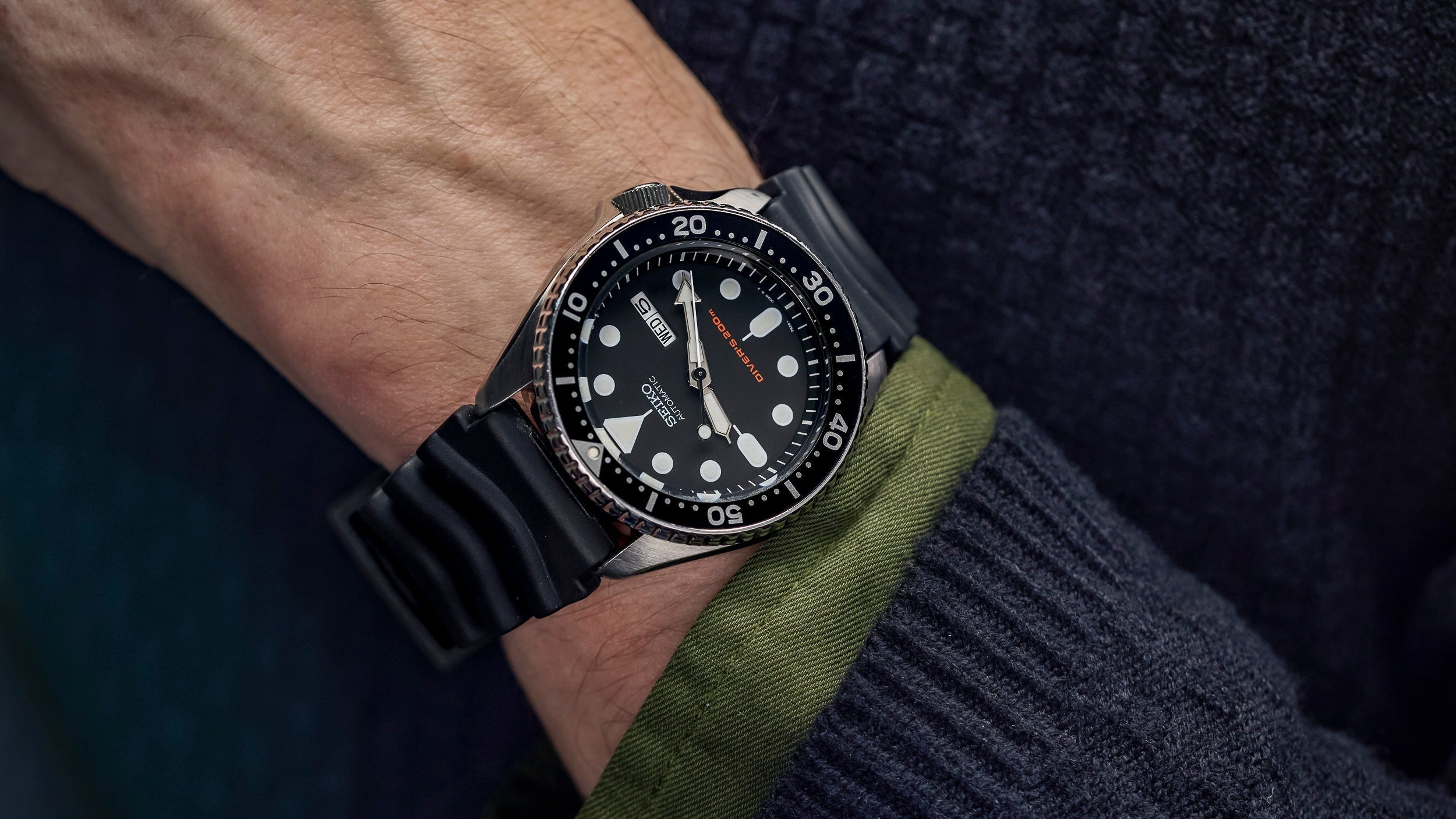
Seiko divers might very well be some of the most sought-after in the enthusiast community. I say “enthusiast” because they aren’t always the entry point into Seiko, or into watches, for that matter, for the everyday consumer. I would think something like an entry-level Presage or any watch fit for the office is more desired in that regard. But, we don’t call them desk divers for nothing, and I personally have worn and still wear Seiko divers to work, but that’s neither here nor there. In fact, the same can be said of the subject watch for today’s review: The Seiko SNE573 as well as other variants of the 38.5mm Prospex Solar Divers like the SNE583 and SNE585, which were discontinued this past Summer. Its discontinuation adds it to a hallowed list of watches that have received similar treatment by Seiko, namely the vaunted SKX series, which has achieved iconic status rivaled by a small few watches in history. But we can also add a bevvy of Willard-esque Prospex models to the list including the SPB 153 green Willard – a personal favorite. When a Seiko dive watch goes the way of the trees, it achieves a kind of immortality and heightened demand that takes a once value-packed product into a new pricing universe, but less talk about price and more talk about a handsome piece of solar diving kit that is no longer commercially available in an official capacity at retail. Seiko SNE573 Brief History I use the word “brief” because, well, this watch had quite a short...
 Video
Video
 Teddy Baldassarre
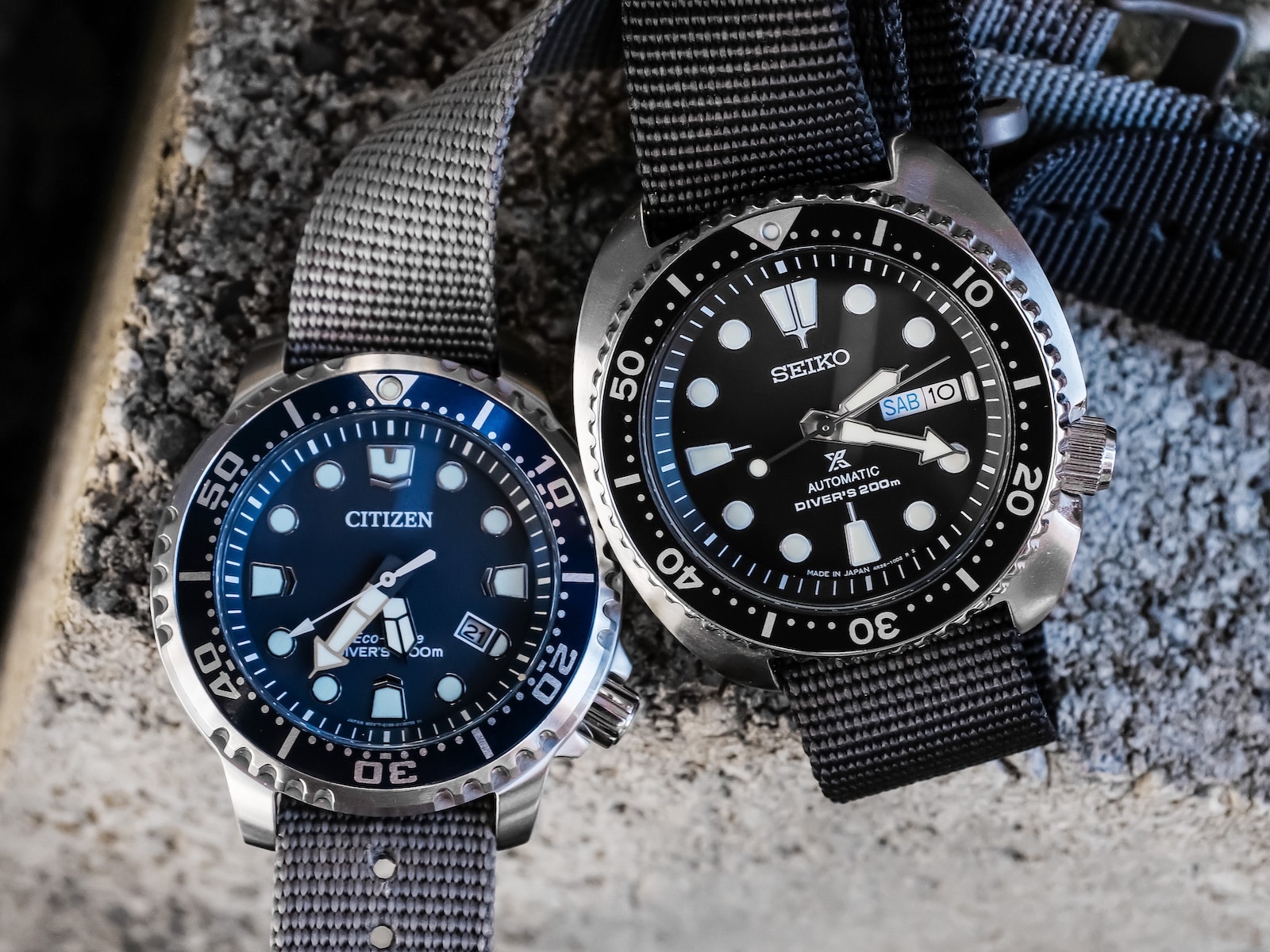
Seiko and Citizen are the two undisputed titans among Japanese watch brands, known and admired worldwide for their technical excellence, design acumen, and legendary price-to-value ratio, not to mention the role that both brands have played in the technological and cultural evolution of watchmaking in general. And while these world-renowned companies have been fierce competitors from the beginning, they have a lot in common as well. Here we present a side-by-side comparison of Seiko vs. Citizen, starting with their earliest days and concluding with an overview of what each brand is doing today. Seiko vs. Citizen: Origins of Two Japanese Watch Pioneers With its very high-tech lineup and avant-garde designs, one might be inclined to think Citizen Watch Company is a relatively new player on the worldwide watch scene, but one would be mistaken. The company today known as Citizen was founded in 1918 by Kamakechi Yamazaki as the Shokosha Watch Research Institute. The name “Citizen” first appeared on the dial of a pocket watch that Shokosha produced in 1924; it is believed to have been suggested by Yamazaki’s close friend Shinpei Goto, then the mayor of Tokyo, who believed such a watch should be universally appealing and accessible to all “citizens” of Japan. Shokosha merged with the Schmid company, a Japan-based manufacturing firm founded by expatriate Swiss watchmaker Rodolphe Schmid, in 1930 to become Citizen. Joining the expertise of Shokosha’s Japanese watchm...
 Teddy Baldassarre
Everyone knows about Seiko and Grand Seiko, but…what exactly is King Seiko? Well, King Seiko is one of those cult-classic throwbacks that dodges easy categorization or market segmentation. The 1960s elegance and sheer retro vibes exuded by this collection is charming and a little quirky in a world where big brother Grand Seiko has reached downright mainstream status. In 2021, the King Seiko KSK SJE083 resurrected the historic KSK model and the collection has slowly grown since then under the Seiko Luxe collection of higher-end offerings. Here we see the Seiko SPB389, which is a mid-century-inspired watch that will appeal to the kind of person who loves being early to a trend. Seiko Luxe Explained First off I wanted to address the Seiko Luxe collection, because I know not everyone is up to date with the tiers of Seiko. Where standard Seiko is your more classic, accessible fare, the Seiko Luxe collection is the higher-end series that consists of offerings like King Seiko as well as Presage watches with special touches like enamel dials and the more refined pieces in the Prospex collection. Seiko Luxe generally starts around the $750 mark and goes up to over $3,000, so the range is quite broad. Personally, the only Seiko watch I’ve ever purchased is from the Seiko Luxe collection (an enamel dial Presage I reviewed here) and it really is so much watch for the money. King Seiko SPB389 Case and Bracelet When King Seiko first returned to the scene a couple of years back, it w...
 Two Broke Watch Snobs
Here’s what you need to know before deciding on Seiko or Citizen, based on insights from 10 years of reviewing both brands hands-on.
 Teddy Baldassarre
If you’ve been in the watch game for long enough, there is a better-than-zero chance that you’ve owned, had someone recommend for you to own, or have at least come across the Seiko SKX series. The Seiko SKX (notably the black SKX007 and Pepsi-style SKX 009) once served as the go-to value proposition in all of watches. You can still find them trading on the open market for upwards of $500, but there was a time where one could be had easily for $150-$200. A 42mm, ISO-certified, bona-fide dive watch, the SKX represents the last vestige of a true tool watch that predates hype and everything that comes with it. I own one, and continue to wear it, scratch it and bang it around fearlessly. Seiko filled the dive-adjacent void once filled by the SKX, now discontinued, with a series of Seiko 5 models in all manner of colors that resemble the SKX but never quite took the idea across the finish line. And that’s because the SKX was a cult classic for a reason. It married function and form (except for accuracy, but that’s hardly why you buy a sub-$300 diver) in a way that we only hear about in tales from our “elders” who used to buy Rolex Submariners and GMT-Masters for $150 five decades ago. It’s been a number of years now since the SKX has been a production model in the broader Seiko lineup. But just two summers ago, the venerable, vertically integrated, Japanese juggernaut of a brand unveiled something new in the Seiko 5 range – a travel-ready, SKX-looking release ...
 Fratello
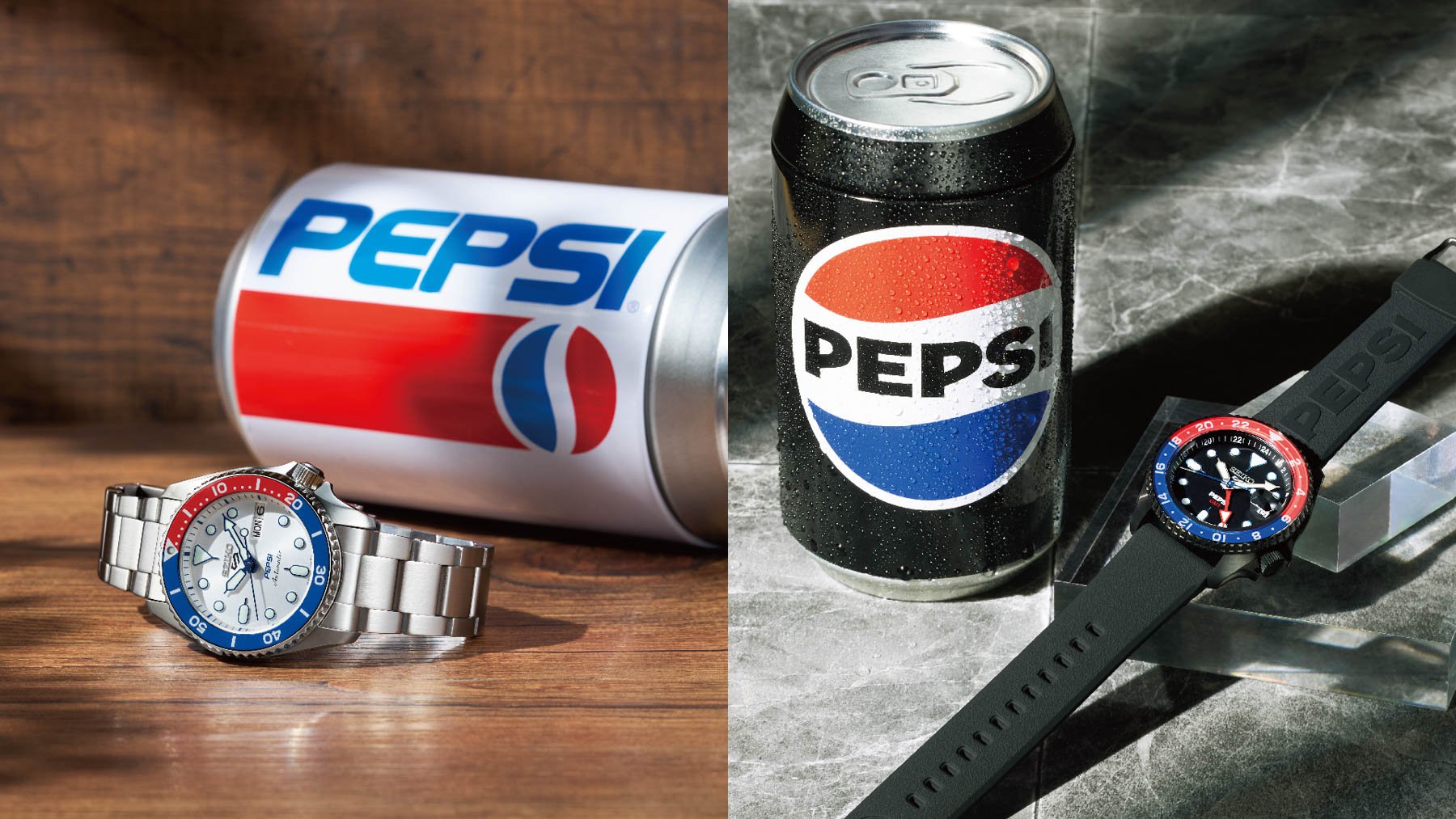
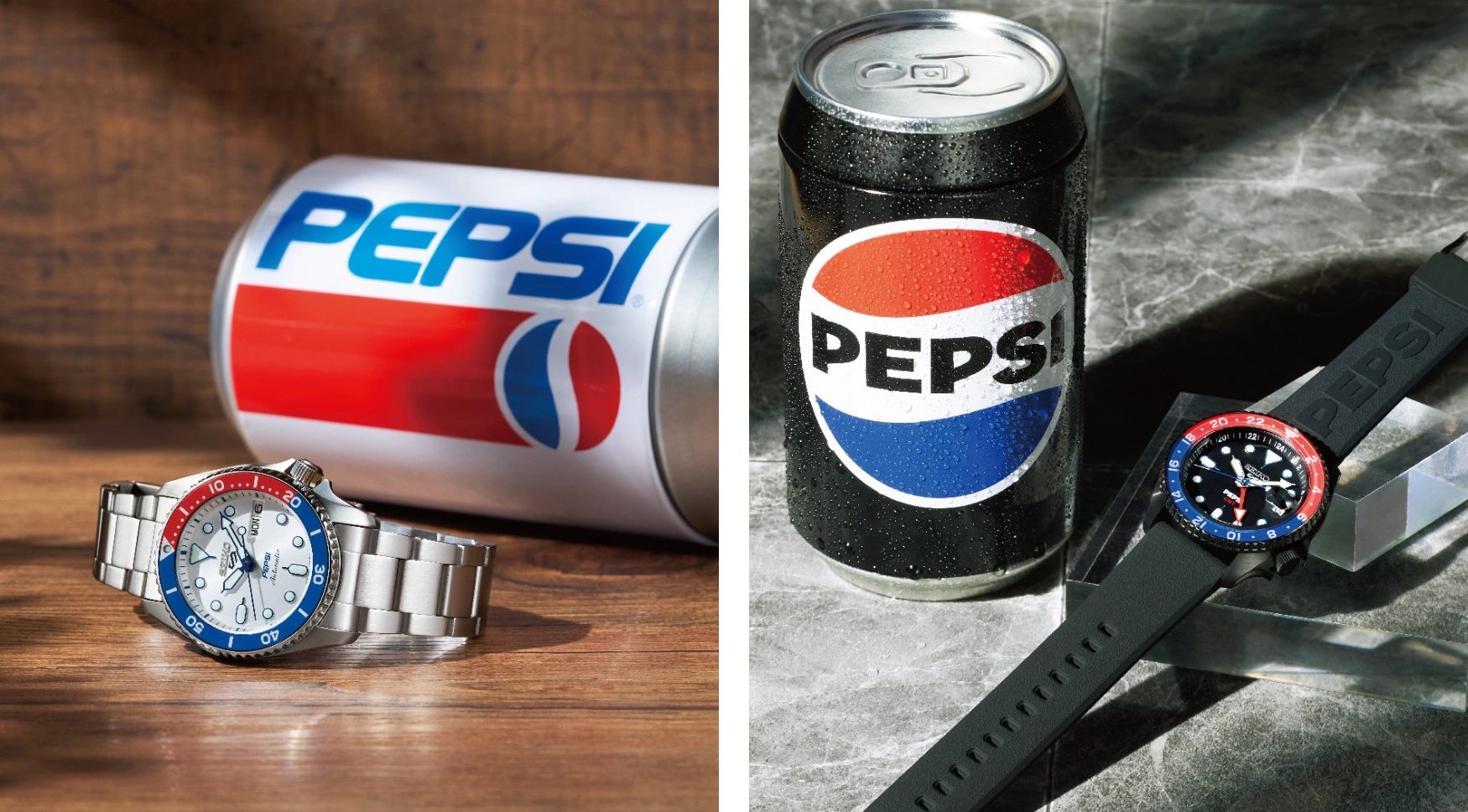
When people mention Pepsi in the watch world, they refer to the red and blue colors on a GMT or dive bezel. Rolex’s GMT-Master was the first watch with such a bezel, but Seiko also made numerous watches with red and blue bezels. In a surprising turn of events, Seiko has now launched two new […] Visit Introducing The Seiko 5 Sports × Pepsi Limited Editions - Are These The First Watches With Official Pepsi Bezels? to read the full article.
 Video
Video
 Time+Tide
Has Seiko completely stolen Rolex's thunder by collaborating with Pepsi on some real 'Pepsi bezel' watches - that are less than $1,000?The post Forget GMT-Masters: Seiko has officially teamed up with Pepsi appeared first on Time+Tide Watches.
 Worn & Wound
eBay Finds is back! This bi-monthly installment will feature a selection of watches currently listed on eBay that have caught the eye of editor Christoph McNeil (@vintagediver). If you come across any hidden gems on the ‘Bay drop us a note at info@wornandwound.com for potential inclusion. Vintage Seiko LCD How about a full-kit vintage Seiko LCD to start us off this week? This gem heralds from 1984 and looks every bit the 80’s watch! The squarish stainless steel case is excellent, unpolished and sharp with the original finish. The crystal looks clean, and the LCD display works well. The original bracelet is superb as well, with the Seiko SQ signed buckle. The caseback even has the original little oval sticker. This watch looks new old stock, and maybe it is. It comes complete with the inner and outer boxes, instruction booklet, price tag and hangtag! Can’t beat this gem! View auction here Vintage Citizen Leopard Super Beat 8 Next up is a seldom seen vintage Citizen Leopard Super Beat 8. The Super Beat has a hi-beat movement for better accuracy. The oval/cushion case looks unpolished, and has light wear to it but looks more like a nice steel patina than wear for me. The gray dial is excellent, with raised stick markers that have lume, skinny hands and a vertical day/date at 6 o’clock. The crystal is a mineral glass that has some scratches. The crown is original and signed with the Citizen logo, and the mesh bracelet is original as well and also signed. The movement...
 Teddy Baldassarre
Last year, we saw a trio of new Seiko Samurai watches that aimed to broaden the collection’s appeal within the Prospex family. It’s fairly well understood that the Samurai has been seen as the odd man out among the “Seiko with a nickname” family, but why exactly is that? Well, it doesn’t have that vintage heritage, having only debuted in 2004. Also, the second generation has been around since 2017, and since then, tastes have certainly changed. The 44mm-wide case is a little too big for today’s tastes, where conventional wisdom puts anything above 42mm safely in the “huge” category (the case has been pretty thick, as well) . And while models like the Turtle, SKX007, or Willard (or even Tuna and Arnie) have rounded cases, the Samurai’s case has a very sharp and almost aggressively angular design that, again, is not for everyone. Wisely, Seiko’s third-generation Samurai addresses that persistent case-size issue while giving the dial a refresh too. Fortunately, the angular case is a bit more refined, yet no less geometrical. Sorry, that’s just part of the Samurai’s identity. Seiko Samurai Case and Bracelet First off, yes - the new Seiko Samurai has taken design cues from the Shogun. If that makes it not a “true Samurai,” then so be it, but the end result is one good-looking watch. The case improves over that of the second generation in just about every meaningful way (the older case is still available alongside this new iteration). First off, it ...
 Teddy Baldassarre
The Seiko Prospex SRPE93, the most recent version of the legendary Seiko Turtle dive watch, hit the market relatively recently, in 2021, but its lineage can be traced all the way back to the 1970s. What makes this defiantly retro-looking tool watch such a favorite of enthusiasts even today? There’s a lot more to it than the very accessible price point, as we’ll explore here in this in-depth examination - or, a look under the shell, if you will - of the SRPE93 “Turtle.” Seiko, the world’s oldest and most established Japanese watchmaking brand, was one of the pioneers of the dive-watch genre and it has long stood apart from its Swiss contemporaries in this field (i.e. Rolex, Blancpain, and others) for its use of bold and unconventional designs. One of its most off-the-wall and yet most enduringly popular designs is the original "Turtle” - aka, Ref. 6306 and 6309 - which made its debut in 1976. The former reference was made exclusively for the Japanese market (and thus, vintage examples are much rarer and more valuable), and the latter was sold to international customers. The reptilian nickname derived from the watches’ cushion-shaped cases with softly rounded lugs, which brought to mind the silhouette of a turtle when viewed from above. The reference numbers for the watches essentially matched those of their automatic movements - Caliber 6306A, which included hacking seconds and Caliber 6309A, which did not. The Turtle’s unusual look and rugged ...
 Fratello
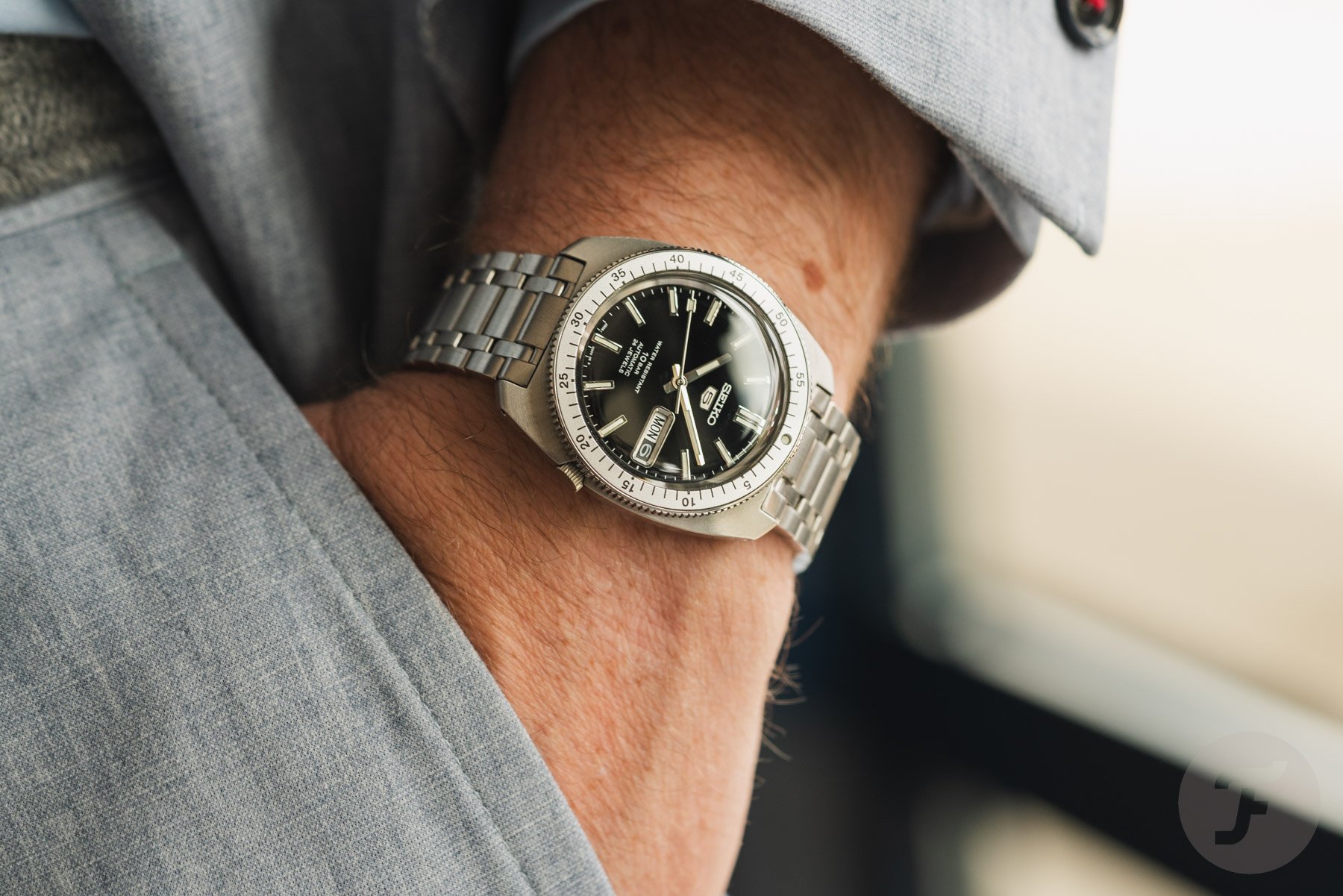
When the opportunity arose to tackle a Fratello Summer Watch Picks 2025 feature, I jumped at the chance. My managing editor Nacho and I did have a chuckle, though. You see, here in Sydney, Australia, it is currently winter. Southern Hemisphere, represent! When the discussion first occurred to write this feature, I looked up the […] Visit Fratello Summer Watch Picks 2025: Henry’s Top Choices From Seiko, IWC, Rolex, And More to read the full article.
 Video
Video
 SJX Watches
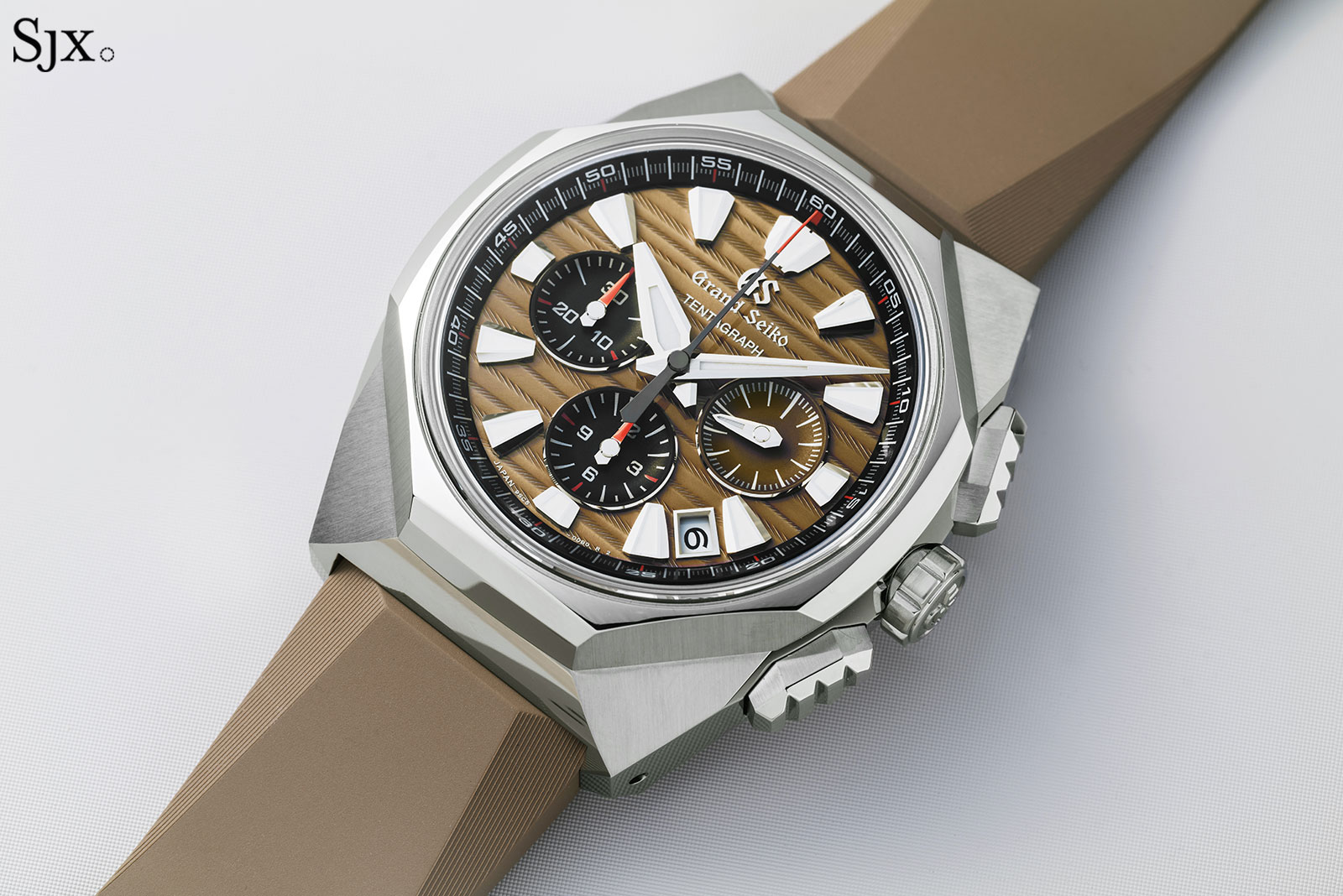
Grand Seiko returns to its Sport Collection with an even bolder and edgier take on its flagship chronograph with the Tokyo Lion Tentagraph SLGC009. Combining an oversized case Brilliant Hard Titanium and a high-spec, high-beat chronograph movement, the striking new is Tentagraph is surprisingly not an all-new design but an iterative evolution that builds on the existing Sport Collection case. Initial Thoughts While a strength of Seiko itself, chronometry-focused Grand Seiko has historically struggled with sports watches, though not for lack of trying. In 2019 Grand Seiko launched the angular and aggressive Sport case featuring a facetted, polygonal form with a sapphire-covered bezel to celebrate 20 years of Spring Drive. Grand Seiko intended the design to evoke the mane of the brand’s lion mascot. In 2023 came the regular production Tokyo Lion series, and the brand also extended the design language into its jewelled Masterpiece watches. The “lion’s mane” case design reminds me of the Audemars Piguet Royal Oak Concept, and with the addition of an octagonal bezel the resemblance has only grown, though I wouldn’t say it is derivative – if anything the Grand Seiko case is a more boisterous take on the 45GS design from the late 1960s. The earlier Spring Drive GMT Chronograph SBGC275 with a less stylised case design I quite liked the Sport case when it was launched in 2019, especially the rose gold SBGC230, but it felt unfinished with a round bezel and buttons. With...
 Teddy Baldassarre
Some watches become icons unexpectedly, and we would argue that no model better represents that idea than the Grand Seiko SBGA413 Shunbun – a watch that, on paper, should not even be an icon to begin with. So much of this watch’s ascension into the broader horological pantheon has to do with everything that GS does right in its process to create a watch from start to finish. We know the brand for its vertical integration, its attention to detail, its mastery of the craft when it comes to dial design, case construction, and finishing. Not to mention how the brand has made it mark as the the name in movement accuracy. All of these aspects and more are on full display within and without the SBGA413. It is a masterclass in subtlety and craft, and one that is truly more than the sum of its parts. To understand the SBGA413, we must first understand the origin story. Grand Seiko Shunbun Background In 2019, Grand Seiko unveiled four watches as U.S.-only exclusives in what it called its “Seasons” collection. Each watch employed the brand’s 62GS case concept (the brand’s first automatic watch), and two were mechanical while the other two utilized Grand Seiko’s Spring Drive technology. The Grand Seiko Shunbun SBGA413 represented the Spring season and did so visually via a unique dial with a hint of pink emblematic of the cherry blossoms in bloom at the start of the spring season. This subtle dial which only appears in certain lighting conditions was paired with an u...
 Worn & Wound
Back in May, I wrote about a Seiko release that got me thinking about the brand’s current perception among watch enthusiasts. Those Seiko 5 sports watches were a clear throwback, I think, to a time period when Seiko was the brand of distinction and choice for fans of affordable watches. Those days are gone. We still love Seiko, of course, but there’s just a lot more competition, and everyone’s game has been stepped up a bit. It’s worth remembering, too, that the Seiko of a decade ago wasn’t just the enthusiast’s choice for divers. Seiko has always made a huge variety of watches in all different styles, and another recent release from the brand is a good reminder of that, and a throwback release in its own way. Back in the day, being involved in watch forums meant that you’d see endless questions about what watches to buy as an alternative to any number of rare, expensive, or otherwise unattainable luxury watches. That way of thinking about watch collecting has really shifted in recent years with the growth of the microbrand scene and the wide acceptance of new, original designs. But a nicely made “dupe” still has a place, and Seiko is about as good as anyone at delivering. The new SWR103, SWR104, and SWR106 are simple rectangular dress watches running on a quartz movement that retail for a little over $300. They also look a whole lot like the Cartier Tank, down to some very specific details. Seiko has made a Tank dupe for as long as I’ve been intere...
 Teddy Baldassarre
The GMT market has changed dramatically in the past seven years. I use that number specifically, because it takes us to 2018, when Tudor brought attainable traveller GMT (independent hour hand functionality) to market in a splashy way. Since then we have seen brands like Longines and Mido continue the work by delivering more options at even better price points. From a general “caller GMT” standpoint, Seiko has knocked it out of the park with models like those within the SSK range. We are living in a GMT moment with more options than ever. But if you took things back just one more year, to 2017, you could argue that it was the year Japan’s Grand Seiko made a mic-dropping value statement by way of the SBGM221, a traveller GMT in a dressier package with elite functionality while delivering value that far outpaces its price point. In 2025, that value proposition has not changed at all. Background: The DNA of the SBGM221 looks back to the early roots of Grand Seiko in the 1960s to inform its design, but from a modern standpoint more directly can look to the SBGM021 released around 2010. That year is significant because it was the first year the brand arrived in the U.S. market. Aesthetically, the SBGM021 is an illustration of the older style of co-branded Seiko/Grand Seiko fare. Fast forward to 2017, and the watch reaches its completed form. But the 021, with its ivory dial, and general – and honestly quite original – GMT layout is established. You can see the direc...
 Teddy Baldassarre
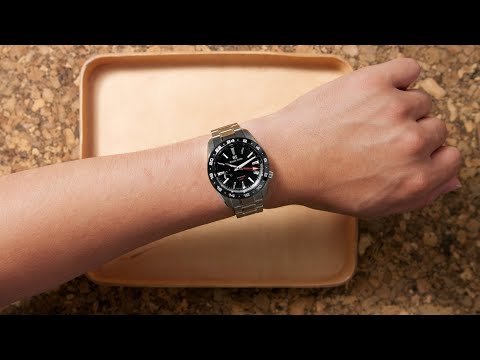
Let's begin this review of the Seiko 5 GMT Sports SSK023 with a spirited chant: "NWA! NWA!" No, I’m not the hype man for the groundbreaking ‘90s hip-hop act. It’s a New Watch Alert, and all kidding aside, I went and bought a watch, something I haven’t done since I picked up my Doxa Sub 200T Divingstar last year. In spite of my attraction to that yellow-dialed wrist magnet, there’s a new contender in my regular rotation, and it’s not Swiss. Nope, I’ve gone and picked up a new Seiko 5 GMT Sports model, and it’s getting an awful lot of my attention. I’ve fallen hard for the SSK023, probably the most basic four-hander in the Japanese brand's catalog, and I couldn’t be happier. Now, this is hardly my first Seiko rodeo. I’m a longtime fan whose gateway was an old-school 6309-7049, the famed "Turtle" dive watch, discovered by my wife in a mom & pop jewelry store for a mere hundred bucks. It’s not even my first Seiko 5 spin around the block, and I’ve got the SNXJ89, Seiko’s budget take on a classic silver-dialed Datejust, to prove it. However, it is my first Seiko 5 Sports watch with the new-era logo. Prior to the SSK023, I did snag the 55th Anniversary LE, the SRPK17, and it’s everything it’s advertised to be, with its note-perfect re-creation of the very first Seiko 5 Sports model from 1968. That tonneau-cased beauty is a banger, down to the original Seiko 5 shield logo, but the SNK023 represents my first real dip into the modern Seiko 5 pool, and...
 Video
Video
 Teddy Baldassarre
When considering the most versatile watch brands in terms of both global reach and variety within their own brand portfolio, it’s difficult to identify a brand that surpasses Seiko. In 1881, a young entrepreneur by the name of Kintaro Hattorri (pictured below), opened up a shop in Tokyo's Ginza where he sold and repaired watches and clocks. At just 21 years old, Hattori took a massive risk in hopes of creating something bigger. These hopes were realized in the coming century as the watch brand he created established numerous watchmaking milestones and eventually changed the course of the entire watch industry with the release of the legendary Astron, the world's first quartz wristwatch, in 1969. In more recent years Seiko has established itself as one of the most beloved brands on the market, offering a wide range of styles from dressy to sporty to space-age high-tech and all for what most would consider very accessible prices. In this blog, we dive into the wide world of Seiko watches, naming our favorites from the brand's major families, in hopes of providing a jumping-off point for your own research into a potential next purchase. Some Ground Rules Given the number of watches that could be included, we will need to draw the line somewhere, so don’t be concerned if one of your favorite Seiko models is not on the list. We will focus primarily on regular-production models, not limited editions that may be unavailable before too long. We've envision...
 Teddy Baldassarre
Teddy Baldassarre is an authorized luxury watch retailer of brands like TUDOR, OMEGA, IWC, Grand Seiko, Breitling, Blancpain, Glashütte Original, Zenith, Longines, ORIS, MIDO, Tissot, Hamilton, NOMOS Glashütte, Baume & Mercier, and more.
 Teddy Baldassarre
We never really know how – or when – it happens, but some watches manage to achieve an iconic status that gives them a certain immortality long after discontinuation. We know the types, from the Speedmaster to the Submariner to the Royal Oak. But not all icons are pricey and they’re certainly not all Swiss. Enter the Seiko SKX007, a watch without a nickname, whose reference number is as recognizable as any of the aforementioned icons I just listed. The SKX, as we call it shorthand, is the value king in all of horology because of its capability from top to bottom, literally. Today we are going to be examining the SKX007, a watch that Seiko has since moved on from and never truly replaced. We will look at it at face value (as well as current secondary market value), for the watch’s impact on collector culture, and for its staying power even in the face of no longer remaining in production. Seiko SKX007 History And Specs In order to properly contextualize the SKX007, we must go back in time to the 1970s, when Seiko made its first impactful dive watch. Notice how I say "impactful," as the lot of you ready yourselves to remind me not to discount the 62MAS. For the record, I am not – at least not entirely. The 62MAS has proven to be a classic for Seiko, but the diver that really put the brand on the map in terms of culturally relevant tool watches was the Ref. 6105 which was worn by Martin Sheen in the film Apocalypse Now. It has since gone on to take the name of his c...
 Teddy Baldassarre
The Grand Seiko “Snowflake” is not just a watch that helped define Grand Seiko as a luxury brand to be reckoned with in the 21st Century: it is also at the vanguard of an industry-wide movement toward making dials more beautiful, enticing, and unique - not only with the bold use of color, but with textures that play with the concept of 3D space and the interplay of light and shadow. Nearly every Grand Seiko model of note can claim a dial (and often a nickname) with a distinctly eye-catching motif, usually inspired by the breathtaking natural wonders of the company’s native Japan. Other luxury watch brands have noticed and followed suit - from luxury leaders like Rolex, Patek Philippe, and Audemars Piguet, to attainable brands like little-brother Seiko and its main competitor, Citizen. The “Snowflake,” Grand Seiko’s first and still most famous textured dial, is arguably the OG of this trend; here is the story of how it came to be and where it stands today. As success stories for new watch brands go, it’s hard to find a better case study in the past decade than Grand Seiko. The Japanese high-luxury watchmaker has, in its relatively short stint in the international market, elevated itself in the eyes of many collectors to the upper echelon of watchmaking prestige and collectibility, competing for connoisseur attention and dollars with well-established maisons from Switzerland and Germany. This plaudit, of course, comes with a caveat: Grand Seiko is not ...
 Teddy Baldassarre
Before getting into the Seiko "Arnie," I must discuss the man who made it an icon on the big screen. Arnold Schwarzenegger is a guy who knows watches. Or he is at least a guy who is very clear and consistent about the types of watches that he likes. In terms of impact on the watch industry, few celebrity enthusiasts have been as huge (pun intended) as Schwarzenegger, the former “Mr. Universe” from Austria who dominated the big screen during the 1980s and ‘90s in high-testosterone blockbusters like Conan the Barbarian, Predator, Commando, Total Recall, End of Days, and the Terminator series. Along with his fellow iconic action star, Sylvester Stallone, Schwarzenegger helped bring Panerai and its hypermasculine, military style to the attention of millions, kicking off a fascination with large, bulky watches that more or less defined the early 2000s. He also played a significant role in taking Audemars Piguet’s boldly styled Royal Oak Offshore out from under the shadow of the original Royal Oak and into a pop-cultural milieu all its own, famously donning a specially tailored model for his 1999 thriller, End of Days. From this, one can make the assumption that Arnold, who also went on to become the governor of California, loves big watches with mechanical movements from historic Swiss maisons. But in at least two of the movies listed above, he turned instead to a Japanese watch with an analog-digital display - still plenty big, but at the time priced in a range tha...
 Video
Video
Question, suggestion, or just want to say hi? Drop a note.