 Time+Tide
From FounderFest to Full Throttle with Tissot at Silverstone
FounderFest launches, Time+Tide heads behind the scenes at MotoGP, and Tom reflects on why not every watch needs to be an everyday watch.
24,788 articles · 176 videos found · page 74 of 833
Time+Tide
FounderFest launches, Time+Tide heads behind the scenes at MotoGP, and Tom reflects on why not every watch needs to be an everyday watch.
 Two Broke Watch Snobs
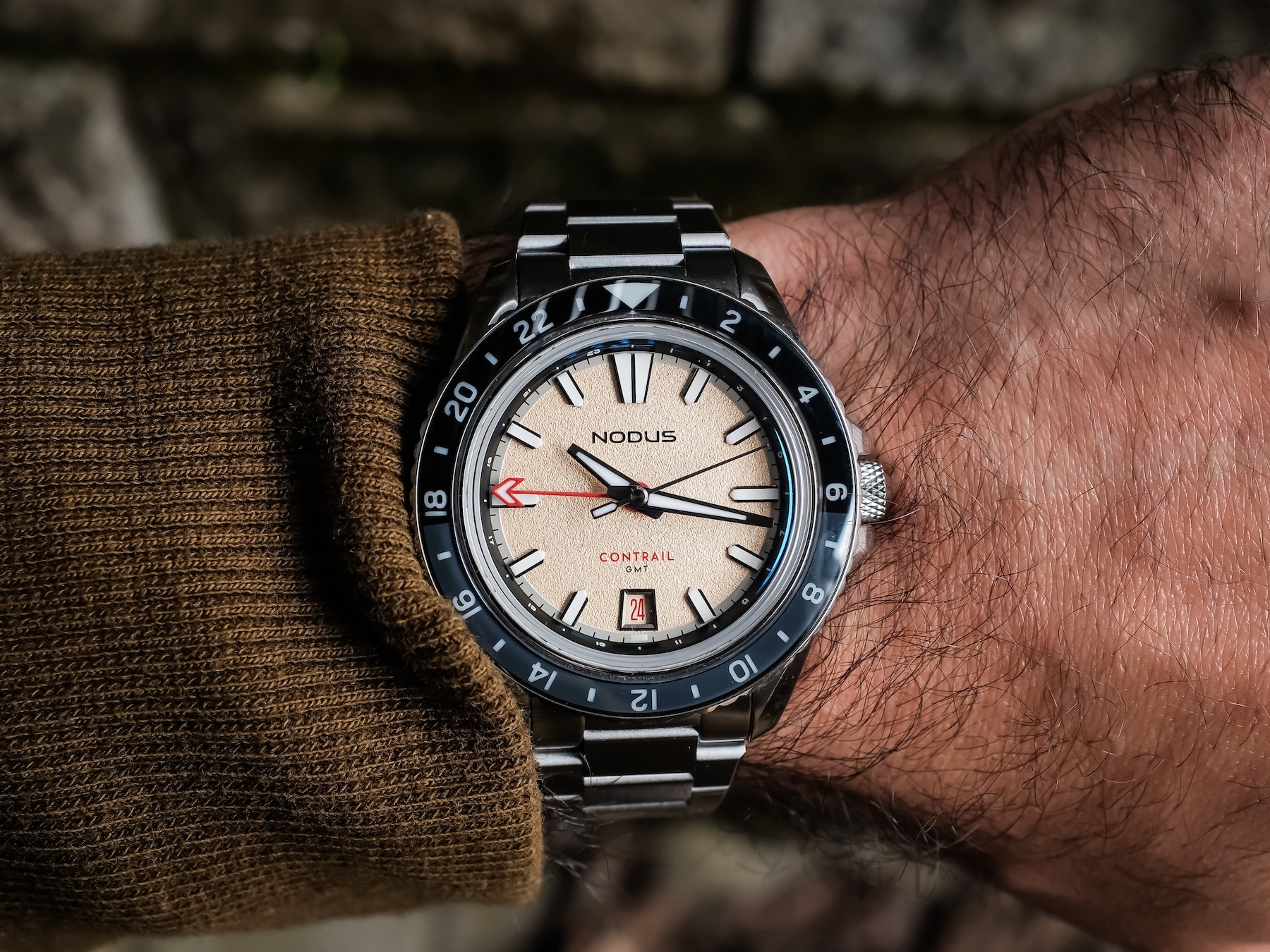
Looking for one watch to do it all? We tested these watches hands-on to find the best one-watch collection picks under $1,000.
 Time+Tide
Timed to coincide with a solar eclipse casting its shadow across parts of Spain, the latest MoonSwatch is the Mission to the Sun – Solar Eclipse.
 WatchRider
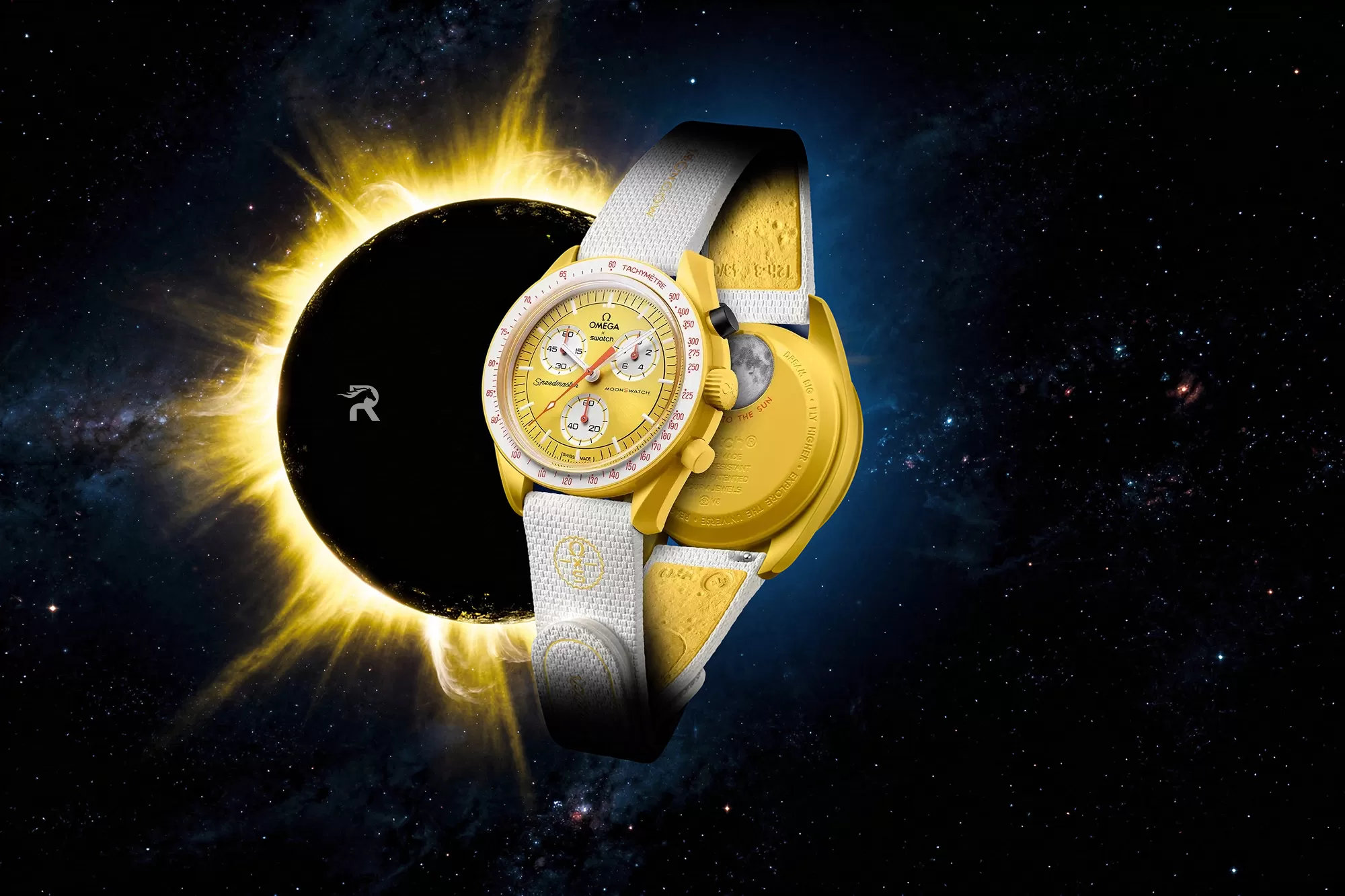
Swatch has created a new version of the Bioceramic MoonSwatch Mission to the Sun for Spain’s total solar eclipse on 12 August 2026. Called Mission to the Sun Solar Eclipse, reference SSX01J100-1, the watch is available only in Spain and only for 24 hours on the day of the eclipse. Online purchases are limited to three watches per person. The watch is reference SSX01J100-1 and was offered exclusively in Spain for 24 hours. Image: Swatch. A small change with a clear eclipse connection This is not a completely new MoonSwatch. It uses the familiar Mission to the Sun colour scheme with a bright yellow Bioceramic case, white tachymeter bezel and white rubber strap. The gold-coloured dial has a sun-brushed finish, while white hands and hour markers keep the display easy to read. Orange hands add contrast to the chronograph seconds and the three white subdials. The Solar Eclipse edition keeps the yellow and white Mission to the Sun colour scheme. Image: Swatch. The important new detail is the black chronograph pusher at two o’clock. The lower pusher remains yellow, so the dark upper button stands out immediately. It represents the Moon moving in front of the Sun during totality. Swatch has changed only one control, but that contrast gives the watch a direct link to the event without covering the dial in extra text or graphics. The black upper pusher represents the Moon covering the Sun during the total eclipse. Image: Swatch. The new moon appears on the back The other change i...
 WatchRider
Seiko has returned to the world of Initial D with a new chronograph dedicated to Keisuke Takahashi and his yellow Mazda RX-7 FD3S. The model continues the manga’s 30th-anniversary celebrations after the earlier Takumi Fujiwara AE86 watch. Orders opened in Japan in early August 2026, while deliveries are scheduled to begin in late January 2027. Production is limited to 1,995 individually numbered watches, matching the year Initial D began serialization. The connection is immediately clear. This is not a standard Seiko with a small logo added to the dial. The complete colour scheme and several smaller details come from Keisuke’s car, while the official campaign artwork places the watch beside the driver and his RX-7. The Initial D collaboration links the Seiko chronograph directly to Keisuke Takahashi and his yellow RX-7 FD3S. Image: PREMICO. The yellow RX-7 on the wrist The bright yellow dial copies the most recognizable feature of Keisuke’s RX-7. A black tachymeter bezel provides strong contrast and gives the chronograph a clear motorsport look. Three black subdials use red markings inspired by the illuminated instruments inside the car. The RedSuns team name appears at three o’clock beside the Seiko logo, while the Initial D symbol is placed inside the lower subdial. The yellow dial, red instrument-style subdials and RedSuns logo refer to Keisuke’s RX-7. Image: PREMICO. One of the best details sits at 12 o’clock. Instead of a normal hour marker, Seiko uses a t...
 Time+Tide
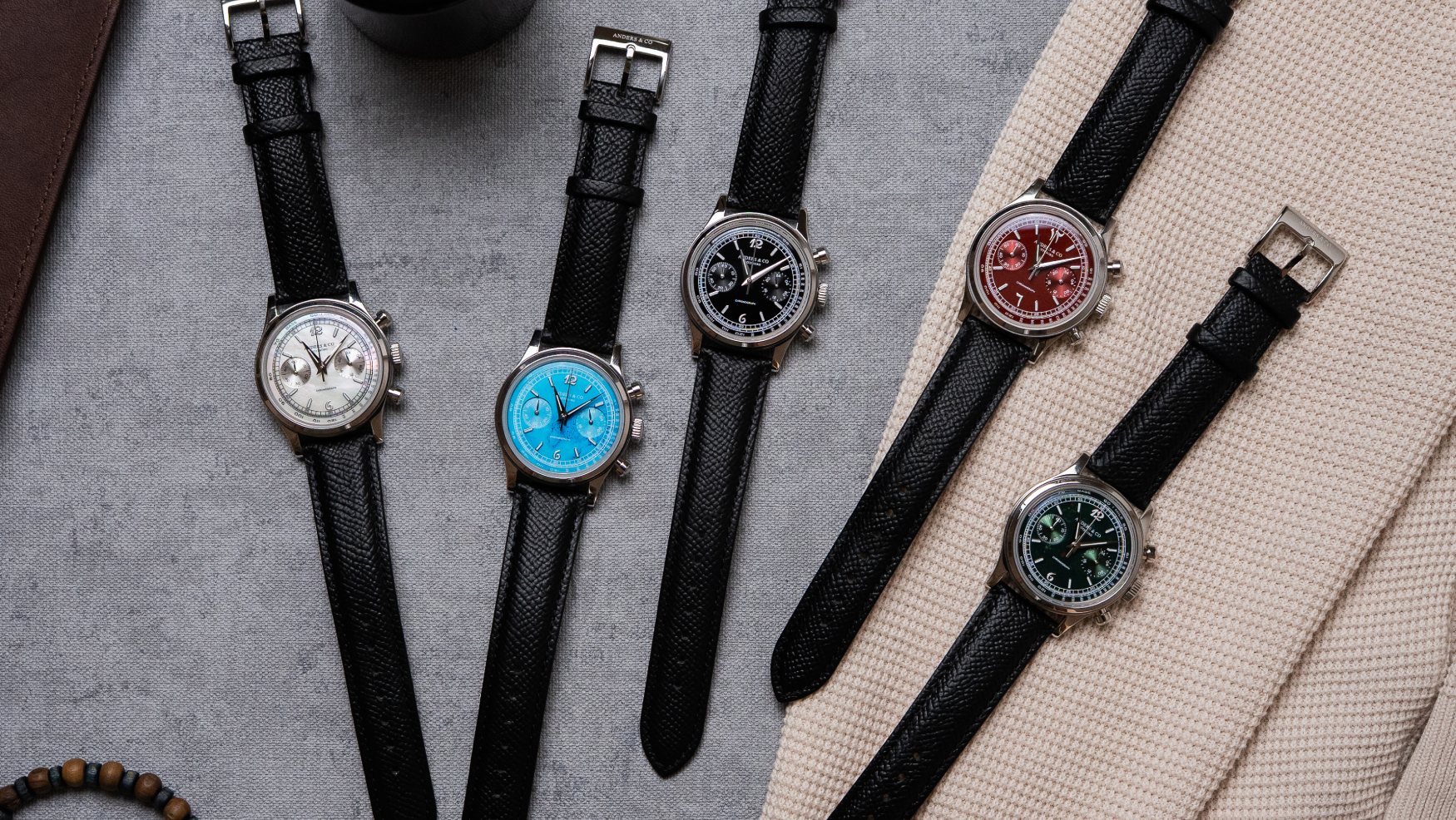
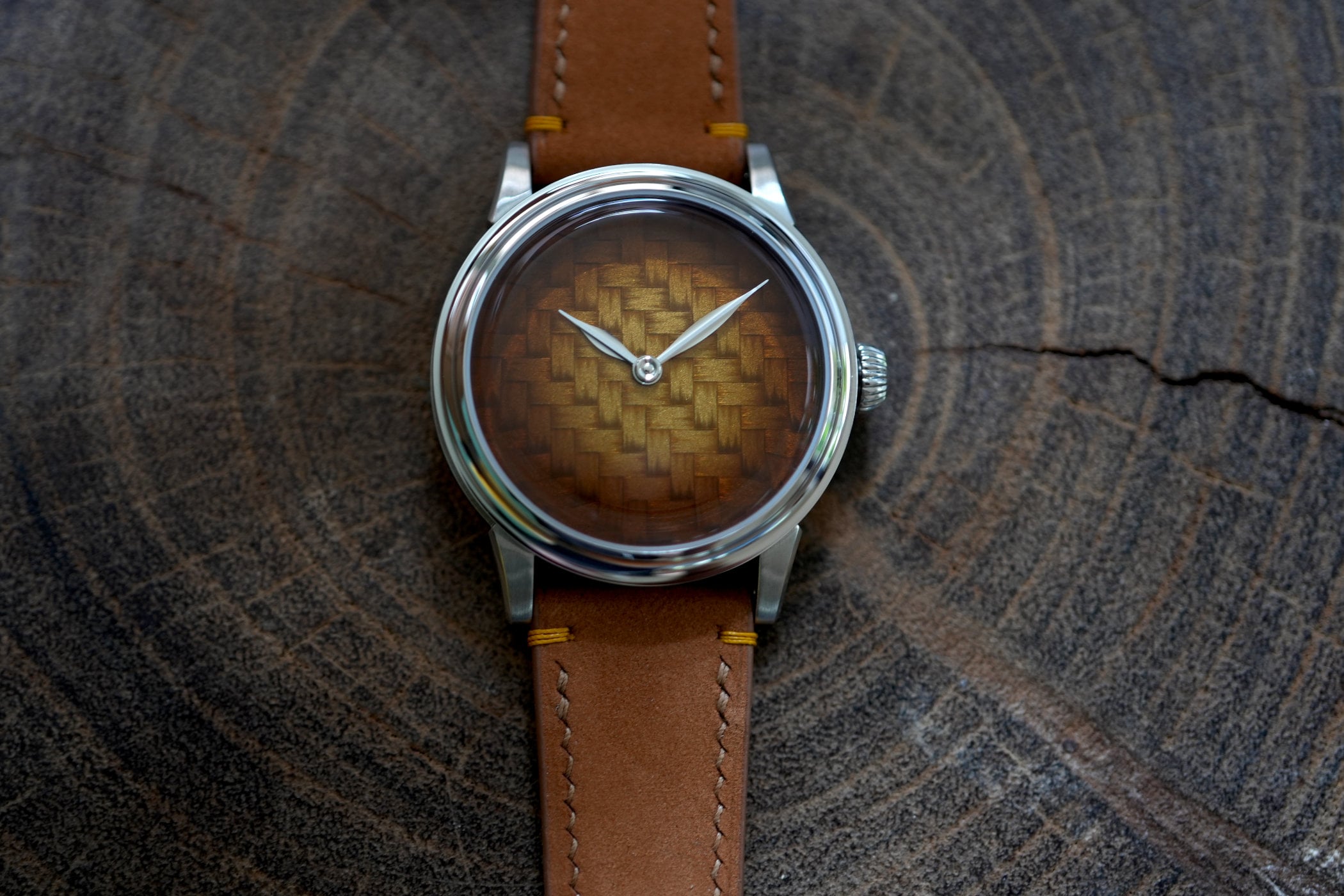
Bringing its expertise in hard stone dials to its early chronograph model, the vintage styling stays strong across the collection.
 Monochrome
Since its launch, Watch Ho & Co(mmunity) has taken a very personal approach to collaborative watchmaking. Founder Jackie Ho has consistently built projects around stories and culture. Previous collaborations with Selten, such as the Jui series with hand-guilloché mother-of-pearl dials inspired by Hong Kong’s Bauhinia flower, demonstrated that approach well. To celebrate the community’s third anniversary, […]
 Teddy Baldassarre
Exploring the '90s icon that brought the Speedy back to its pre-Moonwatch roots. More
 Hodinkee
Earlier this year, Tudor invited a small group of watch media into its Swiss manufacturing network to see what "Swiss Made" actually means in practice—not a one-stop visit in a single day, but the full process from start to finish over multiple days. I've been on plenty of manufacturer tours, and I've never had access like this. The result is one video, broken into three parts: cases and bracelets; hand-painted and hand-lumed dials; movements and assembly. Case and Bracelet We start by looking at cases and bracelets. I've had my Tudor Pelagos 39 on my wrist for a couple of years now, and until recently I'd never given much thought to what "Swiss Made" on the dial actually meant, beyond the concept and branding tied to those two words. So, using my own Pelagos as the starting point, this segment traces how a titanium dive watch's case and bracelet are actually made, moving through three Swiss companies closely linked to Tudor: Joseph Baume, Orolux, and Detech. Titanium case blanks are the start of the story. The progressive evolution of Tudor cases at Joseph Baume. Heat treating in a special furnace. The case begins at Joseph Baume, an independent forge where steel components are cold-stamped through up to fifteen strikes, while titanium cases, like that employed by my Pelagos, undergo hot stamping instead, heated to nearly 950 degrees Celsius and pressed into shape by a robotic arm. It's a more physical, almost blacksmith-like process than I ever would have expecte...
 Two Broke Watch Snobs
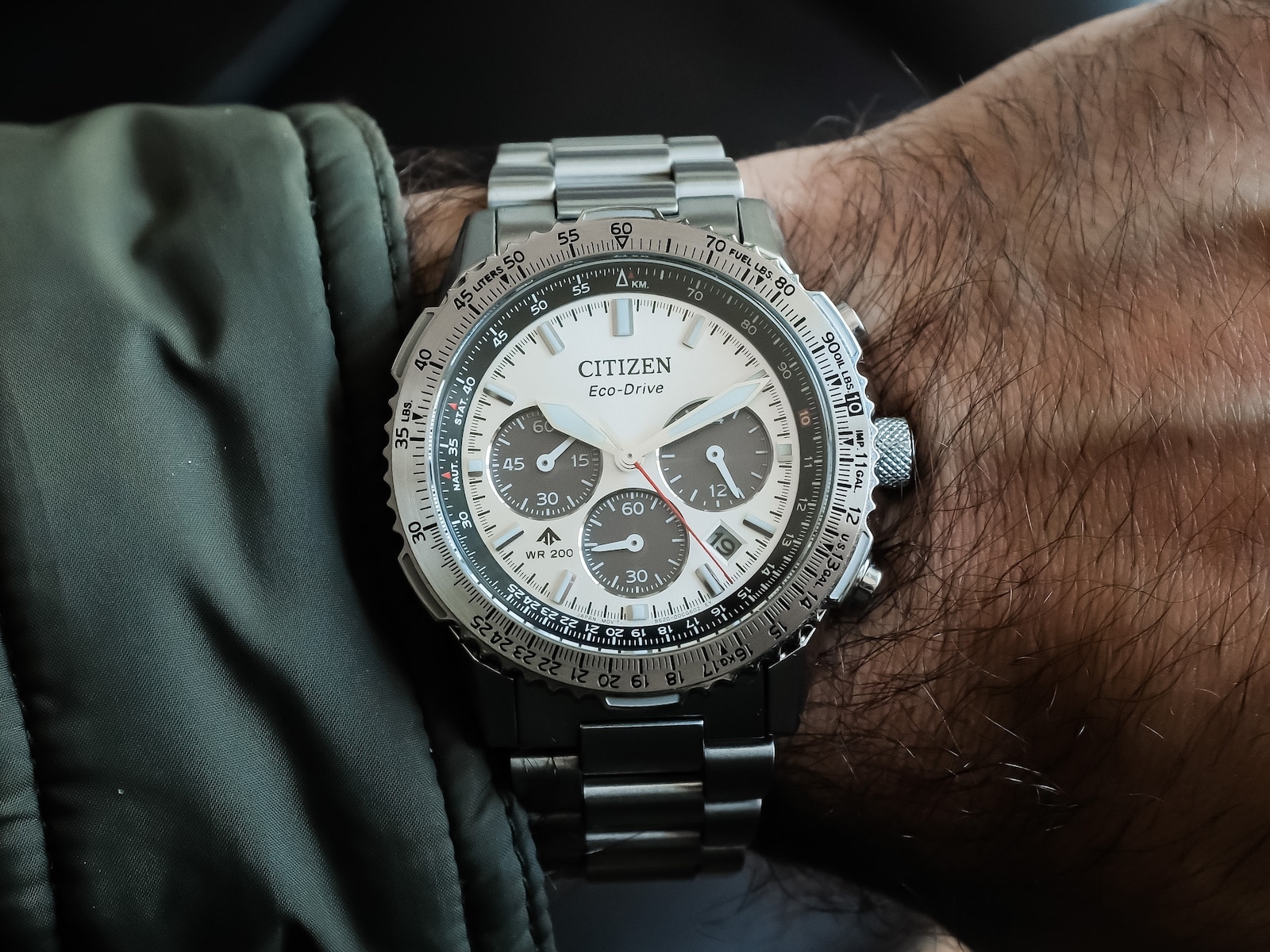
We wore 10 alternatives to dive watches to find the ones that still deliver the durability, versatility, and everyday appeal diver fans expect.
 WatchAdvice
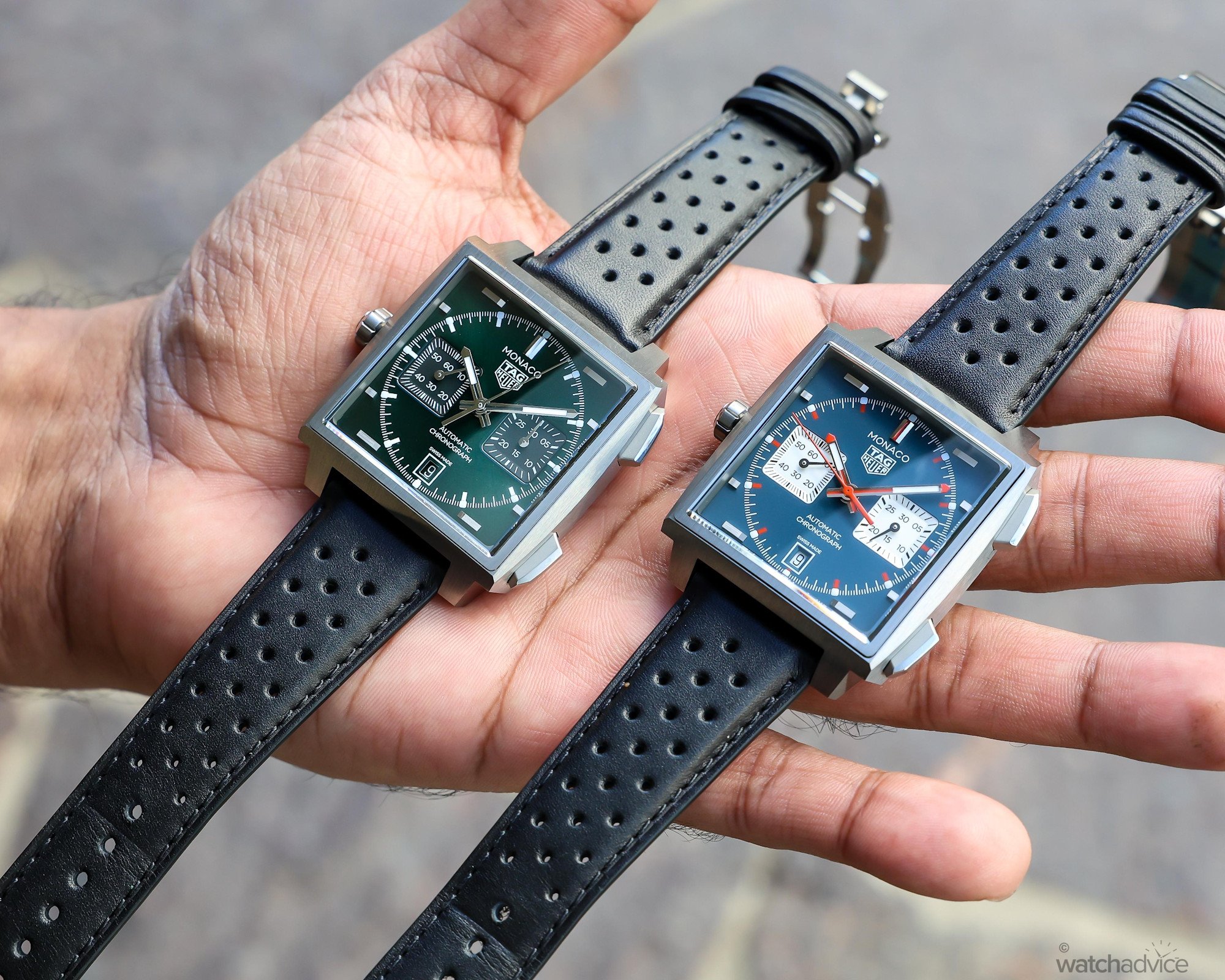
I take the new TAG Heuer Monaco Chronographs in blue and green for a hands-on review to see how this watchmaking icon has evolved for a new generation! What We Love: Improved ergonomics for slimmer wrists Distinctive dial colours with different personalities Substantially upgraded TH20-11 movement What We Don’t: Limited strap options Square case still wears large 13.9mm thickness remains noticeable Overall Rating: 8.7/10 Value for Money: 8.8/10 Wearability: 8.5/10 Design: 8.7/10 Build Quality: 8.7/10 Few watches in the world of horology are as instantly recognisable as the TAG Heuer Monaco. Even more than five decades after its introduction, the iconic timepiece’s square silhouette remains one of its most distinctive features. If you aren’t familiar with the story of the Monaco, it was first introduced in 1969—and it has quite the story behind it. The Monaco arrived during one of watchmaking’s most defining technical contests: the development of the first automatic chronograph. The birth of the Monaco was closely linked to the Calibre 11 movement, which was developed through a collaborative effort between Heuer, Breitling, Hamilton-Büren and chronograph specialist Dubois-Dépraz. The Calibre 11 was essentially part of a movement “race” against Zenith’s El Primero Calibre 3019 PHC and Seiko’s Calibre 6139. The new generation of TAG Heuer Monaco Chronographs presented in blue and green dials. Jack Heuer, who was one of the driving forces behind the Cal...
 Worn & Wound
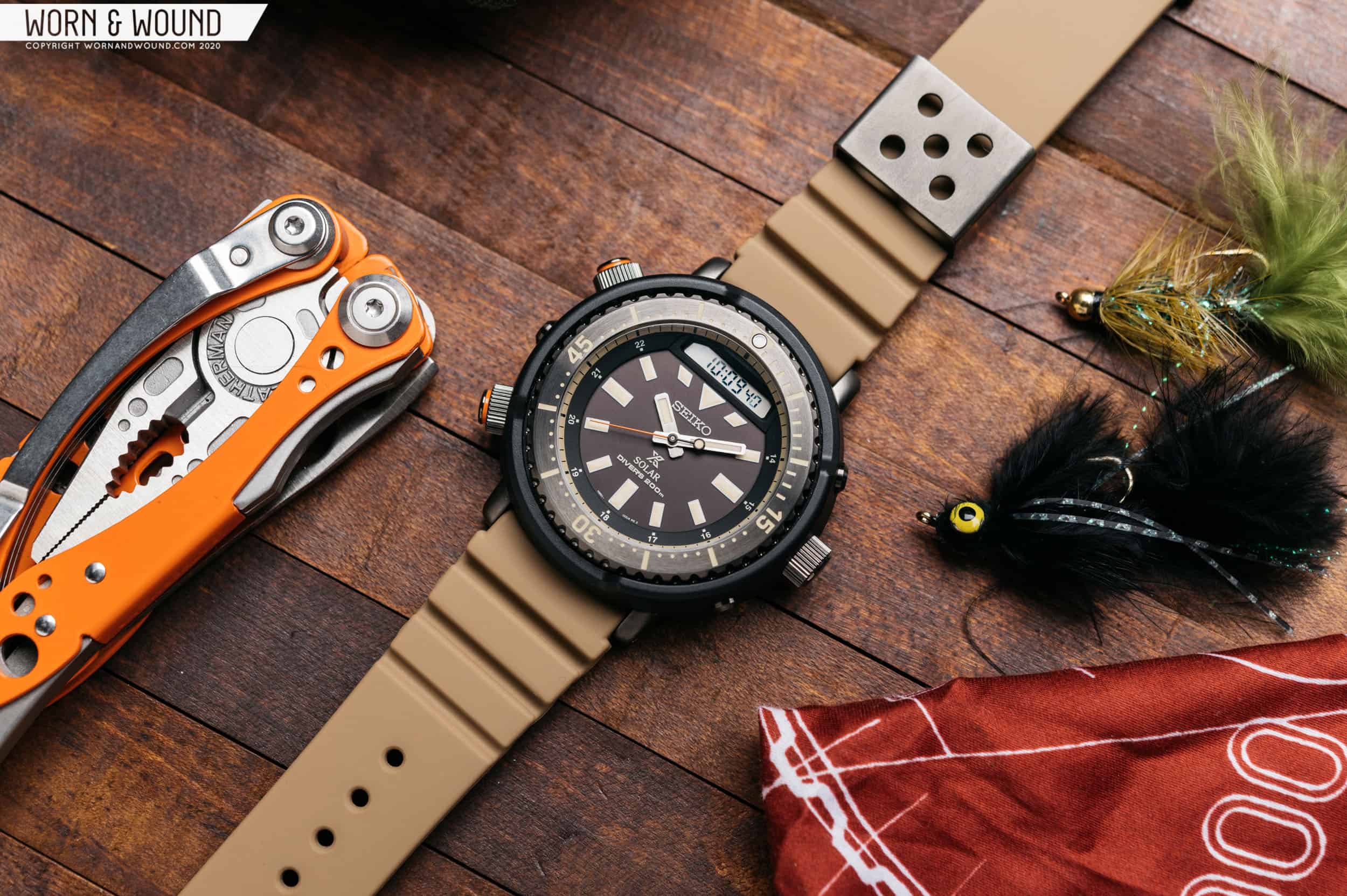
Analog and digital timepieces used to wage war on the wrists of horological enthusiasts. Nowadays, though, they’re more of a united front against the tide of smart watches and phones, offering wildly differing price points, use cases, and aesthetics. No longer is a digital calculator watch seen as “nerdy”, as celebrities and public figures like New York mayor Zohran Mamdani are frequently seen rocking the classic Casio silhouette. And despite their seemingly anachronistic focus on tactile functionality and focus, analog watches have never been more popular with young people looking to escape the crushing presence of their digital lives. That’s where the analog-digital (“ana-digi”) format comes in. A clever combination of the best features of both types of “old school” timekeeping, new iterations like the Autodromo Group C Turbo Sport are priced compellingly, and cast a wide net despite sometimes venturing outside of most design conventions. They can be a great introduction to the larger world of watches, and unique conversation pieces in their own right. So, let’s dive in and take a look at some notable ana-digi watches from watchmakers you already know and love, and what sets them apart from their more traditional stablemates. G-SHOCK Starting with the undisputed king of digital watches, Casio’s G-SHOCK sub-brand has a frankly staggering amount of ana-digi options on hand. Their aptly-named Analog-Digital collection boasts over 100 models currently a...
 Monochrome
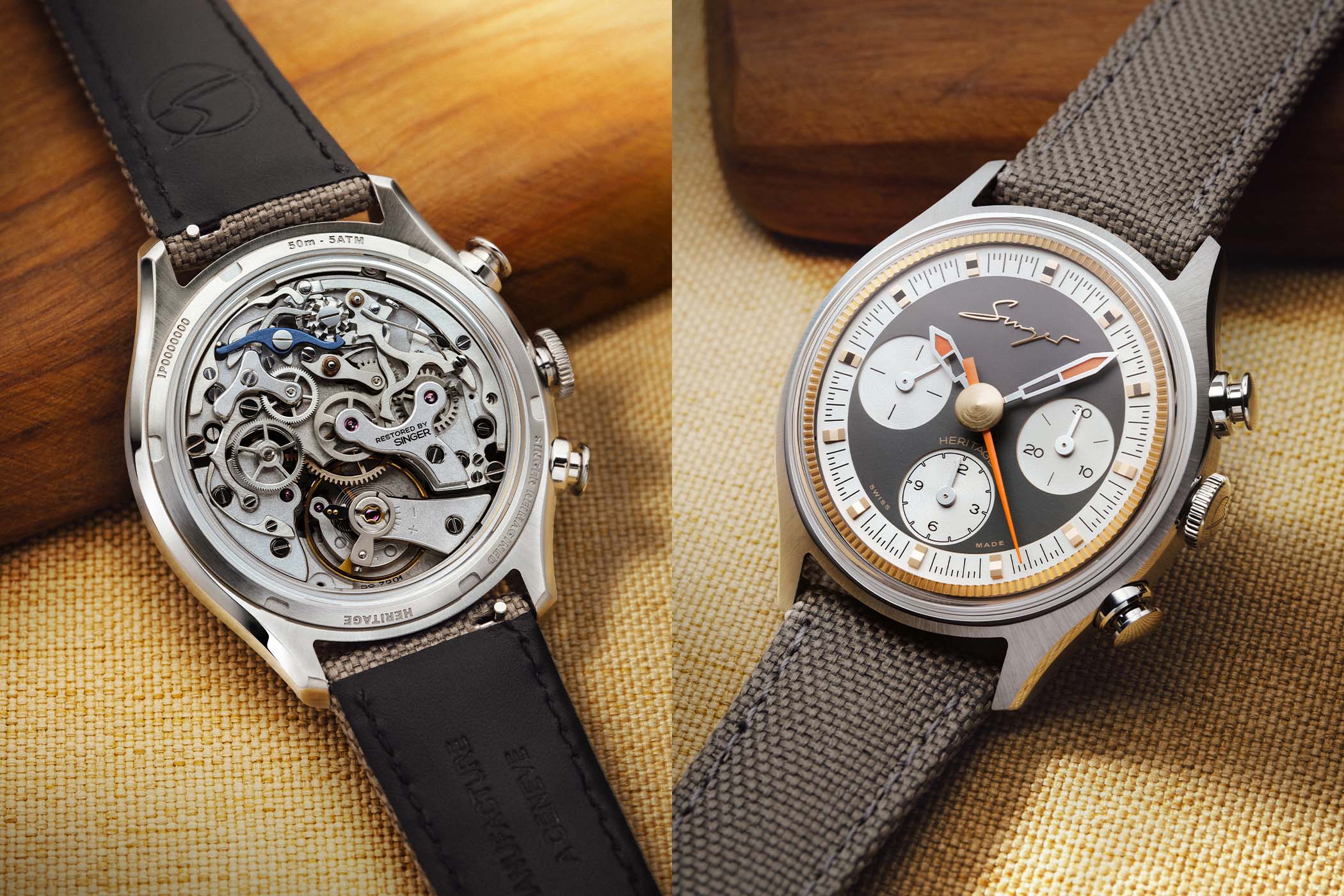
Singer Reimagined releases the Heritage V72, a handsome chronograph powered by a restored new-old-stock Valjoux 72 movement. Beyond an exercise in restoration, Singer pays tribute to the calibre’s iconic architecture, revealing its hidden attributes through elevated finishings that far surpass those of the original movement. Presented in a compact 38.8mm case with a glassbox caseback, […]
 Time+Tide
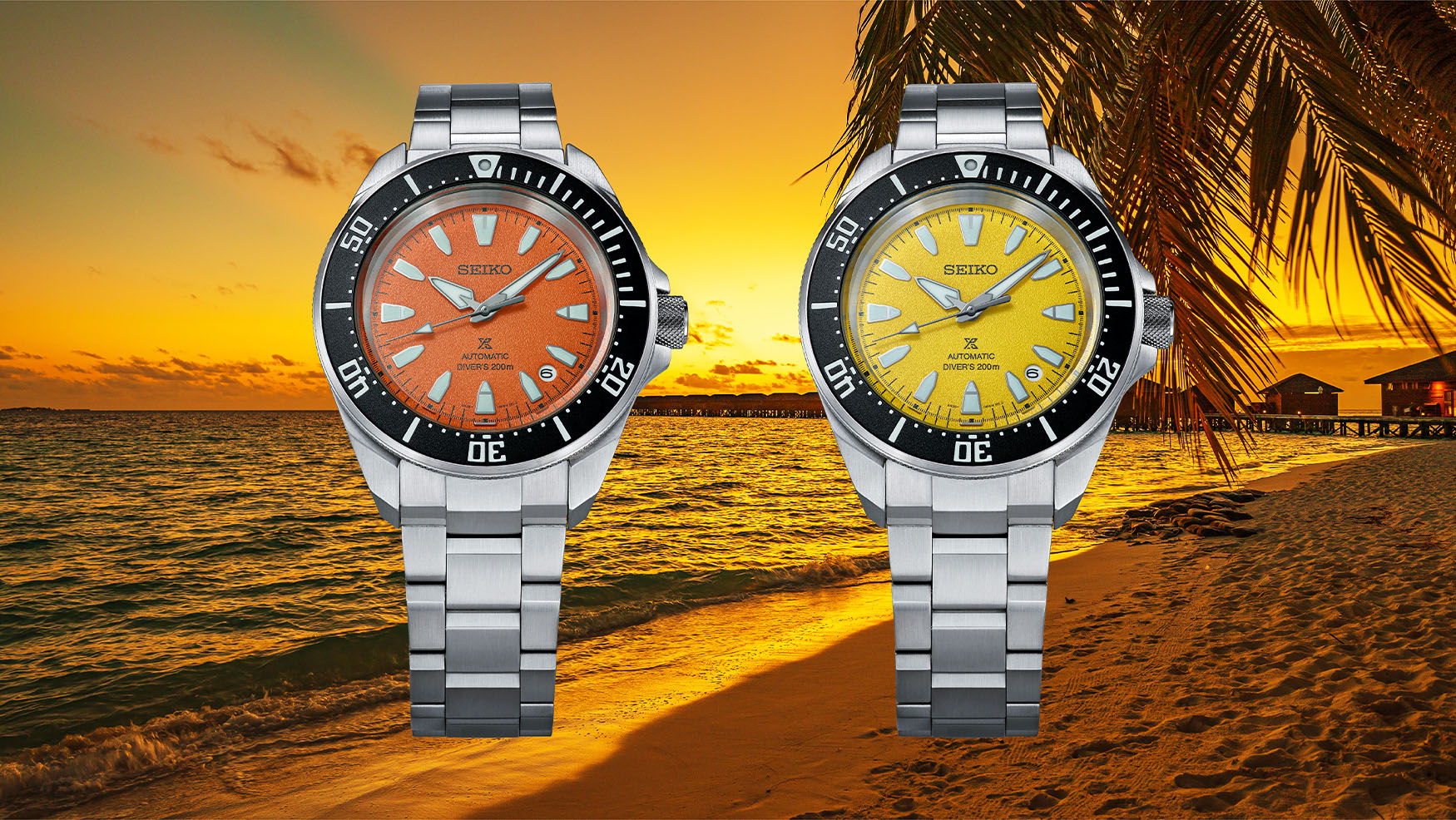
The Seiko Prospex HBB003K and HBB004K are two new Asia-Pacific exclusive editions, limited to 2,500 pieces each. The sand-textured yellow and orange dials are inspired by the visual transition from golden sunsets to tranquil nights along Asian coastlines. Priced at A$995, both models are available for pre-order exclusively through Seiko Boutiques and Seiko Online. Seiko … Continued
 WatchRider
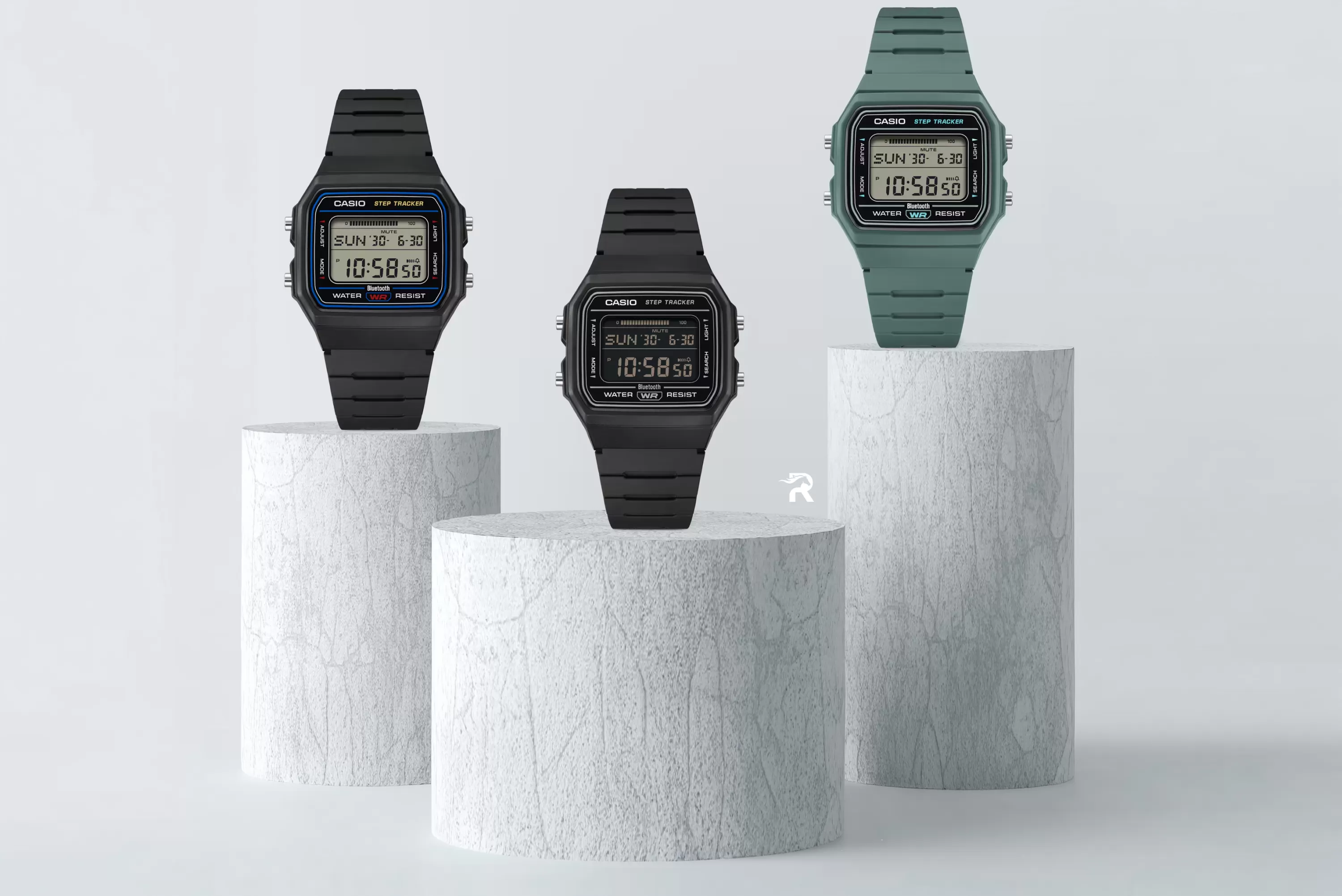
Casio has listed the F-B100W, a three-watch family that adds Bluetooth and step tracking to its uncomplicated digital formula. Japanese retailers opened preorders at ¥8,800 including tax, with release scheduled for August 2026. Prices for Europe, the UK and the US remain unannounced; the passport stamps are still pending. The official campaign image makes the pitch clear: familiar Casio digital design, now with Smartphone Link, step tracking and an amber LED backlight. That is the whole idea in one image: a familiar rectangular Casio that can correct its time through a phone and count your steps. The F-B100W-1AJF makes the clearest introduction, with a black resin case, positive LCD and blue, red and gold labels. The small step indicator above the time is the clue that this is not simply another colour of an old watch. F-B100W-1A: black resin, positive display and familiar blue-and-red Casio accents. The F-91W connection is official Casio says the front and strap design inherit the look of the F-91W, introduced in 1989. The new case measures 41.9 × 38.1 × 8.8mm and weighs 26g. An F-91W is 38.2 × 35.2 × 8.5mm and 21g, so the newcomer is larger, but only just. At 8.8mm thick, the F-B100W keeps the old-school digital silhouette pleasingly slim. On my 6.5-inch wrist, the dimensions suggest an easy, compact fit, although I have not handled one yet. The resin case, resin glass and 145–215mm strap range keep the specification familiar. The main resin parts of the band use ...
 Monochrome
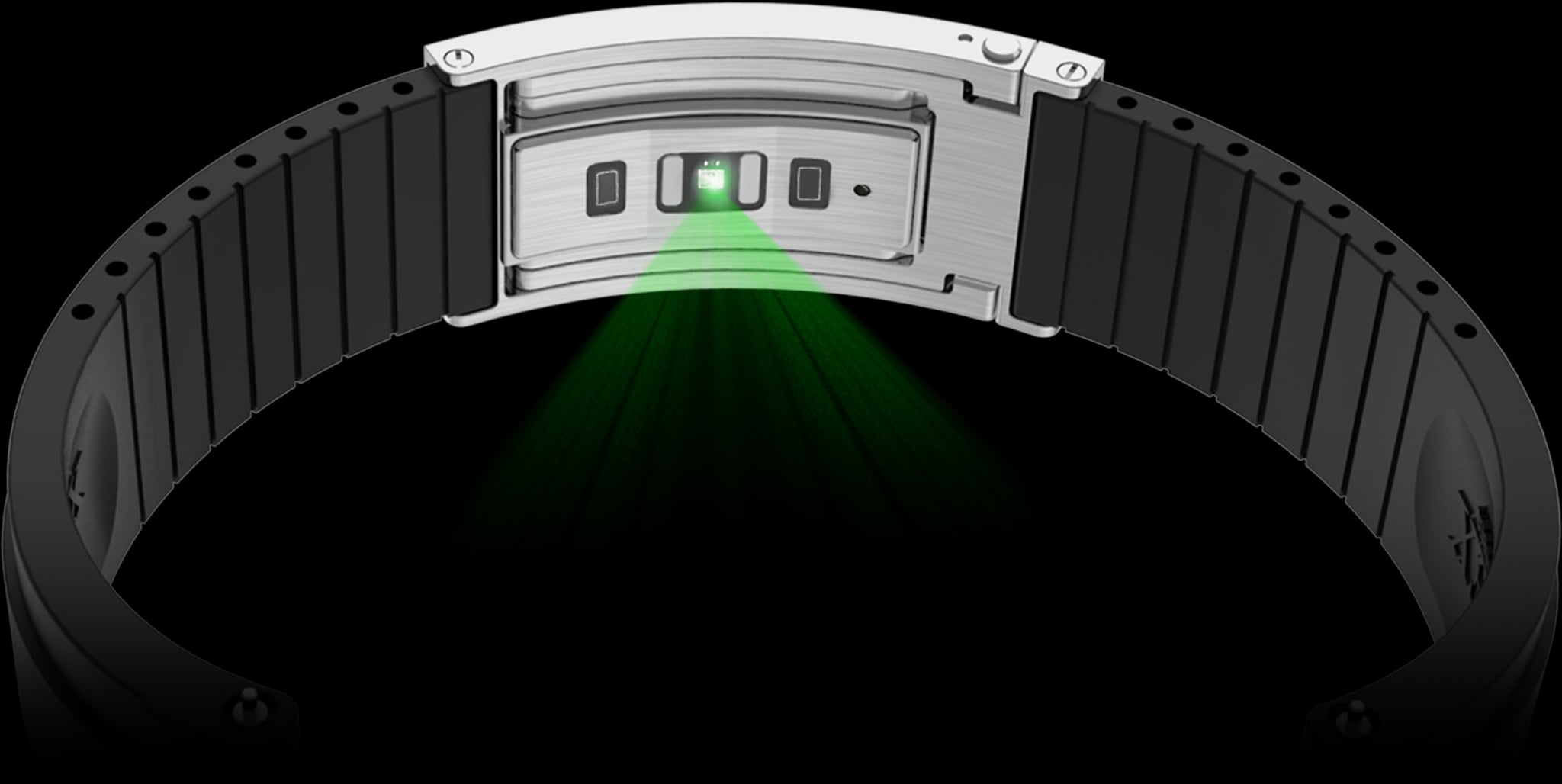
Are you wearing a health-tracking device like a Woop, a Hume band, or an Oura ring? I am, and I’m not too happy with that strap with a health tracker on my right-hand wrist; hence, I chose a ring. However, XBAND has a solution with a health tracker tucked into the clasp of a rubber […]
 WatchRider
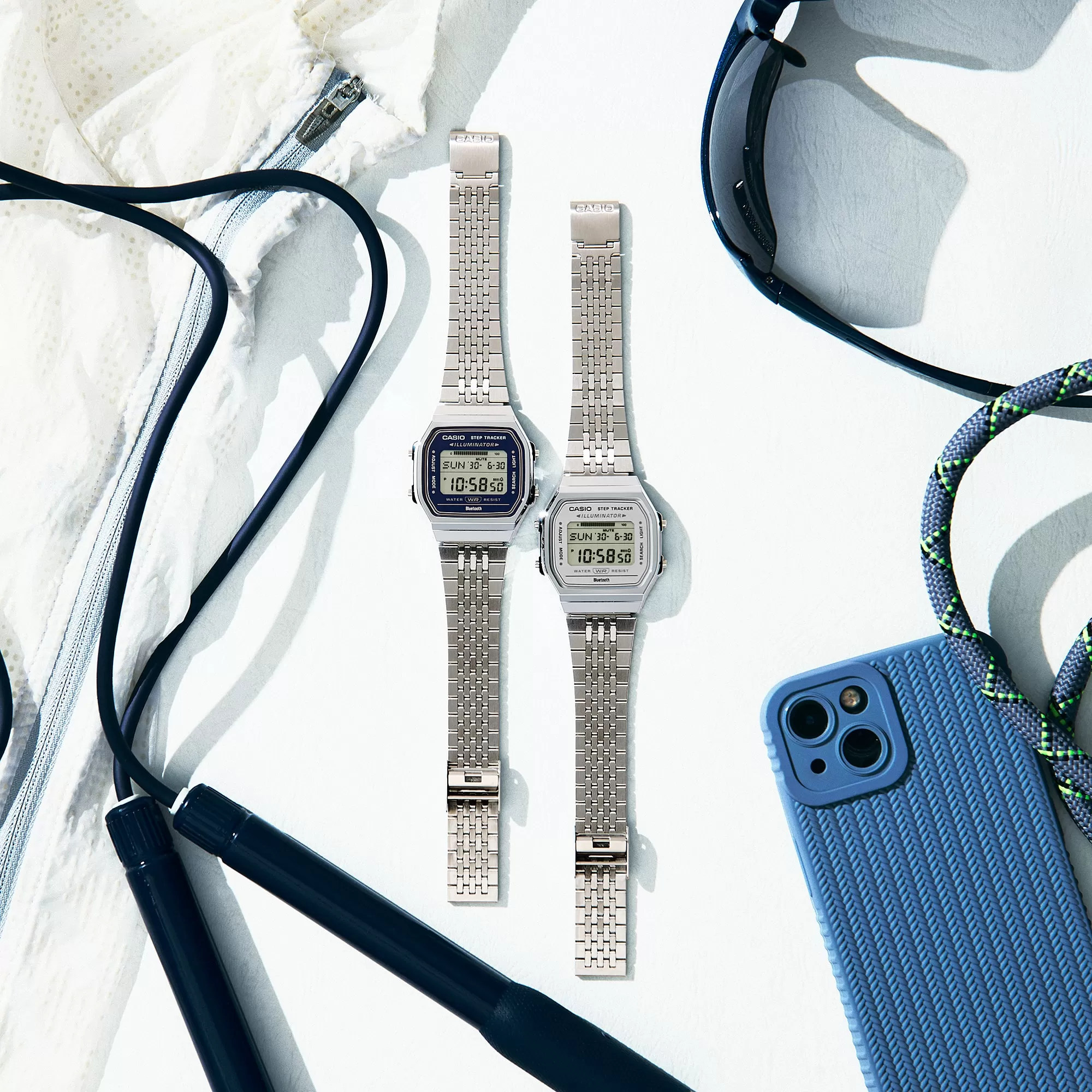
Casio has officially added two fresh colours to its connected ABL-100 Vintage line. The ABL-100WE-2A arrives with a dark-blue dial surround, while the ABL-100WE-7A takes the quieter route in grey. Casio’s European pages label the pair as August 2026 releases, and both are already available through the brand’s Spanish online shop. The important point is that the colours are new; the watch and its technology are familiar. New Colours, Familiar Hardware The dark-blue ABL-100WE-2A brings a little more contrast around the positive LCD display, but it remains restrained rather than loud. The grey ABL-100WE-7A blends more closely with the silver-tone case and bracelet. Neither version is trying to reinvent Casio’s rectangular digital formula. They simply make the connected ABL-100 easier to match with different clothes, which is often all a good colour update needs to do. The ABL-100WE-2A introduces a dark-blue dial surround. Image: Casio. The chrome-plated resin case measures 41.6 mm long, 37.9 mm wide and only 8.2 mm thick. Weight is 60 grams, including the stainless-steel multi-row bracelet and adjustable clasp. A resin crystal covers the display. Those compact proportions should sit easily on my 6.5-inch wrist, although I have not handled either watch. Casio describes the model simply as water resistant, without advertising a swimming depth, so this is one retro accessory I would not volunteer for pool duty. A Step Counter Wearing Vintage Clothes An accelerometer record...
 Monochrome
The humble Ford Escort spanned six generations from its debut in 1964 to its end in 2004, with over 4 million cars built during those years. The small family car was Britain’s best-selling car for many years and proved to be one of the industry’s most enduring machines, thanks in part to the efforts of […]
 Worn & Wound
Raymond Weil celebrates its 50th anniversary this year, Weil founding his eponymous brand in 1976. And the brand’s first integrated-bracelet watch is a nod to the seventies era of experimentation: where, in the face of impending quartz dominance, watchmakers produced bold designs like they had nothing to lose. This was the era of the Patek Philippe Nautilus and Audemars Piguet Royal Oak, both launching the concept of the luxury sports watch—in essence, a classier and far pricier interpretation of the Go Anywhere, Do Anything ethos that once took its inspiration from military and field watches. Only this time, going anywhere is to Monaco or St. Moritz, and doing anything is jumping off the back of a yacht into the waters of Bali. Fifty years later, the integrated bracelet watch has never been more popular. Perhaps it’s the trickle-down effect from the cachet of those two OGs, which have taken off so much that people are willing to snap up an anniversary Nautilus desk clock, or storm your nearest Swatch store for a plastic Royal Oak. Or it’s the promise of a certain inherent and integrated toughness, eschewing the notion that we won’t ever reach 1,000-ft deep-water depths and still make it back to the boardroom. In fact, skip the beach-to-boardroom mentality. This category is all upscale by comparison, and the A.R.T. series — which, according to Raymond Weil, stands for “art, refinement, and timekeeping,” with the latter perhaps seeming redundant — captur...
 WatchRider
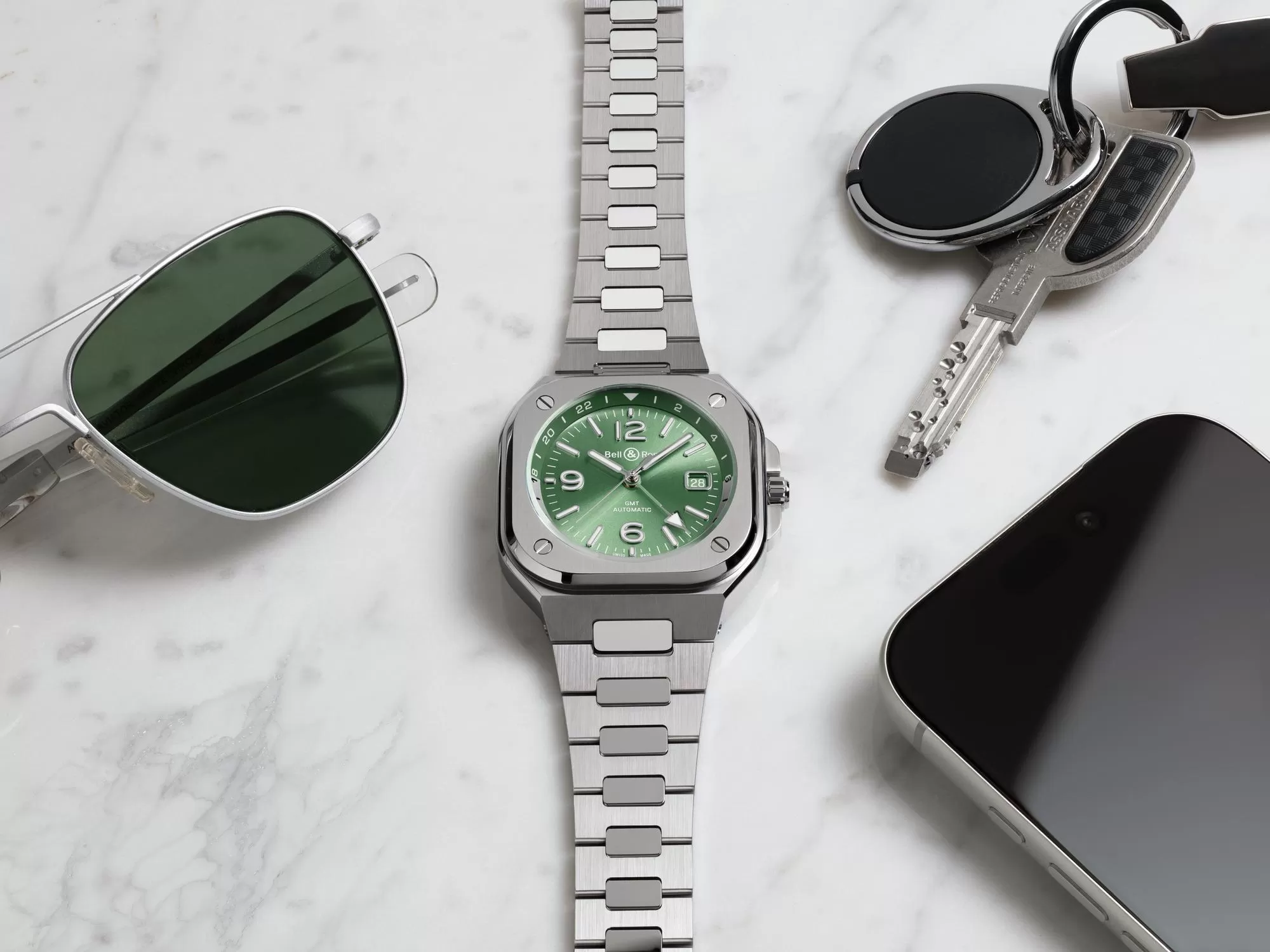
Bell & Ross has introduced the BR-05 GMT Green Steel, bringing a layered sage-green dial to its square travel watch. Announced on 29 July 2026, the new model keeps the familiar 41mm steel case, automatic GMT movement and choice of integrated bracelet or rubber strap. The colour and dial finishing are the real news. This is not a limited edition. It joins the regular BR-05 GMT range and is identified by the reference BR05G-GN-ST, with the usual SST and SRB endings used for the steel-bracelet and rubber-strap versions. All images are courtesy of Bell & Ross. A new green for the BR-05 GMT Bell & Ross introduced the BR-05 collection in 2019 as the Urban branch of its range. It kept the brand’s well-known “circle within a square” design but softened the case and connected it directly to an integrated bracelet. The GMT model followed in 2021, adding a second time zone without changing the basic shape. The BR-05 GMT Green Steel on its matching green rubber strap. Image: Bell & Ross. The 2026 Green Steel is the first BR-05 GMT to use this sage colour. It is not a simple layer of green paint. Bell & Ross starts with a metal dial plate, gives it a sunray-brushed finish, applies a tinted green varnish and then adds a clear glossy varnish. The final layer protects the surface and adds depth. The result changes noticeably with the light. Some angles produce a brighter green, while others reveal softer grey and silver tones. It is more restrained than a bright emerald dial and wor...
 Fratello
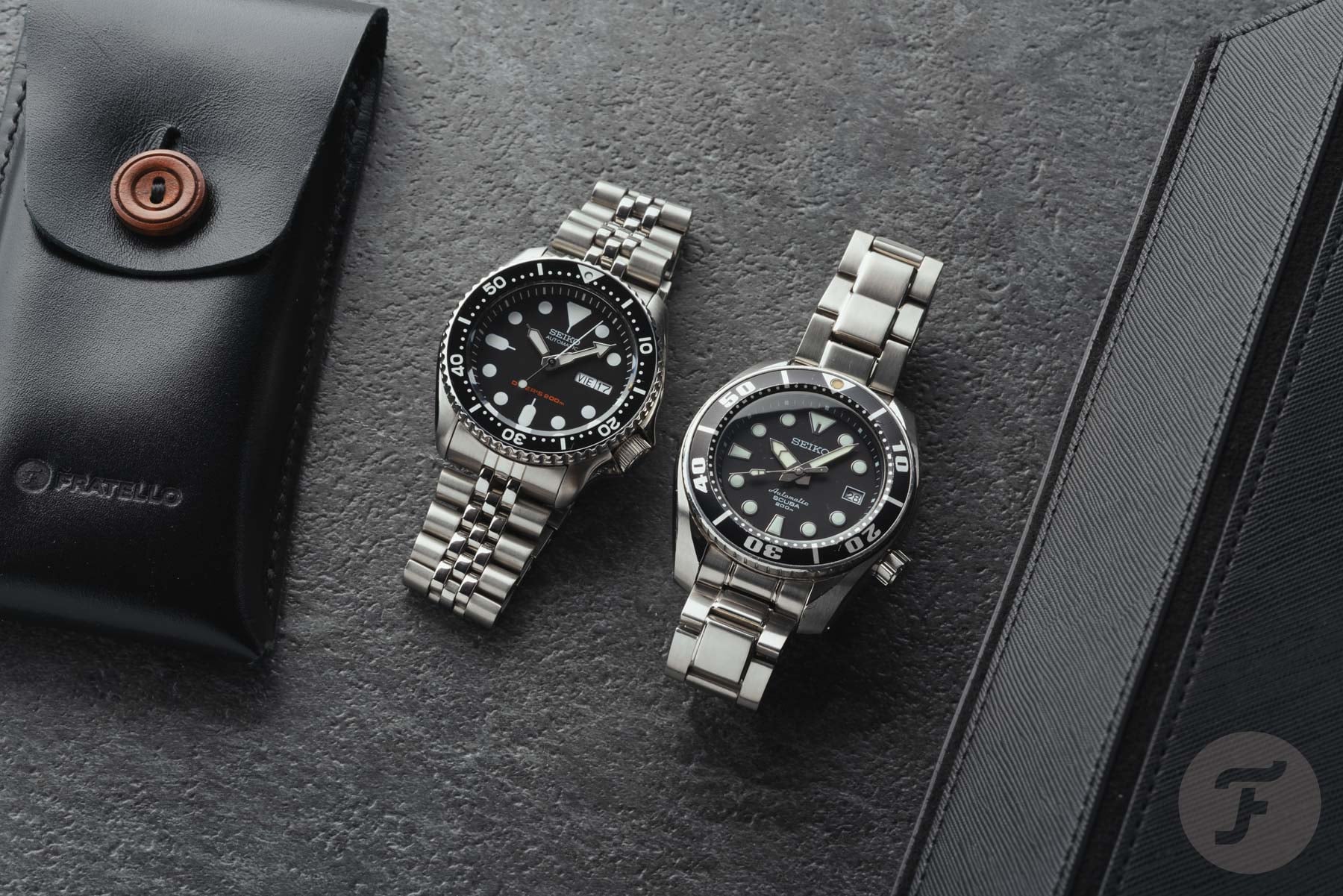
I was never a fan of the Seiko SKX. There, I said it. I know this will get me into trouble with a lot of watch lovers because the SKX’s legacy is grand. For many enthusiasts, the SKX007 or SKX009 was the gateway into the world of mechanical watches. As such, Seiko’s legendary diver was […] Visit Don’t Get A Seiko SKX — Buy This Classic Model Instead! to read the full article.
 WatchRider
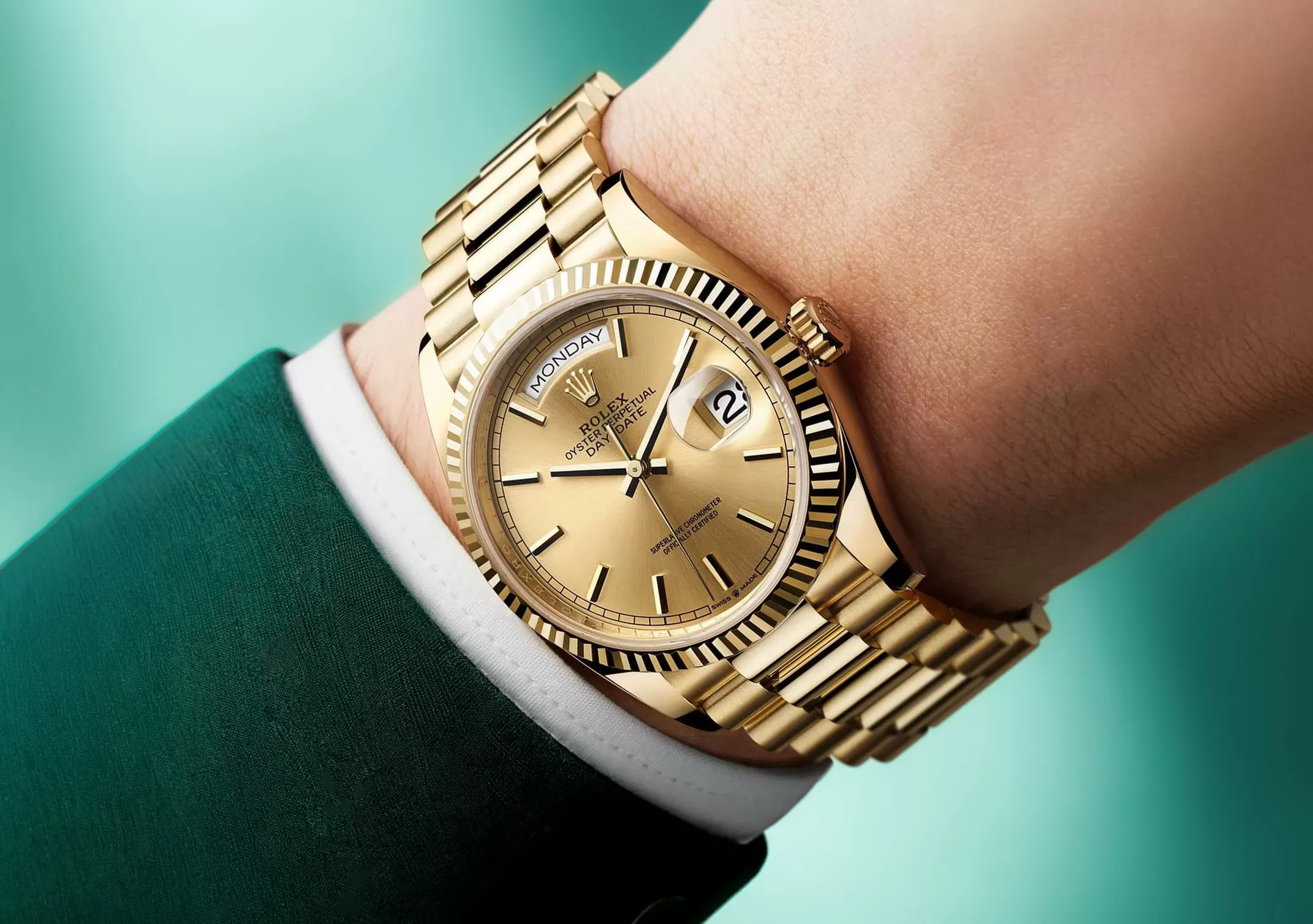
Few wristwatches in the world carry the immediate visual impact and prestige of the “Rolex Presidential.” If you’ve noticed a sudden surge in search traffic around this iconic timepiece, you aren’t alone. Driven by record-high precious metal values, celebrity endorsements, and a resurgence in classic luxury aesthetics, the world’s most famous status symbol is having a major moment online. First Things First: “Rolex Presidential” Isn’t Its Real Name Let’s start with a little horological trivia to impress your friends: Rolex has never officially sold a watch called the “Presidential.” The watch’s actual name is the Rolex Day-Date, introduced in 1956. It earned its famous nickname because: It came on a specific, three-piece semi-circular link bracelet that Rolex officially named the “President” bracelet. It quickly became the go-to accessory for the most powerful world leaders on the planet. Also, Rolex has a strict “no peasants allowed” rule for the Day-Date: it is made exclusively in 18k gold (yellow, white, or Everose) or 950 platinum. You cannot buy a stainless-steel Day-Date from Rolex. If someone tries to sell you a steel one in an alley, run. Why Is the Search Volume Skyrocketing? Exclusive Precious Metals:With gold market values reaching historic peaks, owning solid gold horology represents both a luxury flex and a tangible asset. Pop Culture Dominance: From executive boardrooms to sports stars and viral social media unboxings, ...
 Fratello
Making a dive watch stand out today is genuinely tough. The archetype has been reinterpreted so many times that most releases blur together. The Aera D-1 Diver, however, managed to catch my attention with its less-is-more design philosophy. This modern diver uses fairly minimalist visual cues and combines them with a beautifully sculpted case. Add […] Visit A Promising First Encounter With The Updated Aera D-1 Diver to read the full article.
 Deployant
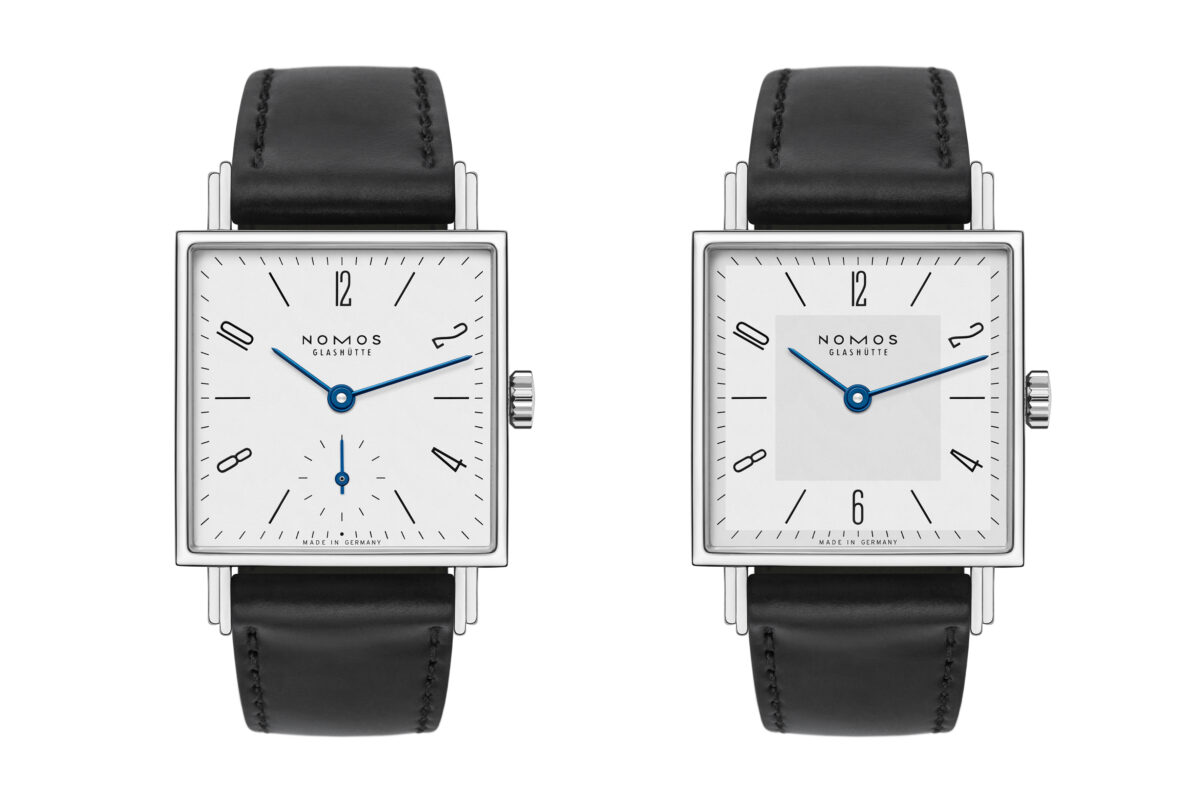
NOMOS Glashütte adds two new watches to its smallest square case: the Tetra 27 white and the Tetra 27 duo. Both measure 27.5mm on each side and just 6.1mm thick, both are hand-wound by the in-house DUW 4001, and both are offered with a choice of solid steel or sapphire crystal back.
 Fratello
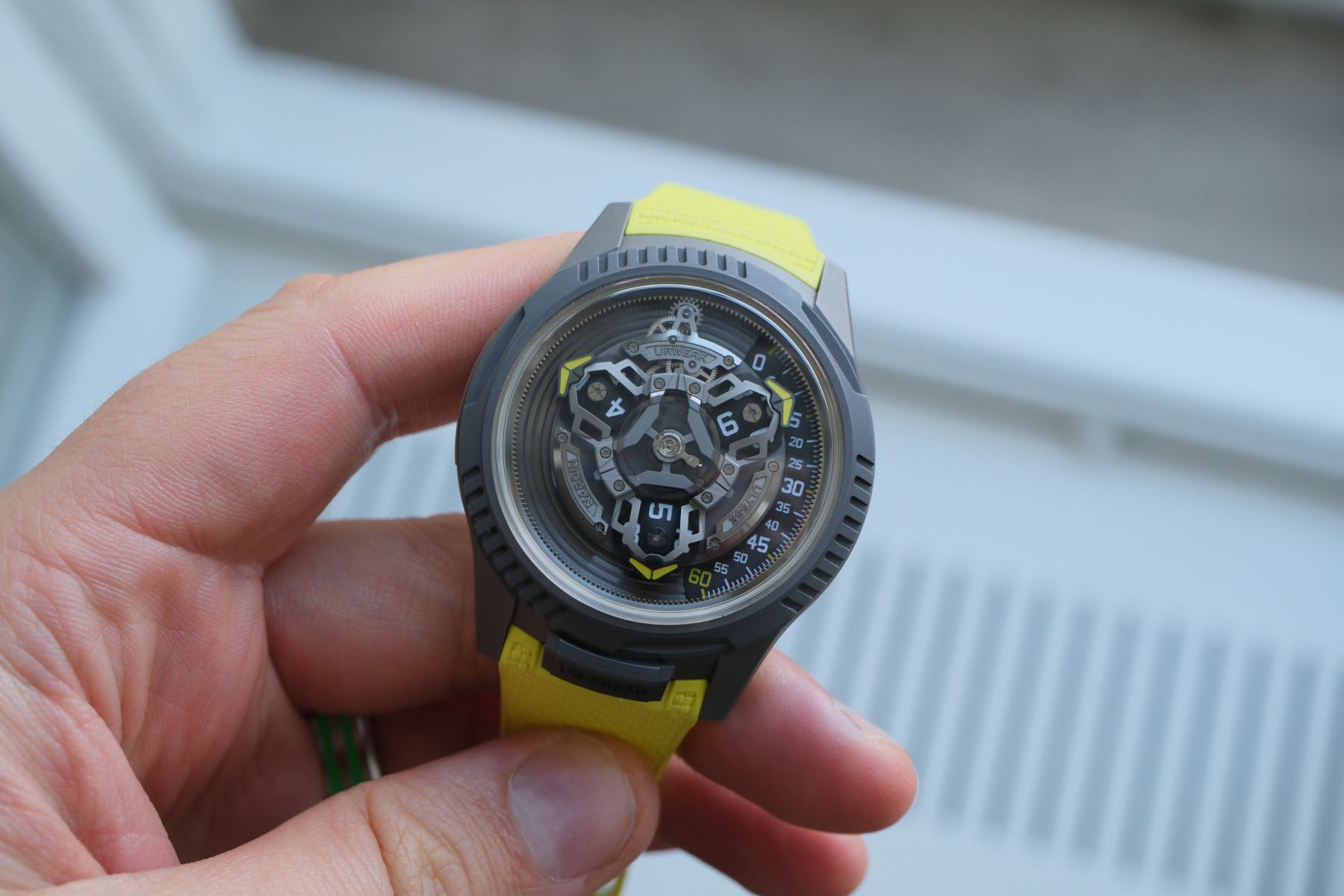
When I went hands-on with the Ulysse Nardin × Urwerk UR-Freak late last year, I walked away genuinely surprised, and that doesn’t happen to me much anymore. I never saw that partnership coming. Ulysse Nardin had never made a collaboration watch in its modern history, and Urwerk has always felt like a creative universe of […] Visit Five High-End Watch Collaborations I’d Love To See Happen to read the full article.
 WatchRider
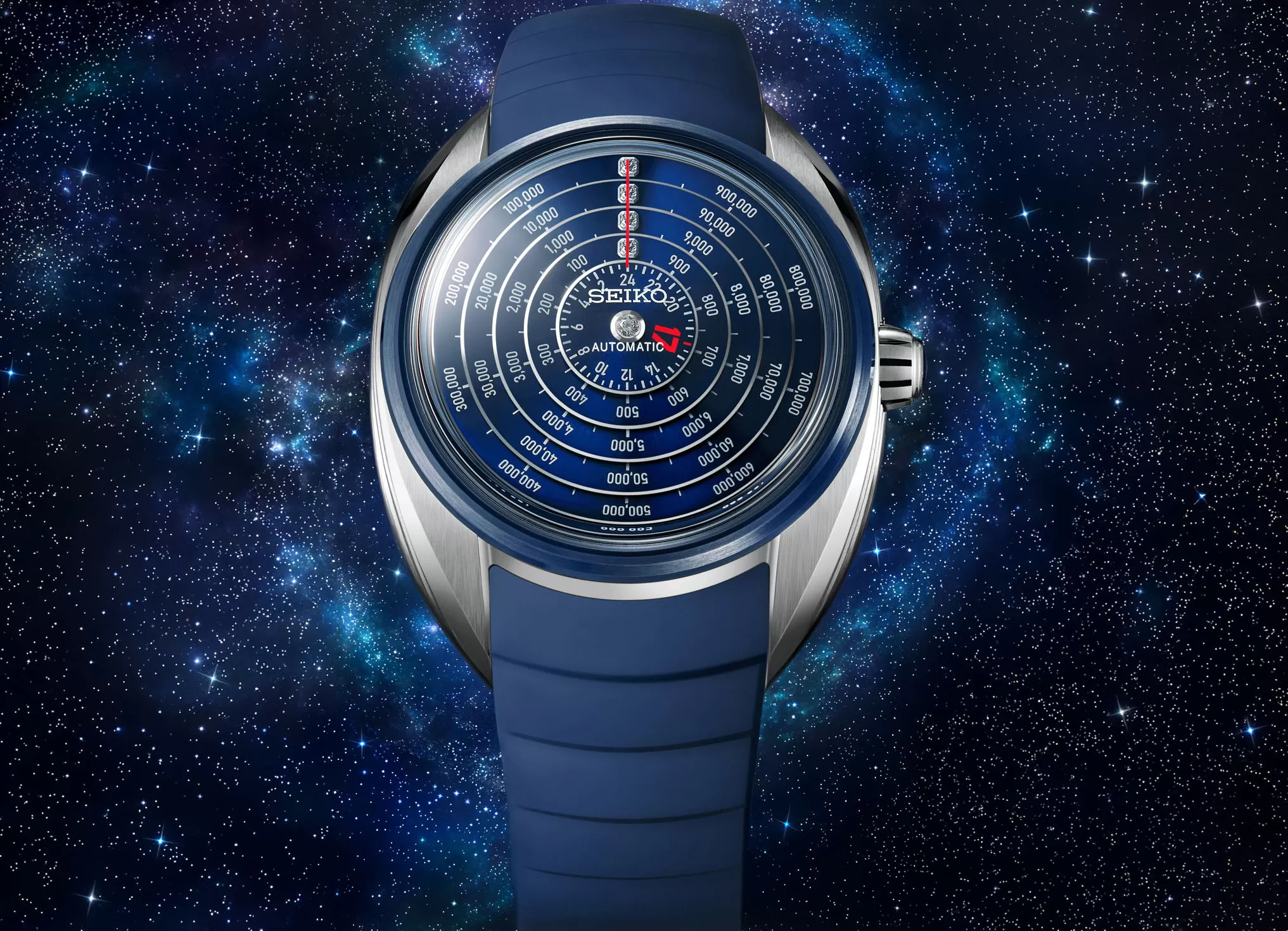
When a watch brand celebrates a milestone with a high-profile ambassador, we usually know exactly what to expect: a limited-edition colorway, a signed caseback, and a predictable marketing campaign. But to celebrate 10 years with Los Angeles Dodgers superstar Shohei Ohtani, Seiko threw out the playbook entirely. They didn’t just design a new dial. They spent three years engineering a completely bespoke, 1-of-1 mechanical marvel called the Seiko Star Time. The Inspiration: Shohei Ohtani’s Existential Question The Star Time wasn’t built for a catalog; it was built for Los Angeles Dodgers superstar Shohei Ohtani. To mark Ohtani’s 10th anniversary as a Seiko brand ambassador, the company set out to build a true piece unique. The concept was sparked by a philosophical question Ohtani himself asked: “How much time do I have left in my baseball career?” Instead of a traditional chronograph that measures elapsed seconds, Seiko spent three years developing a watch that tracks the steady, relentless accumulation of time. How Do You Count to a Million? It uses a newly architected in house movement to drive a highly unusual display of five concentric rotating discs. As the discs rotate, the numbers pass beneath a red line on the inner surface of the heavily domed sapphire crystal. One million hours equates to just over 114 years of continuous tracking. The outer discs move so slowly that their motion is entirely imperceptible to the naked eye. Seiko design...
 Monochrome
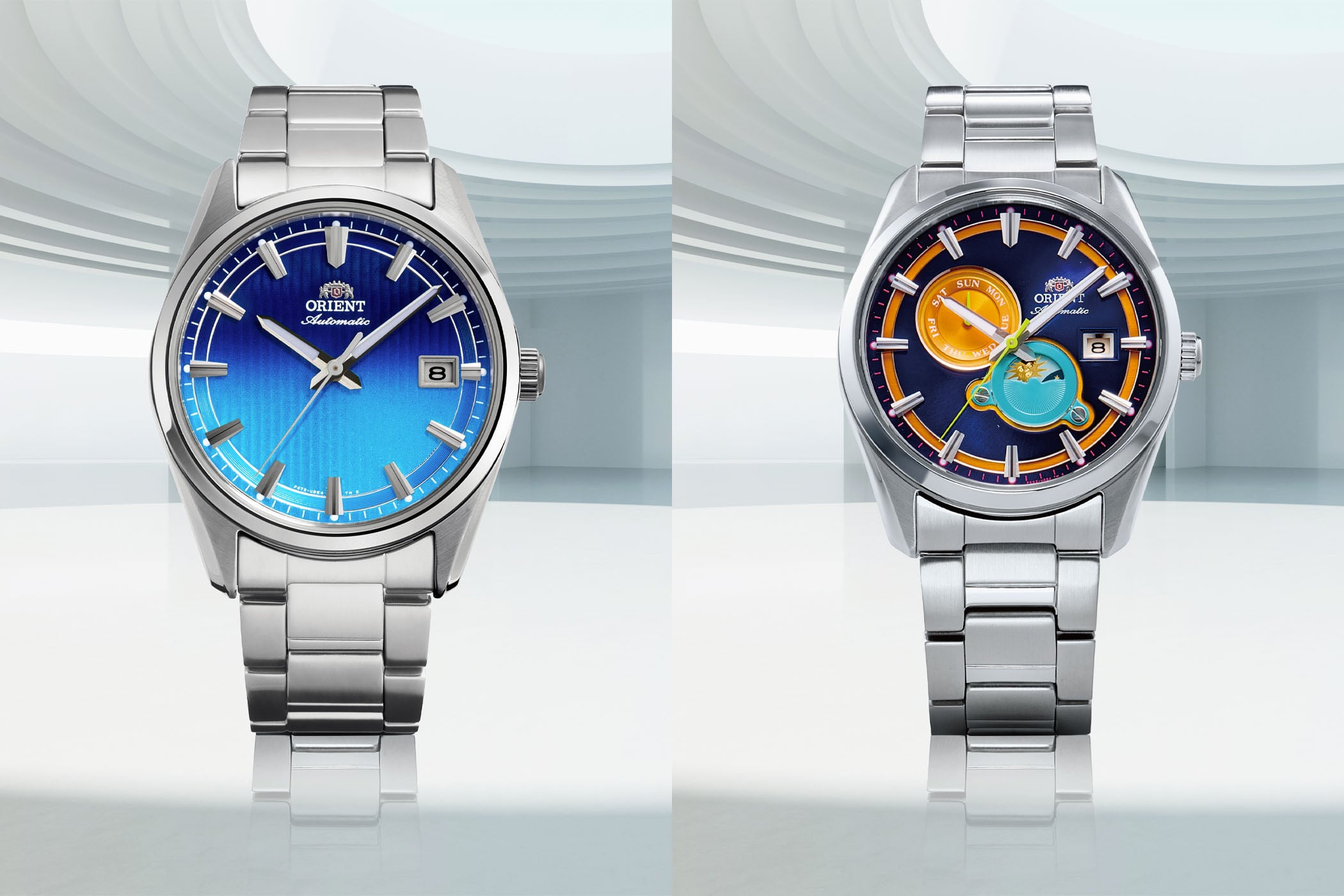
If you have been following our Orient coverage lately, you will have noticed things have been anything but quiet. Earlier this year, the brand showcased its first no-date Bambino, and then Orient Star also presented the meteorite M34 F8 Date, followed shortly by the bold M34 F8 Skeleton. But let’s come back to Orient, the […]
 Worn & Wound
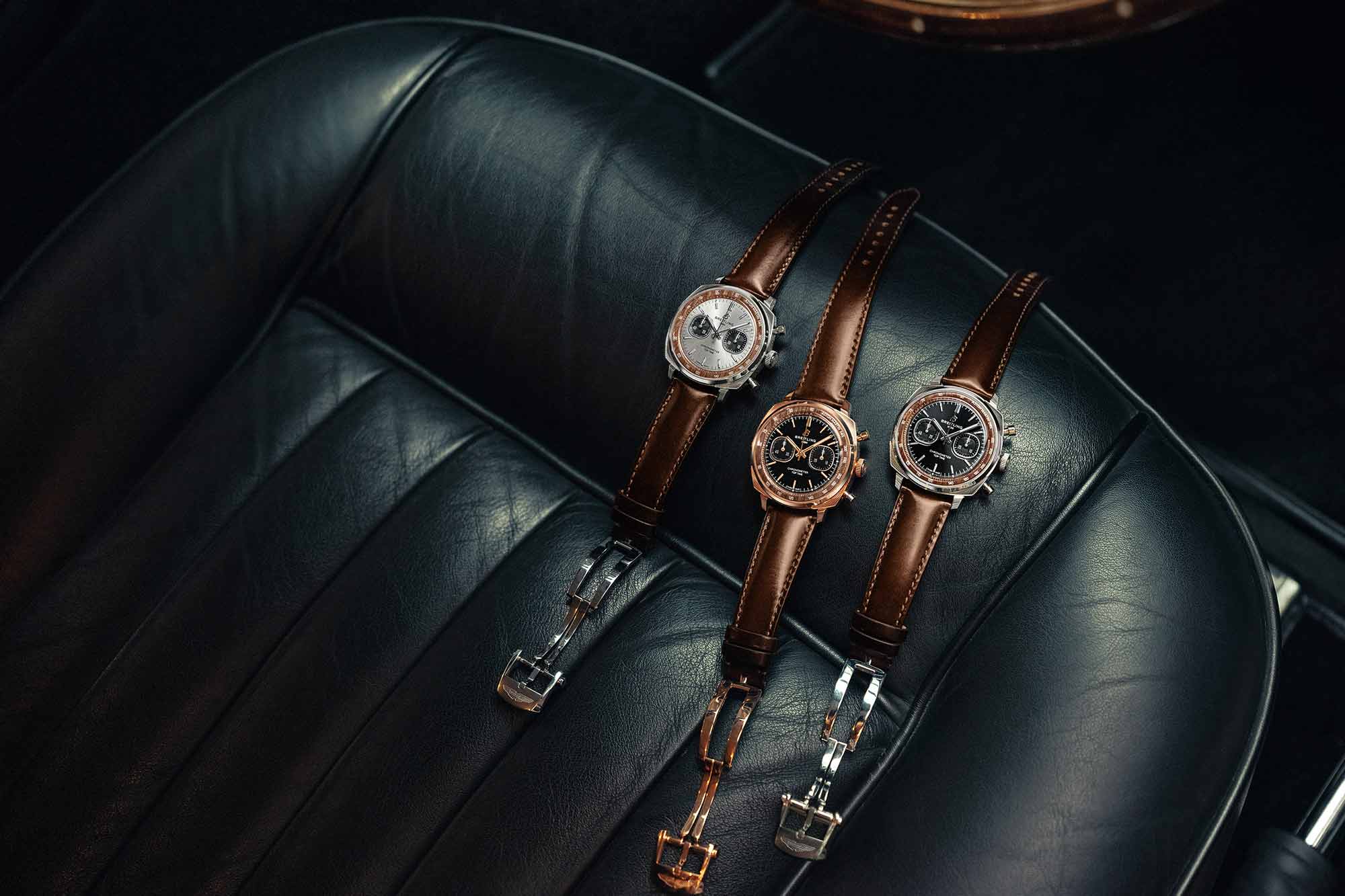
Breitling is no stranger to a racing inspired watch. Its history with the sport traces back to the debut of its Top Time collection back in 1964. Over the years the brand has most notably worked with Bentley Motors to create automotive-inspired wristwatches and dashboard-style clocks. In addition, we’ve seen Breitling commemorate several iconic models through its Top Time Classic Cars line, like the Ford Mustang, Chevrolet Corvette, and Shelby Cobra. Earlier this year, Breitling made a pivot, announcing it was teaming up with Aston Martin and the Aston Martin Aramco Formula One Team as the official watch partner. The duo’s first timepiece was the limited-edition Navitimer B01 Chronograph 43 with a titanium case, carbon-fiber dial, and Aston Martin racing green accents. Now, we get another edition as Breitling gets back to its original racing roots with three new Top Time models that pay tribute to the Aston Martin DB5. The DB5 hailed from the same era as the original Top Time and was first introduced by Aston Martin in 1963. The model became one of the most iconic cars to grace the silver screen, namely films in the James Bond franchise, and cemented the luxury carmaker’s place in both automotive and pop culture history. Today, the two brands bring this spirit of the 60s into the modern era with the new Top Time B01 Chronograph 41 Tribute to Aston Martin DB5 in a trio of limited editions. The details of the new designs marry the codes of both makers with both tactile...
 Worn & Wound
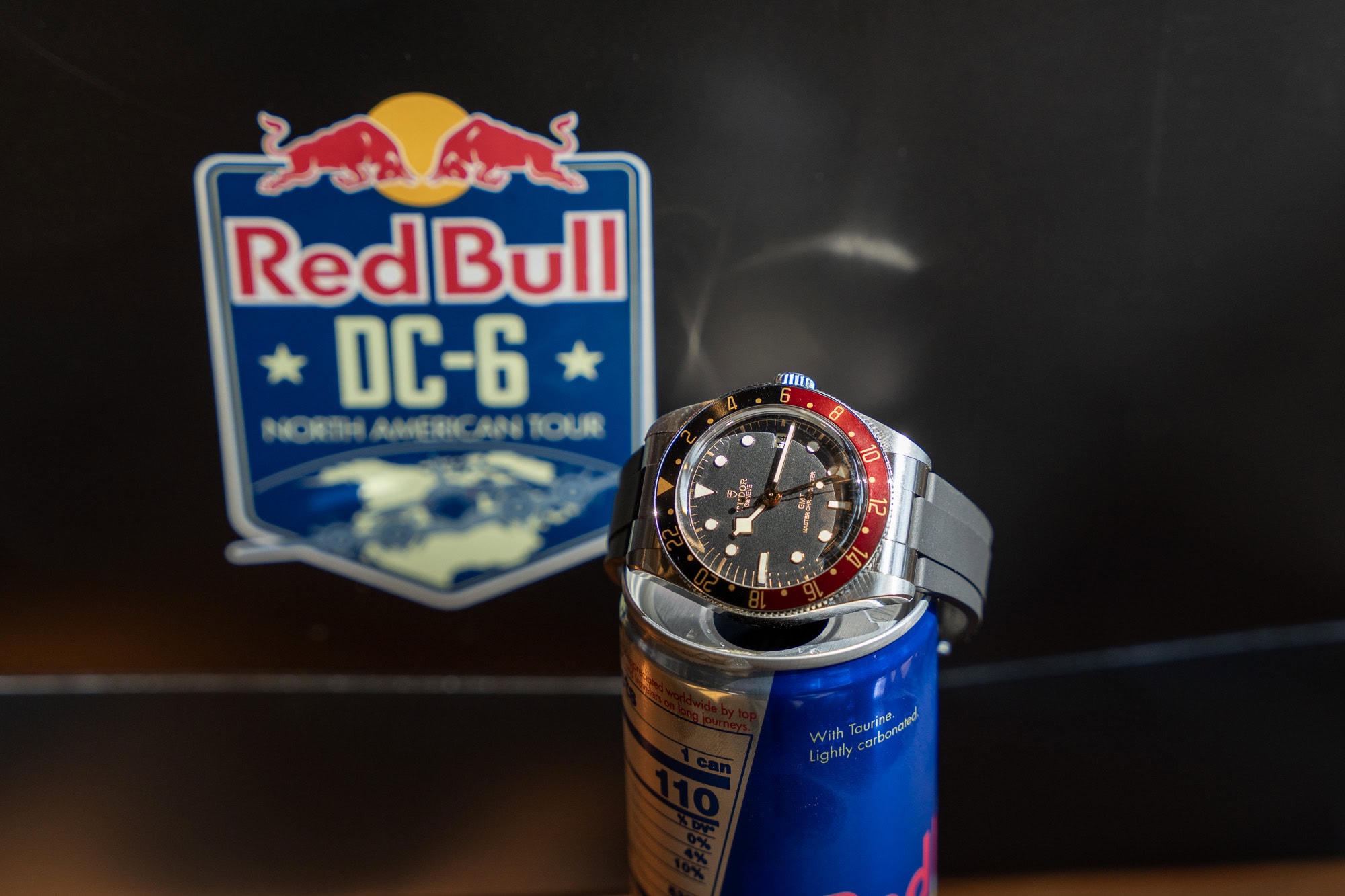
If there’s one thing I’ve learned from being in the watch industry, it’s that you never know when you’ll have the opportunity to do something unique, and that saying “yes” to something without having all of the details might result in a rare, or even once in a lifetime experience. With that in mind, let me set the stage for how I found myself 1,000 feet above Manhattan in a 1958 DC-6B, piloted by The Flying Bulls. Early this month, I received a rather vague invitation to a ”Red Bull Flying Bulls thing with Tudor” immediately after returning from our Chicago Windup Watch Fair, and that it “involves a very early morning flight on a very old plane”. While I’d usually ask a million questions and try to get every detail that I could before committing to something, in the interest of being just a touch more spontaneous, I couldn’t respond “I’m intrigued, count me in” fast enough. As we got closer to the event, I’d come to learn that the “old plane” in question was a beautifully restored 1958 DC-6B and the “very early morning” meant arriving at the Meatpacking Tudor Boutique at 7 AM. Once everyone arrived, our small crew began heading up to White Plains FBO, which I later learned was named Million Air. Not long into the ride, we were presented with a briefcase of loaner watches, ranging from the Tudor Ranger in 36mm “Dune” and 39mm “Black”, or the Black Bay 58 GMT on either the new five link bracelet or classic rubber strap. While...
 Hodinkee
Two months ago, I spent a Friday lunch eating a sandwich called the Crazy Poulet at Notos Bar Restaurant in Le Sentier with Mark Schmid, who is a sort of jack-of-all-trades in the marketing and communications department at Audemars Piguet. Schmid has quickly become someone I'd consider a friend, whom I appreciate for our candid conversations, his willingness (and frequency) to correct my confusion between l'accent aigu and l'accent grave in articles, and, more recently, his gastronomic suggestions. I'm sure this story will require a few more corrections from Mark, for which I apologize (mostly to him) in advance, but I wanted to share a recent experience that illustrates why I love Switzerland's Vallée de Joux, past and present. Le Sentier, pictured back in 2022 on the author's first trip to Switzerland. The town, now home to the headquarters of Jaeger-LeCoultre, was the hometown of Samuel-Olivier Meylan, the first watchmaker in the valley who began crafting timepieces around 1743 and set the stage for what is arguably the most important geographic location in watchmaking. "People ask me what I'd want to do if I didn't work at Hodinkee," I said. "Sometimes I say that I wish I could be the head of the tourism bureau for the Vallée de Joux." "Well, maybe you could be our advocate in New York," he said. "But if you came back here on a Thursday night at 4 o'clock, this place would be full. You'd hear watchmakers talking about all the things they were up to at AP, JLC, Blancp...
Question, suggestion, or just want to say hi? Drop a note.