A Preview Of The National Geographic Museum Of Exploration And The Rolex Landing
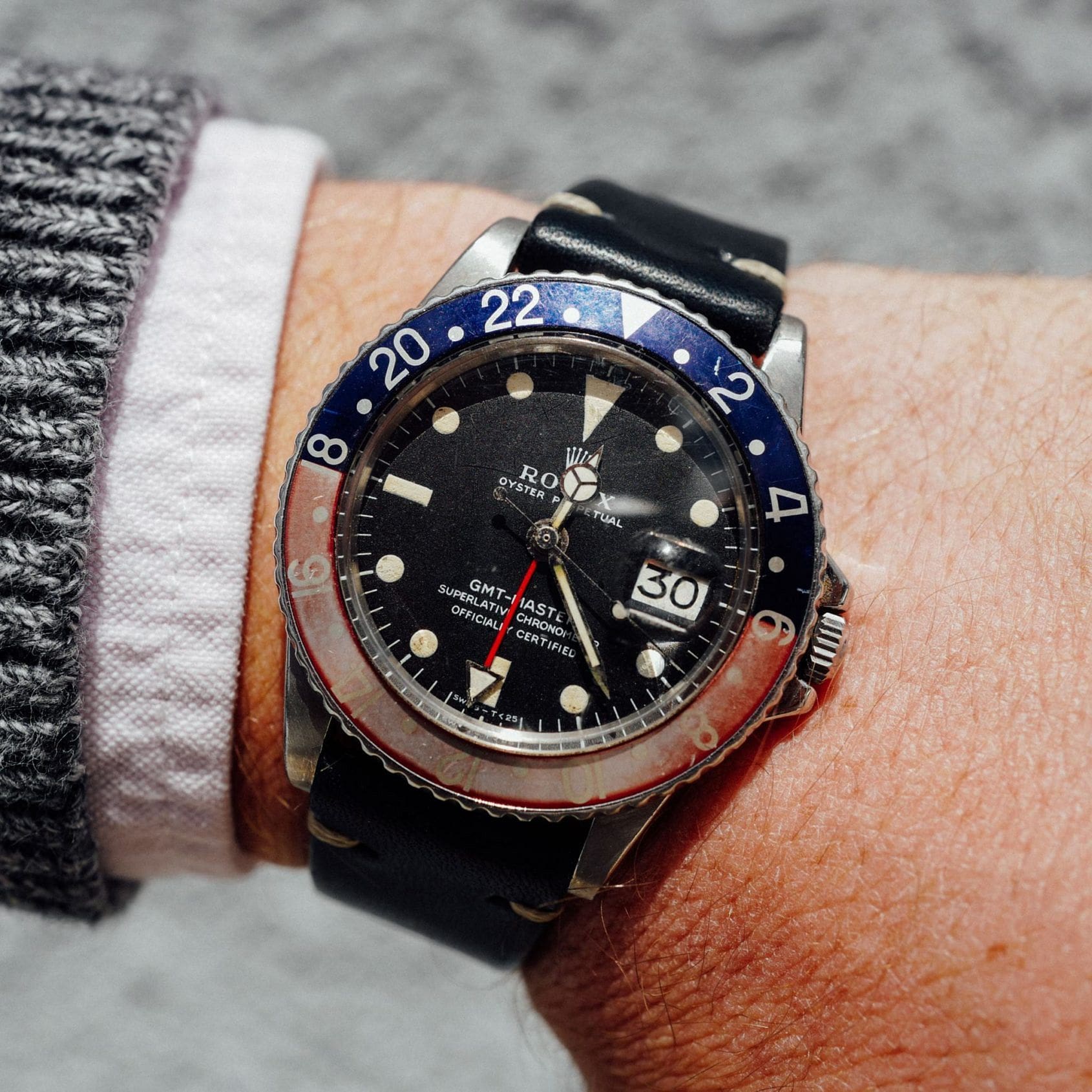
It was about halfway through James Cameron's speech on the Rolex Landing at the new National Geographic Museum of Exploration in Washington, D.C., that I glanced up. There, suspended above my head, was a familiar yellow object. To the uninitiated (and less nerdy), it might look like an alien spaceship from a low-budget sci-fi film. But I knew what it was immediately: Jacques Cousteau's soucoupe, the diving saucer from his 1964 documentary, "World Without Sun." As I listened to Cameron go on about his descent to Challenger Deep, I looked around at all these incredible objects—there was the bathysphere that William Beebe climbed into and descended to over 3,000 feet in 1934. Down the hall, the Maruti Suzuki 4x4 used by Sandesh Kadur to track wildlife in India, its tires still muddy. A dugout canoe, once upended by a hippo, used by Steve Boyes while searching for the source of the Zambezi. A Chinese terra cotta warrior. And a one-atmosphere JIM suit like the one in which Dr. Sylvia Earle walked 1,000 feet deep on the ocean floor. For a student of exploration history like me, this was nothing short of nirvana. Rolex has been a supporting partner to the National Geographic Society since 1954. Those were halcyon days for exploration and the introduction of Rolex's most legendary tool watches—the Explorer, the Submariner, and the GMT-Master. The names Rolex and National Geographic have been intertwined ever since, and I, for one, recall seeing those great print ads in the...