 Revolution
Results for Journe Chronometre Bleu
853 articles · 13 videos found · page 8 of 29
Revolution
 Revolution
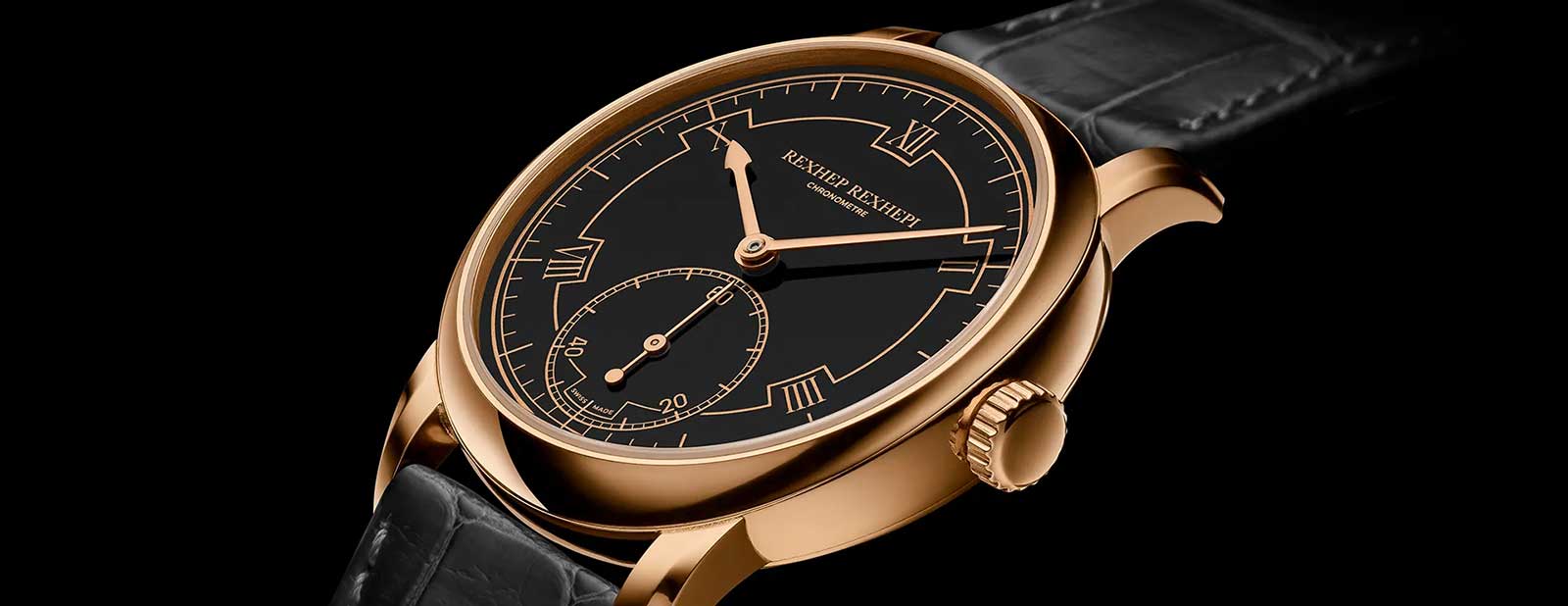
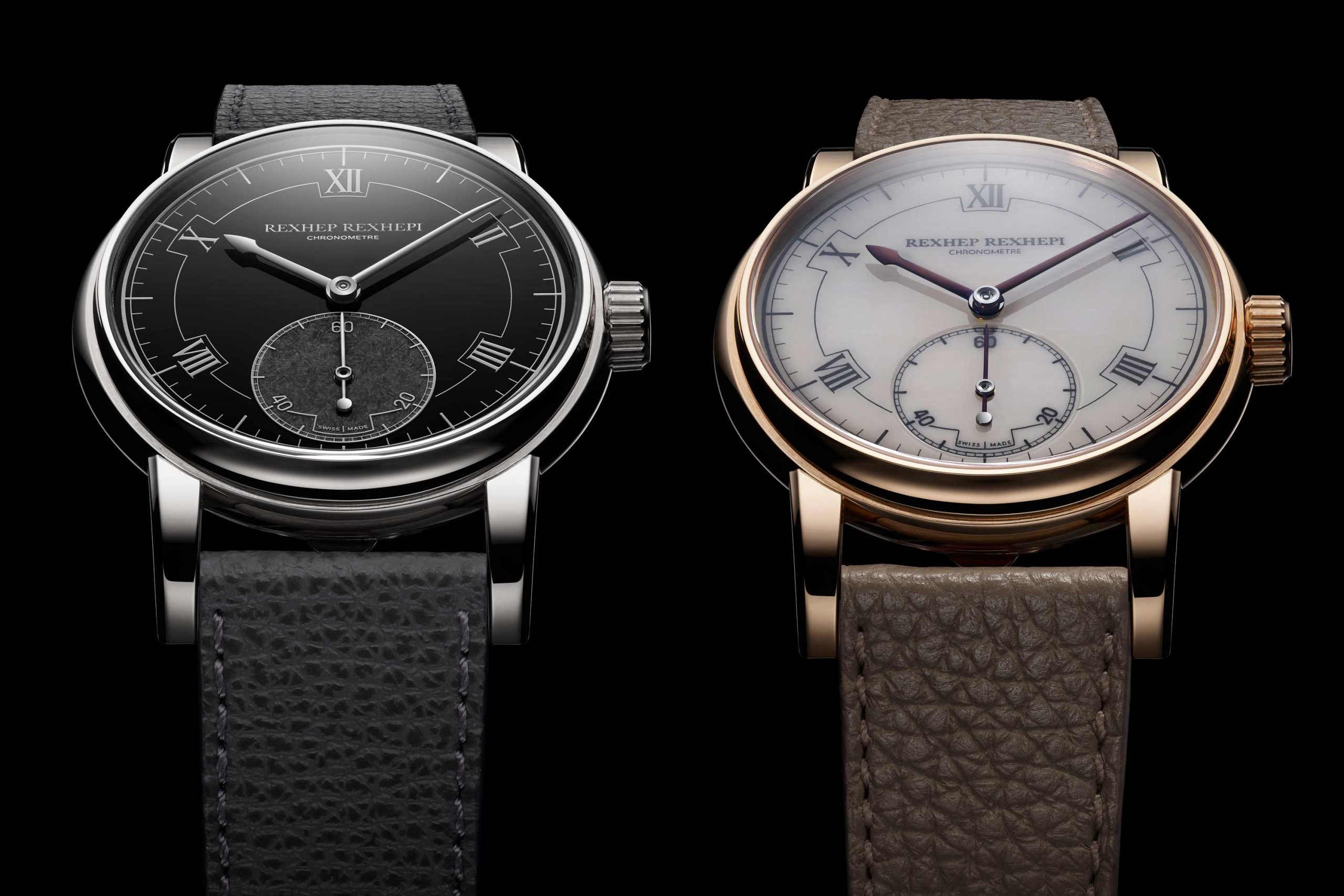
The Revolutionary List: 30 Pioneering Watches - the Rexhep Rexhepi Chronomètre Contemporain I
 Revolution
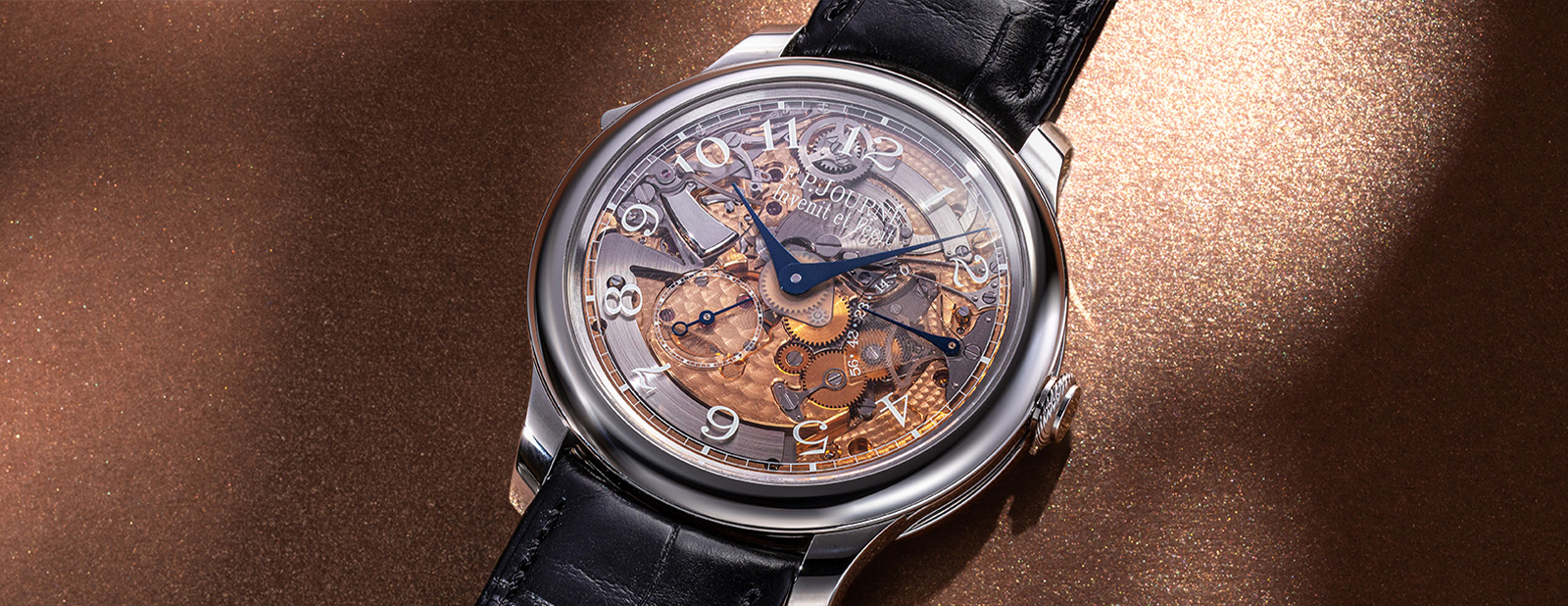
A Closer Look: F.P. Journe Répétition Souveraine with Smoked Sapphire Dial
 Revolution
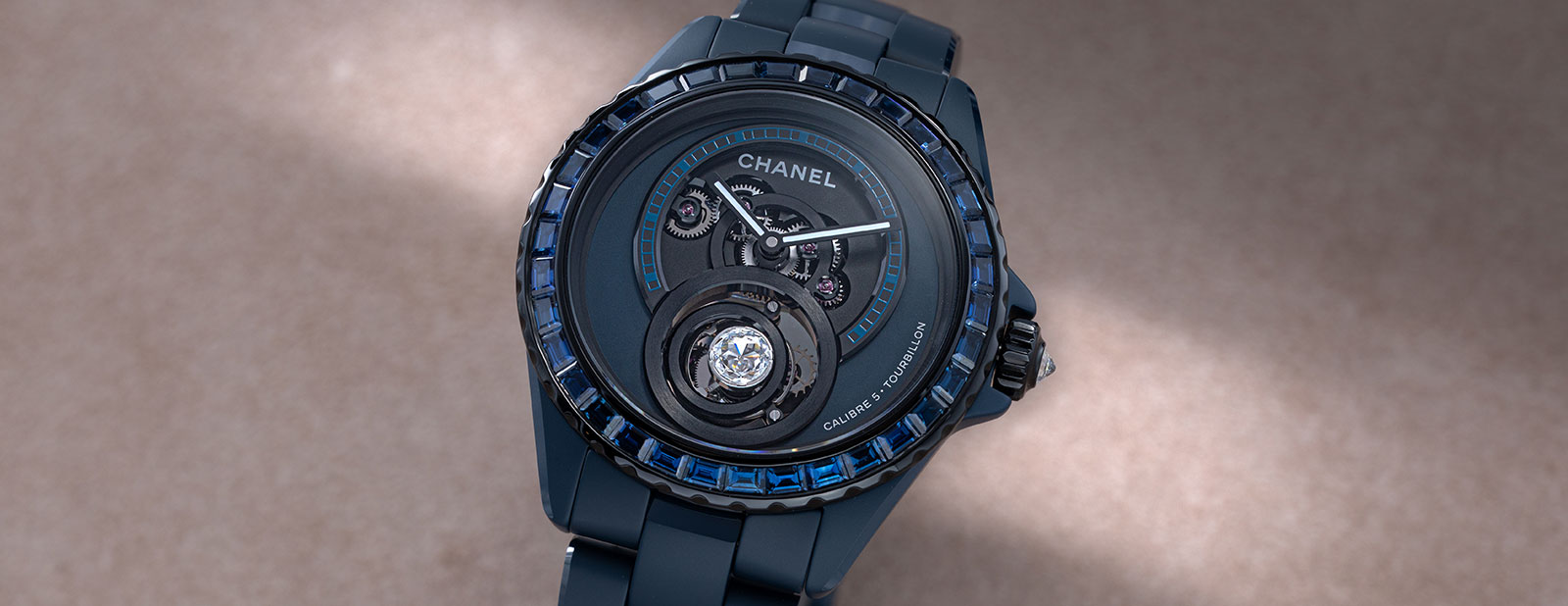
The Making Of Chanel J12 Bleu, With Frédéric Grangié And Arnaud Chastaingt
 Revolution
‘Call F.P. Journe’: Wei Koh Dials In to Discuss the Return of Breguet Sympathique No. 1
 Hodinkee
Auctions: F.P. Journe Reveals Why He Paid More Than $6 Million For A Breguet Clock He Designed - To Showcase In His Upcoming Museum
Watchmaker bested rivals to buy the Breguet Pendule Sympathique No. 1 and says it will be a key part of a new museum dedicated to his work and its place in horology history.
 Hodinkee
Hands-On: Could F.P.Journe's Chronomètre Furtif Dethrone The King Of Waitlists, The Chronomètre Bleu, As The Brand's 'It' Watch?
Another watch from F.P.Journe with a difficult-to-produce dial, case, and fantastic movement.
 Revolution
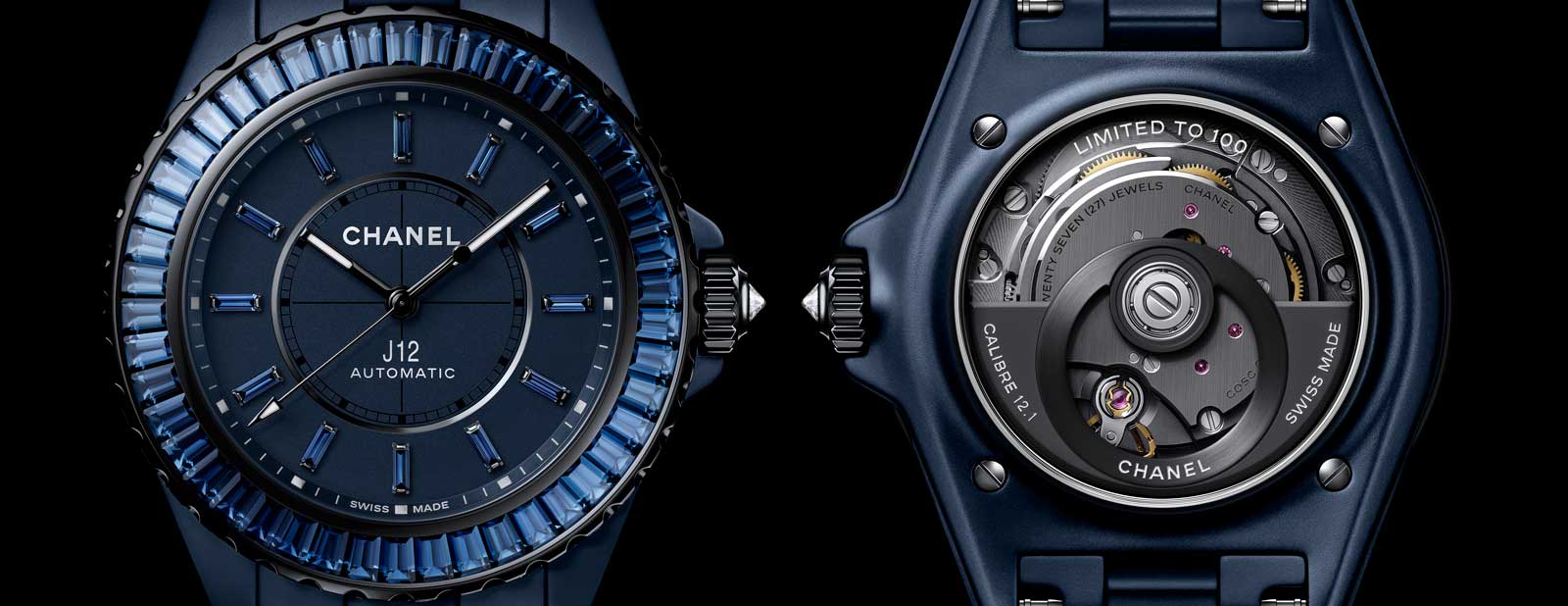
Chanel J12 Bleu Debuts A New Shade of Blue Ceramic
 Monochrome
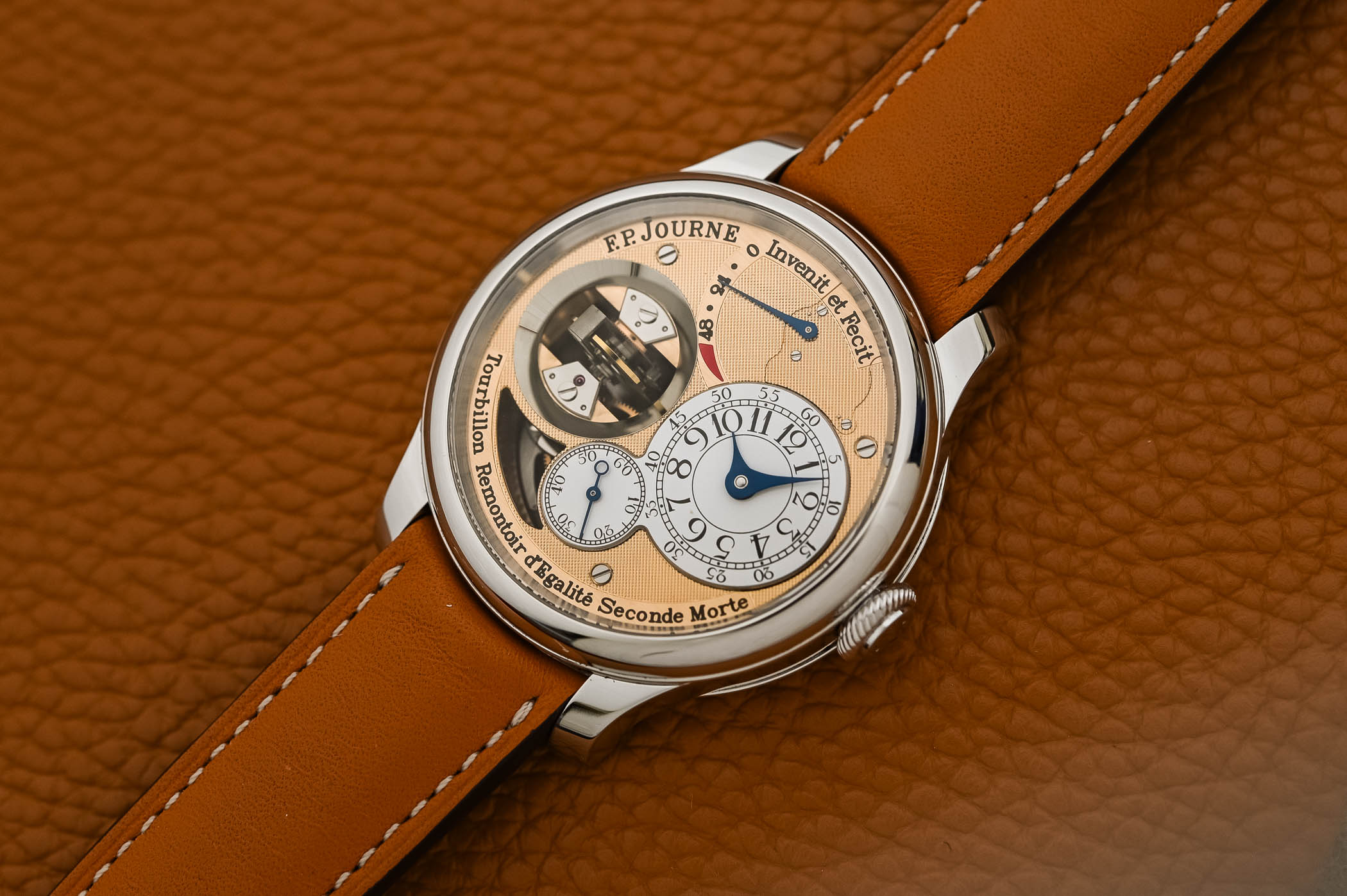
Video Review - The F.P. Journe Tourbillon Souverain Vertical, One of the Only Tourbillon Wristwatches that Makes Sense
If you’re reading this article and MONOCHROME on a regular basis, you should certainly all about the tourbillon, this device where the regulating organ is placed in a constantly rotating cage, counteracting the negative effect of gravity. But we have to keep in mind that the tourbillon, conceived and patented by Breguet in 1801, was […]
 Hodinkee
Hands-On: F.P. Journe's Year-Old Restaurant Just Earned A Michelin Star; Now You Can Get An Élégante To Go With It - But There's A Catch
For the tasting menu, you can choose Élégante, Souverain, or Astronomic. For the wine, you've got options. But for the watch, you're definitely going to want to choose the "red."
 Monochrome
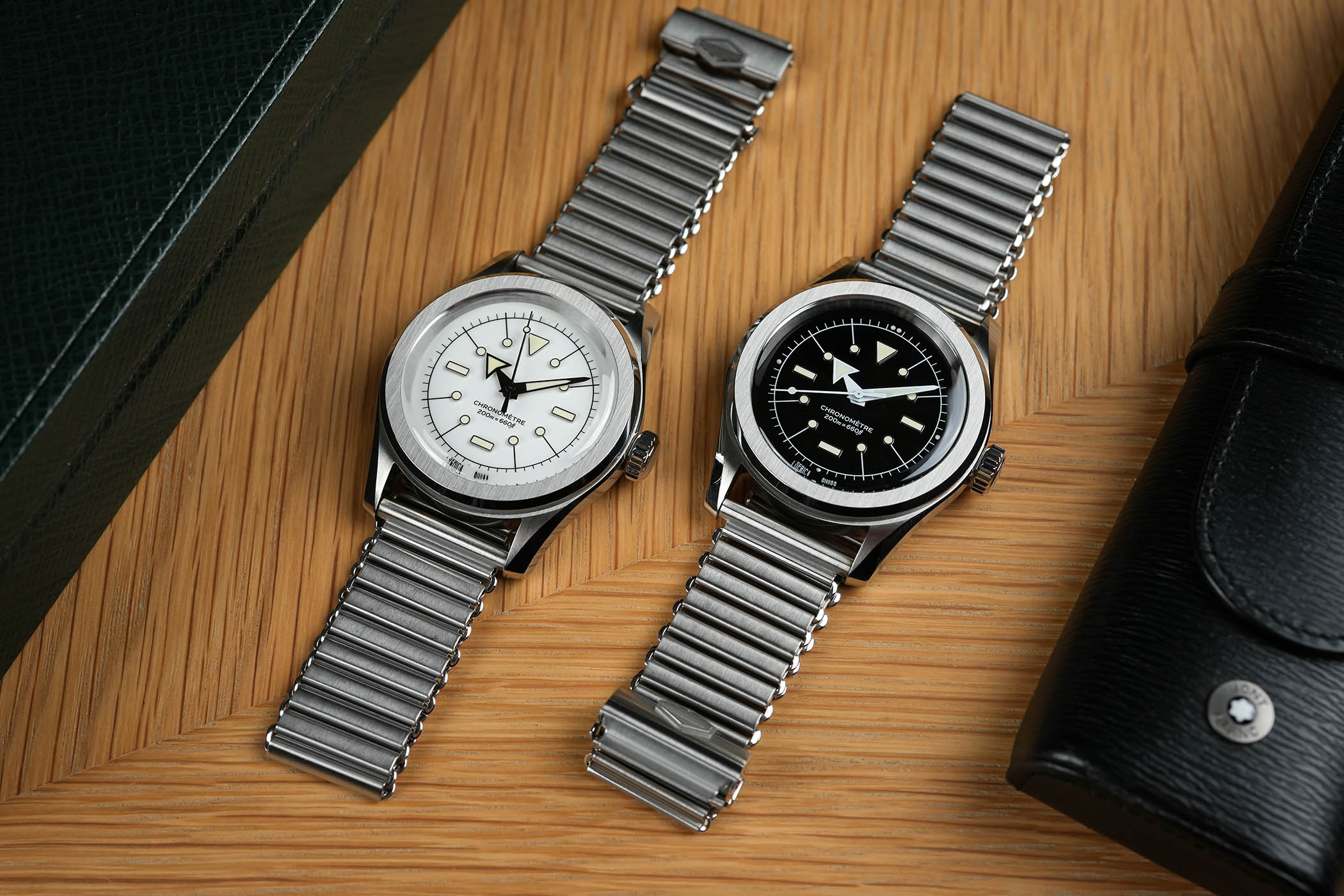
First Look - The Serica 6190 Chronomètre M.S.L, the Updated Field Watch
Despite being a relatively young brand (founded in 2019), Serica already carries a consistent collection of retro-inspired sports watches – field, dive and GMT. A project of Je?ro?me Burgert and Gabriel Vachette (both behind French magazine Les Rhabilleurs), all watches are designed to be used and abused with sturdiness, precision and style in mind. Today, […]
 Revolution
The extra colorful F.P. Journe Elegante Gino’s Dream is an ode to friendship and watchmaking passion
 Revolution
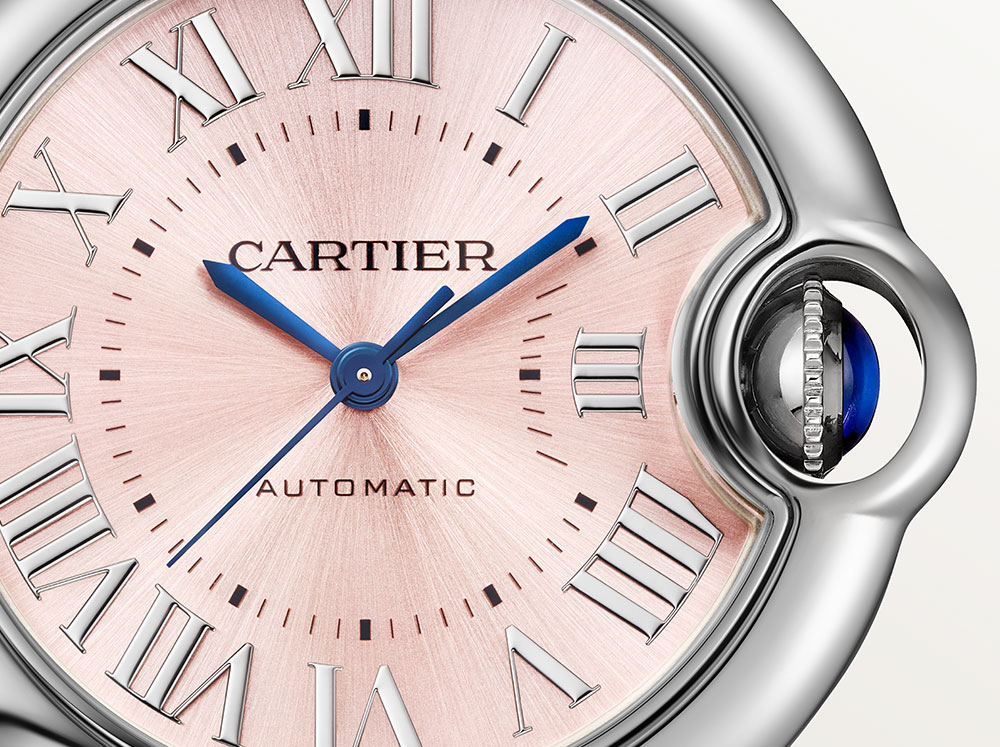
The Cartier Ballon Bleu de Cartier is not your typical round watch
 Quill & Pad
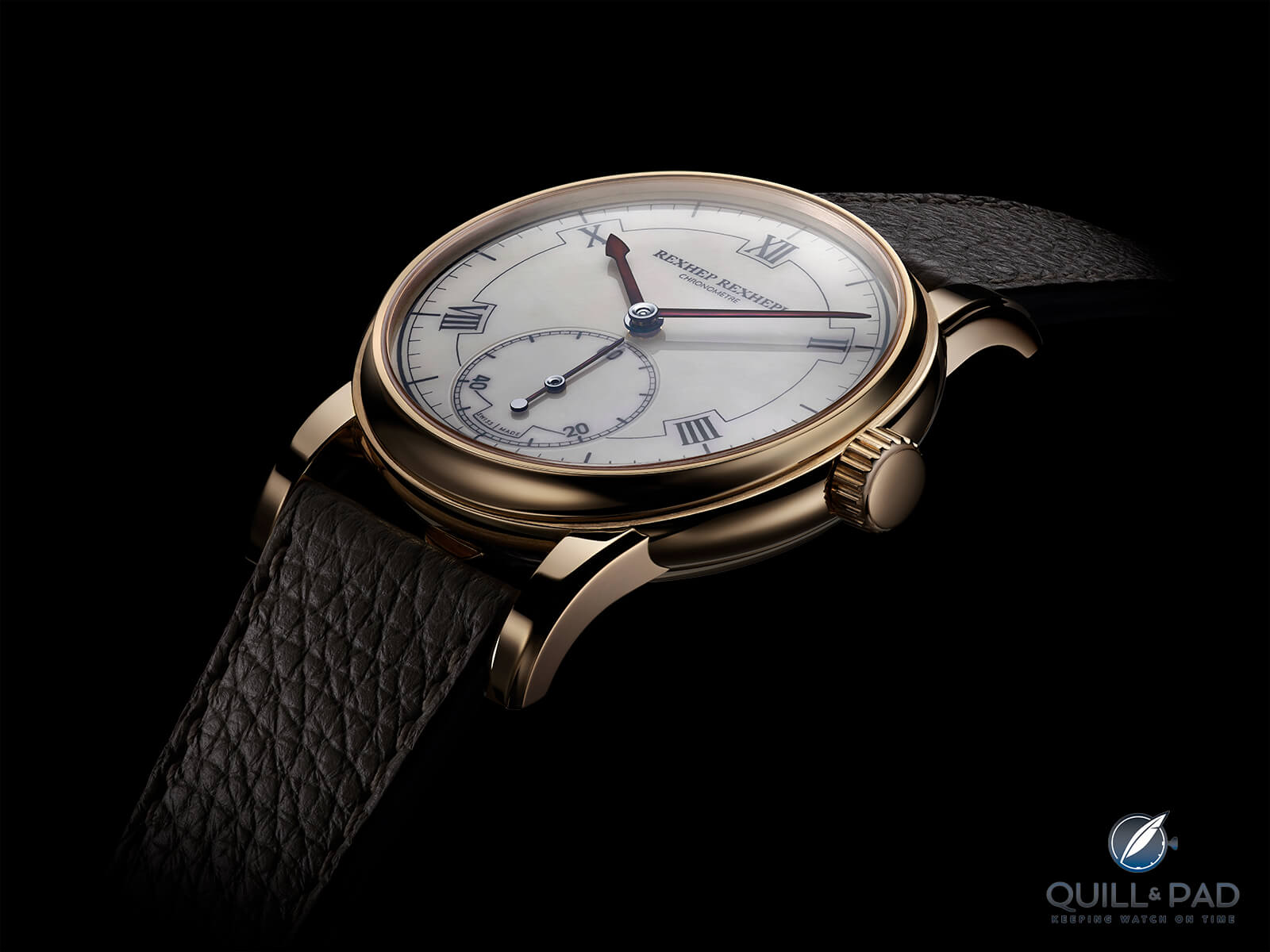
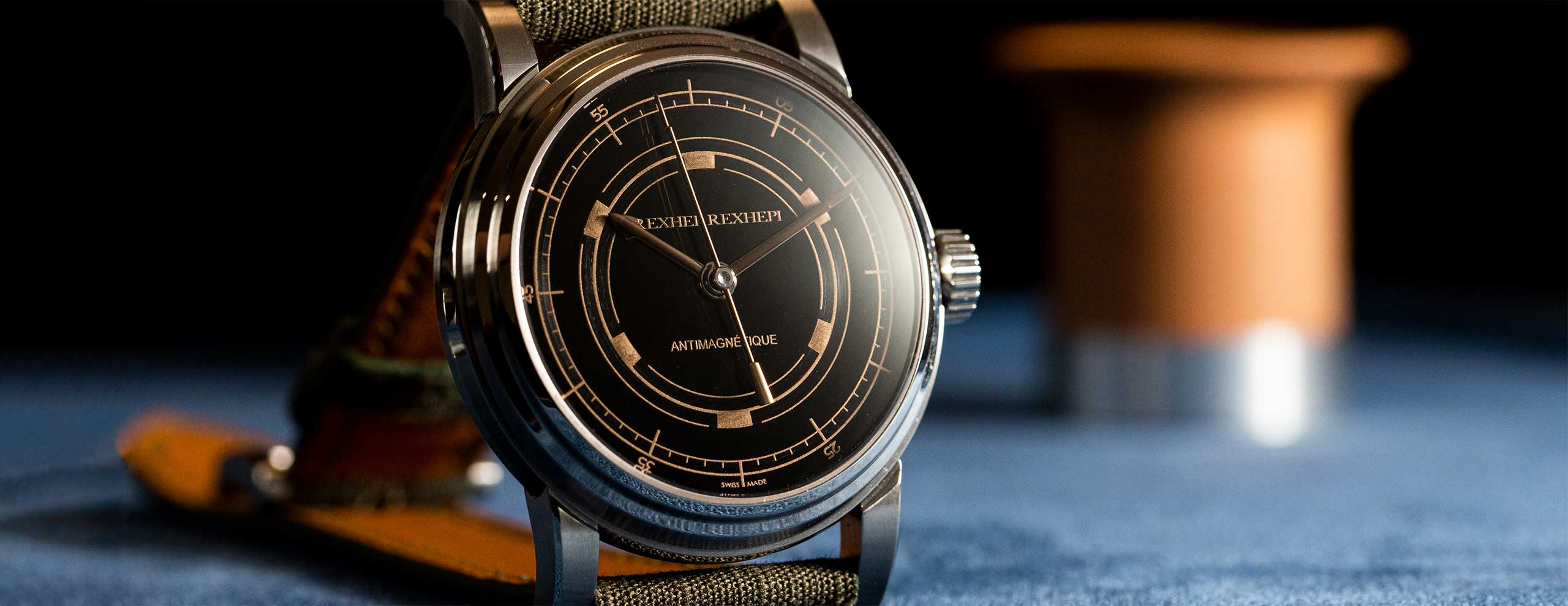
Akrivia Rexhep Rexhepi Chronomètre Contemporain II (RRCC II): Despite Looking Similar to its Predecessor, Everything is New
The classic design of the Akrivia RRCC II’s dial has roots in founder Rexhep Rexhepi’s vision of high-quality nineteenth-century pocket watch dials adorned with high-fire enamel and combined with a modern twist based on “sector” dials of the 1930s and '40s. But there's much more to this brand-new watch than that as Elizabeth Doerr explains.
 Revolution
First Impressions: Rexhep Rexhepi Chronomètre Antimagnétique for Only Watch 2023
 Hodinkee
Introducing: The Rexhep Rexhepi Chronomètre Antimagnétique For Only Watch
The lauded independent watchmaker brings a striking new movement to a stainless steel case for this year's charity auction – and likely beyond.
 Revolution
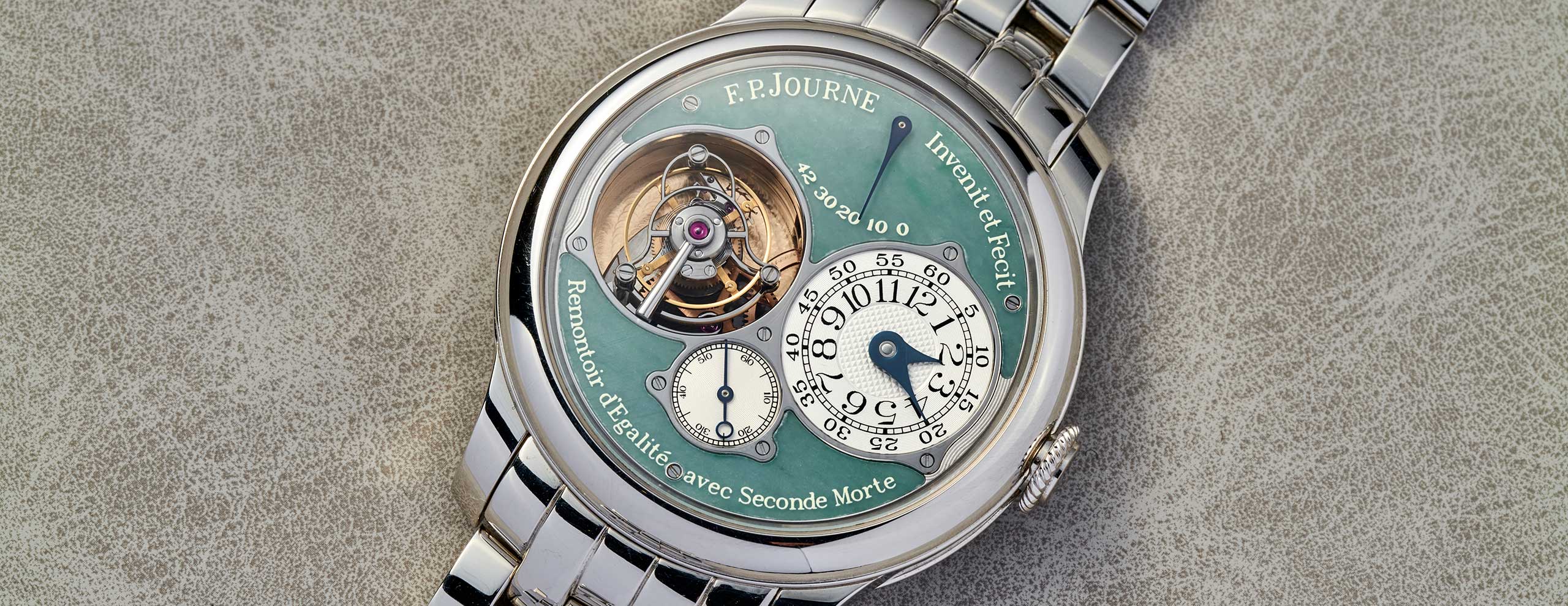
A Guide to F.P. Journe Part I: Tourbillon Souverain
 Hodinkee
Auctions: All Eyes Are On The First Rexhep Rexhepi Chronomètre Contemporain Up For Auction This Week At Phillips
Rexhepi has carefully picked the lucky few to get his watches, but the auction will be the first data point for the watchmaker's potential wider market.
 Revolution
The Art of F.P. Journe - Christie’s Geneva Watch Auction May 12, 2023
 SJX Watches
Insight: The Ingenuity of the F.P. Journe Centigraphe
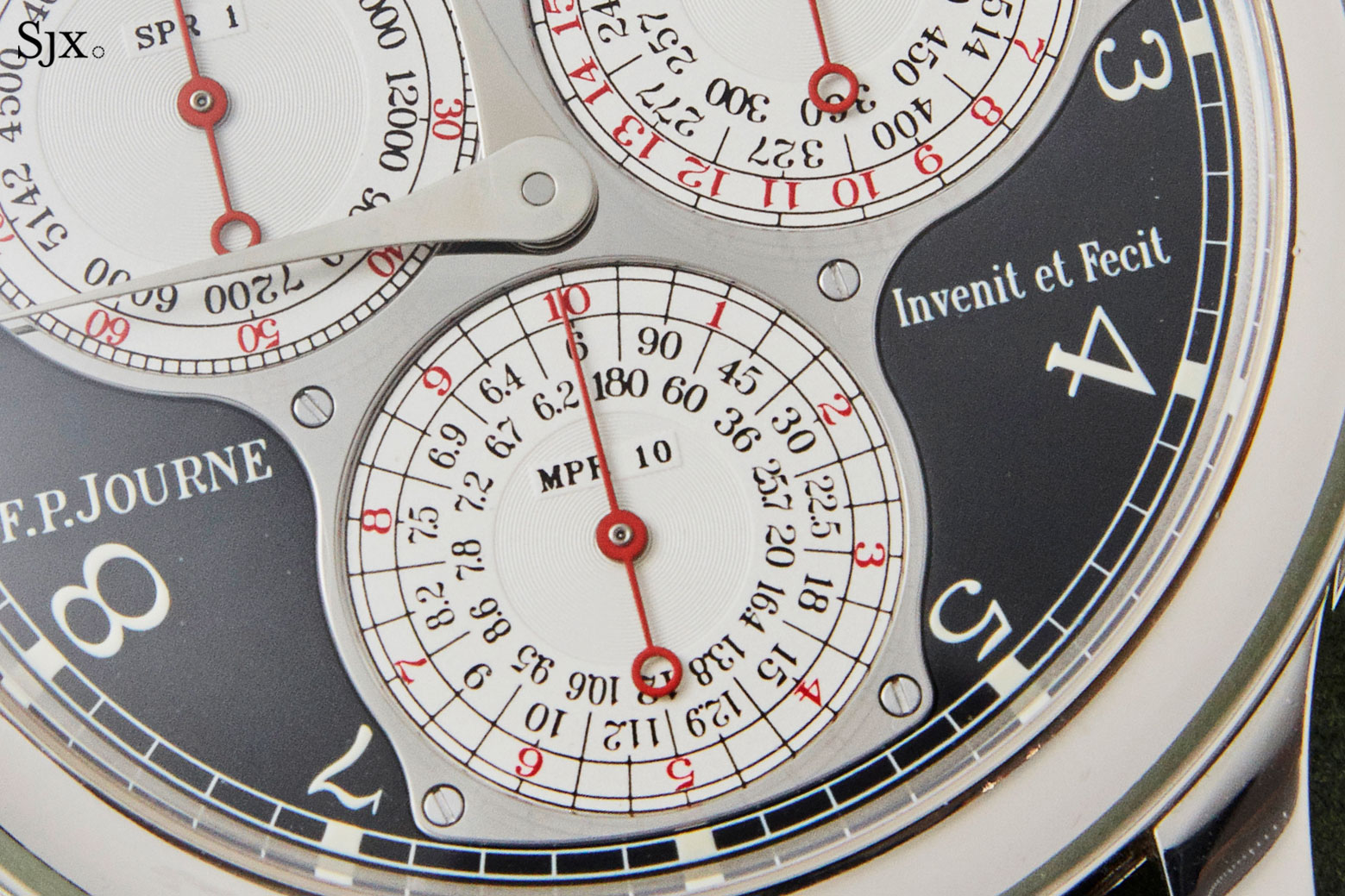
Modern mechanical chronograph movements have mostly been conceived according to two standardised recipes. One is the vertical clutch approach exemplified by the the sporty, performance oriented cal. 4131 inside the Rolex Daytona, while the other is the classical, lateral coupling architecture used by the celebrated L951.1 in the Lange Datograph. Sticking with a successful architecture is no bad thing, after all, chronographs are complicated enough in their basic form. However, there are some chronographs that stand out for being truly original, like the F.P. Journe Centigraphe and its cal. 1506. Constructed like no other chronograph on the market, the Centigraphe seeks to measure times with a resolution of 1/100th of a second with a unique movement that is modern in its approach yet subtly references the work of John Harrison. In many ways it encapsulates the philosophy of François-Paul Journe, which prizes original, creative watchmaking that pays tribute to historical greats. The cal. 1506 Despite its achievements, the Centigraphe is overshadowed by the brand’s signature watches, namely the Resonance and Tourbillon Souverain, and remains one of of F.P. Journe’s less-known offerings. Paradoxically, the Centigraphe should be more recognised than most other F.P. Journe watches because has a tangible link to the world of celebrity with its Formula 1 provenance, having been conceived at the suggestion of Jean Todt, the former boss of Ferrari’s Formula 1 team. Although...
 Revolution
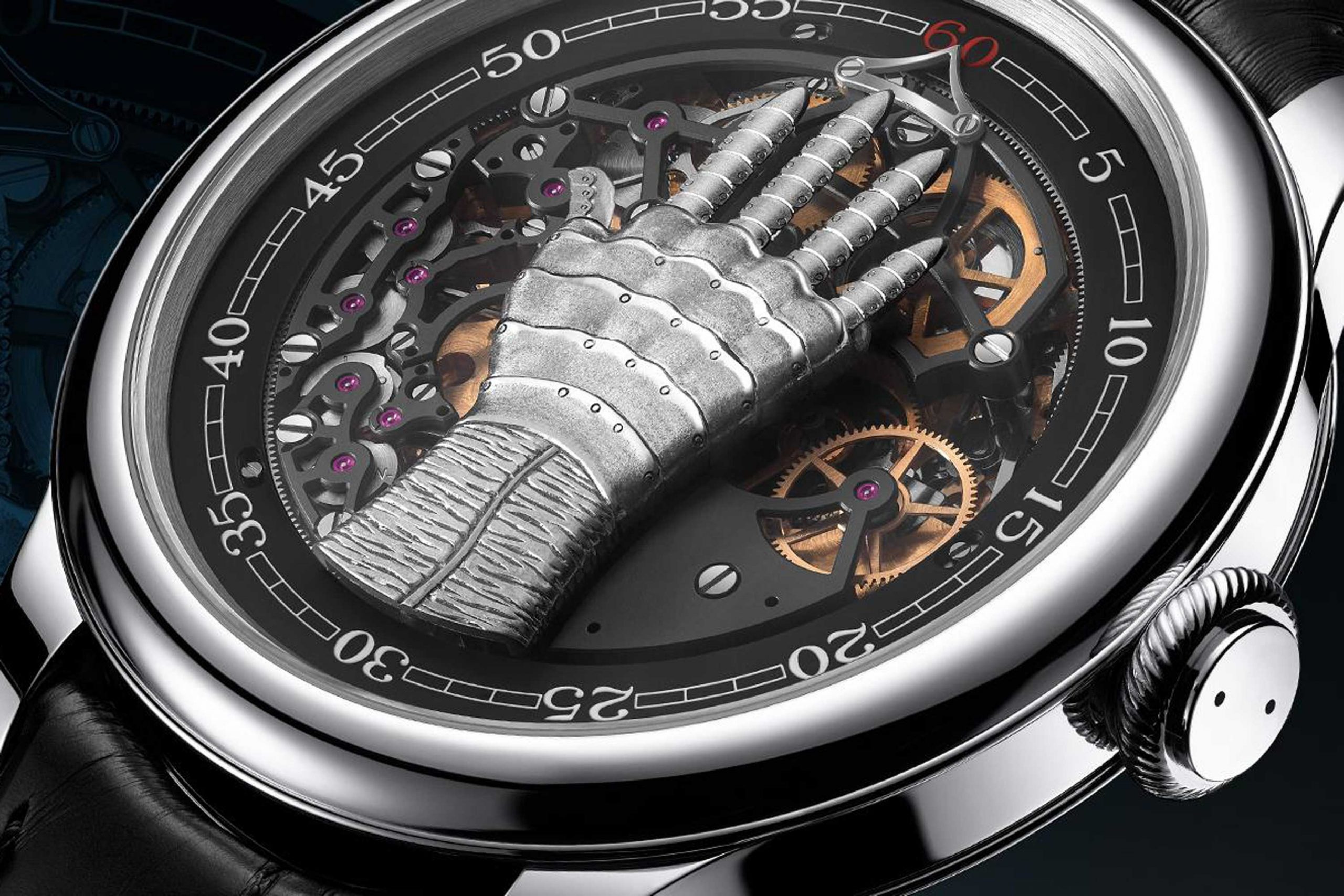
F.P. Journe Introduces the FFC
 Revolution
Phillips Watches Presents Le Concours de Complexité - A F.P. Journe Watch Collection
 Revolution
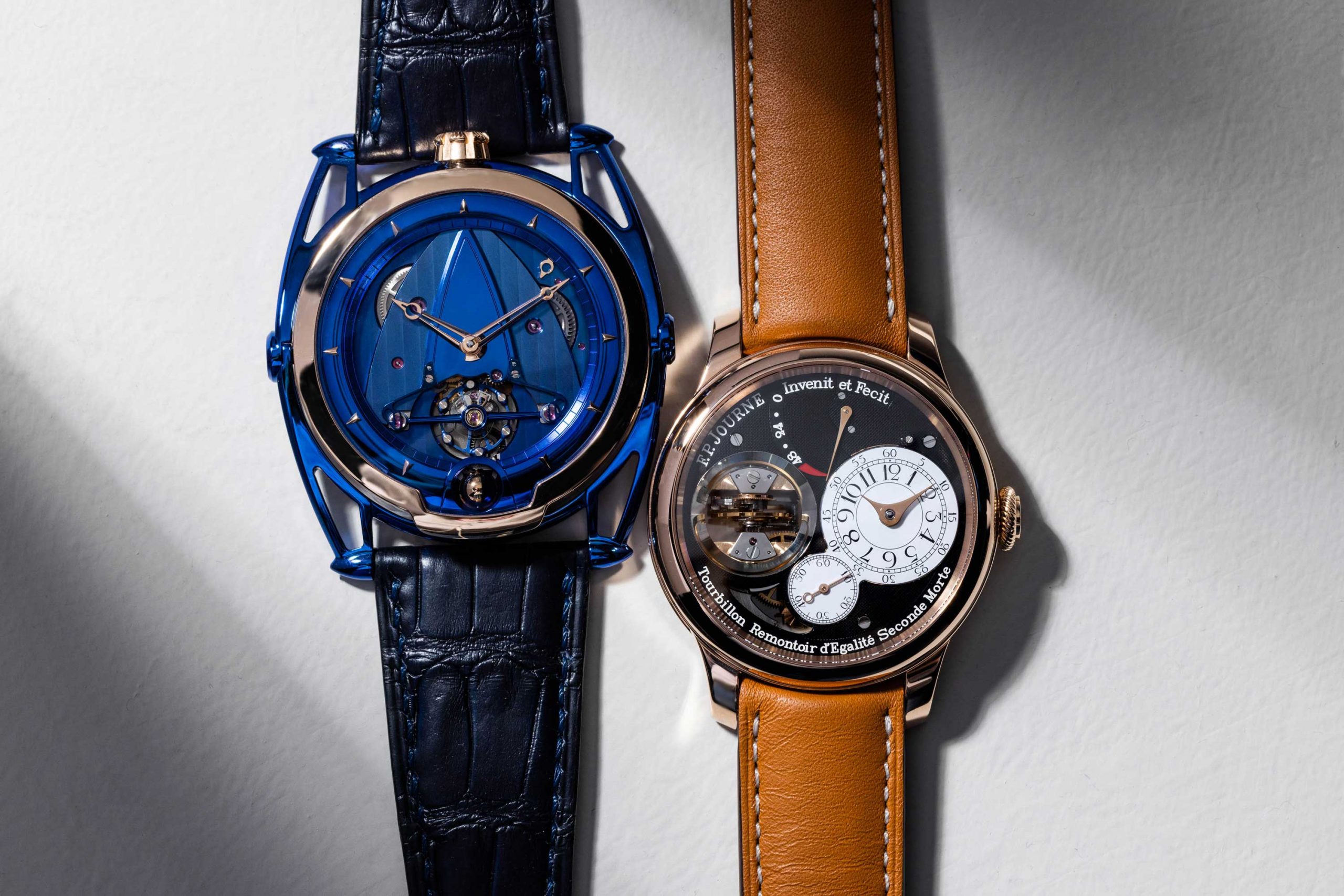
WatchBox Stages F.P. Journe and De Bethune Retrospective Exhibition
 Hodinkee
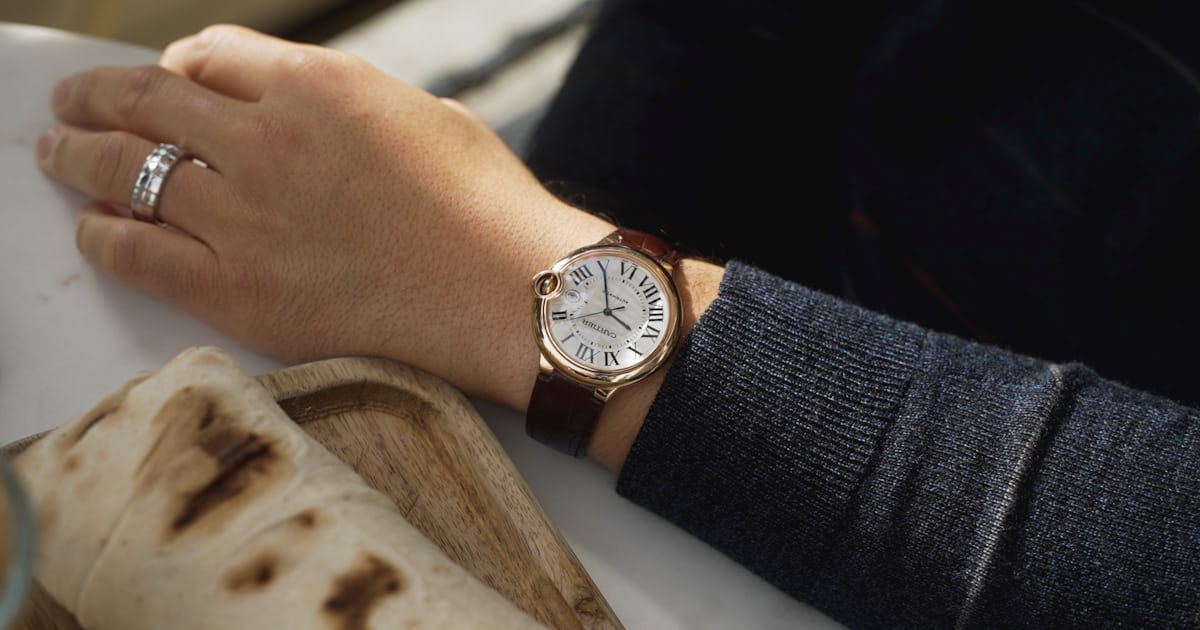
A Week On The Wrist: Giving Some Long-Overdue Love To The Cartier Ballon Bleu
Sure, Cartier designers are known for more angular watches like the Tank and Santos, but could their more daring option be a traditional round watch?
 Hodinkee
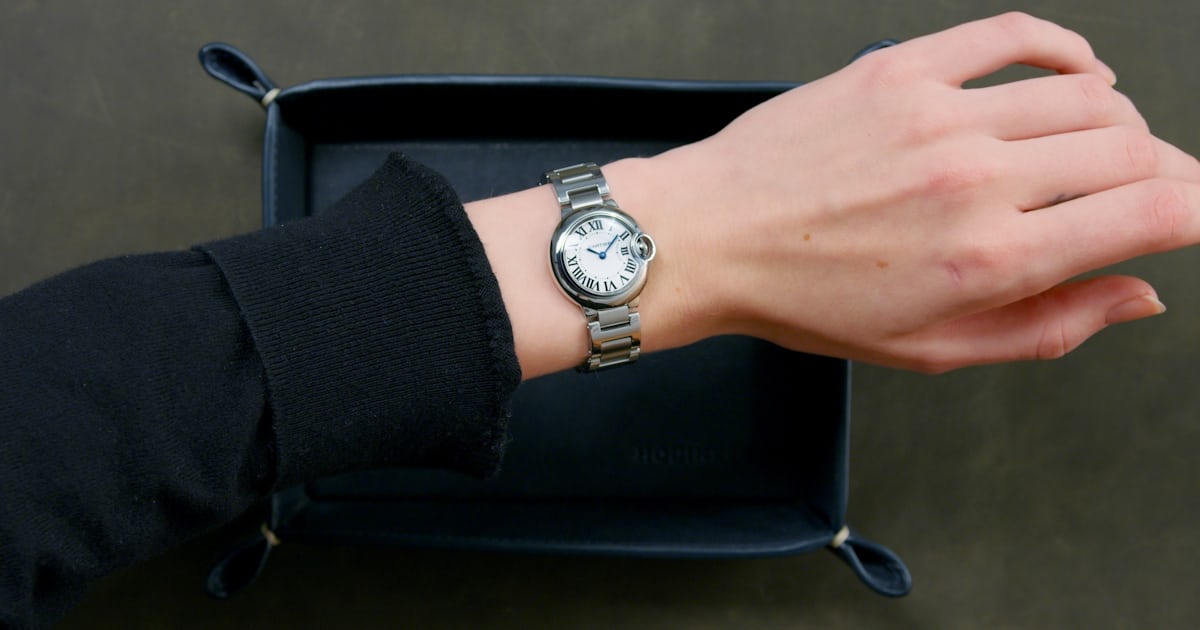
The Spec Sheet: We've Ignored The Cartier Ballon Bleu For Far Too Long
Blowing air into one of the most popular watches floating around.
 Revolution
Two Decades of Complexity & Beauty - the Pivotal Collections by F.P. Journe and De Bethune
 Hodinkee
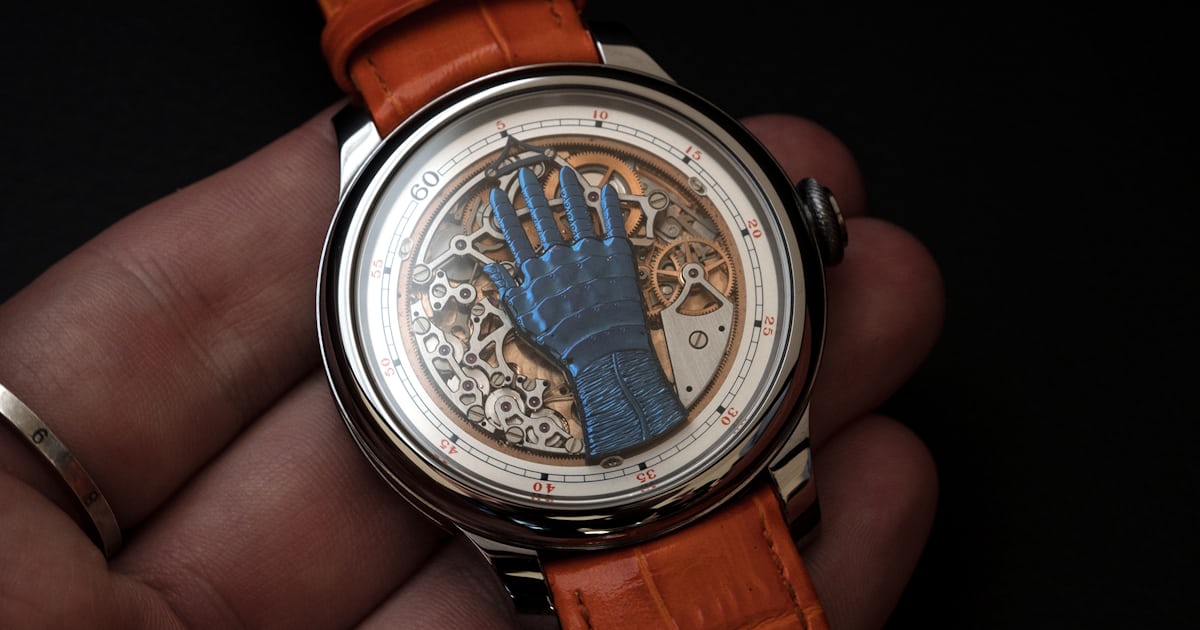
Interview: Francis Ford Coppola And F.P. Journe On Their Sensational Only Watch Collaboration
The godfather of cinema made the prince of independent watchmaking an offer he couldn't refuse.
 Hodinkee
Auctions: A Daytona With World Cup Provenance, A Piaget Designed By F.P. Journe, And What In The World Is The Kairos Collection? Here Are The Best Of The Rest At Auction This Week
Sotheby's, Christie's, And Antiquorum brought the goods.
 Hodinkee
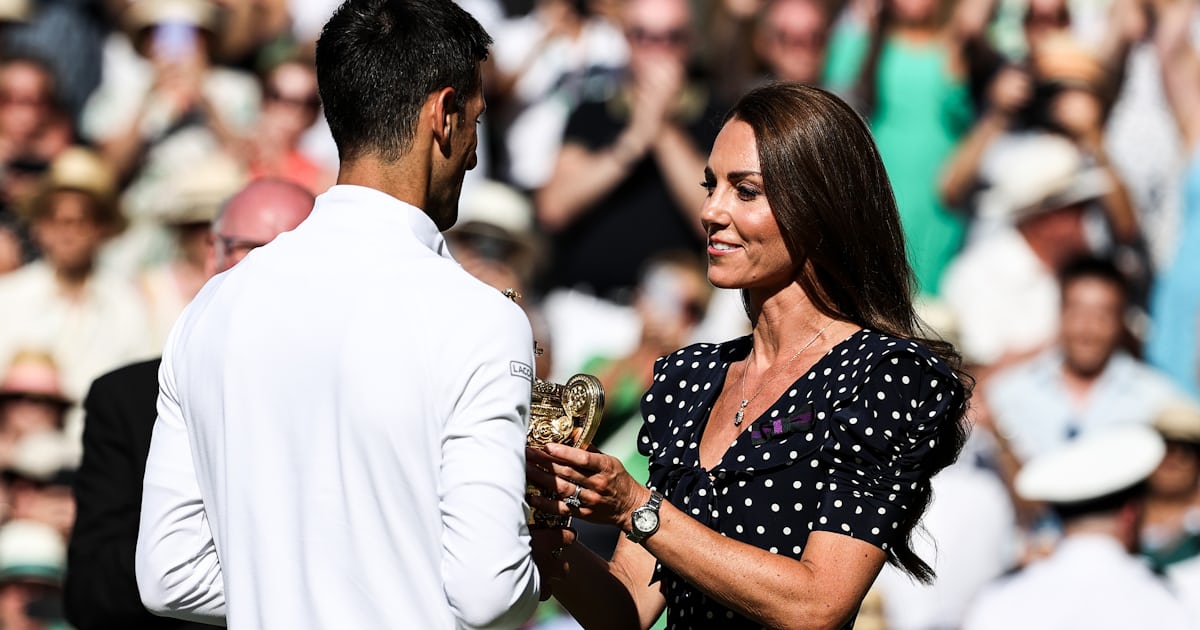
Watch Spotting: Kate Middleton Hands Out The Wimbledon Trophy To Novak Djokovic Wearing A Cartier Ballon Bleu
And Prince William wears his mainstay – the Omega "Bond" Seamaster – to the Men's Final.
 Revolution