 Worn & Wound
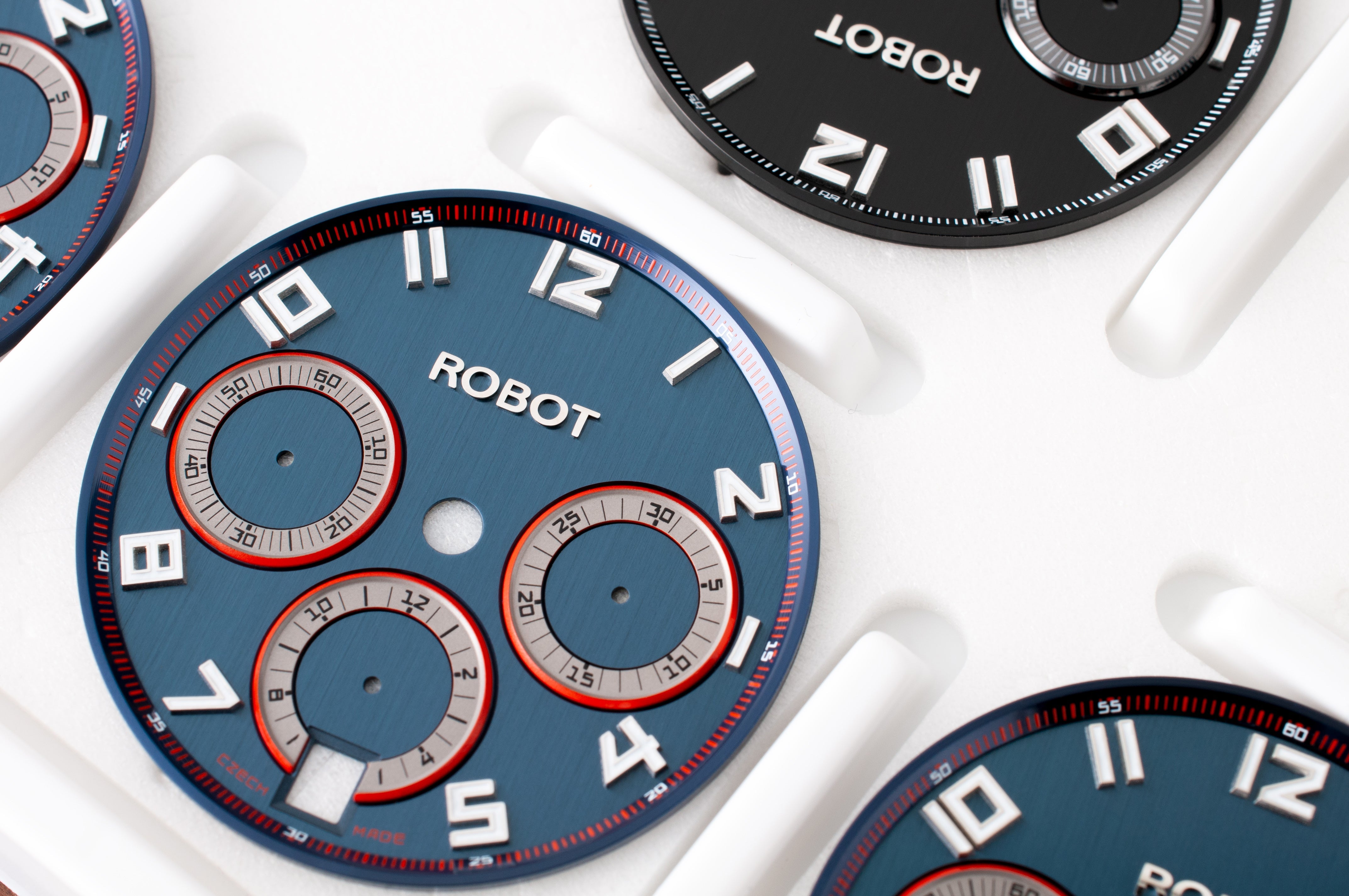
A History and Guide to ROBOT Watches
The post A History and Guide to ROBOT Watches appeared first on Worn & Wound.
41,001 articles · 6,686 videos found · page 83 of 1590
Worn & Wound
The post A History and Guide to ROBOT Watches appeared first on Worn & Wound.
 Time+Tide
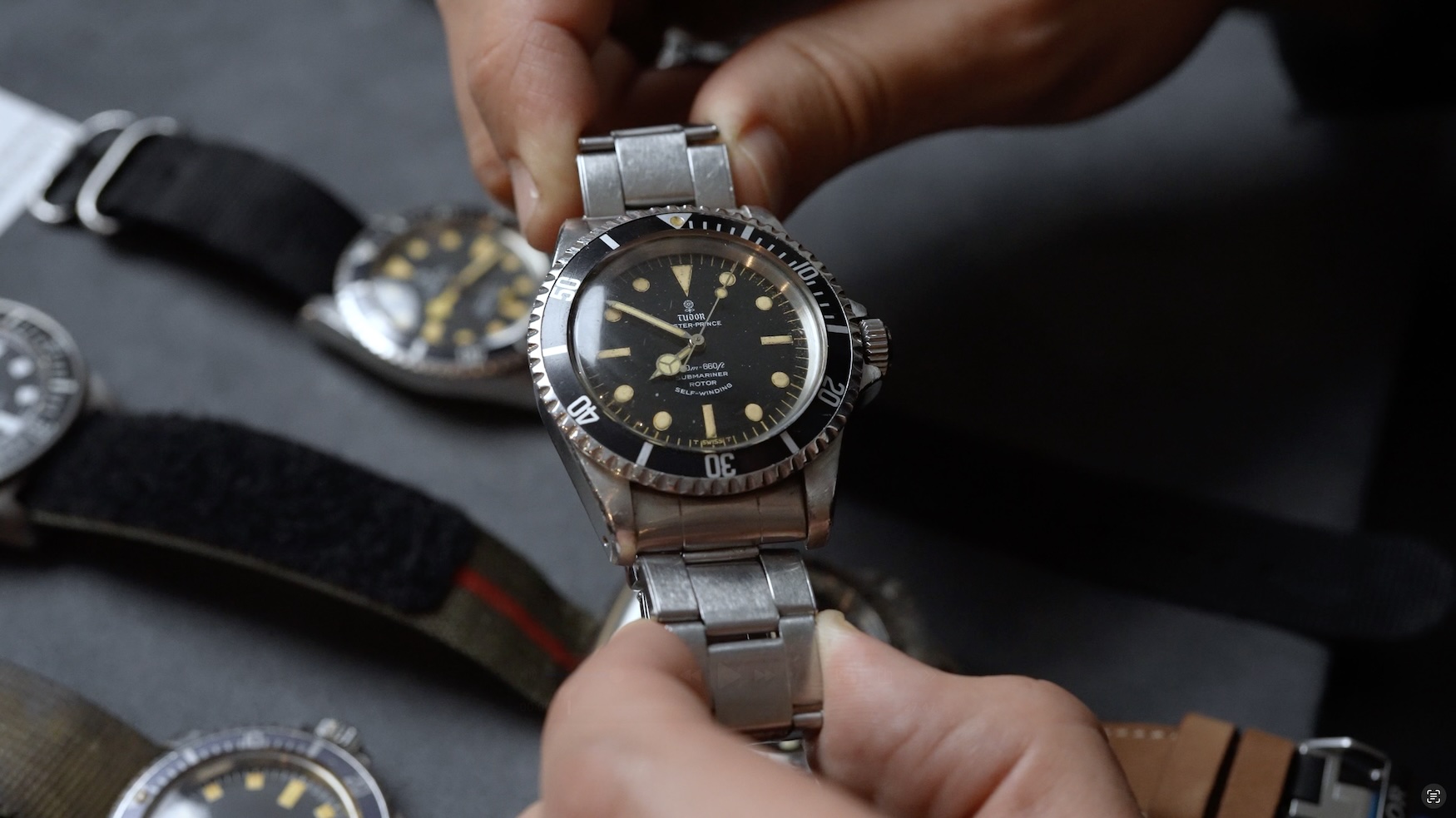
With a spread of vintage Tudor military pieces laid out before a room full of devoted enthusiasts, James Dowling guides us through them.The post An untold history of Tudor military watches appeared first on Time+Tide Watches.
 Worn & Wound
The Orient Bambino is one of those watches that’s an undisputed enthusiast classic. For almost everyone currently involved in our hobby, they’ve come across the Bambino in one way or another. It’s one of the most recommended enthusiast watches for beginners because of its classic dress watch style, reliable mechanical movement, and authentic brand history and credibility. It’s a watch that immediately puts you inside of our community. If there was an ongoing critique of the Bambino, it might be that until now it had only been available with a date complication. This flies in the face, somewhat, of traditional dress watch norms, but is a common concession that larger watch brands make for the modern, non-enthusiast consumer. After what must have been years worth of feedback from collectors, Orient has just introduced new Bambino models without a date that seem aimed squarely at the collector community. The new Bambino 38 No Date is available in white, ivory, green and brown dial options, as well as a gray limited edition of 3,300. Dials have a pleasing symmetry thanks to the lack of a date aperture, with Roman numerals at the even numbered hours and simple baton indices elsewhere. The perimeter of the dial has a hash mark minute track in either white or black depending on the dial color. The Bambino 38 No Date runs on the new F6524 automatic movement, which has a power reserve of 40 hours. Orient makes simple but reliable automatic movements which are notable ...
 Worn & Wound
The official role of Heritage Director seems to be growing in prominence across watch brands. It makes sense – a reverence for history has always been at the heart of the art of watchmaking. With that in mind, it is likely there have long been resident historians at established maisons or perhaps even those holding the title Heritage Director working behind the scenes. But more and more, we are seeing these individuals at the forefront, and there seems to be a direct correlation with what is happening in the industry at large within the vintage and pre-owned spaces. For more than five years now, we have seen the vintage and pre-owned market grow in new ways with both a greater emphasis and prevalence of reputable dealers and marketplaces and a greater interest and demand from collectors. In turn, more and more brands seem to be getting invested in the acquisition, preservation, and in some cases redistribution of their own vintage pieces. While the role of Heritage Director was perhaps once limited to elements like museum curation and historically contextualizing modern collections, the position seems to be expanding into new realms. Heritage Director Matthieu Sauret Jaeger-LeCoultre is the perfect case study. Matthieu Sauret stepped from the role of Director of Product to the maison’s Heritage Director 2013 after starting his career at Yves Saint Laurent, another historic brand whose legacy spans more than six decades. “In 2019, Catherine Rénier, our CEO called...
 Time+Tide
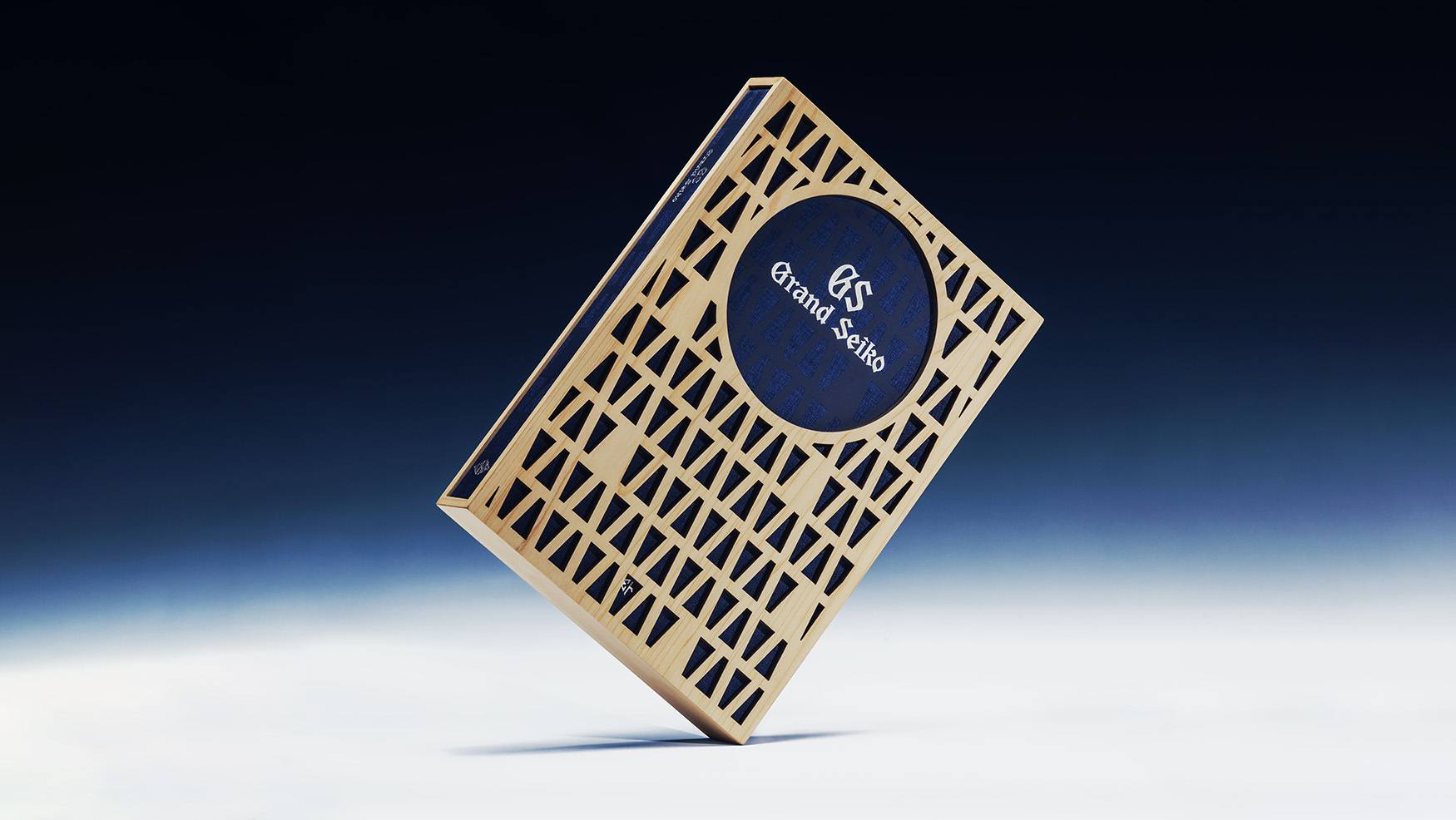
Erg Media have created a beautiful, photography-led coffee table book that tells and celebrates the history of this beloved Japanese brand.The post We read the Grand Seiko book so you don’t have to appeared first on Time+Tide Watches.
 Video
Video
 Fratello
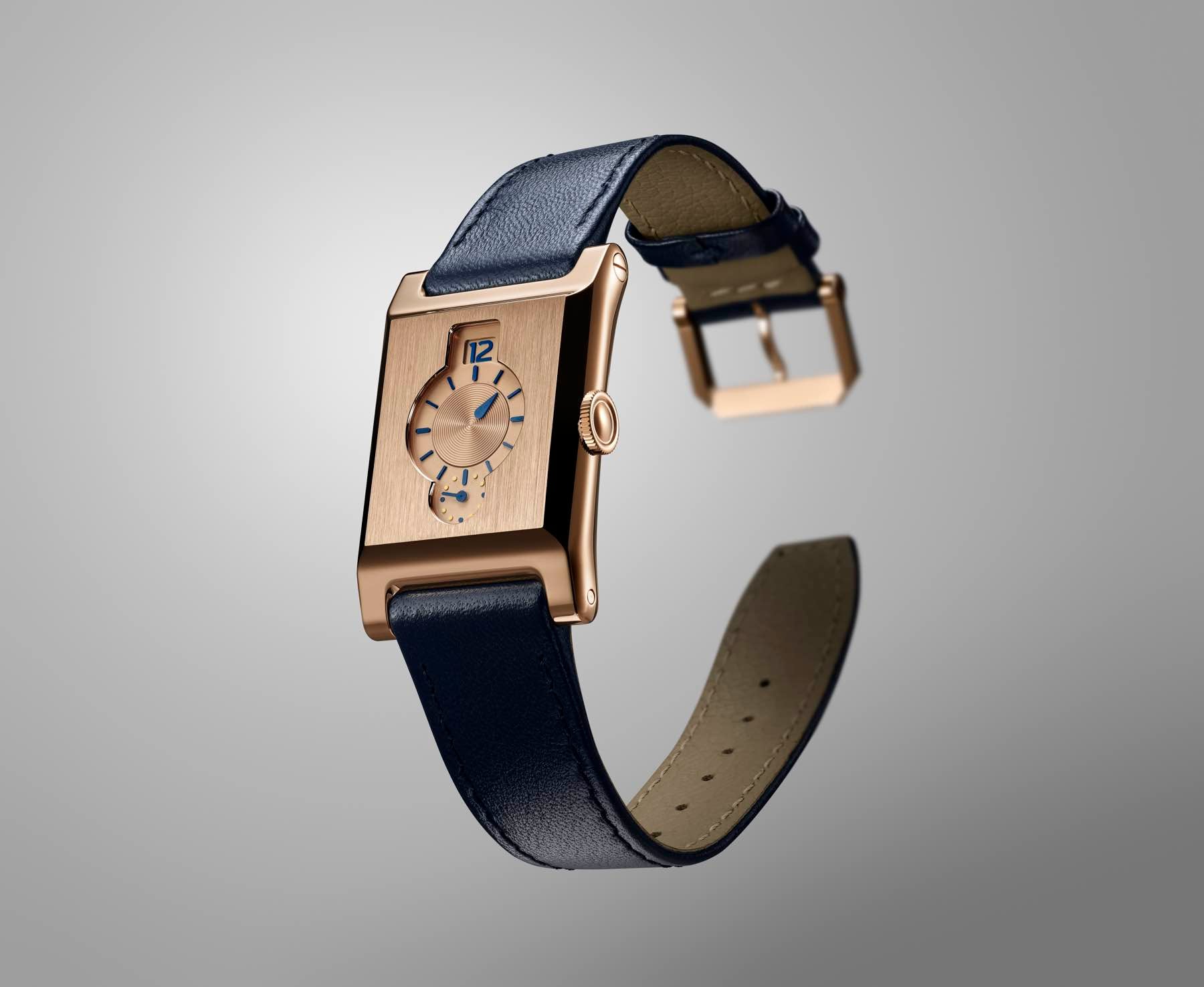
Not too long ago, we saw almost a flurry of historic watch brands revived. Just when this trend seems to have died down somewhat, here we have Niton. A house originally dating back to 1919 and since lost to history (more on that later) makes a comeback today. This debut results in the aptly named […] Visit Introducing: The Niton Prima - A Historical Watch Brand Returns To The Scene to read the full article.
 SJX Watches
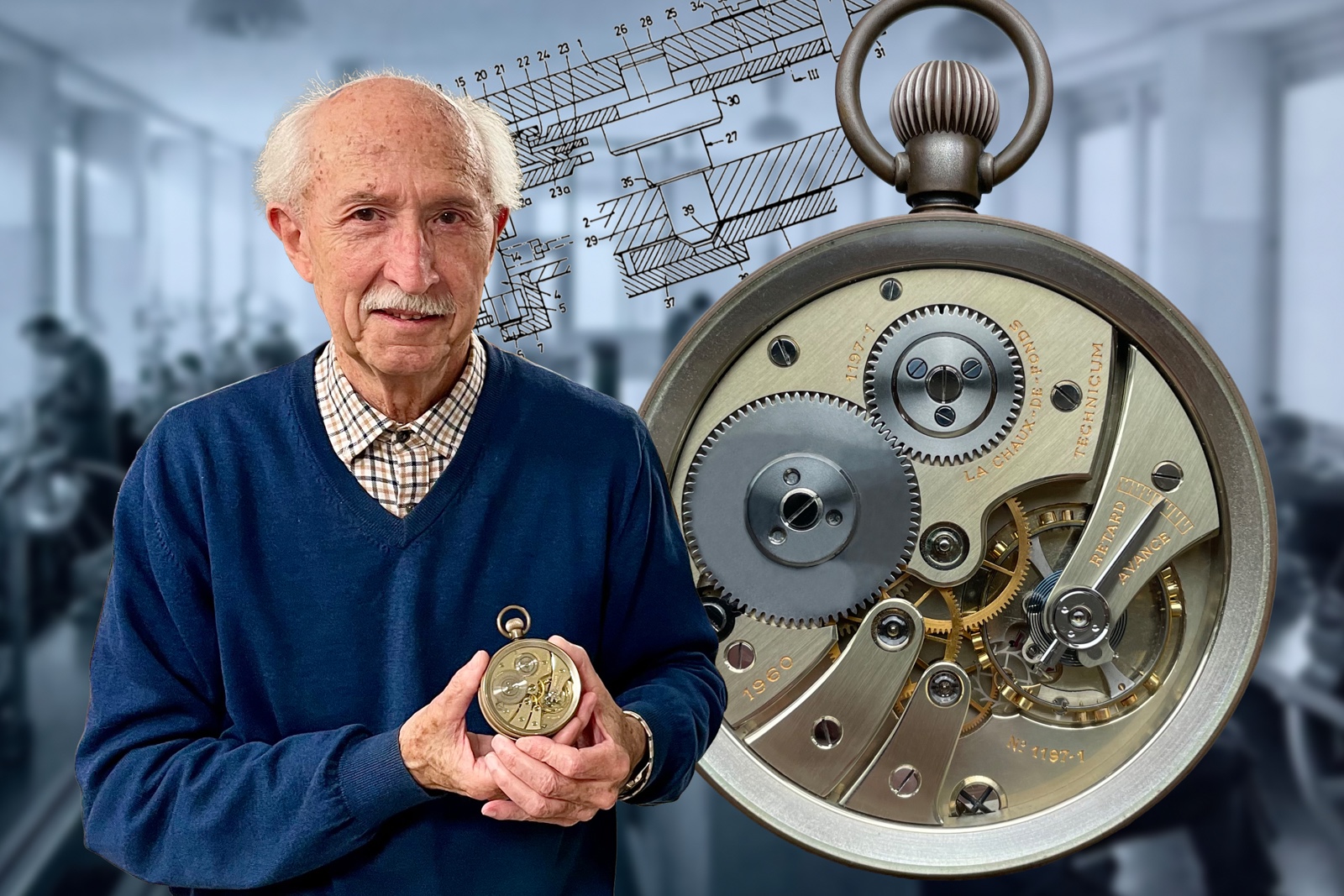
Nestled in the Jura Mountains, La Chaux-de-Fonds has been a cradle of Swiss watchmaking ever since its watchmaking school, the Technicum, opened in 1865. For aspiring watchmakers, the climax of their training was traditionally the creation of a montre école – or what’s known as a school watch. This is the story of Hugues Bürki, a Technicum alumnus, who built what would become a record-breaking school watch, and who would later make horological history as a movement engineer. Hugues Bürki. Image – author The Technicum The watchmaking school of La Chaux-de-Fonds was founded in 1865. In its early days, the school occupied rooms inside the modestly named ‘Technicum’, a local vocational-technical school. By 1885, the school’s own building had been inaugurated, yet the name Technicum stuck. In 1933, in the wake of the global economic crisis, the nearby watchmaking schools in La Chaux-de-Fonds and Le Locle were merged to form the Technicum Neuchâtelois. The Technicum in the 1960s. Image – author It demands attention that both divisions of the Technicum Neuchâtelois had a particularly strong focus on high-precision chronometry at the time compared to other watchmaking schools in Switzerland, which specialised in other domains, such as the construction of complications and traditional finishing techniques. In fact, some of the innovations in chronometry we associate with brands like Longines can actually trace their roots to the Technicum Neuchâtelois, including...
 Monochrome
Perpetual calendars are, without a doubt, an integral part of Audemars Piguet’s history, and the Royal Oak has carried its strand very convincingly since 1984. With the introduction of the Royal Oak Selfwinding Perpetual Calendar Openworked powered by the new Calibre 7139, AP signals a clear generational shift. Released alongside a Code 11.59 counterpart, which […]
 Two Broke Watch Snobs
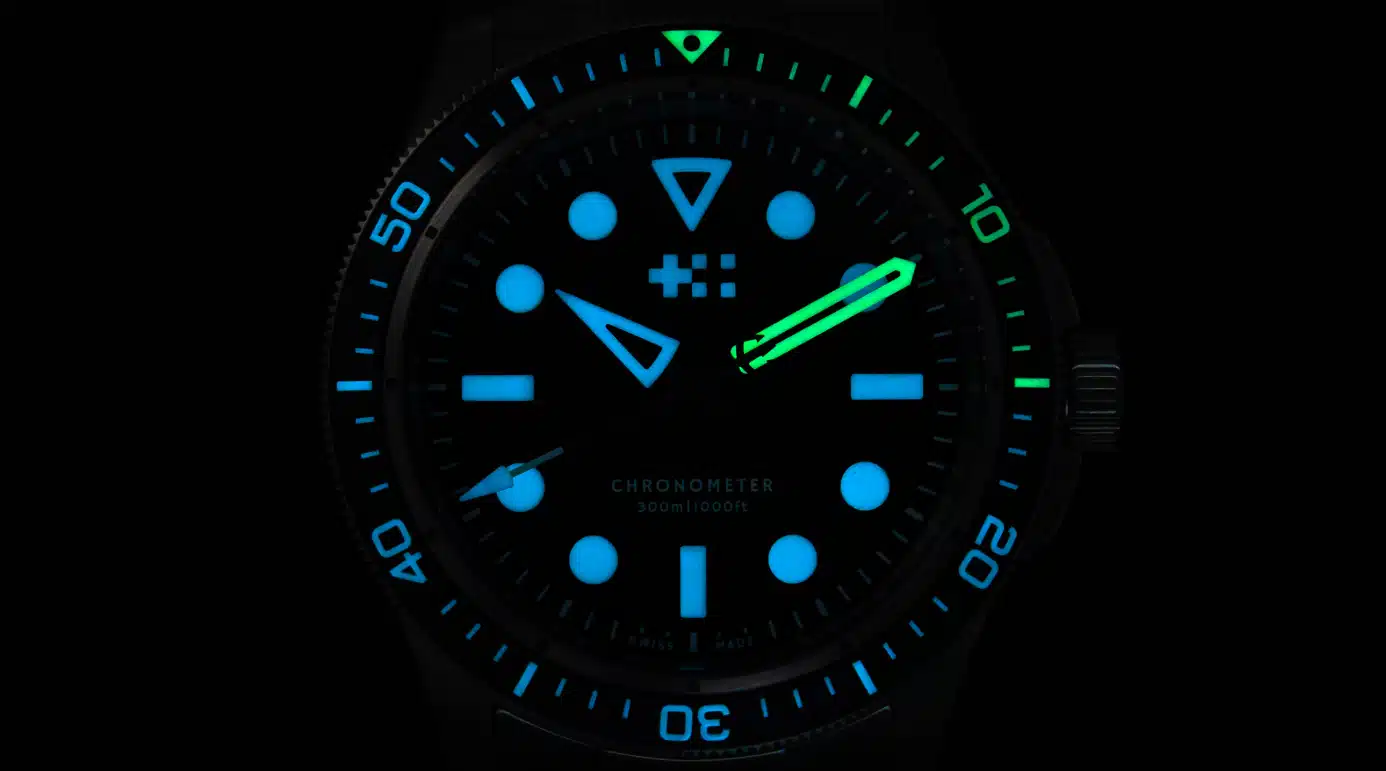
Christopher Ward introduces The Green Fifteen, a one-week dive watch collaboration drawing from military Rolex design cues.
 Hodinkee
This is not your average jump hour; it's a watch with a lot of history and more hidden under the hood.
 Video
Video
 Hodinkee
Deal to partner with the Saudi Arabia-backed golf circuit will expose Rolex to new regions and potential controversy.
 Worn & Wound
Turning on Quentin Tarantino’s 1994 masterpiece Pulp Fiction for the first time is a moment I’m sure many of us would like to relive. Among the many unexpected moments the film has to offer is a four-minute-long scene where Christopher Walken details the history of a Lancet trench watch and its unfortunate journeys through the human anatomy. The familial heirloom timepiece that Captain Koons passes down to his son, Butch, is often considered by watch buffs and film aficionados to be the true “Pulp Fiction watch” because of its inclusion in the iconic scene. I personally feel there’s another timepiece featured in the movie that should be in the running for that title as well (and no, I’m not talking about Harvey Keitel’s Gucci 3300M). The Timex Q Red Nebula never gets any clear-cut screen time, but for those keen-eyed viewers, it can be spotted on John Travolta’s wrist numerous times throughout the film. Several stories and blogs have been written about the history of the Lancet featured in the movie, but very little exists about this Timex Q in the watch space. Let’s change that, shall we? History of the Red Nebula This model was advertised as the ref. 989502 in Timex catalogues, but quickly gained the far catchier Red Nebula moniker because of its dial from consumers upon release. When it initially launched in 1977, it featured a faceted mineral crystal, similar to those seen on Seiko pieces from that era. The 1978 release of this same model features a...
 Fratello
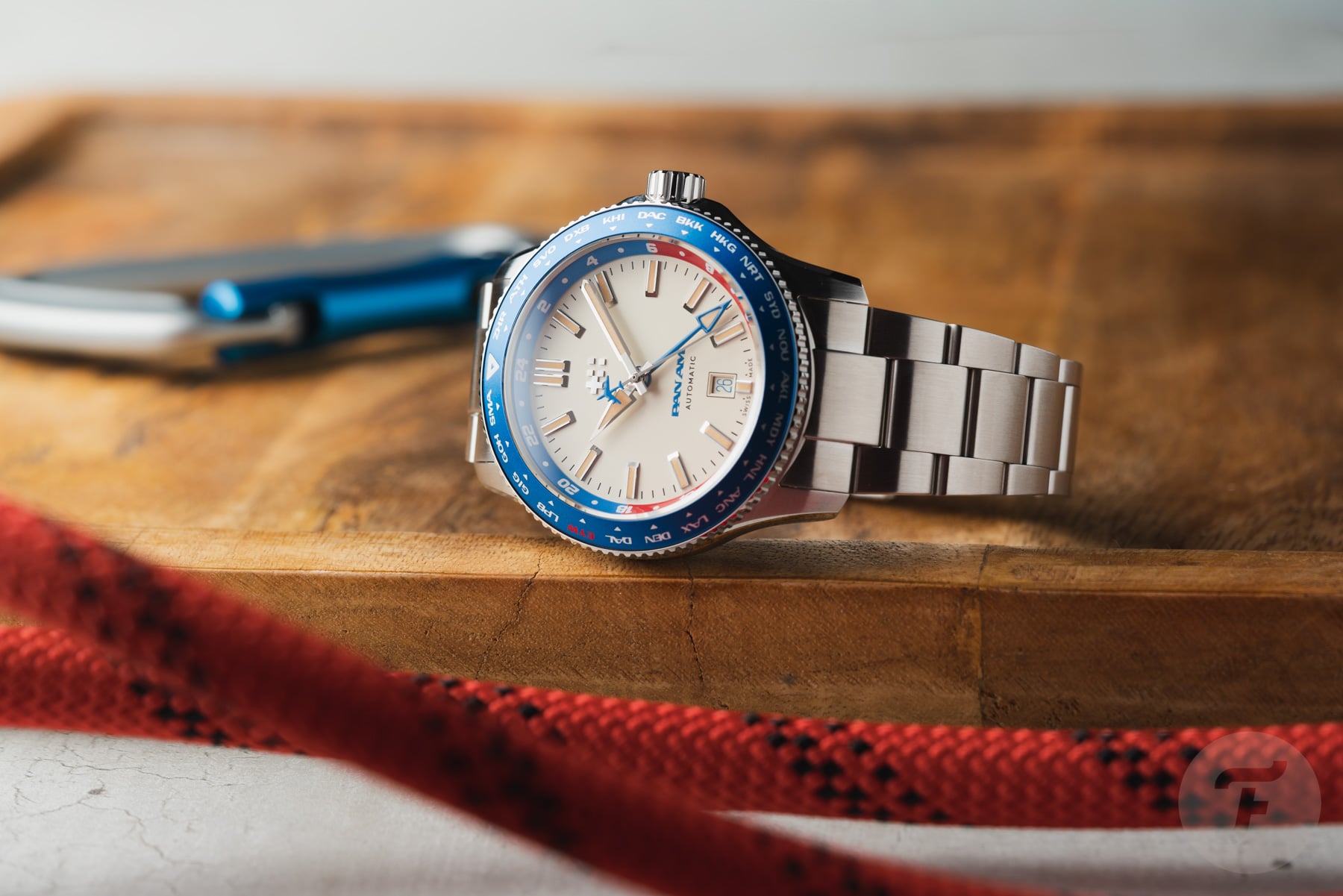
Mention Pan Am to watch fans, and the first association that comes to mind is the iconic Rolex GMT-Master. It has become one of the watch world’s most popular stories, always reflected in the classic travel watch with its red and blue “Pepsi” bezel. But apart from a watch created for Pan Am pilots to […] Visit Hands-On With The Christopher Ward C60 Clipper GMT to read the full article.
 Worn & Wound
A series of features identifying the most extraordinary mechanical masterpieces in history, blending precision, innovation, and craftsmanship. We all have our favourite timepieces either in our collection or those incredible horological masterpieces that have been invented or created through the ages. This series will showcase examples from the previous centuries up to the present day and look at the importance and impact on modern day timekeeping. In the early 1960s, NASA realised astronauts needed reliable, tough wristwatches for space missions, especially for tasks outside the spacecraft like on the Moon. So, NASA secretly bought several chronograph-type watches off the shelf. They tested watches from Omega, Rolex, Longines-Wittnauer, and perhaps a few others under extreme conditions. “Space: the final frontier. These are the voyages of the starship Enterprise. Its 5-year mission: to explore strange new worlds, to seek out new life and new civilizations, to boldly go where no man has gone before.” These were the immortal words of Captain James T. Kirk, of the Star Ship Enterprise, played by William Shatner, in the hugely popular series, Star Trek, first broadcast in 1966. Today we are still fascinated with space travel and the extraordinary developments that have impacted on all of our lives since Mankind first set foot on the Moon on the 21st July 1969. It is often stated that the technology that took Apollo 11 astronauts, Neil Armstrong, Buzz Aldrin and Mic...
 Fratello
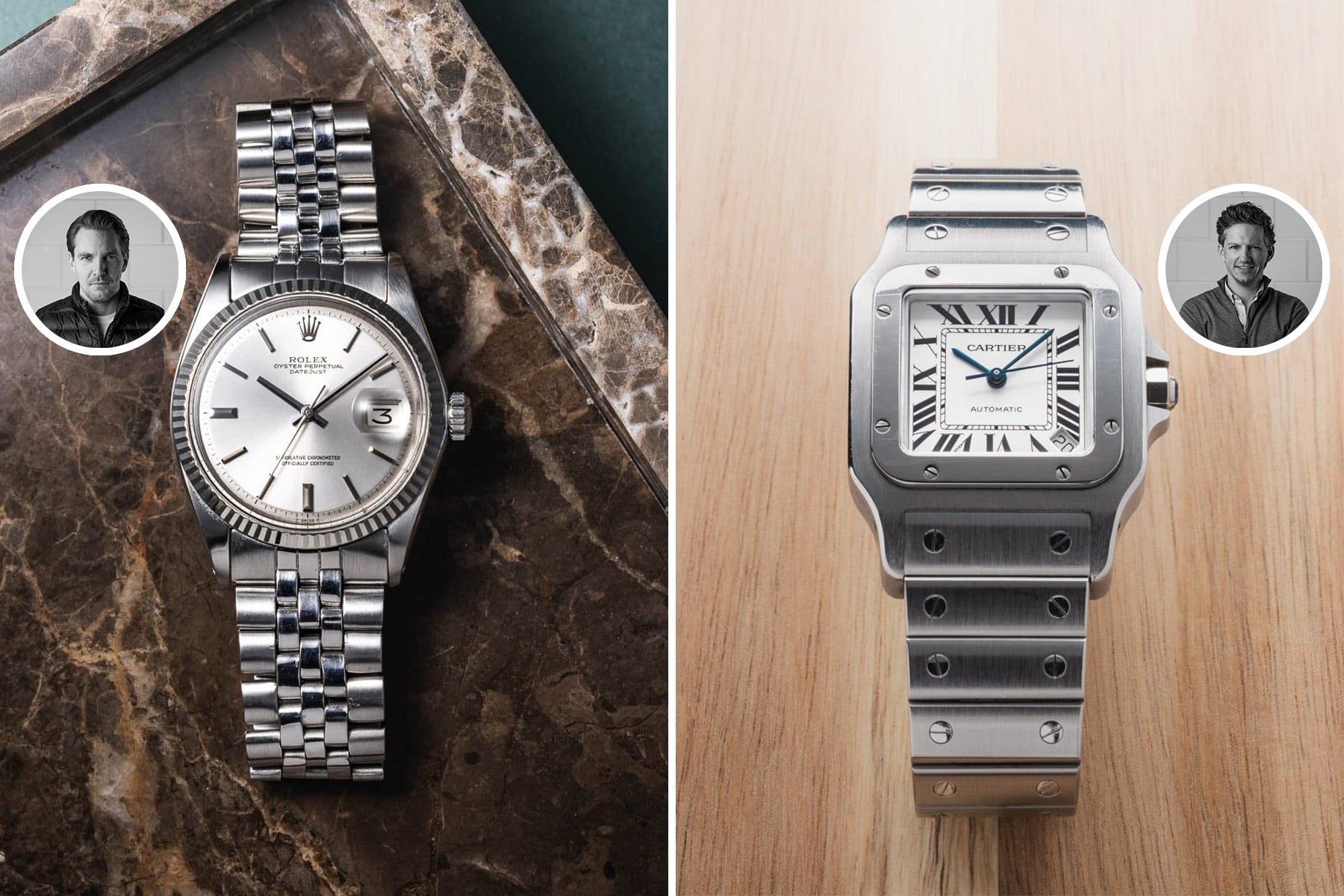
Welcome to another Sunday Morning Showdown, dear Fratelli! This week’s battle is a bit different. Our fearless leader, RJ, served up a provocative proposition during our last editorial meeting: “Why don’t we do a battle between two editors’ personal watches for a change?” Okay, RJ, we hear you. We’re ready and prepared. Let’s get personal! […] Visit Sunday Morning Showdown: Thomas’s Rolex Datejust Ref. 1601 Vs. Daan’s Cartier Santos Galbée XL to read the full article.
 Video
Video
 Fratello
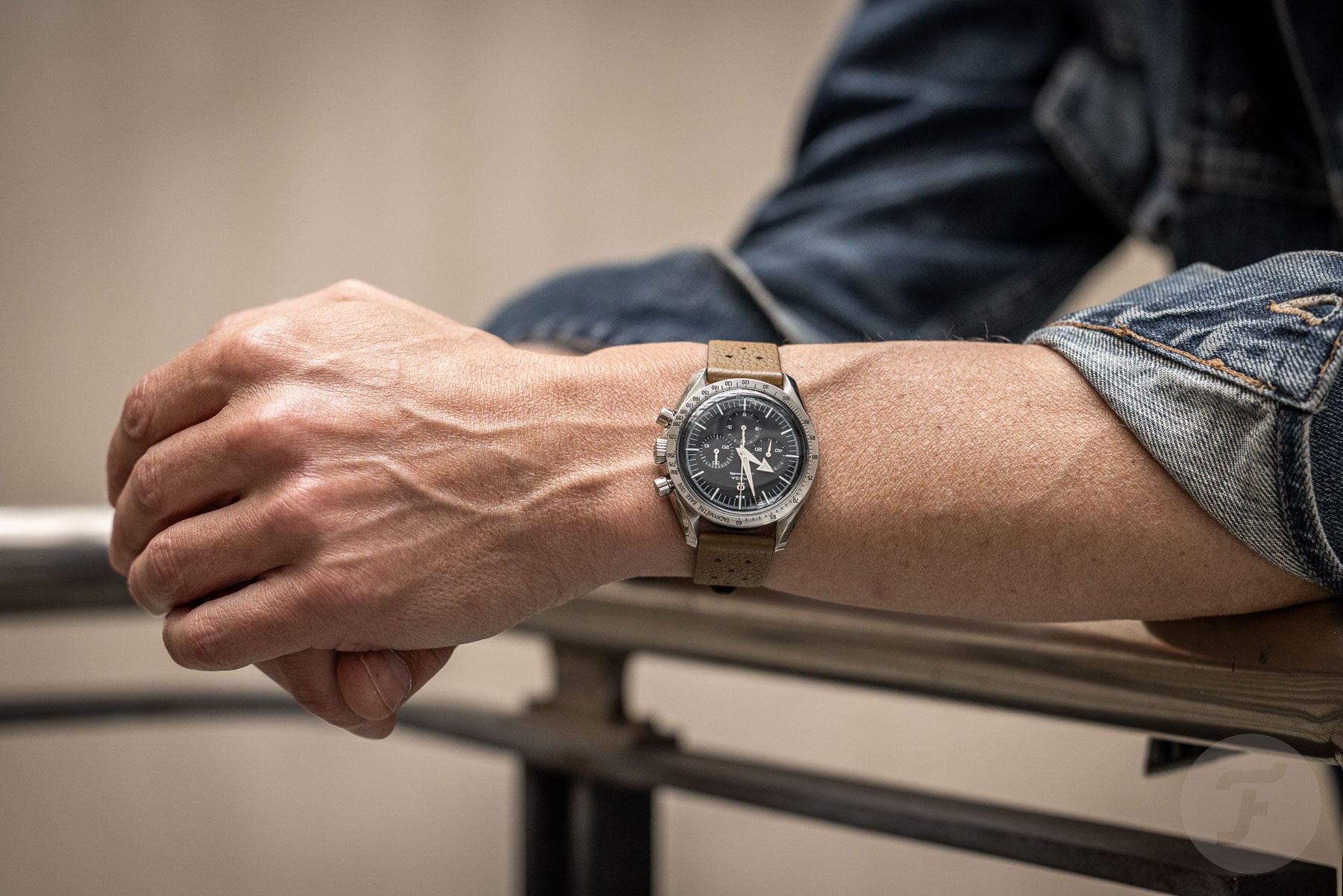
Ask yourself: why do you wear an analog watch in the digital world? Before you answer this, think beyond prestige, status, or luxury. Also, go deeper than the history of wristwatches, the mechanical movements and complications you admire, and the models you desire. Instead, think about wearing a mechanical watch in your digitally dominated world. […] Visit Why Do You Wear An Analog Watch In A Digital World - The Psychology Behind It to read the full article.
 Worn & Wound
It can be hard to love a heritage brand in its modern guise. The chasm between the demands of the modern world and the spirit that once defined a legacy brand is usually vast, and the need to progress and stay relevant typically outweighs any brand’s need to satisfy the enthusiasts and history buffs that love it. When it comes to TAG Heuer, however, there’s a different story being told–one that truly celebrates the brand’s history while seeking a seat at the table of the upper echelon of watchmaking. The man responsible for orchestrating that balancing act is Nicholas Biebuyck, TAG Heuer’s Heritage Director. While Biebuyck wears many hats within the TAG Heuer machine, he’s an enthusiast at his core. The man understands where the brand has been and what that history means to his fellow enthusiasts, but he also has his eyes firmly on the future. Biebuyck knows that for TAG Heuer to stand on the top step of the horological podium, it needs to innovate in every regard–including swinging for the fences with its halo products like the Monaco Split-Seconds Rattrapante. To that end, TAG Heuer has announced the release of several new Carrera models that vamp on their successful “Glass Box” design. These watches, unveiled at LVMH Watch Week, include a new Carrera Seafarer that picks up where the brand’s 2024 Hodinkee limited edition left off while nodding at a beloved, if somewhat obscure classic from the Heuer archive. These new releases continue to telegrap...
 Monochrome
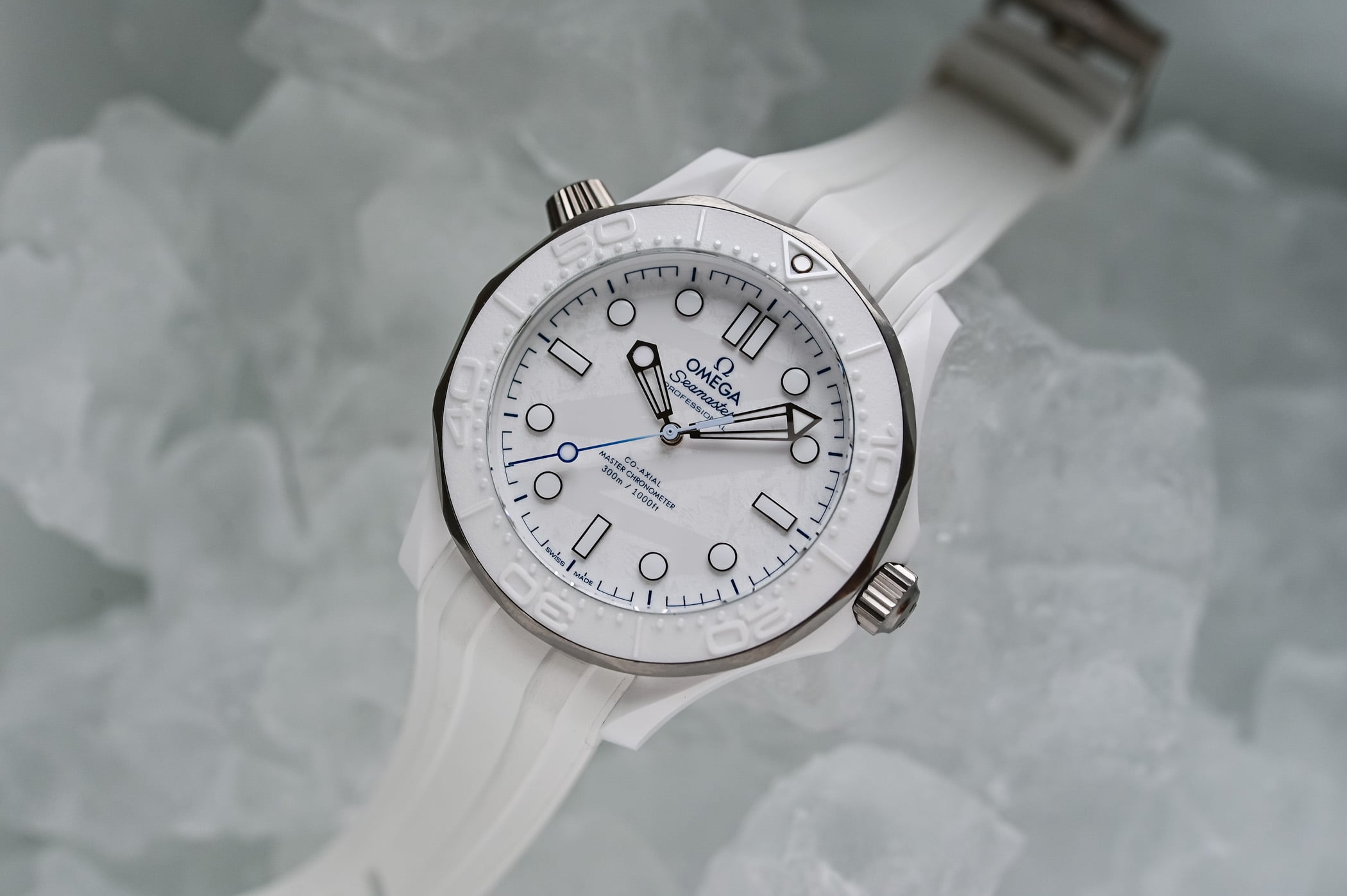
For the 32nd time in its (long) history and since 1932, Omega will be the Official Timekeeper of the Olympics. Indeed, the 2026 Olympic Winter Games will be held from February 6th to 22nd in Milano Cortina, Italy, and the Swiss watch brand will record all 116 events across 16 sporting disciplines. To celebrate its […]
 Fratello
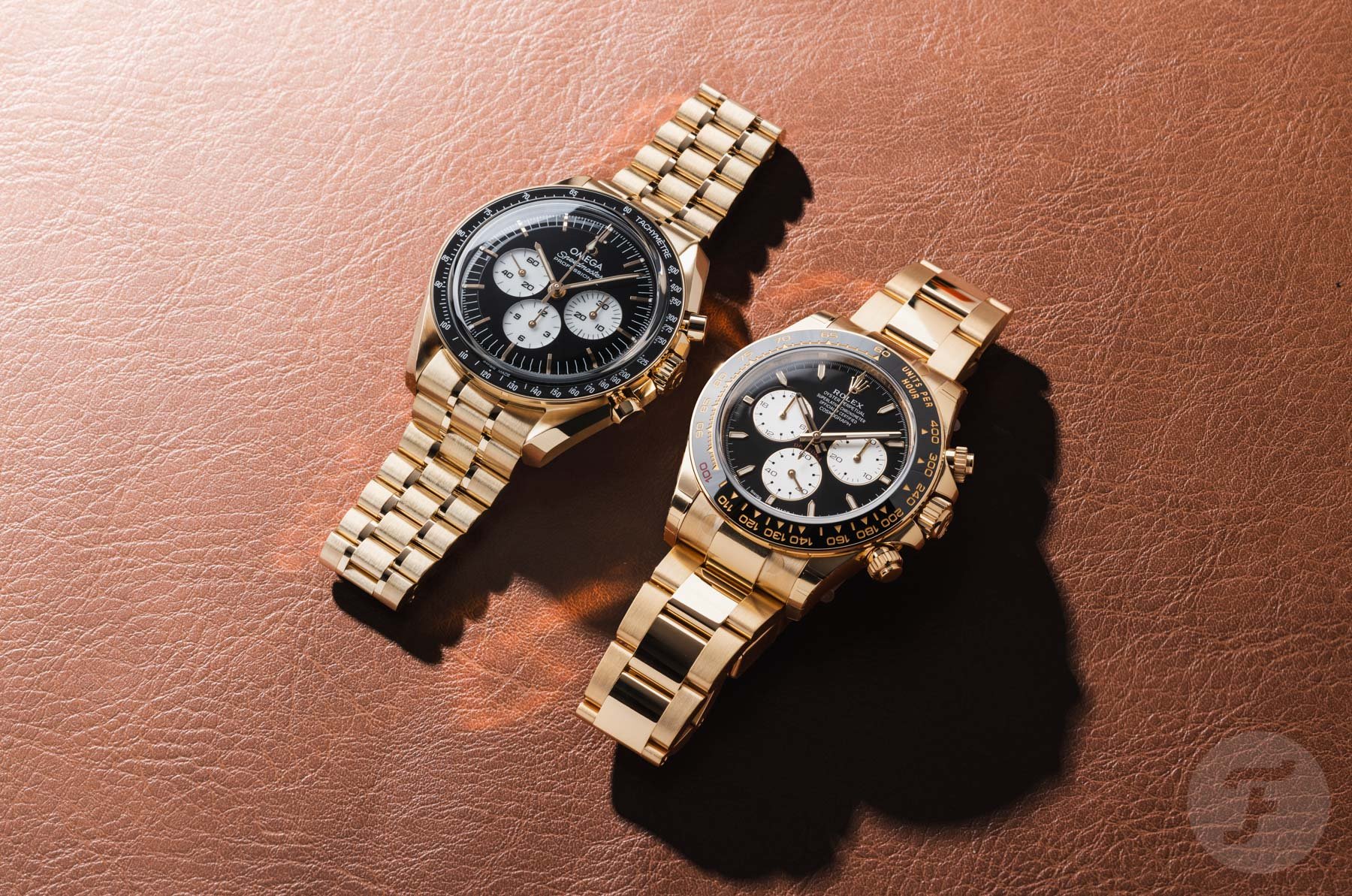
It’s Sunday, which means it’s time to wake up with a nice cup of coffee and another Sunday Morning Showdown. This week, Mike and Jorg will go up against each other in a matchup that you could see coming a mile away. They picked two gold heavy hitters and natural rivals from Omega and Rolex. […] Visit Sunday Morning Showdown: Omega Speedmaster Moonwatch “Reverse Panda” Vs. Rolex Cosmograph Daytona “Le Mans” to read the full article.
 Monochrome
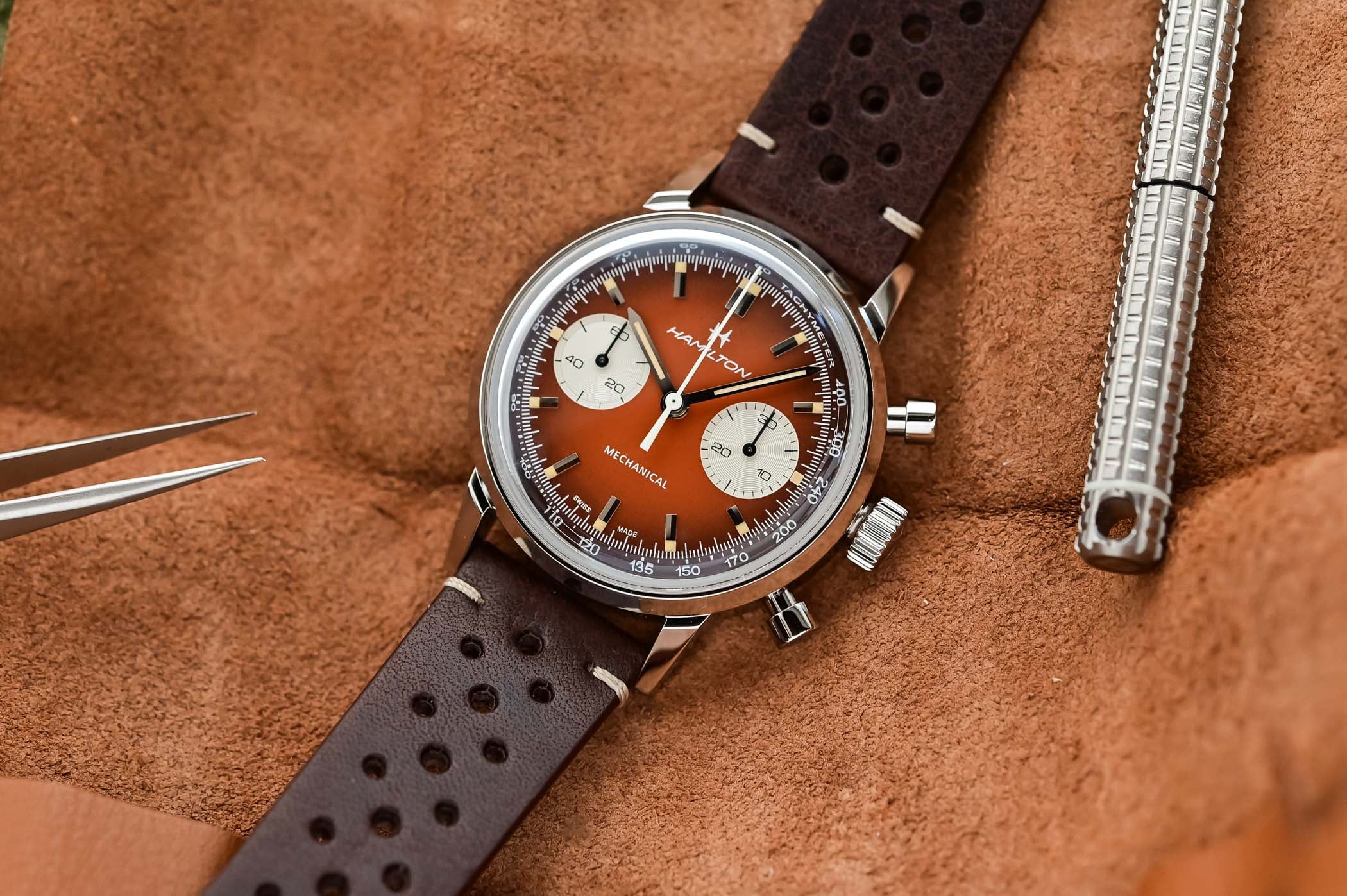
With more than a century of watchmaking under its belt, Hamilton has more than earned its place in history. The brand has ventured into many areas of the industry, and has launched a fair share of iconic watches, such as the Ventura, Pulsar and Chrono-Matic. Military-issued and -inspired watches like the W10 and the Khaki […]
 Video
Video
 Monochrome
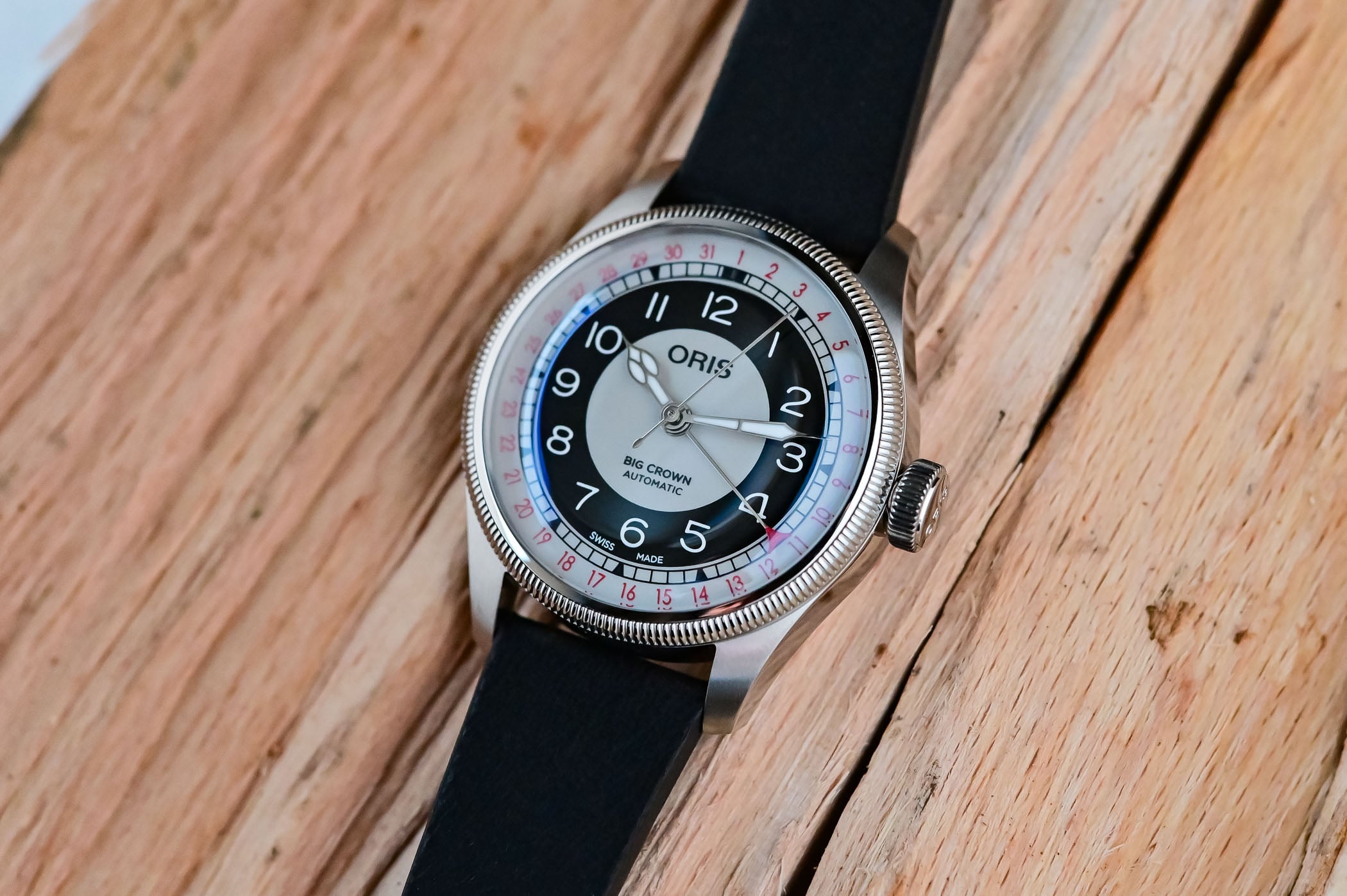
A watch packed with history and pivotal in Oris’ destiny, the Big Crown Pointer Date saw the light in 1938. As the brand’s first dedicated pilot’s watch, the oversized crown was designed so pilots could operate the watch while wearing gloves in their unheated cockpits. With its legible Arabic numerals, graphic railway track, cathedral hands […]
 Hodinkee
There's a lot of "who" and "what" to talking about watchmaking, collecting, and history, but we need to think more about the "why."
 Worn & Wound
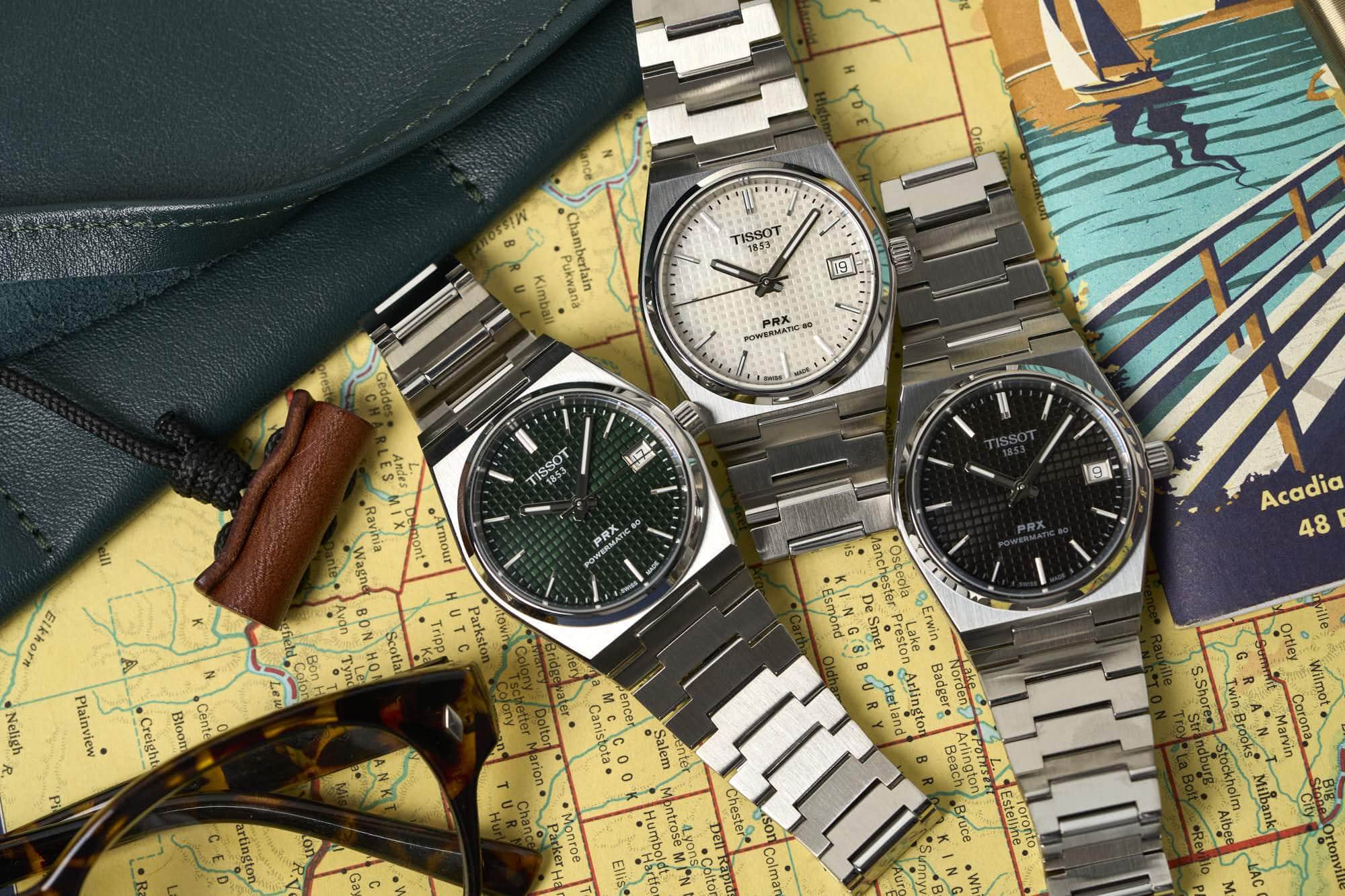
The post A History and Guide to Tissot appeared first on Worn & Wound.
 Worn & Wound
A series of features identifying the most extraordinary mechanical masterpieces in history, blending precision, innovation, and craftsmanship. We all have our favourite timepieces either in our collection or those incredible horological masterpieces that have been invented or created through the ages. This series will showcase examples from the previous centuries up to the present day and look at the importance and impact on modern day timekeeping. The Great Clock of Westminster, often known simply as Big Ben, is one of the most iconic landmarks in London and a symbol of the United Kingdom’s rich history and architectural brilliance. Housed in the Elizabeth Tower at the north end of the Palace of Westminster, the clock was completed in 1859 and has since become a celebrated masterpiece of Victorian engineering. Designed by clockmaker Edward John Dent and architect Augustus Pugin, the Great Clock is renowned for its remarkable accuracy and the deep, resonant chime of its massive bell, Big Ben. Over the decades, it has stood as a steadfast guardian of British tradition, witnessing countless historic moments and continuing to captivate visitors from around the world. Preliminary studies for the Big Ben clock tower, Houses of Parliament, Palace of Westminster, London. James Murray, 1840. Image courtesy of RIBA Charles Barry’s design for the Houses of Parliament did not originally include a clock tower. He was asked to include one and his first designs were added in 18...
 Worn & Wound
For decades now, watch collectors have become enamored with the significance, popularity, and (perhaps most importantly) the absurd affordability of Soviet-era watches. There’s the ingenious Vostok Amphibia dive watch; the various Poljot and Strela chronographs vital to the Russian space program; and the minimalist, glossy-white Raketa Big Zero that signified “the end of history.” What’s lesser known are the timepieces from another part of the Iron Curtain-East Germany, which once encompassed two of the most significant areas of the historic watch industry. Today we associate German watches with the town of Glashütte, where Walter Lange set up a watchmaking school in 1841 and evolved it into one of the great horological houses. Meanwhile, about 300 kilometers to the west is the town of Ruhla. Like Glashütte, Ruhla was also known for metal mining and a tradition of blacksmithing and metalworking. After World War II, it also happened to fall into the Soviet occupation zone, even though it was as far west as one could get. Perhaps it was always fated for this. Image via Ostalgie-Ruhla: Watches of the GDR Both sides faced the evolution of pocket watches to wristwatches, on opposite sides of the World Wars. After 1945, the watch factories in Glashütte and Ruhla were reorganized into publicly-owned enterprises-having endured reparations back to Moscow (to jump-start the USSR’s own watch industry) and the general devastation of the war. Glashütte was a mor...
 Video
Video
Question, suggestion, or just want to say hi? Drop a note.