Explained: Dial Making at Rolex
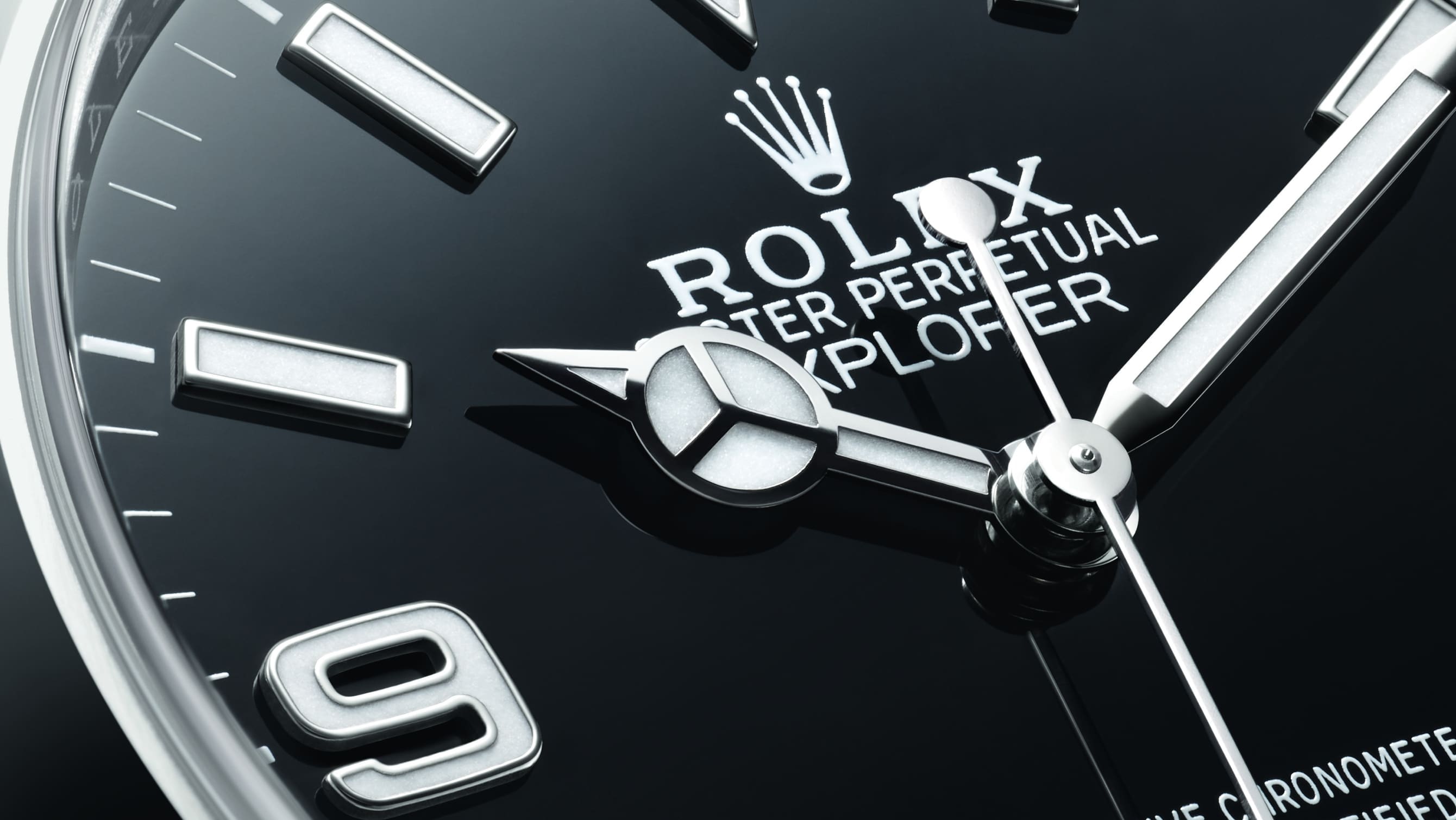
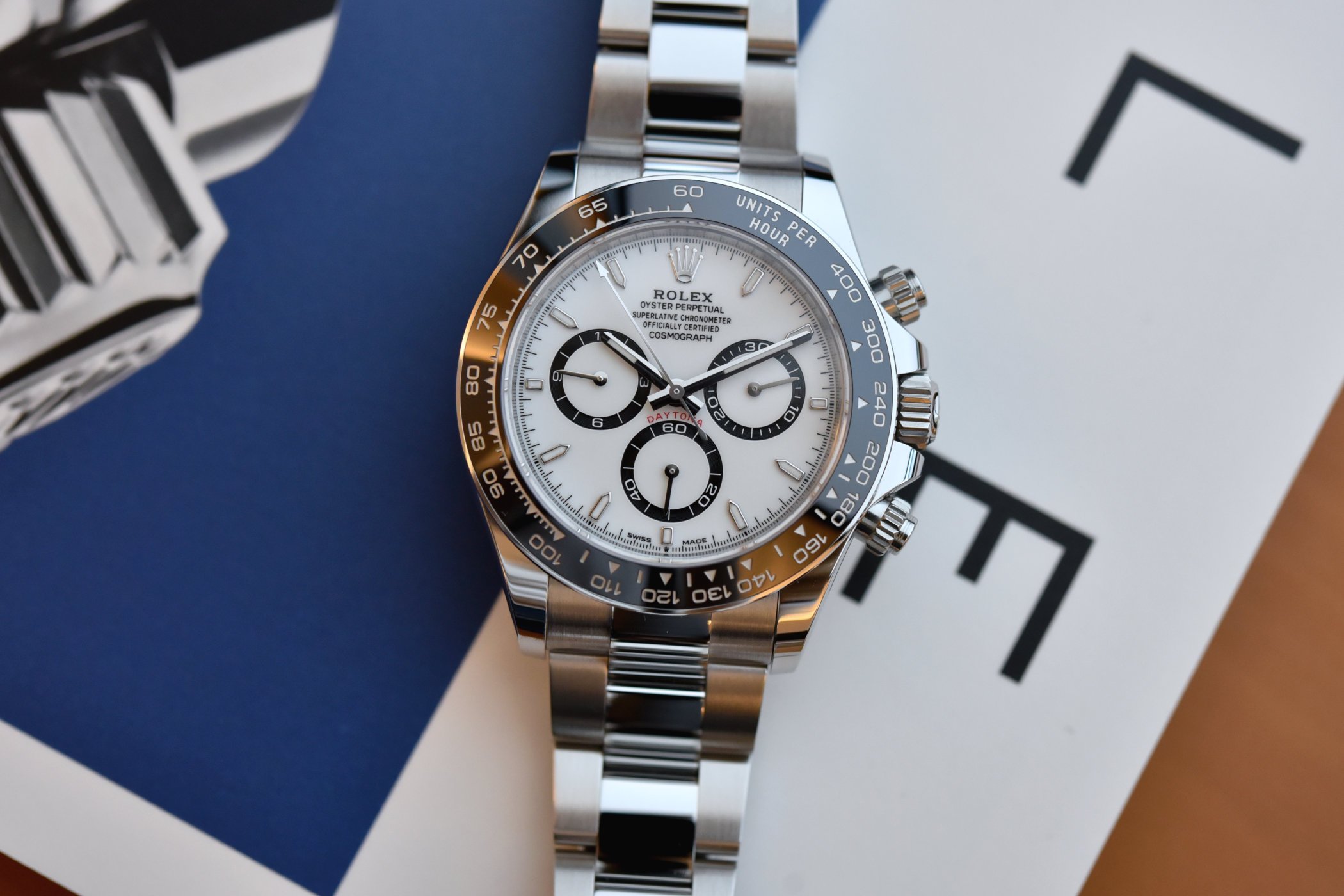
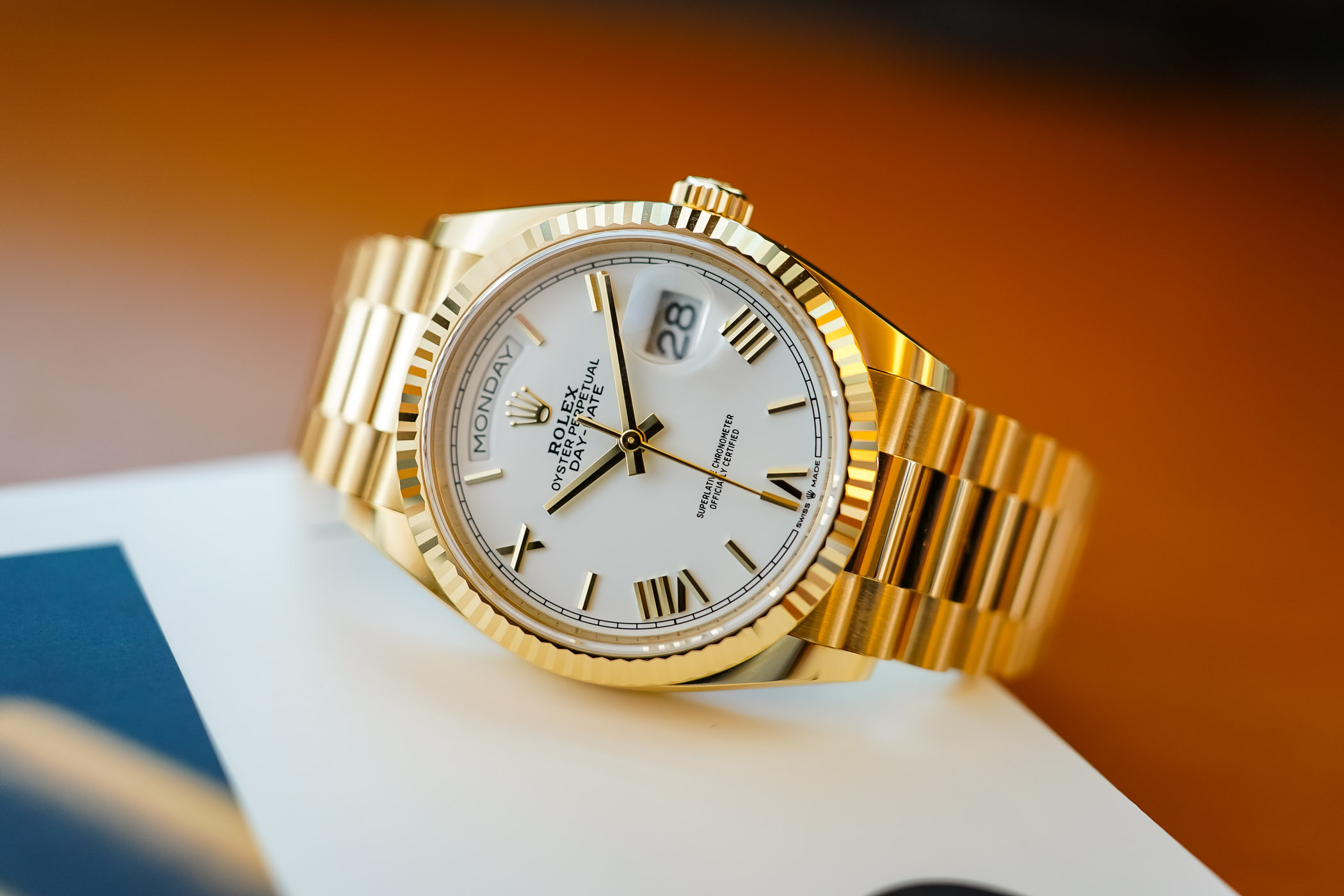
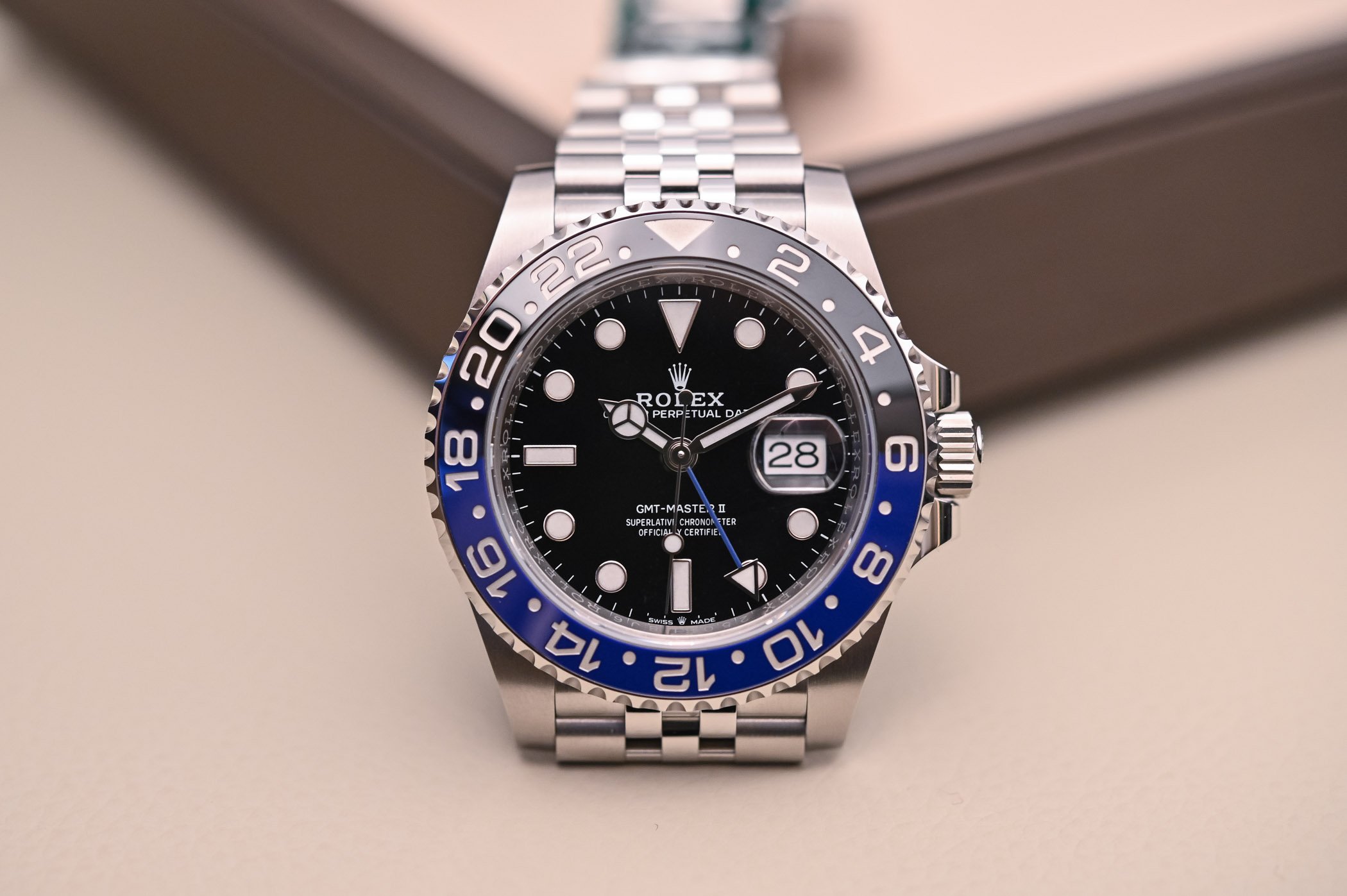
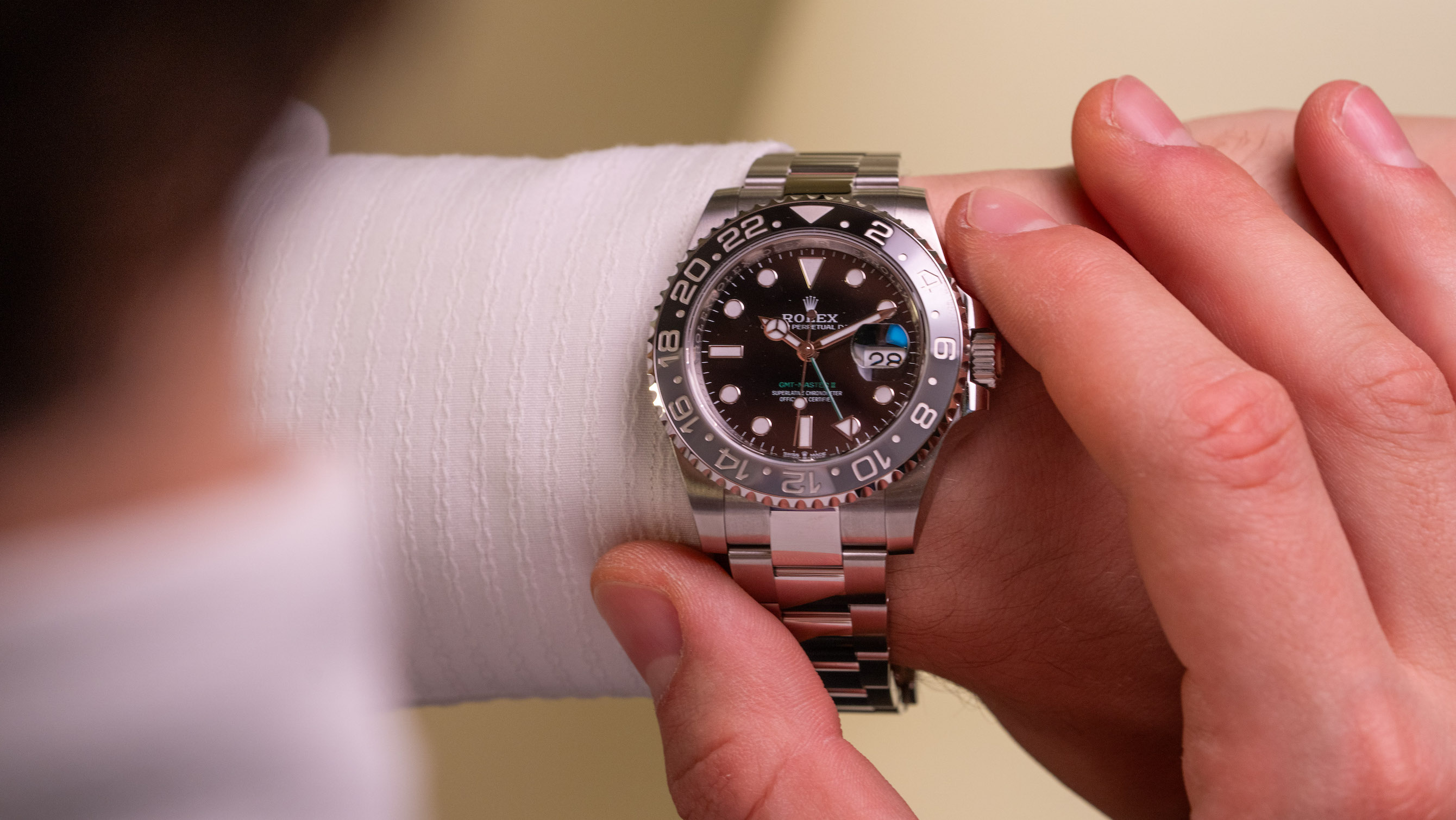
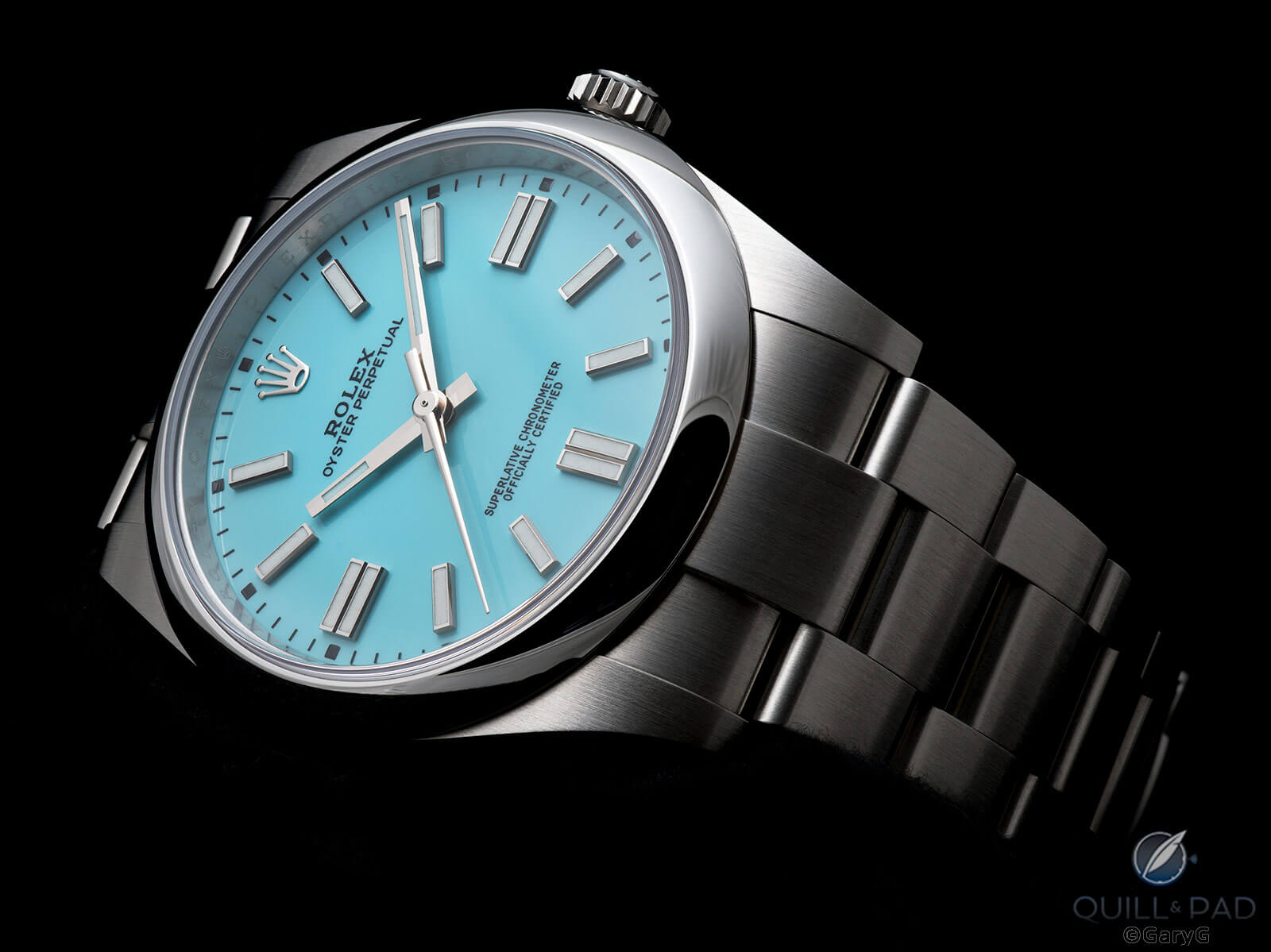
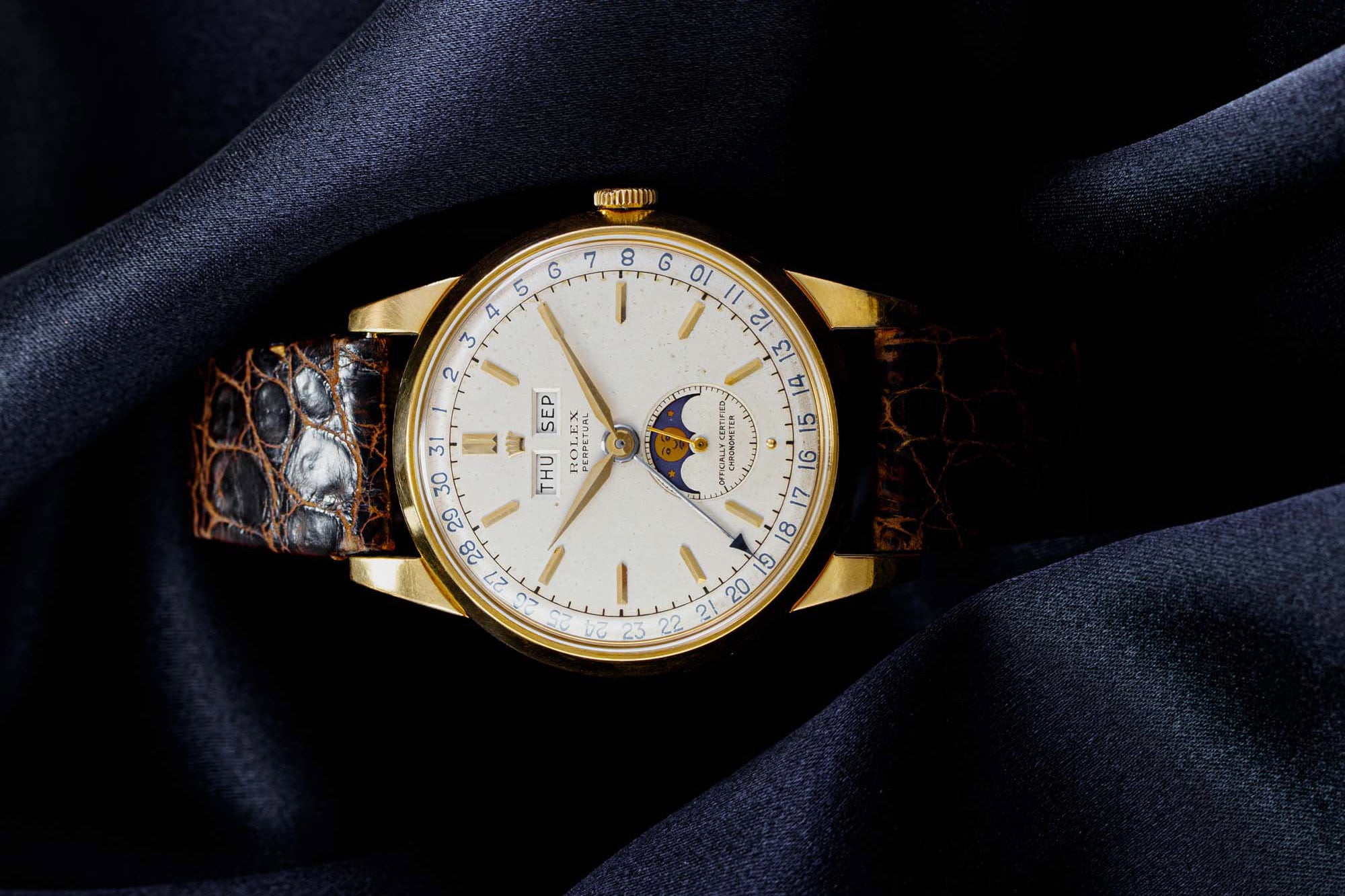
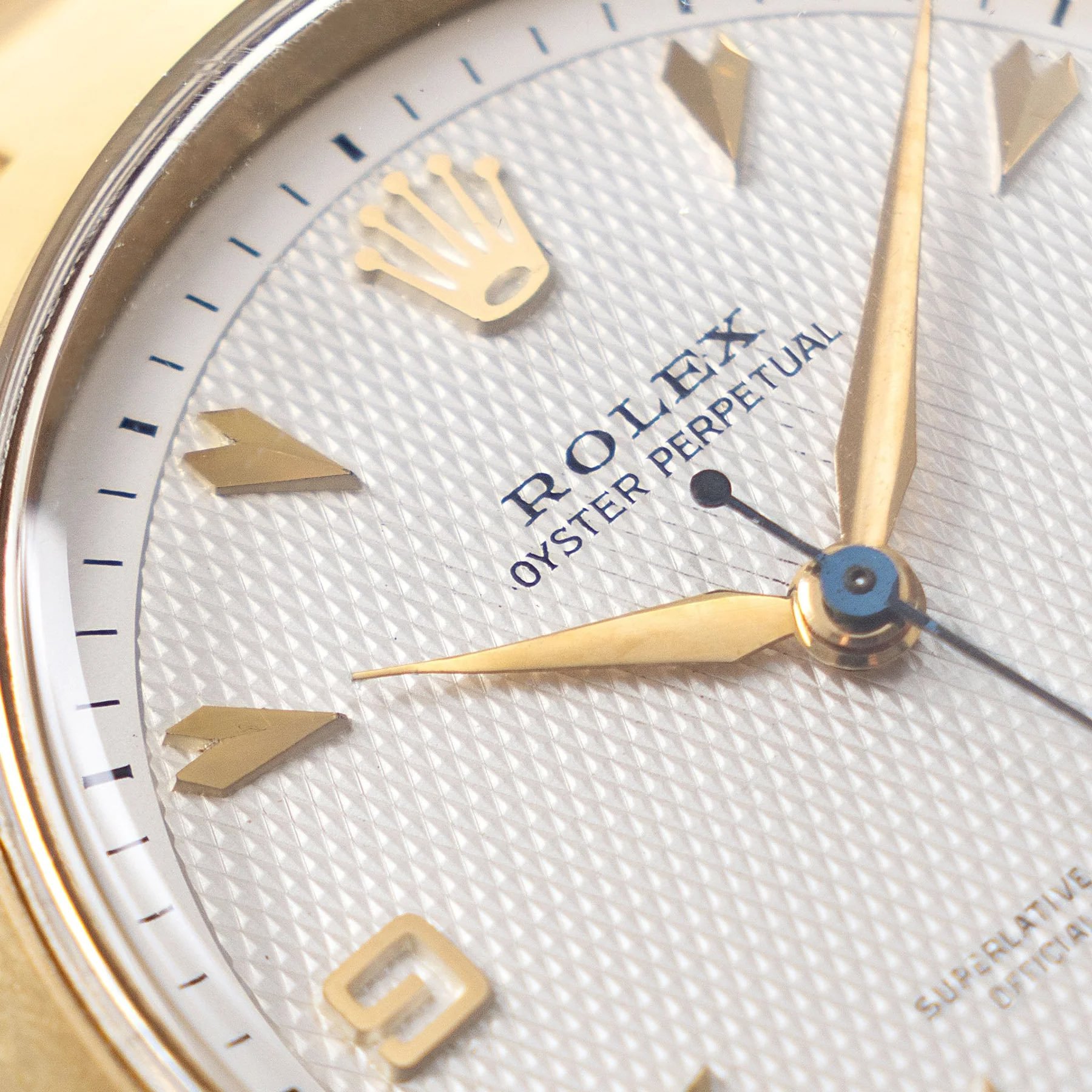
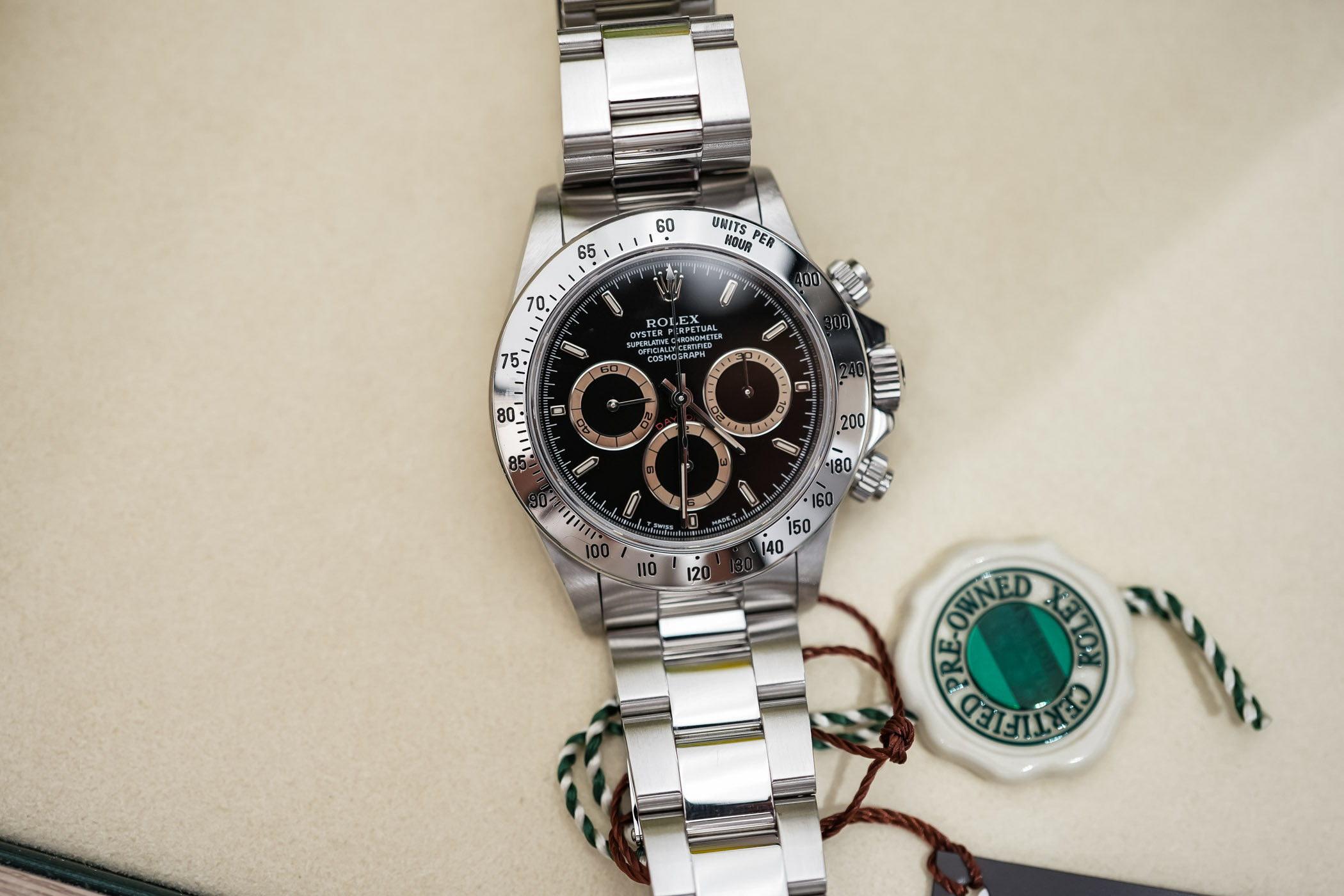
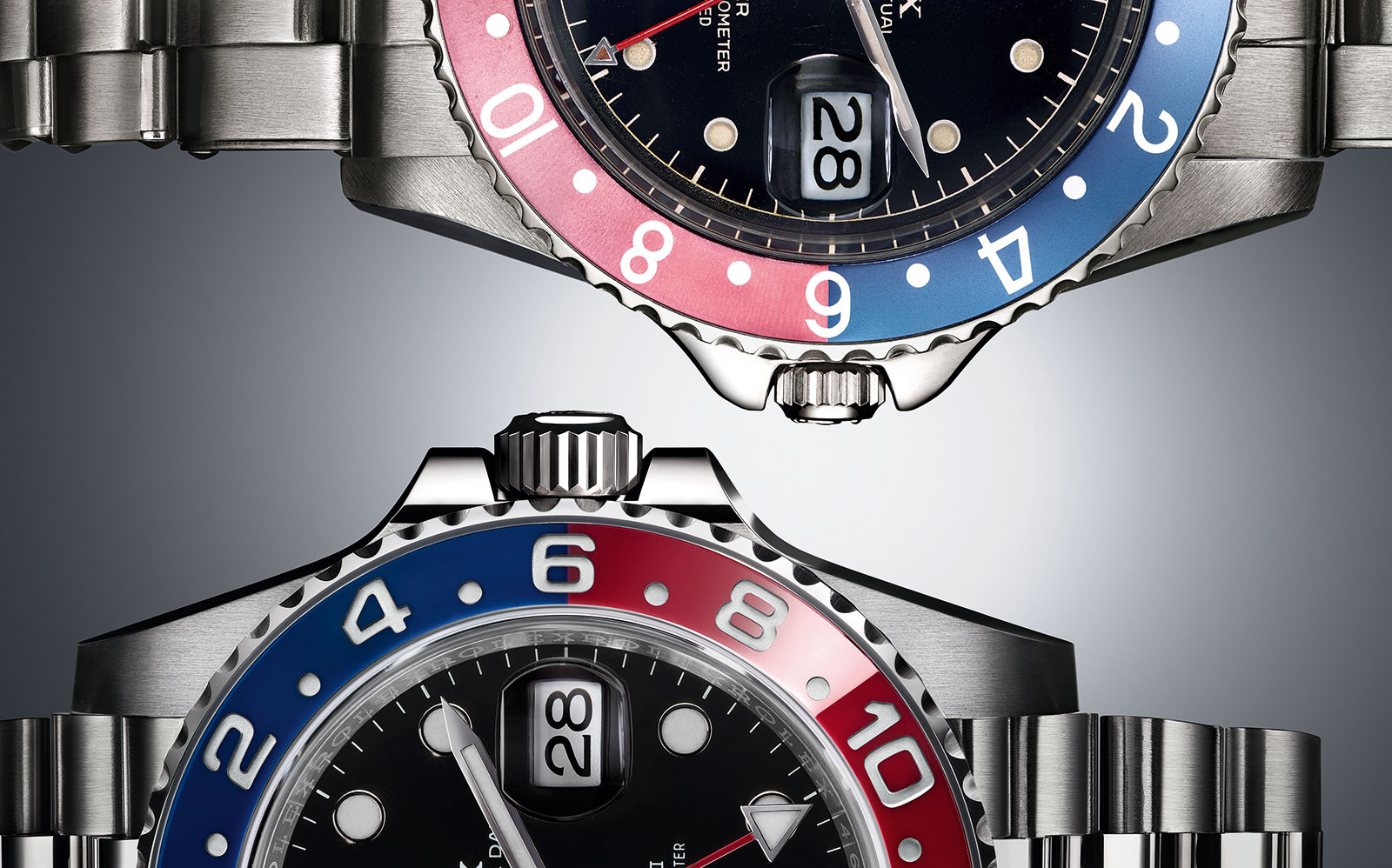
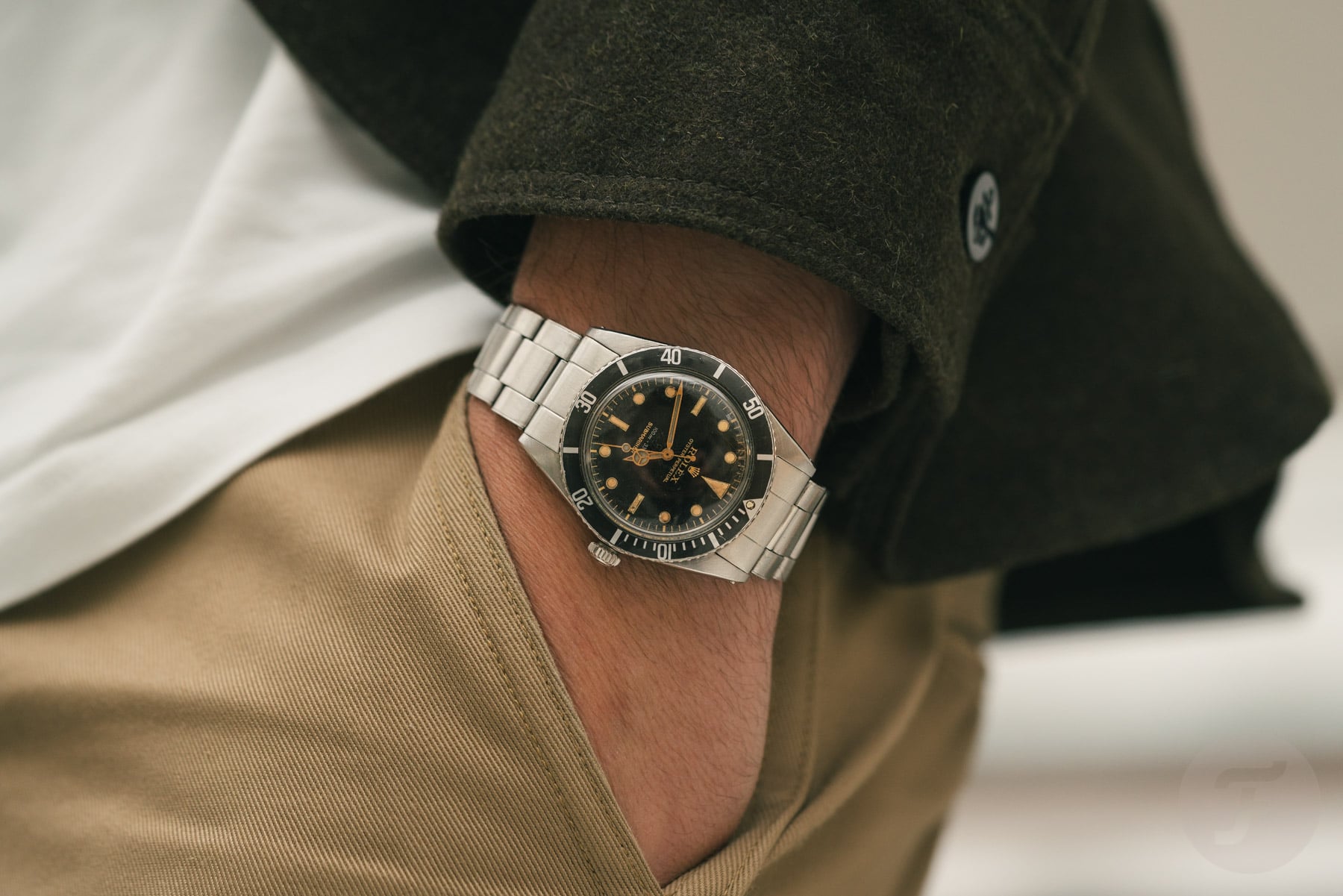
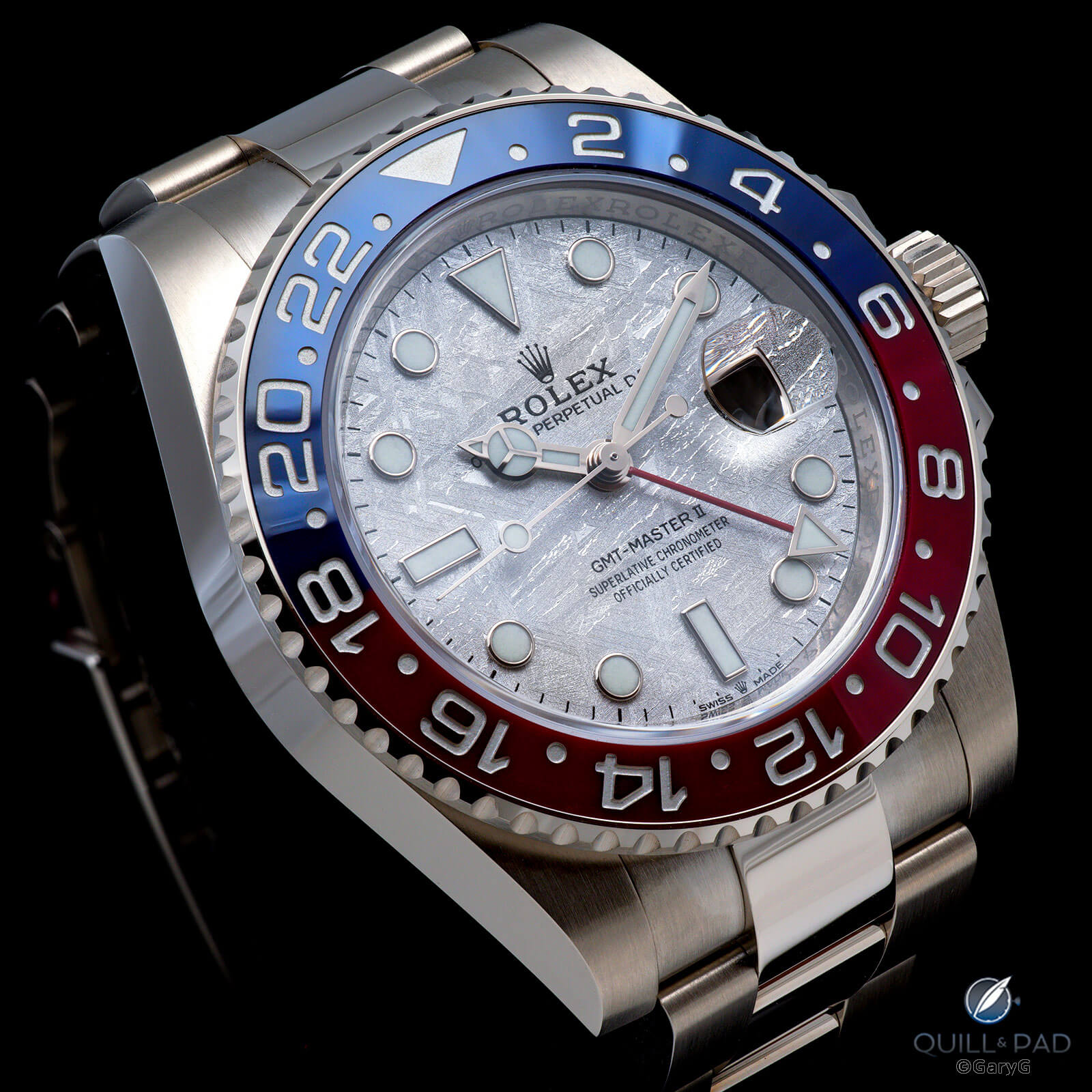
One aspect of a watch that is often overlooked - but ironically the one that is front and centre - is the dial. While often conservative in terms of design, Rolex is perhaps at its most expressive in the details of its dials, which blend classic elements with modern touches, all accomplished by modern manufacturing techniques and finishes. Even though a dial may seem simple on its face compared to the moving parts of the movement, dials are complex. Much goes into making a high quality dial, the dial blank, applied ornaments, surface finishing, gold indices, and more recently even grand feu enamel. A diamond-set dial for the Oyster Perpetual Day-Date Unsurprisingly Rolex takes dial making very seriously. Reflecting its long-term vision, Rolex has invested tremendously in every aspect of manufacturing wristwatches, including producing its own dials. Dial manufacturing of the highest quality, and at scale, is a challenge few have truly mastered. Rolex accomplished that with a dedicated dial-making facility in the Chêne-Bourg district of Geneva, located about 15 minutes from Rolex headquarters, where some 500 people work exclusively on dial conception, prototyping, and production. Notably, the Chêne-Bourg facility also does gem setting as well as the production of Cerachrom components like the GMT-Master II bezel insert. In-house dial making has given Rolex control of the entire process, allowing the brand to innovate, even in rethinking the very foundation of a dial, n...
 Fratello