 WristBuzz
Louis Vuitton Brings the Tambour Spin Time Back as a Permanent Piece
The rotating-cube hour display that debuted in 2009 is no longer a limited run. It's here to stay.
3,086 articles · 132 videos found · page 97 of 108
WristBuzz
The rotating-cube hour display that debuted in 2009 is no longer a limited run. It's here to stay.
 WristBuzz
Five new references, a refined 42mm case, and fresh dial colours mark the next chapter for TAG Heuer's most motorsport-driven Carrera.
 WristBuzz
Four new calibers in 12 months. The latest drops a flying tourbillon and a micro-rotor into a 39mm Laureato case, and it looks the part.
 WristBuzz
A 300-piece limited edition in 37.5mm makes one of Lange's most underrated complications feel genuinely new again.
 WristBuzz
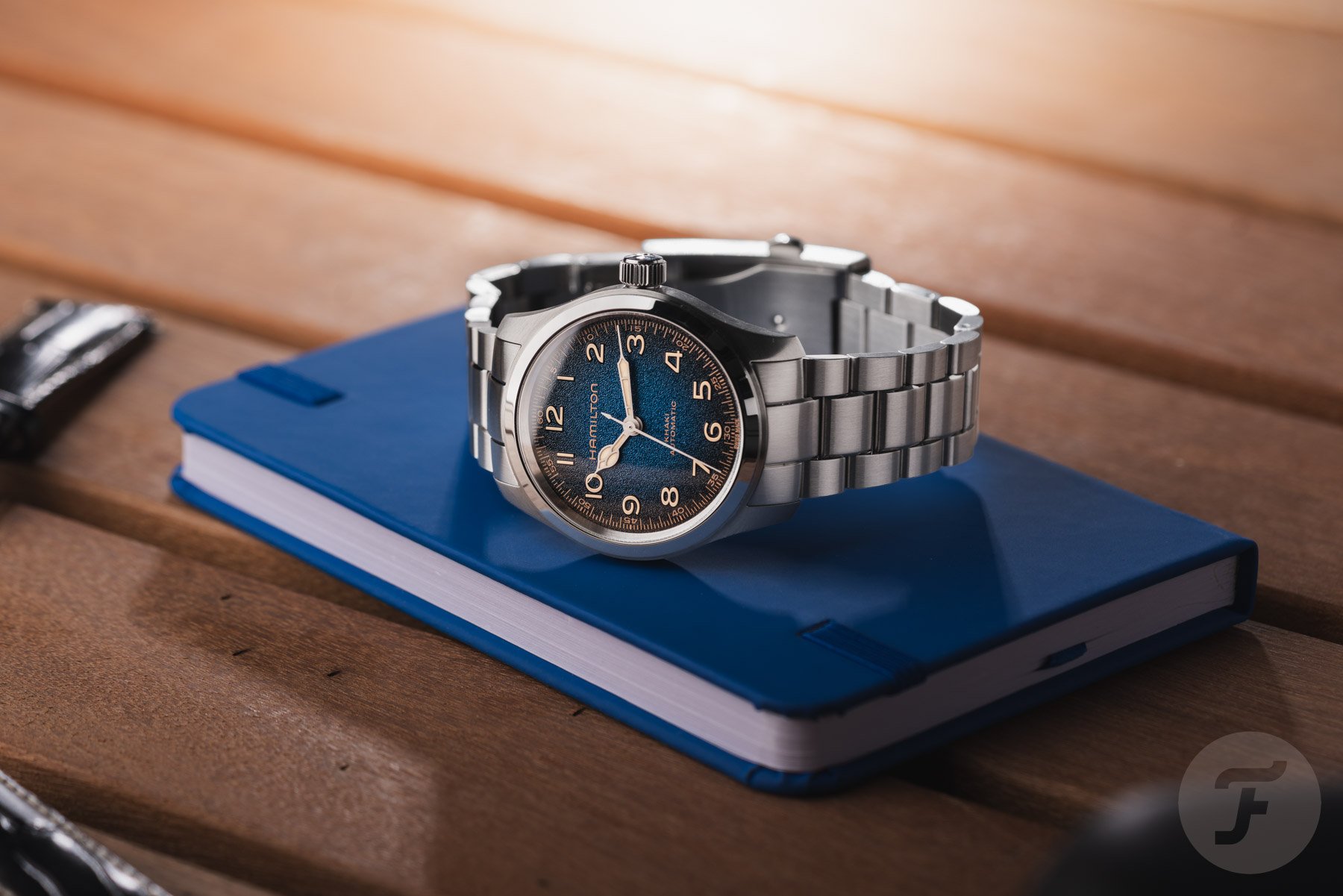
A textured blue dial breathes new life into the Interstellar-famous field watch
 Hodinkee
What We Know Today, amongst a slate of other launches and re-releases, Gallet — now a part of the Breitling "House of Brands" — lifted the curtain on the Gallet Multichron Pilot. The new watch takes the recipe of the original 1969 Multichron Pilot and updates it, and the result is a watch that is recognizable but also, arguably, the most contemporary model in the very fresh Gallet lineup. The new watch does borrow heavily from its namesake, and seeing the two watches next to each other highlights the similarities. The new Multichron Pilot is still a tri-compax chronograph, with a bi-directional twelve-hour bezel, pump pushers, stick hands, and cut-off arrow-shaped markers. By way of comparison, a vintage Gallet Multichron Pilot. Image, courtesy Analog Shift. But there are definite differences too, many of which are concessions to modern taste. For one thing, those cut-off arrow-shaped indices are now lumed instead of polished, but there's also a date — visible through an aperture at 6 o'clock — and while the telemeter remains on the new watch, the tachymeter (which appeared as a second scale on vintage examples) is omitted. The watch is also bigger than vintage Multichrons. The new watch has been upsized from 38 to 42mm, is 11.3mm thick, and measures 45.59mm lug-to-lug. At that size, the new Multichron Pilot is the largest watch in the new Gallet catalog but is still quite reasonable and a far cry from some of the oversized watches that still seem to populate Bre...
 Worn & Wound
Since its inception in 1969, Zenith’s groundbreaking El Primero movement – the first automatic, integrated, high-frequency chronograph caliber – has been synonymous with the classic complication. Now, Zenith takes the essence of this historically significant movement and highlights the high-frequency component with its first time-only application in the Chronomaster line. With the new Chronomaster Solo Sport, form and function go hand in hand. The three-hand display offers a design that is decidedly less sporty than its chronograph counterparts. However, the new collection continues a throughline we’ve seen within the Chronomaster lineup, making it both fresh and familiar to the model family. The Solo Sport has a 40mm build that fits well within the Chronomaster range of 37mm for the vintage-inspired revival models up to 41mm for the standard chronograph sport models. As we’ve also seen in the typical sport models, the Solo Sport models feature a ceramic, unidirectional rotating bezel. Ceramic extends to the dial, which presents a new “Z” pattern. Depending on the version – white, black, or brown – this pattern is engraved on either a sunray-finished white ceramic dial or a polished black or brown ceramic surface. Additionally, the black version is also offered in a no-date variant for a total of four Solo Sport styles. The “Z” motif is repeated once more on the stylization of the seconds hand. The more geometric elements of this dial design continue ...
 Hodinkee
What We Know Now in its sixth decade as one of the most famous movements in the industry, the El Primero remains at the heart of Zenith's offerings. To kick off Geneva Watch Days, Zenith is doing something slightly different, launching a Chronomaster Sport without a chronograph—the Chronomaster Solo Sport. The watch arrives in four variations: three with ceramic dials and bezels in black, white, and brown, plus a no-date option also in black. All four come in a 40mm stainless steel case with a ceramic unidirectional rotating bezel. The dial features hours, minutes, and seconds, with date added on three of the four references. Despite losing the chronograph, there's still a lot going on up top. The words "36,000 VpH" and "high frequency" alone take up two lines of the dial, and the subtle "shark tooth" minute track gives a nod to vintage Zenith references. The dial itself is ceramic, built around a repeated 45° Z motif meant to evoke the rhythm and vibration of the movement underneath—rendered as a sunray finish on the white version and a polished surface on the black and brown versions. That same pattern carries over to the counterweight on the seconds hand. The El Primero 3620 powers the watch, derived from the El Primero 3600 chronograph movement and operating at 5 Hz, or 36,000 VpH, while retaining the star-shaped rotor. It's equipped with a silicon escapement and a stop-second mechanism for precise time-setting, and it offers a 60-hour power reserve. Also featur...
 Worn & Wound
Fears has decided to add its first high complication by tackling one of the most complex of them all: the perpetual calendar. Charting new territory seems like just the right way to celebrate the brand’s 10th anniversary since its renaissance in 2016. The introduction of a QP to the flagship Brunswick line isn’t the only headline. The collection gets a new case architecture with wide polished bevels making it the thinnest Brunswick watch in the line at 9.4mm. The Brunswick has been a defining collection for Fears since its introduction in 2017, marking the first mechanical line of the modern era. Yet, the collection is also an homage to the brand’s past with a vintage-inspired cushion shape case, onion crown, and signature sector dial. The design mixes these aesthetics with distinct typography and numerals derived from a piece from the brand’s archives. It only feels fitting that this collection would serve as the foundation for Fears’ first high complication in 180 years.Even with the addition of day, date, month, year, and leap year indications that make up a perpetual calendar, Fears has managed to keep the Brunswick QP compact at just 39mm. When it comes to high complications, the composition of the movement is usually the main limiting factor when it comes to sizing. Here, we can thank the Dubois Depraz perpetual calendar module, atop a hand-finished Sellita SW300 as its base movement. This caliber has been modified specifically for this watch, giving it its...
 SJX Watches
Patek Philippe’s latest take on its flagship perpetual calendar is the In-Line Perpetual Calendar ref. 5236P-011 with a “gradient silver” dial. Though a cosmetic update to a model that’s only been in production since 2021, the new dial is unexpectedly appealing, giving the watch a striking different feel from its predecessors. Patek Philippe’s most advanced calendar movement, the cal. 31-260 PS QL inside the ref. 5236P is a latest-generation base movement matched with a newly-developed perpetual calendar module. The movement is now in the third generation of the reference; the ref. 5236P-011 replaces the ref. 5236P-010 with a “rose gilt” dial that was only in the catalogue for two years. Initial thoughts The ref. 5236P-011 is a new face for an existing model. Though the design remains unchanged, the dial finish that darkens towards the edges gives it a more modern feel. The composite strap adds to the modern feel, though the strap might be a bit too sporty for the watch. Paradoxically, the smoked dial finish also brings to mind aged or “tropical” dials on vintage watches. The rest of the watch stays the same, but it’s a good one. The ref. 5236P is an impressive watch in both technical and physical terms – it’s the brand’s most advanced perpetual calendar and also its largest. The size and weight are reassuring, and actually bring to mind complicated models from a rival brand from Germany. But the case is made up of lots of flat surfaces and entir...
 WristBuzz
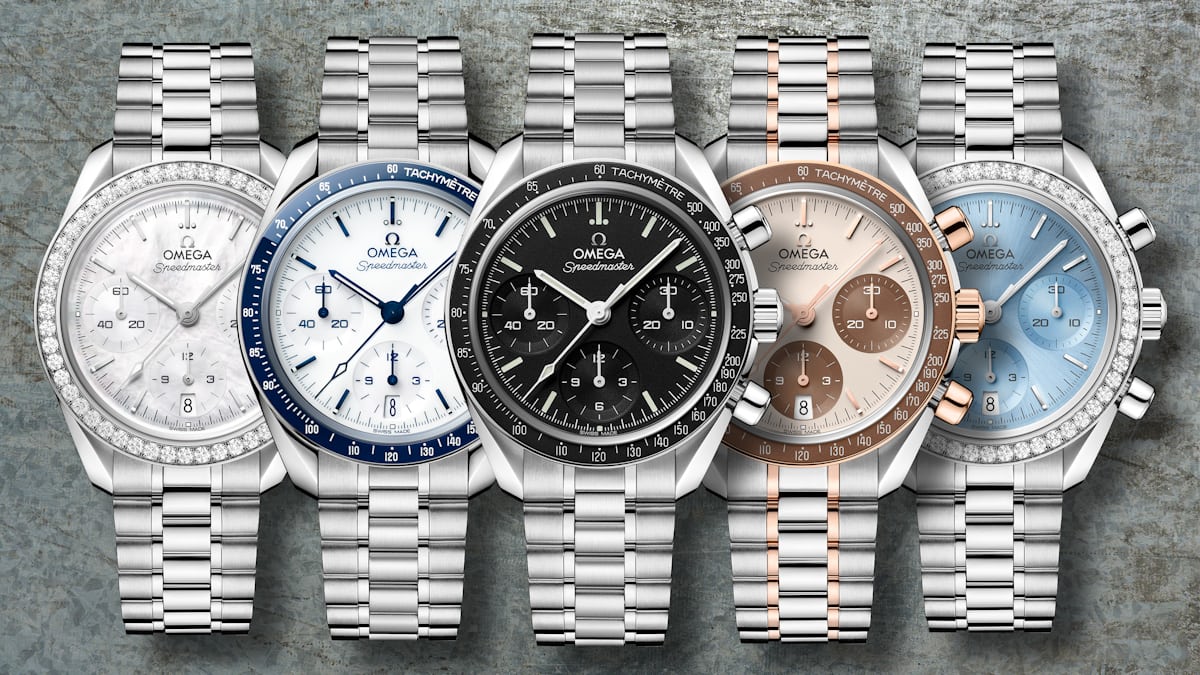
Round subdials are back. A no-date black-dial variant reads as a shrunk Moonwatch. Seven references, cal. 3330 / 3332 with silicon hairspring, prices from €6,400 to €12,900. This is the Speedmaster Reduced successor the community has been asking Omega for since 2014.
 Hodinkee
What We Know The 1950s were big years for Blancpain—first in 1953 with the introduction of the Fifty Fathoms, then a few short years later in 1956, when the Bathyscaphe arrived as a "civilian counterpart" as diving gained popularity. Revived in 2013, it's remained a core part of the modern Fifty Fathoms lineup ever since. We're not strangers to the Bathyscaphe here at Hodinkee, either—we teamed up with Blancpain on our own limited edition back in 2019. Today, to mark the Bathyscaphe's 70th anniversary, Blancpain is releasing a 300-piece limited edition that takes inspiration from the 1968 reference and updates it in all the right ways. The homage to the '68 piece is evident at a quick glance; the first thing I noticed was the vintage Blancpain logo, which sets the tone for what the brand is trying to do here. The sunburst meteor grey dial is lifted straight from the 1968 piece as well, as are the baton hands and indexes in 18k white gold, both filled with a vintage-colored Super-LumiNova that gives the lume a warmer, aged look straight out of the box. The steel bezel extends into a ring at the base of the box crystal—another detail pulled directly from the '68 watch—and its ceramic insert with lacquered numerals swaps out the original's black hesalite. That same fidelity carries through to the case. At 37.4mm in stainless steel, it's sized to match the 1968 piece on which it draws inspiration, rather than the smaller 35mm case Blancpain used on the original 1956 Ba...
 WristBuzz
A brand-new independent maison arrives with two escapements, one differential, and zero compromises
 SJX Watches
The many shapes of Cartier were on full display at Cartier during Watches & Wonders, where the brand released the Privé Les Opus, a trio of platinum models with burgundy accents to mark the 10th anniversary of the brand’s Privé collection. The Crash Squelette is the only all-new model — with a new open-worked calibre — and the only limited edition. The Tank Normale and Tortue Chronographe Monopoussoir tread little new ground, but the platinum-and-burgundy livery is easy to like, and manages to be both distinctive and discreet. Initial thoughts Cartier occupies an enviable position in the luxury watch landscape, being the only brand among the top 10 luxury watchmakers (by revenue) with a sizable jewellery business. Perhaps for this reason, it’s also the only brand to achieve this level of success primarily on the basis of design, rather than technical innovation or haute horlogerie complications. The Opus trio proves why. Cartier earned its reputation as the “watchmaker of shapes” over more than a century, and today enjoys a rich back catalogue of designs. The three models chosen to represent the 10th anniversary of the brand’s high-end Privé line — the Tank Normale, the Crash, and the Tortue Monopoussoir — are among the fan favourites. The Tank Normale — especially on this bracelet — is one of my favourite Cartier models, offering a truly vintage look with modern build quality. Reflecting Cartier’s growth as an industrial watchmaker, each watch...
 WristBuzz
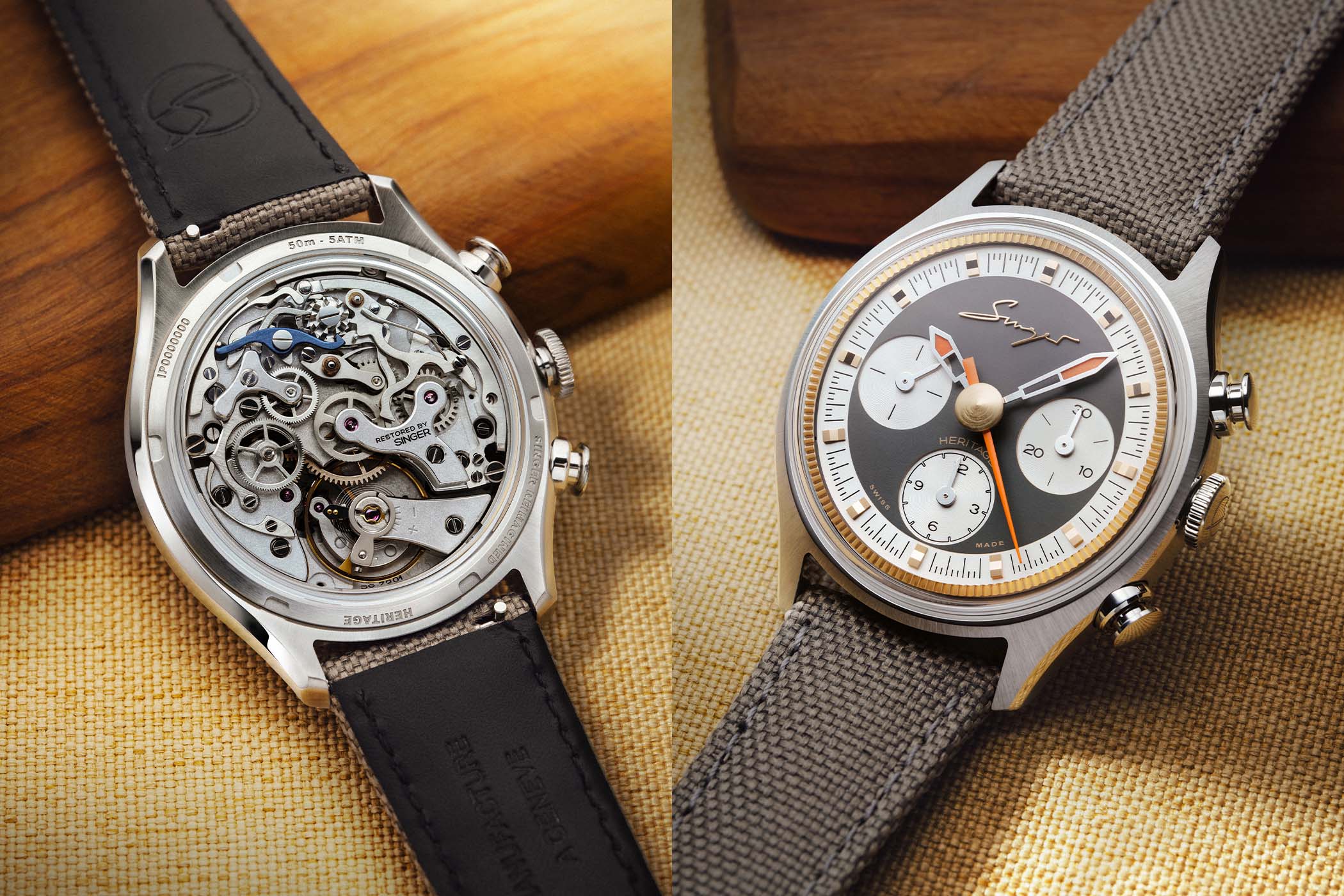
Singer's latest Heritage piece pairs a new-old-stock Valjoux 72 with finishing work that puts the original factory job to shame.
 WristBuzz
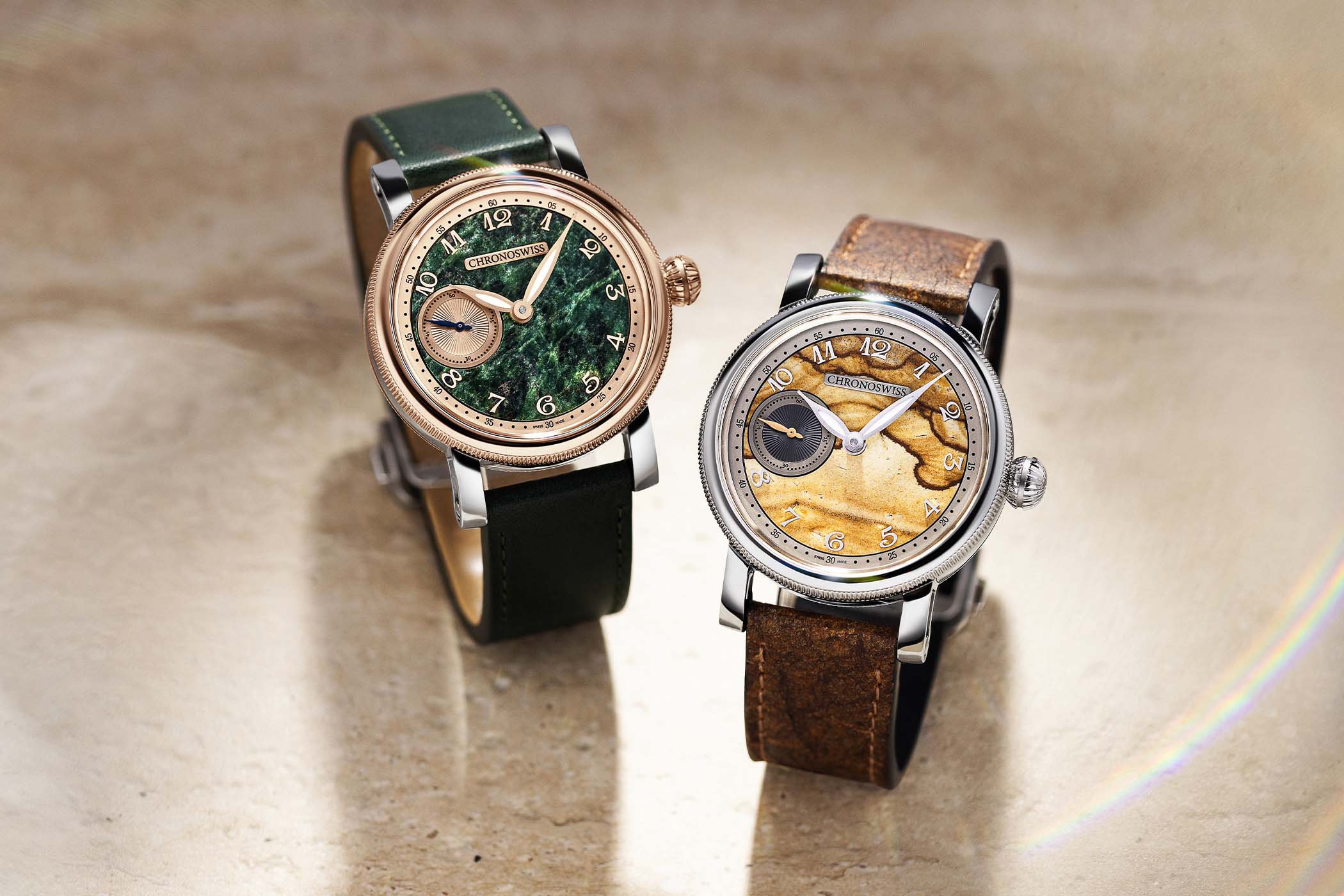
Two new limited editions bring natural stone dials to the Small Second collection for the first time in Chronoswiss's Modern Mechanical era
 Worn & Wound
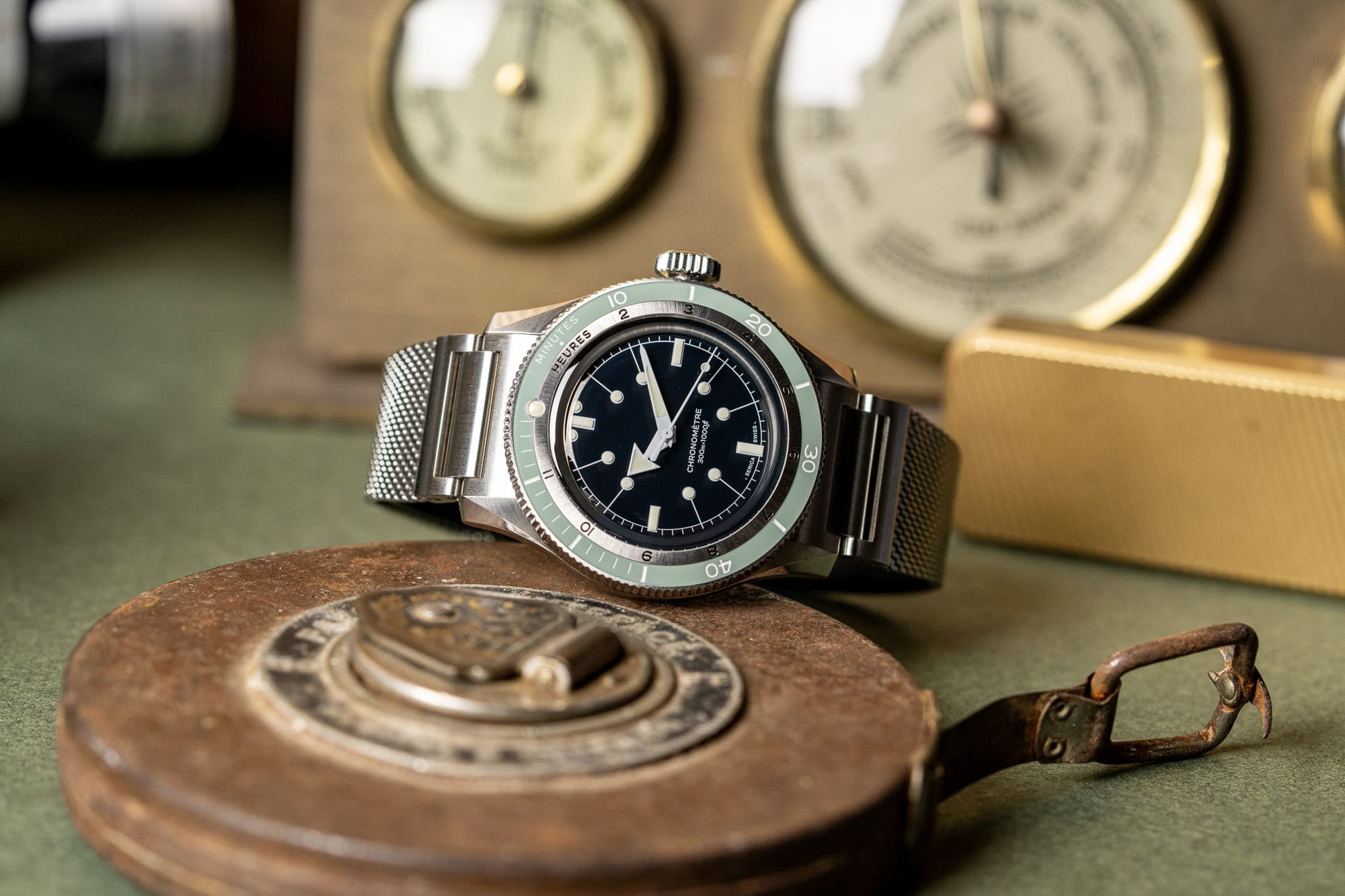
Over the last few years, Serica has emerged as one of these small indies or microbrands that has a real identity, seemingly right out of the gate. We often talk about brand like Ming, or Brew, or SpaceOne as new independents that are approachable and have a very distinct design language that you can recognize from across the room, but those brands have a cheat code of sorts in that they make watches that are unapologetically contemporary, or even looking toward the future. Having a genuinely unique perspective aesthetically when you trade in watches that have a vintage vibe about them is a very different proposition. It’s honestly very tough to think of a brand other than Serica that has attempted to do this and managed to pull it off so effectively. The trick, I think, is that they’ve never attempted to actually recreate anything specific from the past. Rather, they’re inspired by vintage design codes, but feel a sense of freedom to interpret those ideas through their own lens. It’s not a modern lens, necessarily (I think that’s where a lot of brands get tripped up, trying to combine the aesthetic of a bunch of different eras in a single watch), but more of an imagined past, or alternate history. Serica is not the only brand to take an approach like this. Isotope and Albishorn have both worked in a similar fashion in recent years, sometimes explicitly developing an elaborate fictional narrative to explain a watch (as is the case with Albishorn), and sometime...
 WristBuzz
No crown, no hands, an oil-filled dial and a founder from industrial design. Ressence started in Antwerp in 2010 and just released its first fully in-house calibre. here is the whole story.
 Worn & Wound
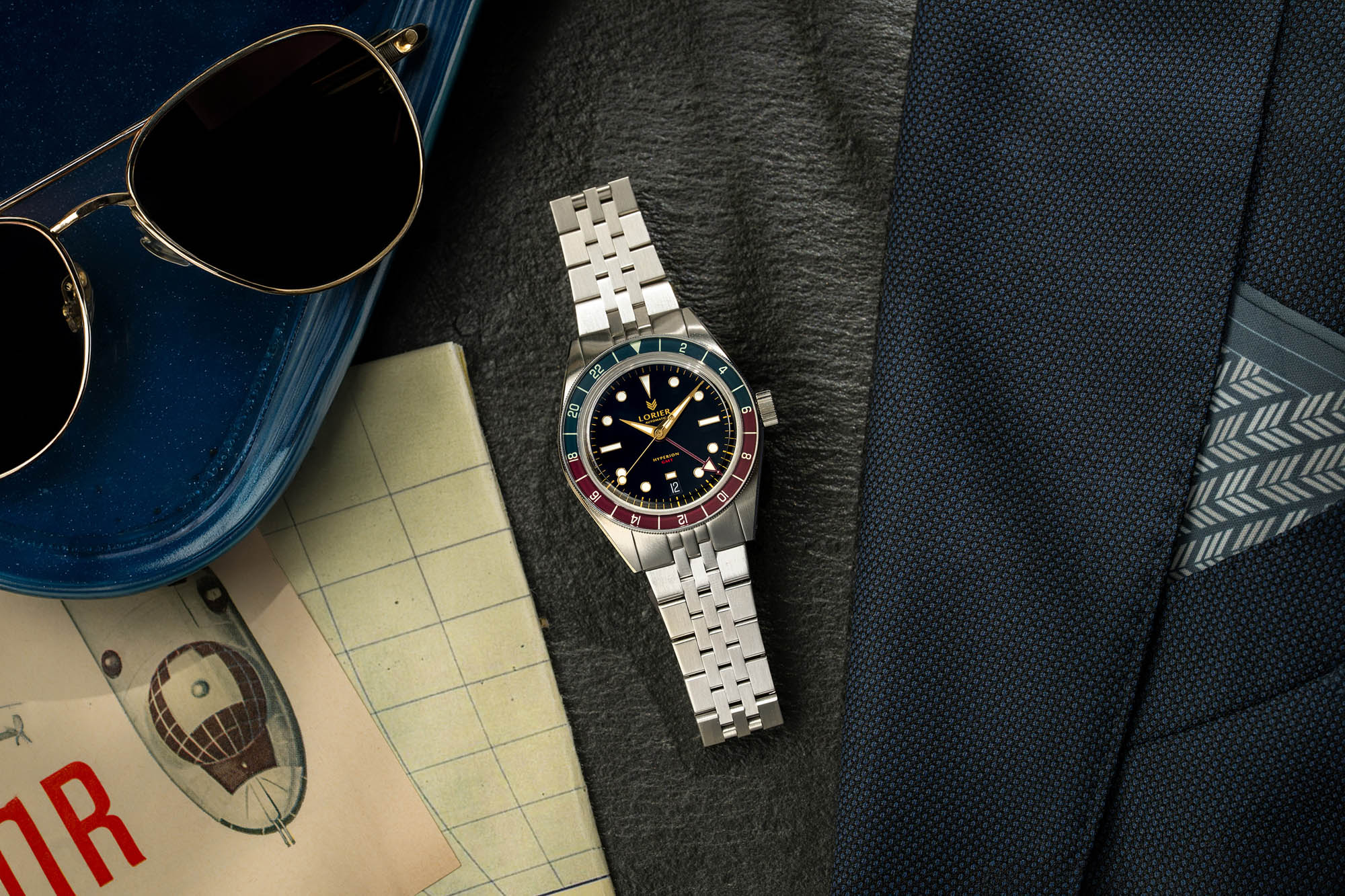
Editor’s Note: Lorier is owned by Worn & Wound. This article was produced by Worn & Wound’s editorial team, which operates independently of the company’s business and brand operations. If you’re a loyal reader of Worn & Wound, you’ve probably seen the news that Lorier has been brought into the fold. The world of microbrand watches, like any start-up industry, is full-to-bursting with innovation and the craziness that follows, and this new partnership is a great way to keep the boundary-pushing designs flowing. So, with the announcement just barely out the door, we have four re-introduced Lorier models on the way, and long-time fans of the brand will be pleased to see some favorites on the docket. First up is the re-release of the sleek, dressy Astra; at 36mm in case diameter and 8.8mm in thickness, the Astra is meant to invoke everyday elegance with a touch of tool watch functionality. The original watch followed Lorier’s vintage-inspired cues, and emphasized the small size but robust finish, placing it firmly in the dressy-sport watch category. This new model, however, takes both sides of that coin to more elevated heights, and stronger tool watch conventions. A Miyota 9039 automatic movement forms the heart of the watch, boasting a 100-meter water resistance rating, and a sapphire crystal protects the dial. Without a date window, the dial of the Astra maintains its distraction-free aesthetic, and adds dimensionality via a silver-white base that catches ligh...
 WristBuzz
Three new Top times, one very specific 1963 Aston martin. wooden inner chapter ring, squircle sub-dials, Cal. B01 inside. Steel, steel-and-platinum, red gold, 1587 pieces in total.
 Worn & Wound
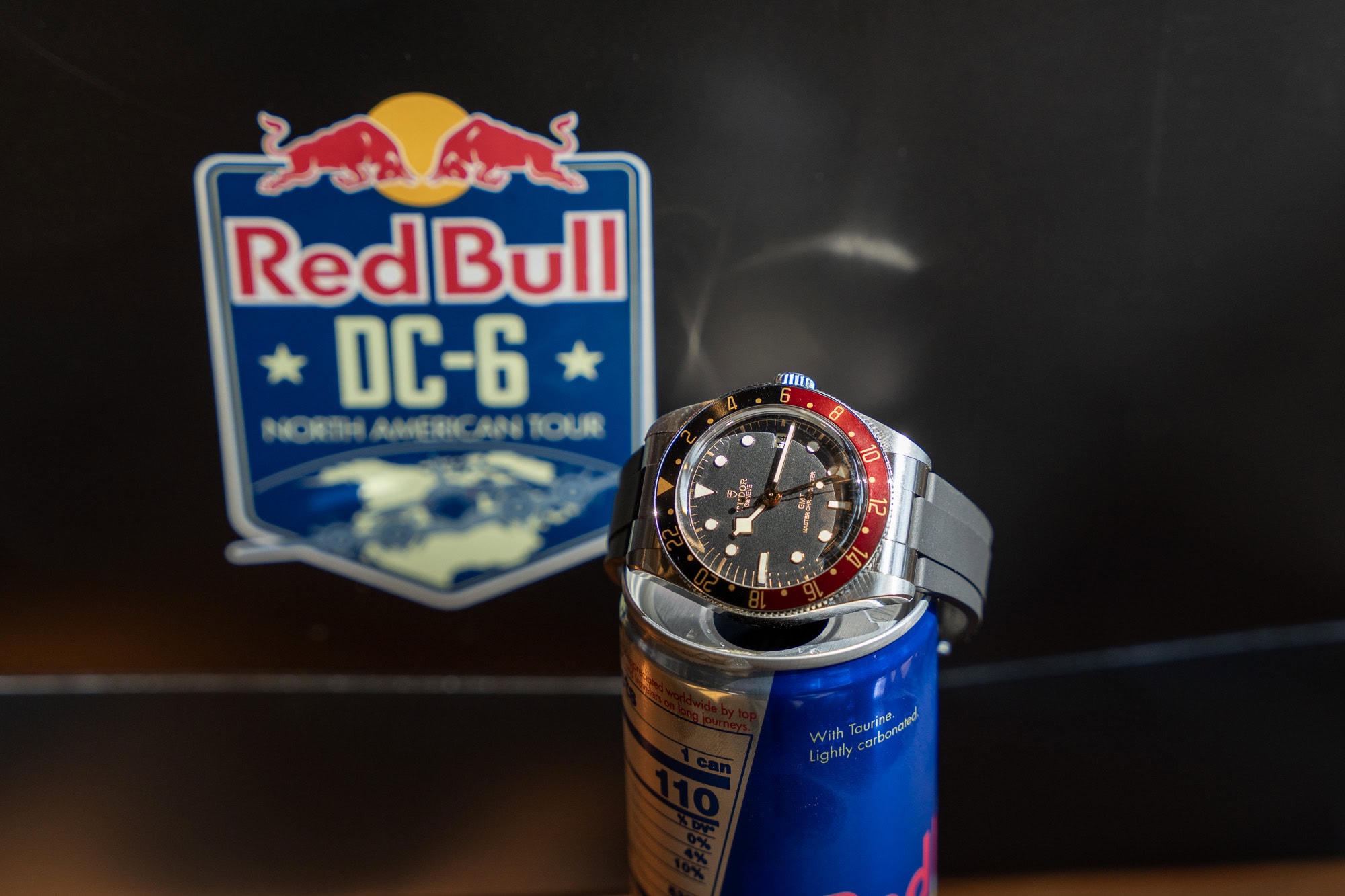
If there’s one thing I’ve learned from being in the watch industry, it’s that you never know when you’ll have the opportunity to do something unique, and that saying “yes” to something without having all of the details might result in a rare, or even once in a lifetime experience. With that in mind, let me set the stage for how I found myself 1,000 feet above Manhattan in a 1958 DC-6B, piloted by The Flying Bulls. Early this month, I received a rather vague invitation to a ”Red Bull Flying Bulls thing with Tudor” immediately after returning from our Chicago Windup Watch Fair, and that it “involves a very early morning flight on a very old plane”. While I’d usually ask a million questions and try to get every detail that I could before committing to something, in the interest of being just a touch more spontaneous, I couldn’t respond “I’m intrigued, count me in” fast enough. As we got closer to the event, I’d come to learn that the “old plane” in question was a beautifully restored 1958 DC-6B and the “very early morning” meant arriving at the Meatpacking Tudor Boutique at 7 AM. Once everyone arrived, our small crew began heading up to White Plains FBO, which I later learned was named Million Air. Not long into the ride, we were presented with a briefcase of loaner watches, ranging from the Tudor Ranger in 36mm “Dune” and 39mm “Black”, or the Black Bay 58 GMT on either the new five link bracelet or classic rubber strap. While...
 WatchAdvice
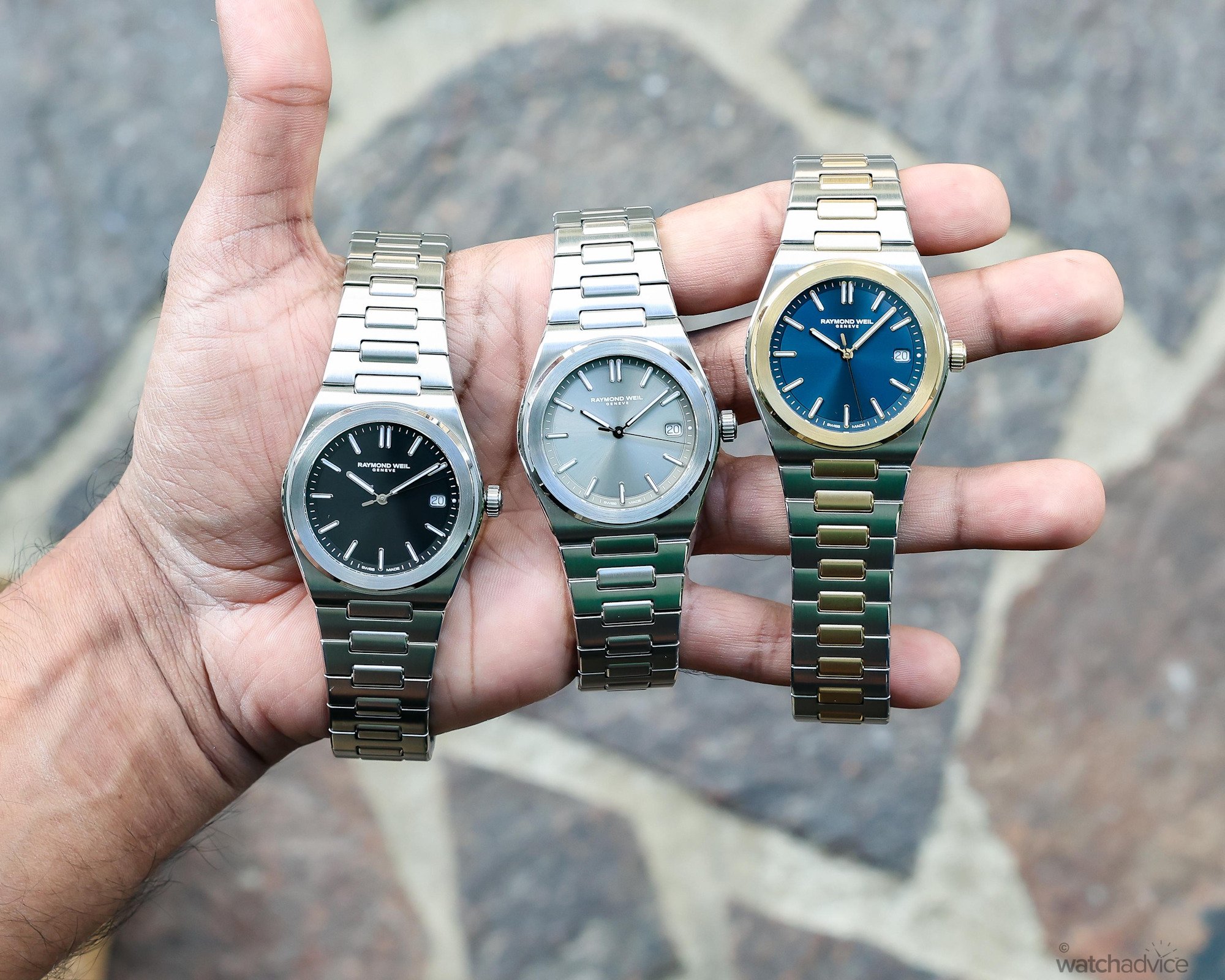
Raymond Weil’s first integrated-bracelet sports watch blends 1970s inspiration with compact proportions and accessible contemporary luxury. What We Love A design inspired by 1970s integrated-bracelet watches Strong variety of colours and finishes Excellent integrated-bracelet option for the price What We Don’t No bracelet micro-adjustment Dial finishing could have more character Movement could offer greater autonomy Overall Rating: 8.4/10 Value for Money: 8.5/10 Wearability: 8.5/10 Design: 8/10 Build Quality: 8.5/10 Raymond Weil has gone through quite a resurgence over the last couple of years, bringing the brand back into the spotlight and creating watches with genuine substance behind them. The Millésime collection, for example, helped reposition Raymond Weil when it was introduced in 2023, combining vintage-inspired styling with thoughtful design. It also won the Challenge Watch Prize at the 2023 Grand Prix d’Horlogerie de Genève, showing just how well received the collection was. Raymond Weil Millésime Tri-Compax Review – The Best Colourway Yet? Since then, the brand has continued building on the collection, introducing various complications and aesthetic interpretations to keep it evolving. In fact, I loved the 2025 Millésime Tri-Compax Chronograph so much (see the review above!) that after having it in my hands for just 30 minutes, I placed an order for one! However, Raymond Weil’s resurgence cannot be built on the Millésime collection alone. This ...
 WatchAdvice
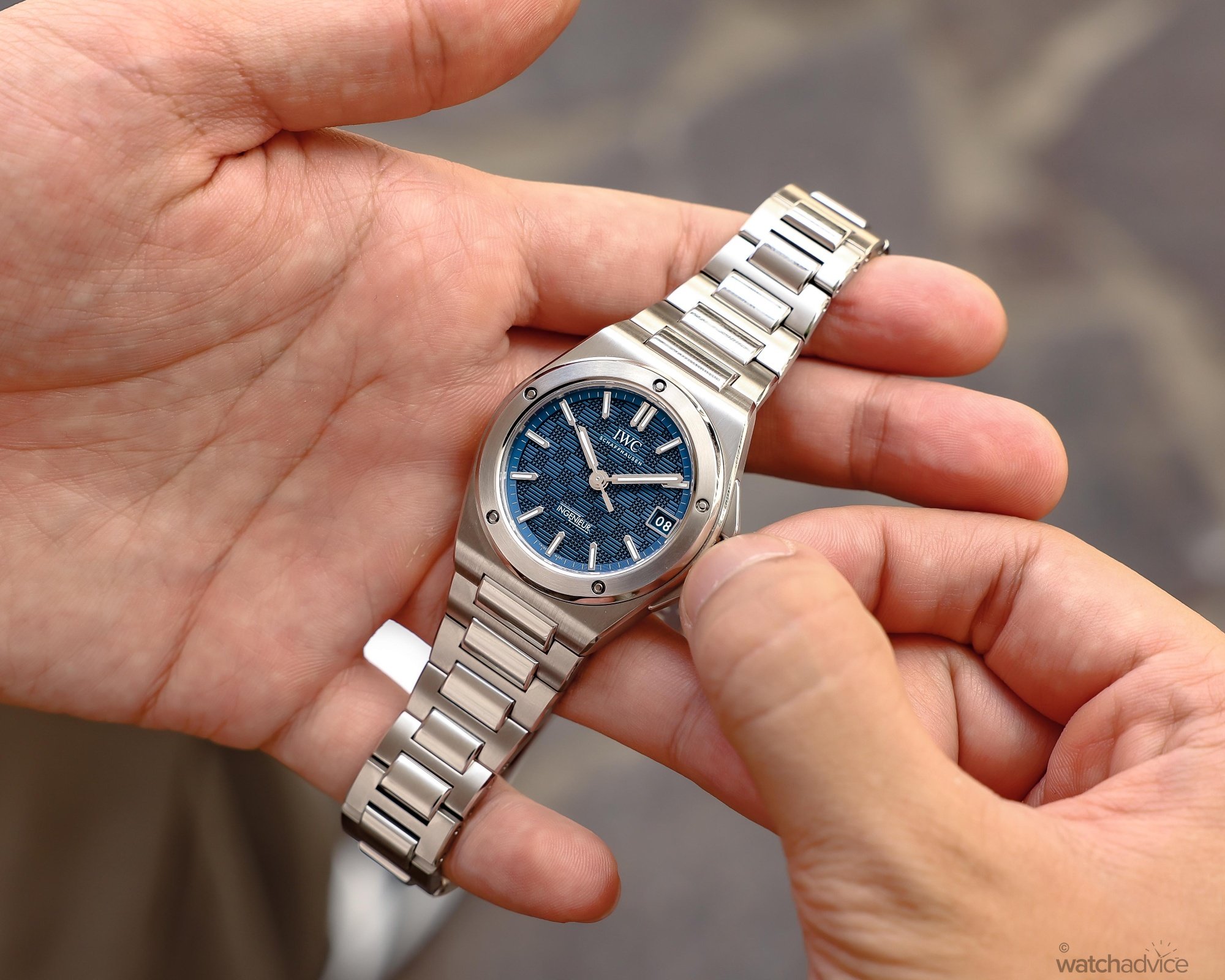
The IWC Ingenieur 35 comes in a smaller package – but does it still make the same big impact? Let’s find out! What We Love: A well-wearing compact case Smartly proportioned without compromise Unisex appeal for the size What We Don’t: No micro-adjustment a missed opportunity Butterfly clasp felt fiddly What does IWC want the Ingenieur to be? Overall Rating: 8.5/10 Value for Money: 8/10 Wearability: 8/10 Design: 10/10 Build Quality: 8/10 It’s a small world these days. Rapid communication, travel, and deeply connected economies are bringing everything closer than ever, and people are becoming increasingly accustomed to the appeal of compaction. No industry has been able to completely ignore the effects of downsizing, and in the watch world, that shift couldn’t be more apparent. Once considered the hallmark of vintage taste or dedicated enthusiasm, the small watch has found itself in high demand. More than simply a correction of a trend, consumers are increasingly drawn towards intent and proportion over hyper-tangible, bold statement pieces. Compelling watchmaking is no longer measured by square footage, and brands around the world have shifted to meet consumers where they are. This is especially apparent with the IWC Ingenieur as it exists today. Reimagined by Gerald Genta as a “Jumbo” model measuring 40mm in diameter, Genta’s revision earned fame for its ability to command presence through pragmatic minimalism and bold lines. When IWC re-released the col...
 Hodinkee
What We Know Just when you thought it was safe to go back in the water (sorry), California-based retailer Topper Jewelers has released a limited edition take on Doxa's recently refreshed SUB 200 T.Graph II. This crispy, white-dialed variant comes fast on the heels of Doxa's own re-issue of its legendary dive chronograph. The name "Great White" obviously references the dial color, but is also a tribute to the Bay Area's notorious offshore aquatic apex predators, Carcharodon carcharias, the great white shark. To refresh your memory, the T.Graph was Doxa's first dive chronograph, originally released in 1969 with three dial color versions—Professional (orange), Sharkhunter (black), and Searambler (silver). Horological historians tend to agree that only 300 of each color were made, making it a rare and coveted watch for vintage collectors and Doxaphiles. While a limited-edition version was released back in 2017, including a solid-gold variant, Doxa finally rewarded fans last month with the non-limited T.Graph II. This new evolution is a faithful interpretation, but updated with a slimmer case, automatic movement, and a new (for the chronograph) colorway—the Caribbean (blue). Now, in limited numbers, comes the further-evolved "Great White" from Doxa retailer Topper, based in Burlingame, California. This isn't Topper's first foray into Doxa limited editions. Two years ago, the company collaborated with the Swiss brand on a "Great White" SUB 300 that sported a pearly white dia...
 WatchRider
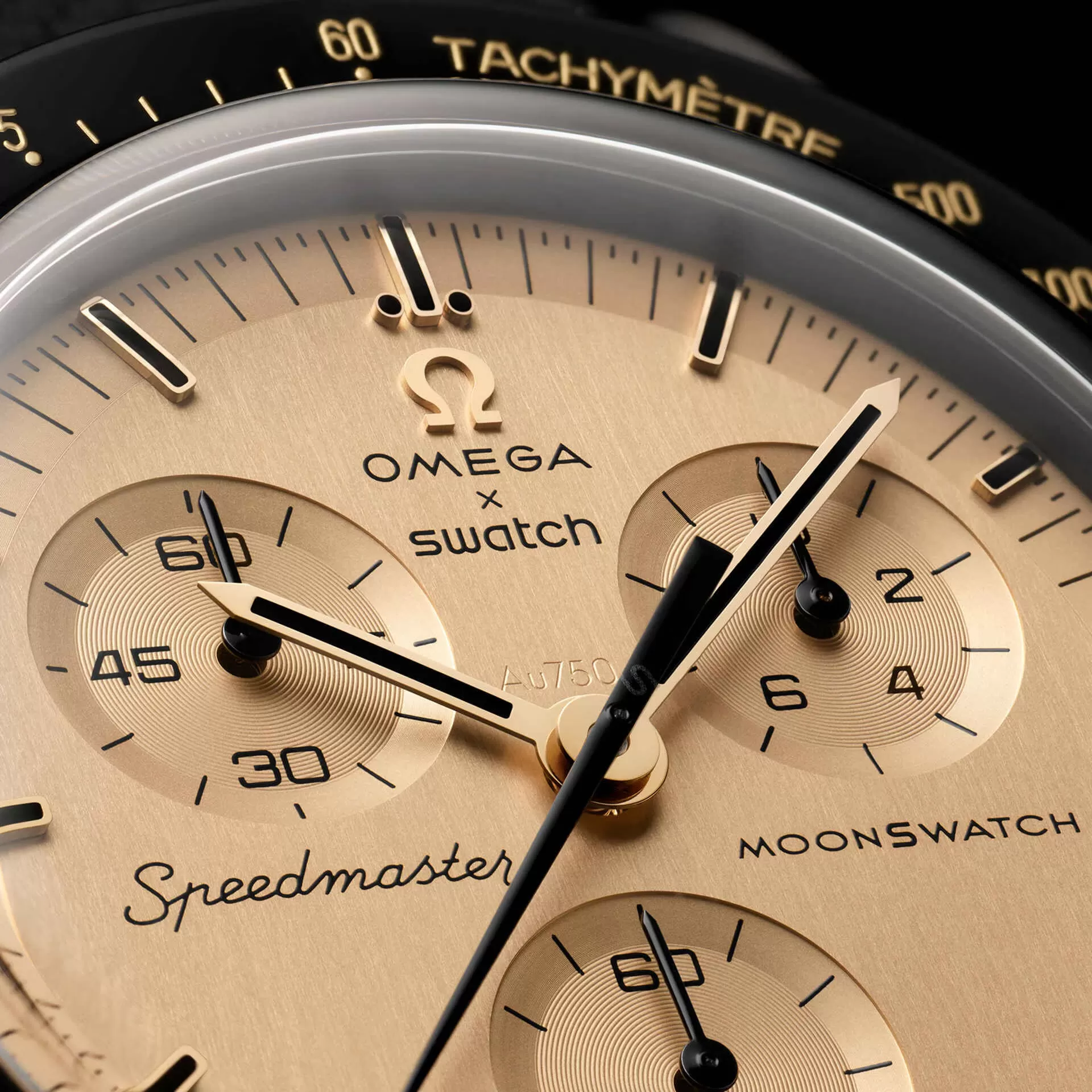
Let’s be honest: being a watch enthusiast often involves making some highly questionable life choices in the name of horology. I should know. Back in 2022, I literally boarded a plane and flew to London just to hunt down the Swatch Mission to Uranus. I secured the pale blue prize, and then… I scratched it on the very first day. But time heals all wounds, and Swatch has just dropped something that is pulling me right back into the gravitational pull of the MoonSwatch madness. Enter the brand-new, ultra-exclusive Mission to the Moon 1969. The “Mission to the Moon 1969” is not just another cosmetic color swap. It is a highly exclusive, 1,969 piece limited-edition release that bridges the gap between affordable hype and true luxury watchmaking. Here are the details that make this particular release a genuine collector’s fever dream: It’s Made of Actual, Re-Smelted Omega History Unlike previous “Mission to Moonshine Gold” editions, which only featured a gold-plated seconds hand, the Mission to the Moon 1969 is absolutely dripping in real gold. The watch features a solid 18-karat Moonshine Gold dial, hands, crown, and chronograph pushers, totalling exactly 11 grams of gold (a clever, playful nod to the Apollo 11 mission number). But the real magic is in the gold’s lineage. Rather than sourcing new gold, Swatch melted down actual vintage Omega spare parts dating back to 1969 using their in-house foundry. When you wear this watch, you are wearing a phy...
 Worn & Wound
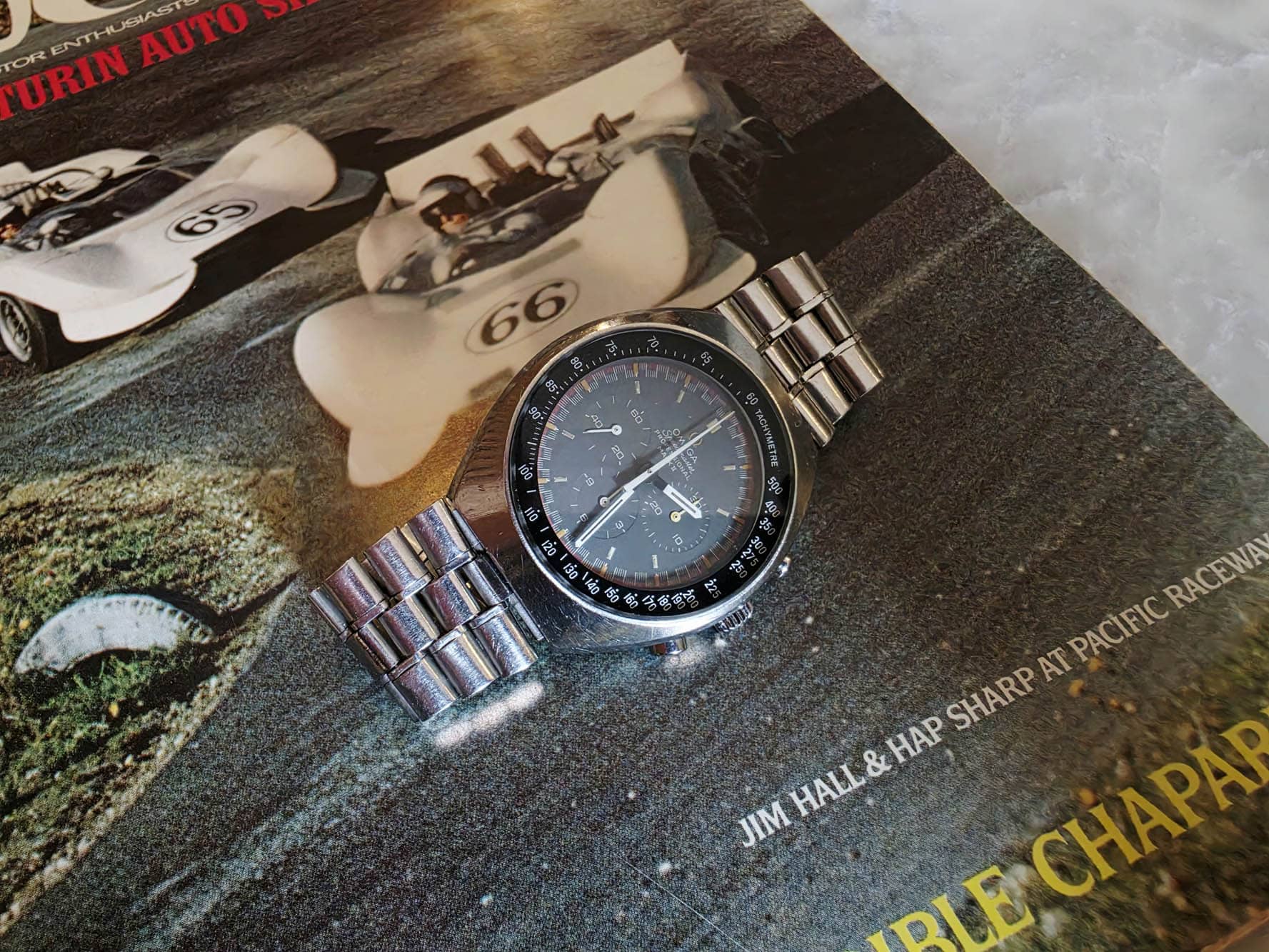
For better or worse, but likely worse, I have always attempted to be an iconoclast. When the iPod debuted, I eschewed it for an oddball Korean MP3 player, which I loaded up with nu-metal at a time when all my fellow high school students were evolving into emo kids. I shamelessly drive a 38-year old Saab instead of the Porsche that I thought I could own by this age. And it’s a mentality that has extended into my watch enthusiasm as well: whenever the perennially popular Omega Speedmaster Professional sometimes seems like one of the only watches that exists among enthusiasts and lifestyle publications alike, I look at Omega’s adjacent, oddball chronographs that were in development around the same time as the moon landing. Such as the Flightmaster: an Omega chronograph which also has an enviable space legacy, hewn from a single block of Swedish steel, same as the aforementioned Saab. View this post on Instagram A post shared by Blake Z. Rong (@bzrong) But it’s the Speedmaster’s sequel that commands my attention: once envisioned as a permanent successor to the Moonwatch, the Mark II Speedmaster is as bold as any seventies chronograph, worthy of the original’s lofty aspirations. I came across this watch at Theo’s Haberdashery, a recently-opened vintage shop that highlights vintage Americana. Think woolen pennants for the Brooklyn Dodgers, Playboy matchbook covers, turquoise jewelry and custom-rolled cigars, complete with a 1950s Dodge flatbed truck parke...
 WristBuzz
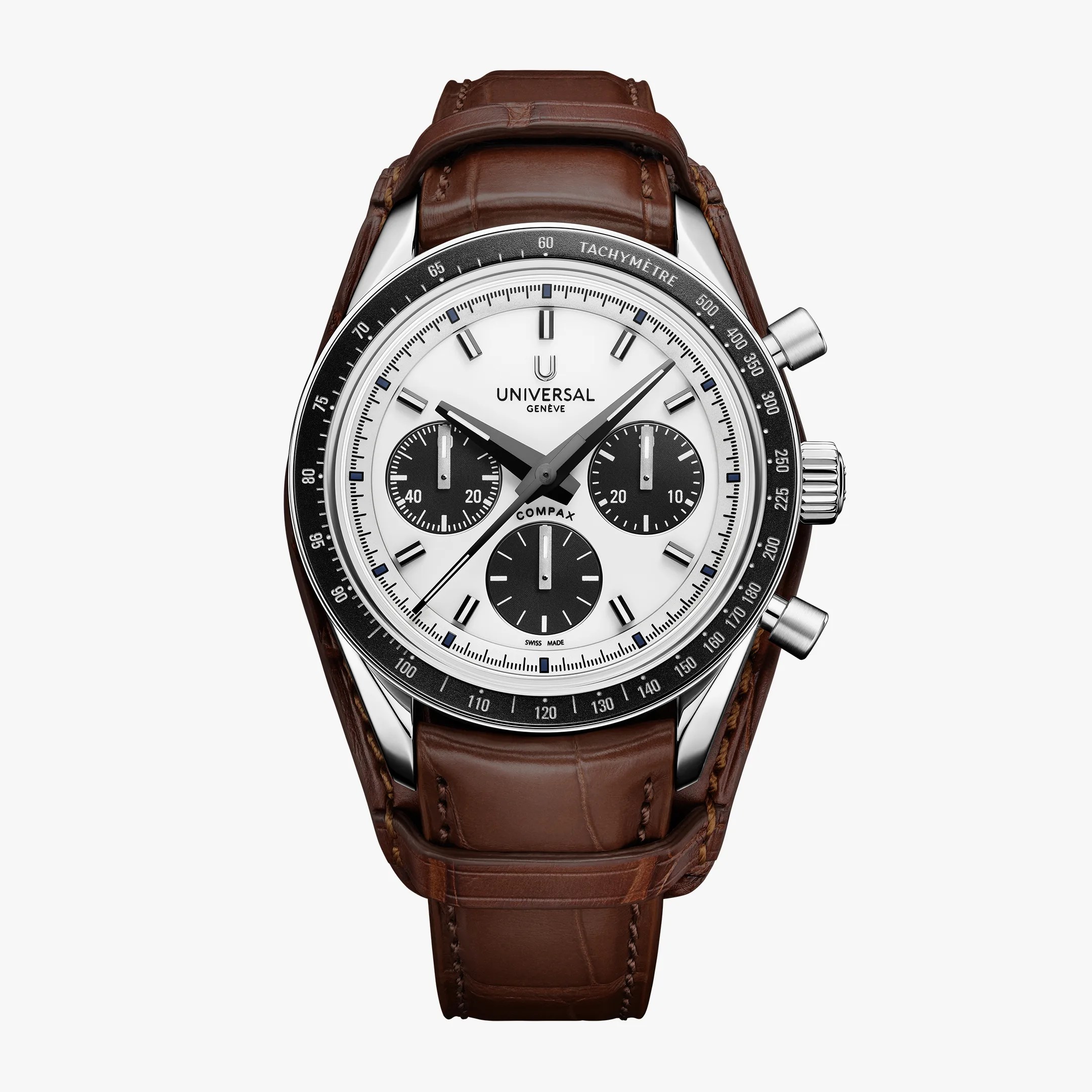
The legendary manufacture returns with six new Compax references, a proper in-house Calibre UG-200 chronograph, and the two configurations everyone actually wanted: Nina panda and Evil Nina reverse-panda. 39.5mm, column wheel, vertical clutch, 72-hour reserve, from CHF 15,500.
 WristBuzz
It launched in 1996 with a US MSRP of €395, but most buyers paid closer to €185-250 for years. Discontinued in 2019, now the J-market version trades at €800+. The SKX007 is the mechanical watch a whole generation of collectors started with, and it deserves a proper look back.
 WristBuzz
A quartet of new releases, one returning collector favorite, and a date that matters more than most anniversaries in watchmaking.
 Hodinkee
Continuing Doxa's focus on its core late-60s aesthetic, the brand recently unveiled the T.Graph II, the latest iteration of its core dive chronograph. Reborn but largely faithful to the original (and indeed to some more recent T.Graph forays), the new T.Graph II ports the Sub 300's classic look into a burly yet entirely wearable automatic chronograph that comes in Doxa's classic trio of colors, along with the surprise inclusion of a blue "Caribbean" execution. With a flagship price tag, it's a model that has previously been hard to source and often even more expensive, so the question becomes: is the new T.Graph II the dive-ready Doxa chronograph we've been waiting for? Don't fret, we'll get to all that and more. But first, a quick history lesson to bring us all loosely up to speed on the T.Graph, as it's a model with a cult following but was previously never made in any considerable quantity. T.Graphs Past To keep things as basic as possible (because Jason Heaton has written extensively about, and dived with, vintage T.Graphs – here with a Searambler, and here with a Sharkhunter), the new Sub 200 T.Graph II is based on a low-production design from 1969 called the Sub 200 T.Graph. While there is some contention over production numbers, it is believed that ~300 of each of the original colorways (Sharkhunter, Searambler, and Professional) were produced. Again, I recommend both of Jason's stories, even if only so you can see how absolutely gorgeous a vintage Sub 200 T.Graph...
Question, suggestion, or just want to say hi? Drop a note.