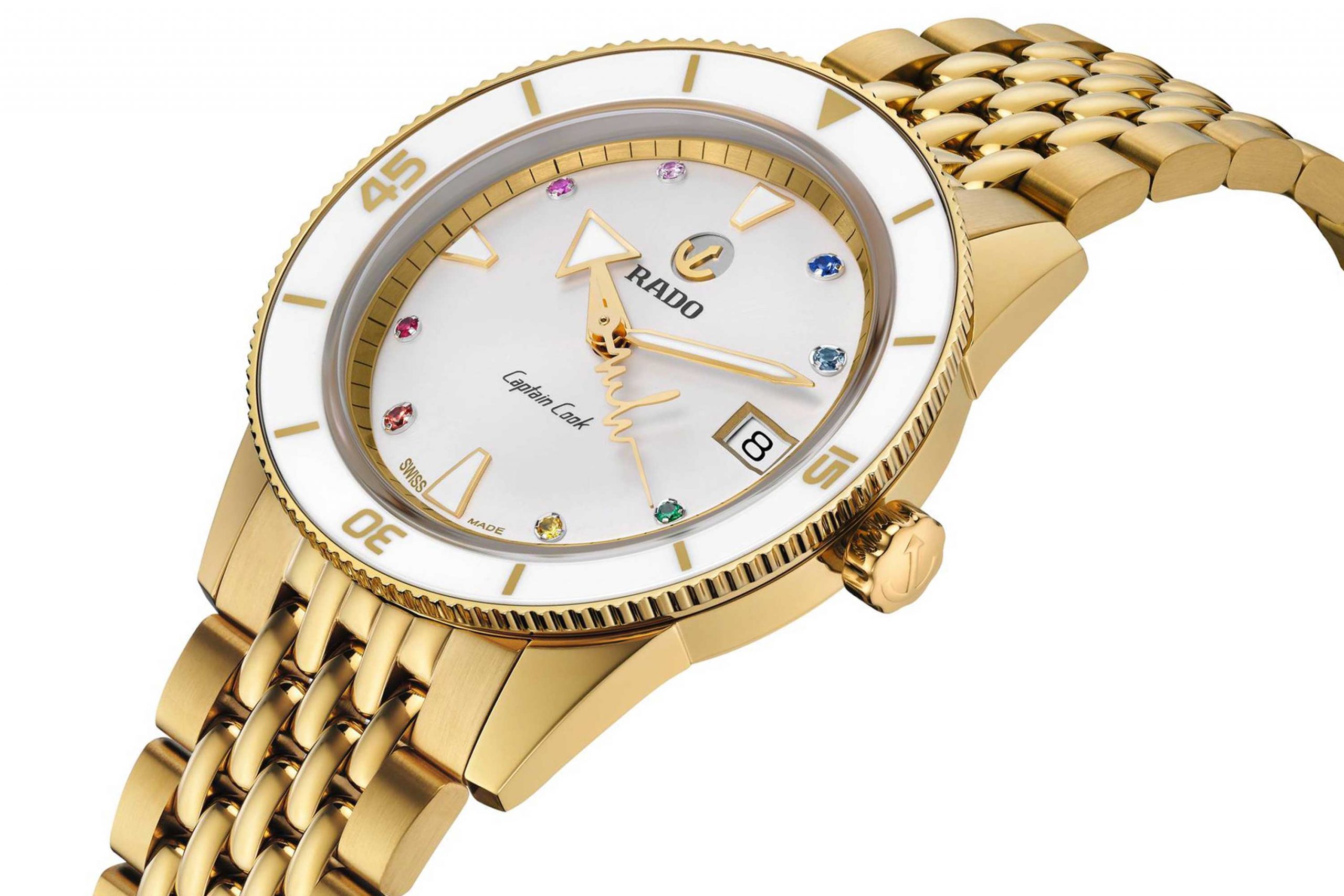
 Revolution
Results for The Nautilus Launch Story
40,942 articles · 5,826 videos found · page 983 of 1559
Revolution
 Hodinkee
Second Opinions: Let's End The Caseback Argument Forever – By Getting Creative
Fifteen great ideas to start a revolution. Now someone bring me my clustered bellflower!
 Hodinkee
A Week On The Wrist: It's Finally Here. Seiko's New Affordable GMT Is A Force To Be Reckoned With
Even with its minor flaws.
 Revolution
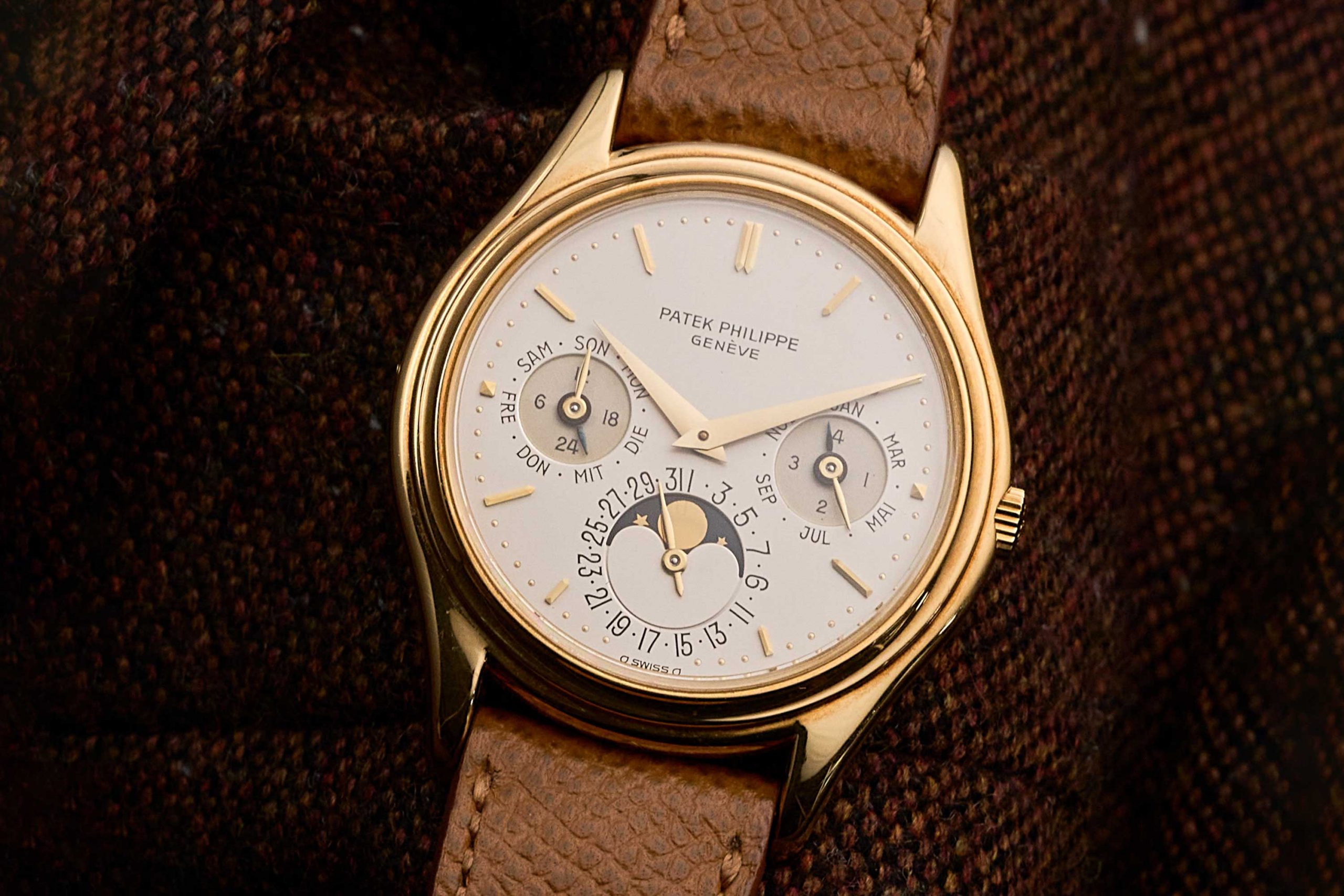
The Beauty in Everything – Mark Cho from The Armoury’s Collection for Sale at Phillips
 Revolution
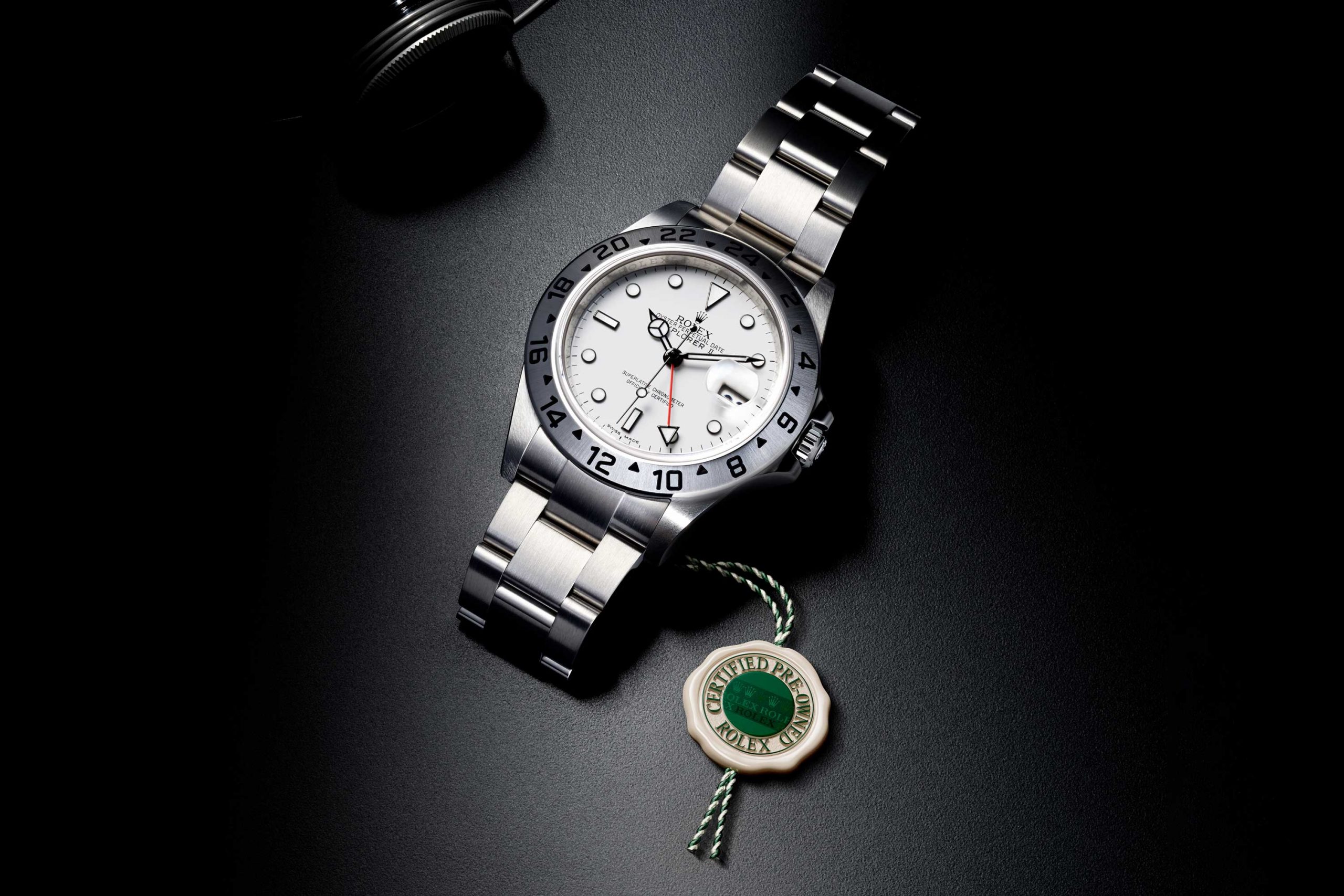
The Empire Strikes Back – Rolex’s Pre-Owned Program
 Video
Video
Inside The Overseas Collection With Vacheron Constantin Artistic Director Christian Selmoni
 Hodinkee
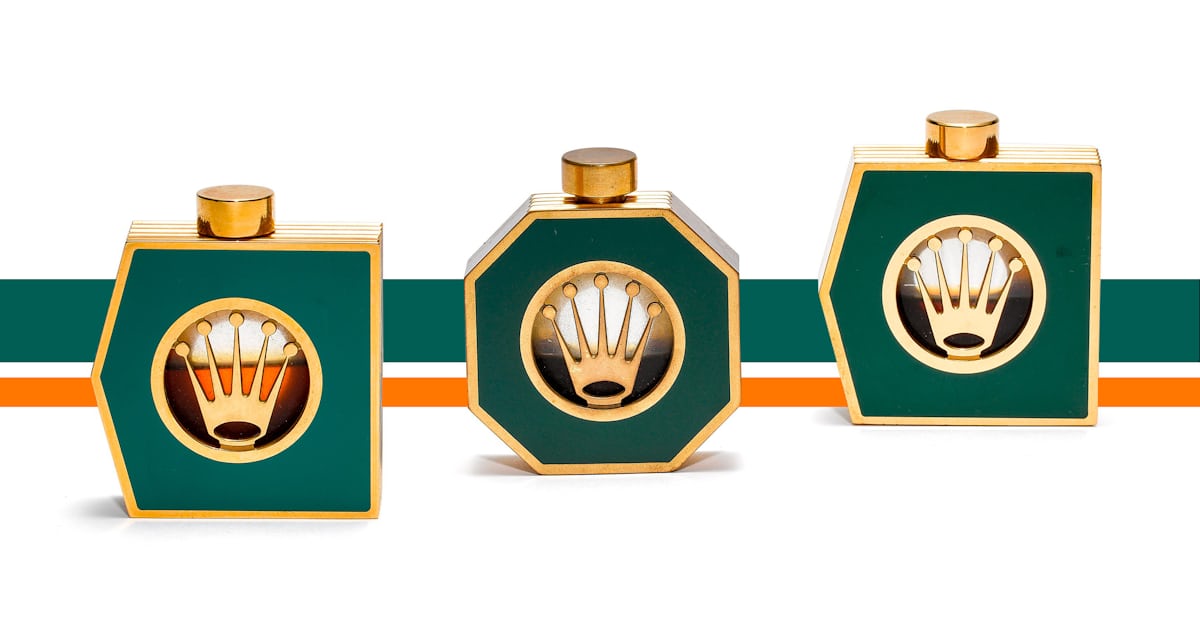
The Style Section: Our Favorite Watch Merch Of All Time
From branded baseball caps to cell phones – and everything in between.
 Revolution
Introducing the Habring² Doppel 38
 Revolution
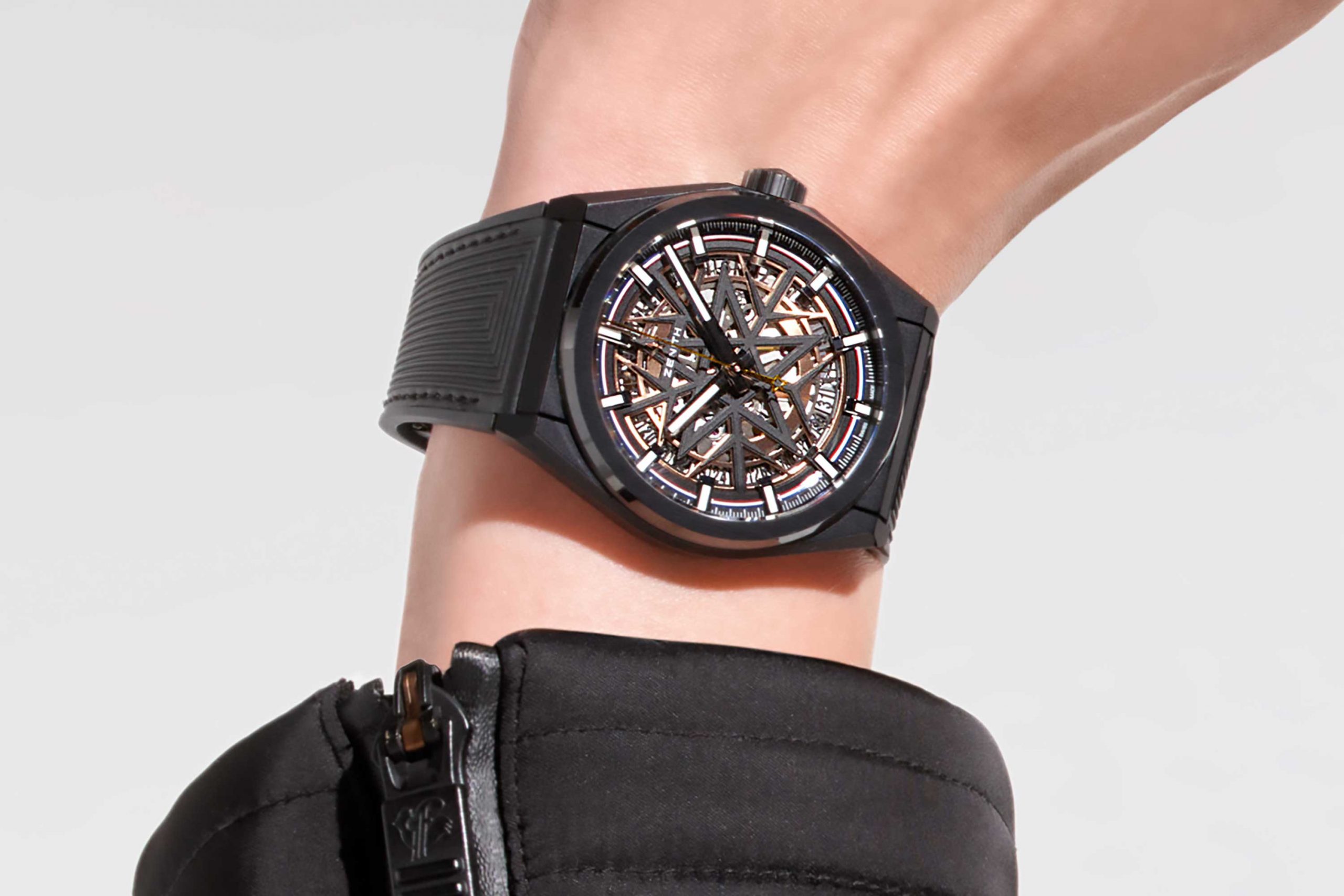
Introducing the Zenith Defy Classic Fusalp
 Revolution
The Once Upon a Time Watch Project…Watch Stories Waiting to be Told
 Hodinkee
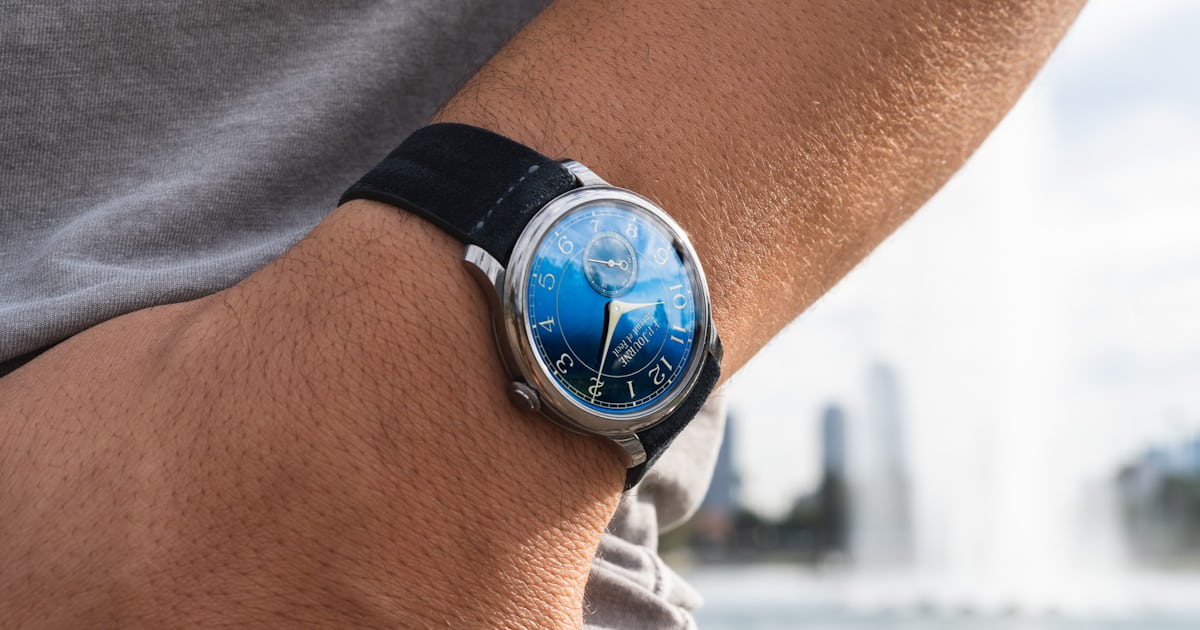
A Week On The Wrist: The Search Is Over – This Entry Level F.P. Journe Chronomètre Bleu Is My New Favorite Watch
For now, at least.
 Video
Video
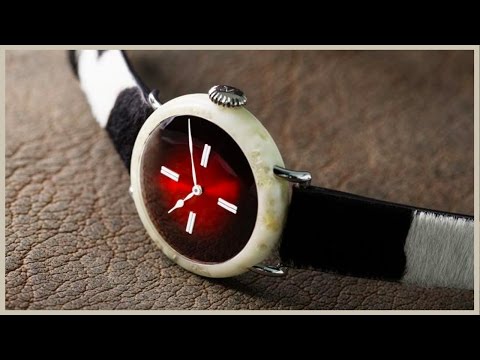
The $1M Swiss CHEESE Watch | Rant&h;
 Revolution
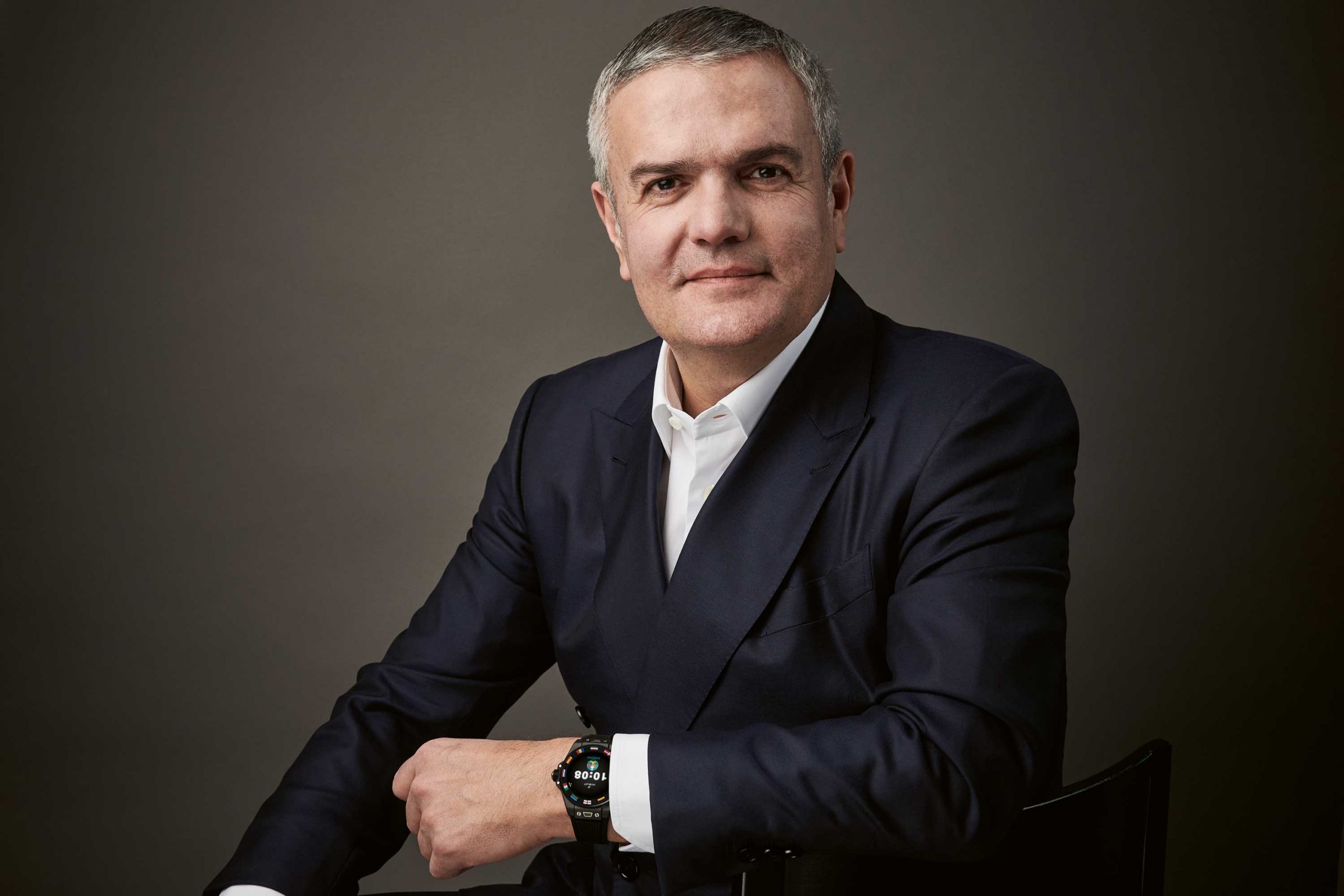
Hublot and the ‘Art of Fusion’
 Revolution
The Future of ‘Fusion’
 Revolution
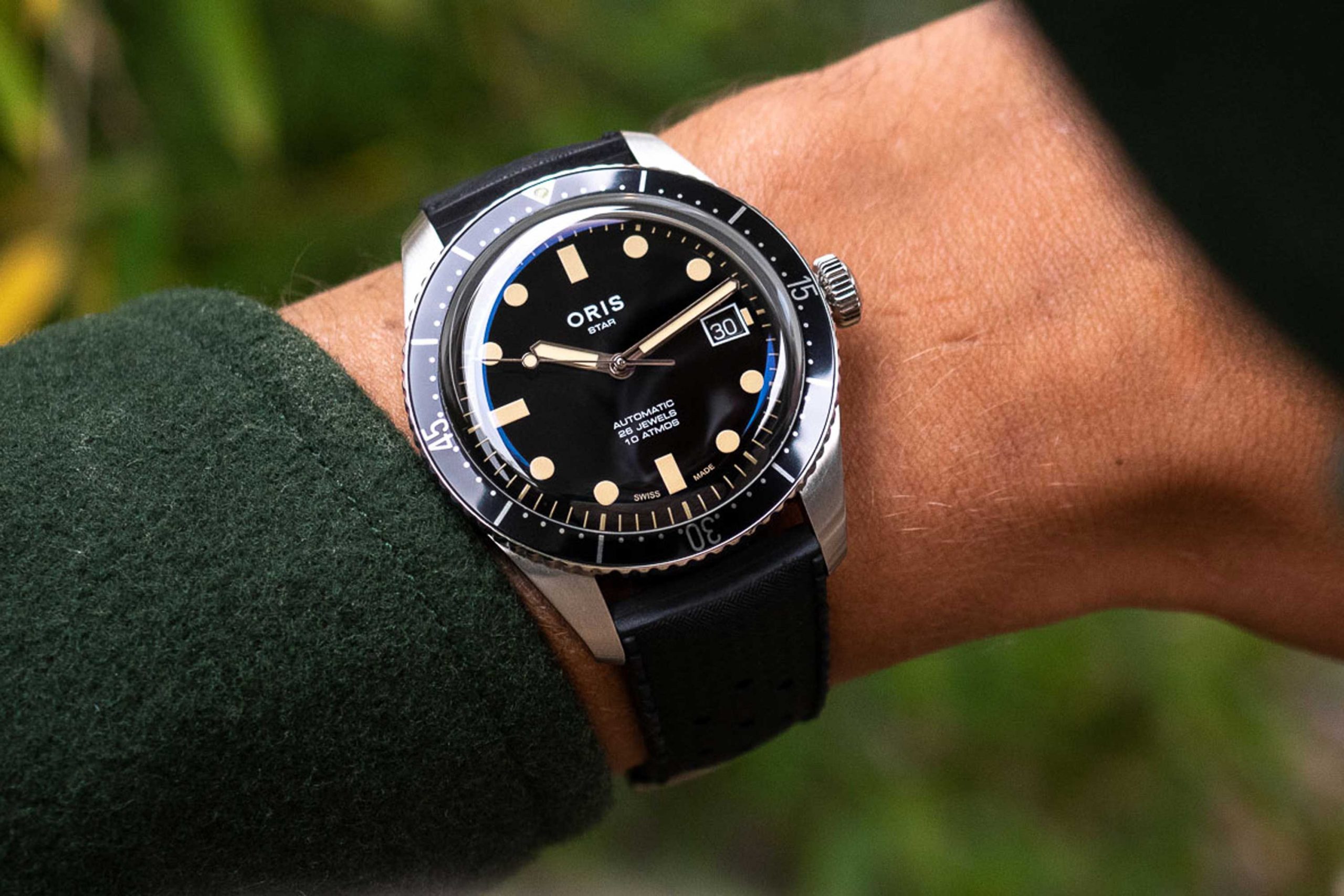
Introducing the Oris Divers Sixty-Five Fratello Limited Edition
 Revolution
Introducing the Bulgari x Phillips Octo Finissimo Special Edition
 Hodinkee
The Spec Sheet: Going Art Deco With The Jaeger-LeCoultre Reverso
Put your JLC down, flip it and reverse it.
 Video
Video
The OMEGA Seamaster Planet Ocean \
 Revolution
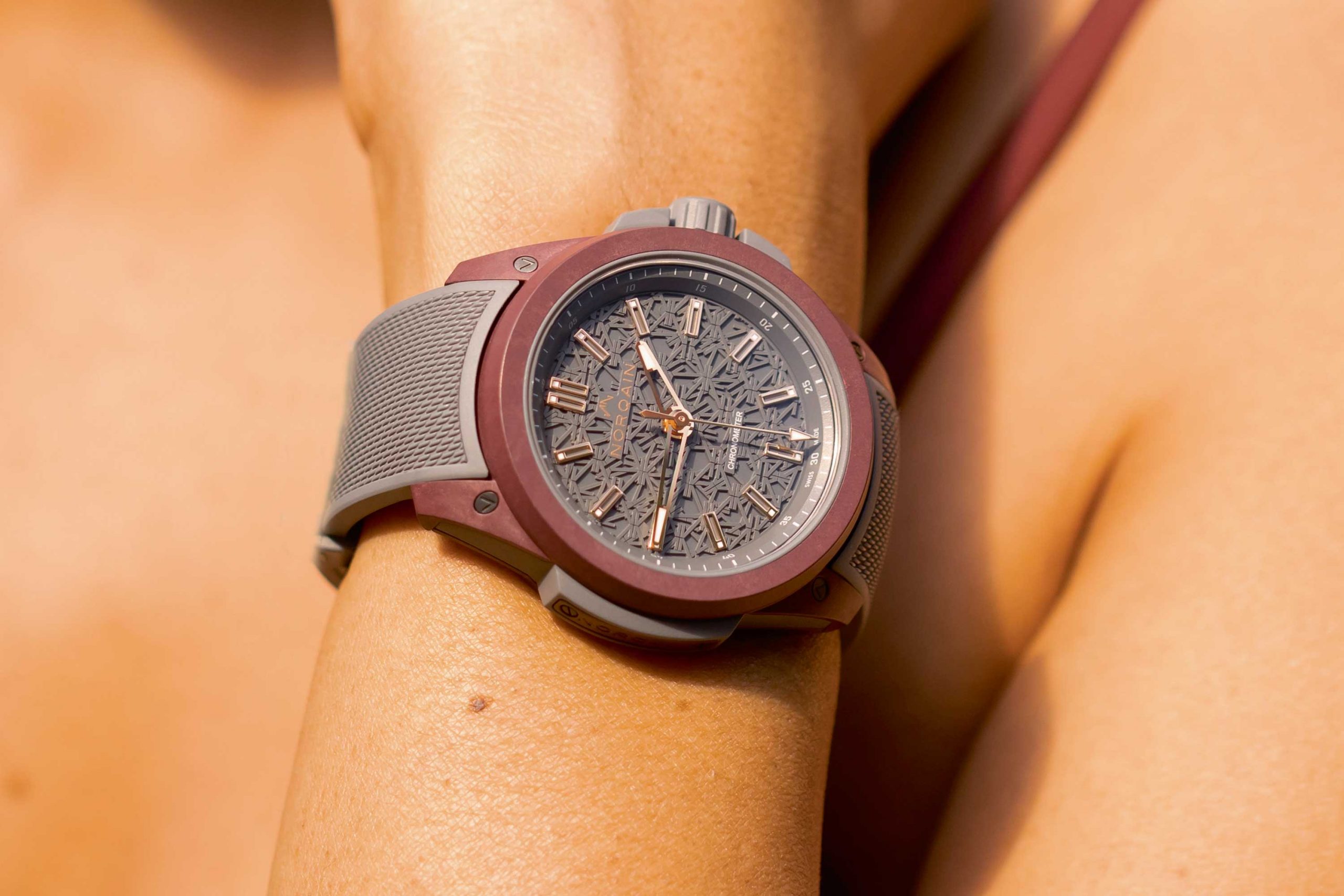
For The Wild Ones
 Revolution
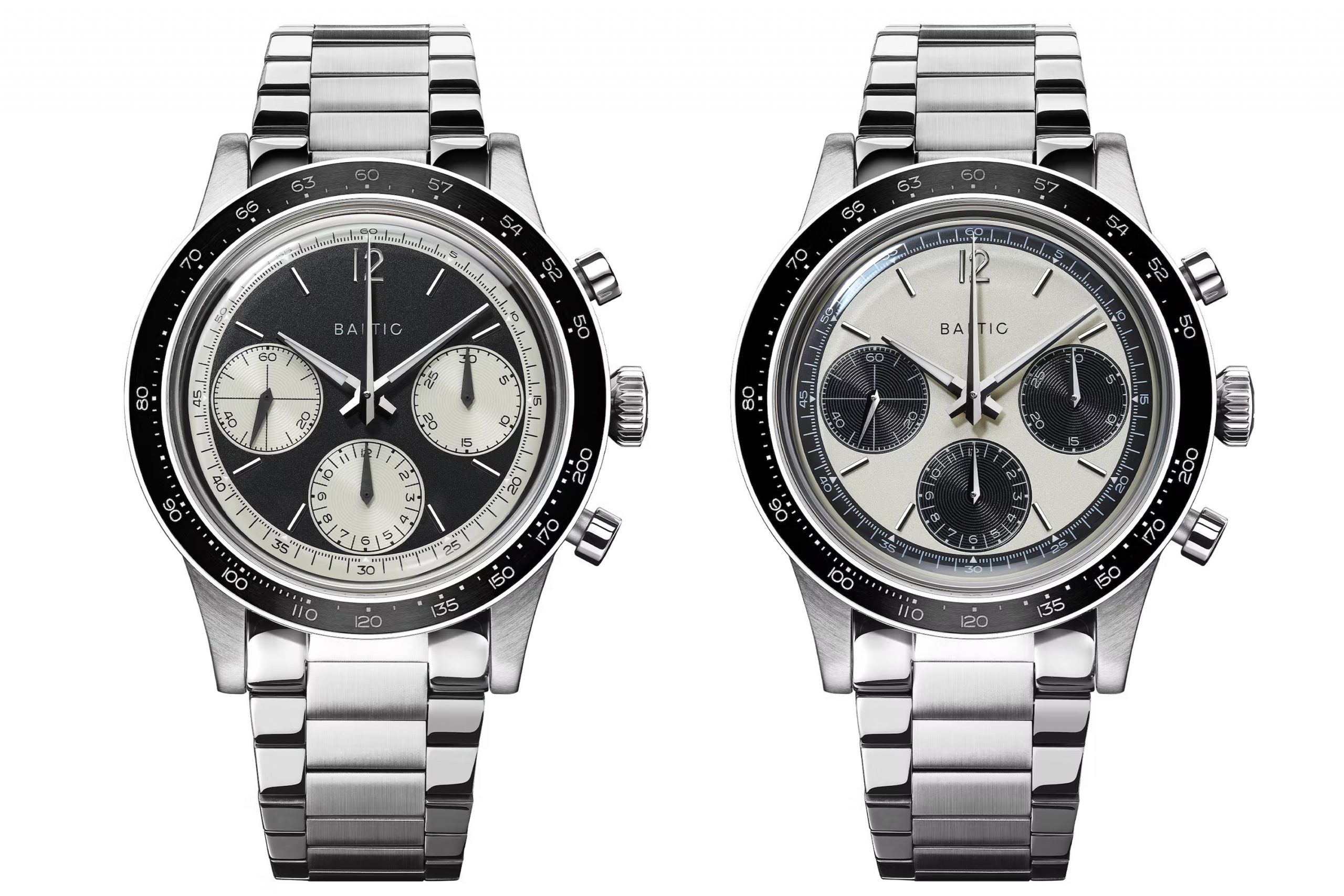
Introducing the Baltic Tricompax Panda & Reverse Panda
 Revolution
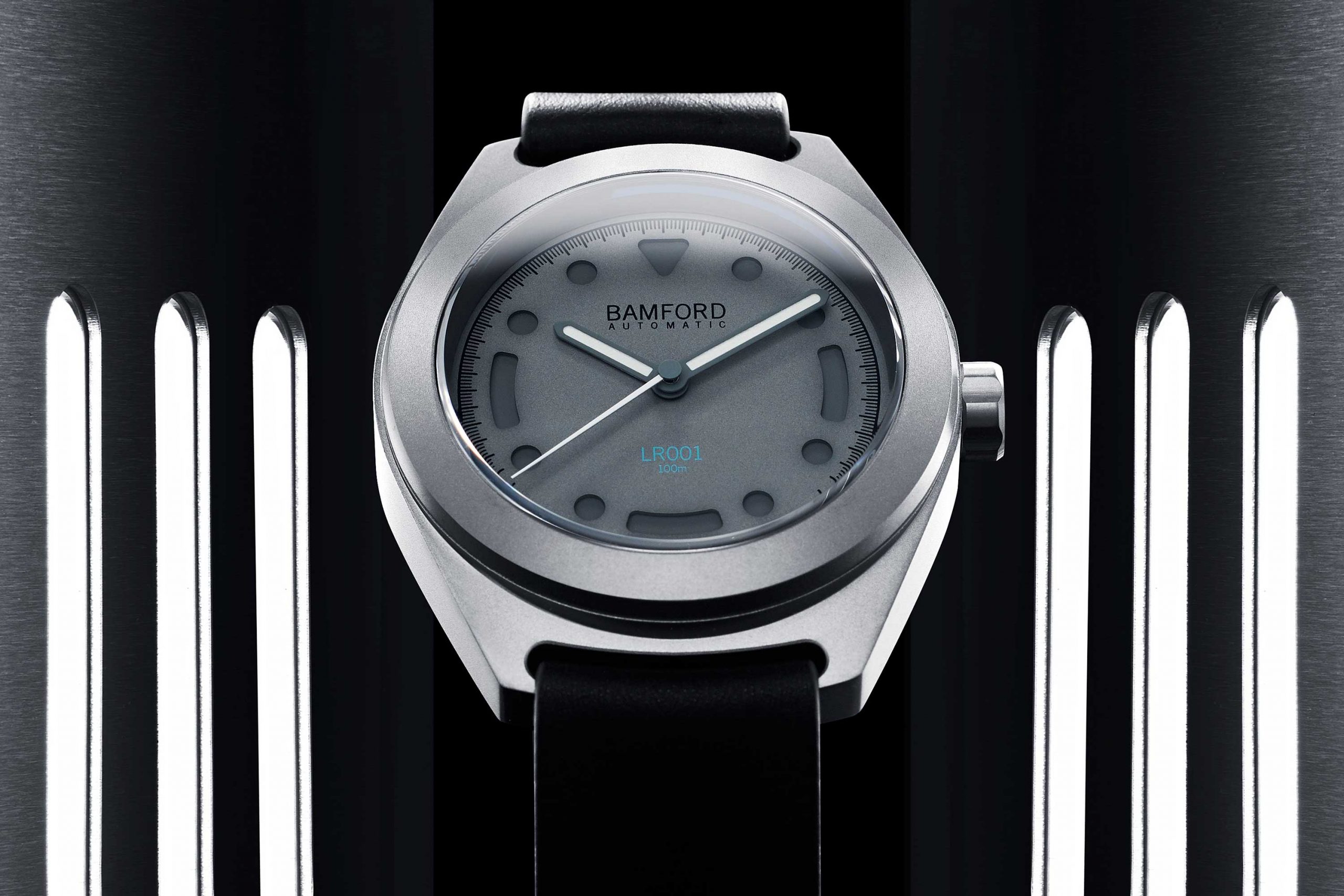
Defending the Wrist – The Bamford London LR100 Limited Edition
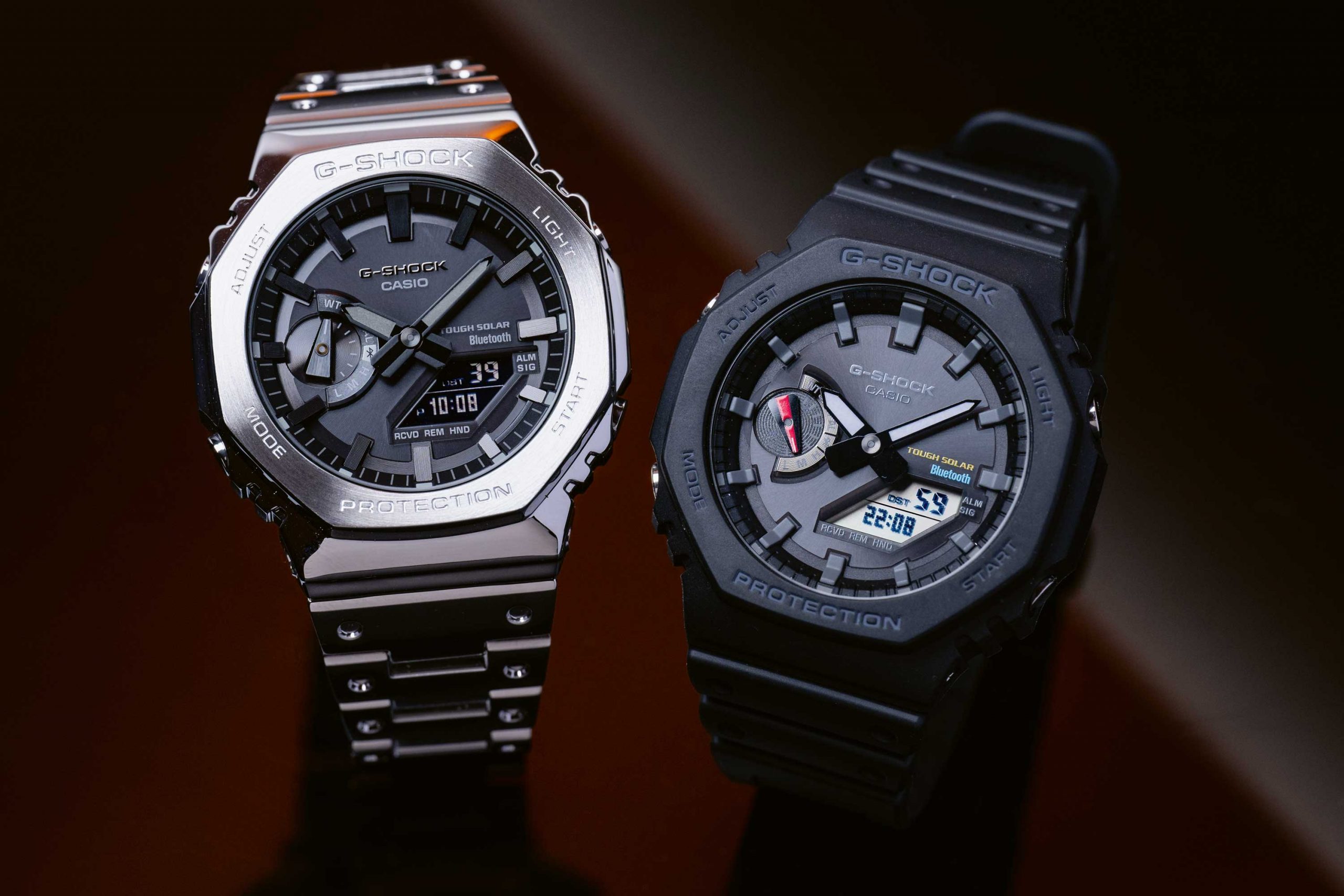 Revolution
One for the Watch Mods
 Revolution
Introducing the Carl F. Bucherer Manero Central Counter
 Video
Video
A Closer Look at a TUDOR Prince Oyster-Date, Omega SEAMASTER, and more | In The Metal
 Hodinkee
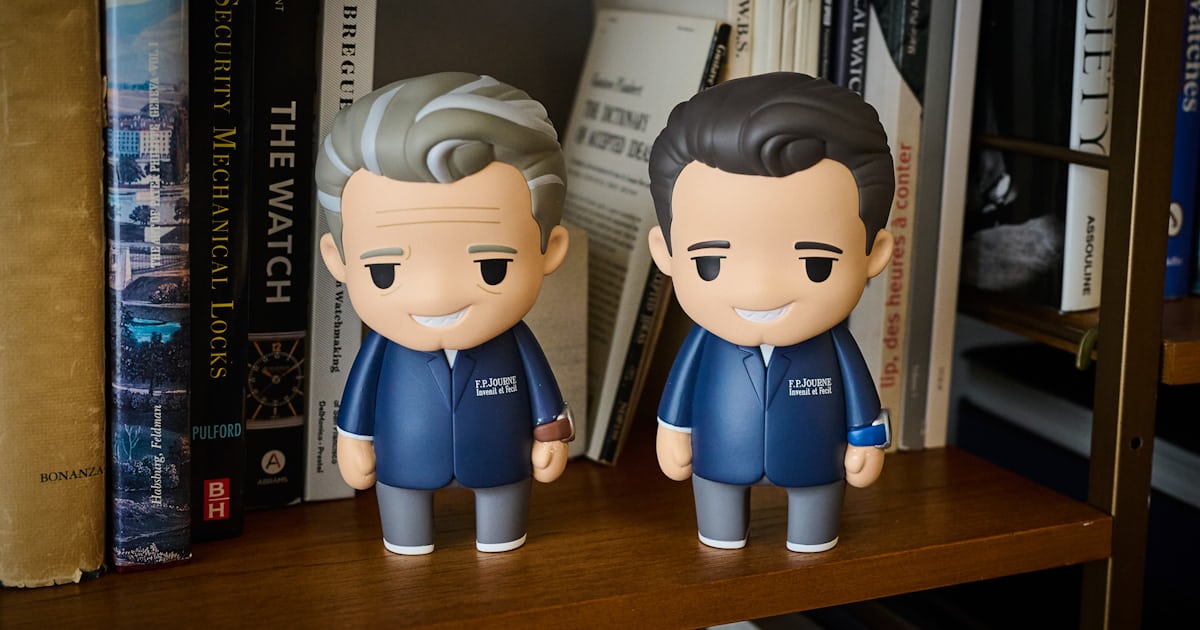
Just Because: What These F.P. Journe Toys And Boxes Tell Us About Where The Hype Is Dying Down (And Where It's Not)
These are a few of our favorite (F.P. Journe) things.
 Revolution
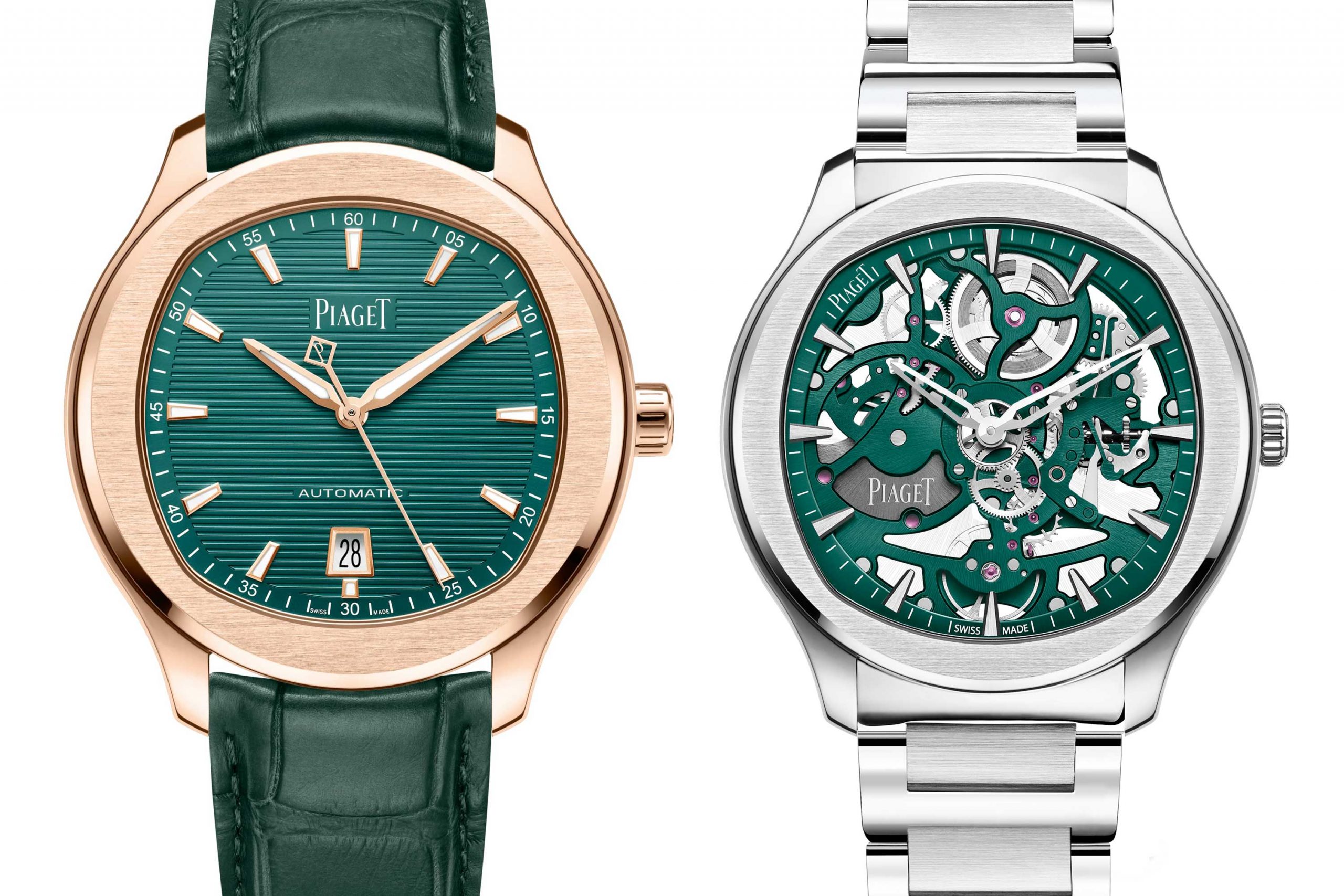
The Piaget Polo Skeleton and the Polo Date Are Evergreen
 Revolution
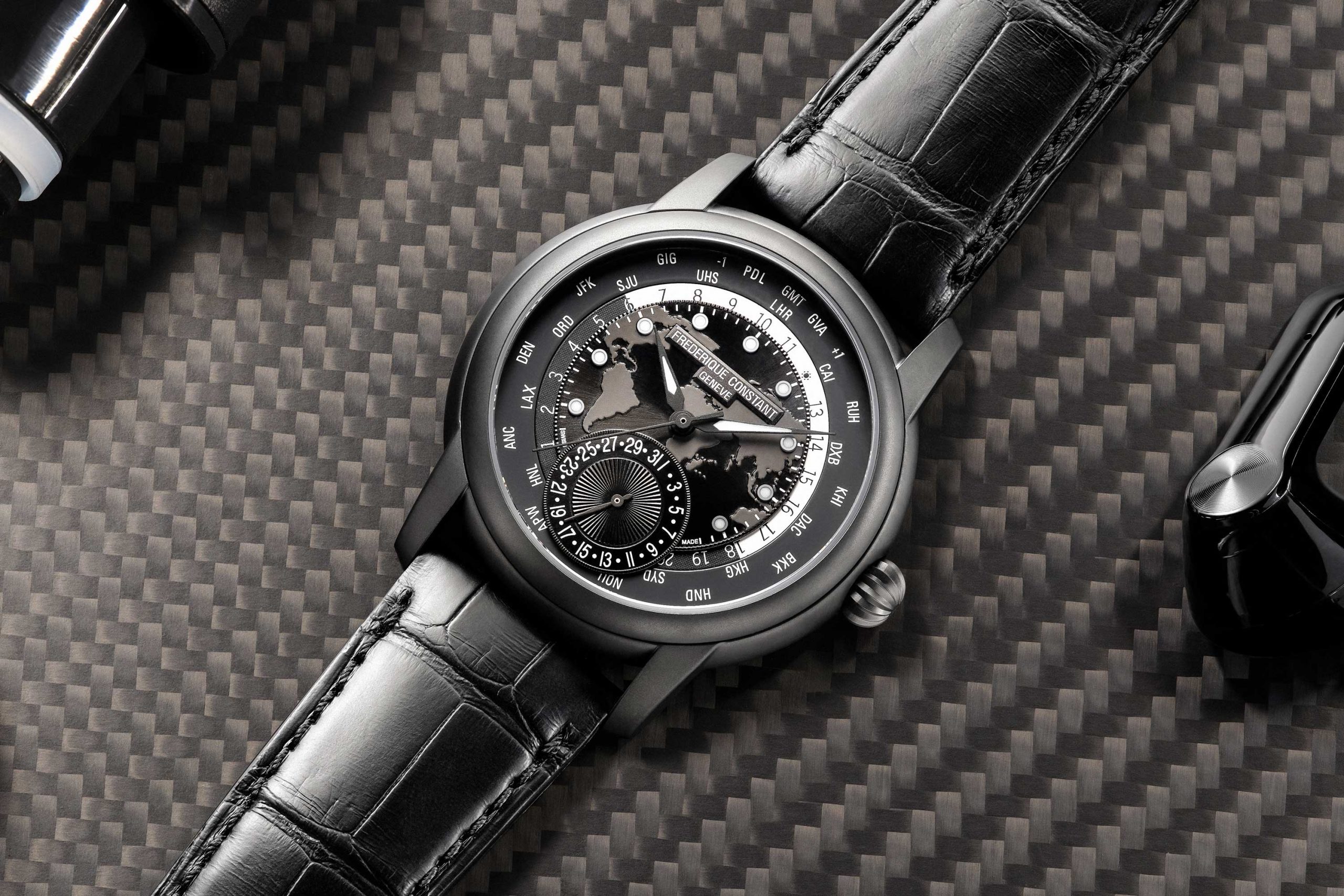
Introducing the Frederique Constant Classics Worldtimer Manufacture Globetrotter Edition
 Revolution
Nivada × Revolution & The Rake Depthmaster ‘No Barracuda’
 Hodinkee
The Two Watch Collection: The Grand Seiko SBGW033 130th Anniversary Limited Edition And The A. Lange & Söhne Saxonia Thin 37mm
Demonstrating how a shared philosophy about watchmaking can produce different, but complementary, expressions.
 Video
Video