
904L is an austenitic stainless steel originally specified for the chemical, oil, and pharmaceutical industries where chloride corrosion (saltwater, hydrochloric acid, brine environments) is the failure mode. Compared to the standard 316L watch-grade stainless: 904L contains 20% chromium (vs 316L's 16-18%), 25% nickel (vs 10-14%), 4-5% molybdenum (vs 2-3%), and 1.5% copper (316L has none). The composition produces measurably better corrosion resistance, especially in saltwater environments.
Rolex began testing 904L for case use in the 1980s; the first commercial 904L Rolex was the 1985 Sea-Dweller ref. 16600 (according to Rolex). The brand rolled out 904L progressively across the catalogue: the 1988 GMT-Master II, the 2003 Yacht-Master, then by 2003 all production steel cases. The 2018 marketing rename to Oystersteel was a brand-protection move (904L is a generic specification; Oystersteel is a Rolex-controlled trademark for specifically Rolex-machined 904L).
"It's not just steel. It's a 5% different alloy that costs us 30% more to make and that no one can see. We do it because we believe it makes the watch better. That's the brand."- Rolex internal communication on 904L (paraphrased, watch-industry press)
The downside is cost. 904L is roughly 30% more expensive as raw material than 316L, but the bigger cost is machining: 904L is harder, work-hardens during cutting, requires harder tooling, and produces slower production rates (often 30-50% slower per part). Rolex absorbed the cost via its industrial scale and integrated steel-machining operation; smaller brands have not adopted 904L because the manufacturing economics don't work at lower volume.
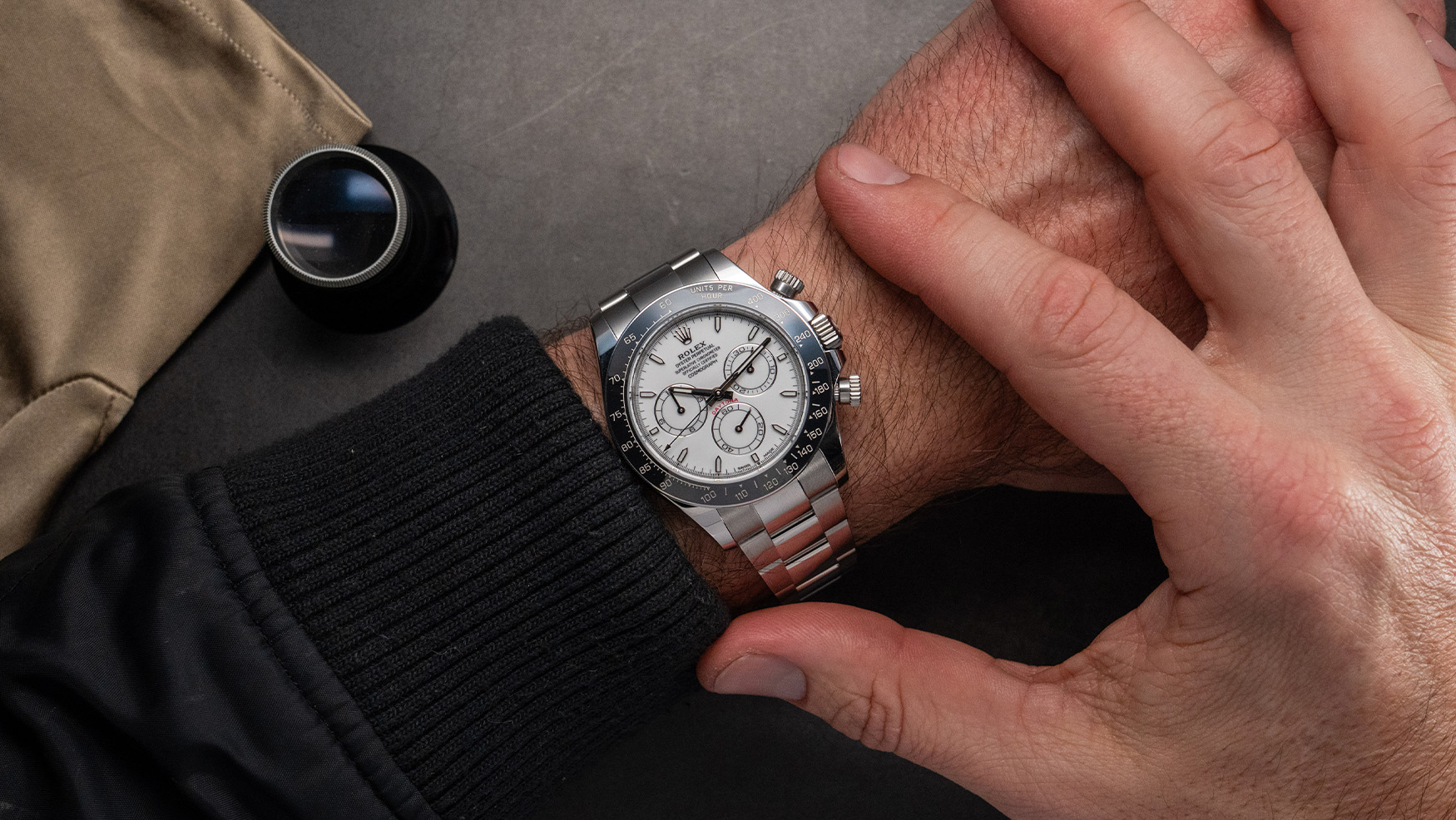
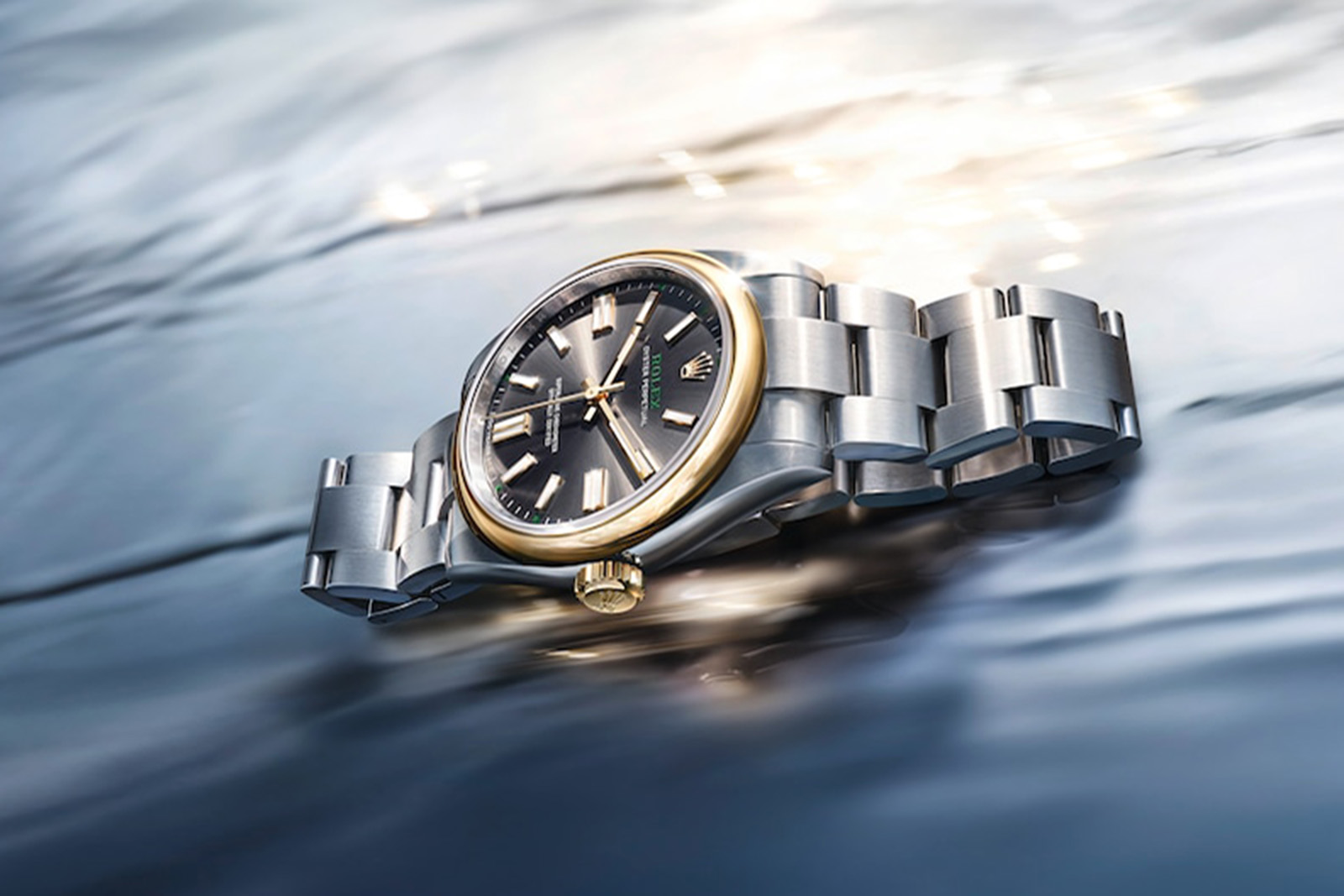
Modern Rolex Oystersteel watches are recognisable by their slightly brighter polished finish compared to 316L equivalents (more chromium = more reflectivity), and by their long-term resistance to saltwater pitting on dive watches. Whether the corrosion advantage is meaningful in real-world wear is debatable: most watch wearers don't expose their watches to saturated brine. The aesthetic differentiation is real; the engineering differentiation is real but mostly invisible.





Comments 2