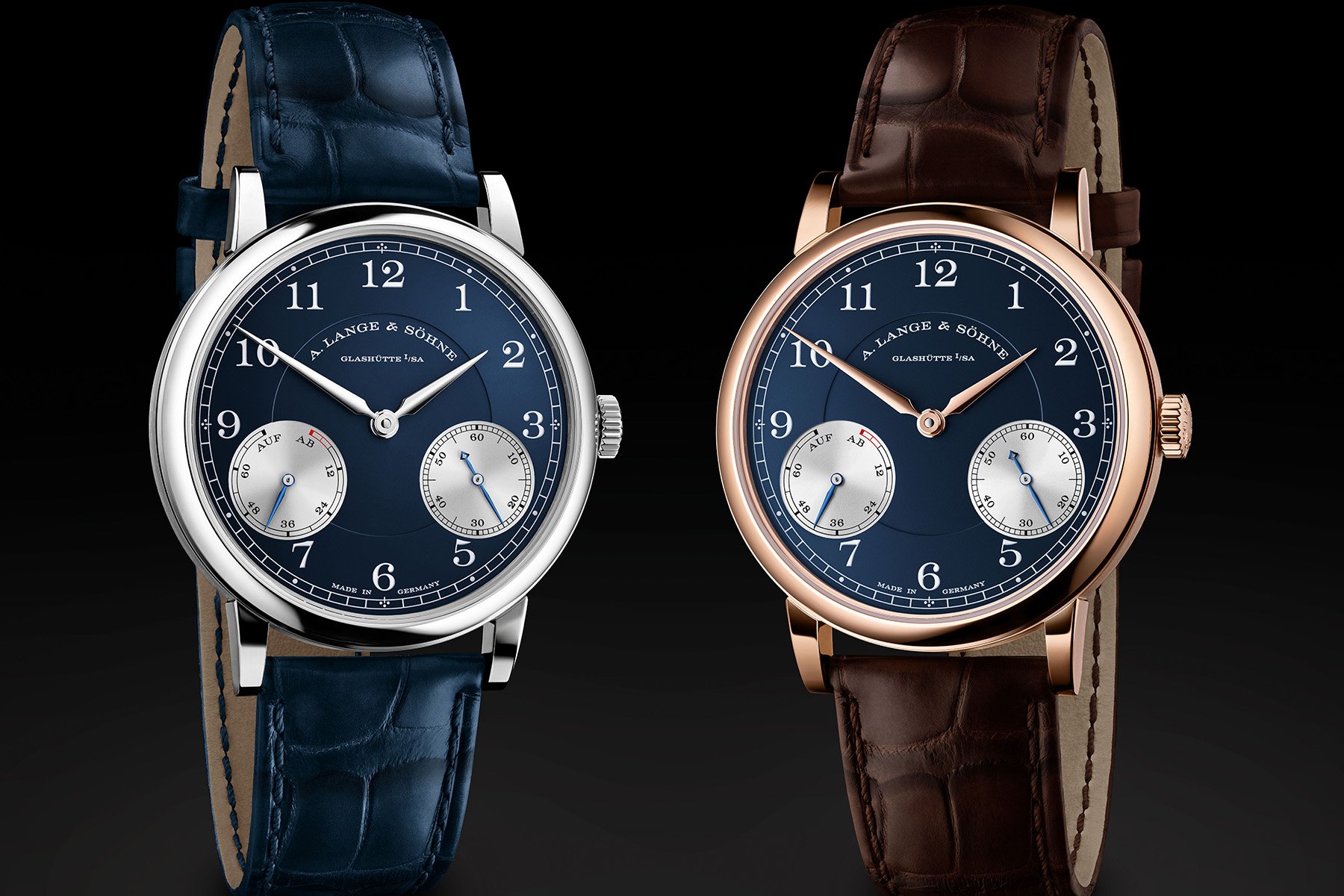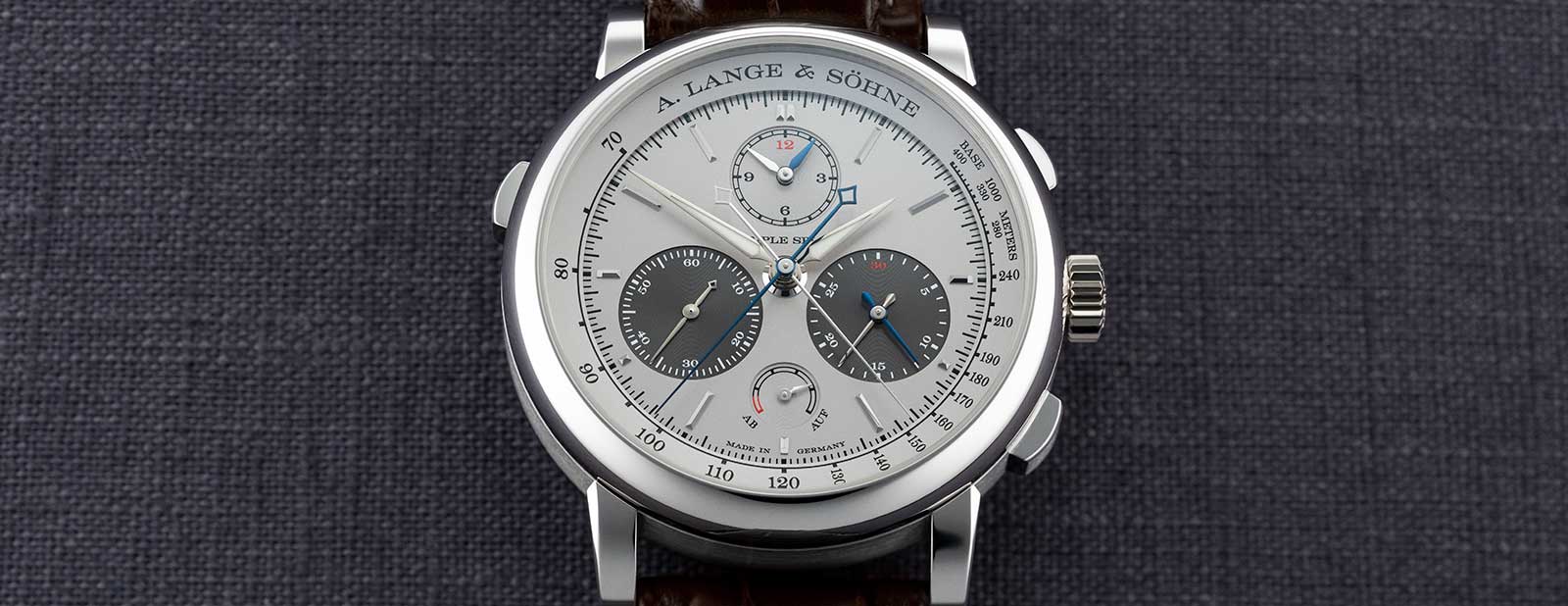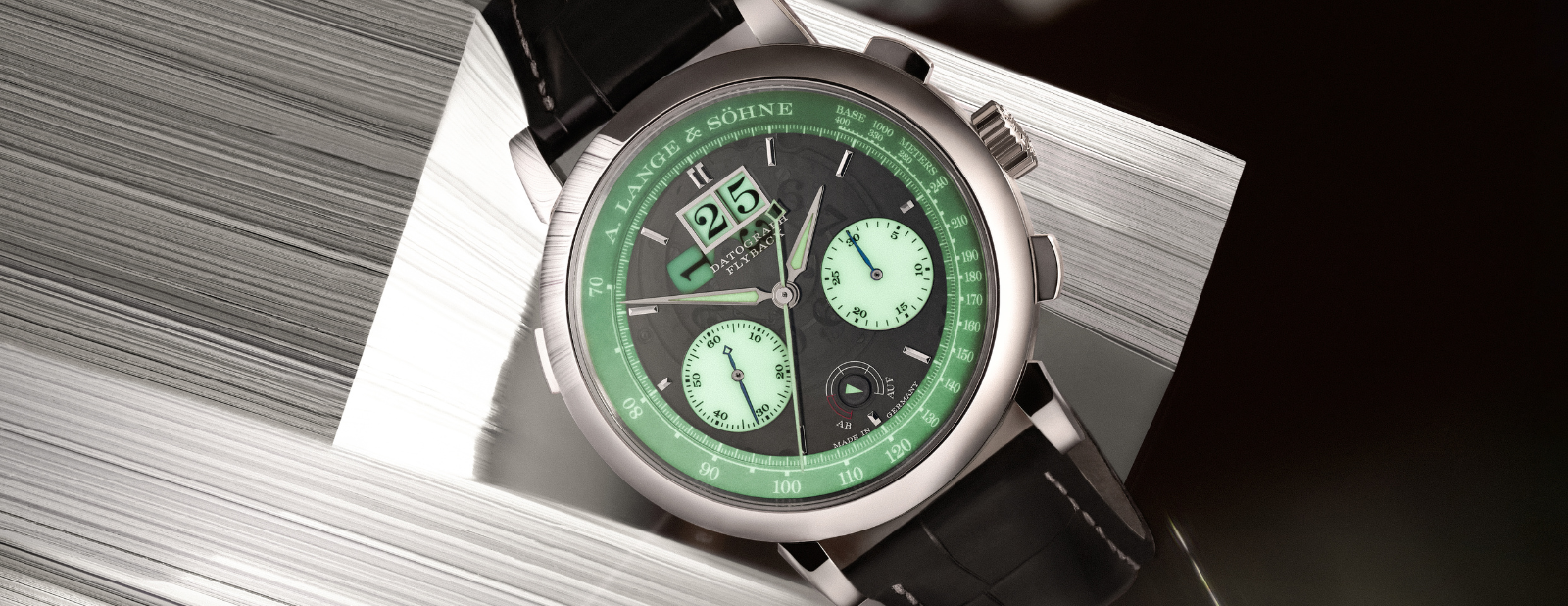
The story of A. Lange and Sohne begins in 1845 in Glashutte, a small town in the Ore Mountains of Saxony where the watchmaking tradition had barely taken root. Ferdinand Adolph Lange, a Dresden-trained master watchmaker who had completed a formative study tour with Abraham-Louis Breguet's successor in Paris, chose this unlikely location deliberately. He wanted to build a watchmaking industry from scratch, training local miners and craftsmen in the highest techniques of the trade. He recruited apprentices, established rigorous standards, and within a decade had created a manufactory producing pocket watches of exceptional quality. The name Lange soon carried weight far beyond Saxony.
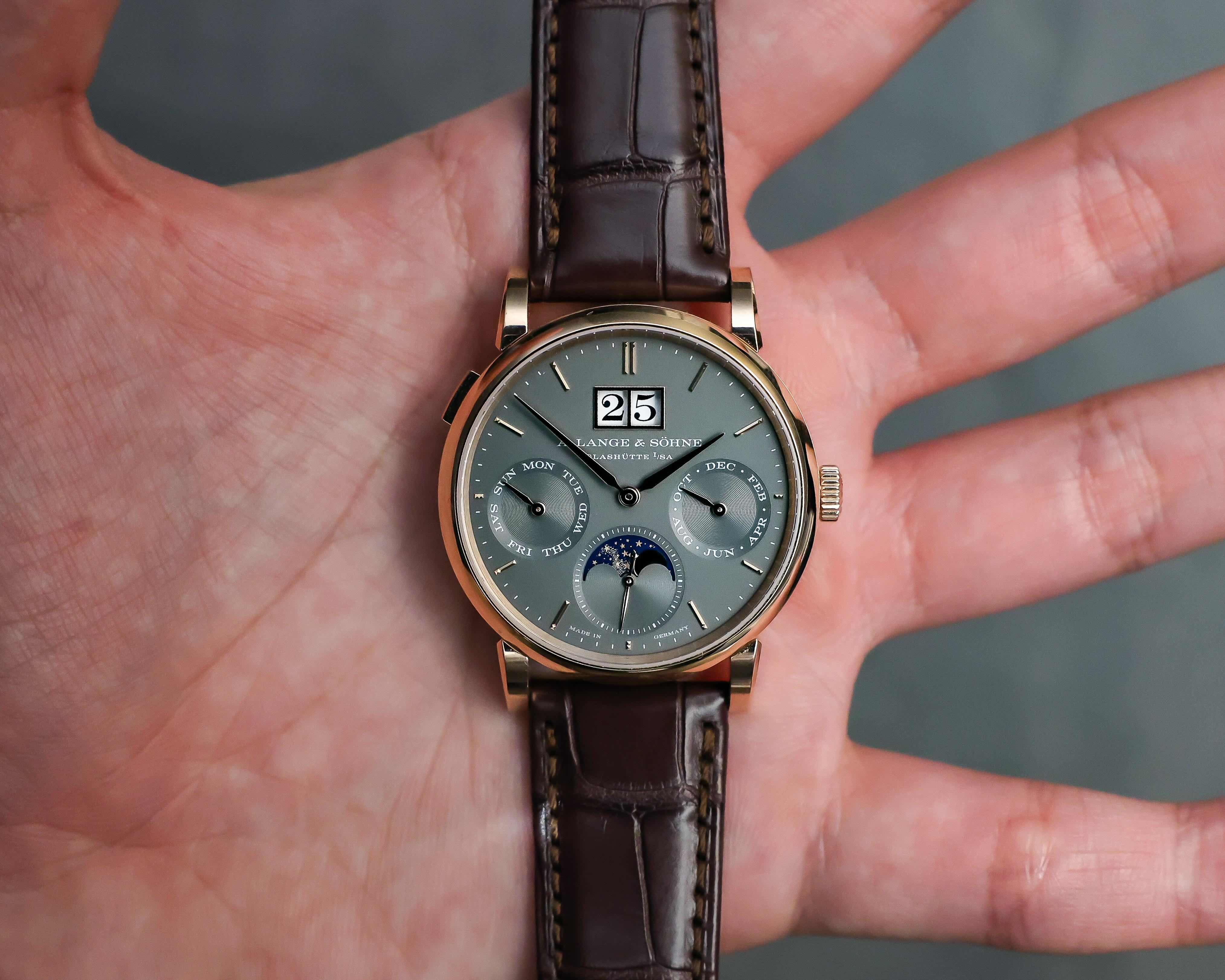
The company passed through generations of the Lange family, developing innovations including the outsize date display and the three-quarter plate construction that became hallmarks of the Glashutte tradition. But the 20th century brought catastrophe. Dresden's bombing in 1945 and the subsequent Soviet occupation of East Germany led to the nationalisation of all private industry in 1948. The Lange workshops were subsumed into state enterprises, the family displaced, and the name disappeared from fine watchmaking for over forty years. The accumulated craft knowledge survived only in the hands of the watchmakers themselves.
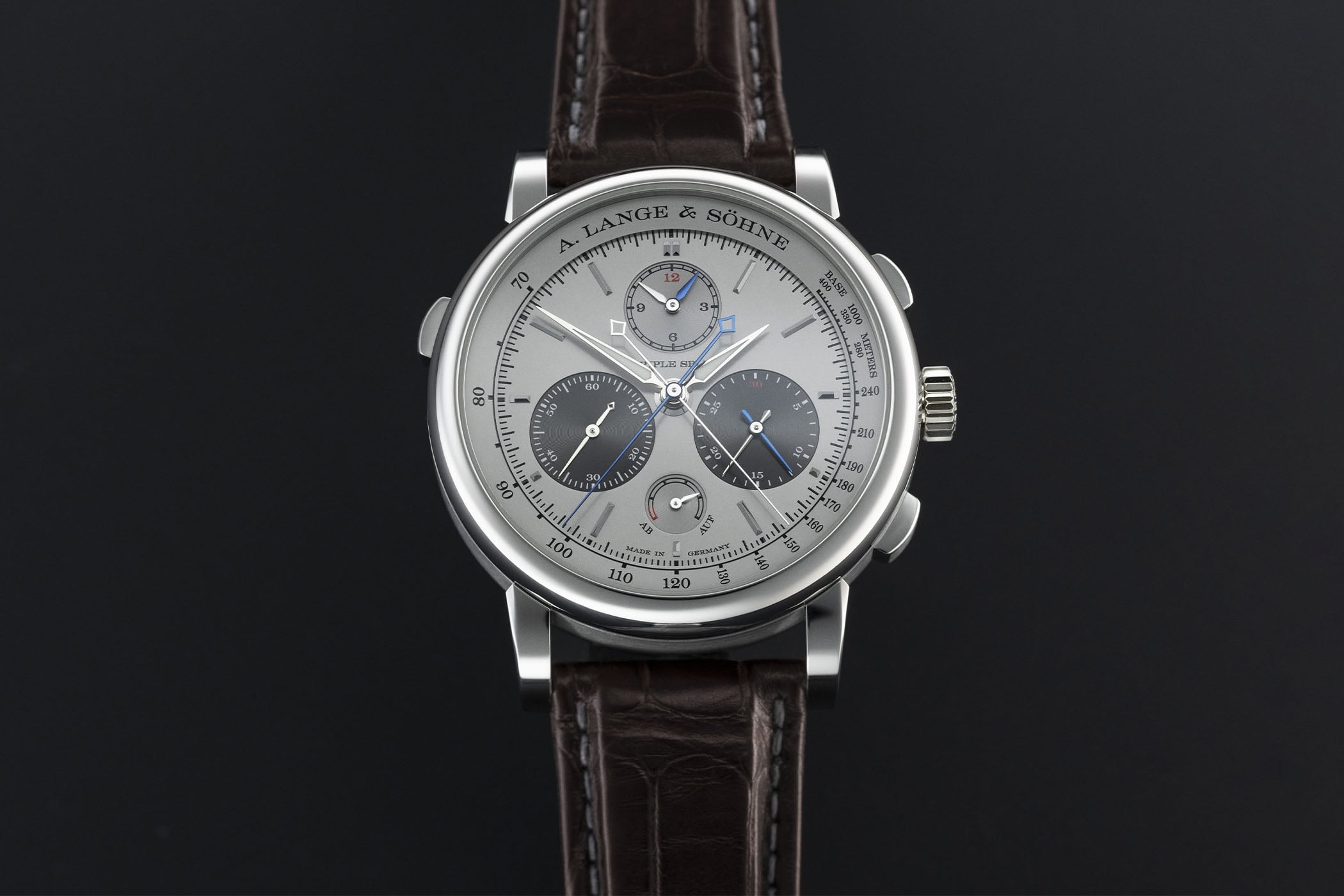
The fall of the Berlin Wall in 1989 changed everything. Walter Lange, great-grandson of the founder, returned to Glashutte with backing from Gunter Blumlein of IWC and began the extraordinary project of refounding the family business. On 7 December 1990, barely seven weeks after German reunification, A. Lange and Sohne was re-established as a company. Four years of intense development followed, and on 24 October 1994, four debut watches were unveiled in Dresden. The Lange 1, Saxonia, Arkade, and Tourbillon pour le Merite stunned the watch world and announced Germany's return to haute horlogerie. The brand joined the Richemont Group in 2000 but has maintained its independent design philosophy and its home in Glashutte ever since.
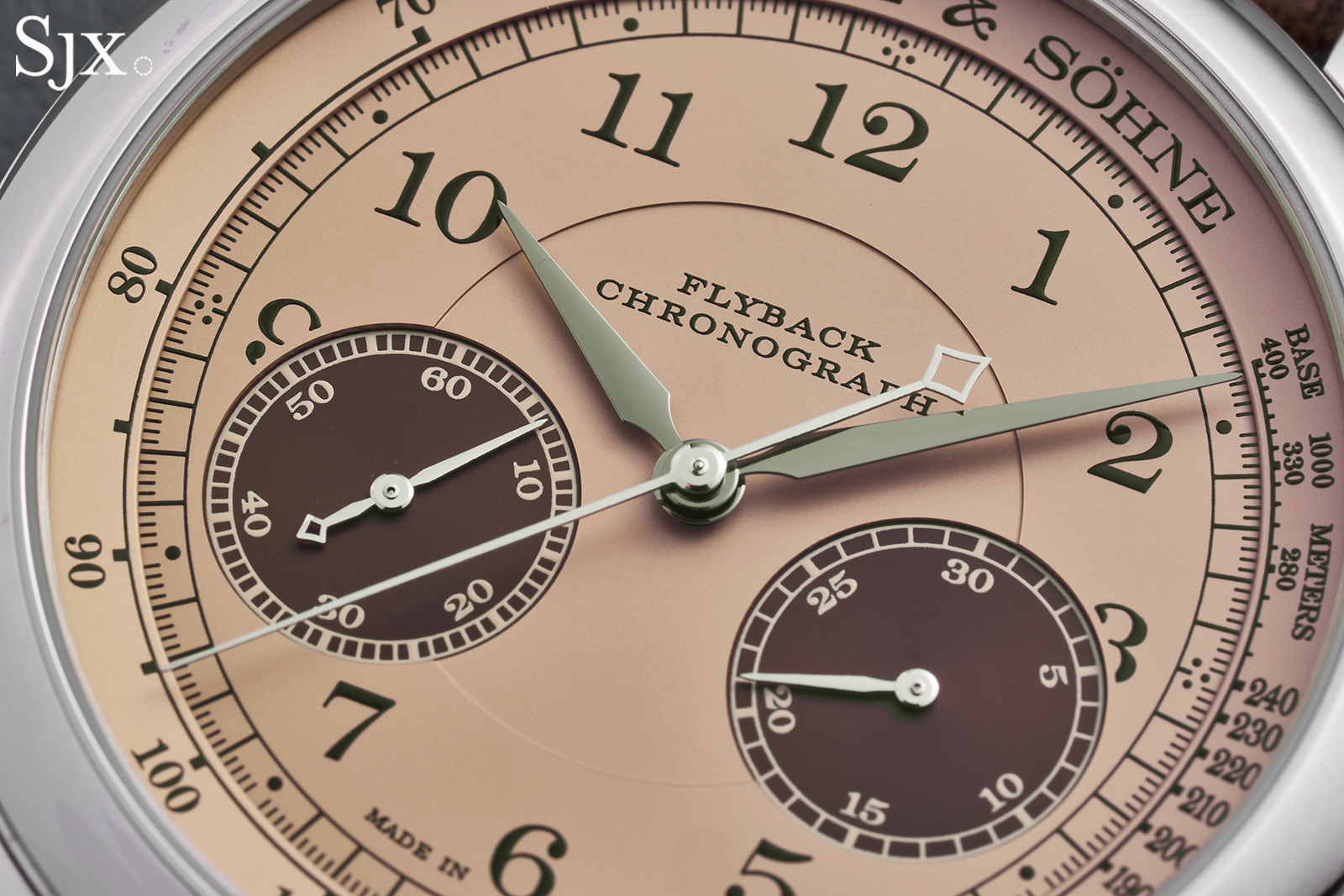
What distinguishes Lange from every other watchmaker is a commitment to finishing that borders on the obsessive. Every movement is assembled twice: once to ensure correct function, then fully disassembled, each component cleaned, polished, and decorated individually before final reassembly. The hand-engraved balance cock on every movement, a tradition inherited from the Glashutte craft heritage, is still executed by a handful of specialists working with tools that have barely changed in 175 years. The result is a watch that rewards close examination as no other can.